
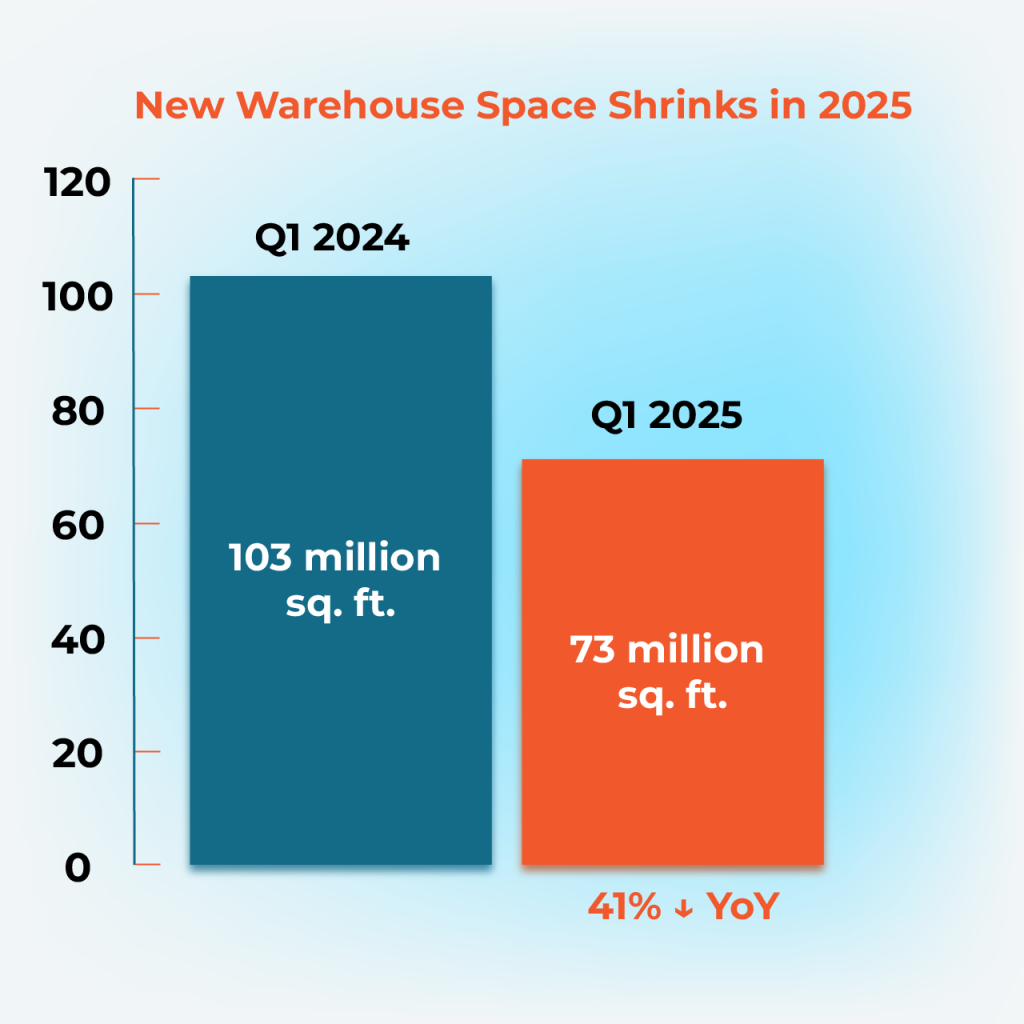
Take the latest Cushman & Wakefield report¹, for example. It shows that around 73 million square feet of new warehouse space was completed in the first quarter of this year — a 41% drop compared to the same period last year. In today’s market, more and more facility owners are looking to expand or reconfigure their existing spaces rather than invest in brand-new builds.
Taylor Smith from Honeywell² summed it up perfectly:
“A lot of the interest right now is in getting more out of your existing sites. That includes brownfield retrofits, adding automation, and shifting to cloud-based systems that can be supported centrally.”
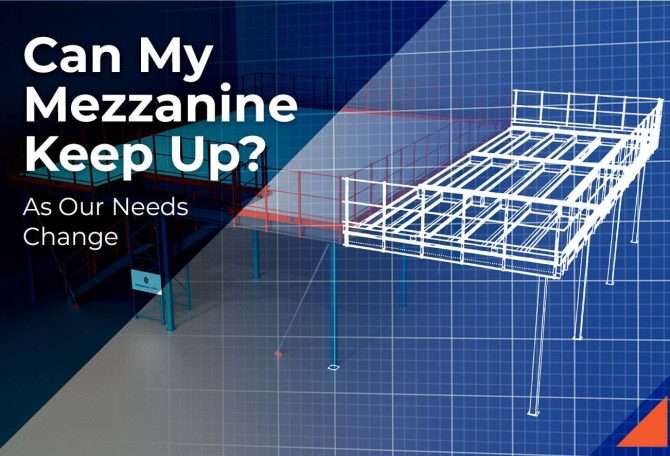
So, can your mezzanine be expanded or modified? In most cases, the answer is yes — especially if you plan for flexibility from the start. Here’s what you need to know about expandable mezzanine systems, the limitations to keep in mind, and how to future-proof your warehouse for whatever comes next.
What Types of Mezzanines Can Be Expanded?
Not all mezzanine systems are created equal when it comes to flexibility. Here are the most common options for expansion if you are planning for grow or anticipating changes down the road.
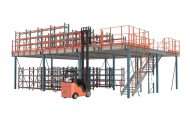
- Structural Steel Mezzanines. They are typically modular and bolt-together, allowing you to add sections, extend platforms, or reconfigure layouts as needed. They’re engineered to meet building codes and can be customized for specific heights, spans, and load requirements.
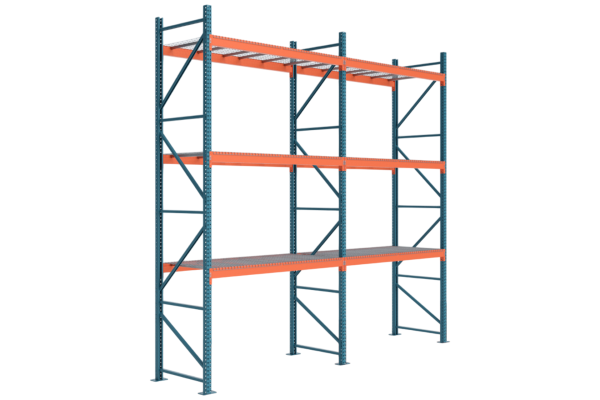
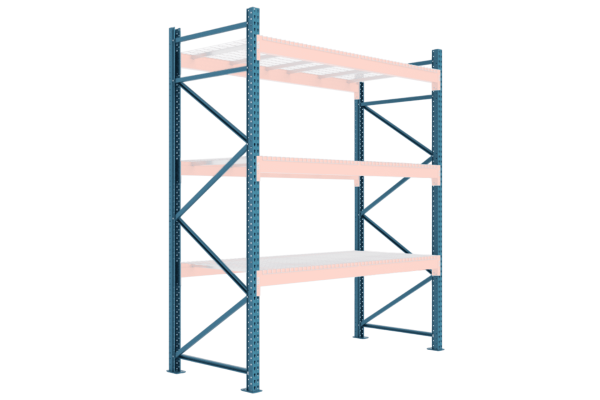
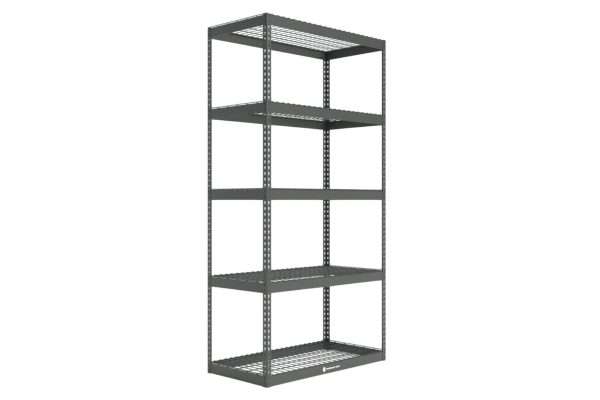
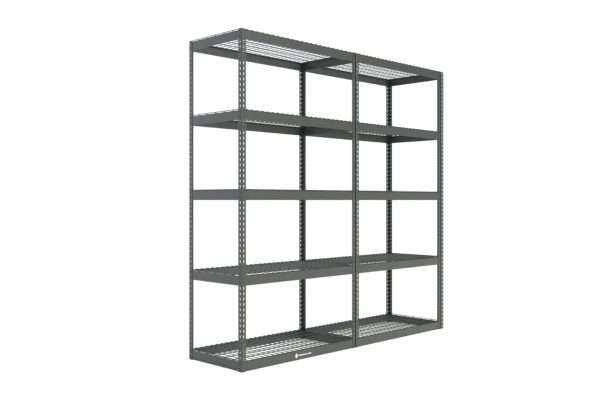
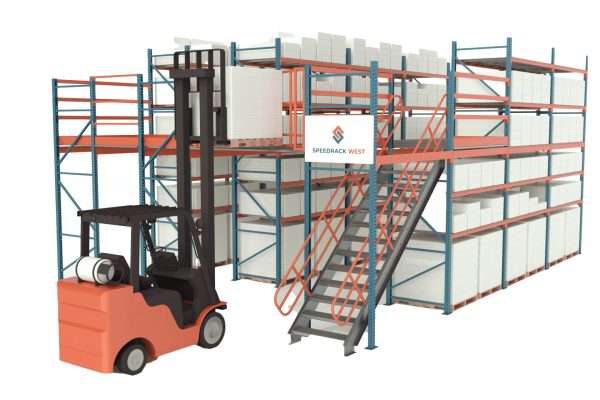
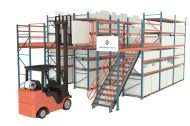
- Pallet Rack Mezzanines. Built atop pallet racking, these systems can also be expanded by adding more racks or decking. Their modular design makes them suitable for phased growth or changing storage needs.
- Systems Designed for Future Expansion. Some mezzanines are specifically engineered with future modifications in mind. These include adjustable mezzanine platforms and reconfigurable storage platforms that use standardized components, making it easy to add stairs, gates, or additional platforms later. They’re a smart choice if you know your operations may shift in the future.
Common Types of Modifications
Wondering what parts of your mezzanine can be modified — and how to do it in a way that actually makes your system even stronger?
Here’s a look at some of the most common (and valuable) post-installation upgrades:
Expanding square footage. Both structural steel mezzanines and pallet rack mezzanines offer expansion options, but the process and considerations differ slightly for each.
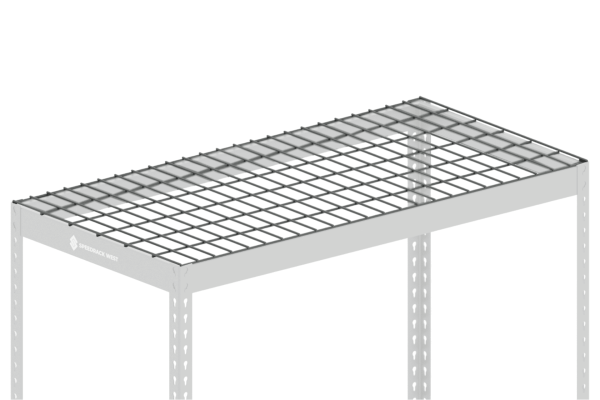
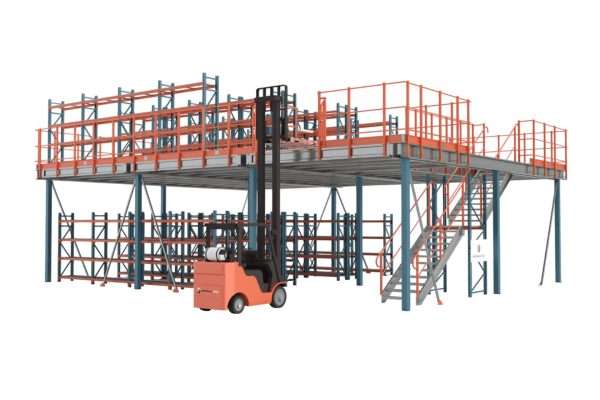
- As structural steel mezzanines are inherently modular and free-standing, you can extend the platform by adding new bays or sections to the existing structure. This typically involves installing additional steel columns, beams, and decking, then tying the new framework into the original mezzanine. In some cases, if ceiling height and structural capacity allow, you can add additional levels, effectively creating a multi-tier mezzanine.
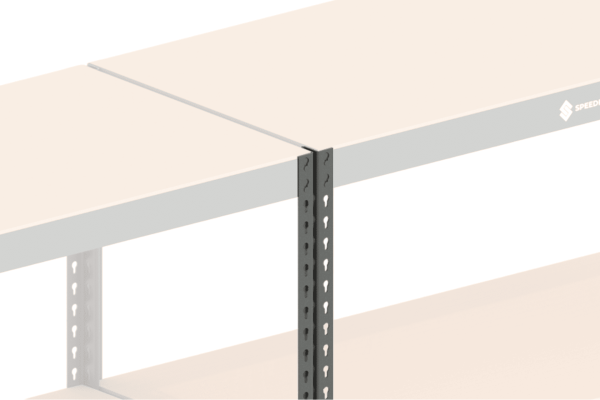
- Pallet rack mezzanines (also called rack-supported mezzanines) expand by adding more pallet rack uprights, beams, and decking adjacent to or above the existing structure. The modular nature of pallet racking makes it relatively easy to increase both the footprint and the number of tiers.
Here is the expansion comparison:
| Feature | Structural Steel Mezzanine | Rack Supported Mezzanines |
|---|---|---|
| Primary Structure | Free-standing steel columns and beams | Built on pallet rack uprights and beams |
| Custom Engineering | Customizable for specific spans and loads | Configured using standard rack components |
| Integration with Racking | Can be combined with racking below or above | Racking is integral to mezzanine structure |
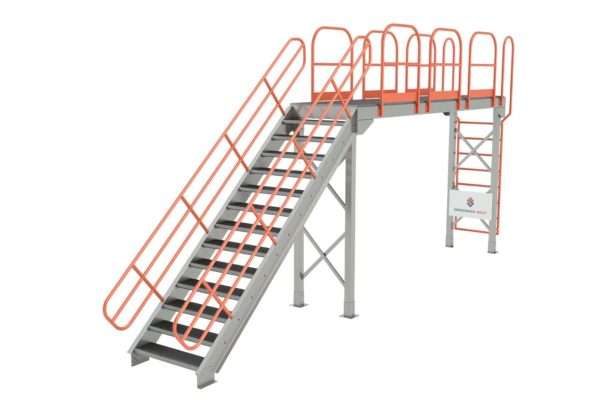
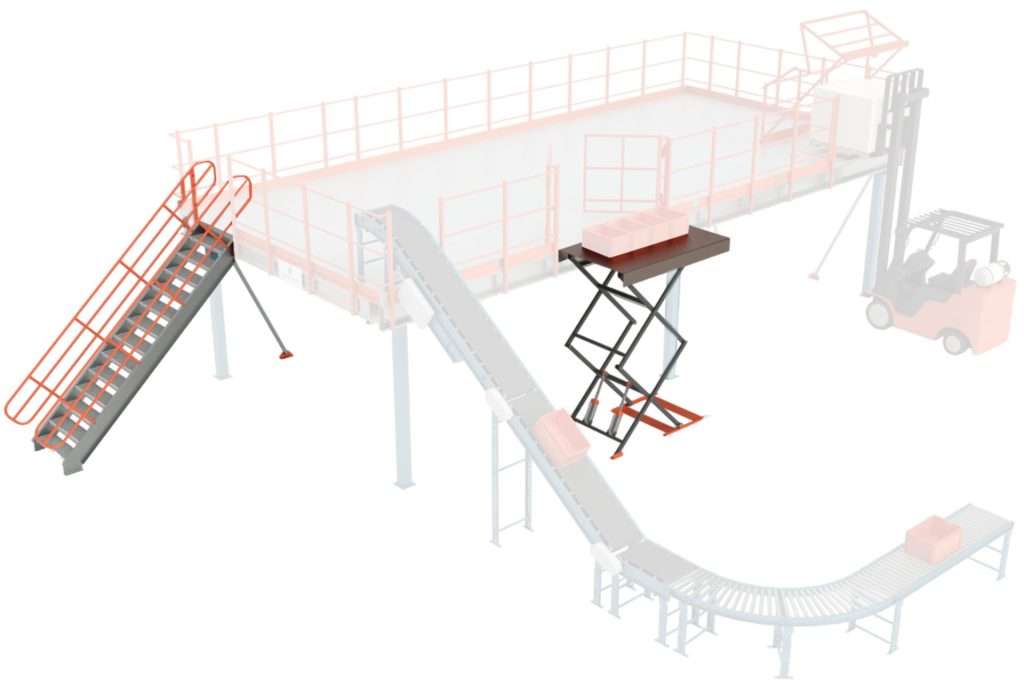
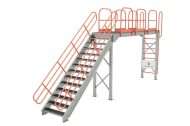
Add stairs or access points – eliminate the bottleneck. To improve traffic flow and efficiency, install additional staircases, ladders, or even vertical lifts. More access points can make a big difference in busy operations.
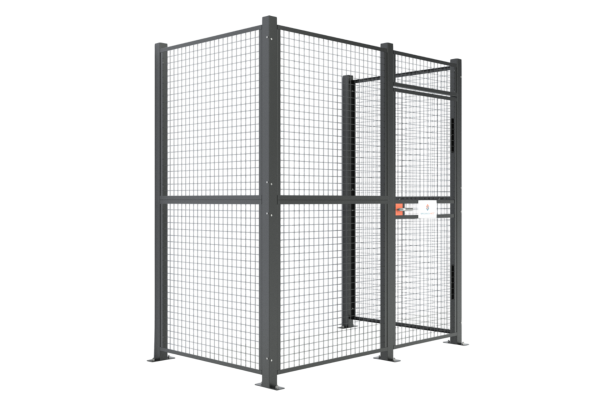
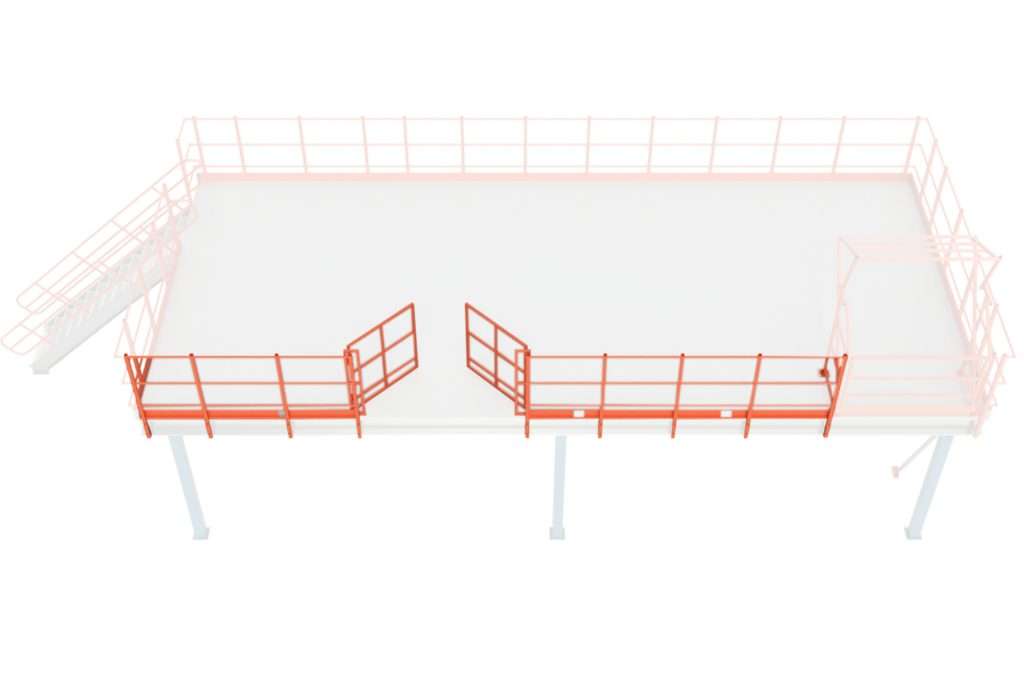
Install gates, handrails, or partitions to create organized work zones. It could be modular safety features like swing gates, handrails, and dividing walls. Quick to install, easy to improve workflow.
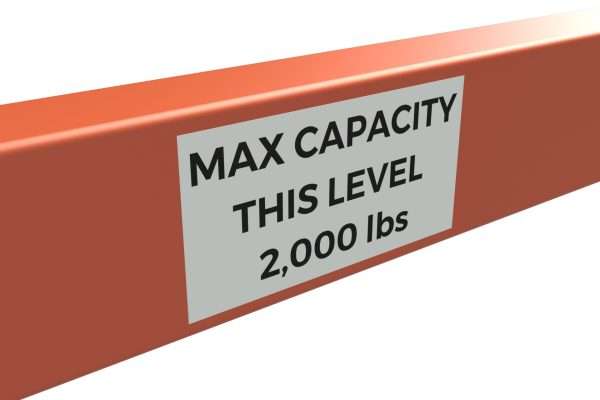
Modify load capacity. In some cases, you can reinforce the structure to support heavier loads. However, this depends heavily on the original design, column spacing, and foundation strength — so it’s important to work with an engineer to evaluate feasibility.
A well-designed mezzanine isn’t just a static structure — it’s a flexible asset that can evolve right along with your business.
Limitations to Be Aware Of
There are important limitations that could impact your ability to expand or modify them — and these limitations can vary depending on the type of mezzanine you have. Here’s what you should know:
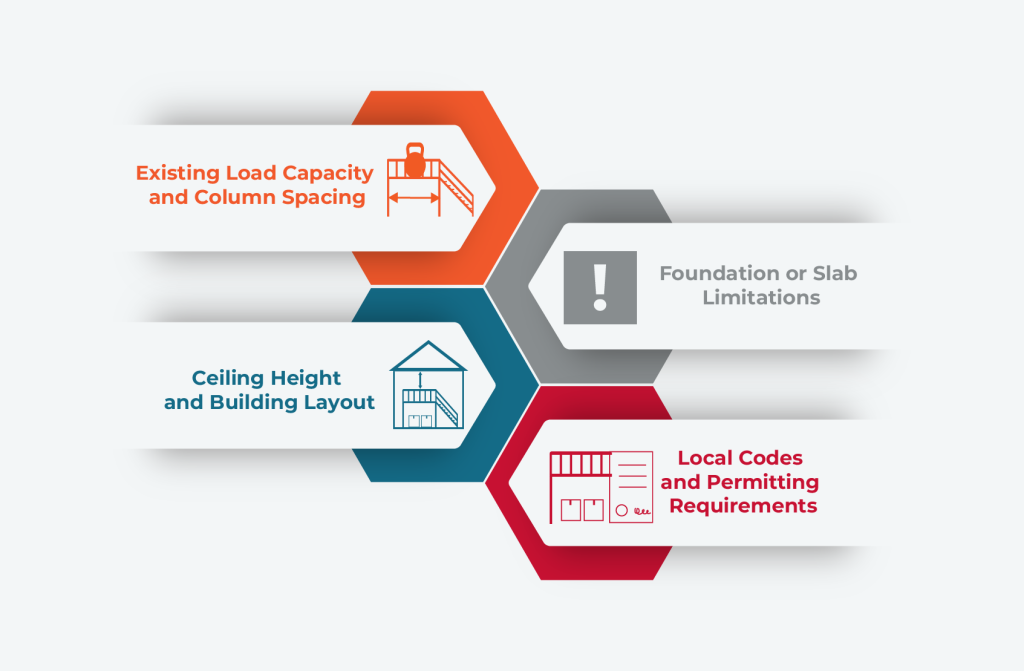
Existing Load Capacity and Column Spacing
The original engineering of your mezzanine — including the size and placement of columns and beams — sets the baseline for how much extra weight or additional floor area you can add.
- With structural steel mezzanines, load capacity tends to be higher, and the structures are often engineered for potential future expansion. However, if expansion wasn’t planned initially, modifications may still require reinforcing columns, beams, or connections.
- With pallet rack mezzanines, load capacity is more tightly tied to the racking system itself. Since these systems are originally designed for specific static loads (like pallets), adding additional decking or structures may require reinforcing both the rack frames and the flooring.
Foundation or Slab Limitations
The concrete slab beneath the mezzanine must be able to support additional columns and increased loads.
- Structural steel mezzanines typically concentrate heavier point loads at each column. If the foundation wasn’t designed for future expansion, adding new sections could require expensive slab upgrades or footings.
- Pallet rack mezzanines distribute loads differently but can still overload a slab if more racks or heavier items are added without careful engineering checks.
Ceiling Height and Building Layout
Physical limitations like low ceilings, overhead HVAC units, or other utilities can restrict both vertical and horizontal expansion. This affects both types of mezzanines equally, although structural steel systems sometimes offer more flexibility with custom column heights and spans compared to pallet rack systems.
Local Codes and Permitting Requirements
Any structural modification must comply with current building codes, fire regulations, and OSHA standards — even if the original installation was fully permitted.
- Expanding a structural steel mezzanine often triggers a need for updated drawings, engineering certifications, and new permits.
- With pallet rack mezzanines, reconfiguration or load changes may also require fresh seismic calculations or fire protection upgrades (like additional sprinklers).
| Factor | Structural Steel Mezzanine | Pallet Rack Mezzanine |
|---|---|---|
| Load Capacity | Typically higher; easier to design for heavier future loads | Limited to rack system strength; upgrades often require significant reinforcement |
| Column Spacing | Wider, customizable spans for more open space | Tighter spacing tied to rack dimensions |
| Expansion Complexity | Easier to extend if originally engineered for growth | Expansion often more complicated and disruptive to the rack layout |
| Foundation Impact | Heavy point loads; may need slab reinforcement when expanding | Loads more evenly distributed but still need slab evaluation when expanding significantly |
How to Plan for Future Flexibility
In short: what you plan today can save you major headaches tomorrow. Here’s what to consider upfront to make future modifications easier:
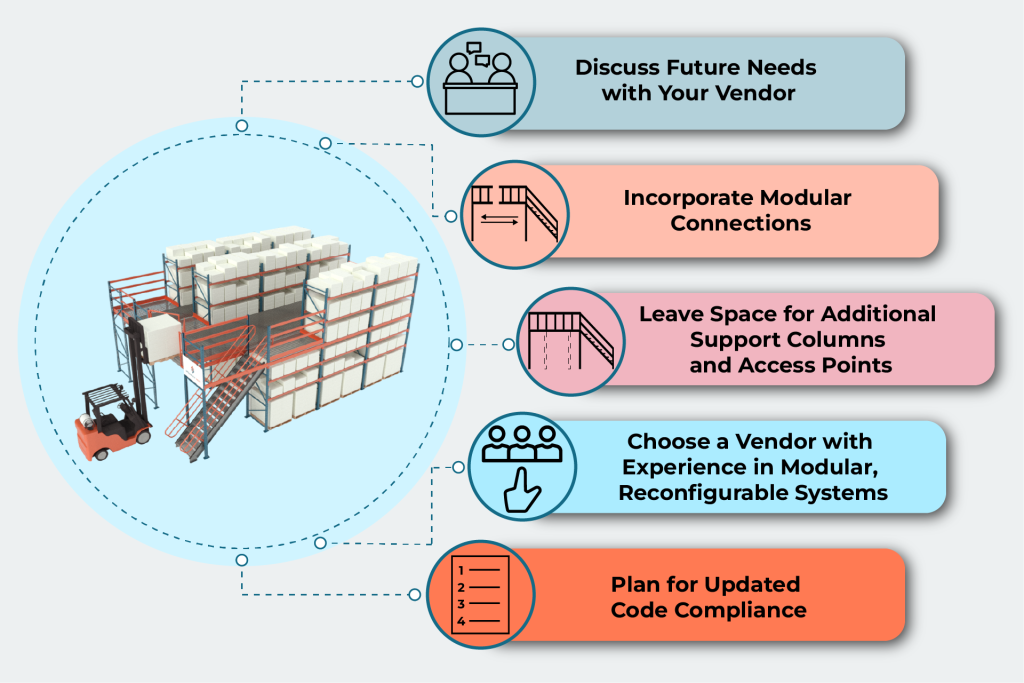
- Discuss Future Needs with Your Vendor. Share your long-term growth plans early. Whether you’re anticipating expanded storage, new workflows, or heavier loads, communicating these goals allows your mezzanine to be engineered for easy expansion right from the start.
- Incorporate Modular Connections. Choose systems that use bolt-together, modular designs. Modular connections make it faster, easier, and less expensive to add, remove, or reconfigure sections as your needs evolve.
- Leave Space for Additional Support Columns and Access Points. Pre-planning areas for future staircases, lifts, or load-bearing columns can dramatically reduce the cost and complexity of future upgrades. It’s much easier (and cheaper) to add features when the original layout allows room for them.
- Choose a Vendor with Experience in Modular, Reconfigurable Systems. Work with a supplier or contractor who specializes in modular mezzanine design and understands how to engineer flexibility into the structure. They’ll help you select systems, materials, and layouts that align with your long-term business strategy — not just your immediate needs.
- Plan for Updated Code Compliance. Building codes and OSHA regulations can change over time. Make sure your original design leaves room for future upgrades like sprinkler systems, guardrails, or additional egress routes if codes evolve. A little foresight now can prevent costly retrofits later.
Real-Life Scenarios
Still wondering how flexibility really pays off? Here are a few real-world examples:
Scaling Up for Seasonal Surges
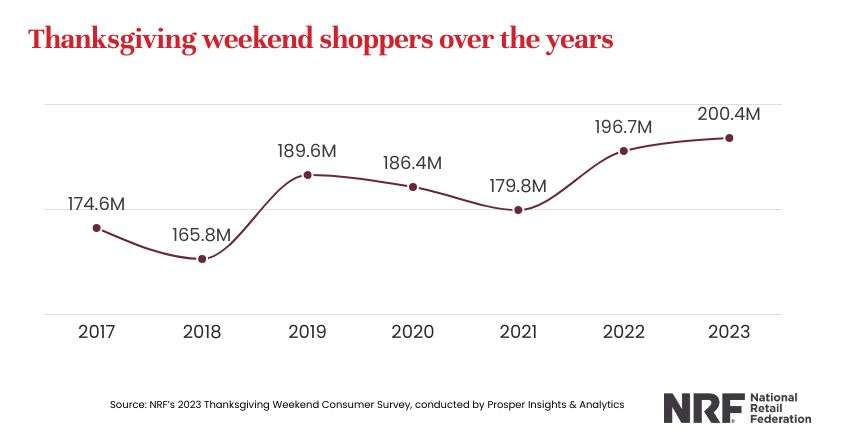
A record 200.4 million consumers shopped over the five-day holiday weekend from Thanksgiving Day through Cyber Monday, surpassing last year’s 196.7 million, according to the annual survey released by the National Retail Federation³ and Prosper Insights & Analytics. The figures exceeded NRF’s initial forecast of 182 million shoppers by more than 18 million.
With such concentrated demand over just a few days, retailers had to operate at peak efficiency. Mezzanine floors proved to be a smart solution for the season.
They provided immediate extra space for storage, staff, or displays—without the cost or hassle of relocating. Installed quickly with minimal disruption, mezzanines helped retailers scale up fast and remain agile during the intense shopping period. Those who invested in this practical solution were better equipped to handle peak-season pressures and support continued growth.
Transforming Historic Legacy into Modern Workspace
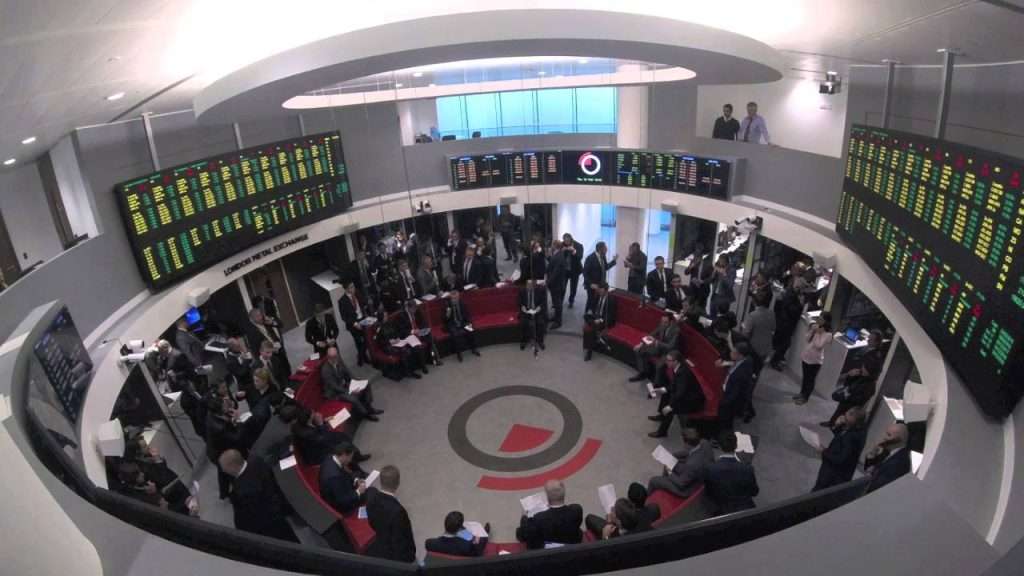
When the London Metal Exchange relocated, keeping their historic Trading Ring — in place since 1881 — was a top priority. “To make use of the height available between existing concrete floors they wanted to install a mezzanine floor to create work stations below and an open plan breakout area and viewing platform overlooking the Ring.”⁴
The solution was carefully placed support columns and spreader channels that distributed weight without overloading the structure—all hidden within the partition walls. As the project expanded, bespoke staircases connecting the mezzanine and two upper floors, featuring sleek steel frames and frameless glass balustrades, were also designed and installed. An engineering company even designed curved beams to recreate the iconic shape of the Ring. Everything is possible when you ask for professionals.
Smart Space: Integrate Mezzanines with Automated Warehouse Systems
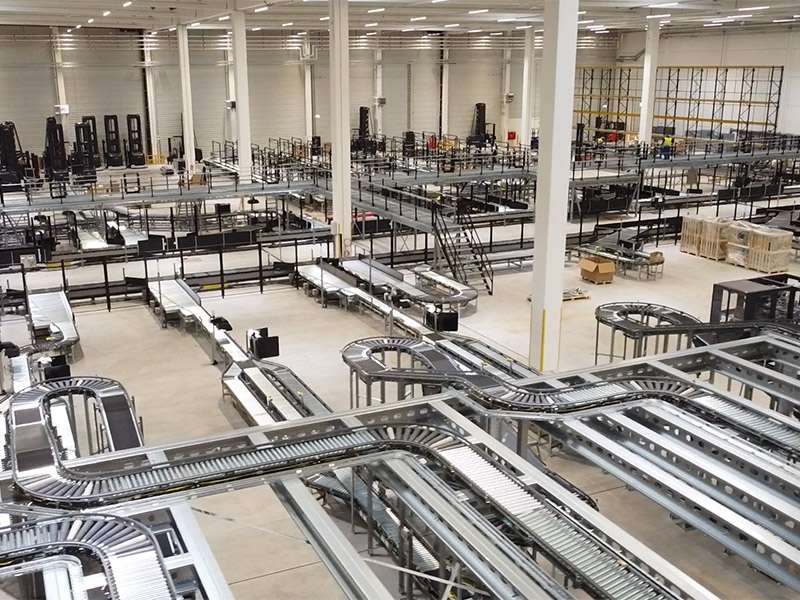
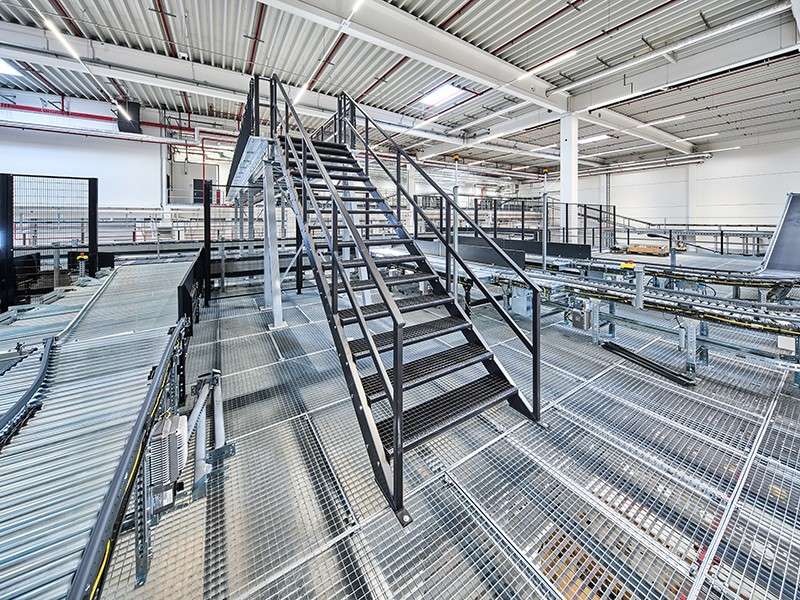
Mezzanine floors are a game-changer when it comes to making the most of vertical space—especially in busy, automated warehouses. In one massive distribution center⁵ with over 5 miles of conveyors, six mezzanines were built across three halls to keep everything running smoothly. Take Hall 2, for example: two platforms (totaling 6,460 sq ft) were set up at 8 ft to support a sorter, plus an extra 1,940 sq ft structure and a 207 ft catwalk to keep things accessible. Over in Hall 3, a 22,800 sq ft mezzanine was installed at 15 ft 6 in with a mix of flooring, workstations, and even a 66 ft skywalk hanging above the sorter. Add in stairs, gates, and step-overs, and you’ve got a fully connected, super-efficient setup that keeps everything flowing right where it needs to.
Final Thoughts: Start with the End in Mind
In today’s shifting economy, flexibility isn’t just nice to have—it’s a must. Whether you’re running a fulfillment center, retrofitting a legacy space, or gearing up for peak season surges, your mezzanine should do more than just fill a gap. It should be a smart, scalable part of your operation that evolves with your business.
The good news? If you start with the right design, most mezzanines can be expanded or reconfigured down the line. Structural steel and pallet rack systems offer different paths to growth—but both can work beautifully when planned thoughtfully from the start. The key is knowing your long-term goals, leaving room for add-ons like stairs or gates, and partnering with a team that knows how to engineer for flexibility.
Bottom line: a mezzanine isn’t just a platform—it’s an opportunity. And with the right planning, it can keep delivering value as your needs change.
Need a mezzanine that grows with you? Contact Speedrack West to design a system built for now-and later.
Used Resources
Products, discussed in the article

Was this helpful?