

Catwalk Mezzanines
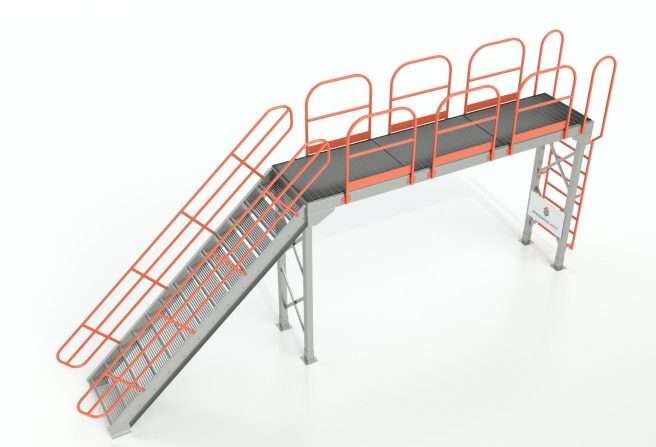
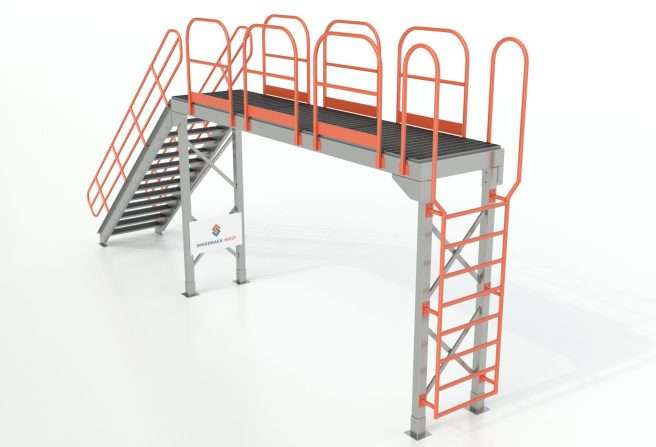
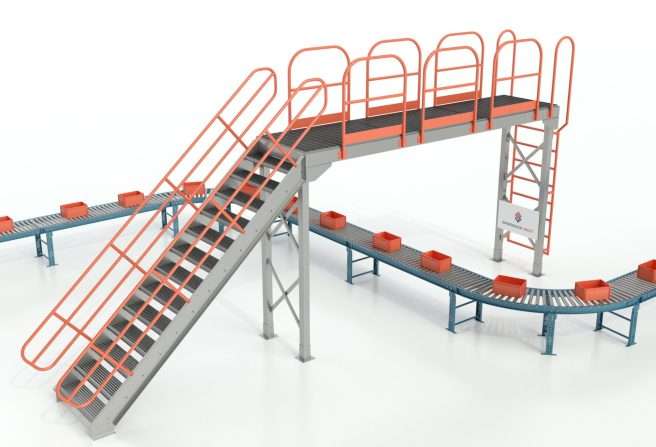
Сustom-designed product to meet your specific needs
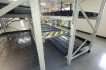
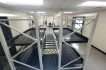

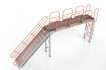
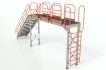
Catwalk Mezzanines

Send us your request to receive an estimate
Key Features
-

Custom product—contact us today.
-
Provides safe access to high storage.
-
Reduces forklift use
-
Clear, safe walkways for smooth operations.
Delivery Terms
-

Order Now
Contact Us for lead times
Contact Us for lead times
-

Custom Options Available
Call us for a customized solution
Call us for a customized solution
-

Nation-wide Shipping
Great rates across the country
Great rates across the country
Delivery Terms
-
Order Now
Contact Us for lead times
Contact Us for lead times
-
Custom Options Available
Call us for a customized solution
Call us for a customized solution
-
Nation-wide Shipping
Great rates across the country
Great rates across the country
Key Features
-
Custom product—contact us today.
-
Provides safe access to high storage.
-
Reduces forklift use
-
Clear, safe walkways for smooth operations.
Description
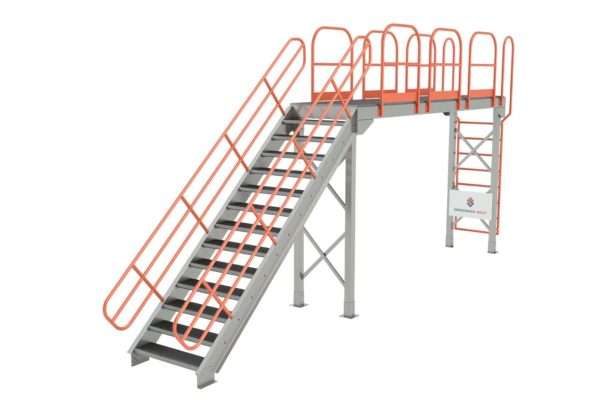
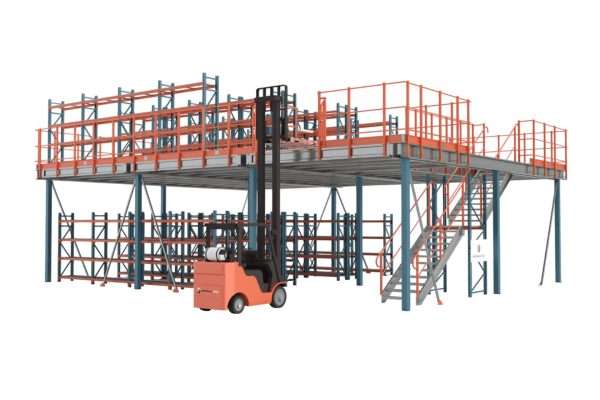
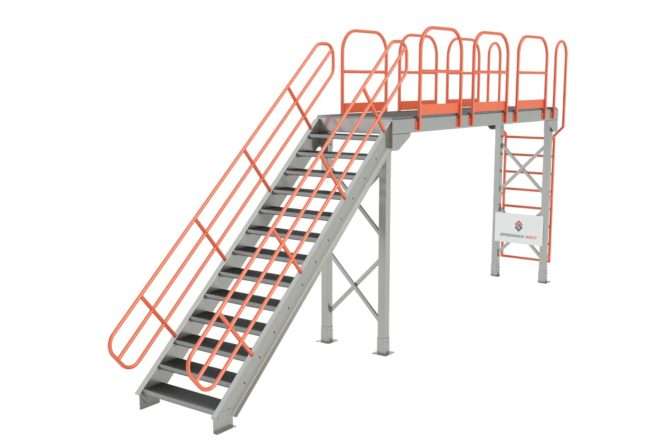
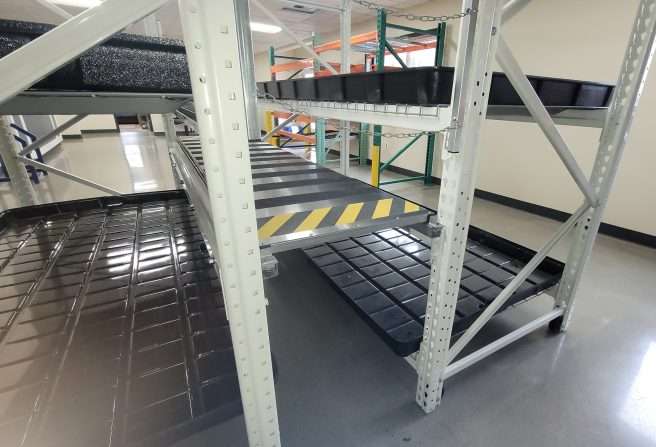
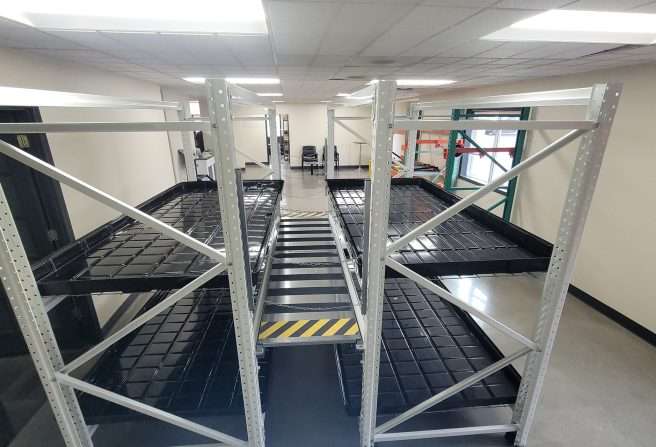
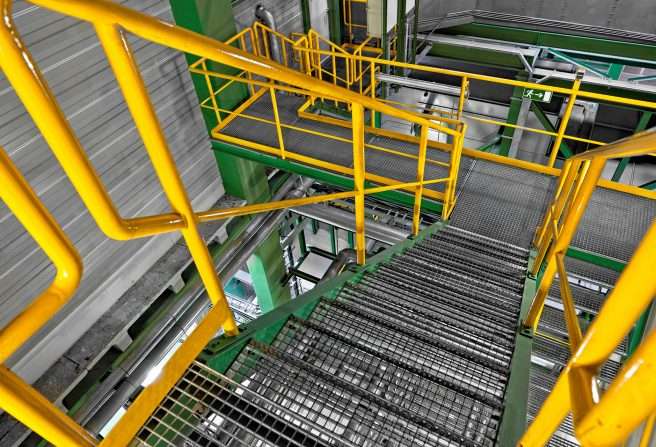
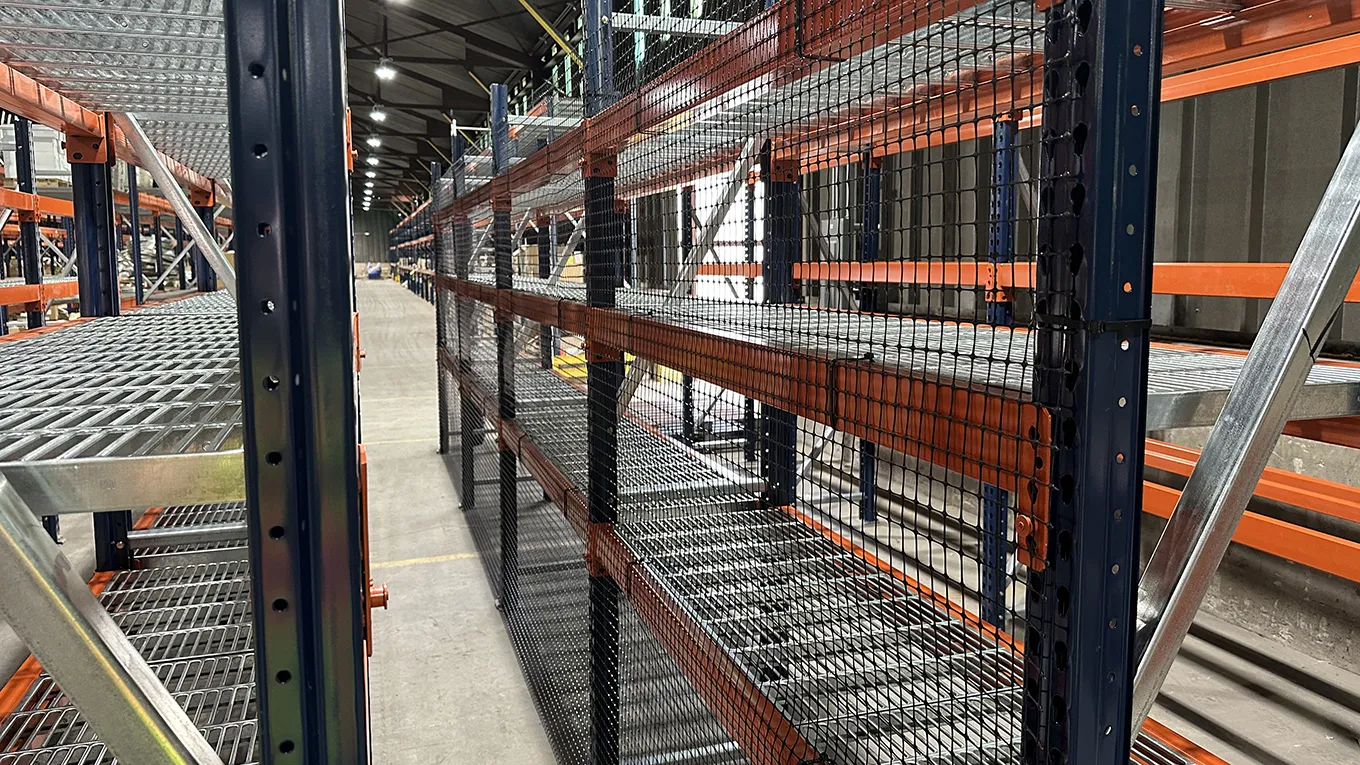
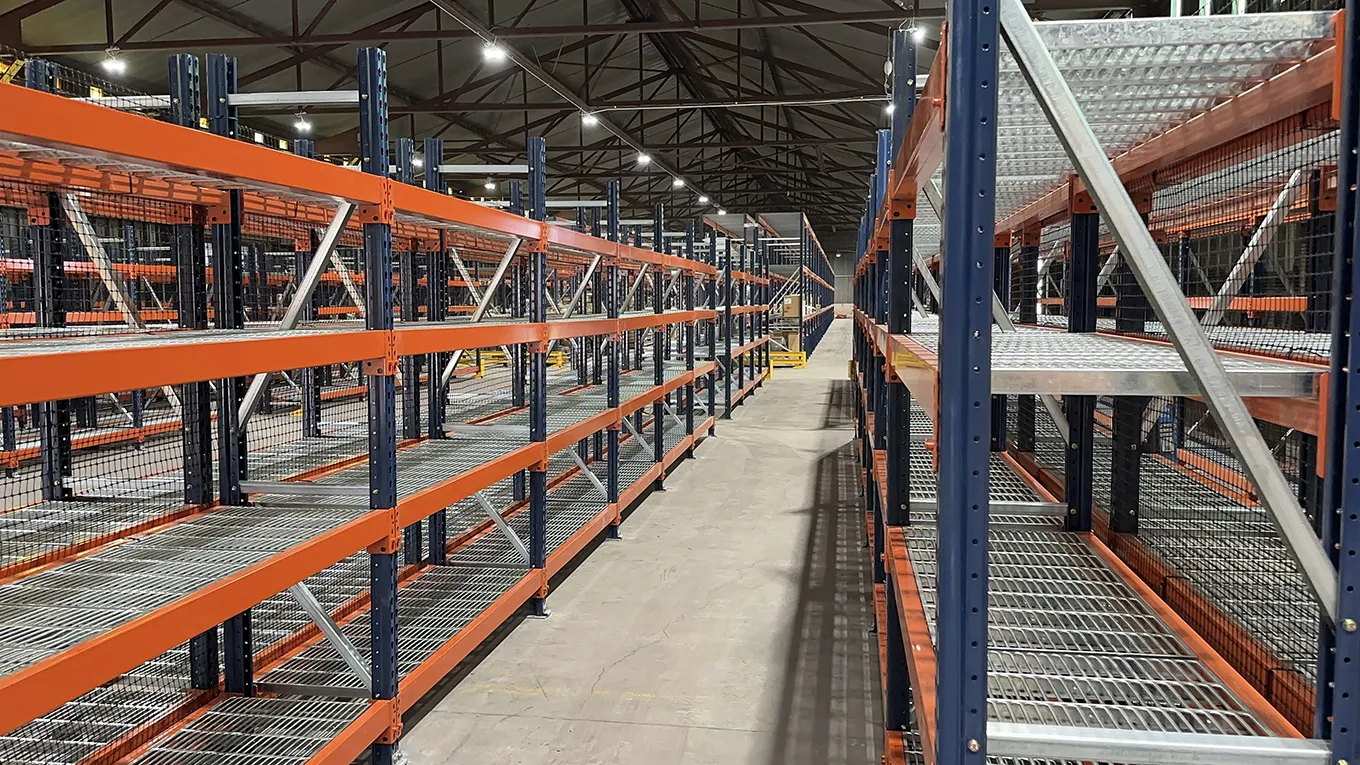
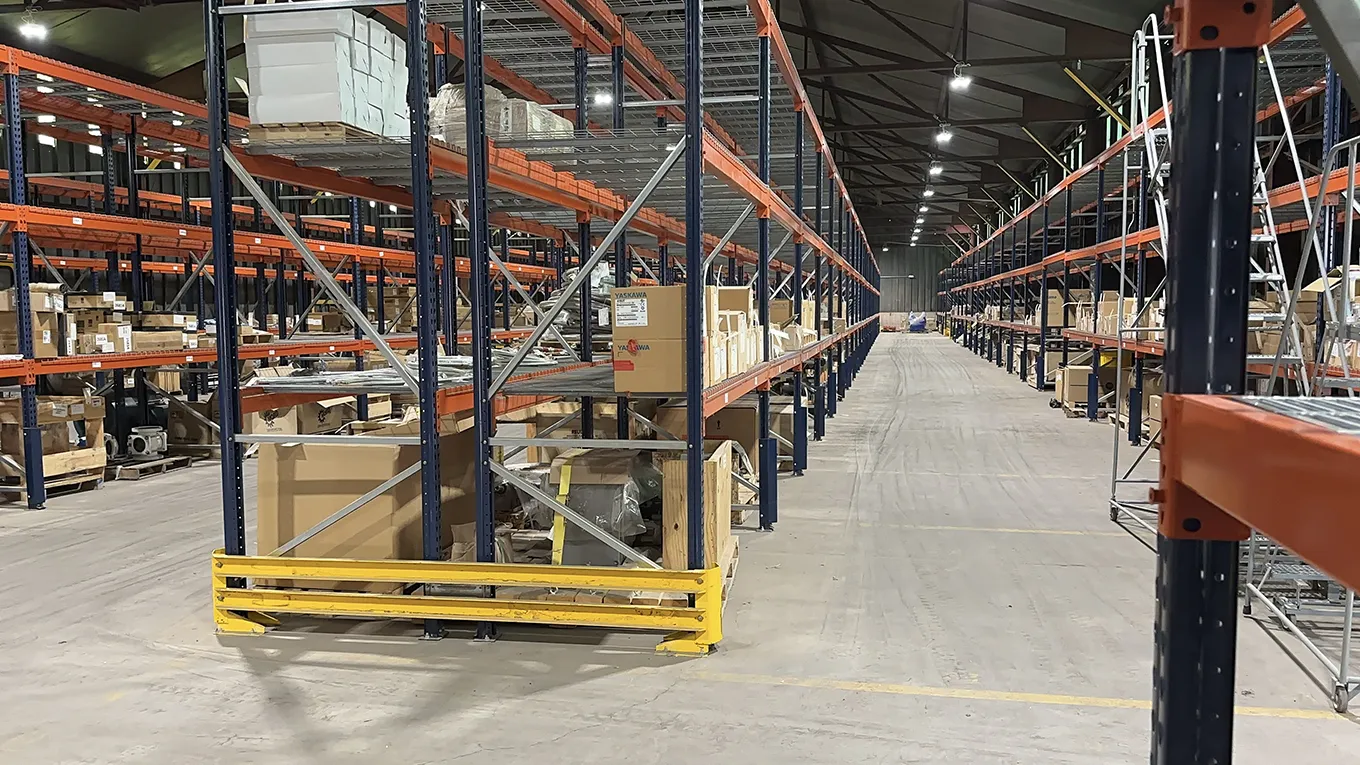
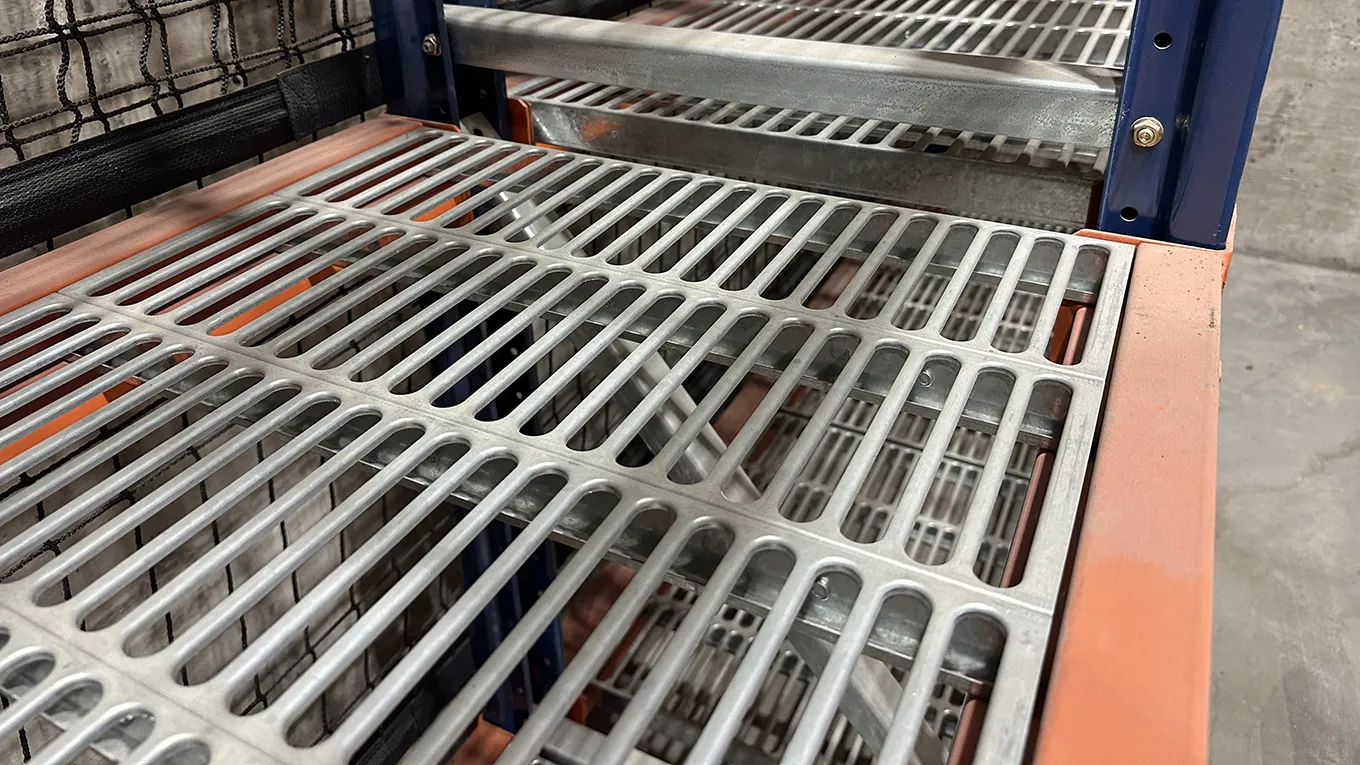
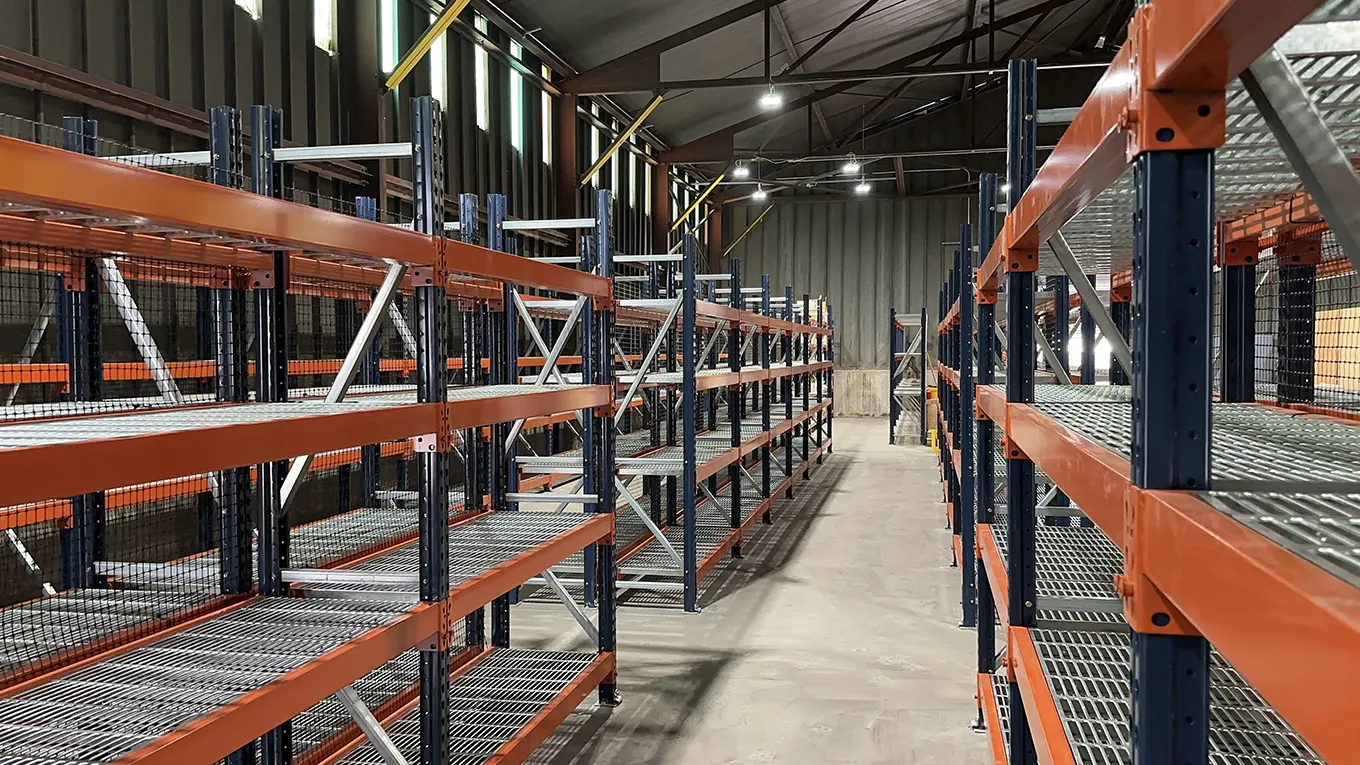
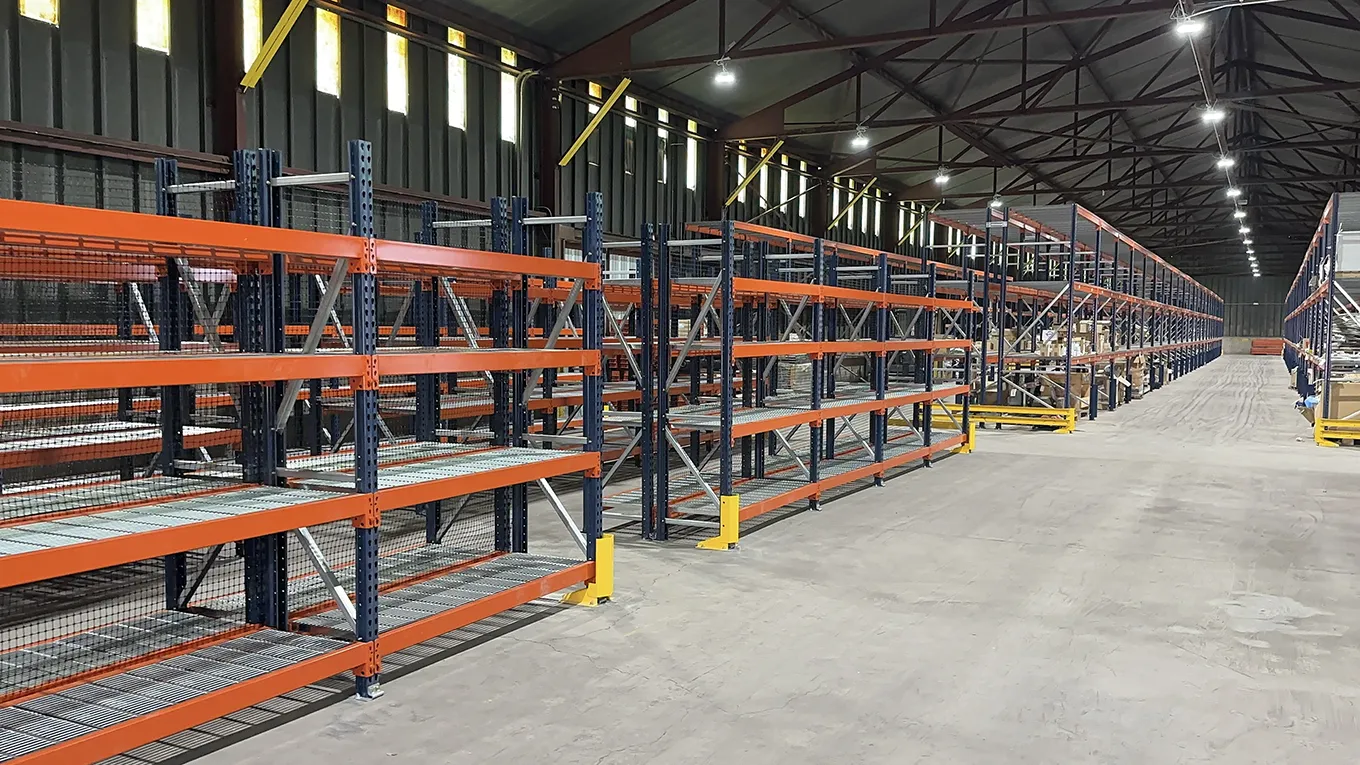
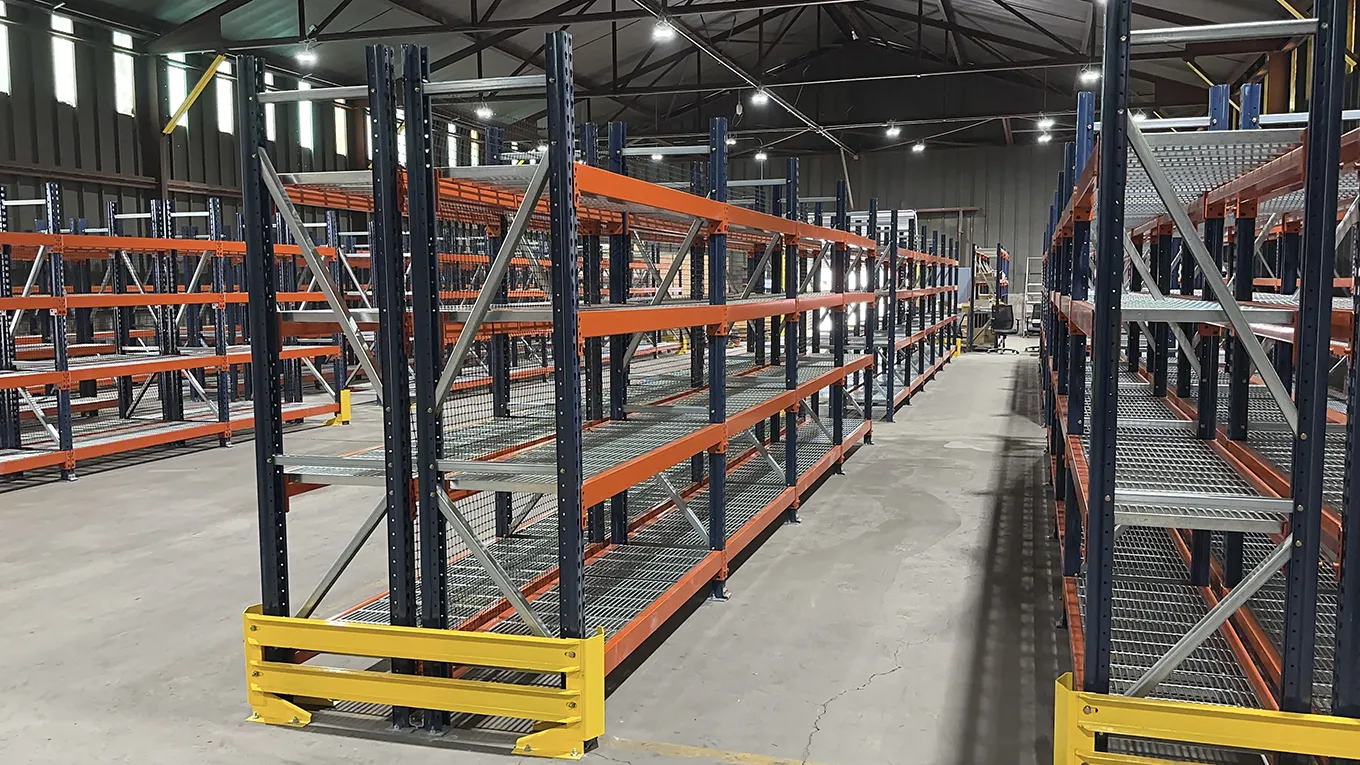
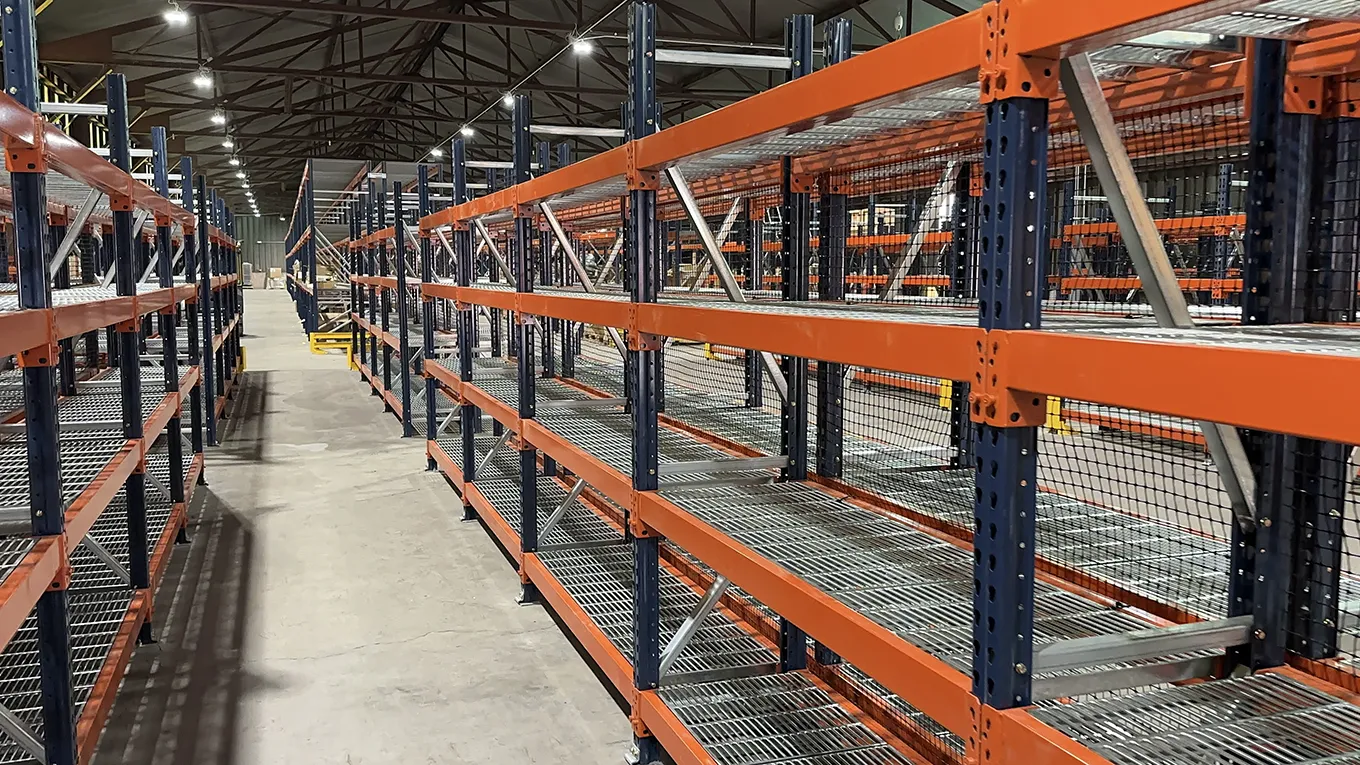
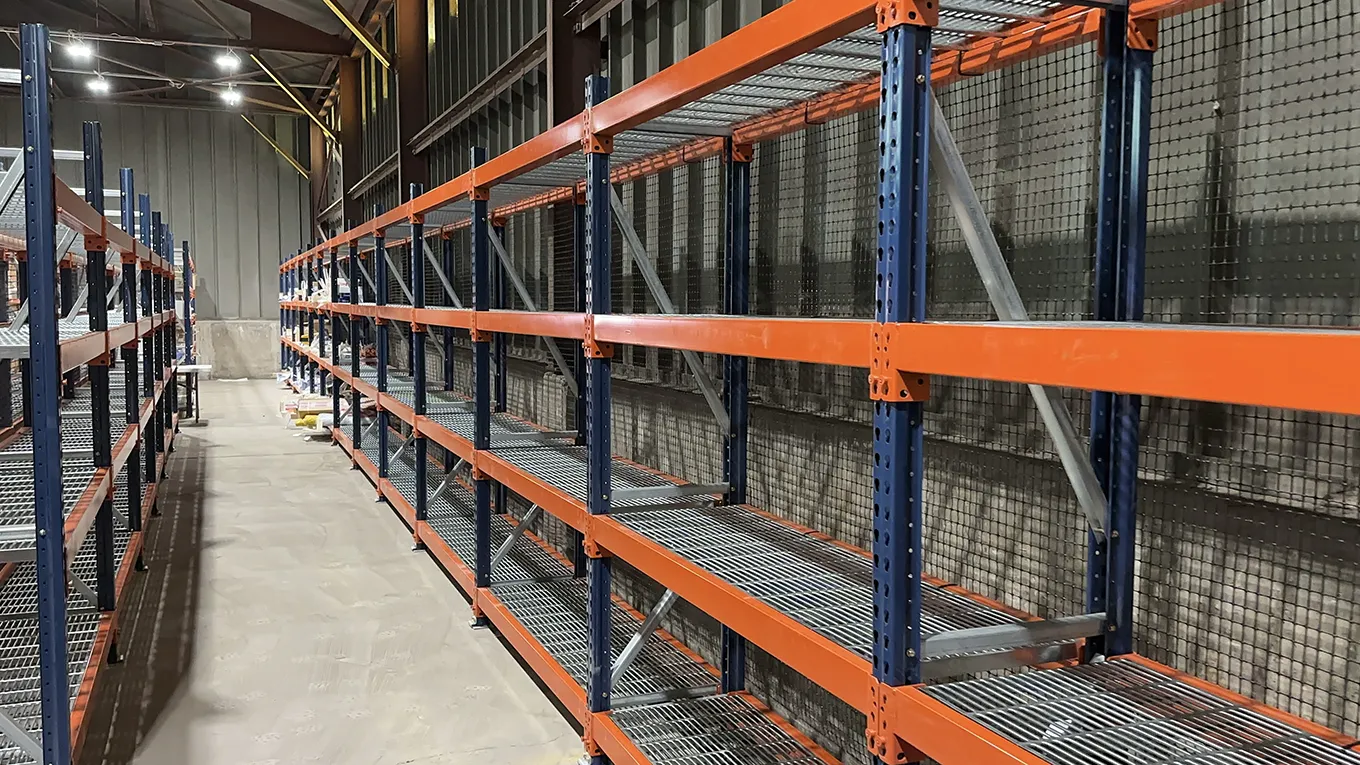
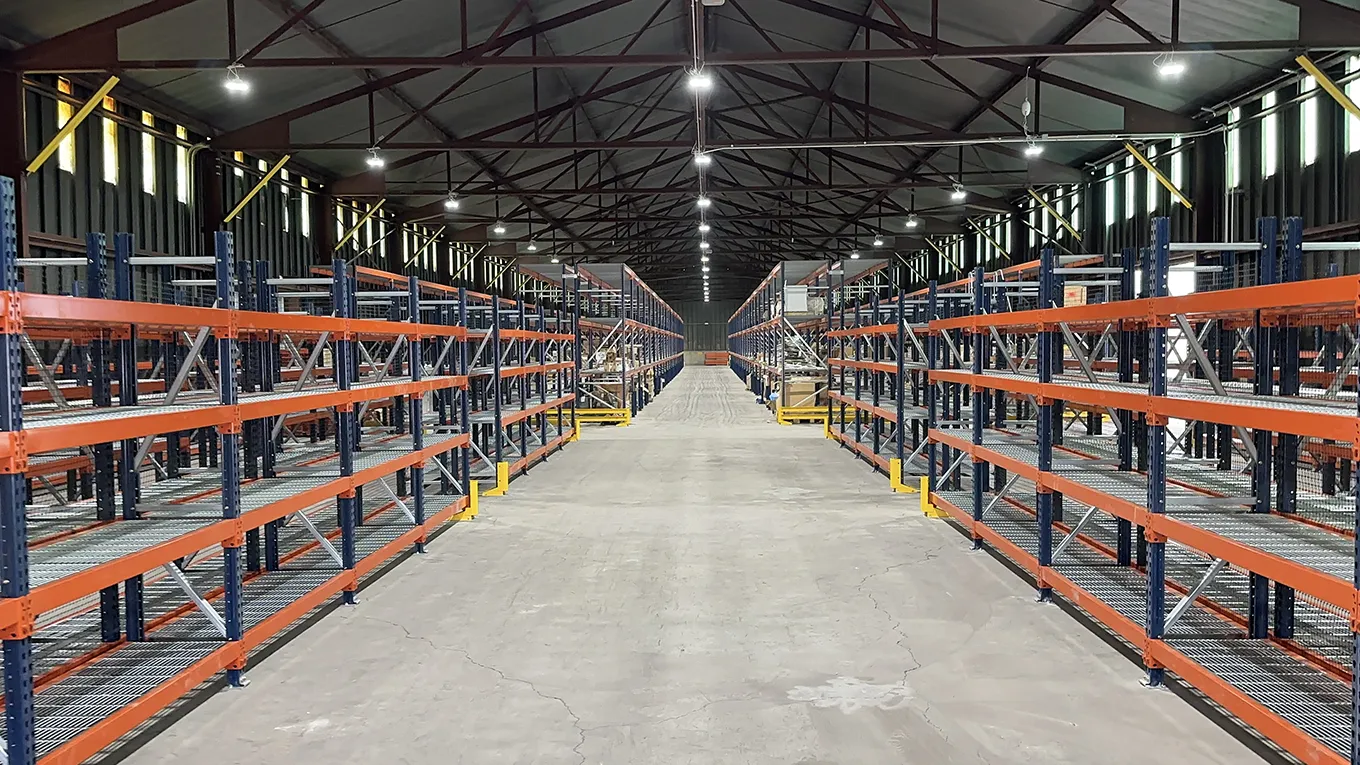
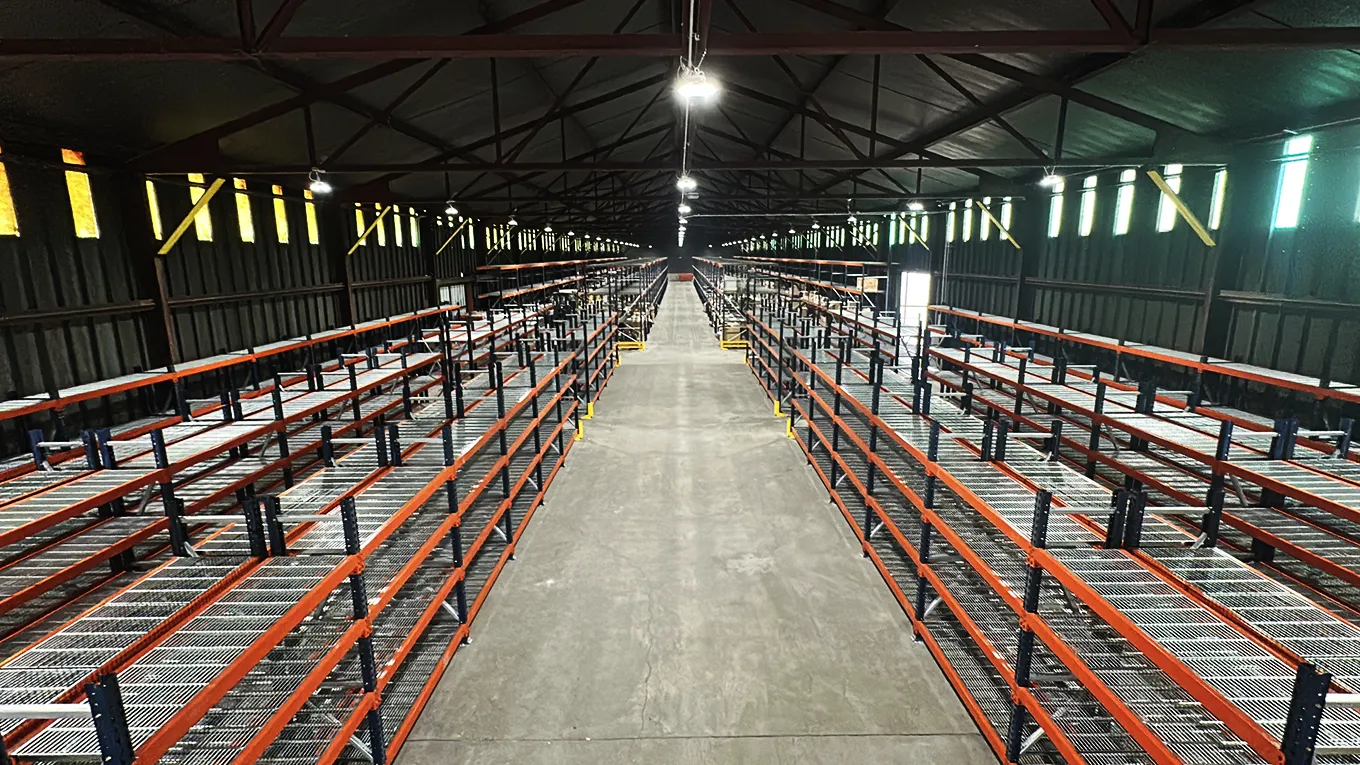
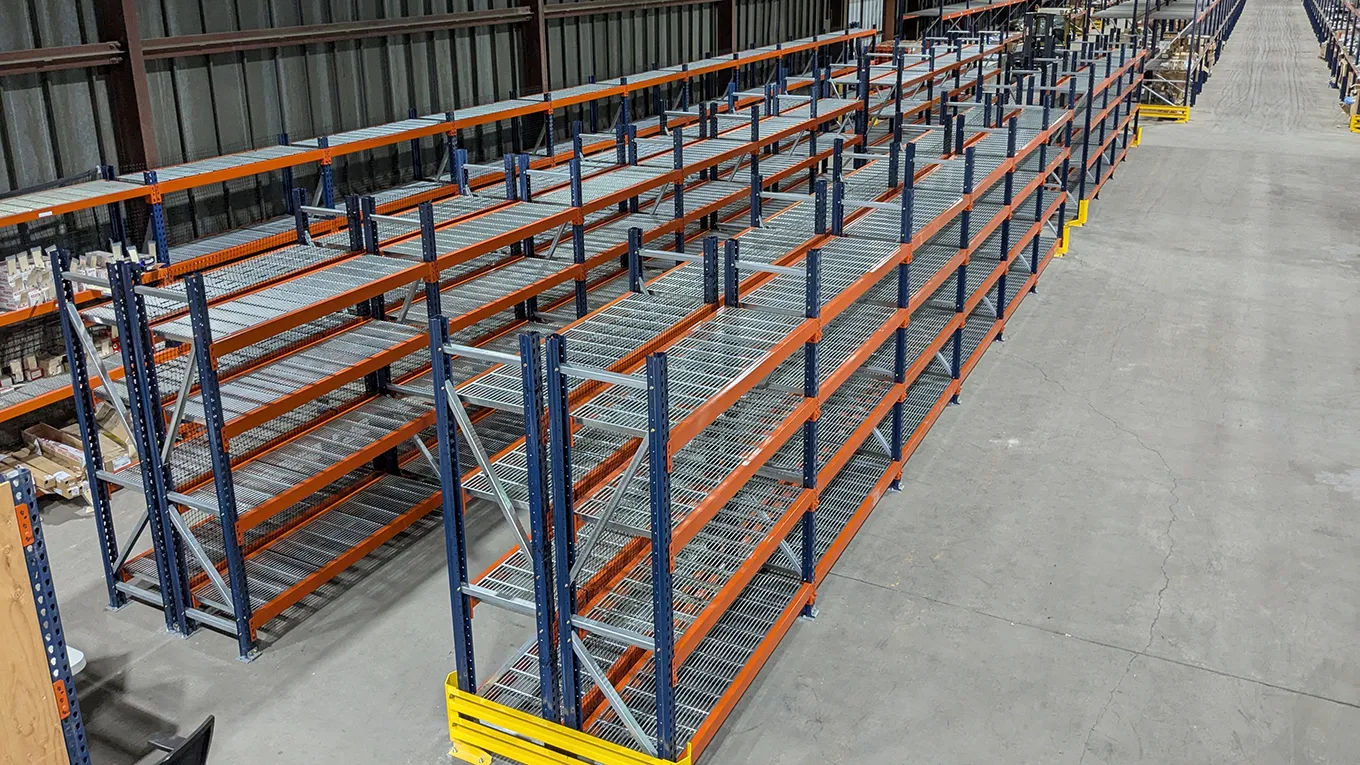
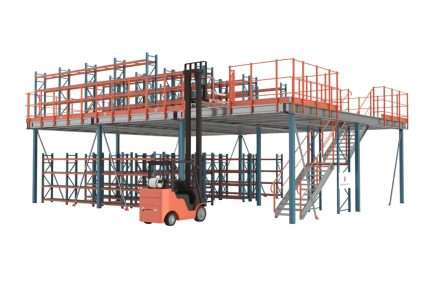
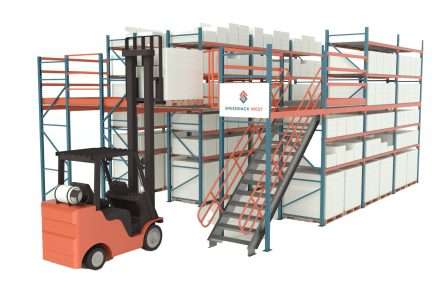
Catwalk mezzanines are elevated walkways or platforms typically used in warehouses, manufacturing facilities, or distribution centers. They allow workers to access areas at a height without obstructing the floor space below. These mezzanines span between racks, shelves, or machinery, providing a walkway for employees to efficiently navigate between storage areas or equipment.
Quick Fact: Did you know that catwalk mezzanines can turn the “dead air” in your warehouse into valuable asset?
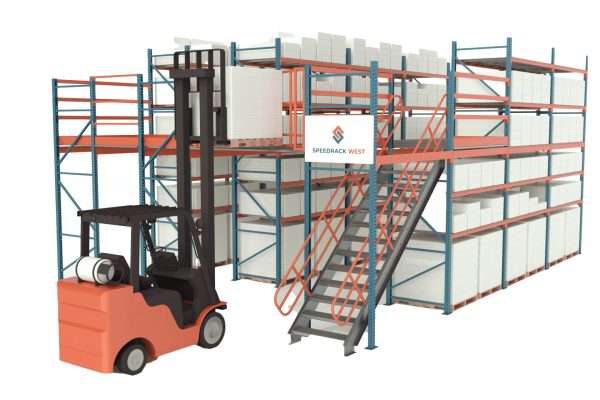
Catwalk mezzanines are often designed to be adjustable and can be customized based on specific facility needs. These structures are particularly useful in warehouses with tall shelving or pallet racking systems, as they enable access to multiple levels without requiring additional machinery like forklifts.
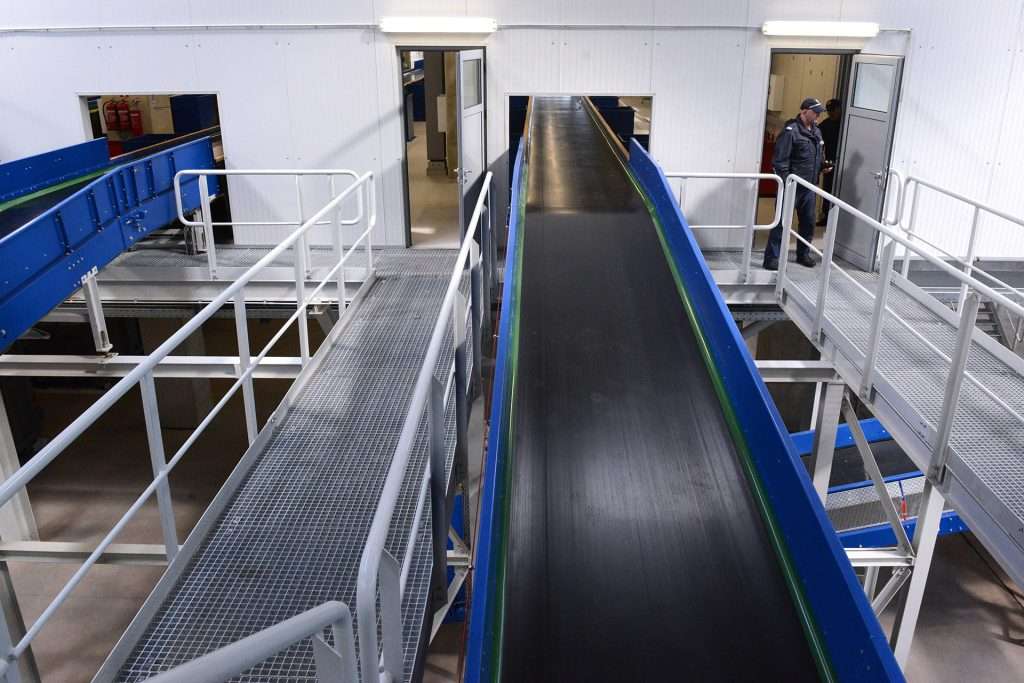
Advantages of Catwalk Mezzanines
Catwalk mezzanines utilize vertical space, allowing businesses to store materials or equipment at higher levels without occupying additional floor space. These mezzanines provide easier and safer access to elevated storage levels or equipment.
Rather than investing in a larger facility or expensive storage systems, catwalk mezzanines allow businesses to expand upward.
Catwalk mezzanines reduce the reliance on forklifts for retrieving items from high shelves. This can reduce forklift traffic on the warehouse floor.
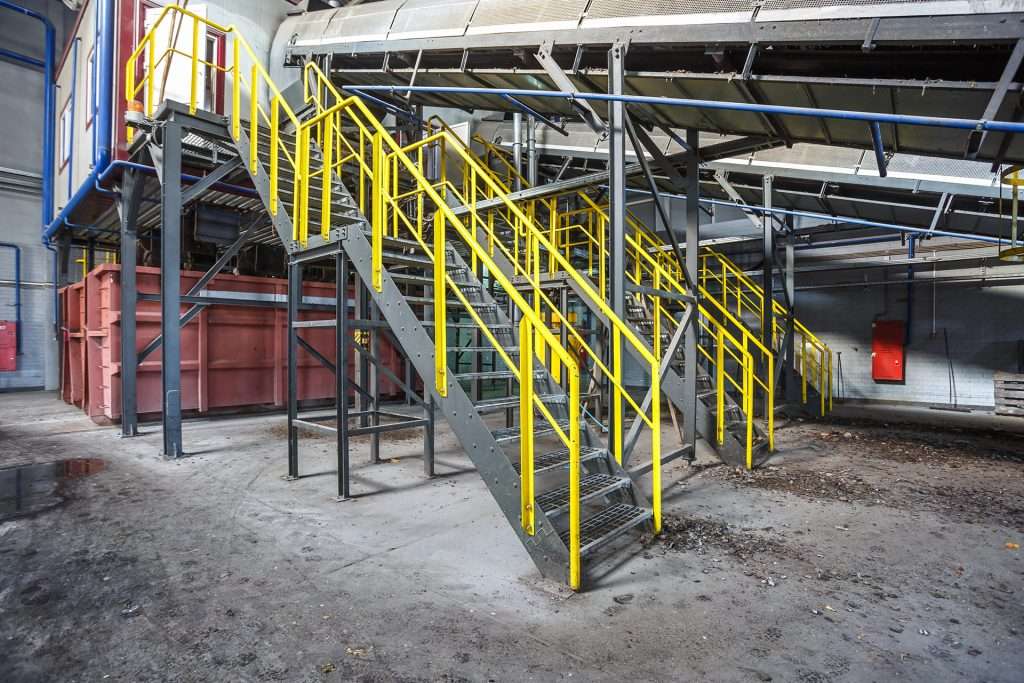
Permits & Regulations For A Catwalk Warehouse Mezzanine
The Occupational Safety and Health Administration (OSHA) sets forth specific regulations to ensure the safety of catwalks and elevated platforms in the workplace. While OSHA does not mandate permits for the installation of these overhead space structures, compliance with their safety standards is essential. Key OSHA regulations include:
Guardrail System Requirements (29 CFR 1910.29):
- Top Edge Height: Handrail bar grating must have a top edge height of 42 inches (±3 inches) above the walking-working surface.
- Strength: Guardrails should withstand a force of at least 200 pounds applied in any downward or outward direction.
- Midrails: Installed midway between the top edge of the guardrail and the walking-working surface or deck, capable of withstanding a force of at least 150 pounds.
Walking-Working Surfaces (29 CFR 1910.22):
- Surface Conditions: All walking-working surfaces must be kept clean, orderly, and in sanitary condition.
- Load Capacity: Surfaces should support the maximum intended load without failure.
- Access and Egress: Safe means of access and exit must be provided for all walking-working surfaces.
Stairways and Ladders (29 CFR 1910.25 and 1910.23):
- Stairways: Standard stairs should be used for access when regular travel between levels is necessary.
- Alternating Tread-Type Stairs: Permitted when space constraints prevent the use of standard stairs.
- Fixed Ladders: Should be used only when stairs are not feasible, and must comply with specific design and load requirements.
Openings and Holes (29 CFR 1910.29): Openings in walking-working surfaces must be guarded to prevent falls. Covers for holes should support at least twice the maximum intended load and be secured to prevent accidental displacement.
Why Bolted Connections are Important for Industrial Catwalk?
Bolted connections improve structural integrity of catwalk mezzanines, as they ensure that the system can support the necessary loads, including equipment and personnel. These connections allow for flexibility in design, enabling modular setups that can be easily customized or expanded as needed.
Bolted connections allow quicker installation and require less specialized equipment compared to welding. Moreover, bolted systems reduce the risk of corrosion by facilitating the use of corrosion-resistant materials, making them ideal for environments exposed to moisture or chemicals. Maintenance and inspection become more straightforward with bolted connections.
Additionally, compliance with building codes often requires the use of bolted connections.
Catwalk System Project Process
Quick Fact: Industrial catwalks aren’t just for storage—some companies use them to create elevated workstations, break areas, or observation decks for better operational oversight.
It begins with a thorough needs assessment, where stakeholders evaluate the specific requirements of the warehouse, such as space optimization, load capacity, and operational flow. This step includes discussions with warehouse staff to understand how the mezzanine will fit into daily operations.
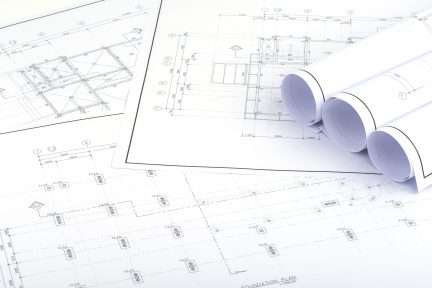
Next, the design phase follows, where detailed plans are developed. This involves creating layouts that incorporate the catwalk mezzanine, considering factors like height, dimensions, and safety features. During this phase, structural engineers or designers may utilize CAD software to visualize the design.
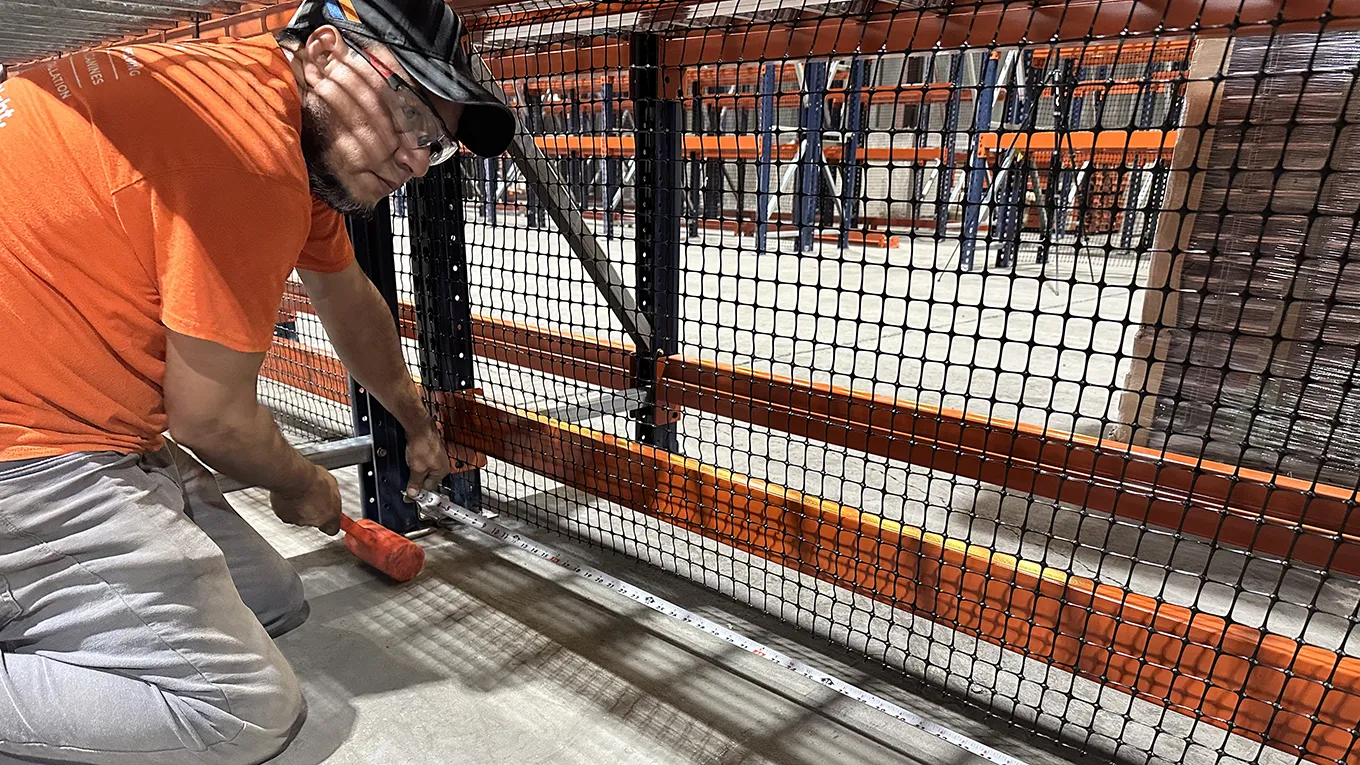
Once the design is finalized, the procurement stage begins, where necessary materials, including steel components, bolts, and safety features like guardrails, are sourced. After securing the materials, the installation phase can commence, typically involving skilled laborers who assemble the mezzanine structure on-site. This process may include bolting components together, ensuring all safety features are correctly installed, and conducting inspections throughout to maintain quality control.
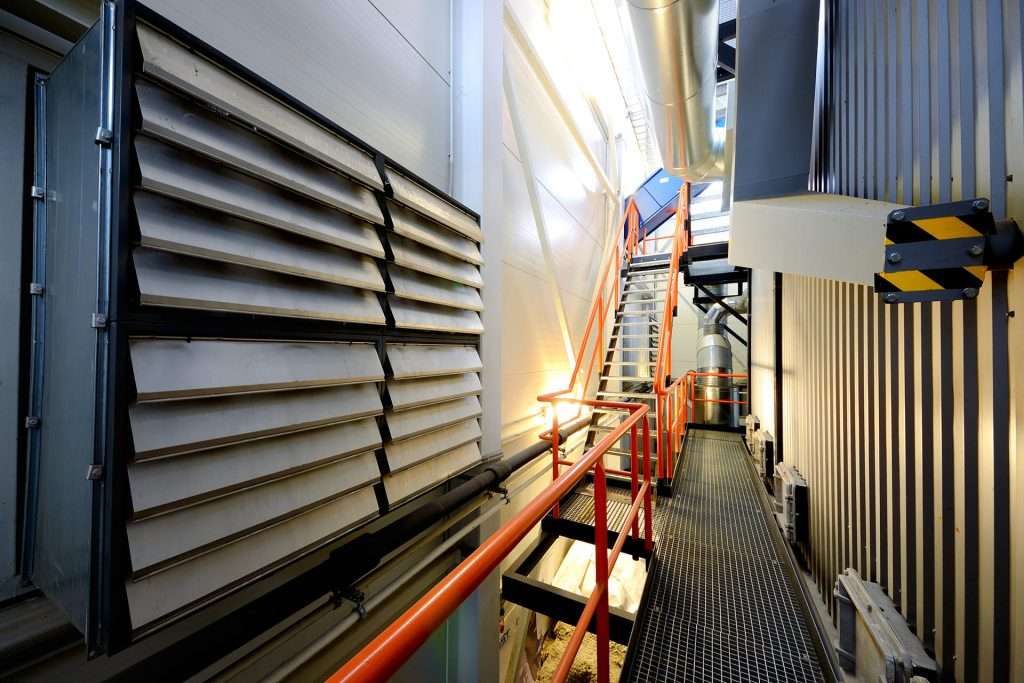
Quick Fact: Retrofitting a catwalk mezzanine into an existing warehouse doesn’t just save space—it often extends the life of the facility with underused vertical space.
After installation, a thorough inspection is conducted to verify structural integrity and safety compliance. Finally, training sessions may be held for warehouse staff to familiarize them with the new mezzanine and ensure proper usage and safety protocols.
Industries utilizing Catwalk Mezzanines
-
Automotive

-
Warehousing

-
Retail

-
Industrial Engineering

-
Distribution

-
Wholesale

-
Logistics

-
Manufacturing

-
Cannabis

Want to Make Sure It Fits?

or
Industries utilizing Catwalk Mezzanines
-
Automotive
-
Warehousing
-
Retail
-
Industrial Engineering
-
Distribution
-
Wholesale
-
Logistics
-
Manufacturing
-
Cannabis
Want to Make Sure It Fits?
or
Robert Baumgartner says: “Despite picking up this project in the middle of its lifecycle, the transition was flawless thanks to the team’s stellar communication. They exceeded our expectations by delivering the installation earlier than anticipated and hitting every technical requirement. From the sales team’s quick answers to their willingness to make adjustments, the experience was top-tier.”
Consolidated Supply says: “We’re very happy to be your regular client, and it’s always so easy to work with your team”
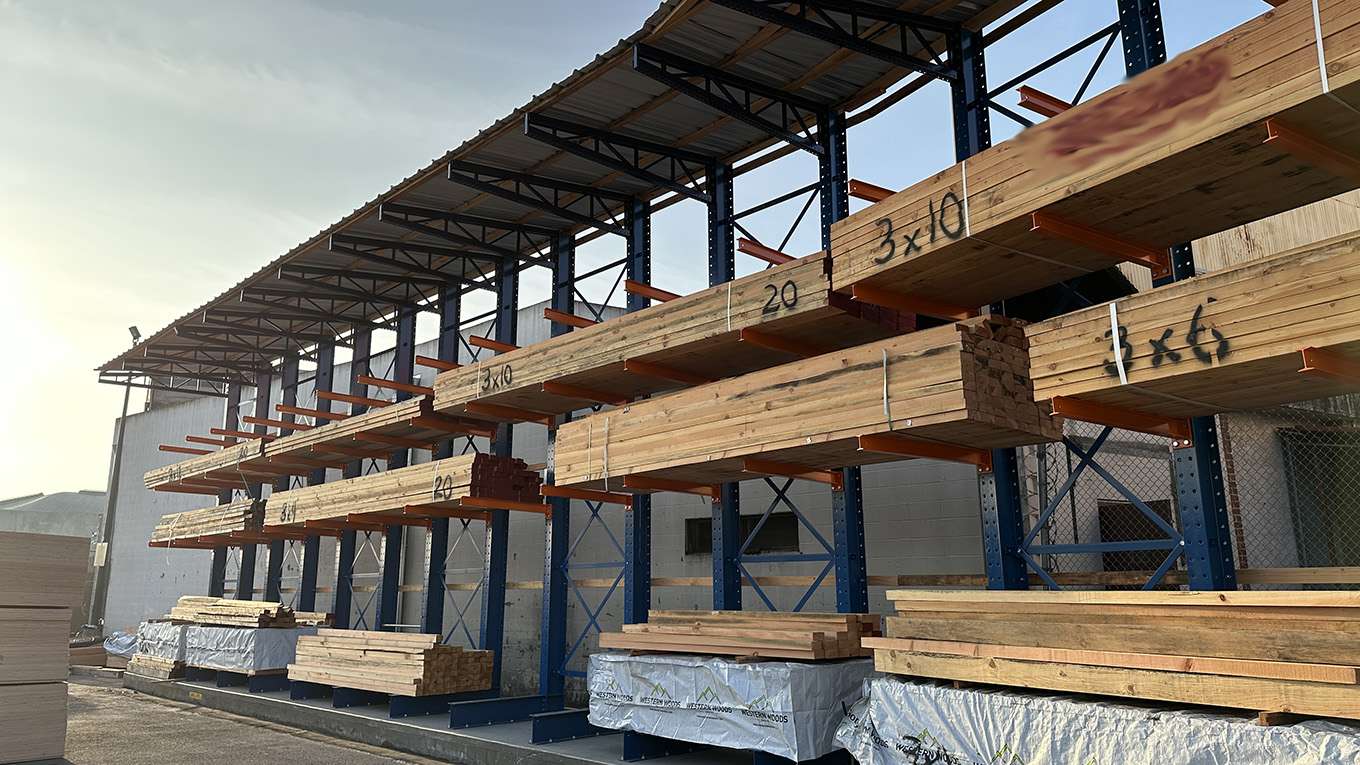
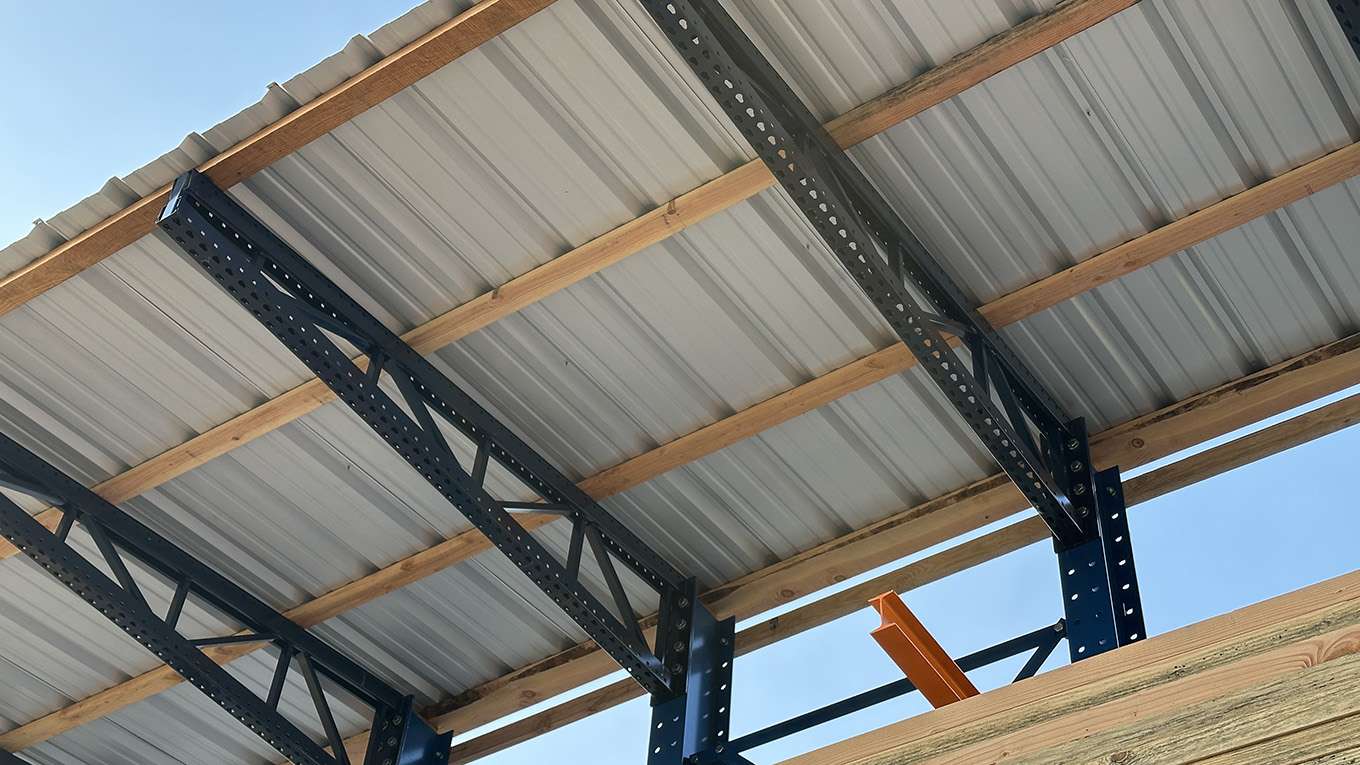
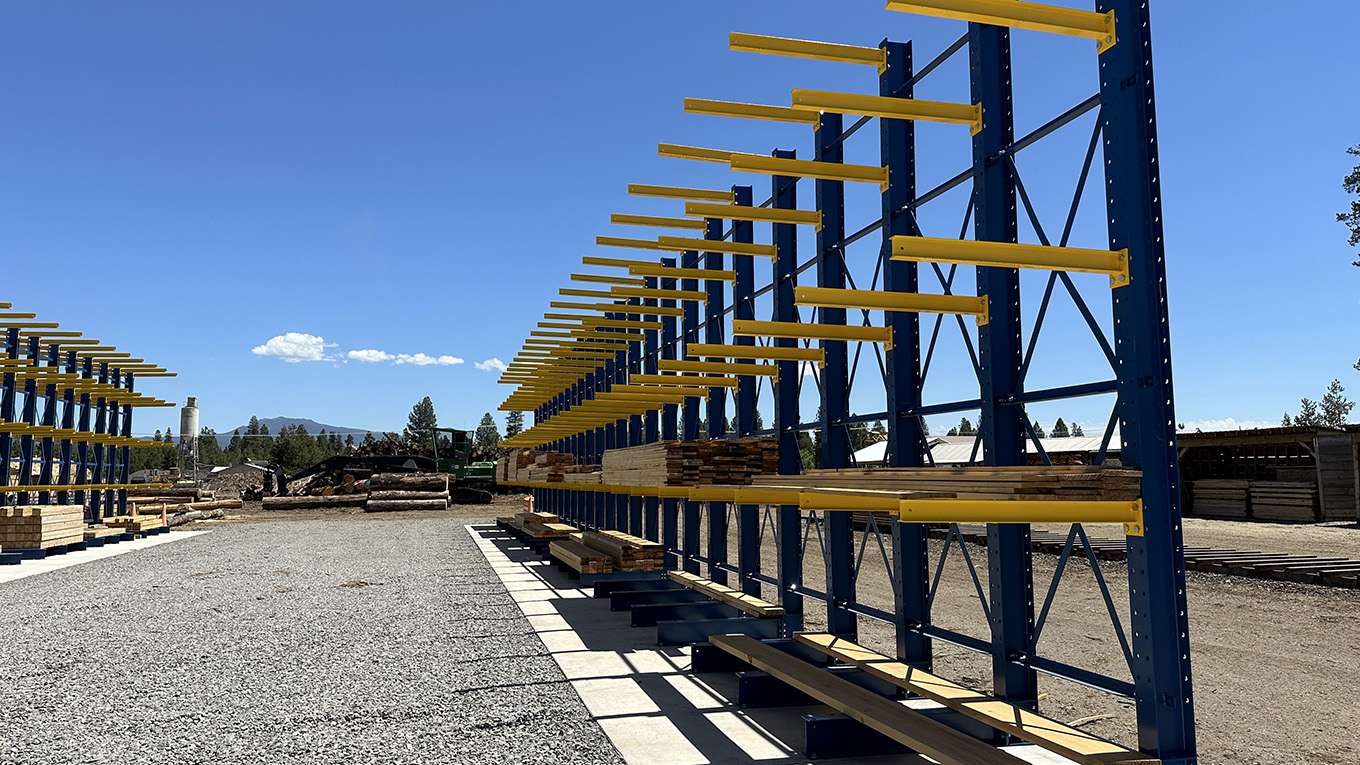
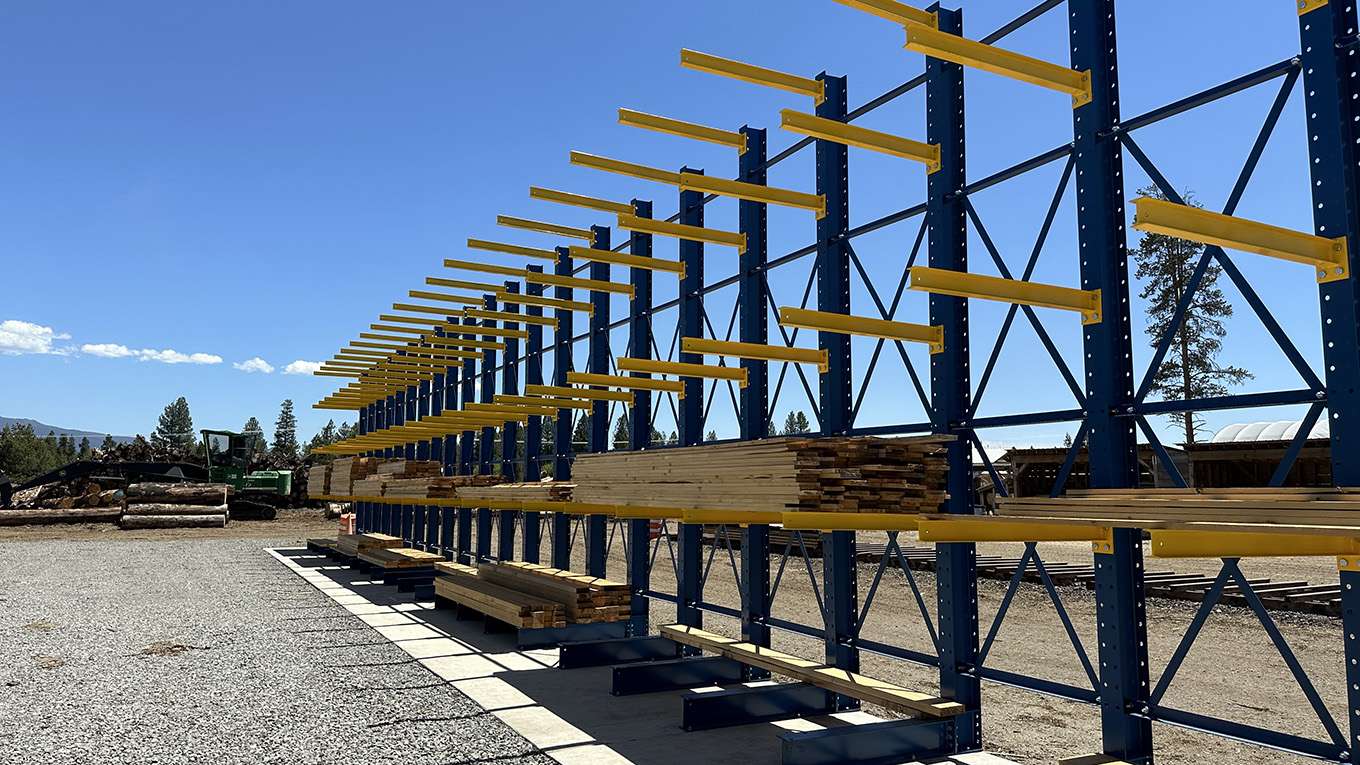
Lumber Company says: “Working with Speedrack West team has been a real pleasure. They made the whole process smooth and straightforward, and we’re 100% planning to come back again—which we actually just did recently.”
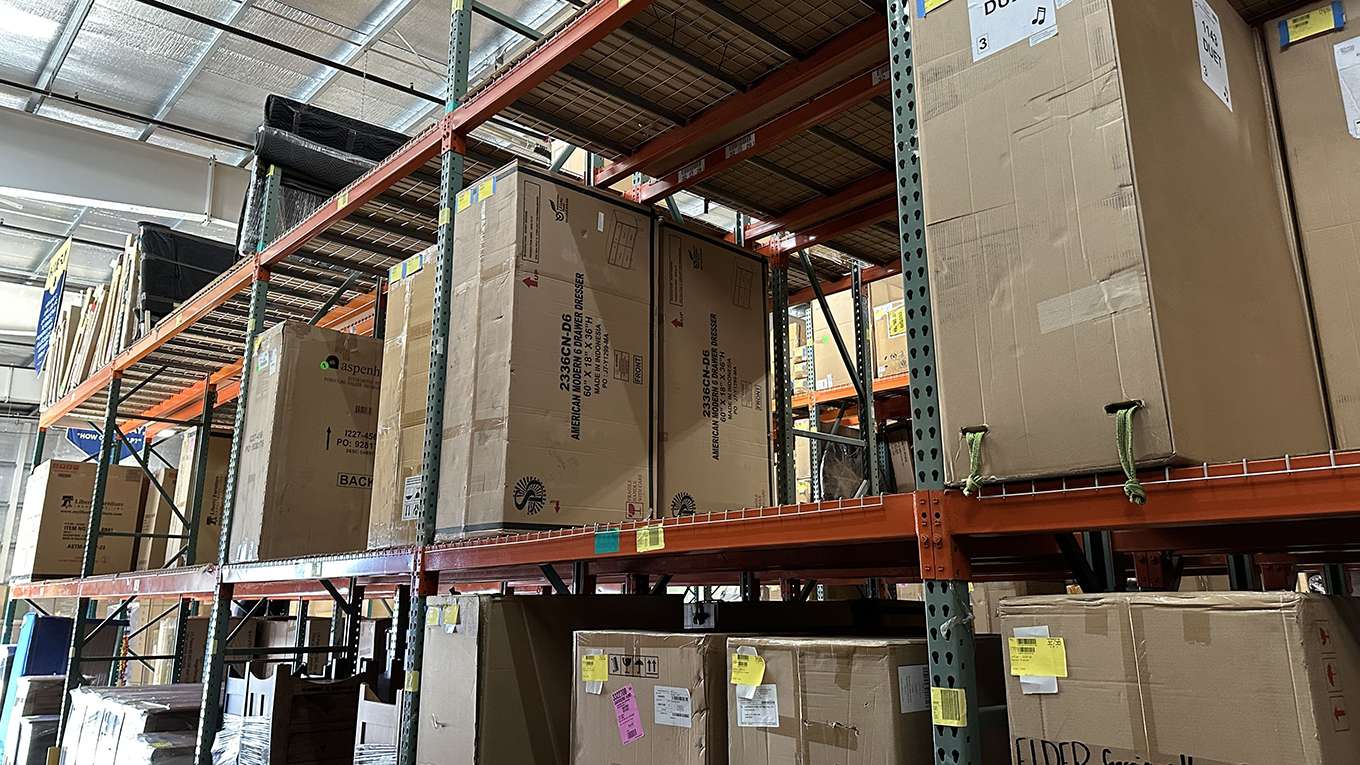
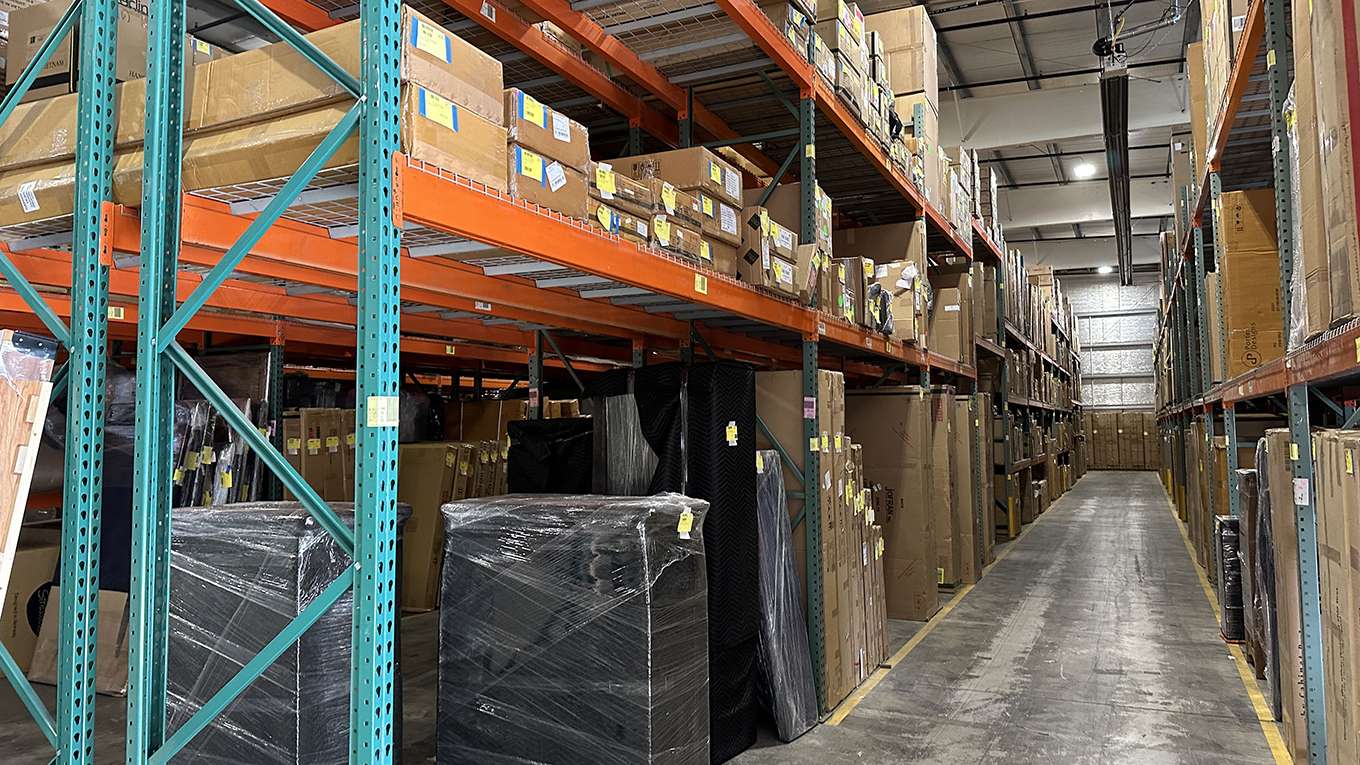
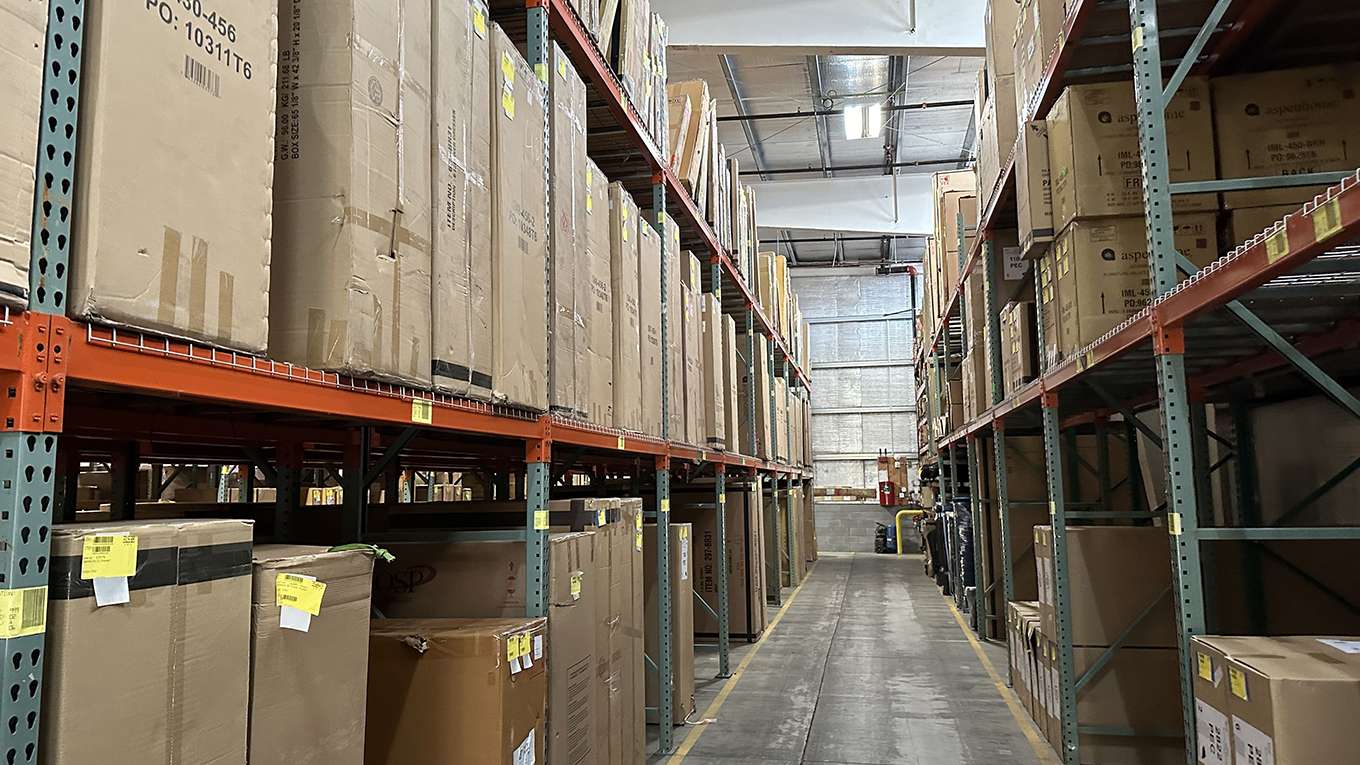
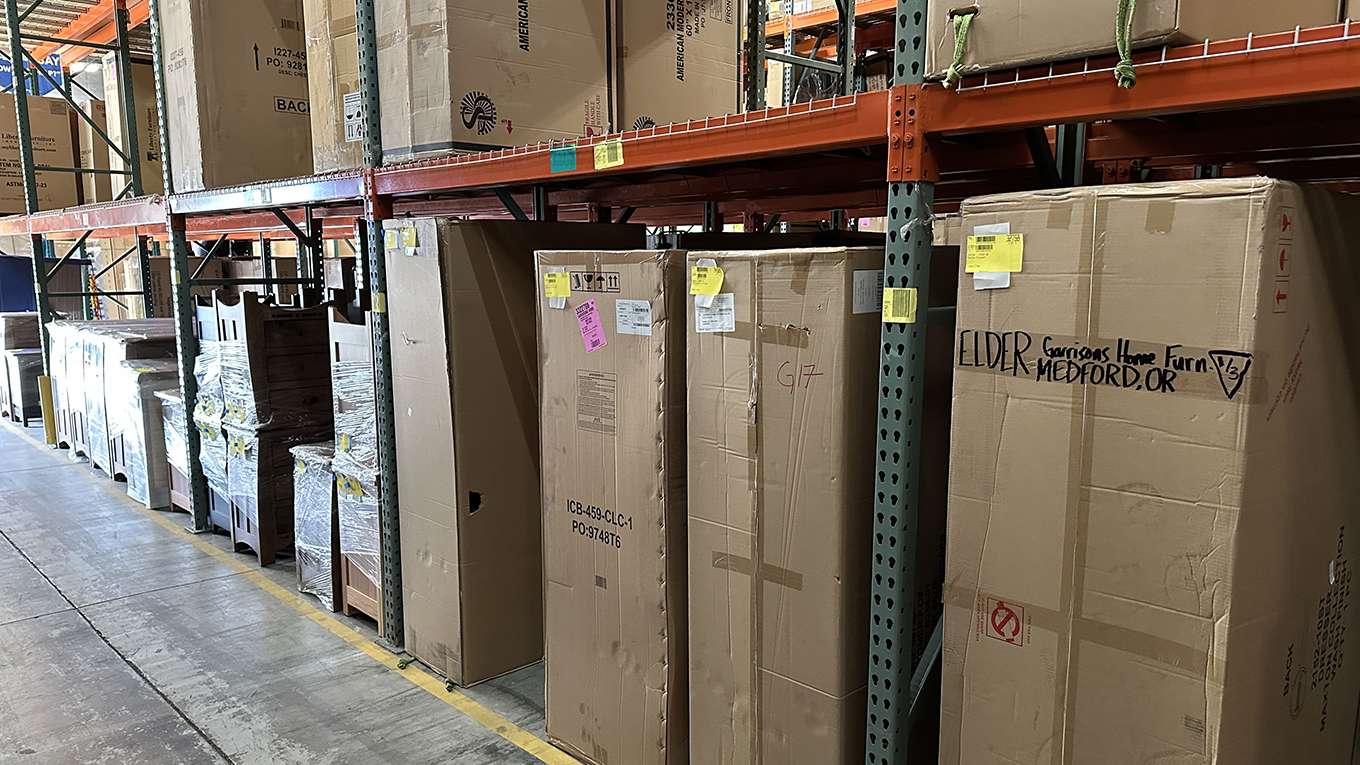
Derek Patterson says: “I would suggest that there should be no hesitation…from placing an order to getting everything delivered in such a timely manner. I had racking within 7 days compared to 4 to 6 weeks elsewhere. The customer service level is fabulous.”
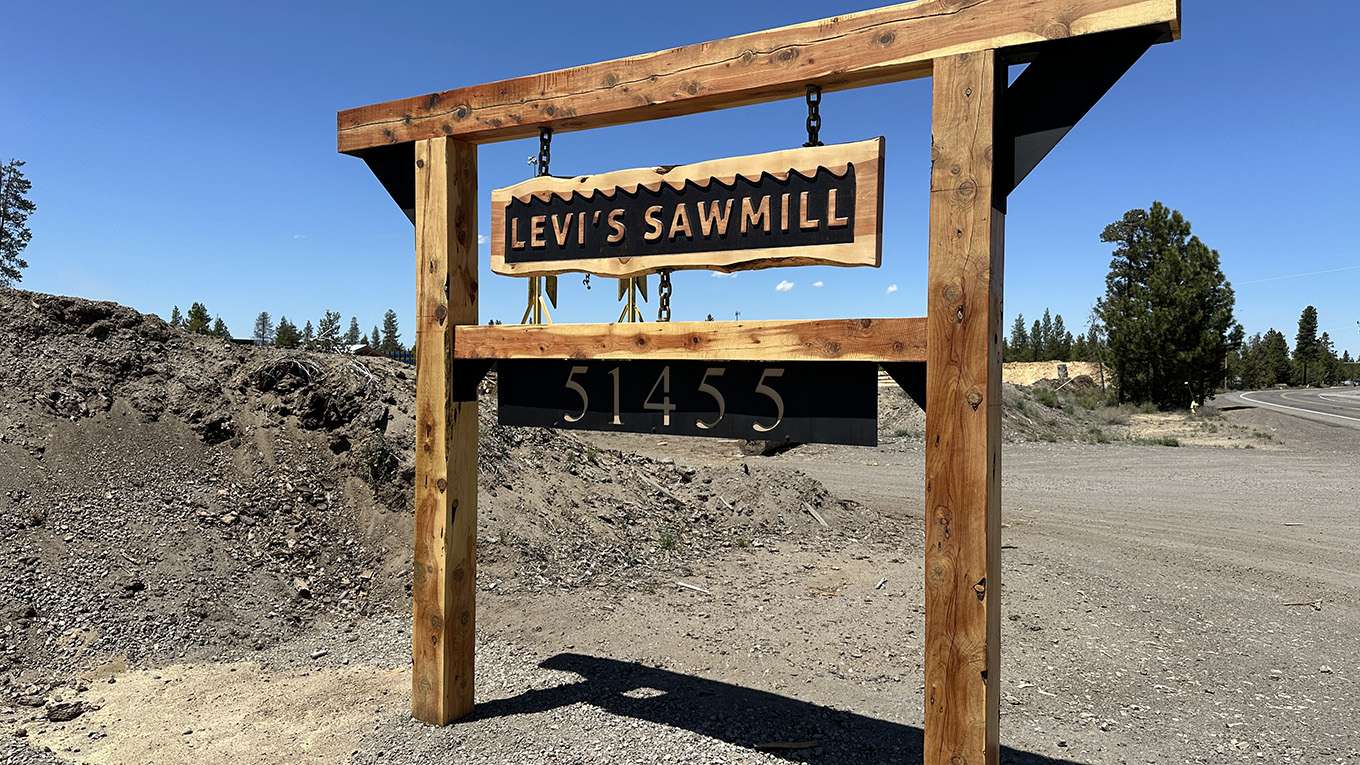
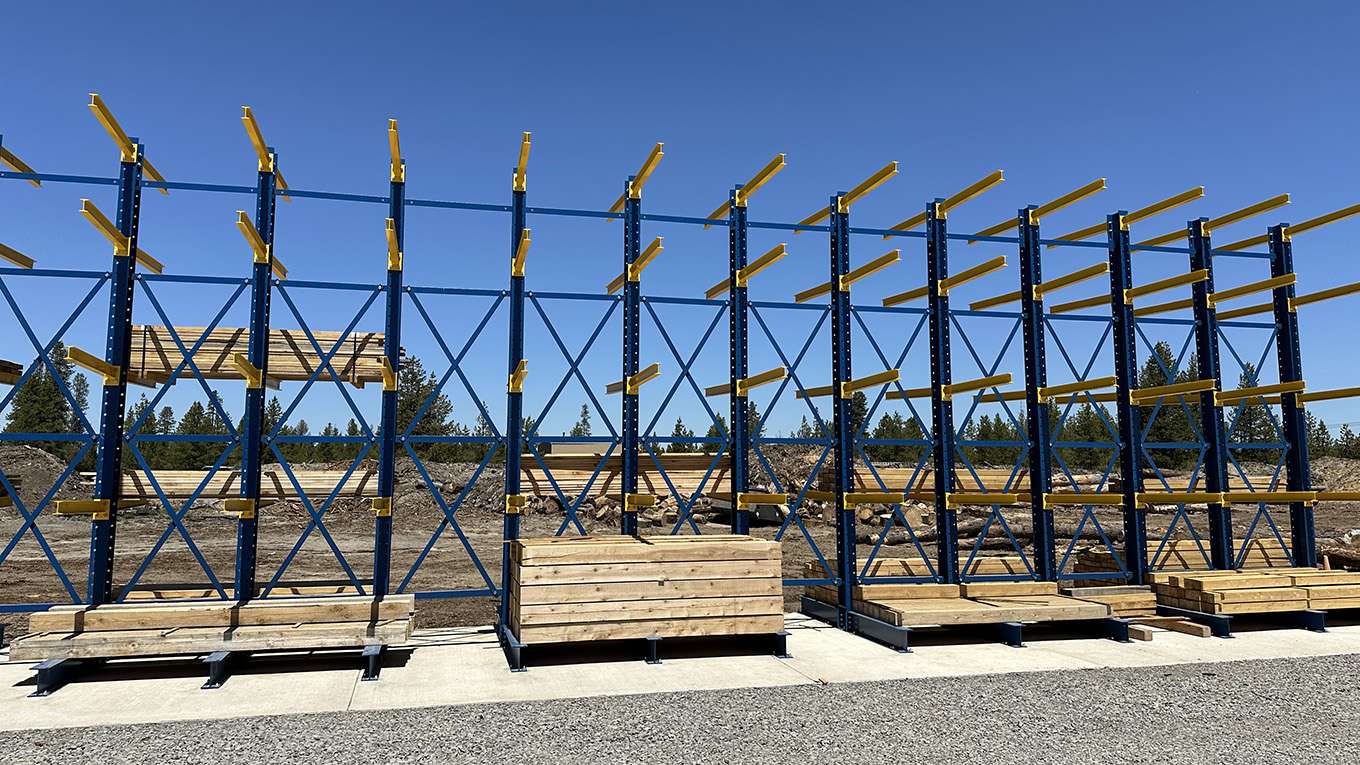
Levi Littrell says: “It’s a very expensive product no matter who you go with. Speedrack West will actually walk you through the steps and give you pricing options. Definitely, you do your research, but most likely you’re going to come back to Speedrack West.”
Gerald Allen says: “I do know that basically got called every day. How’s it going, is everything good? So the attention to detail and the concern for my happiness for lack of better terms was definitely a part of working with your company.”
James Roberts says: “It was vital for us to go with your company. With your guys’ company’s versatility to accommodate our needs from rack sizing to structural weight capacity.”
The Brands Behind the Racks









Related Products
Robert Baumgartner says: “Despite picking up this project in the middle of its lifecycle, the transition was flawless thanks to the team’s stellar communication. They exceeded our expectations by delivering the installation earlier than anticipated and hitting every technical requirement. From the sales team’s quick answers to their willingness to make adjustments, the experience was top-tier.”
Consolidated Supply says: “We’re very happy to be your regular client, and it’s always so easy to work with your team”
Lumber Company says: “Working with Speedrack West team has been a real pleasure. They made the whole process smooth and straightforward, and we’re 100% planning to come back again—which we actually just did recently.”
Derek Patterson says: “I would suggest that there should be no hesitation…from placing an order to getting everything delivered in such a timely manner. I had racking within 7 days compared to 4 to 6 weeks elsewhere. The customer service level is fabulous.”
Levi Littrell says: “It’s a very expensive product no matter who you go with. Speedrack West will actually walk you through the steps and give you pricing options. Definitely, you do your research, but most likely you’re going to come back to Speedrack West.”
Gerald Allen says: “I do know that basically got called every day. How’s it going, is everything good? So the attention to detail and the concern for my happiness for lack of better terms was definitely a part of working with your company.”
James Roberts says: “It was vital for us to go with your company. With your guys’ company’s versatility to accommodate our needs from rack sizing to structural weight capacity.”
The Brands Behind the Racks
Installation &
Tear Down
Our in house installation crew do their job promptly and professionally. We can also help with moving or tearing down your old rack system.
Reviews
Leave a review!
Sign In