

Sortation Conveyors
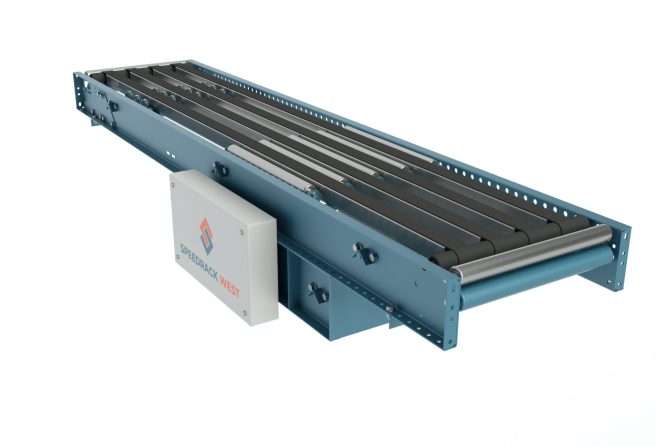
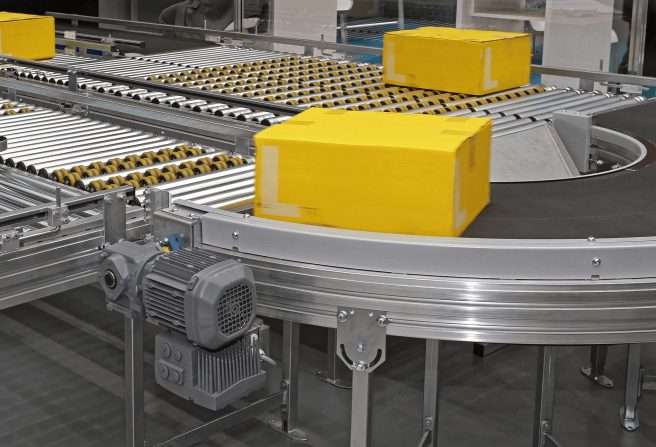
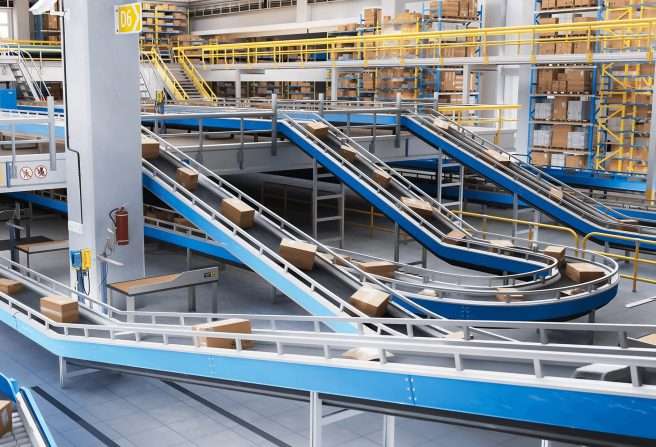
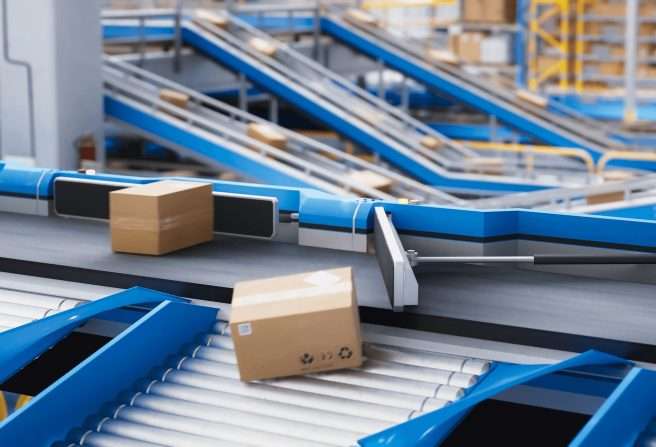
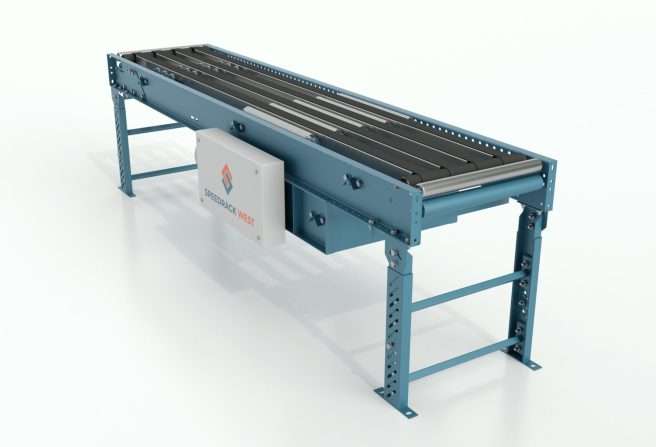
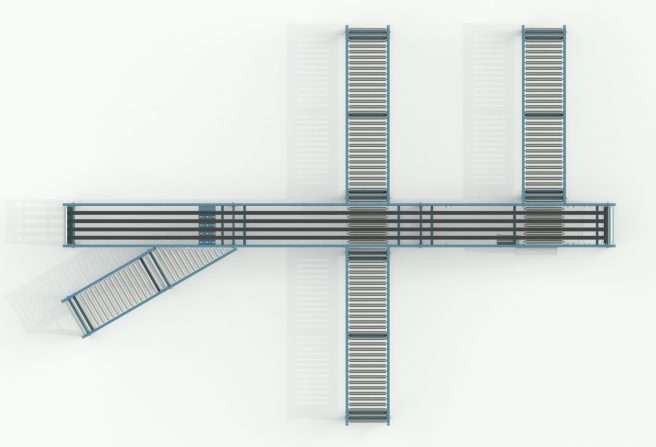
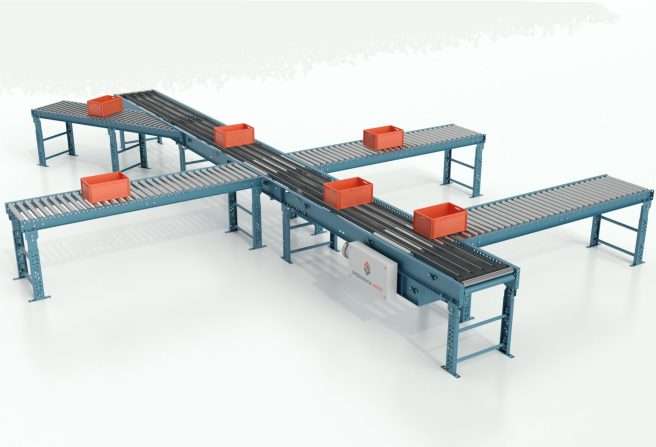
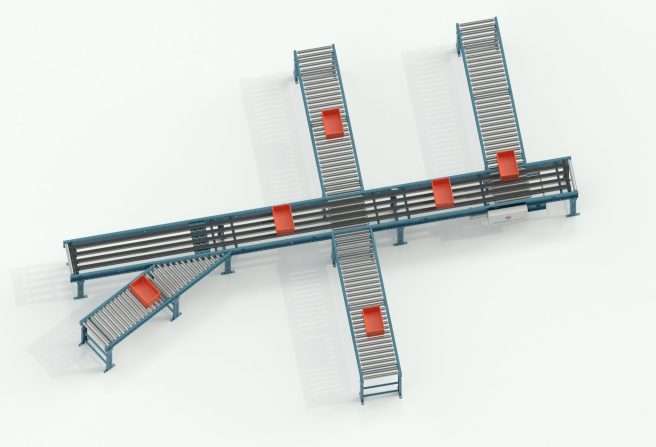
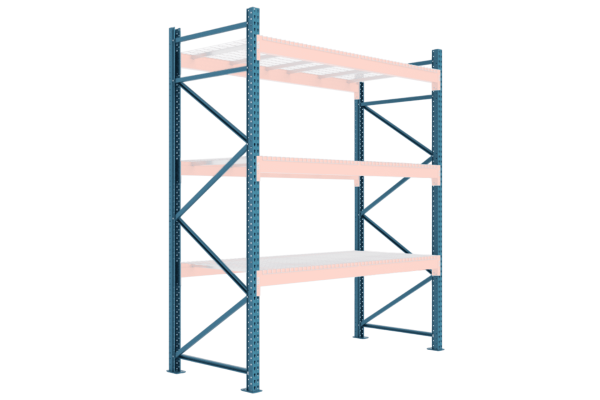
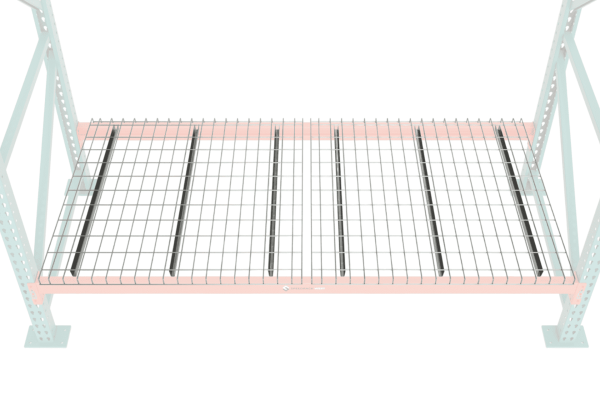
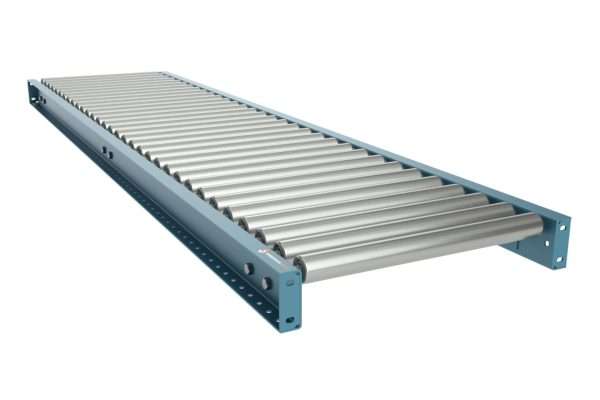
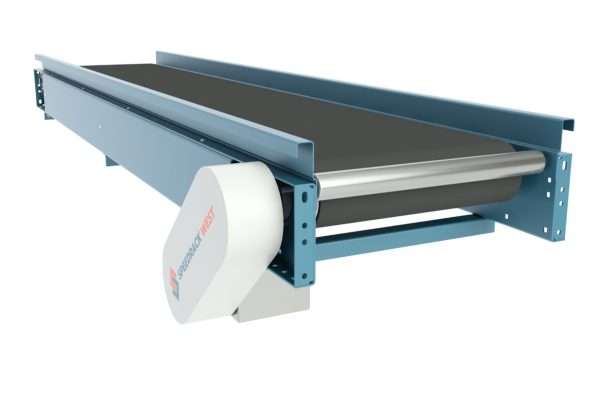
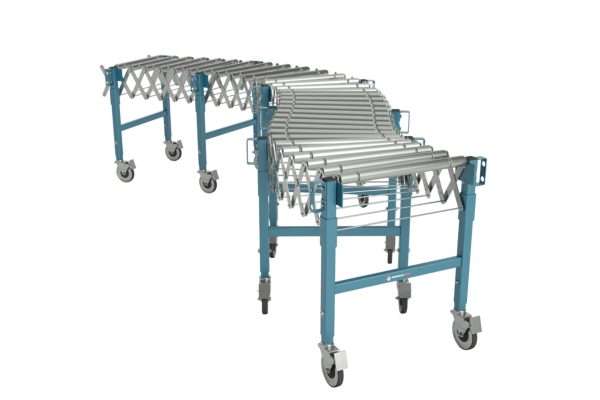
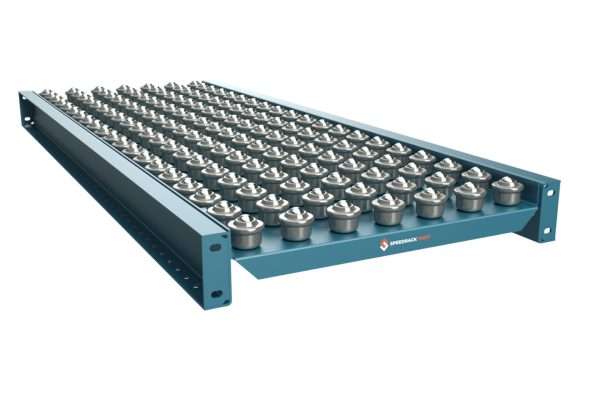
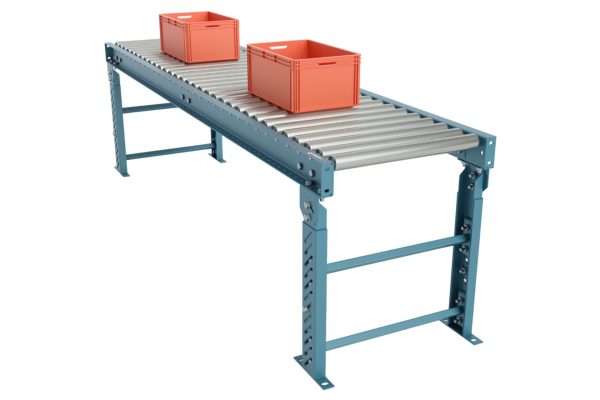
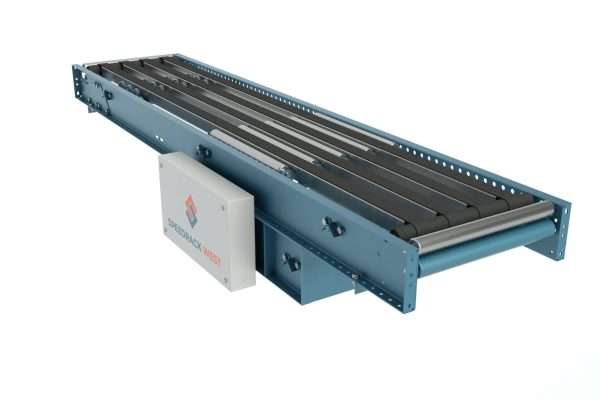
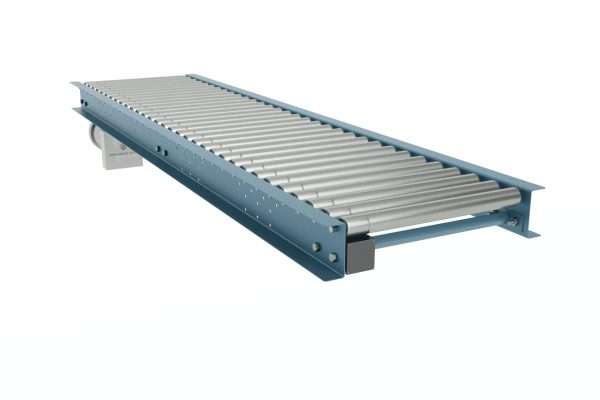
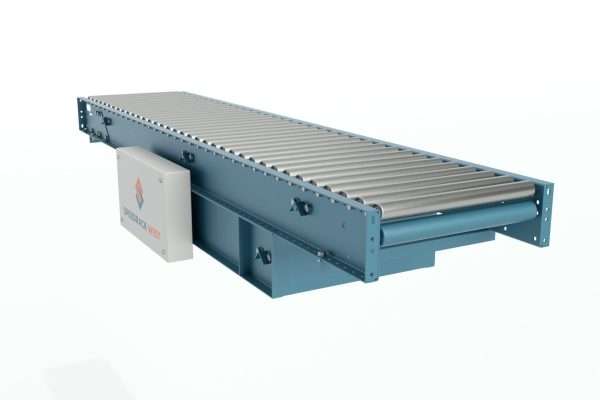
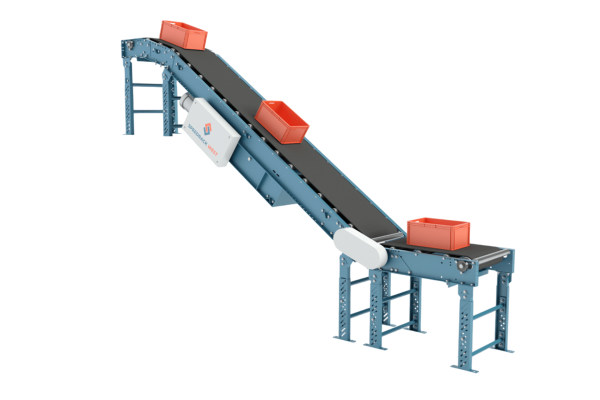
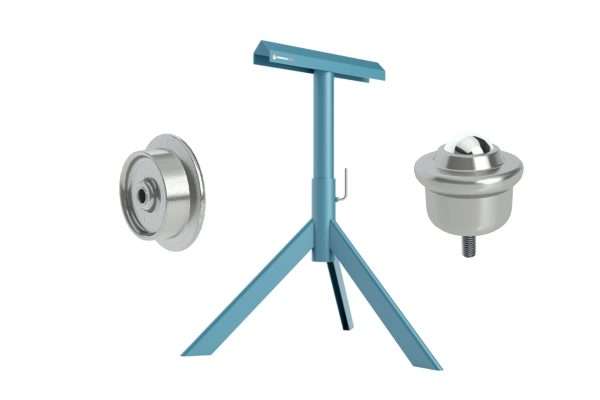
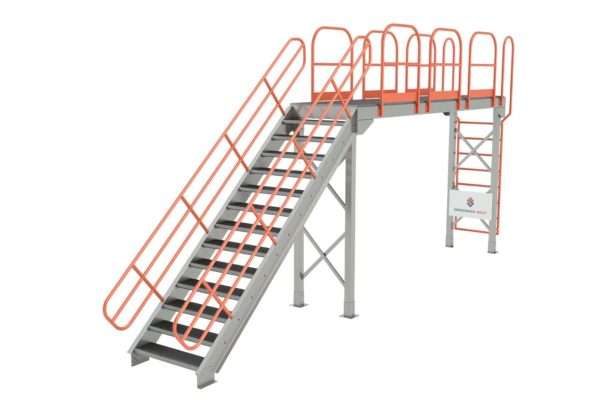
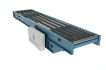
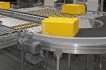
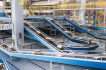
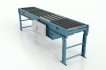
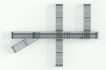
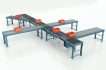
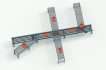
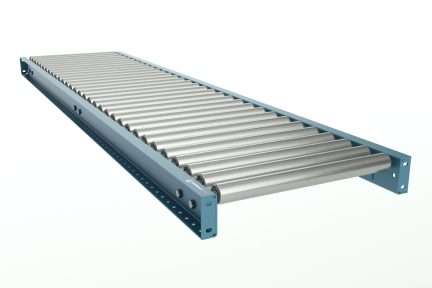
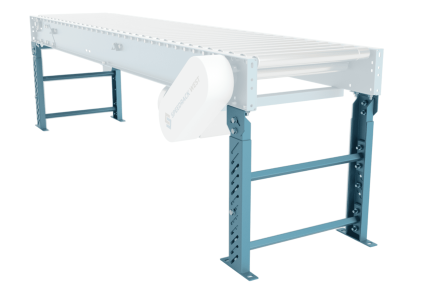
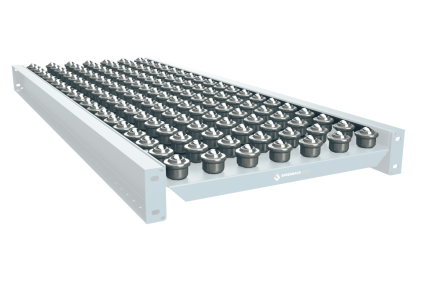
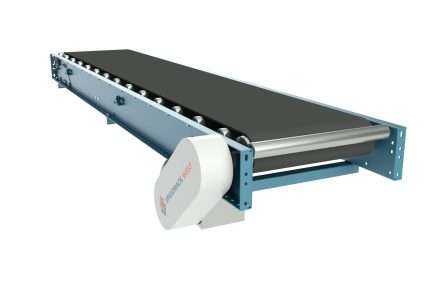
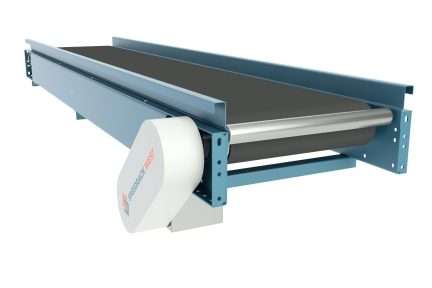
An image displaying a conveyor with optional structures and features.

Sortation Conveyors

Send us your request to receive an estimate
Key Features
-

Speed depends on the model: 60-180 FPM, 300 FPM.
-
Capacity is 60 or 100 lbs
-
Diversion angle is 30°, 45°, and 90°
-
Available with or without guard rails on a takeaway spur conveyor
-
Contact Us for custom sizing or additional options/features.
Delivery Terms
-

Special Manufacturer Rates
Access exclusive pricing
Access exclusive pricing
-

Nation-wide Shipping
Great rates & lead time across the country
Great rates & lead time across the country
-

Order What You Need
Avoid overpaying by talking to our experts today!
Avoid overpaying by talking to our experts today!
Delivery Terms
-
Special Manufacturer Rates
Access exclusive pricing
Access exclusive pricing
-
Nation-wide Shipping
Great rates & lead time across the country
Great rates & lead time across the country
-
Order What You Need
Avoid overpaying by talking to our experts today!
Avoid overpaying by talking to our experts today!
Key Features
-
Speed depends on the model: 60-180 FPM, 300 FPM.
-
Capacity is 60 or 100 lbs
-
Diversion angle is 30°, 45°, and 90°
-
Available with or without guard rails on a takeaway spur conveyor
-
Contact Us for custom sizing or additional options/features.
Description
Every conveyor system is custom-designed to meet your specific needs. We start by understanding your requirements, including the types of products to be handled, their dimensions, and your throughput goals. With this information, we tailor conveyor solutions that align perfectly with your operational demands, ensuring a cost-effective and efficient material handling solution. Contact us.
How can you spare hours by automating the picking process and implementing Goods-to-Person (GTP) technology? Automated sortation conveyor systems are at your service.
How do conveyor sortation systems work?
Sortation Conveyor Systems include an induction system, a system that merges, and sortation diverts. In goods-to-person picking scenarios, the sortation conveyor identifies individual items on the surface and then directs them to the correct locations using different devices controlled by task-specific software.
There are two main technological types of sorting conveyor systems: linear and loop (also known as circular) sortation systems.
The linear sorter, or shoe sorter, is always on. There is no need to stop the belt from unfolding individual items into their designated branches.
The sortation conveyor is arranged so that all items on a surface are scanned (measured) and branched if the characteristics (e.g. dimensions) match the required ones and otherwise continue on the conveyor belt. Thus, linear systems facilitate a steady flow of items and can divert items to one or two sides. If linear sorters are used, items enter the sorter at only one location.
The loop sorters have more than one induction point at which items are placed in the sorter.
What should you consider when opting for the right sortation conveyor systems?
- Dimensions (length, width, height) and weight of your products.
- Size of the facility because the type of sorter depends on the area it will take up.
- Your budget, because the price of the sortation system is based on size, speed, and technology.
The other types’ names depend mostly on the applications, such as Right-Angle Transfers, Narrow Belt Sorters, Cross-Belt Sorters, Pop-Up Wheel Sorters, Pusher / Paddle Sorters, Shoe Sorters, Bombay Sorters, Tilt Tray Sorters, and Pocket Sorters.
Shoe sorters are ideal for use with various sizes and weight of items.
Right-angle transfers are typically used for fragile products of different sizes and weights. They can be used to transfer products to a non-power conveyor or onto parallel conveyors when only one device is required.
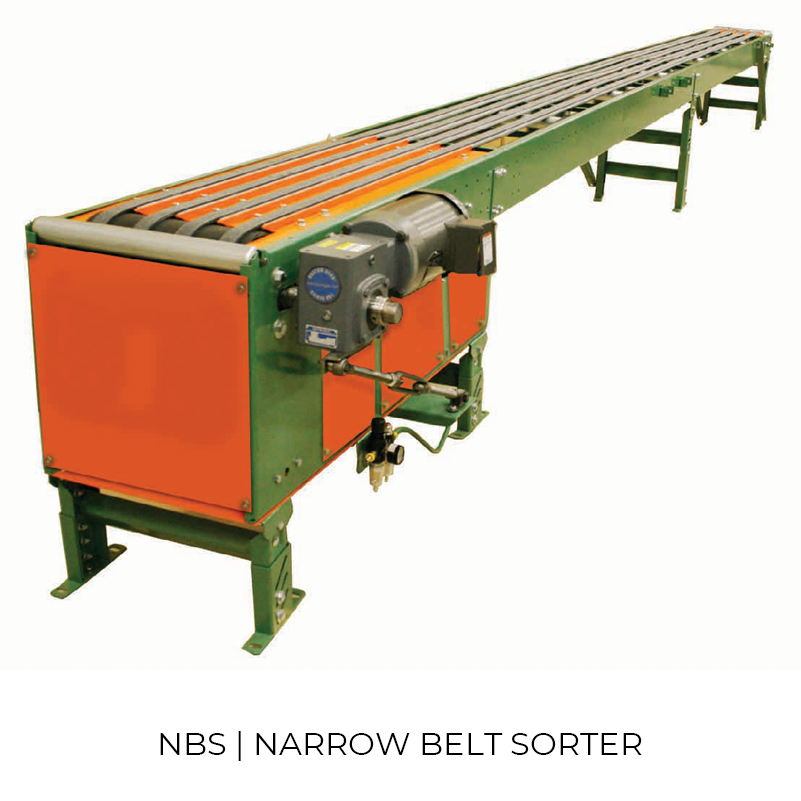
The Narrow Belt Sorter utilizes multiple belts to transport products to diverters that have been strategically located along the sorter. Both the Skewed Wheel Diverter and the Roller Diverter can be used as means of diverting from the Narrow Belt Sorter. The model NBS from Roach has a 90° roller transfer (single or bidirectional) and a 30° skewed wheel diverter (single direction). You can use them to convey small to medium-sized items to multiple points (e.g., packing stations).
Contact us for a free conveyor consultancy!
Benefits of conveyor and automated sortation systems
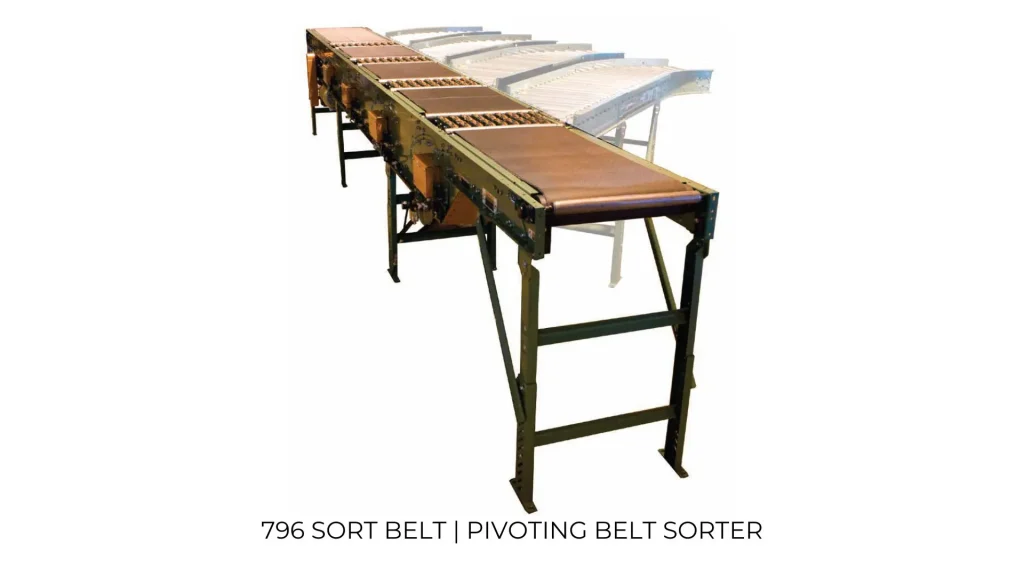
Speed. Sortation conveyors of different types and models vary depending on the applications and rate. For instance, the Model SD60 (SKEWED WHEEL DIVERTER) of Roach Manufacture has a rate of up to 60 sorts per minute, and speed is 60-180 FPM, constant, but other speeds are available. Model 796 SORT BELT, the Pivoting Belt Diverter, has a high rate package sortation. As many as 75 cartons may be accurately sorted per minute, with belt speeds as high as 300 FPM.
Errors. Sortation conveyors decrease errors by eliminating manual sorting and adding advanced sensors, barcode scanners, and computer vision.
Scalability and versatility. Sortation conveyors are used in many industries. Their characteristics are broad and deep, and because of this, they are customized for various applications. You can opt for a sortation conveyor whose capacity is 60 or 100 lbs or whose diversion angle is 30°, 45°, and 90°, with or without guard rails on a takeaway spur conveyor.
Whether you are unsure which type of sorting conveyor is right for you or need more information, our experts are here to assist.
Does everything match up to what you imagined the sortation conveyors to be? If not, allow us to give you a helping hand.
Industries that utilize Sorting Conveyor Systems
-
Pharmaceuticals

-
Cosmetics

-
Electronics

-
Jewelry

-
E-commerce

-
Food and Beverage

Want to Make Sure It Fits?

or
Industries that utilize Sorting Conveyor Systems
-
Pharmaceuticals
-
Cosmetics
-
Electronics
-
Jewelry
-
E-commerce
-
Food and Beverage
Want to Make Sure It Fits?
or
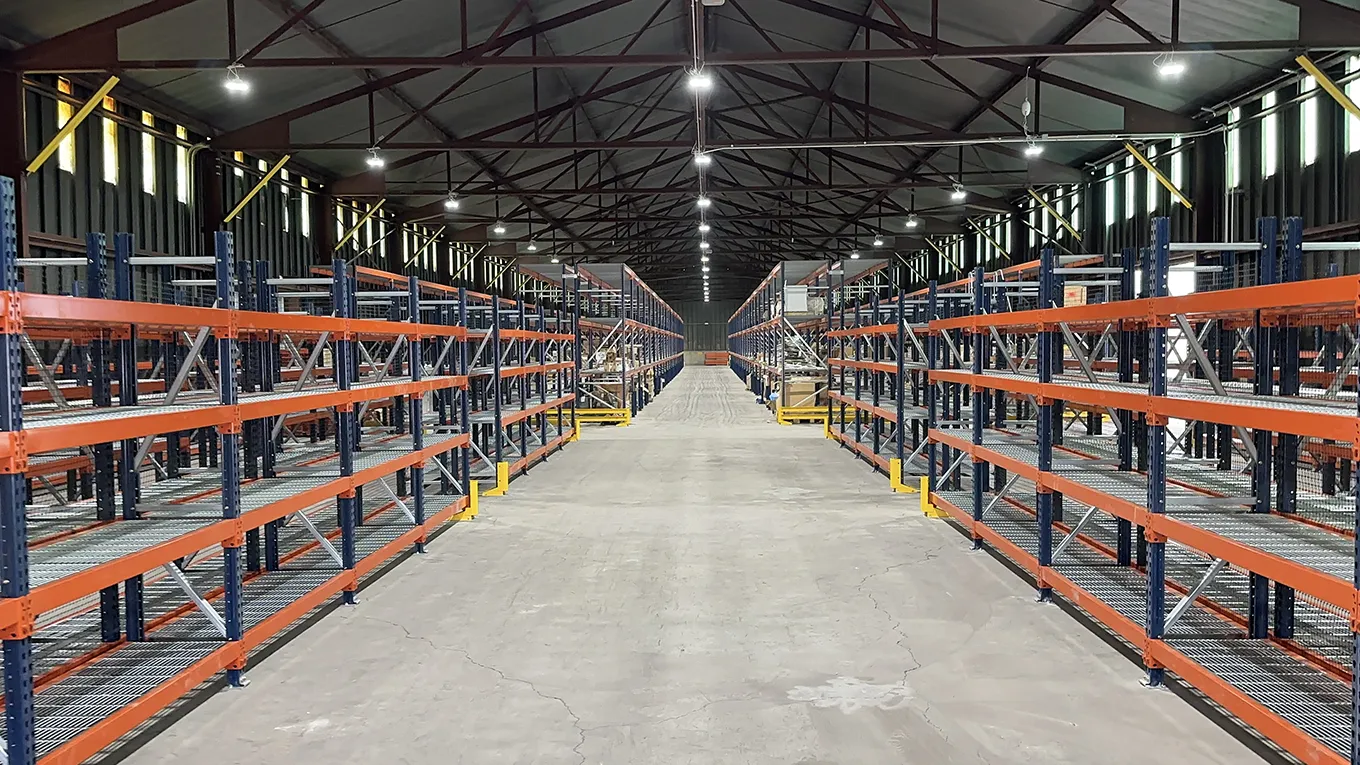
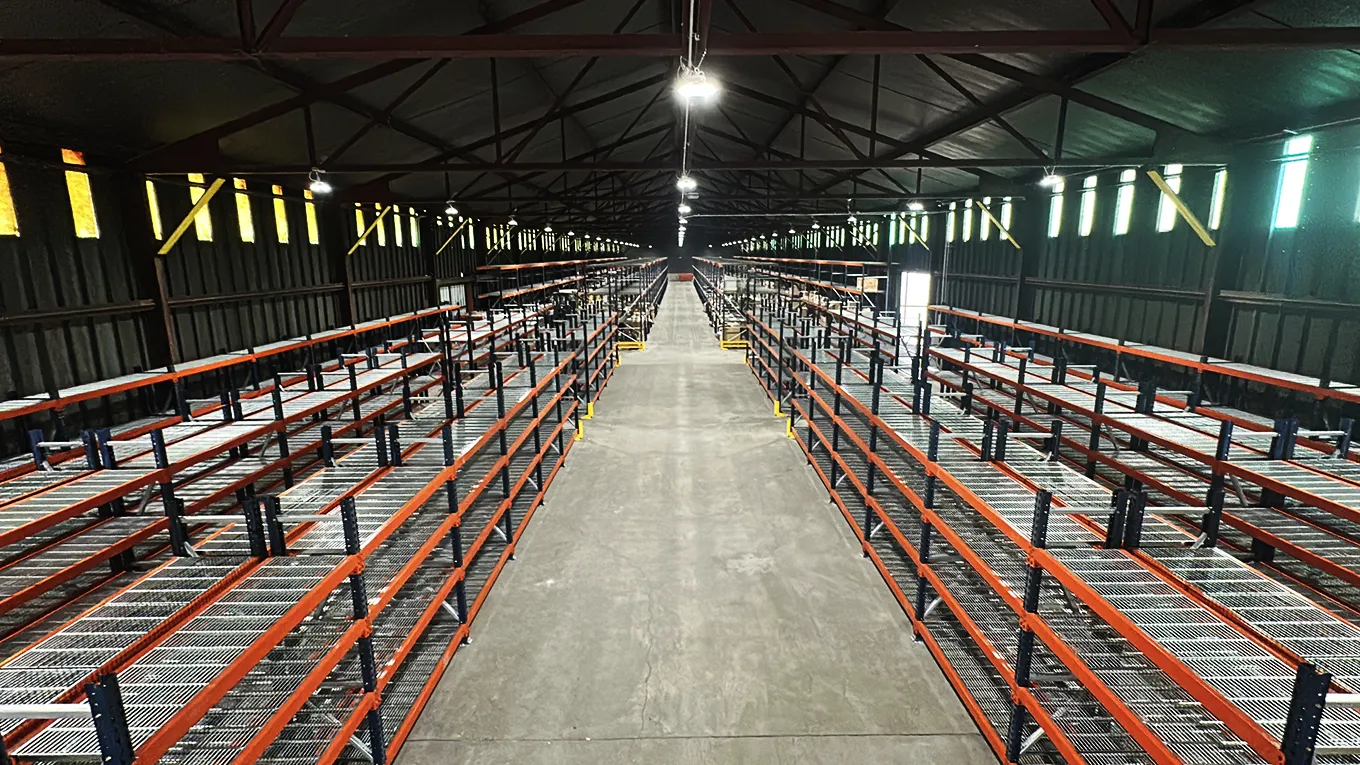
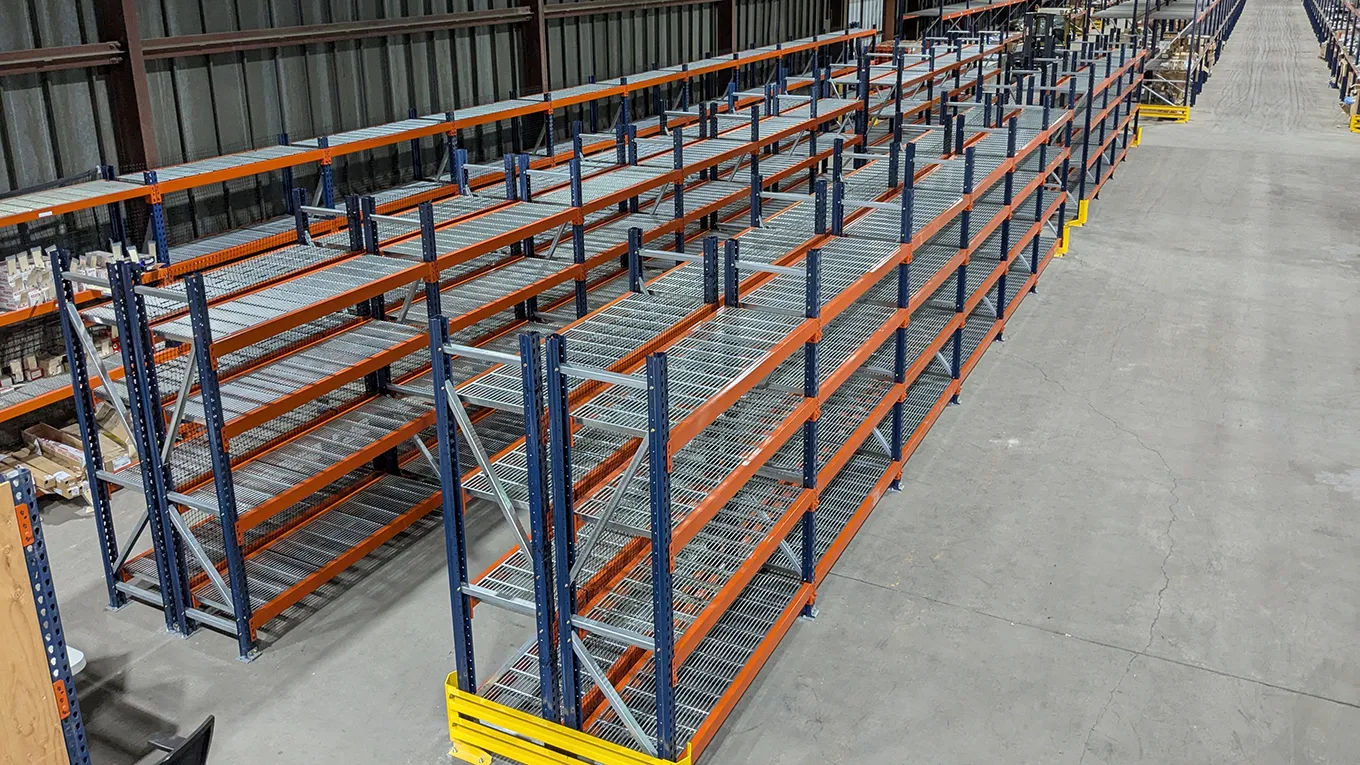
Robert Baumgartner says: “Despite picking up this project in the middle of its lifecycle, the transition was flawless thanks to the team’s stellar communication. They exceeded our expectations by delivering the installation earlier than anticipated and hitting every technical requirement. From the sales team’s quick answers to their willingness to make adjustments, the experience was top-tier.”
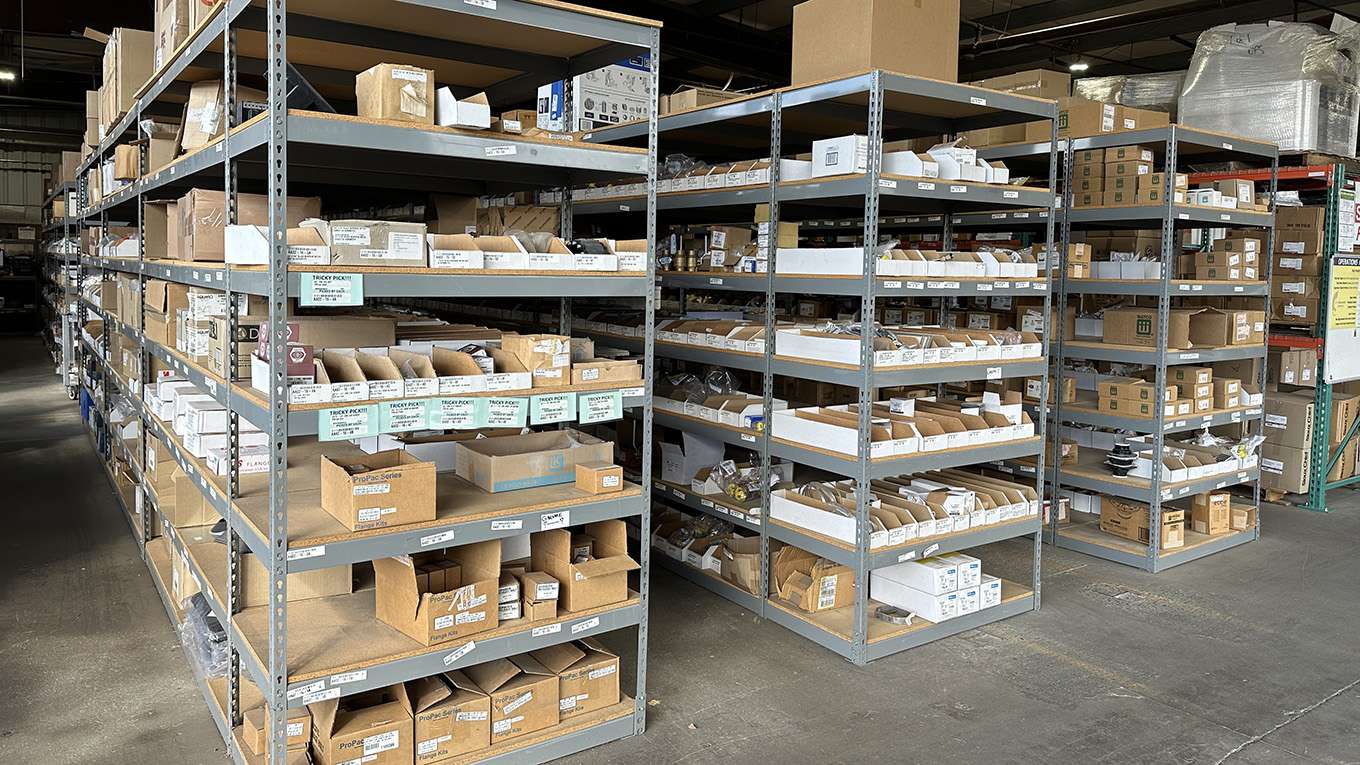
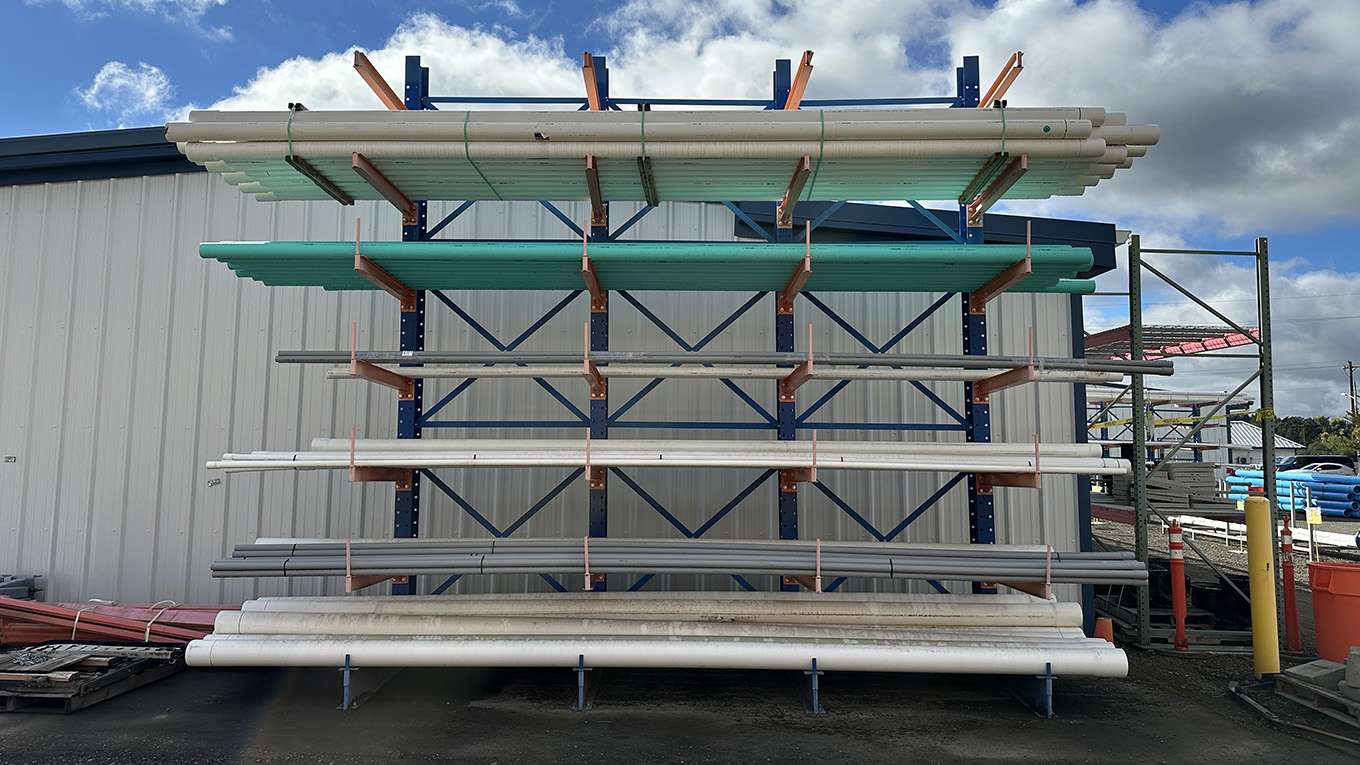
Consolidated Supply says: “We’re very happy to be your regular client, and it’s always so easy to work with your team”
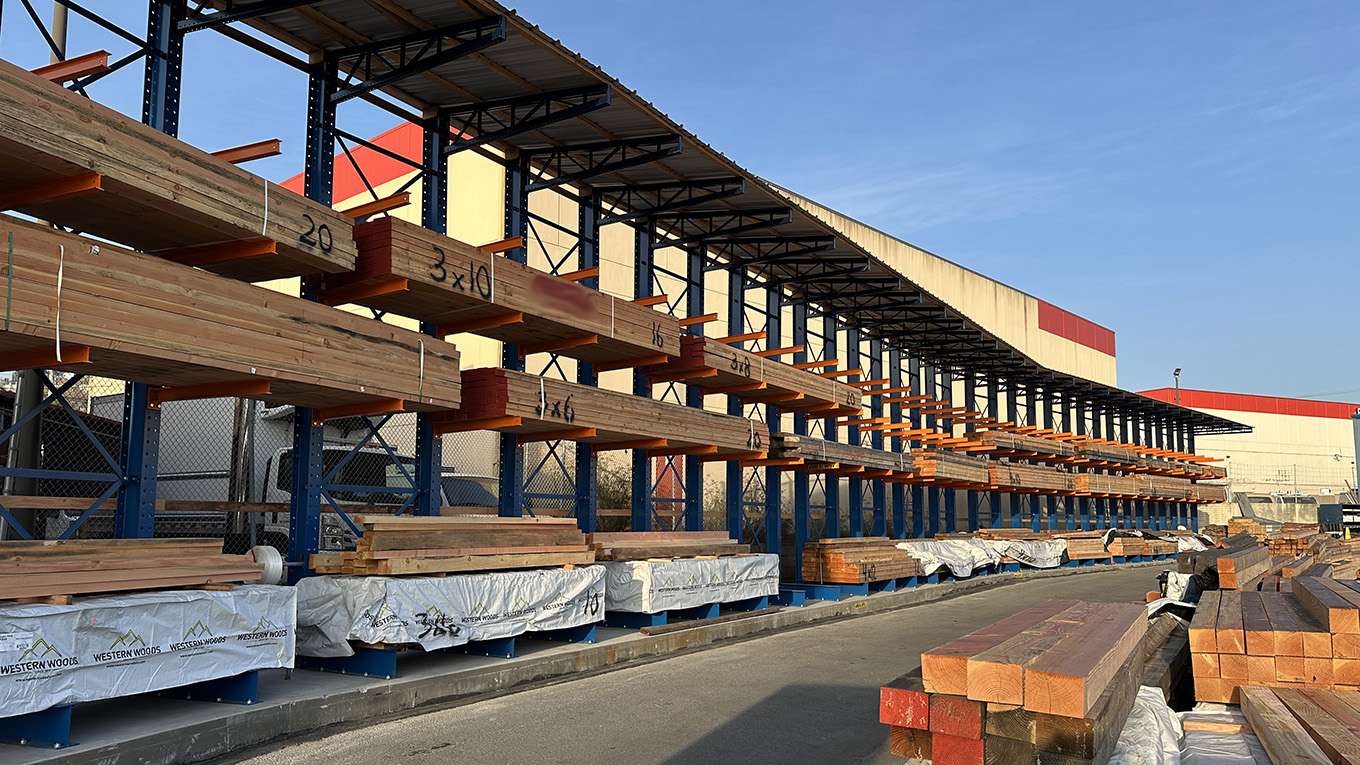
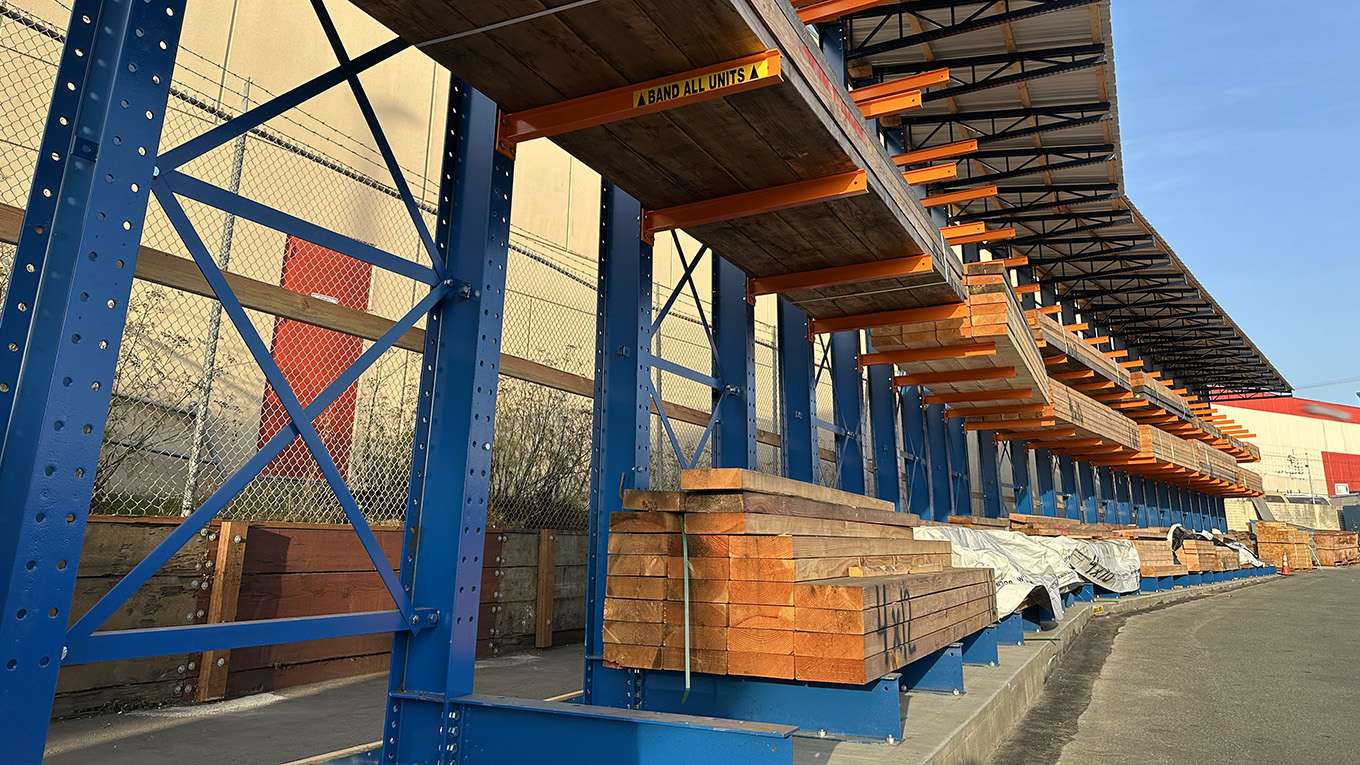
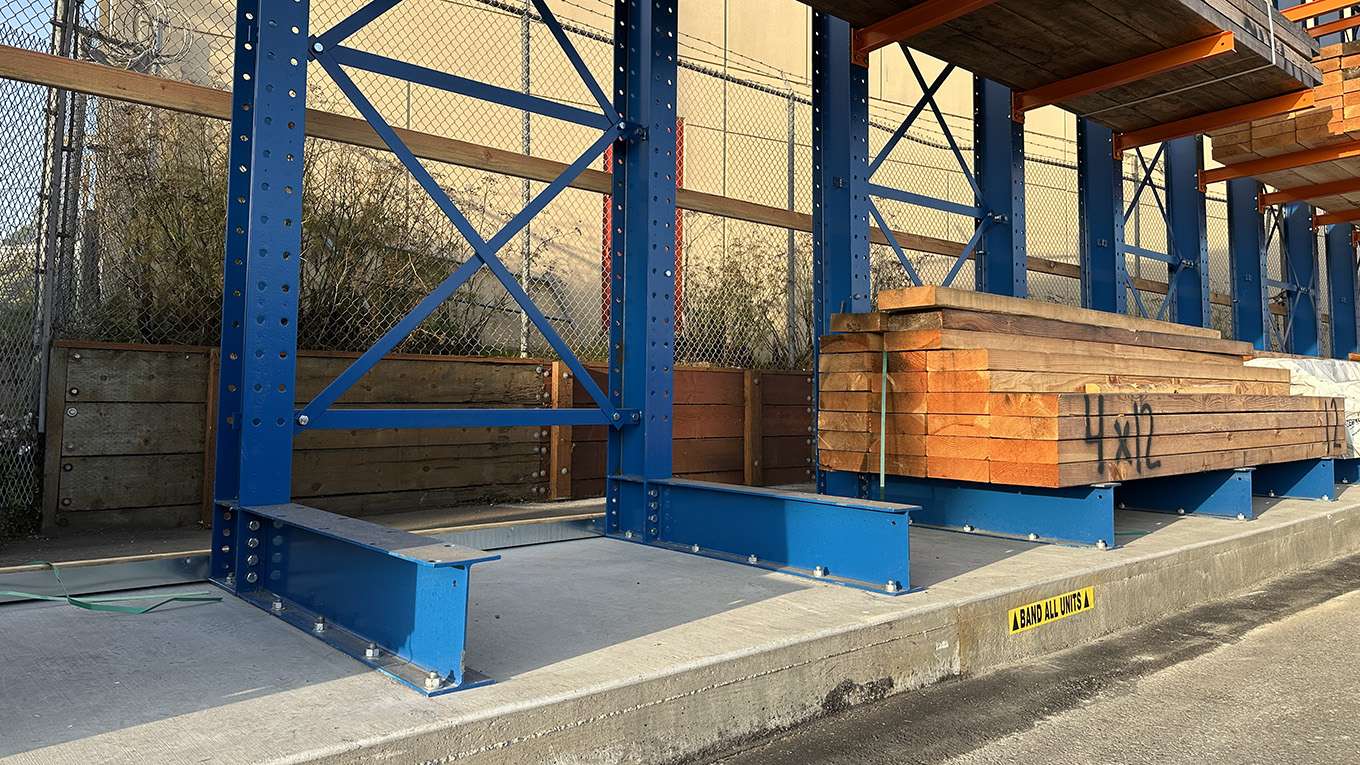
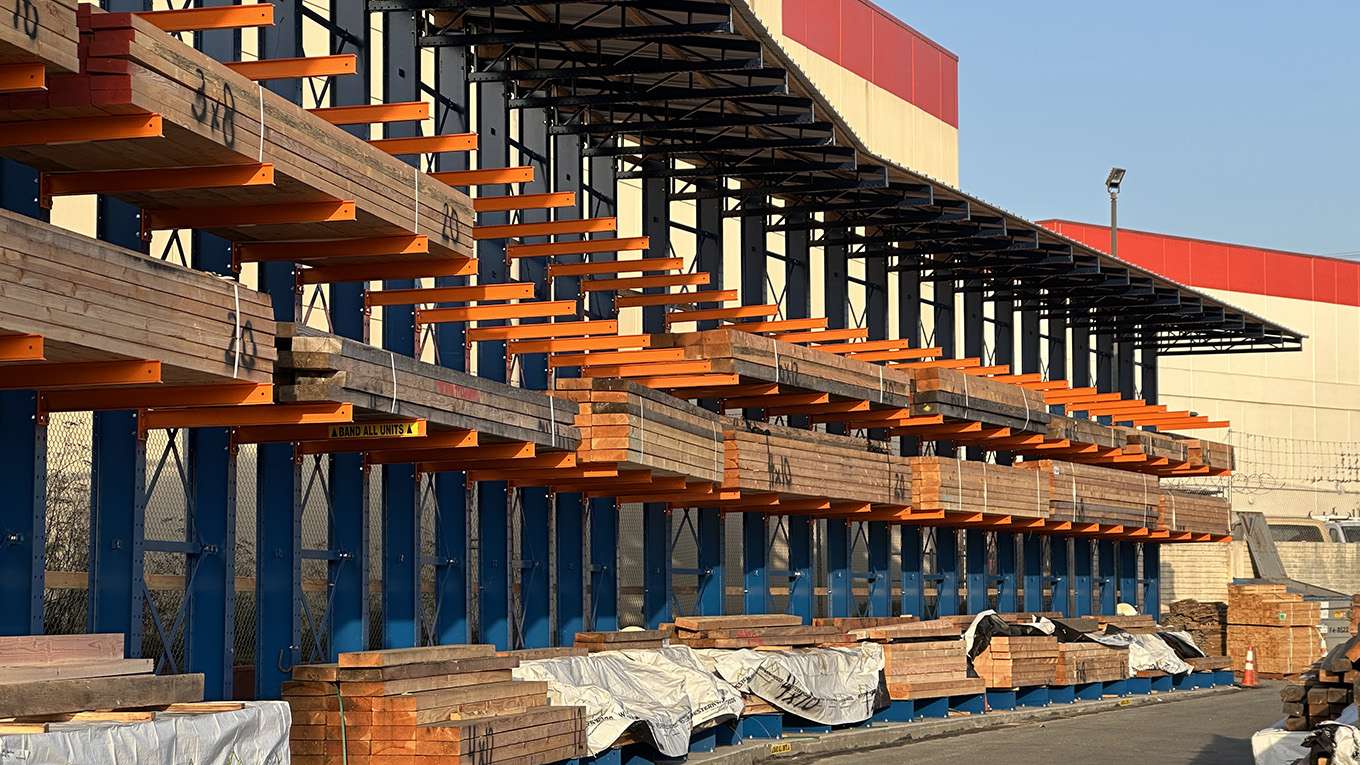
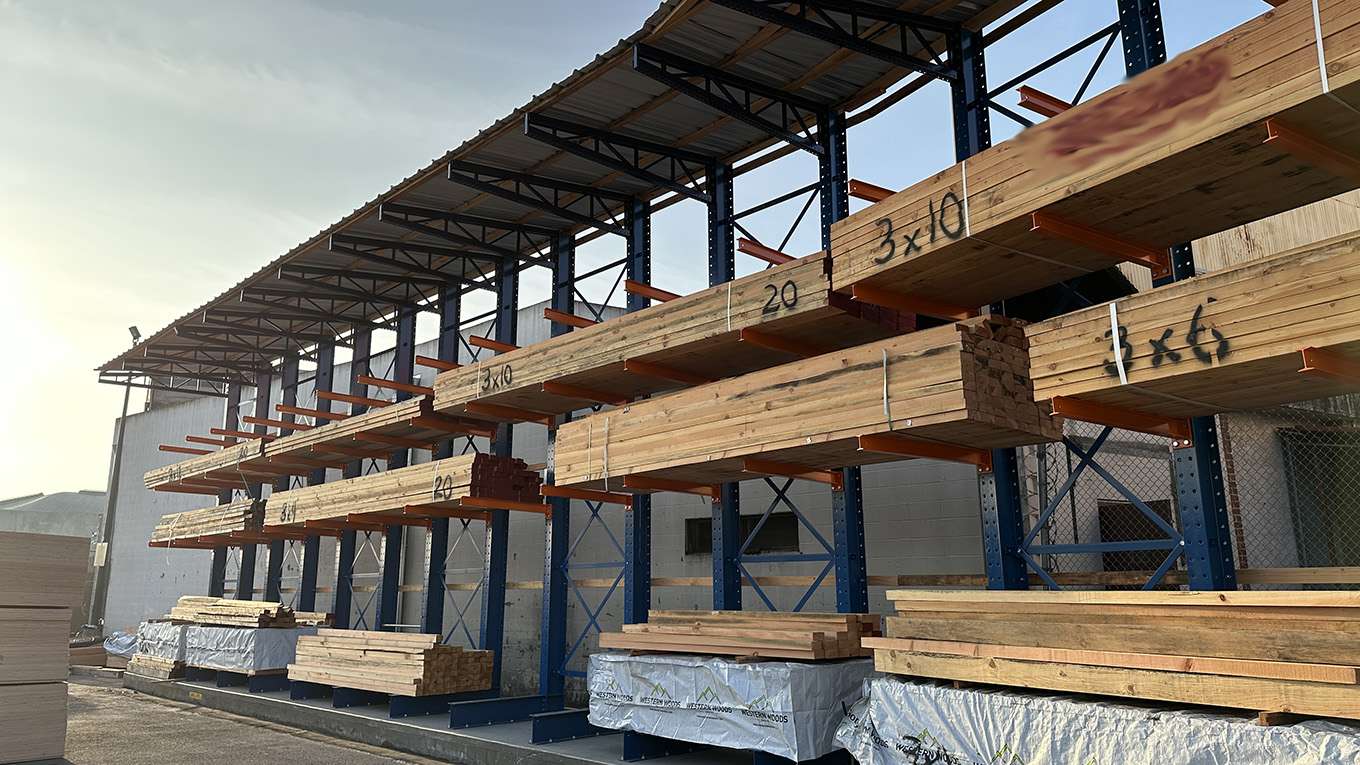
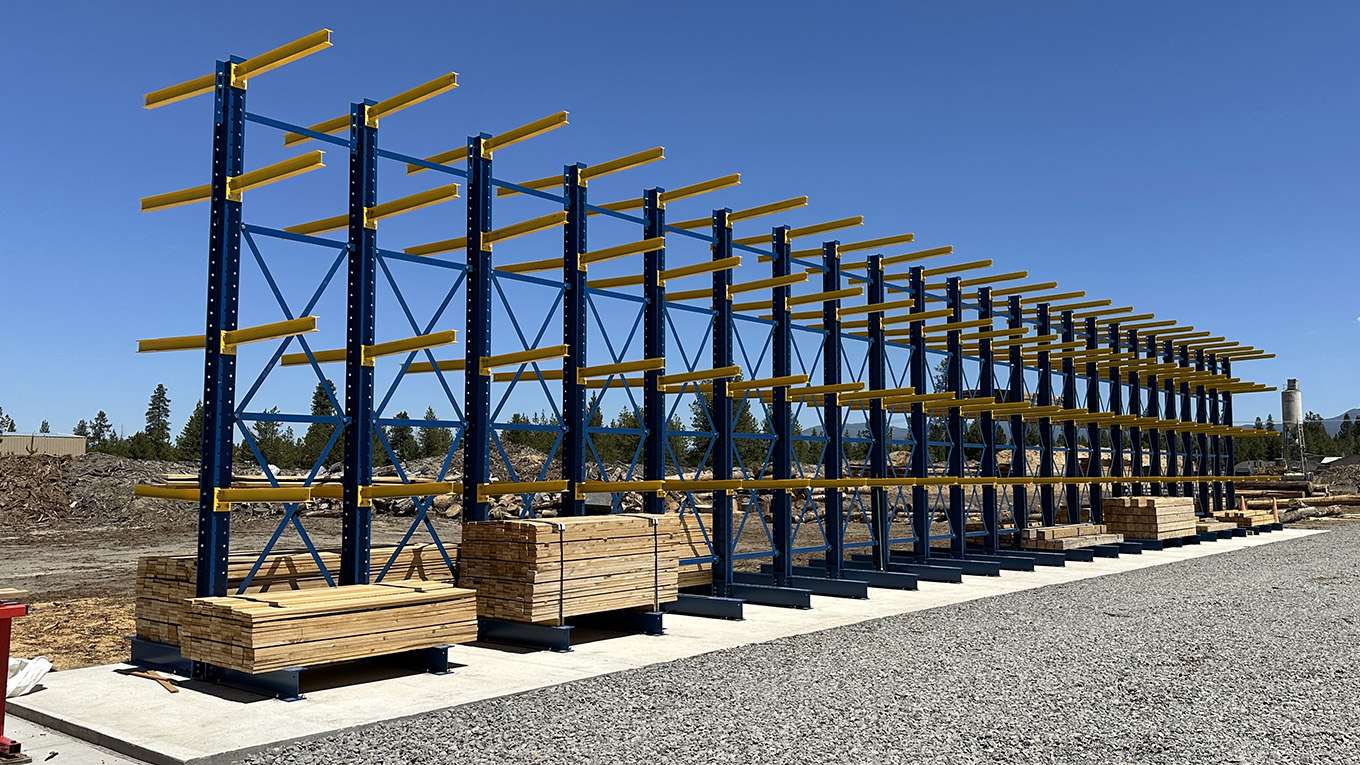
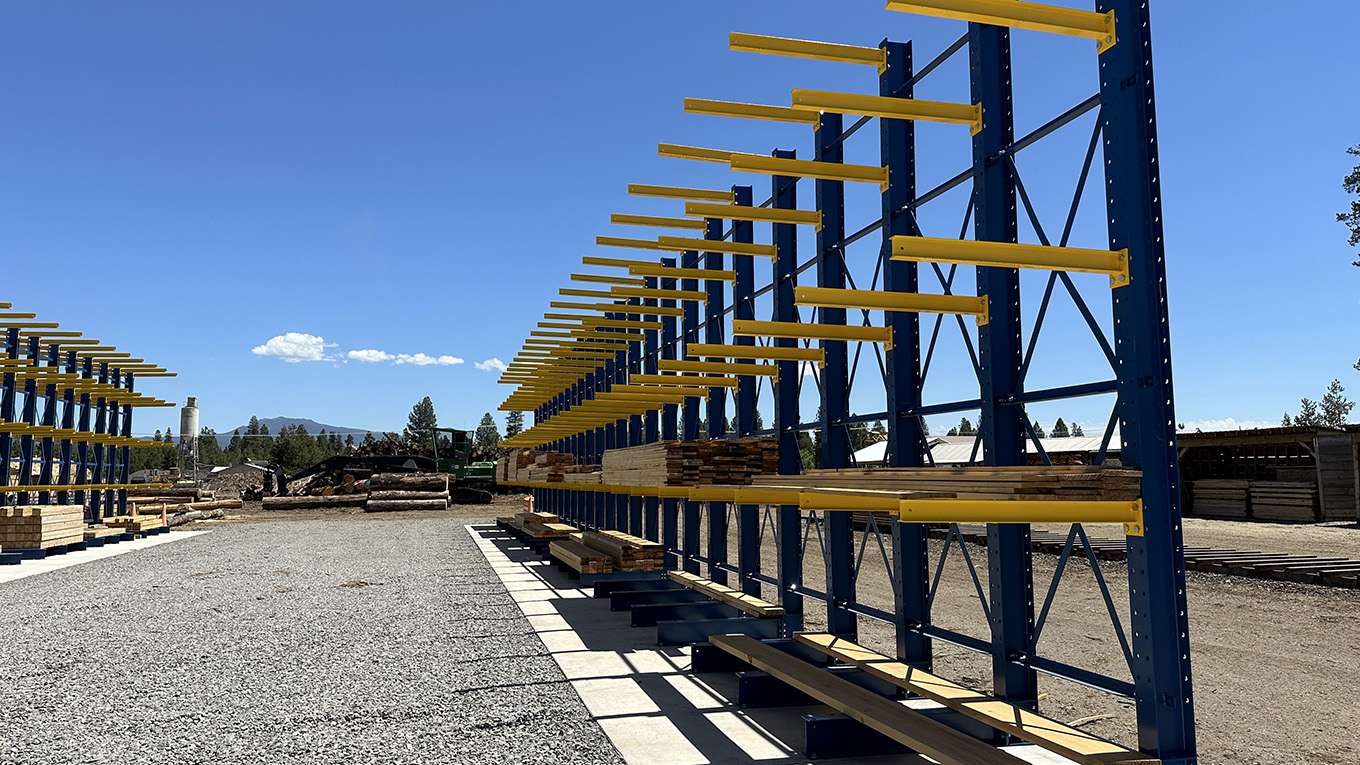
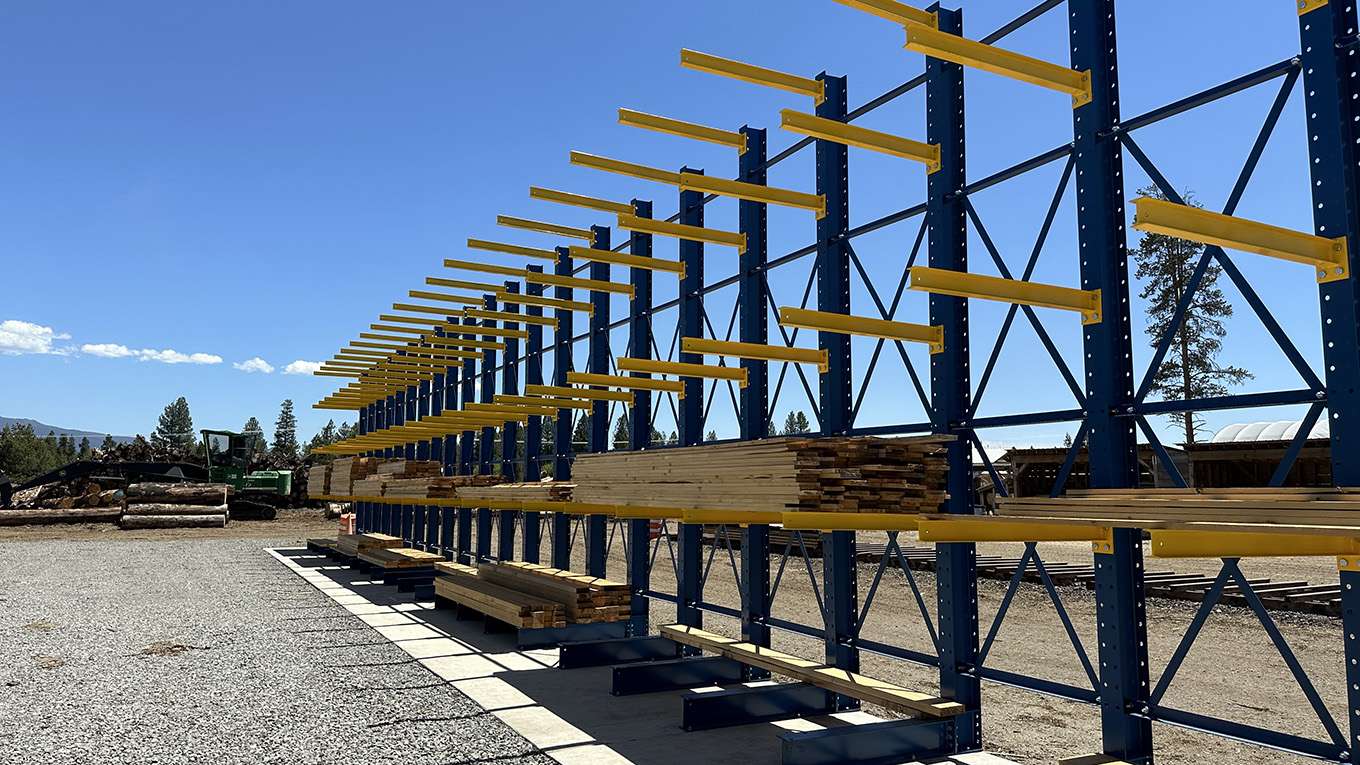
Lumber Company says: “Working with Speedrack West team has been a real pleasure. They made the whole process smooth and straightforward, and we’re 100% planning to come back again—which we actually just did recently.”
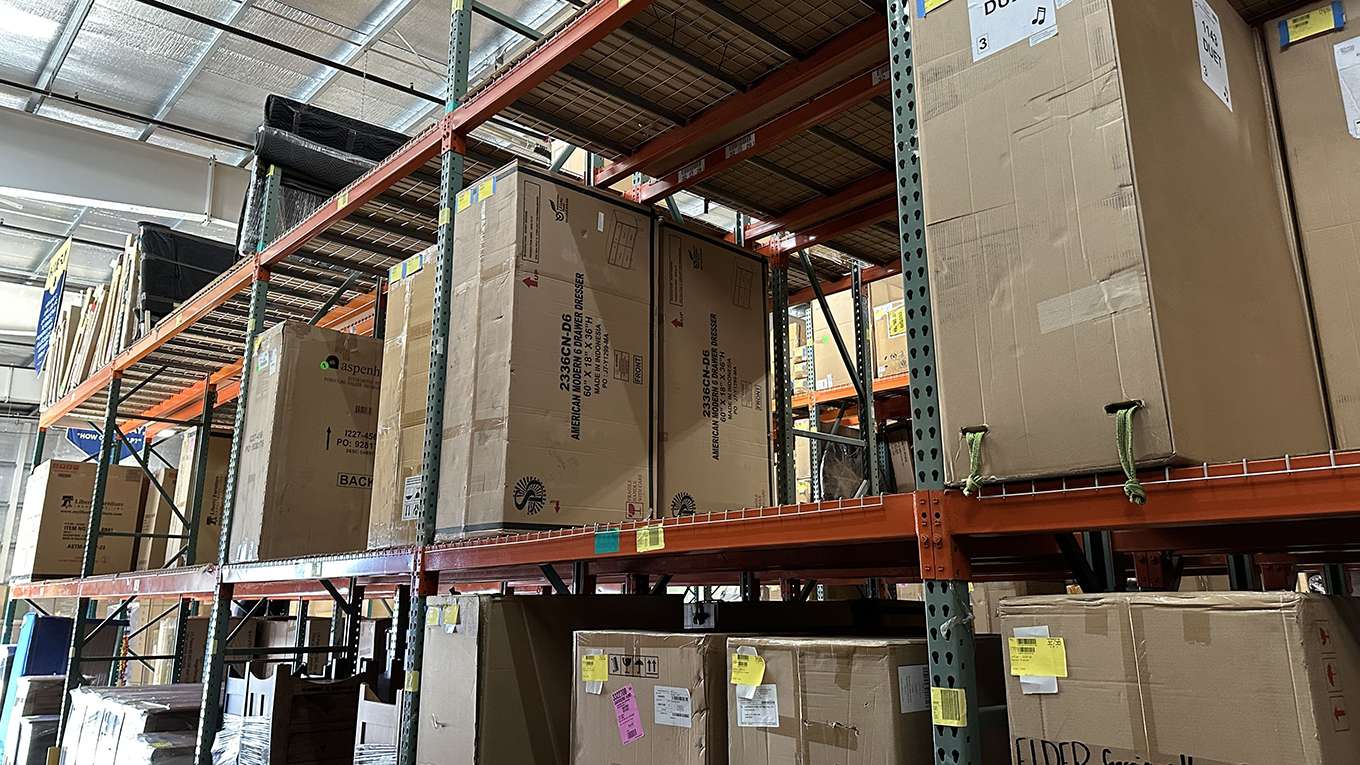
Derek Patterson says: “I would suggest that there should be no hesitation…from placing an order to getting everything delivered in such a timely manner. I had racking within 7 days compared to 4 to 6 weeks elsewhere. The customer service level is fabulous.”
Levi Littrell says: “It’s a very expensive product no matter who you go with. Speedrack West will actually walk you through the steps and give you pricing options. Definitely, you do your research, but most likely you’re going to come back to Speedrack West.”
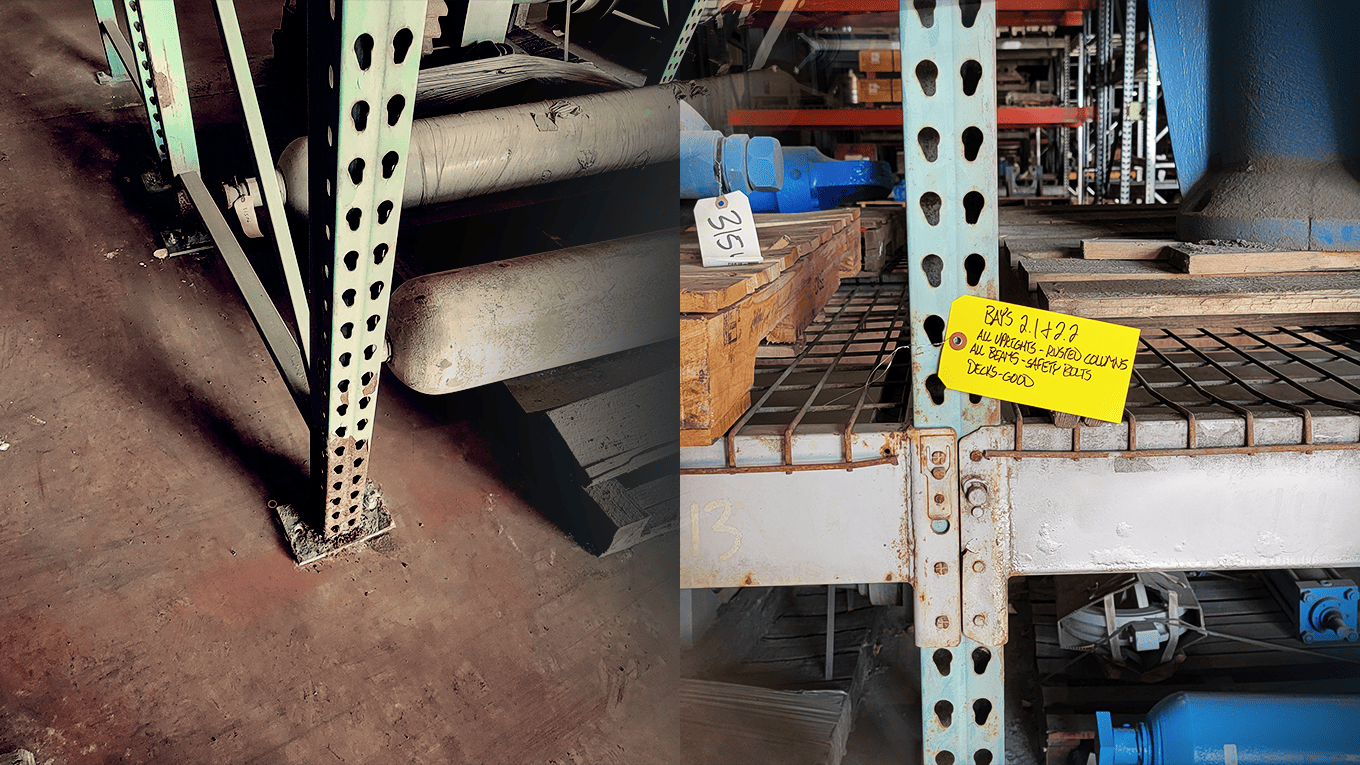
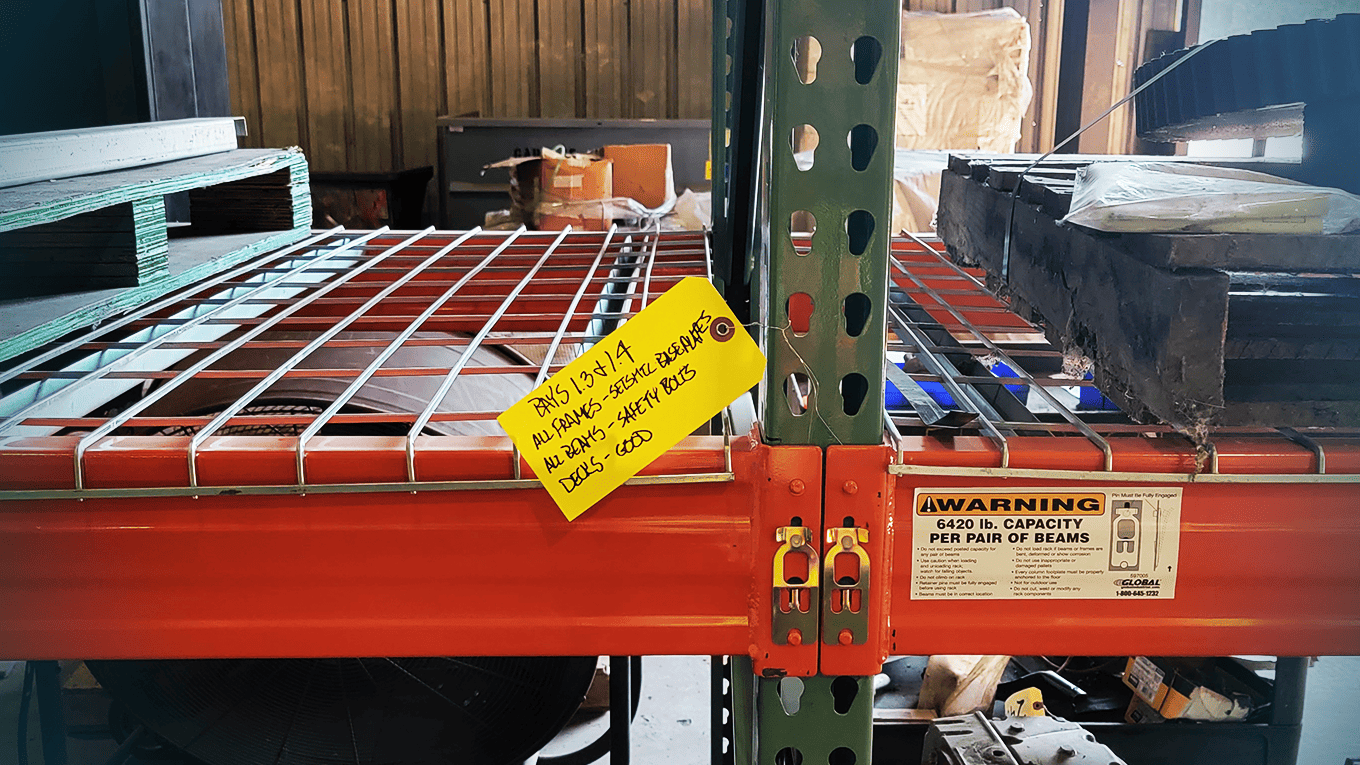
Gerald Allen says: “I do know that basically got called every day. How’s it going, is everything good? So the attention to detail and the concern for my happiness for lack of better terms was definitely a part of working with your company.”
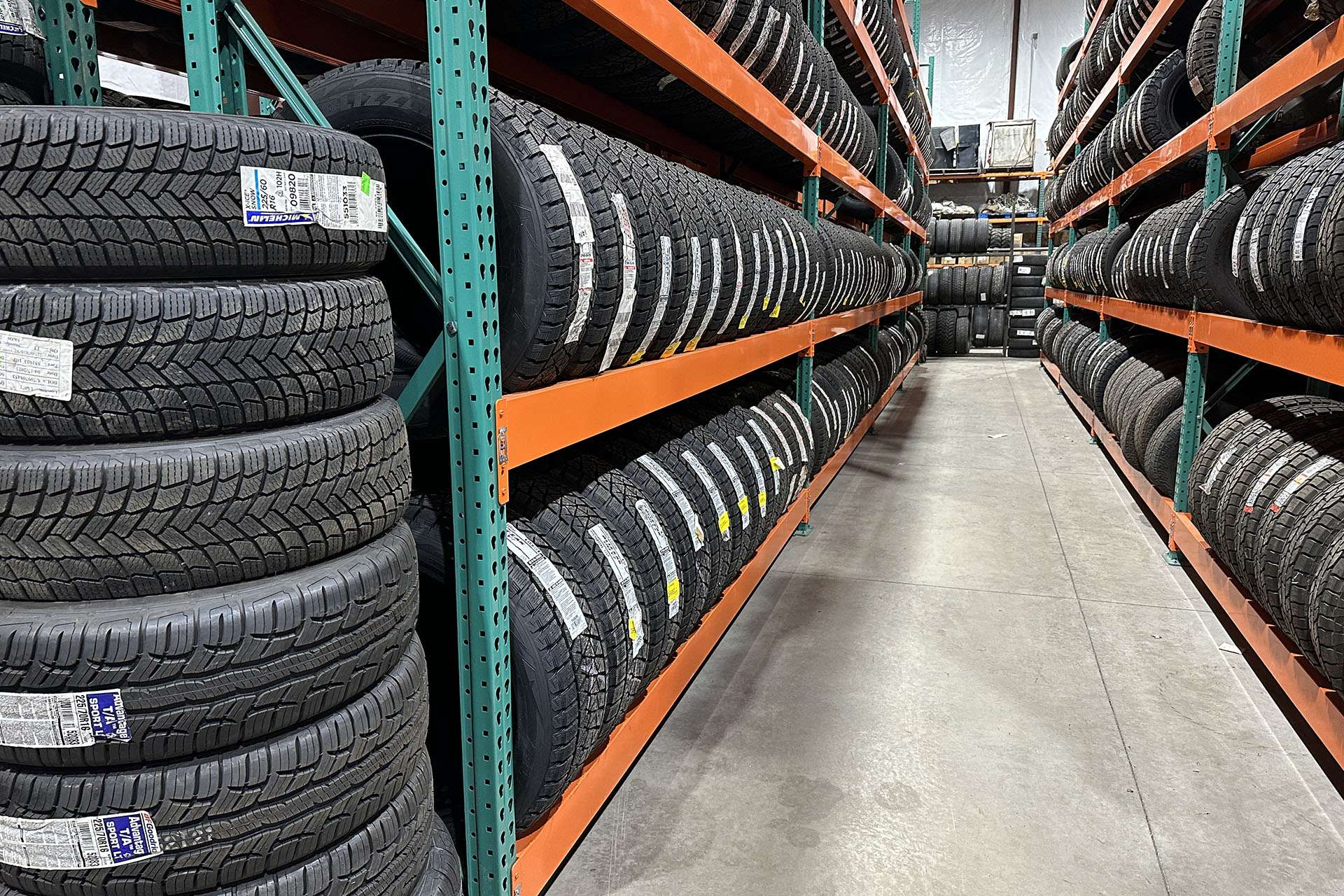
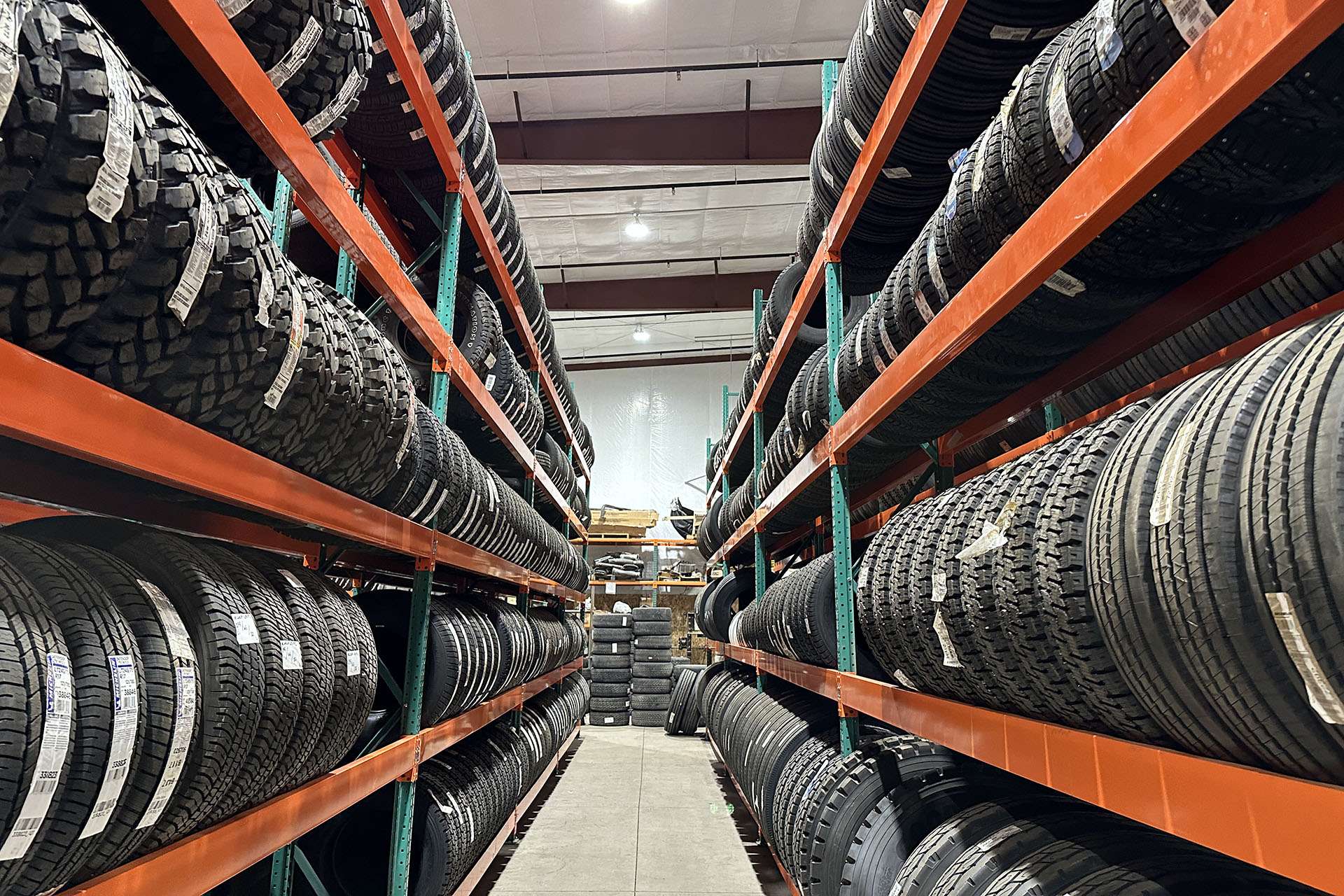
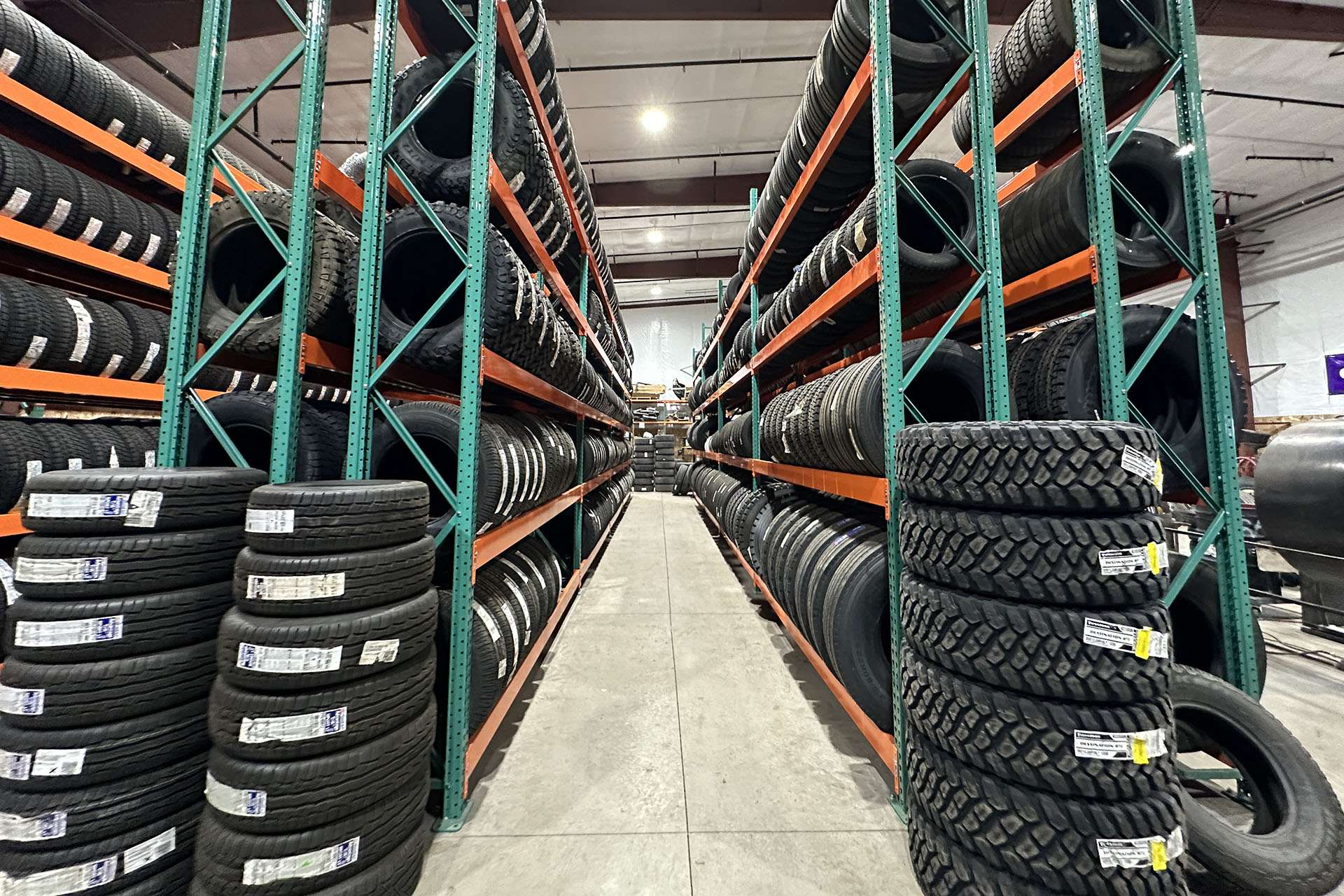
James Roberts says: “It was vital for us to go with your company. With your guys’ company’s versatility to accommodate our needs from rack sizing to structural weight capacity.”
The Brands Behind the Racks










Related Products
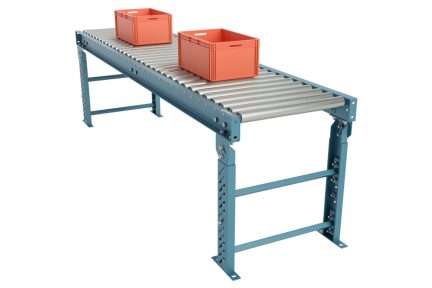
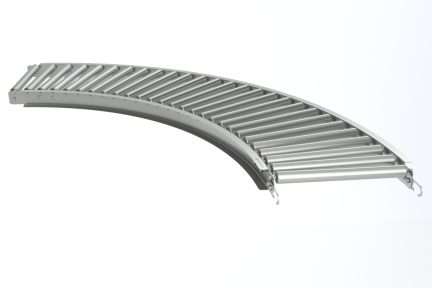
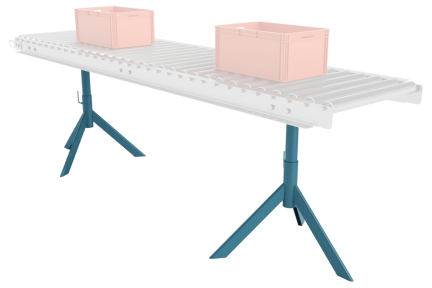
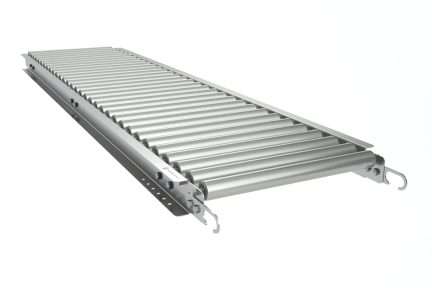
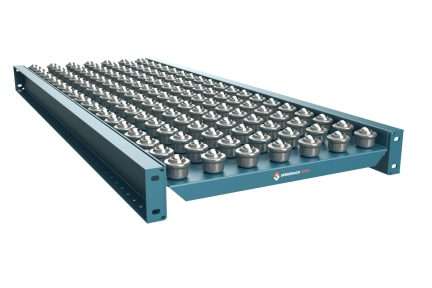
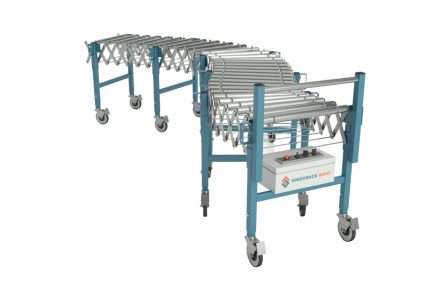
Straight Sections for Galvanized Gravity Roller Conveyor (Light Duty)
$157.42 - $442.63
Order
Robert Baumgartner says: “Despite picking up this project in the middle of its lifecycle, the transition was flawless thanks to the team’s stellar communication. They exceeded our expectations by delivering the installation earlier than anticipated and hitting every technical requirement. From the sales team’s quick answers to their willingness to make adjustments, the experience was top-tier.”
Consolidated Supply says: “We’re very happy to be your regular client, and it’s always so easy to work with your team”
Lumber Company says: “Working with Speedrack West team has been a real pleasure. They made the whole process smooth and straightforward, and we’re 100% planning to come back again—which we actually just did recently.”
Derek Patterson says: “I would suggest that there should be no hesitation…from placing an order to getting everything delivered in such a timely manner. I had racking within 7 days compared to 4 to 6 weeks elsewhere. The customer service level is fabulous.”
Levi Littrell says: “It’s a very expensive product no matter who you go with. Speedrack West will actually walk you through the steps and give you pricing options. Definitely, you do your research, but most likely you’re going to come back to Speedrack West.”
Gerald Allen says: “I do know that basically got called every day. How’s it going, is everything good? So the attention to detail and the concern for my happiness for lack of better terms was definitely a part of working with your company.”
James Roberts says: “It was vital for us to go with your company. With your guys’ company’s versatility to accommodate our needs from rack sizing to structural weight capacity.”
The Brands Behind the Racks
Installation &
Tear Down
Our in house installation crew do their job promptly and professionally. We can also help with moving or tearing down your old rack system.



Reviews
Leave a review!
Sign In