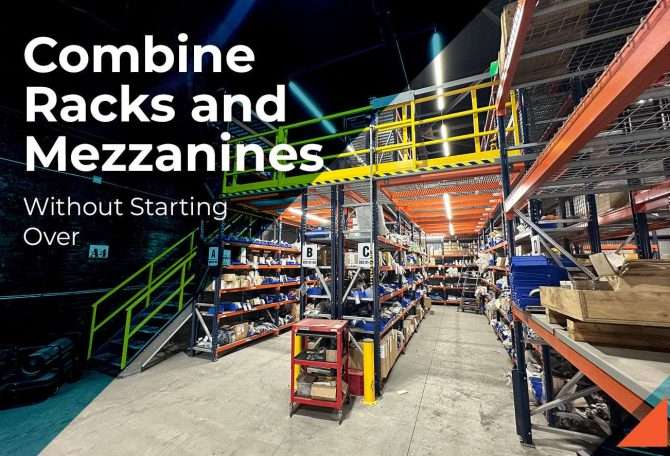

Why Combine Instead of Replace?
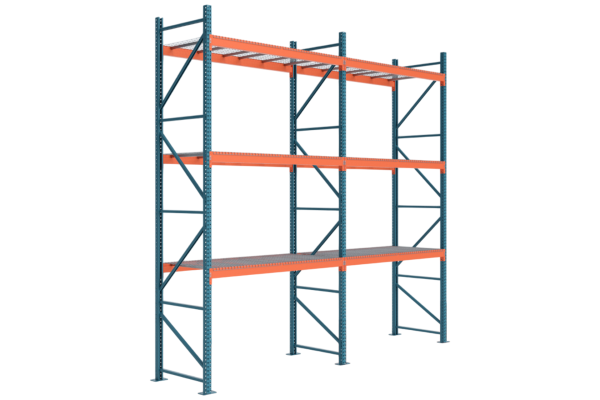
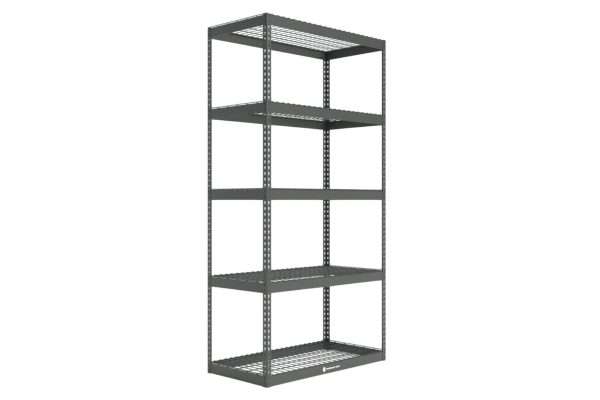
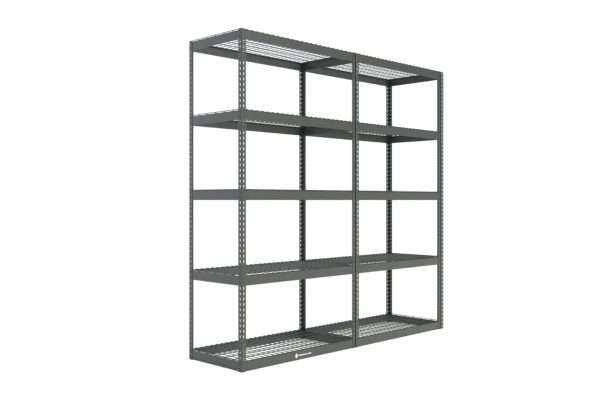
Let’s say you’re working with a standard selective racking setup. On average, each pallet position costs about $100. If your warehouse holds 2,500 pallet positions, that’s a system worth roughly $250,000 — covering 85,000–110,000 sq. ft., depending on layout.
That’s a serious investment. Ripping that out to build a mezzanine? That’s like demolishing your garage to park on the lawn.
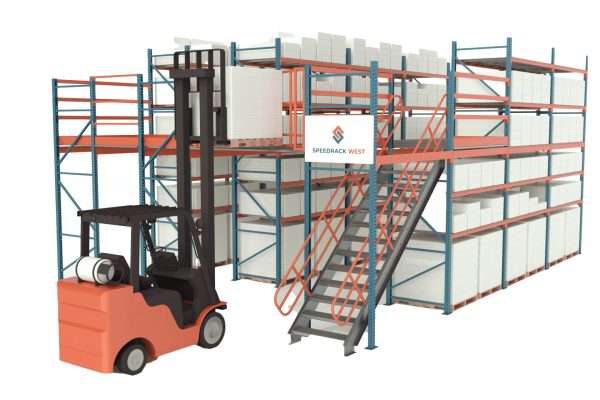
By combining your existing racking with a mezzanine, you keep:
- Your rack system stays in place
- Ongoing operations during construction
- New vertical capacity — without the cost and hassle of a full teardown
Case in point: A 60,000 sq. ft. furniture distributor added a mezzanine above their packing area. In just a few weeks, they gained 4,000 sq. ft. of new workspace — with zero downtime and no changes to their pallet racking.
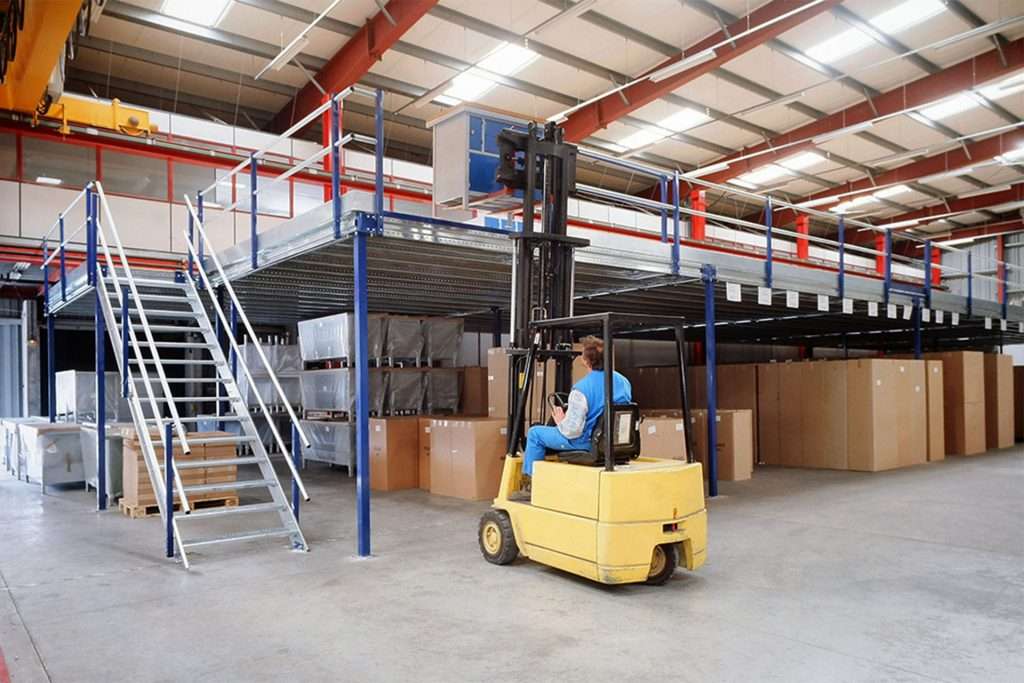
You don’t need to start over to expand. With the right plan, you can expand vertically — faster, cheaper, and smarter — by building around what already works.
3 Ways to Combine Mezzanines and Existing Racking
1. Build Above the Racking
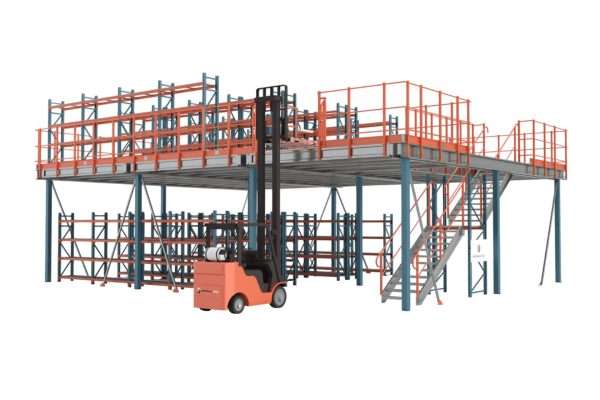
This is the easiest and least disruptive option. If your racks are tightly packed but you still have open perimeter zones, build a mezzanine there.
You gain usable floor space for:
- Light assembly
- Kitting or packing
- Office or break areas
For example, an electronics supplier added an L-shaped mezzanine above their main racking block. It became a QA and staging zone, freeing up 800 sq. ft. on the main floor and reducing prep time by 25%. The racks stayed untouched. Forklifts kept running the entire time.
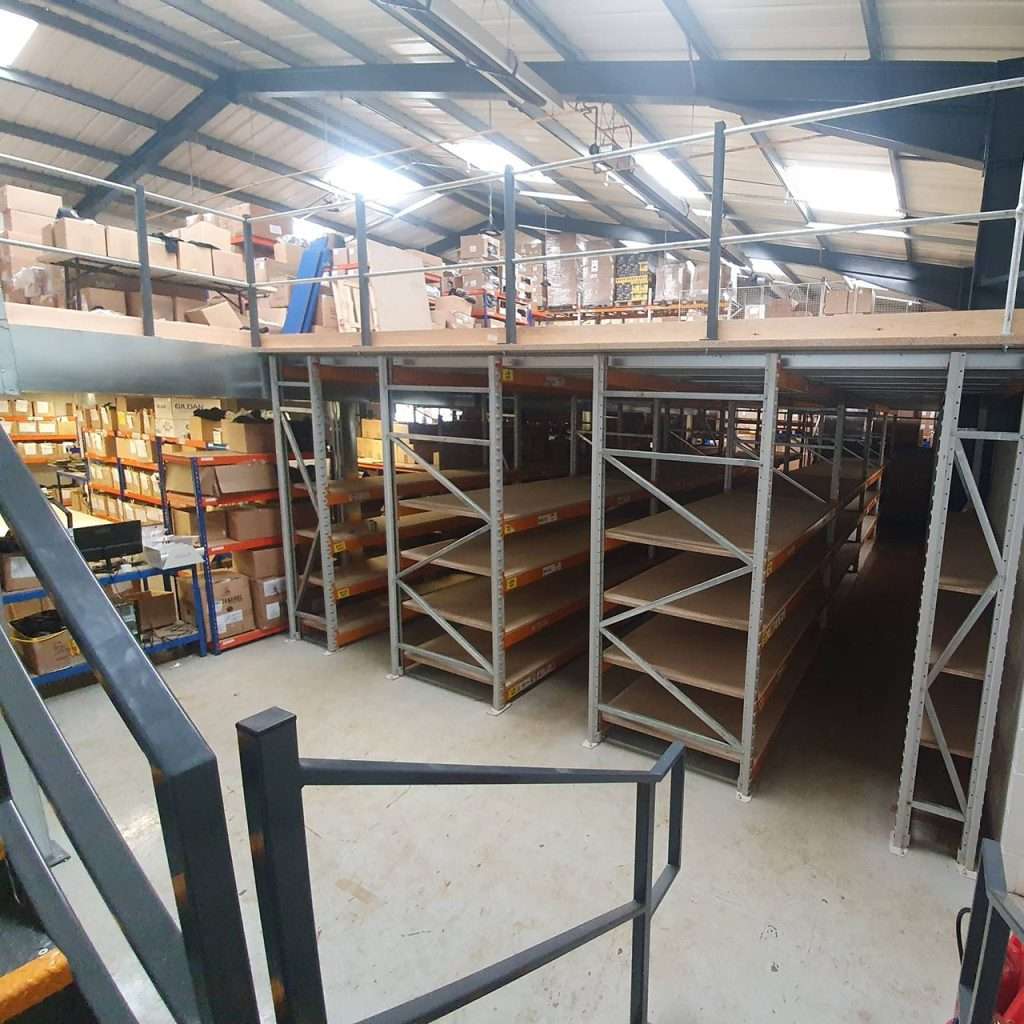
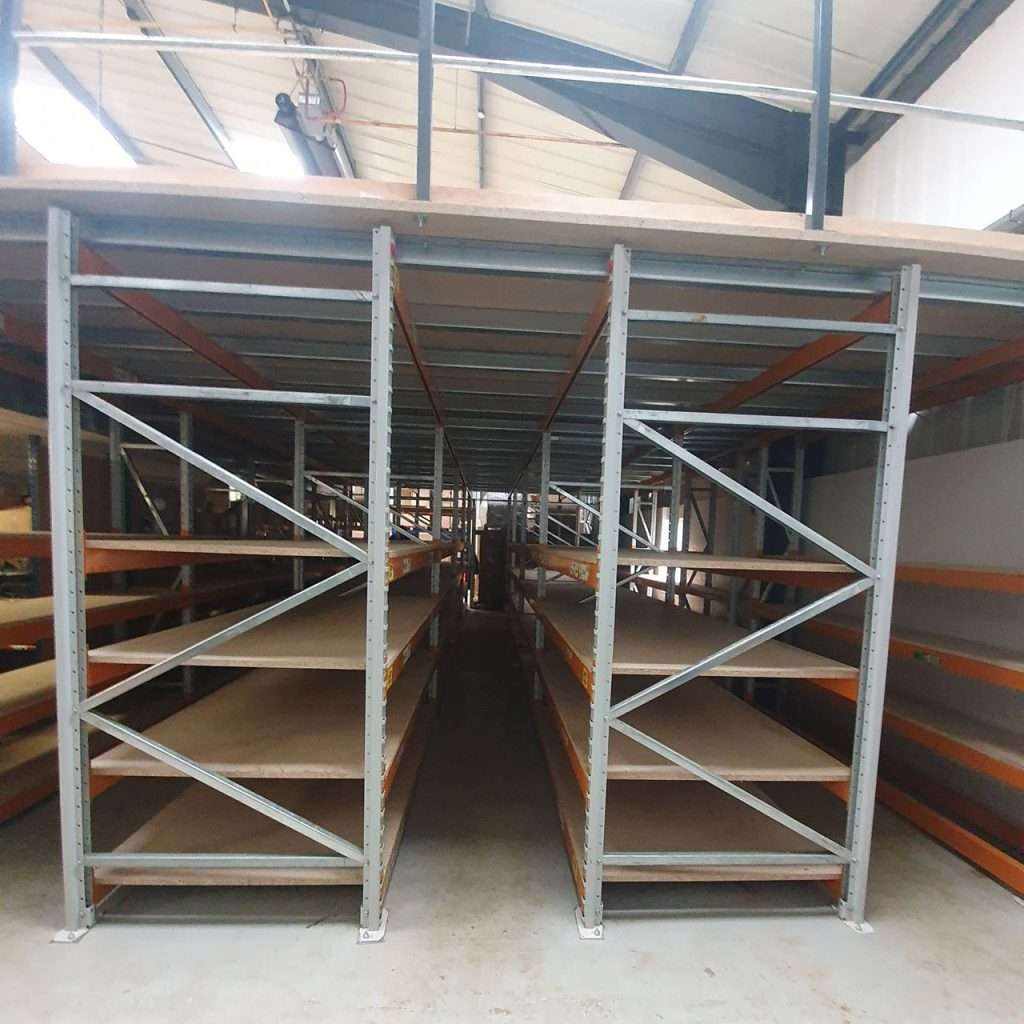
Image Credit: Linear Storage Solutions²
2. Build Above Select Zones
If you have low-height pallet racking or underused areas like returns or bulk storage, you can build directly above them. This approach puts vertical space to work without moving inventory or changing your core layout.
It’s like adding a second floor to your warehouse – without new construction:
- Works well over pallet racking under 8 ft
- Perfect for bulk items, loose cartons, or secondary storage
- Can include lifts or conveyors for smooth vertical movement
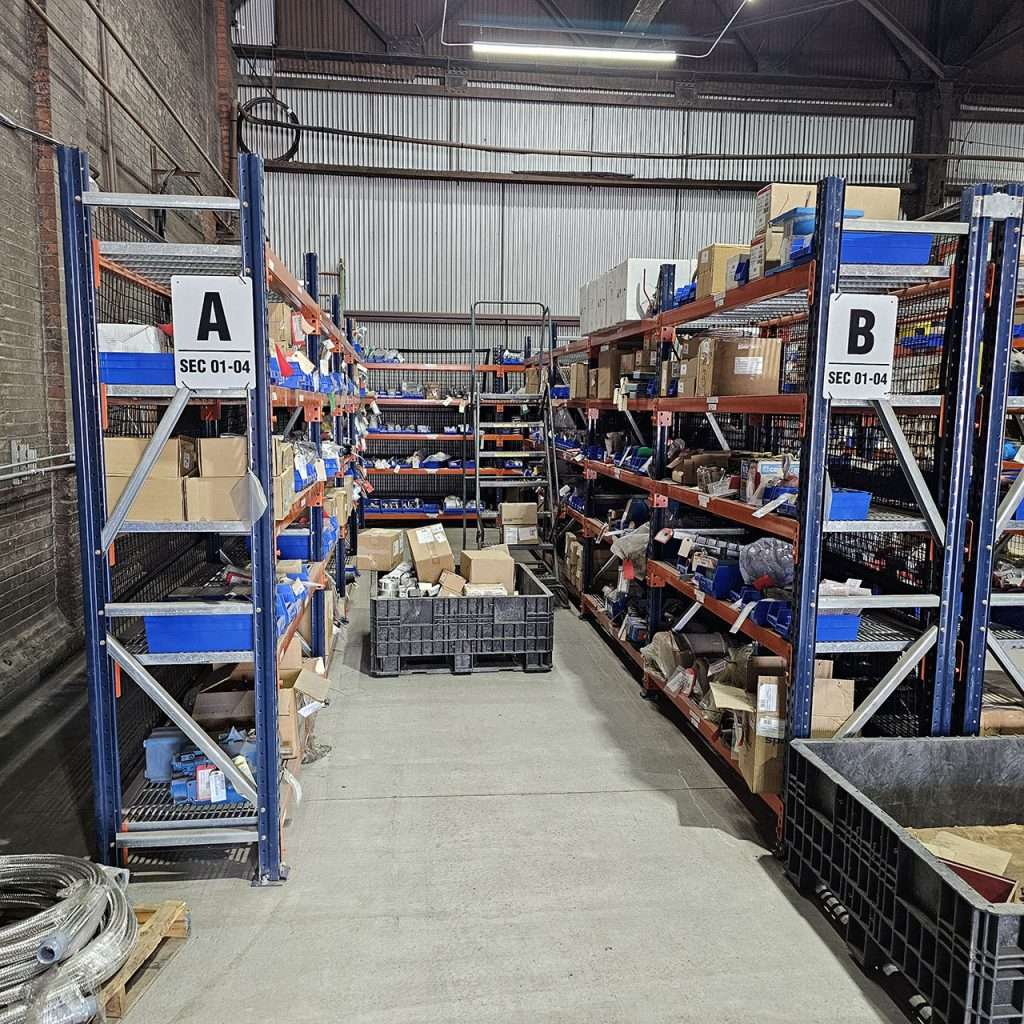
For example, one distributor retrofitted their warehouse by adding a mezzanine above 18-ft pallet racks with 2-ft deep shelving. The platform spanned 23’8″ by 31’1″, stood 18′ tall, and added 2,205 sq. ft. of new storage with 182 shelves and nearly 2,000 positions. Designed to NFPA 13 standards with in-rack sprinklers, the project delivered a code-compliant vertical expansion with minimal disruption.
You can build over existing racking – but only if weight loads, column spacing, and fire codes are engineered from the start.
3. Retrofit Upper-Level Picking or Catwalks
This one’s especially useful for eCommerce or high-SKU operations where fast picking and order accuracy matter most.
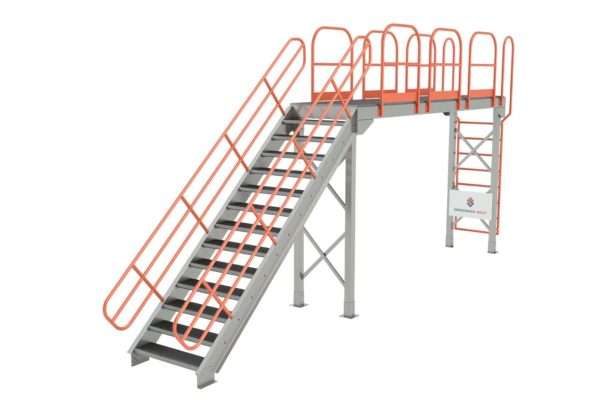
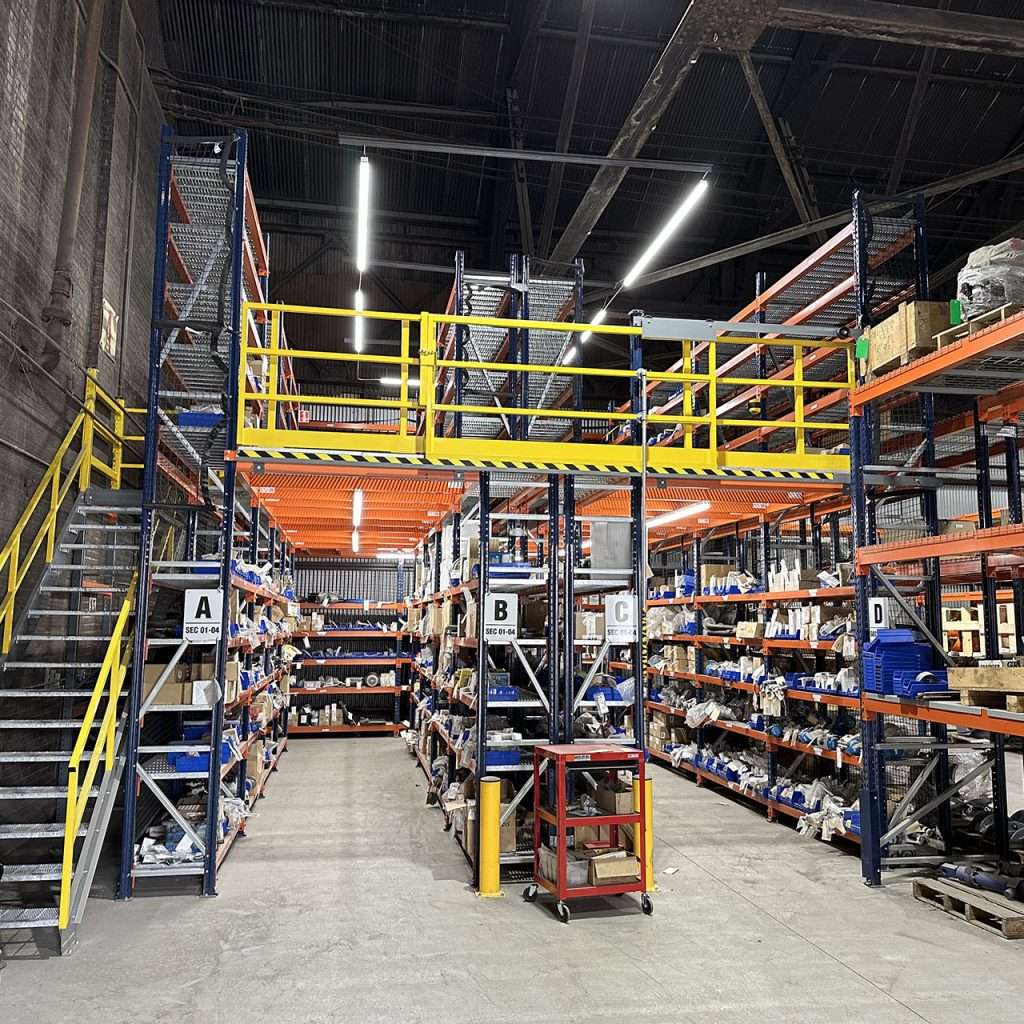
If you already use multi-level racking, add catwalks or a light mezzanine deck so pickers can access upper levels without needing forklifts.
Benefits include:
- Faster picking for small parts and fast movers
- Shorter travel distances for staff
- More SKUs per square foot of floor space
For example, a parts distributor added a catwalk system above their 12-ft racking.
The result? A 20% boost in pick speed, plus safer, more efficient operations. Now, pickers walk level to level instead of waiting on lifts or traveling long aisles.
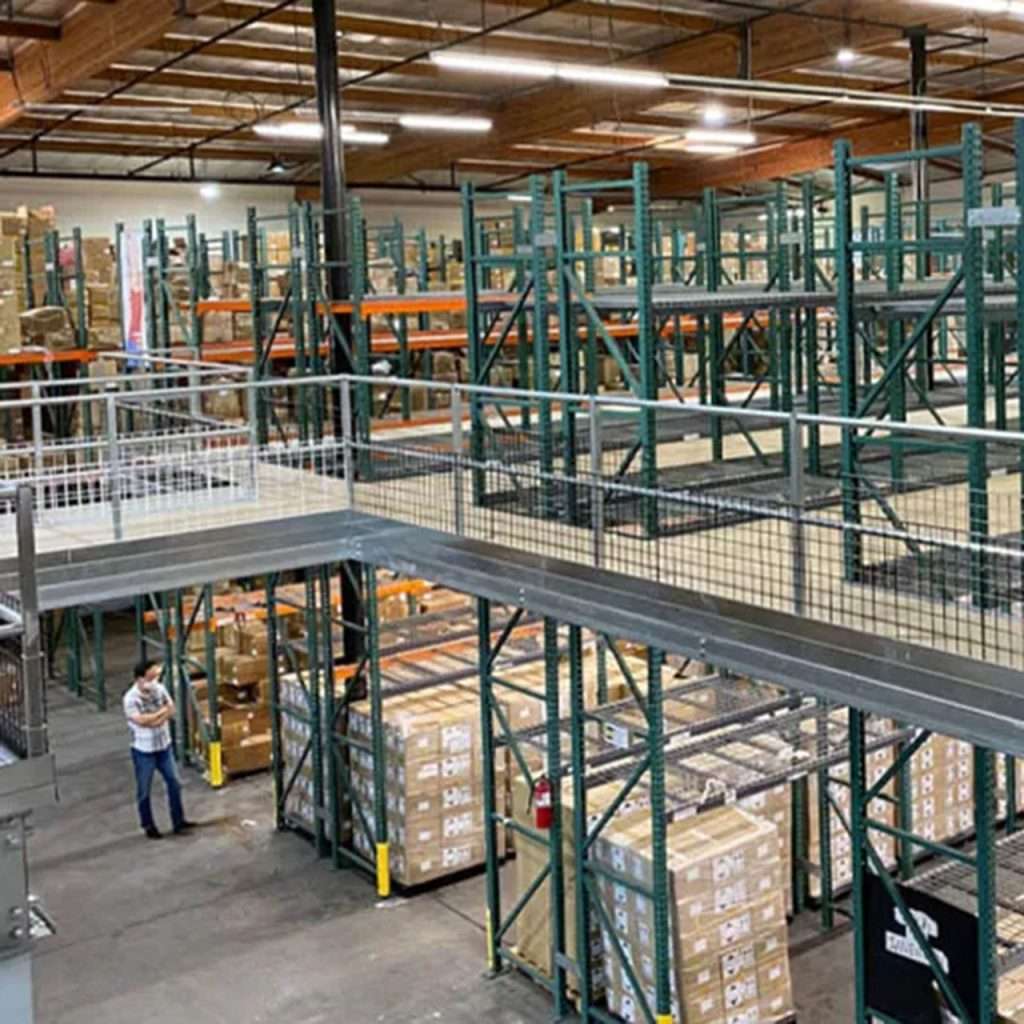
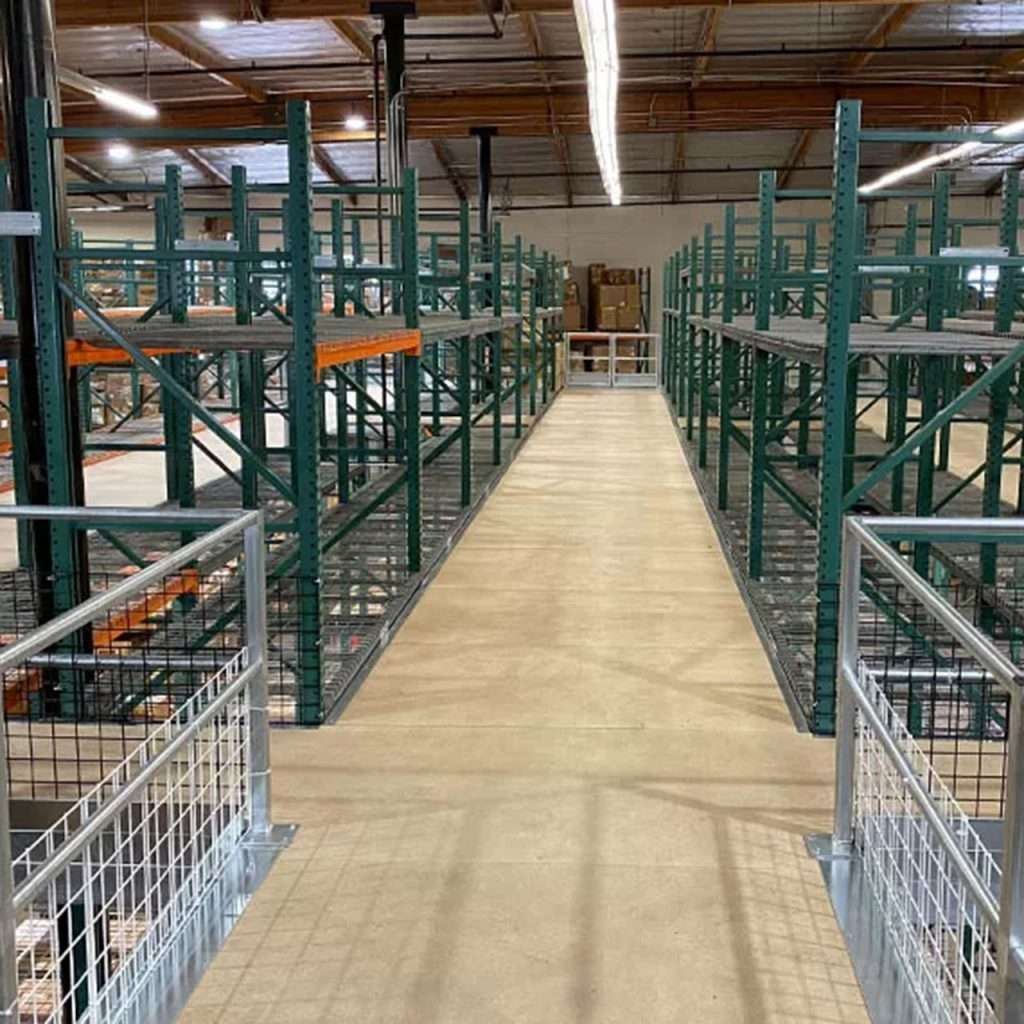
Image Credit: FCP Steel Mezzanines³
What to Watch Out For When Combining Systems
Adding mezzanines to existing pallet racking isn’t just plug-and-play. Here are four things to plan for up front:
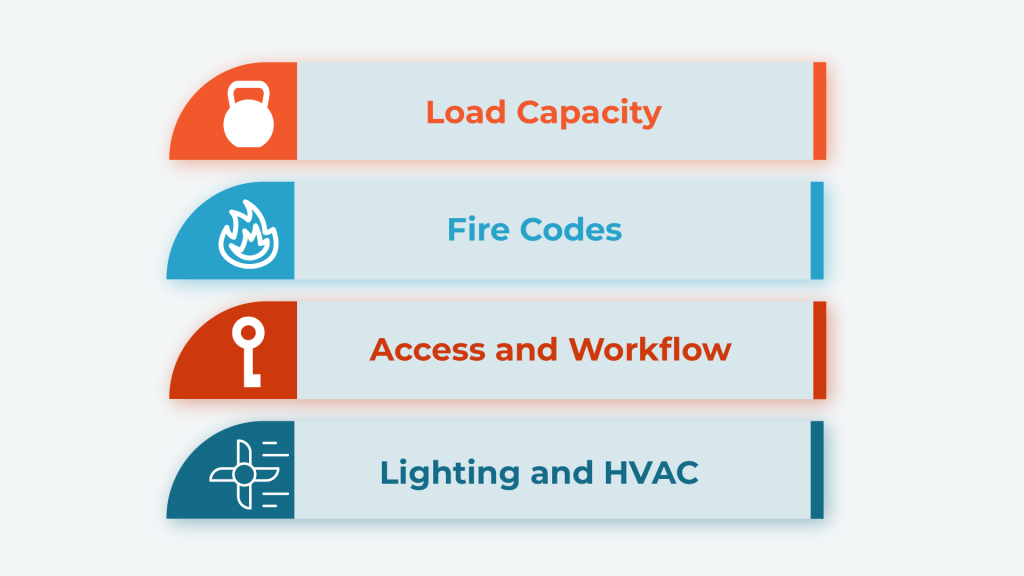
- Load Capacity: Can your concrete slab and racking handle the extra weight? Most U.S. warehouse floors support 250–500 lbs/sq. ft., but mezzanines concentrate weight in small areas.
- Fire Codes: U.S. fire codes (IBC + NFPA 13) typically require sprinklers above and below mezzanines over 1,000 sq. ft., especially for storage use. If you store flammable goods (like rubber mats or foam padding), in-rack sprinklers may also be required.
- Access and Workflow: You’ll need stairs, gates, and possibly lifts. Poor placement can block forklift aisles and choke operations. Note that OSHA and IBC require safe access.
- Lighting and HVAC: Mezzanines can block natural light and disrupt airflow. Plan for LED upgrades below the mezzanine, check airflow, and consider fans or ductwork extensions.
Real Talk: Don’t sketch this out in Excel or on a napkin. A bad mezzanine design can mean code violations, insurance issues, or even structural risk.
In 2025, OSHA fines can reach $16,550 per violation. A qualified mezzanine design consultant helps you:
- Engineer loads and racking integration
- Navigate fire and egress requirements
- Secure permits (required in most U.S. cities for platforms over 200 sq. ft.)
Ready to See What’s Possible in Your Warehouse?
You don’t need to start over to create more space. With the right design, you can expand vertically while keeping your existing racking — faster, safer, and more cost-effective.
- Book a free, no-obligation design consult with a mezzanine expert.
- Get help navigating fire codes, OSHA requirements, and local permits.
- Turn unused vertical space into productive floor space.
Don’t tear down what already works.
Our team can design and install a mezzanine that fits right over or around your current racking — no downtime, no wasted investment.
Used Resources

Was this helpful?