

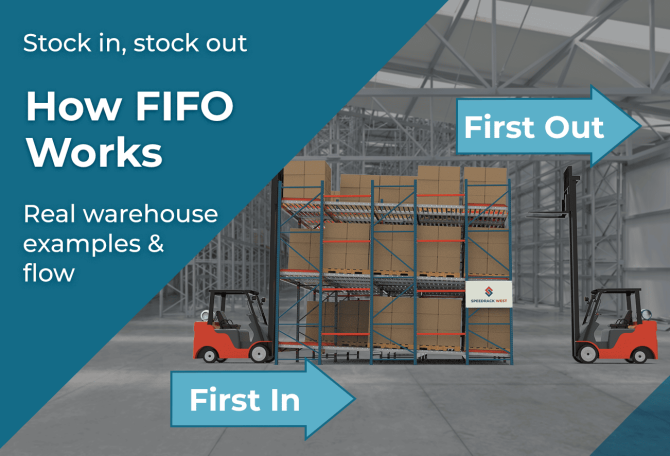

Let’s dive into how FIFO works in warehouse management and why it’s crucial for efficient operations.
What Is FIFO?
Imagine you buy apples for your store three times a year: in January for $1 each, in June for $1.05 each, and in November for $1.10 each. If you sell an apple in December, which one do you sell first? Under FIFO, you sell the $1 apple first because it was the first one you bought.
FIFO is an inventory management method in which the first stock received is the first to be sold, used, or shipped. While it typically aligns well with perishable goods, it also applies to items like lumber, tires, and apparel. The main goal is to use older stock first. But what does this process look like?
How FIFO Works in Warehouse Management (Step-by-Step)
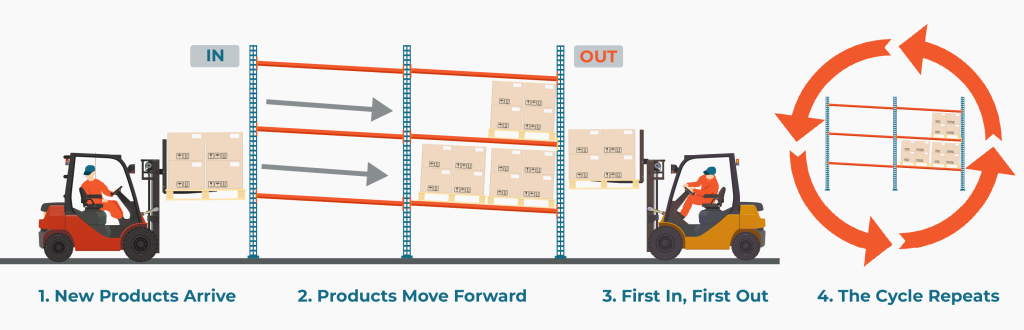
- New products arrive – Workers load new inventory onto the storage racks at the entry point.
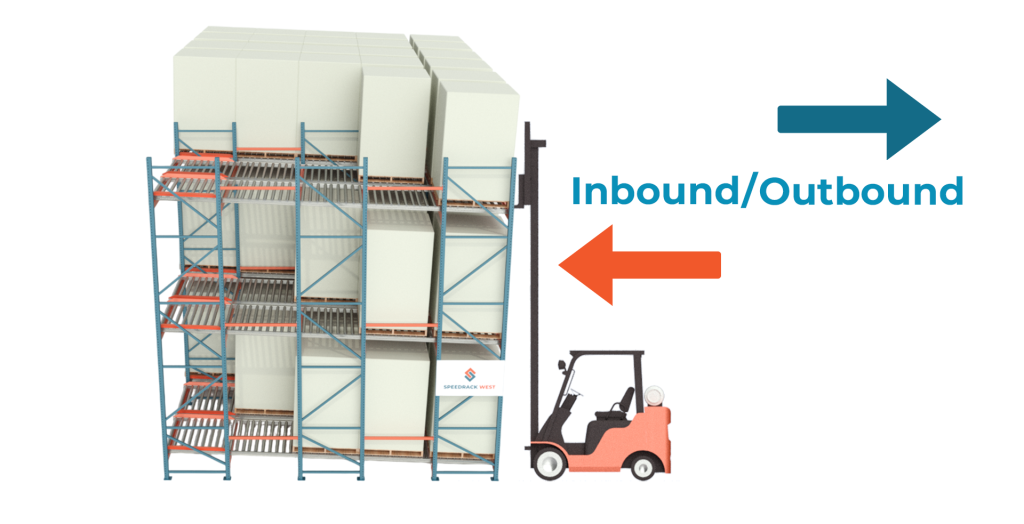
- Products move forward – As each new pallet is added, the previous pallets shift forward along the racking system toward the picking area.
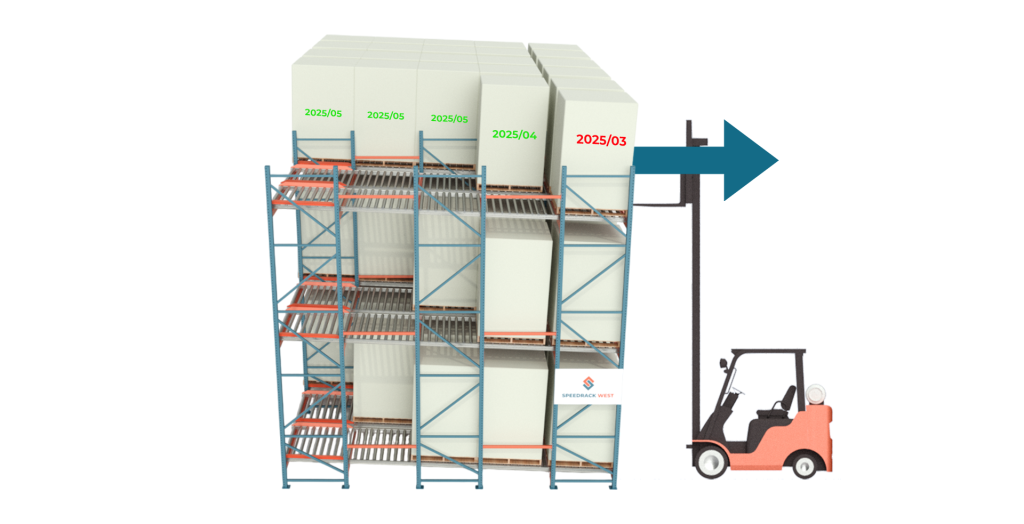
- First in, first out – When an order comes in, workers retrieve the oldest stock first, ensuring proper rotation.
- The cycle repeats – As products are picked, newly added items continue moving forward, preventing waste and keeping inventory fresh.
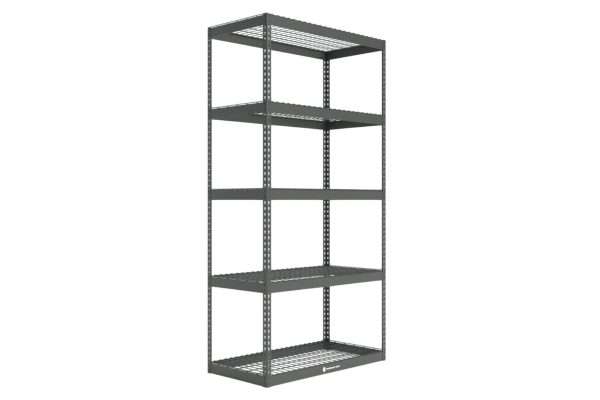
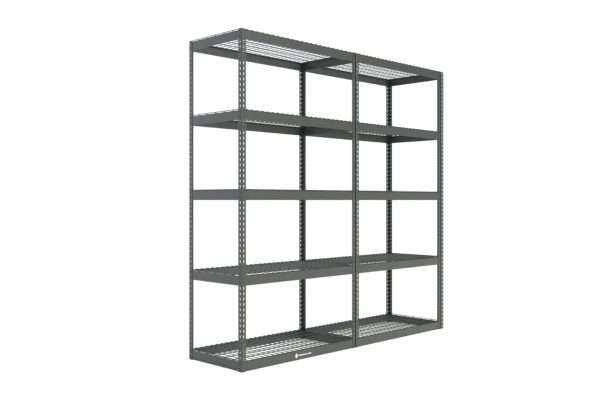
How the FIFO Process Works in a Selective Racking System:
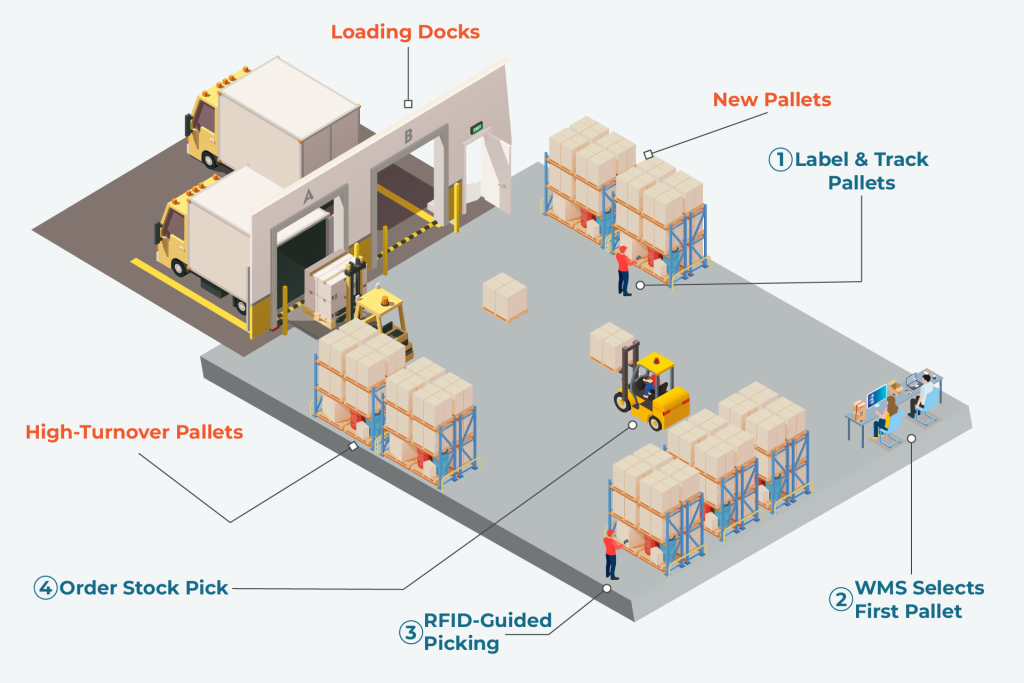
- Labeling and Tracking – When each pallet arrives, it gets a unique barcode or RFID tag. Think of it like writing a special number on the pallet and then putting that number in your notebook. In the warehouse, the role of that notebook is taken over by the Enterprise Resource Planning System (ERP) or Warehouse Management System (WMS). You enter details like the pallet number, expiration date, and other info into the WMS.
- System Guidance – The WMS then automatically figures out which pallet should be picked first and lets you know. It’s like your mobile reminding you to do something—super helpful and keeps everything on track.
- Efficient Picking – Workers use RFID scanners (these small devices that read the barcode-like tags on the pallets) to track inventory and ensure the oldest stock gets picked first.
- Optimized Placement – High-turnover pallets are stored near the loading docks, which means workers don’t have to waste time walking far to pick them. It makes everything faster.
- Continuous Rotation – As older stock is picked, new pallets are added in the right spots, keeping everything organized and reducing waste.
When done right, FIFO with selective racking helps free up storage space, streamlines fulfillment and makes sure stock is always rotated properly. This keeps warehouses running like well-oiled machines. Now let’s talk about the sectors where the FIFO method is used and why.
Industries That Benefit from FIFO
Food & Beverage. The United States discards more food than any other country—nearly 120 billion pounds² annually, amounting to almost 40% of the nation’s food supply. The value of wasted food in the retail sector is estimated to be twice the profit made from food sales. FIFO helps reduce this waste by ensuring that perishable goods, such as dairy products (e.g., milk and yogurt), are sold before the newer stock is placed on shelves, preventing expired items from being overlooked.
Pharmaceuticals. When lives are on the line, strict inventory control is non-negotiable. FIFO ensures that medications, vaccines, and medical supplies are used before their expiration dates while meeting regulatory guidelines like GMP and FDA standards.
Retail & E-Commerce. Retailers and online stores use FIFO to manage seasonal stock, fashion, and consumer electronics, ensuring older models are sold first to avoid markdowns and losses.
Manufacturing & Distribution. Factories apply FIFO to maintain a smooth production flow, that guarantees older raw materials are used first, minimizing waste, and buttressing supply chains.
FIFO vs. Other Inventory Methods: Key Differences
There are many inventory management methods. Each option has its advantages and challenges, and the right choice depends on the nature of the inventory and business goals. Here are some of the most common methods.
| Inventory Method | How It Works | Best For |
|---|---|---|
| FIFO (First-In, First-Out) | Oldest inventory is used or sold first | Pharmaceuticals, regulated goods |
| LIFO (Last-In, First-Out) | The newest inventory is used first | Non-perishables, tax advantages |
| FEFO (First Expired, First Out) | The oldest stock remains in storage for the longest | Food safety, perishables |
FIFO (First In, First Out): The oldest inventory is used or sold first. Ideal for perishable goods, ensuring freshness and reducing obsolescence. Common in food, pharmaceuticals, and retail.
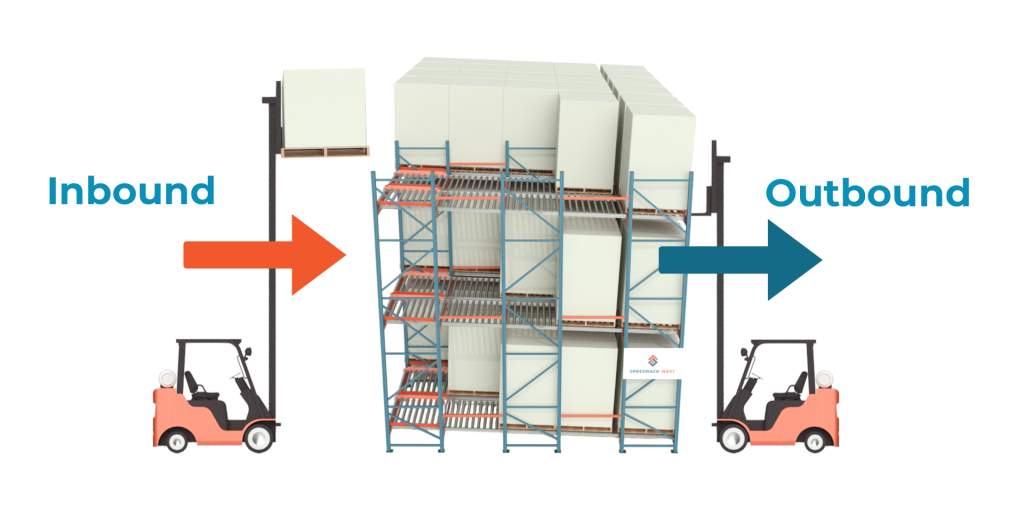
LIFO (Last In, First Out): Most recent inventory is used or sold first. It’s often used with non-perishable goods or when businesses want to take advantage of tax benefits during inflation (because you’re using up the newest, more expensive stock first). LIFO helps with pricing strategies and managing costs, especially in industries like oil, coal, or manufacturing where items don’t spoil.
FEFO (First Expired, First Out): Items with the nearest expiration date are prioritized. FEFO is more specialized than FIFO—it’s all about ensuring that products don’t go bad and keeping safety in mind.
Advantages of FIFO in Warehouse Operations
- Reduces product obsolescence: FIFO ensures older stock doesn’t sit unused, preventing spoilage, damage, and financial loss.
- Better cash flow management: By selling older stock first, businesses can recover investments faster, improving liquidity.
- Compliance with industry regulation: Industries with strict guidelines—such as food safety (FDA) and pharmaceuticals (GMP)—must follow FIFO to avoid expired goods reaching customers.
- Enhanced Inventory Accuracy: When combined with barcode scanning, RFID tags, and automated cycle counting, FIFO improves accuracy by ensuring the right stock is picked and recorded.
Challenges & Limitations of FIFO
- Storage Space Considerations: FIFO requires well-structured warehouse layouts and the right equipment that allows workers to access older stock easily. It may take a while and a savvy team.
- Handling Perishable Goods: For highly perishable products, FIFO alone may not be enough—temperature control and real-time tracking are essential. It takes extra expenditures.
- Technology & Tracking Requirements: Without automation tools like RFID or inventory management software, maintaining FIFO can become a daunting task. It takes extra different resources.
Real-World Examples of FIFO Warehouse Management
Example 1: Grocery Store Supply Chain
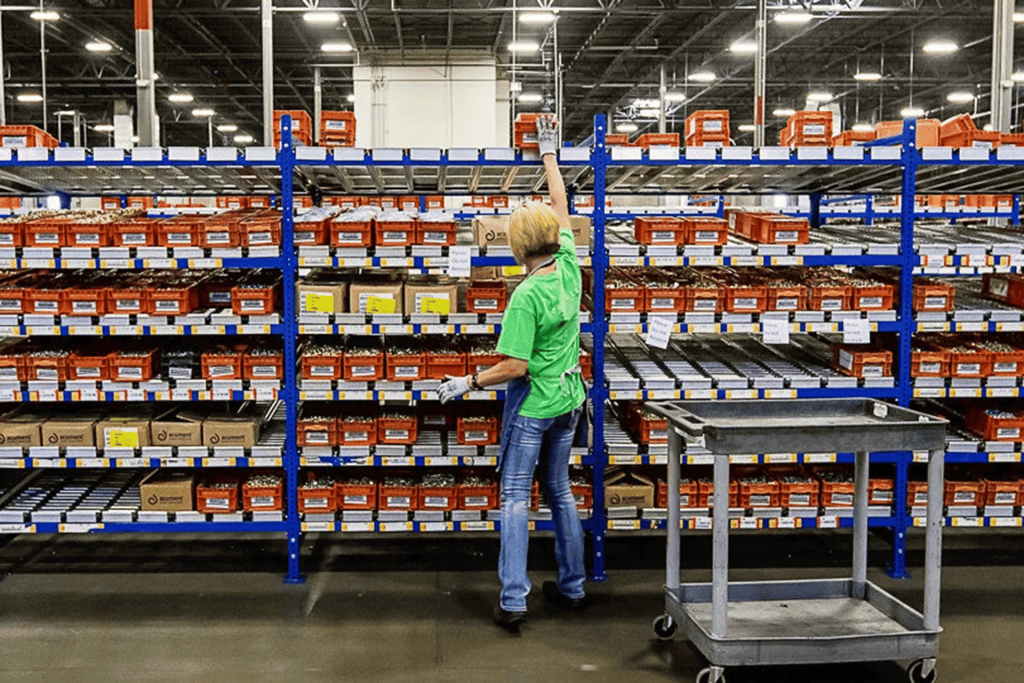
Think about when you buy a loaf of bread at a grocery store. The older loaves are placed in front, so customers grab them first, while fresh loaves are stocked behind them. This is FIFO in action—it ensures nothing sits on the shelf too long!
In the warehouse: Products with the earliest expiration dates are placed in a so-called “hot zone”—often near the loading docks or on lower storage levels for easy access.
Example 2: Pharmaceutical Inventory Rotation
Think of a pharmacy that needs to sell medication before it expires. Just like bread at the store, the oldest stock is placed in front, making sure it gets picked first. In this case, FIFO ensures medications are shipped out before their expiration dates, keeping customers safe and complying with strict FDA regulations.
In the warehouse: The oldest medication is placed in the most accessible spots, often using mobile racking systems with temperature control to maintain safety and freshness.

Example 3: FIFO in E-Commerce Fulfillment Centers
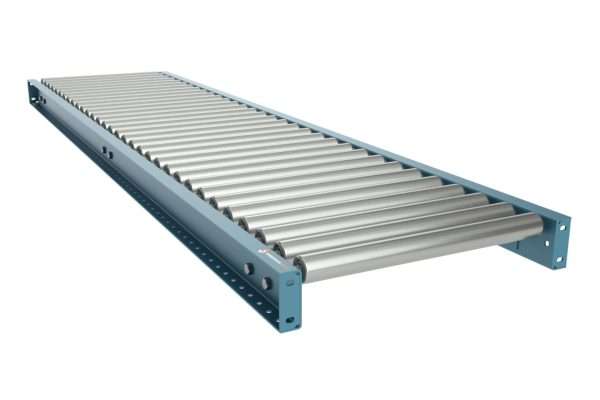
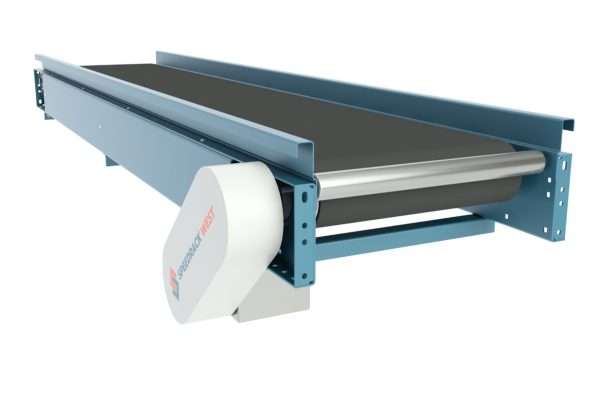
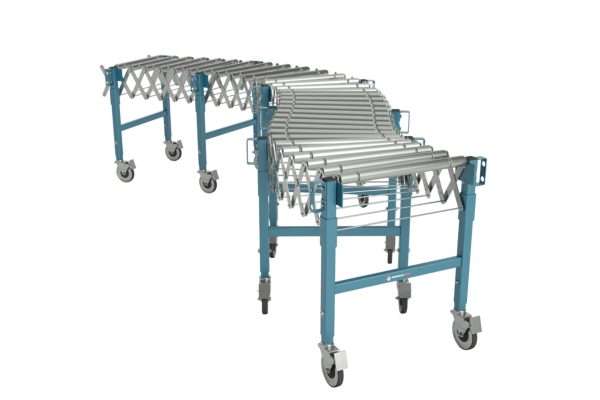
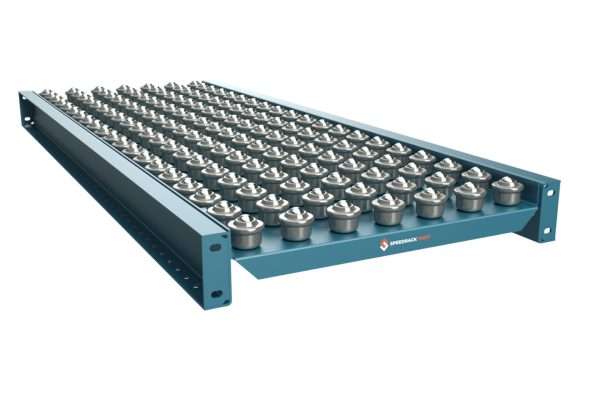
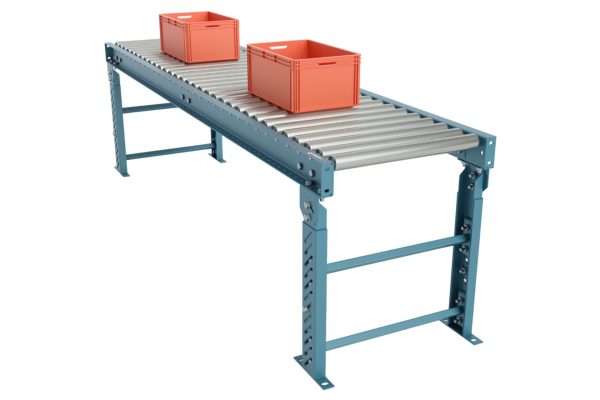
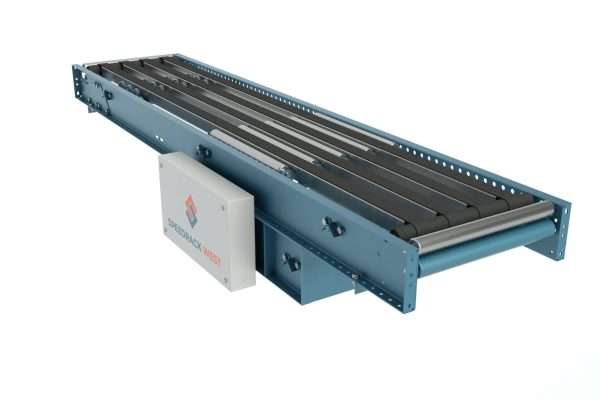
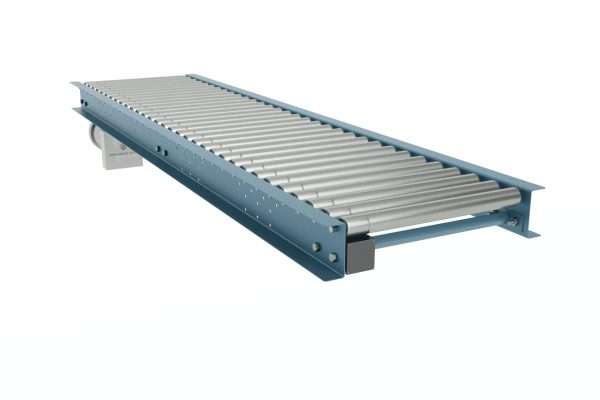
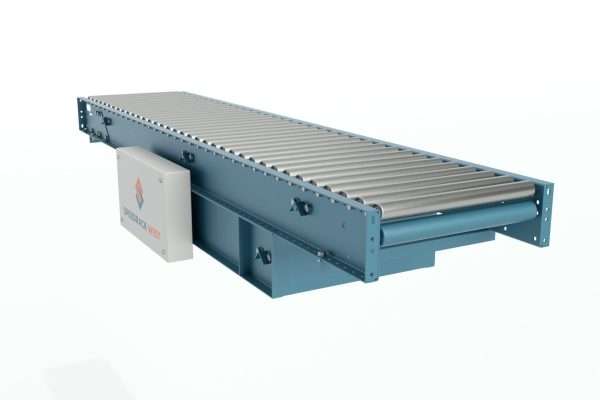
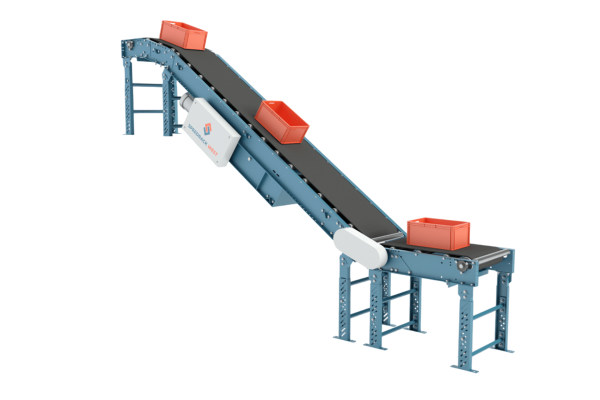
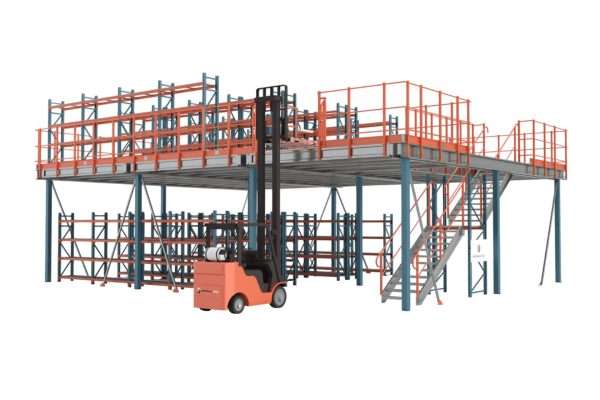
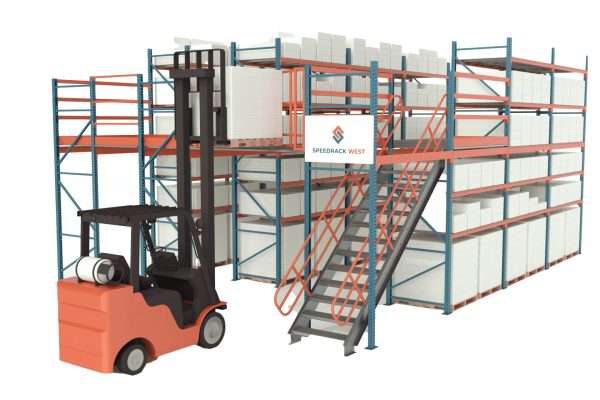
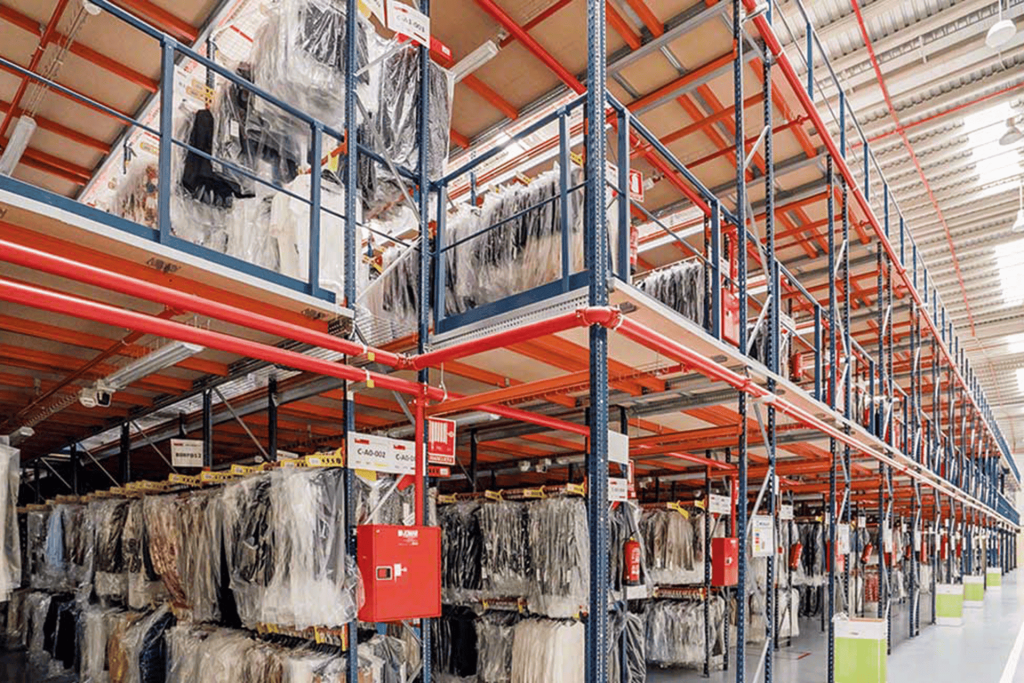
When you order a shirt online, you expect to buy something from the latest collection, not last season’s stock. To prevent customers from receiving older collections, stores typically conduct sales or offer discounts on those items. E-commerce businesses use FIFO to ensure that the oldest stock is sold first, especially in fast-moving categories like electronics or fashion, helping to avoid holding onto outdated inventory. To streamline storage and order fulfillment, these companies often combine racking systems with mezzanines and various types of conveyors.
Best Practices for FIFO Warehouse Operations
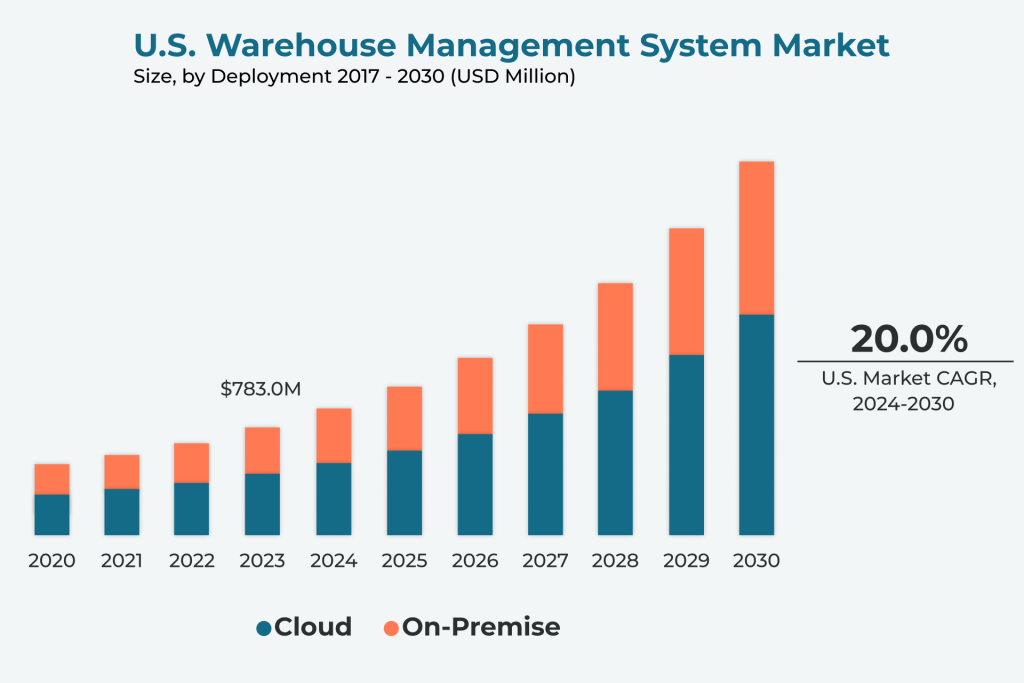
- Leverage Warehouse Management Software (WMS). Track inventory movement with digital systems like Made4net, Epicor, and Blue Yonder. The U.S. warehouse management system market⁶ size is projected to grow at a CAGR of 20.0% from 2024 to 2030.
- Conduct Regular Inventory Audits. Cycle counting — monthly for big-ticket items, quarterly for the rest — keeps everything accurate.
- Organize Storage with FIFO Techniques. Use color-coded bins, shelf dividers, and clear signage to prevent stock rotation errors.
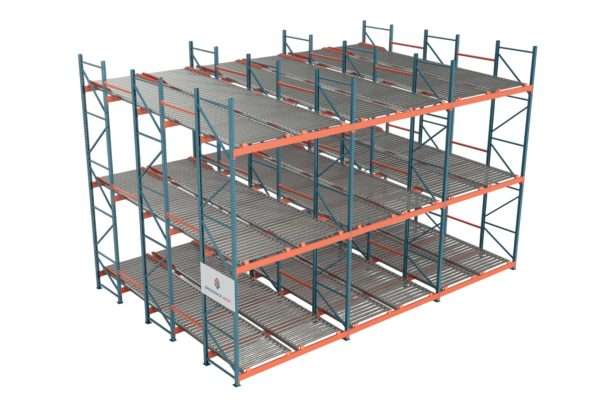
Warehouses: Use gravity flow racking and barcode scanning.
Retail Stores: Implement shelf dividers and color-coded bins.
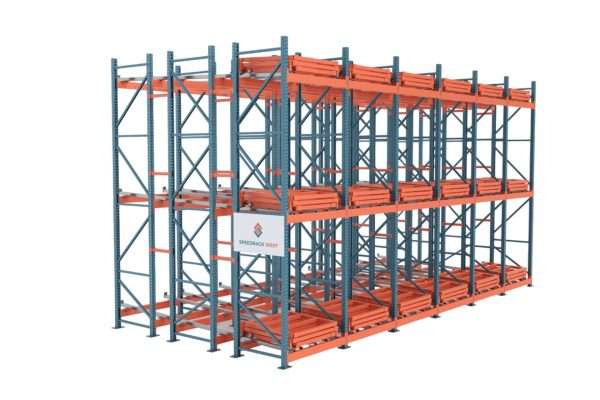
Food Storage: Use push-back racking to move older stock forward.
Pharmaceuticals: Combine FIFO/FEFO with expiration date tracking.
Is FIFO Right for Your Business?
At its core, FIFO is one of the most effective inventory management strategies, especially for businesses handling perishables, regulated products, or fast-moving stock. However, its success depends on proper warehouse design, employee training, and automation tools.
Want to start using FIFO in your warehouse? Here’s what to do next:
- Label older stock clearly so it gets used first
- Train employees to follow FIFO picking methods
- Consider using tracking tools like barcode scanners or WMS software
- Optimize your shelf layout to make FIFO easier
Feel free to contact us for more detailed information!
Stop Letting Old Stock Sit
From gravity flow to smart slotting, we design racking that keeps product moving in the right order. Tell us about your warehouse and we’ll send back a FIFO-focused plan.
Used Resources

Was this helpful?