
Mezzanine Floor: What Is the Price Range?
Discussing the cost of a mezzanine project without a detailed specification can be unproductive and time-consuming. However, it’s important to provide a general price range and identify the key factors that influence the total cost. Here’s a high-level overview, followed by a closer look at each factor.
In 2024, mezzanine floor projects typically cost¹ around $70 per square foot, with a range spanning from $50 to $150 per sqft. For small to medium-sized projects, costs generally fall between $10,000 and $50,000, while larger or more complex installations can easily exceed $100,000.
But what defines a “small” or “medium” project? Does the price always correlate with size? How do factors like location, installation services, and additional features impact the overall cost? Let’s delve deeper into these considerations.
Mezzanine Cost Drivers
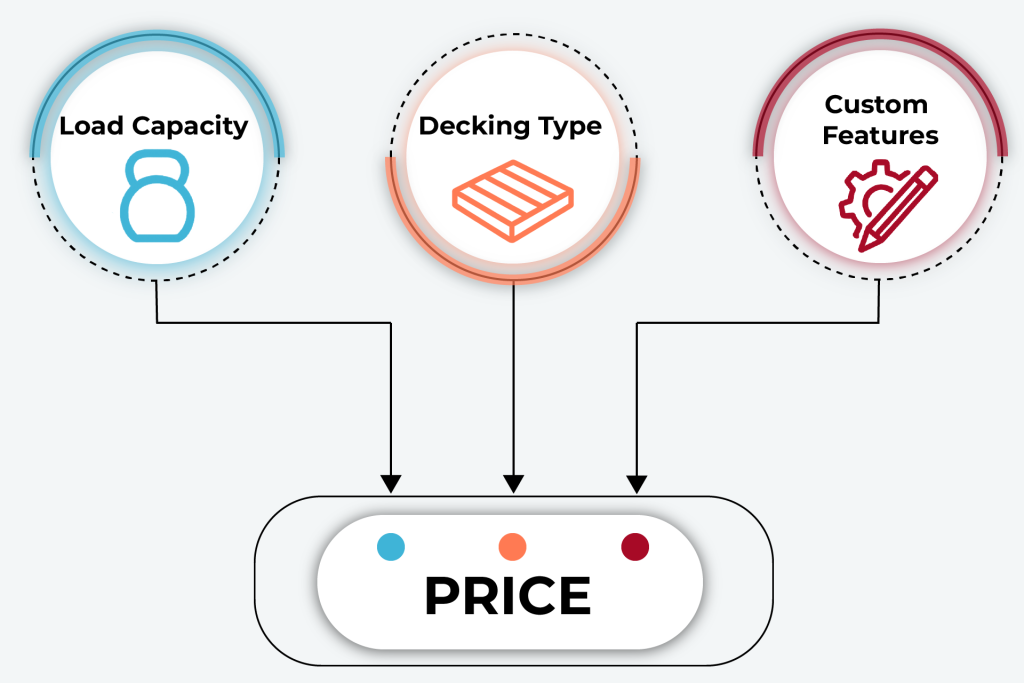
Load Capacity per Square Foot (lbs/sqft)
Usually, a mezzanine’s price mainly depends on the purpose of use and square footage. The purpose of use affects the load capacity of the structures: whether it will be office, storage, or equipment space, there is a difference. Increased load capacities require larger beams, special decking materials, and a professional team.
- A Mezzanine Floor for office space will usually be designed to take around 75 lbs/sqft².
- A retail Mezzanine Floor could be designed to take around 100 lbs/sqft for light storage – 150 lbs/sqft for medium storage.
- For heavy storage, you may need 200 lbs/sqft or more.
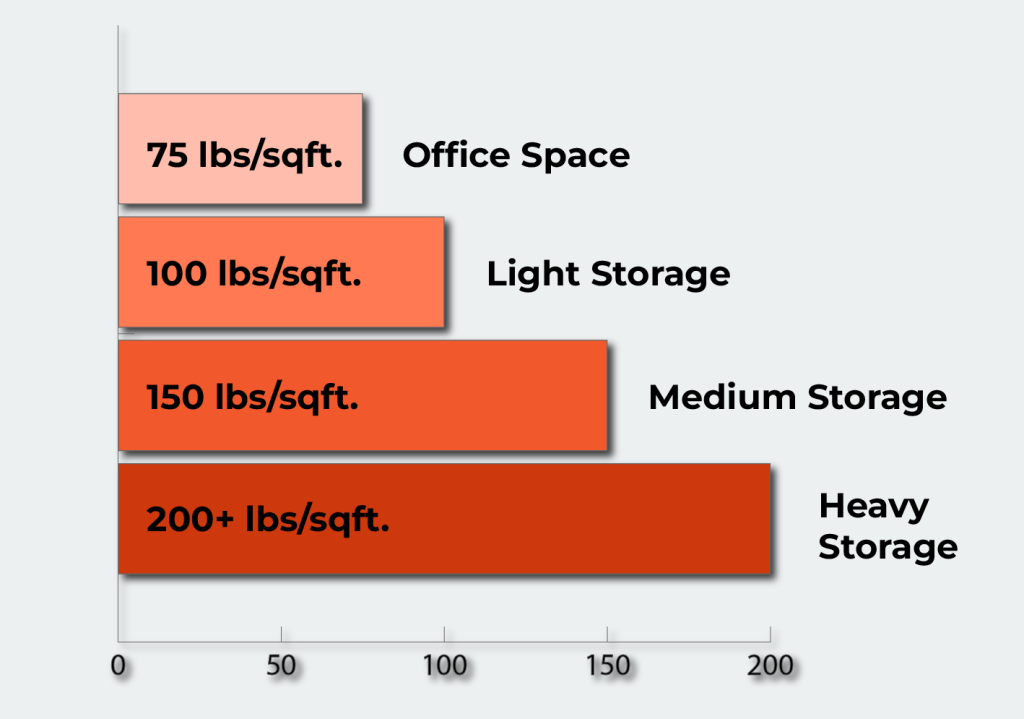
Most mezzanines are designed for 125-150 lbs/sqft.
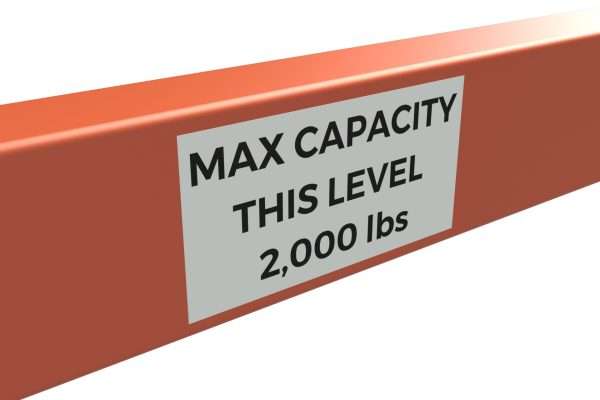
According to IBC standards, light-duty mezzanines are designed to handle 125 lbs per square foot (PSF). That means you can calculate the total load by multiplying the mezzanine’s square footage by 125. Once you have that number, you can determine how many columns are needed and how they should be spaced to evenly distribute the weight across the mezzanine and the slab below.
At the end of the day, load capacity and cost come down to two key factors:
- Higher PSF = Higher Cost. The more weight a mezzanine needs to support per square foot, the stronger the beams, the more specialized the decking, and the more precise the engineering requirements.
- Larger Total Load Capacity = Higher Cost. Even if the PSF stays the same, a larger mezzanine means more total weight, requiring additional columns, stronger materials, and reinforced structural elements.
And remember—only a licensed engineer can accurately determine the actual load capacity for your specific project.
Decking Type
Mezzanine Flooring Options are available in two options:
Standard Options:
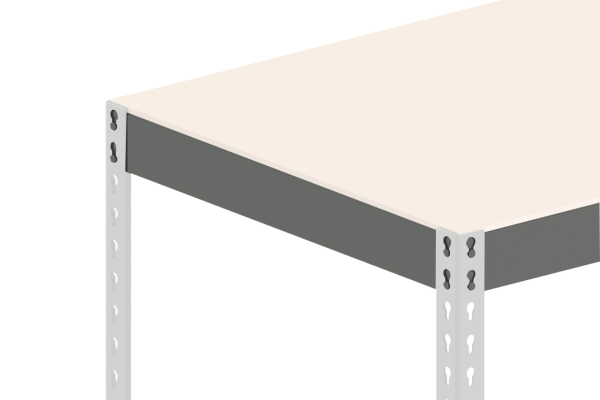
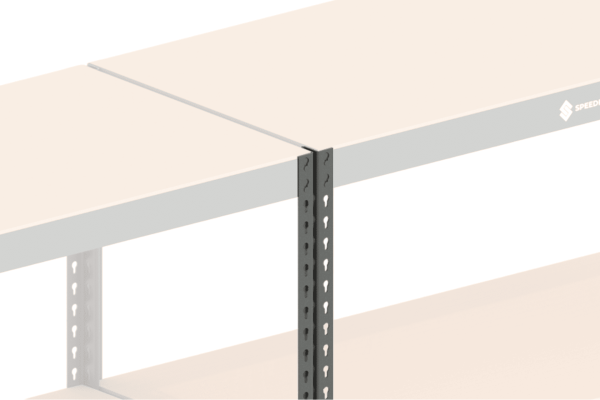
- Resin: Cost-effective and readily available. Offers a balance of strength and affordability.
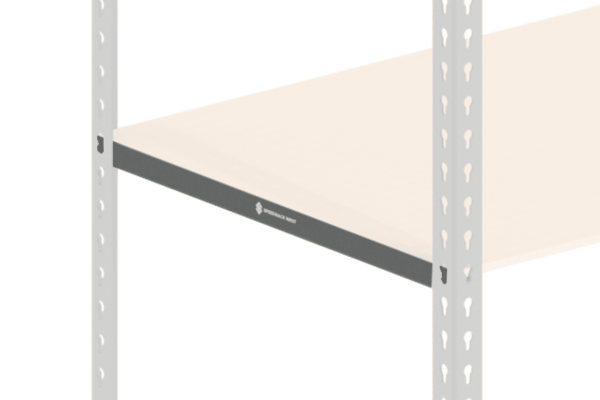
- Composite Wood Panels: Durable and aesthetically pleasing. Suitable for moderate loads.
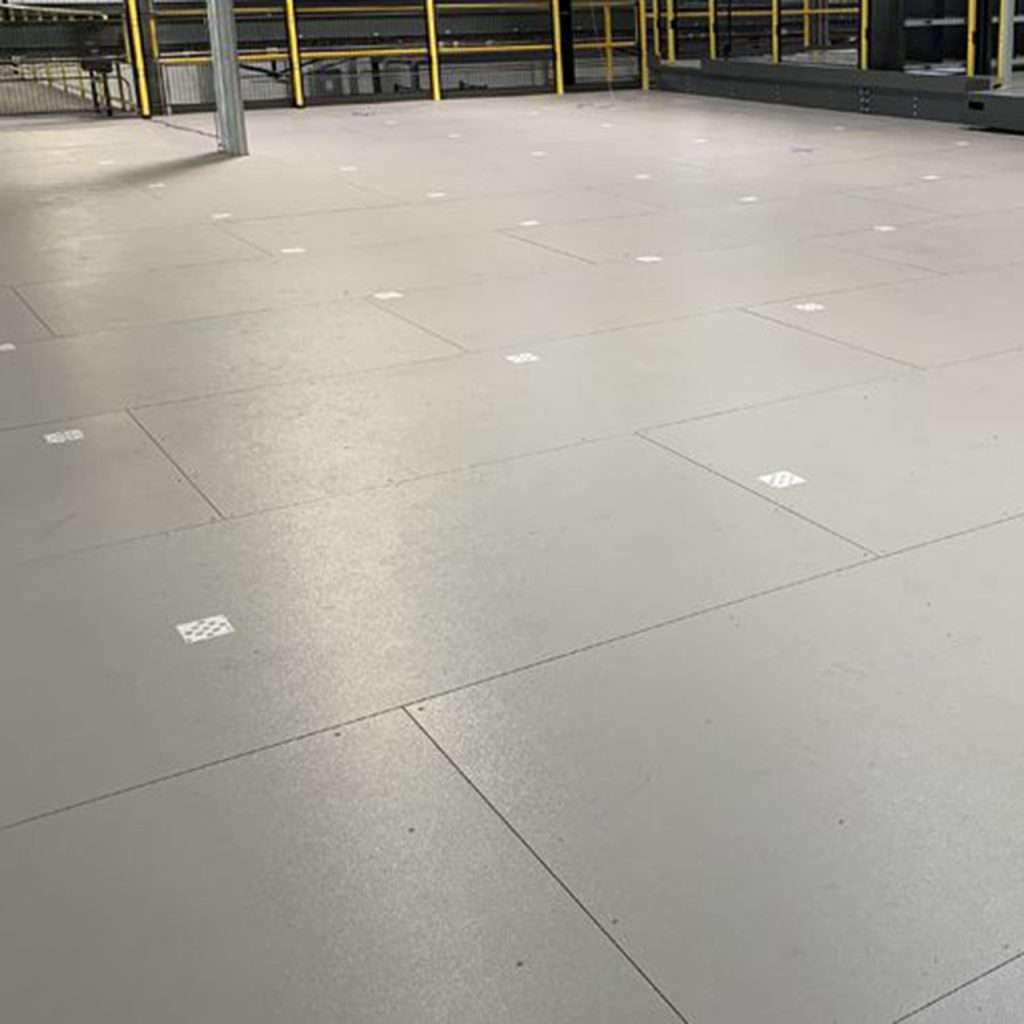
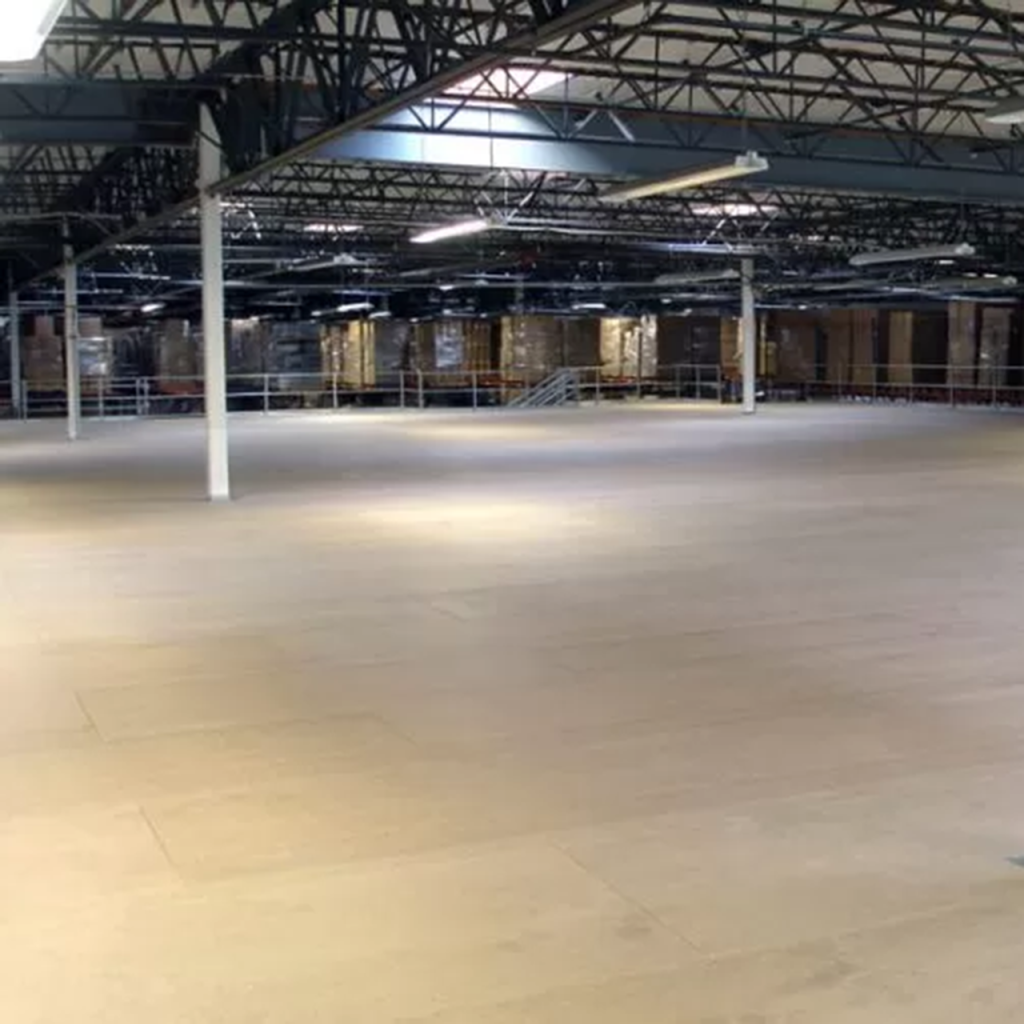
Enhanced Options:
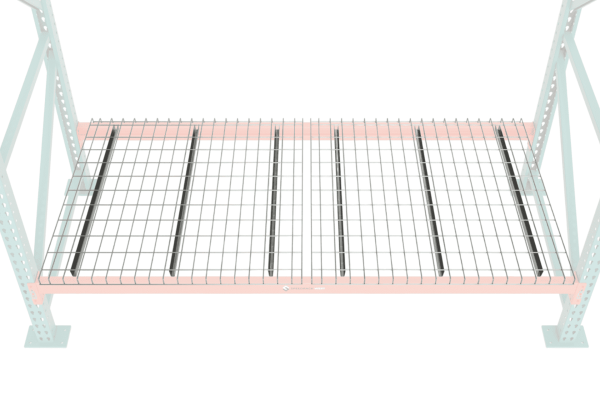
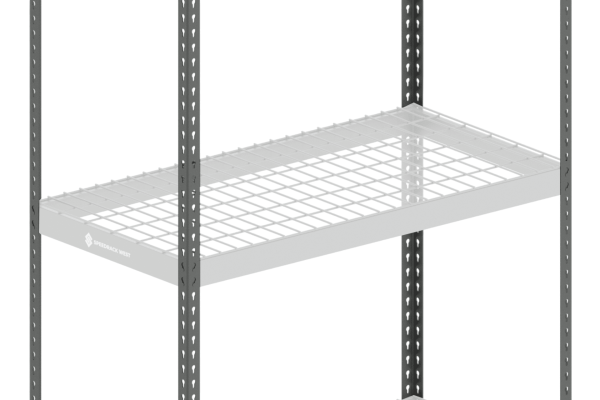
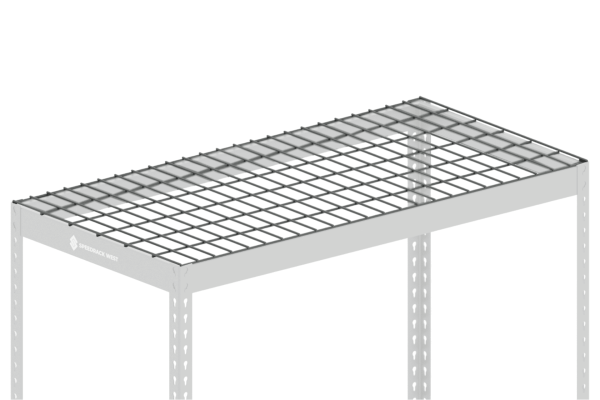
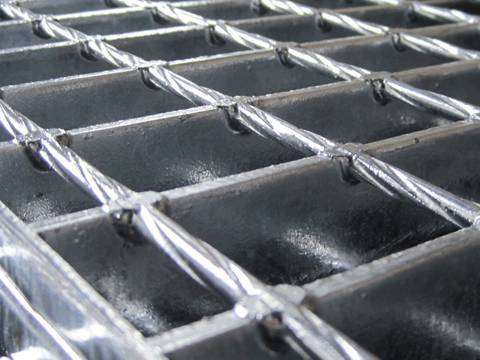
- Bar Grating: Ideal for high airflow, drainage, and visibility. Commonly used in industrial settings.
- Plywood: Robust and versatile. Suitable for heavier loads and various applications.
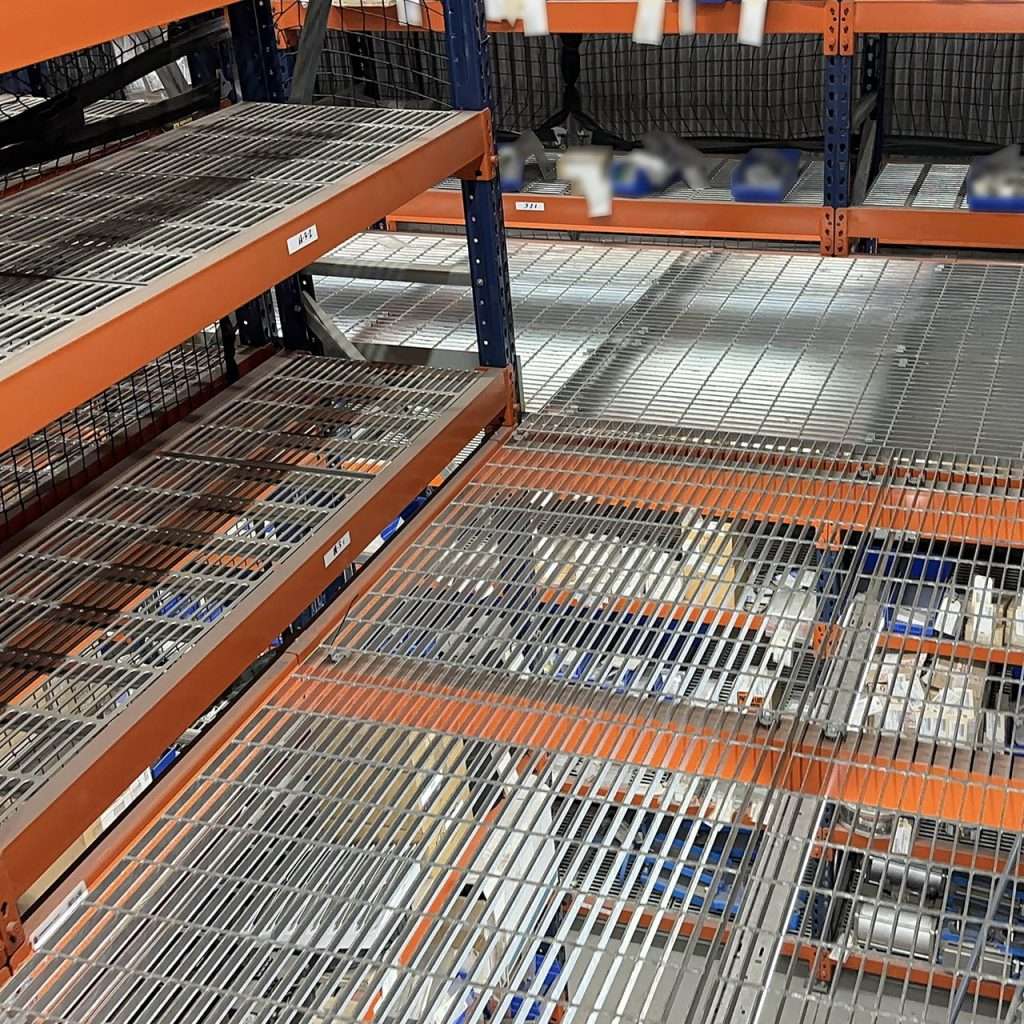
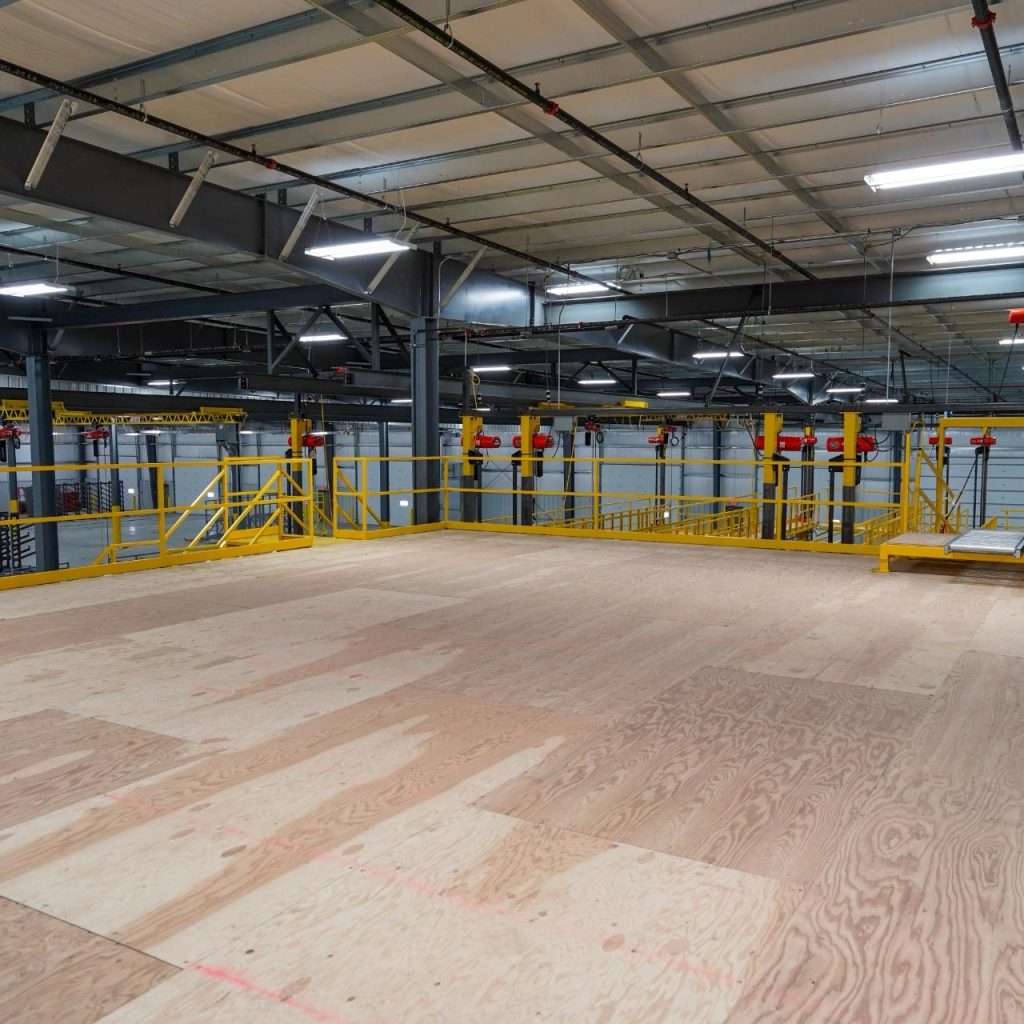
Beyond these, there are several advanced flooring materials commonly used in mezzanine construction:
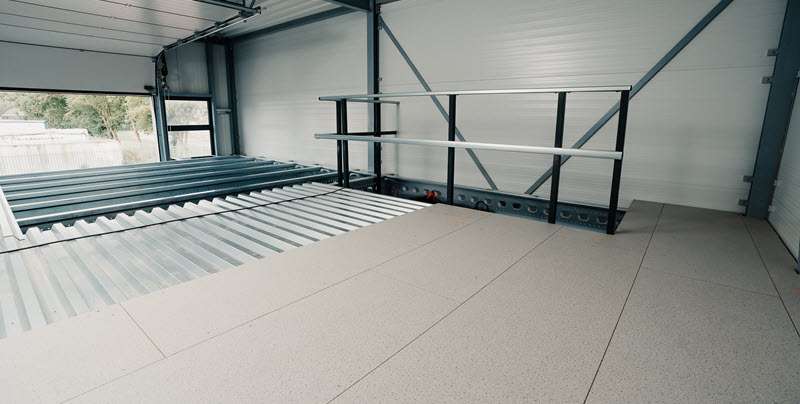
- Engineered Wood Over Corrugated Steel: A strong, moisture-resistant option that provides a solid base for foot traffic while reducing noise and vibration.
- Welded Steel Grating: Preferred in industries like waste management, mining, and food service due to insurance advantages. Grating allows for airflow, light, and fluid passage. This strong, durable, and low-maintenance option often reduces sprinkler system requirements above the mezzanine, as the open grating allows water to reach lower levels.
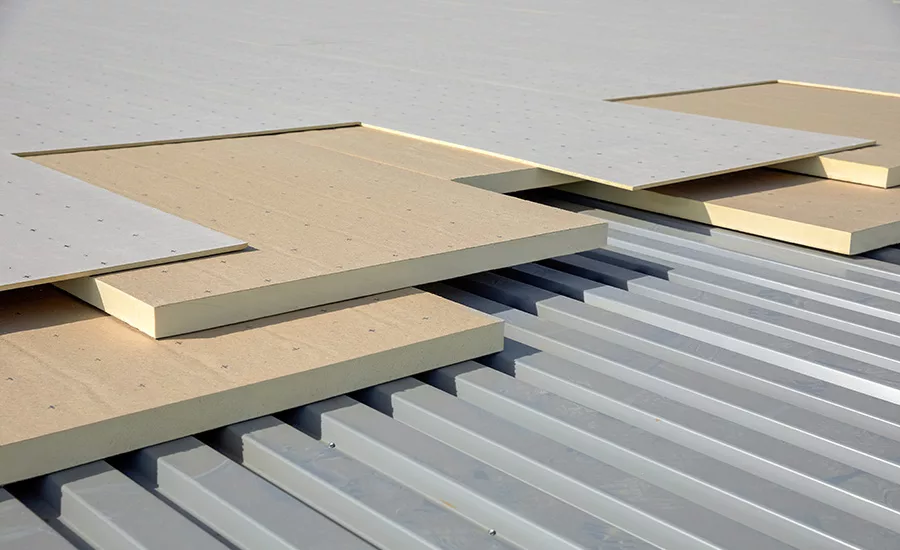
- High-Density Composite Panels Over Corrugated Steel: Designed for heavy loads from pallet jacks, carts, or dollies. These panels offer high load capacities, a skid-resistant surface, and an easy-to-clean surface.
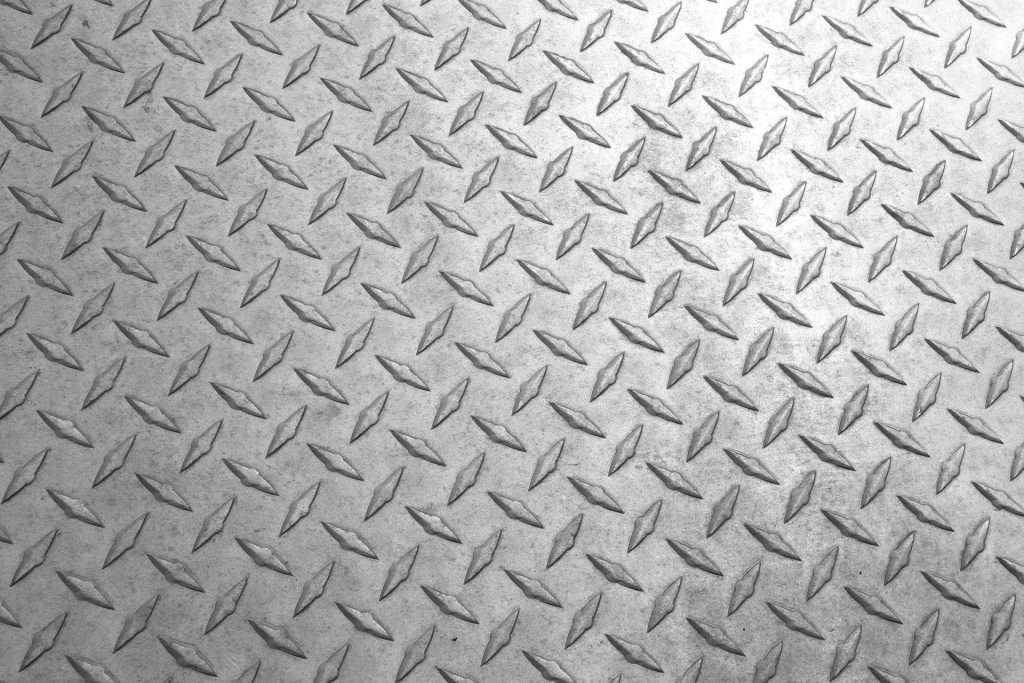
- Diamond Plate over Engineered Wood and Steel: Provides exceptional durability with high point and wheel load capacities. Installed over corrugated steel and Advantech for increased strength and reduced noise. The second most durable option.
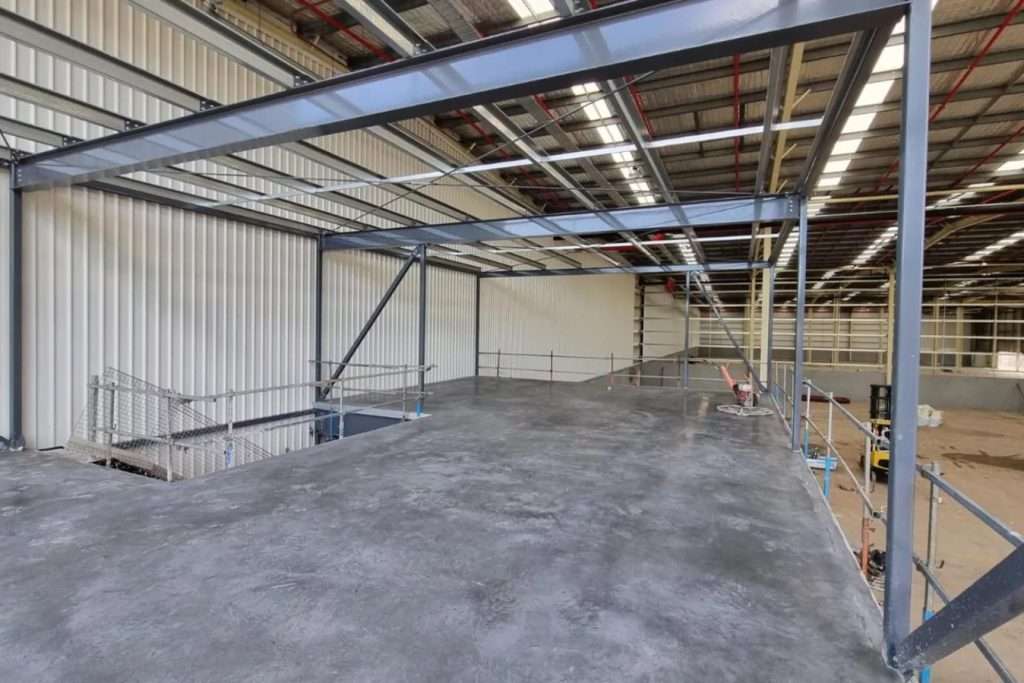
- Concrete: The most durable option, ideal for high-capacity industrial and military applications where the mezzanine is considered permanent. Offers high point loads and minimal noise transmission.
Custom Features
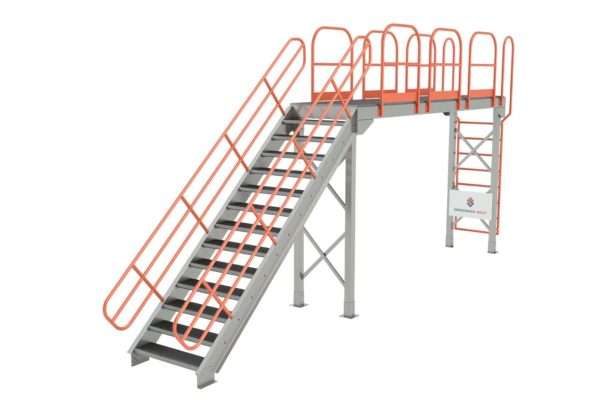
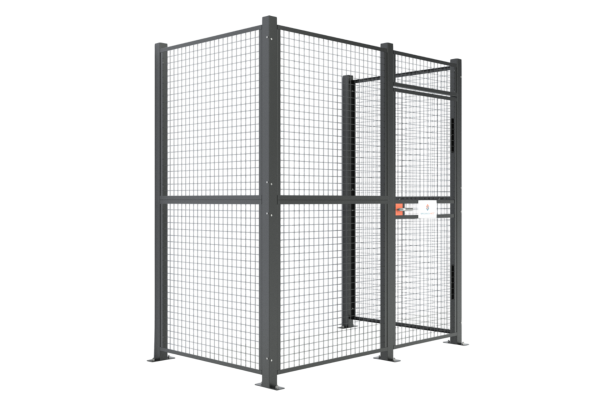
Most platforms require stairs, handrails, crossovers, railings around the deck, gates for access, and in a lot of cases, a sprinkler system. While these features may increase the overall cost of the mezzanine, they are essential for safety and completing the structure’s final design. Experts estimate that fire protection can account for 35-40% of the total cost of a mezzanine.
Your project is unique, and there are countless options and features to consider. It’s important to carefully evaluate these choices to ensure the best outcome.
If you try to manage every detail on your own, you risk overcomplicating the process and overspending unnecessarily. Instead, partner with us—share your vision, and we’ll help you bring it to life. Our team can guide you on how to save money, suggest cost-effective alternatives, and recommend the most suitable safety equipment and accessories for your project.
There’s no need to figure it all out by yourself. Our engineers are here to assist you at no cost—just reach out to us via phone or email!
There’s no need to figure it all out by yourself. Our engineers are here to assist you at no cost
Used Resources
Mezzanine
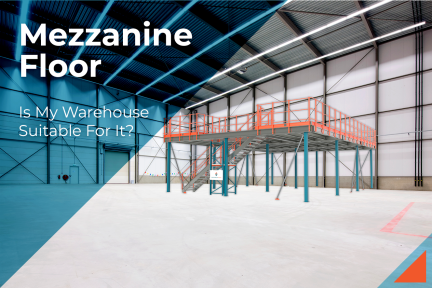
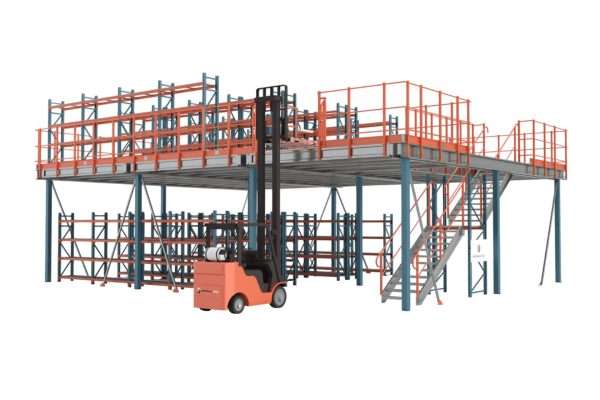
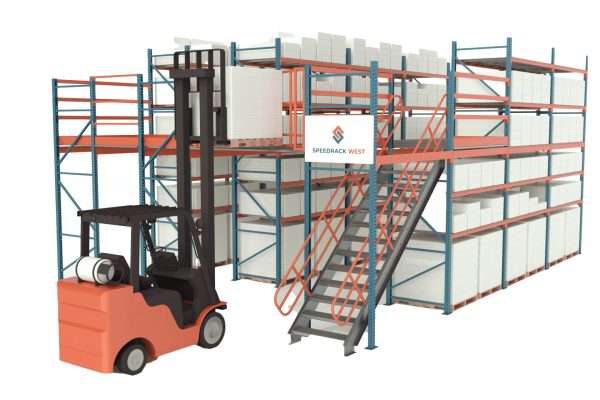
Is an elevated platform installed between the main floor and the ceiling of a warehouse, effectively creating an additional floor within the existing space. This structure utilizes vertical space to provide extra storage, office space, or work areas without the need for costly building expansions or renovations.
PSF
(Pounds per Square Foot)
A unit of pressure or weight distribution, commonly used in construction and engineering to measure how much force or weight is applied over a given area.
Bar Grating
Also known as metal grating or steel grating, is an open grid assembly of metal bars. It consists of bearing bars, which run in one direction, and cross bars, which are perpendicular to the bearing bars.

Was this helpful?