
1. Location
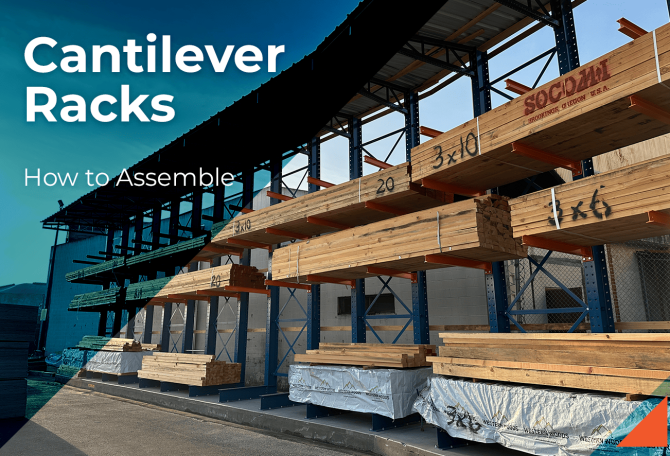
This is the location where the cantilever racks will be installed. This can be either inside or outside, but the main thing is that the racks must be installed on a flat surface. These are usually concrete slabs. The cantilever shelving units must always be bolted to the floor. This process is called anchoring.
2. Anchoring racks
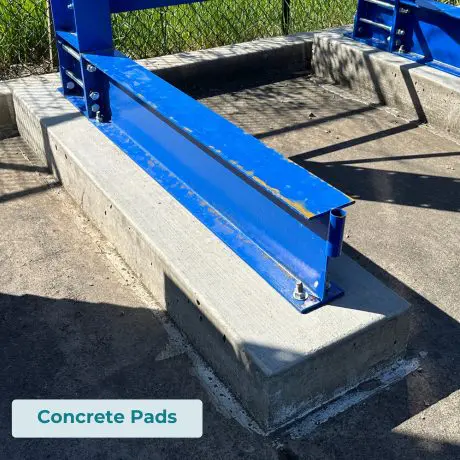
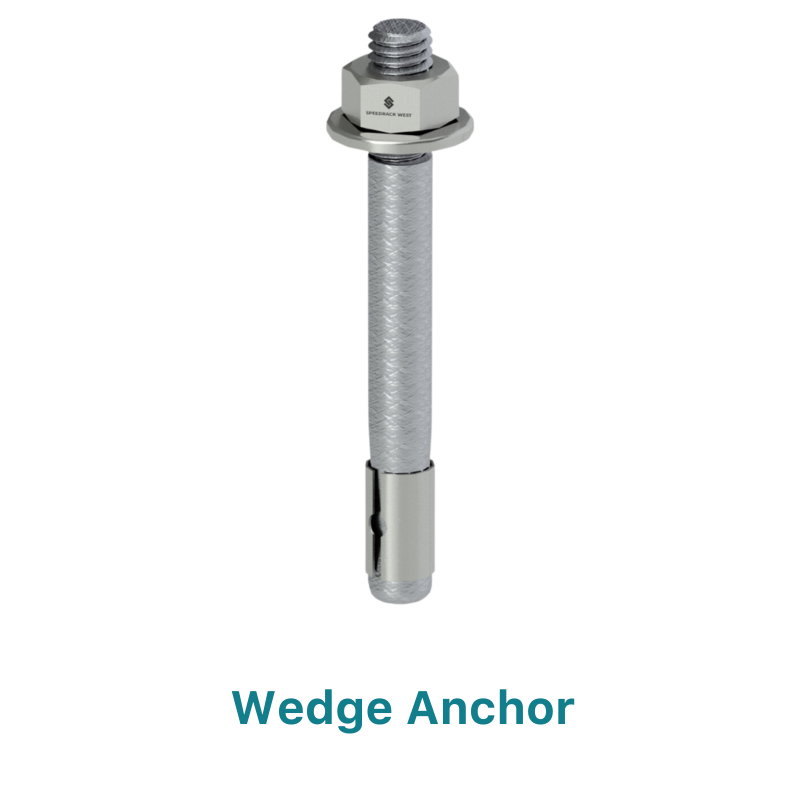
Anchoring is vital for preventing collapsed racking systems. Why is it important? Due to horizontal seismic activity that creates overturning forces as well as lateral loads caused by, for example, the forklift’s strikes. Thus, the loads at the anchors are transferred from the columns attached to the footings. By anchoring racks into concrete, the common methods are wedge anchors, screw-type anchors, and adhesive anchoring systems with rods and chemical adhesive. 3-to 4 anchors per base are typical, but the anchoring number varies. Just note that the deeper the anchor, the greater the strength. There is significantly more strength and tension at 5 1/2″ than at 3 1/2″.
3. Base depth and length
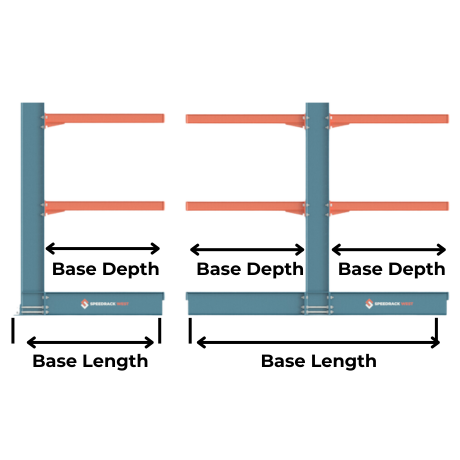
The foundation for a cantilever rack is called a base and is calculated by length and depth. The length depends on the type of cantilevers: single-sided or double-sided. The depth should be at least the length of your arms and is measured from the outside edge of the column to the end of the base.
4. Racks’ capacity
When choosing the right capacity for a cantilever rack, consider column spacing, as well as the column and the arms’ capacity. The deflection of the arms/load dictates the number of columns and column spacing. The column capacity must meet or exceed cumulative arm capacity, the last depends on the number of arms supporting the load.
Column: capacity, height, and spacing
Upright column capacity
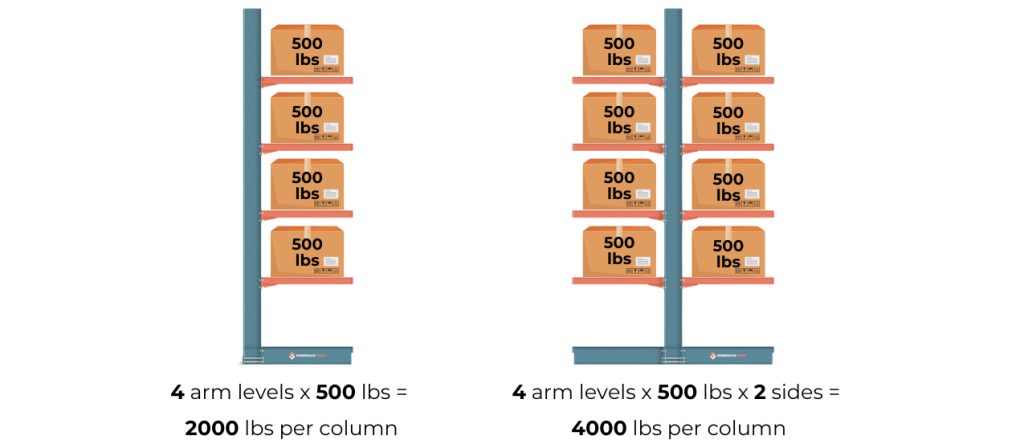
It depends on the number of arms and their load capacity. You can calculate it yourself. For instance, you have a double-sided rack with 4 arms on one side and 4 on the other side, and the load capacity of each arm is 500 pounds. So the load capacity of your double-sided column would be 4000 pounds per column (500 x 8 = 4000). If you have a single-sided, simply divide the load capacity by 2.
Сolumn height
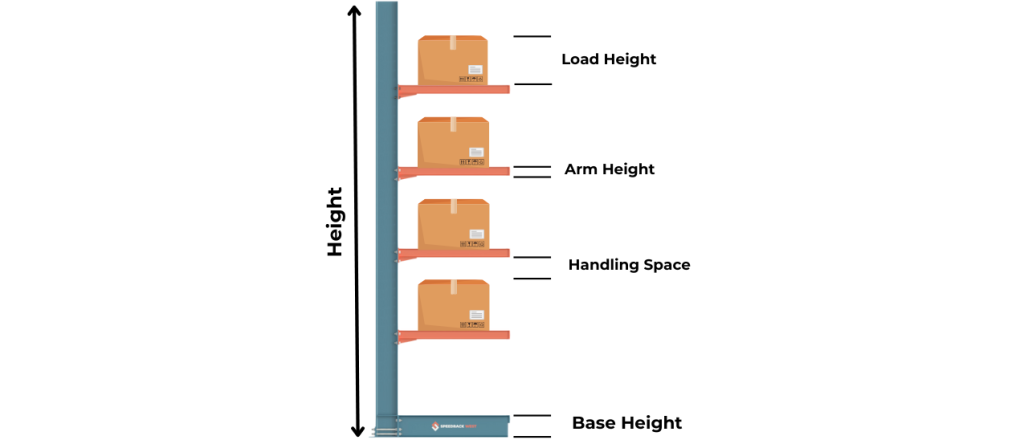
For calculating the column height, you should know the base height from the floor to the top, the number of storage levels, the load height on each level, handling clearance, and the thickness of the arms. Note that the column top must extend above the top arm at least the base height. The base height could vary based on rack depth and load weight.
Column spacing
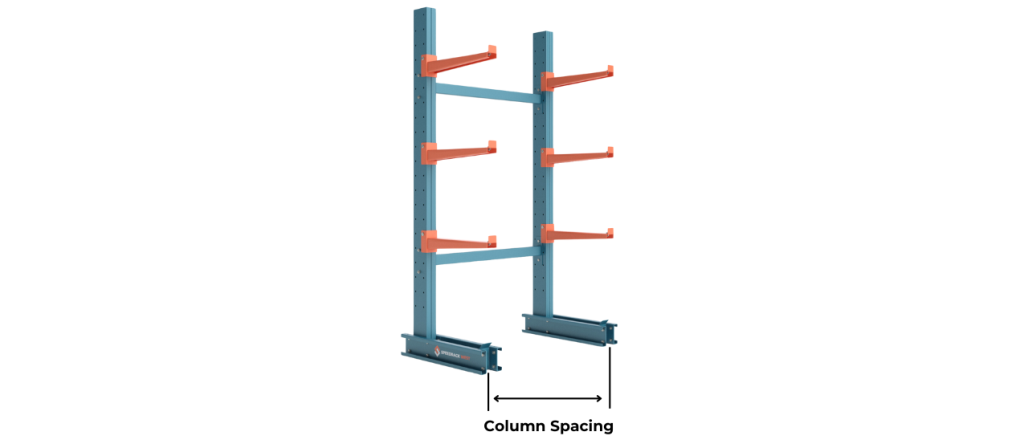
Column spacing is the length between upright columns, calculated as a center-to-center distance. This space should be enough to support your load without deflection. The initial distance (column spacing) is determined by dividing the length of your load by two. Final spacing depends on the number of arms needed to support your load.
Arms: number, length, type, and capacity
Number of arms
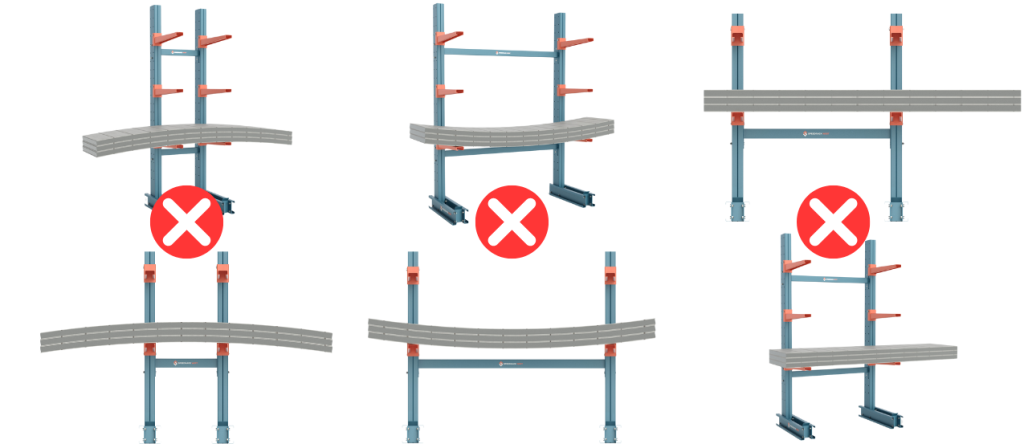
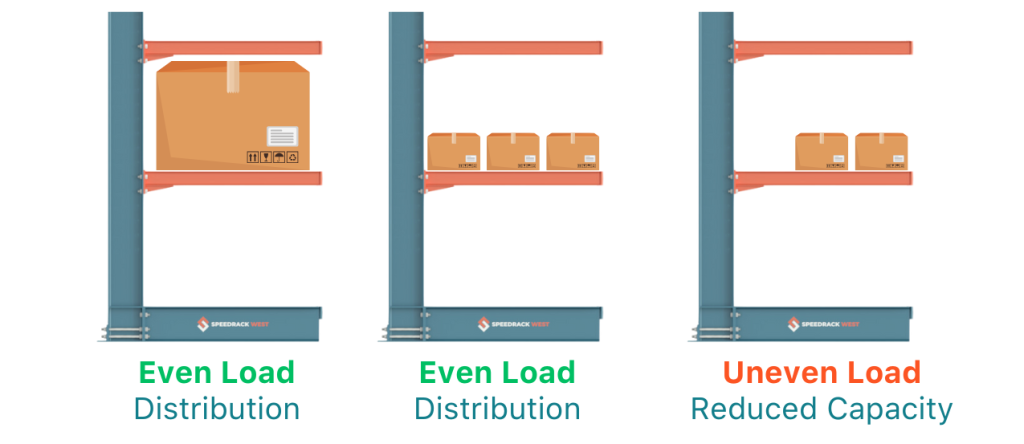
If you notice deflection with two supports, add one more arm. You need to ensure that your load is placed on the arms evenly. More support arms—and closer column spacing—are required for some very heavy loads.
Arm length
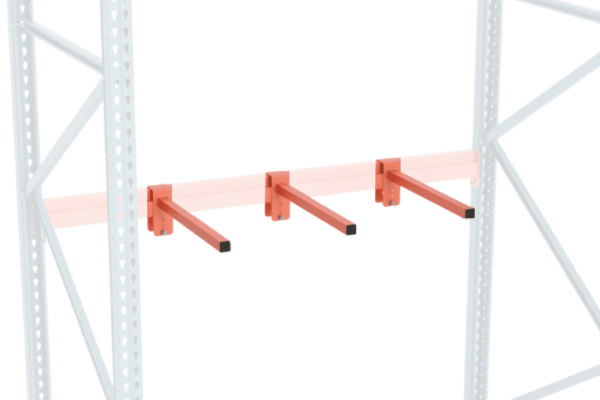
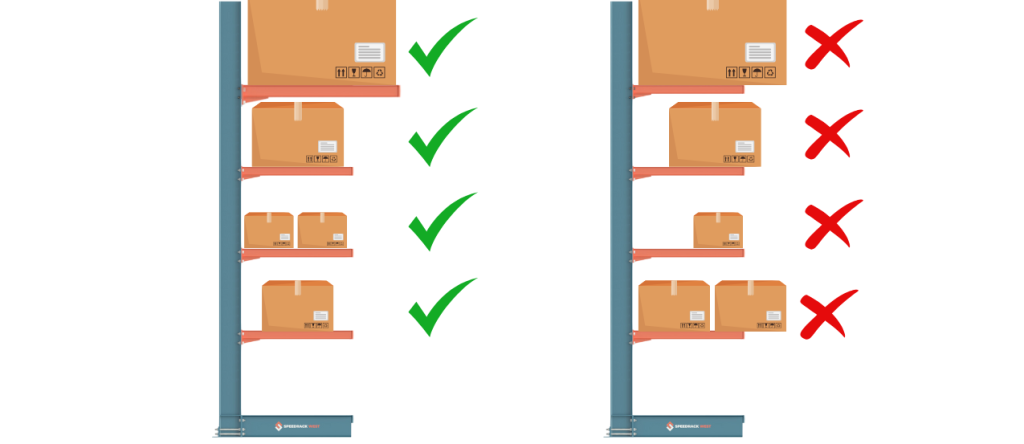
The length of the lever arm depends on the size of the load and its proper placement. Arm length must be equal to or greater than the depth of the load. Your load must not extend beyond the end of the arms by more than half the horizontal distance between the arms. Choose the right length of your arm. They are typically available in lengths from 12″ to 72″ in 6″ increments.
Type of arms
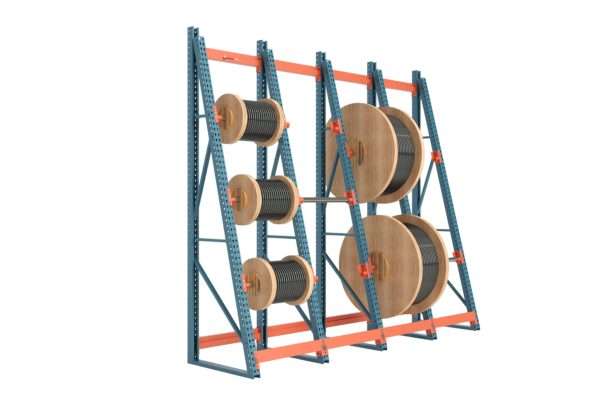
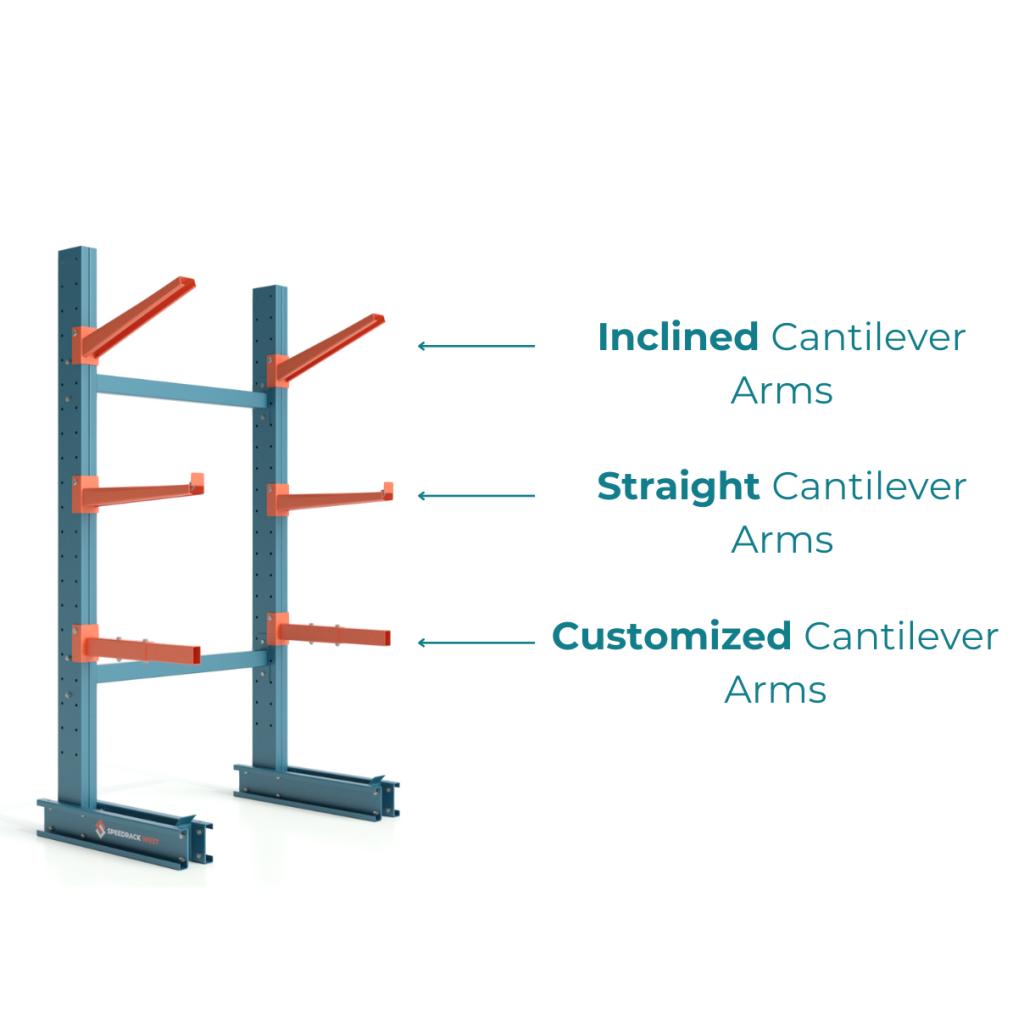
You can read our detailed article about the types of cantilever arms. Briefly, there are two types of arms: straight and inclined (also called tilted). If your loads are roll-shaped, use inclined arms or arms with protection, such as sockets and welded or bolted lips. Straight arms are commonly used for flat-based loads.
Arm capacity
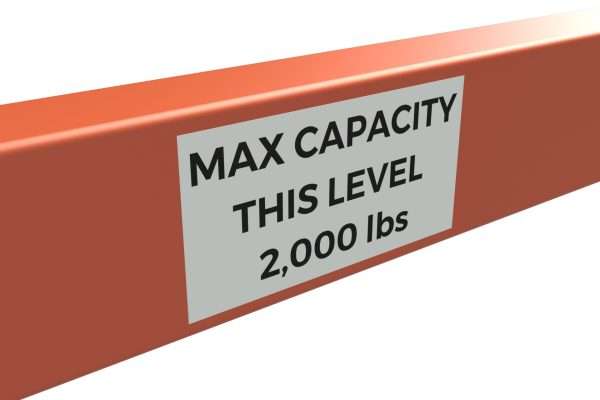
Arm capacity depends on several factors, one of which is the arm’s length. For instance, a 48″ cantilever arm for single-sided racks can have a capacity of 2,000 lbs. To determine an arm’s load capacity, you need to divide the total weight of the load by the number of arms on the level.
Not sure if your calculations are correct?
Ask us—we’ll help with layout, measurements, and proper rack installation so you can store with confidence.
Products, Discussed in the Article
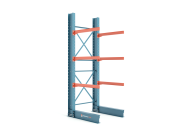

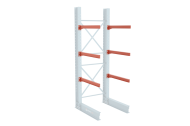
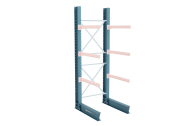
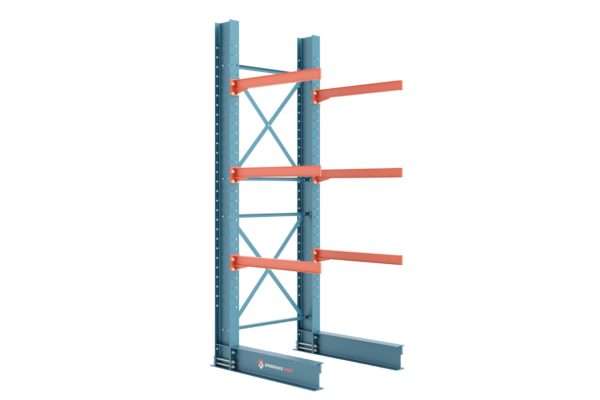
Cantilever Rack
(Lumber Rack)
A racking system with horizontal arms that extend from vertical columns, ideal for storing long items like pipes, lumber, or tubing.
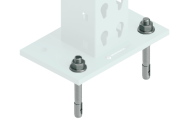
Anchors
(Bolts)
Anchors are used to secure pallet racking uprights to the floor or slab on which the racking is installed. Typically steel bolts are used to anchor the system.
Seismic Compliance
Adhering to seismic design categories (SDC), calculations, anchoring specs, and special inspections.
Permit Requirements
Permits required for racks over 5’9″ tall, including seismic and high-piled storage approvals.

Was this helpful?