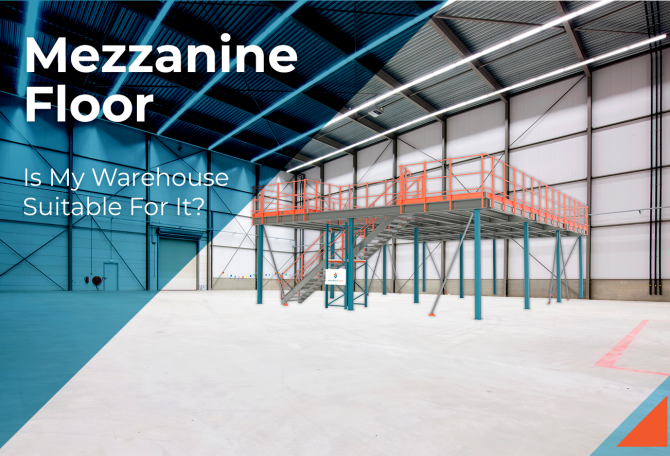

Don’t waste time guessing—take a minute now to find out if a mezzanine floor is right for your warehouse. This quick quiz will help you figure out if your space is a good fit. Just a few easy questions, and you’ll have a clearer picture in no time. Let’s dive in!
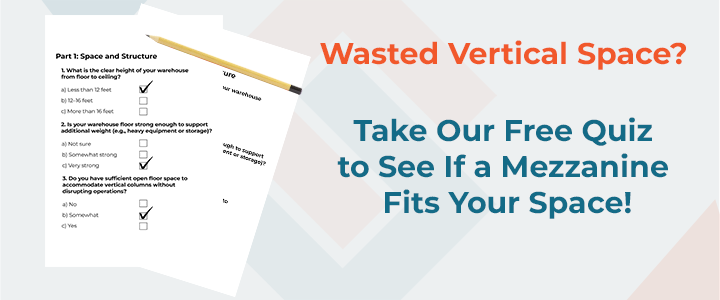
Scoring Instructions
Assign the following points to your answers:
a) 1 point
b) 2 points
c) 3 points
Total Points: Add up your score from all 12 questions.
Questionnaire: Is Your Warehouse Suitable for a Mezzanine Floor?
Part 1: Space and Structure
1. What is the clear height of your warehouse from floor to ceiling?
2. Is your warehouse floor strong enough to support additional weight (e.g., heavy equipment or storage)?
3. Do you have sufficient open floor space to accommodate vertical columns without disrupting operations?
Part 2: Workflow and Accessibility
4. How will the mezzanine impact existing workflows and equipment movement?
5. Do you have areas where access to forklifts, conveyors, or other machinery is critical?
6. Are there existing obstructions (e.g., HVAC systems, lighting, sprinklers) in the space where the mezzanine will be installed?
Part 3: Regulations and Safety
7. Are you aware of the local building codes and permits required for mezzanine installation?
8. Do you have fire safety measures (sprinklers, exits) in place that can be adapted for a mezzanine?
9. Are there plans for installing access points like staircases, lifts, or conveyors for the mezzanine?
Part 4: Purpose and Scalability
10. What is the primary purpose of the mezzanine?
11. Will the mezzanine be scalable or modular to accommodate future changes?
12. Do you anticipate increased weight load or additional structural requirements in the future?
How to Interpret the Results
- 12–20 Points: Your warehouse might require some adjustments to accommodate a mezzanine floor effectively. Consider consulting a structural engineer or exploring alternative solutions.
- 21–30 Points: Your warehouse shows potential for accommodating a mezzanine floor with some adjustments. With some adjustments, a mezzanine could be a viable option. Seek professional guidance to ensure feasibility.
- 31–36 Points: Your warehouse is highly suitable for a mezzanine floor. Proceed with planning and installation after confirming specifics with a supplier or engineer.
Ceiling Height: Warehouse Space
To keep up with International Building Code recommendations, you have to make sure the mezzanine is tall enough to accommodate it and keep the space below it functional. Generally, a minimum total ceiling height of 14-16 feet is recommended with at least 7 feet above and below the mezzanine floor.
Structural Integrity: Warehouse Floor
Assess the building’s ability to support additional weight. This includes the floor’s load-bearing capacity and overall structural strength.
Your warehouse should have an even and adequately reinforced floor (at least 6-8 inches thick). It is important that the International Building Code (IBC) parameters, which define the allowable minimum load in pounds per square foot (PSF) distributed over the platform, are met. Look at Chapter 16, Table 1607.1, paragraph 31. This contains the parameters of the minimum uniformly distributed live loads and minimum concentrated live loads due to the occupancy of use.
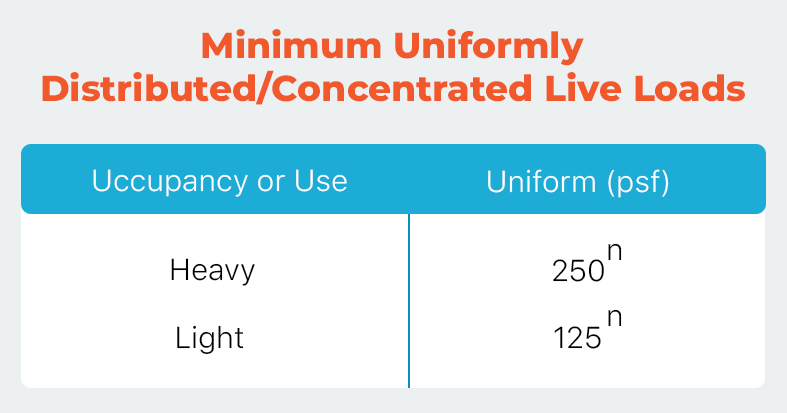
n. Live load reduction is only permitted in accordance with Section 1607.11.1.2 or Item 1 of Section 1607.11.2.
Additional Storage: Space Utilization
Evaluate how the mezzanine will fit into your existing layout without disrupting workflows or obstructing access points. Notice that according to the IBC 505.2.1 Area limitation “the aggregate area of a mezzanine or mezzanines within a room shall be not greater than one-third of the floor area of that room or space in which they are located. The enclosed portion of a room shall not be included in a determination of the floor area of the room in which the mezzanine is located. In determining the allowable mezzanine area, the area of the mezzanine shall not be included in the floor area of the room.
Where a room contains both a mezzanine and an equipment platform, the aggregate area of the two raised floor levels shall be not greater than two-thirds of the floor area of that room or space in which they are located.”
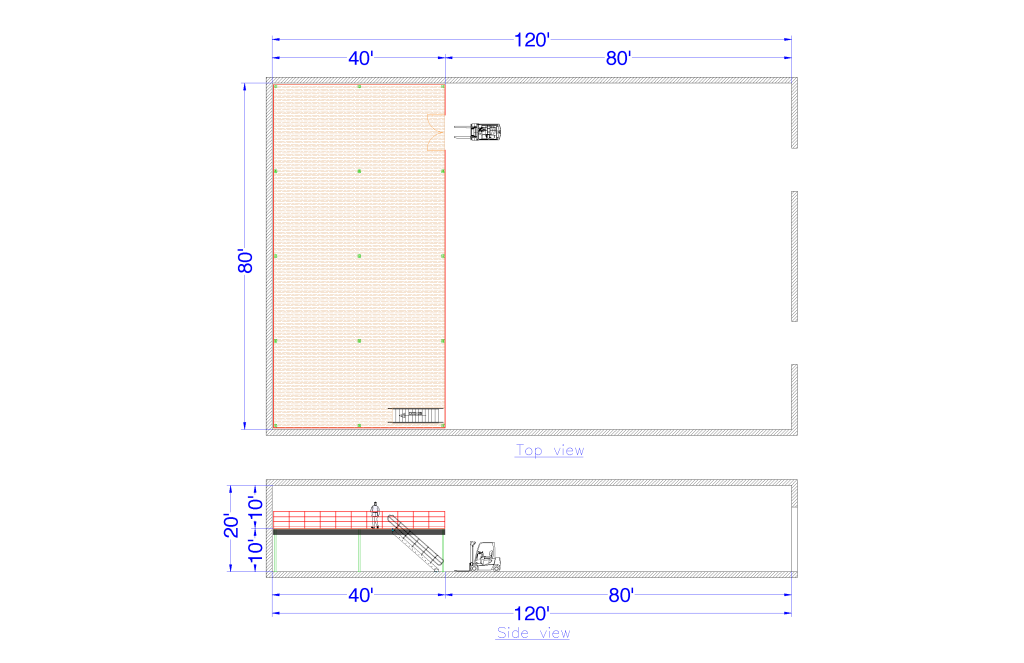
See exceptions below and the types of NFPA designs:
- The aggregate area of mezzanines in buildings and structures of Type I or II construction for special industrial occupancies in accordance with Section 503.1.1 shall be not greater than two-thirds of the floor area of the room.
- The aggregate area of mezzanines in buildings and structures of Type I or II construction shall be not greater than one-half of the floor area of the room in buildings and structures equipped throughout with an approved automatic sprinkler system in accordance with Section 903.3.1.1 and an approved emergency voice/alarm communication system in accordance with Section 907.5.2.2.
- In sprinklered Group S2 occupancies of Type III construction, the enclosed and unenclosed areas under mezzanines shall be allowed to be included when calculating the permissible size of mezzanine.
Building Codes and Regulations
A mezzanine is not just a platform, it is additional accessories, and equipment that must also be installed under the regulations. Check local building codes, fire safety regulations, and permits required for installation. For example, catwalks for equipment access must adhere to OSHA guidelines. Mezzanines serving less than 49 occupants need one means of egress, while larger mezzanines require two or more exit stairways. Ships ladders and permanent ladders are not acceptable as egress under IBC Requirements.
Operational Needs
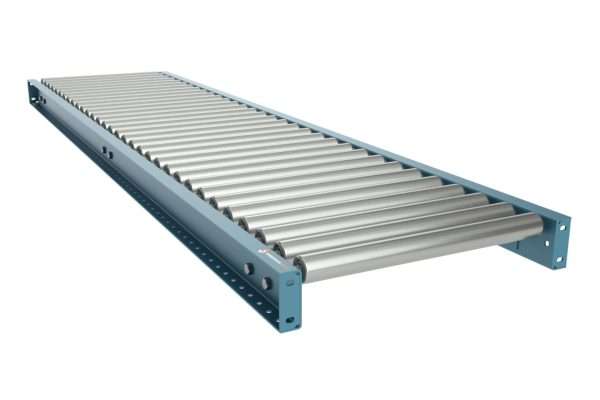
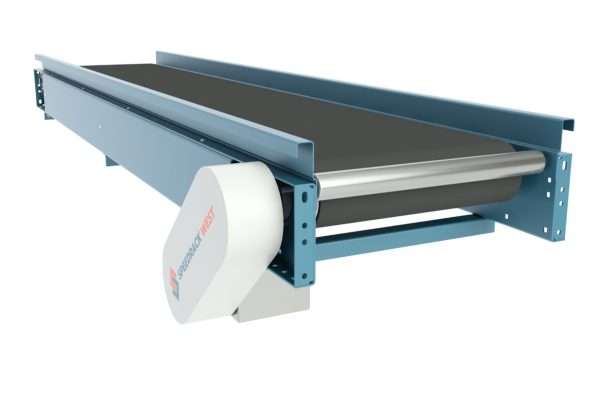
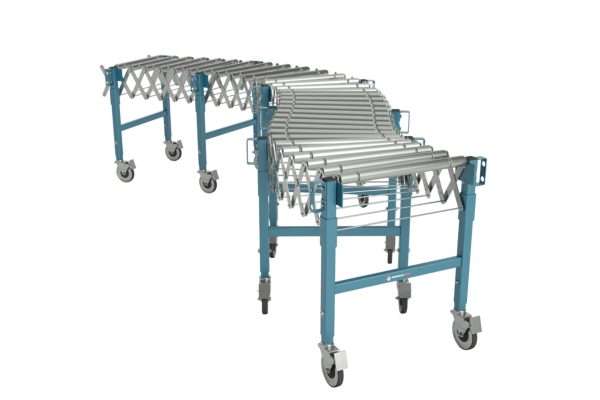
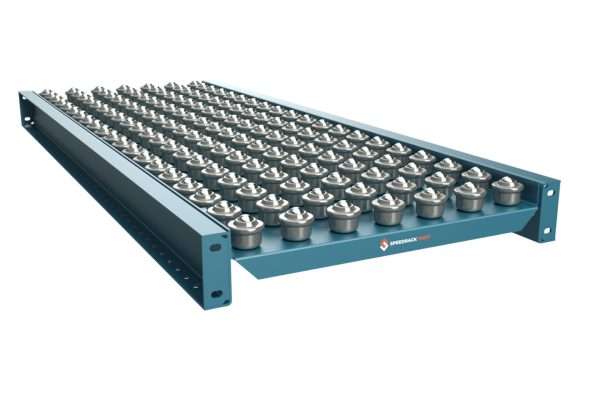
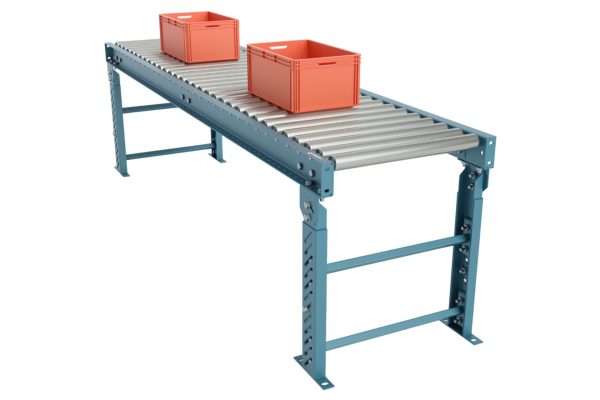
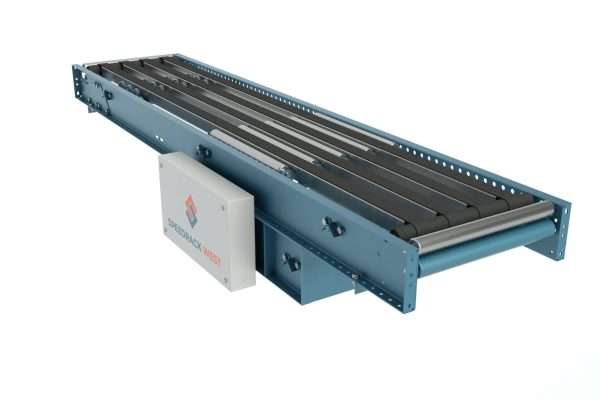
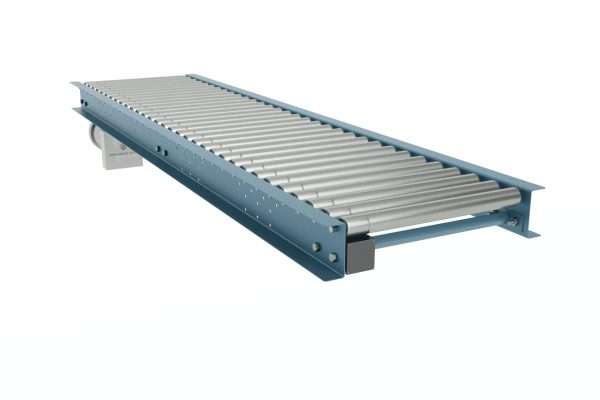
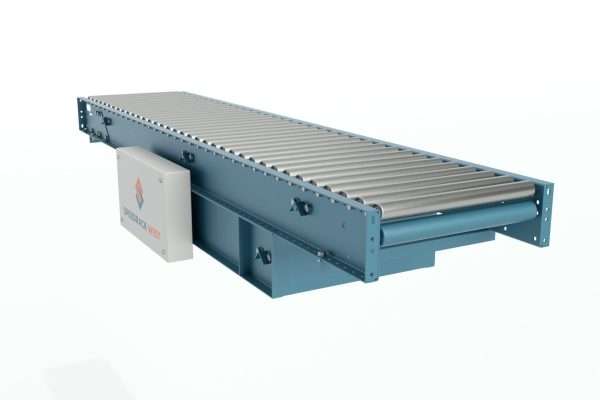
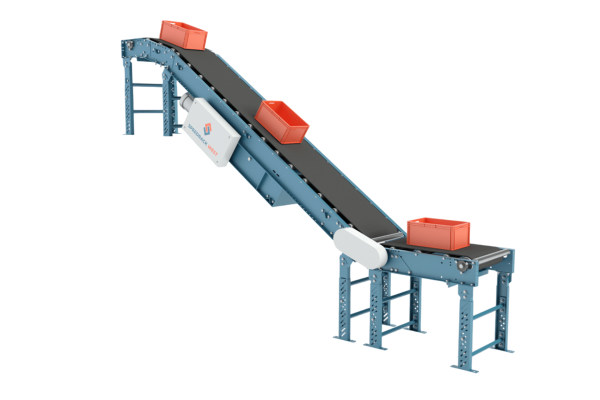
Determine the purpose of the mezzanine (e.g., warehouse storage, office space) and ensure the design aligns with your requirements. Consider whether the mezzanine is essential and truly the best solution to meet your needs. You might also explore alternatives such as industrial hydraulic platforms, which can efficiently share space in specific storage areas, mobile racking systems that upgrade storage capacity, or simply optimizing your inventory and redesigning your operations. Evaluate all possibilities carefully. If you’re confident in your decision, go ahead—a mezzanine is an excellent choice. Whether permanent, temporary, or movable, it maximizes the usable volume of your facility by utilizing different storage areas, including docks, and can be seamlessly combined with other equipment, such as conveyors.
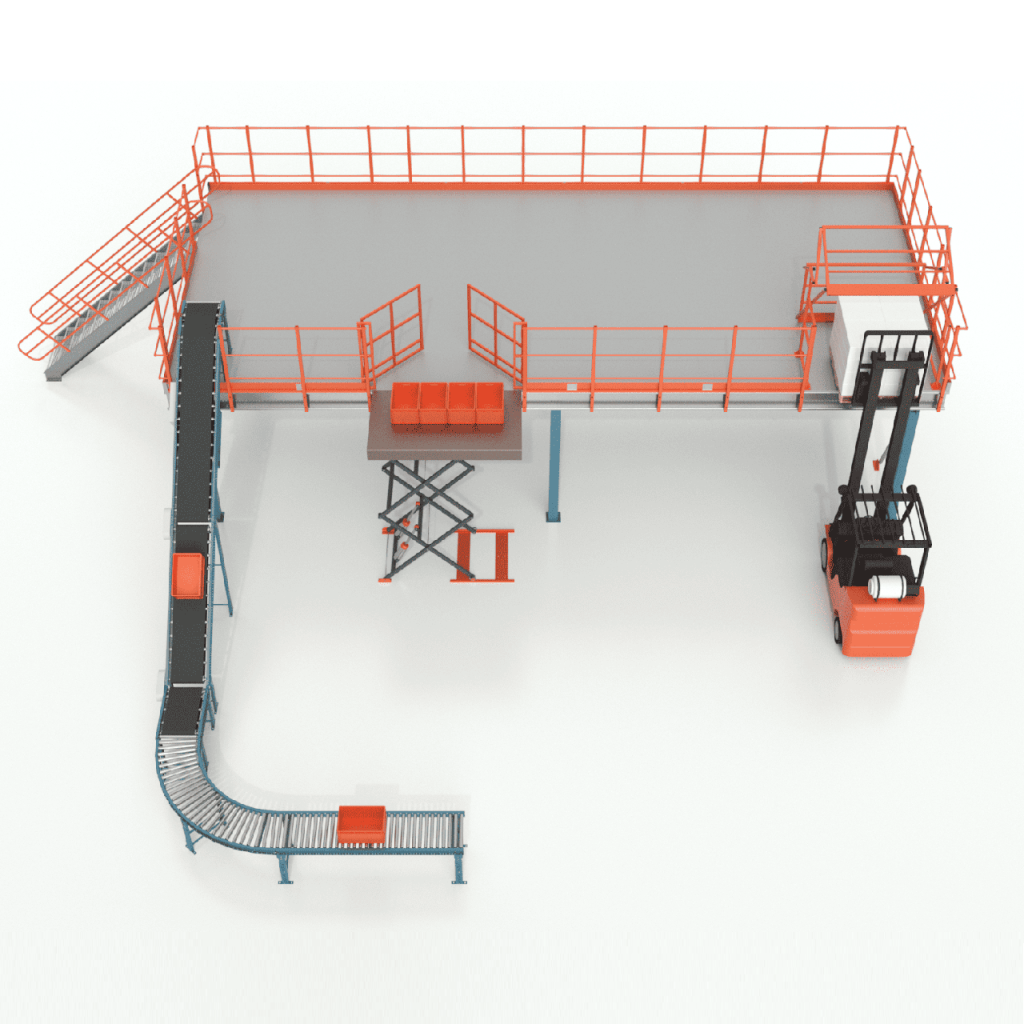
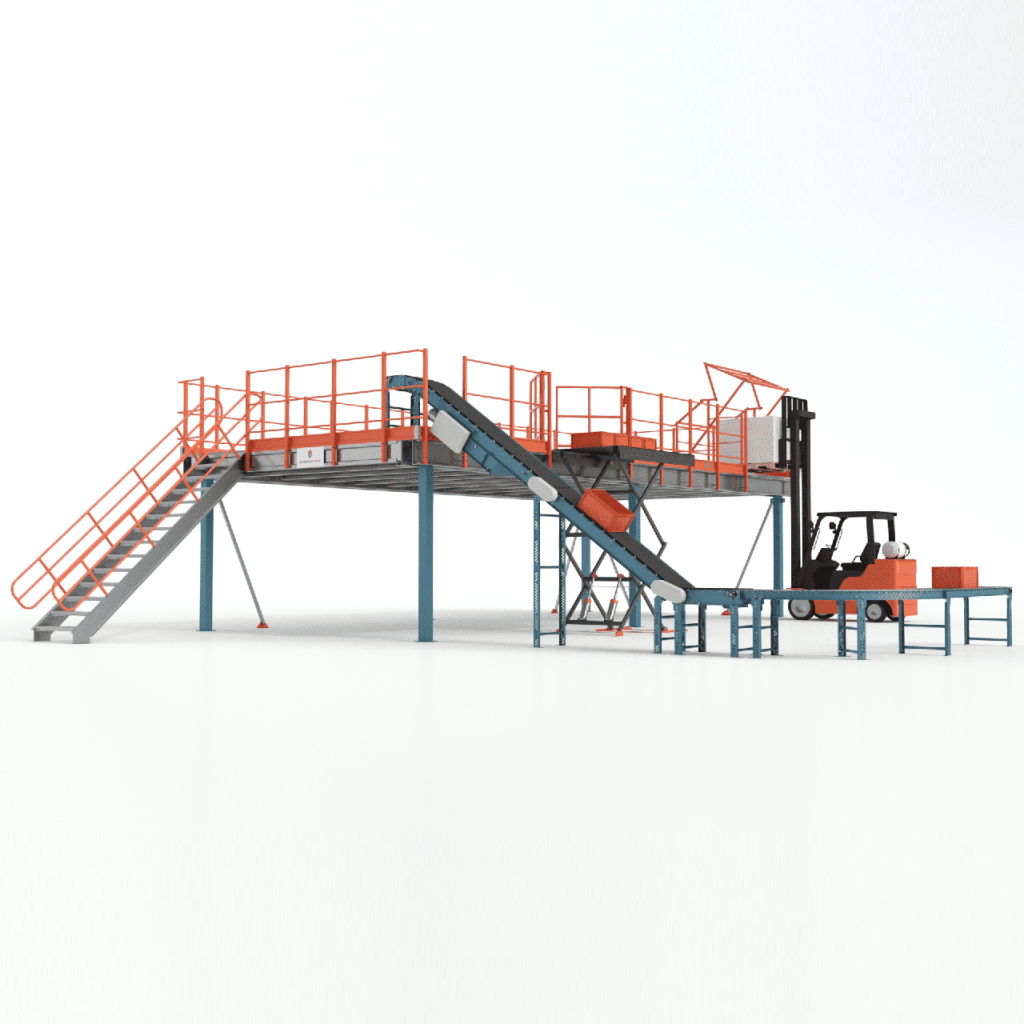
Mezzanines with Conveyor
Consulting with a structural engineer or mezzanine supplier can provide a detailed assessment and help you make an informed decision.
Not every warehouse qualifies. We’ll help you check the specs, avoid permit headaches, and see if it’s worth the investment.
Products, discussed in the article

Mezzanine
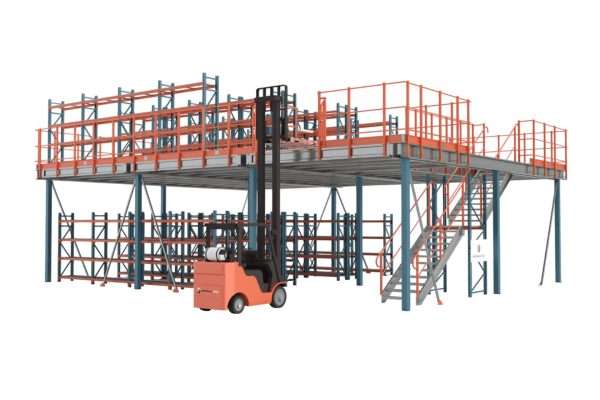
Is an elevated platform installed between the main floor and the ceiling of a warehouse, effectively creating an additional floor within the existing space. This structure utilizes vertical space to provide extra storage, office space, or work areas without the need for costly building expansions or renovations.

Was this helpful?