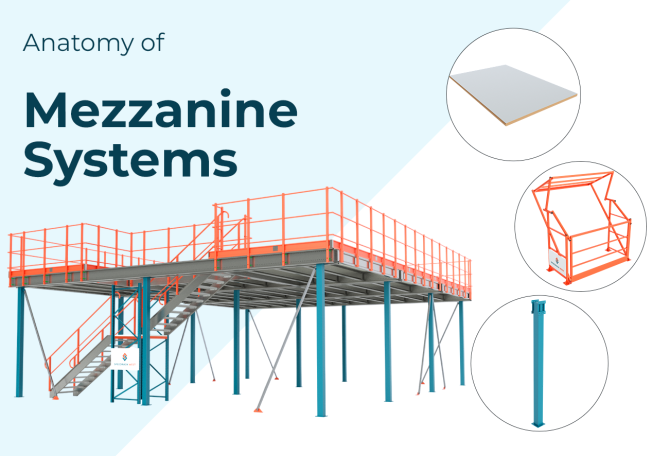

Mezzanine System: General List of Key Components
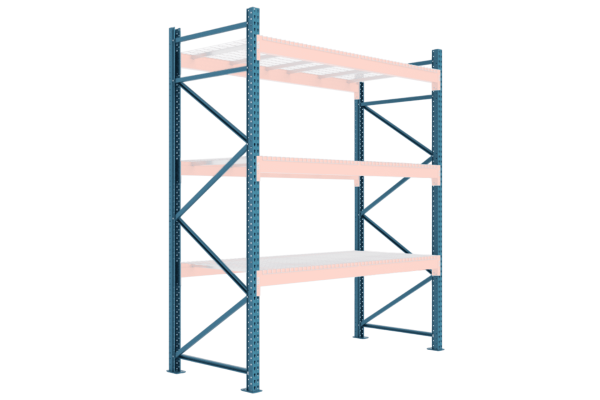
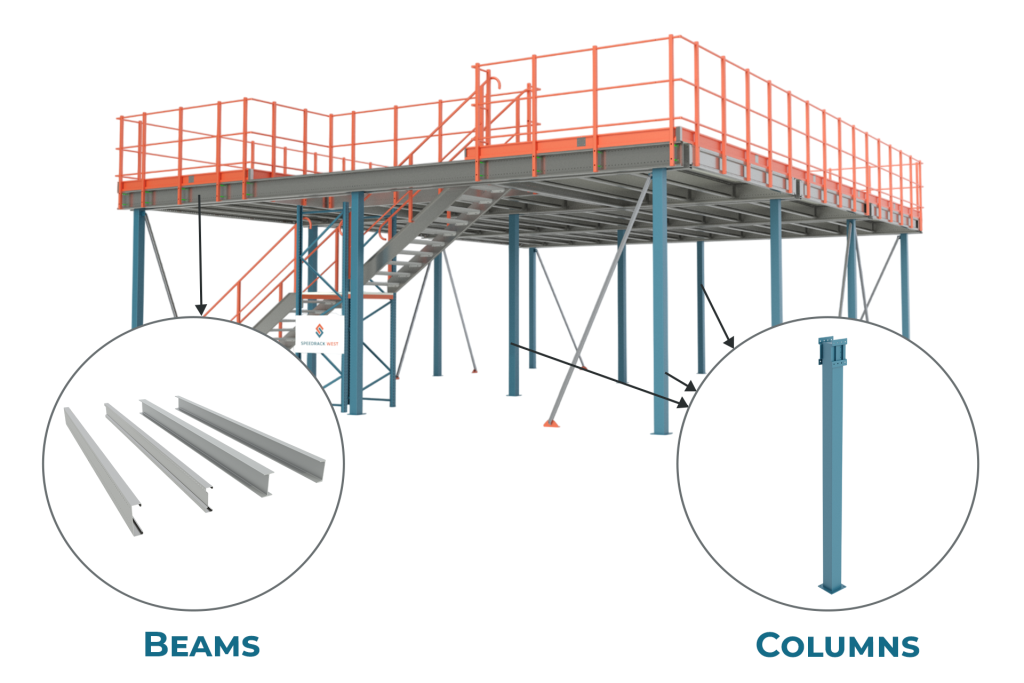
- Support Structure: Columns and beams designed to carry the mezzanine’s load.
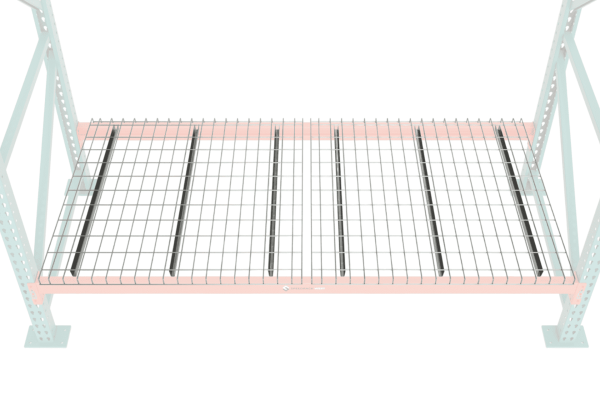
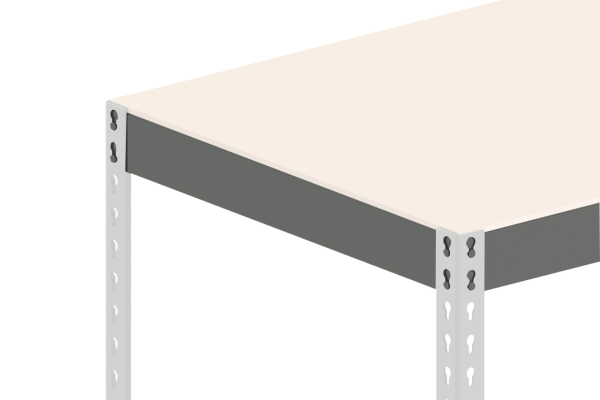
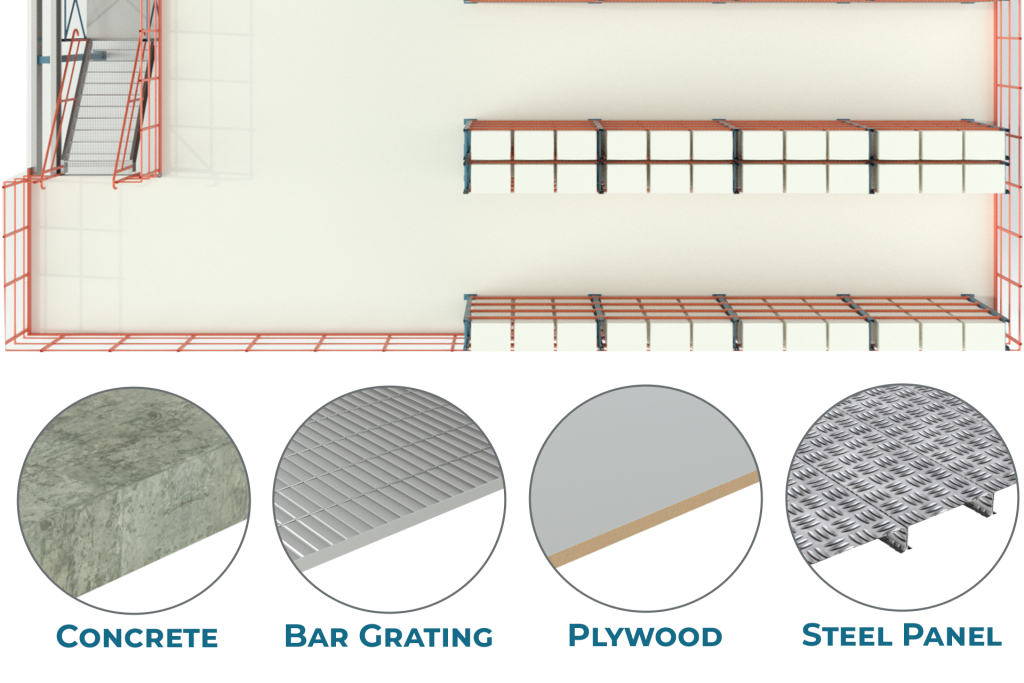
- Flooring Options: Durable mezzanine flooring materials such as bar grating, metal grating, synthetic plywood, or concrete, depending on the mezzanine type.
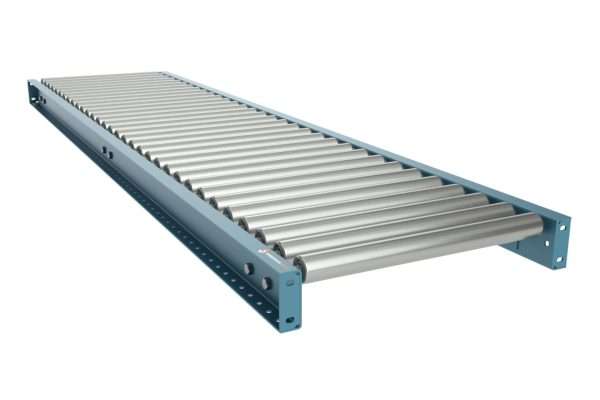
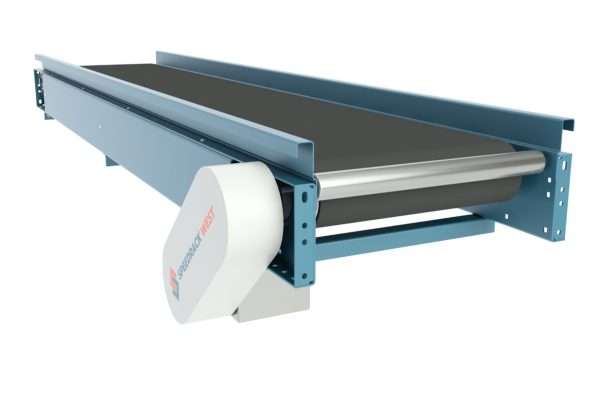
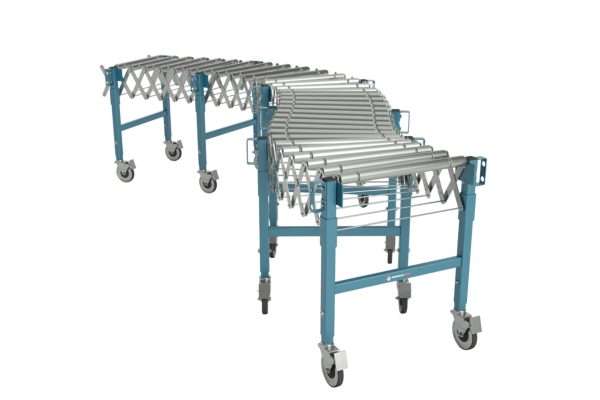
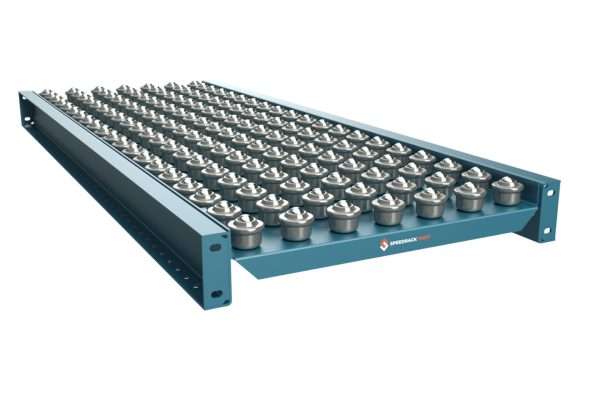
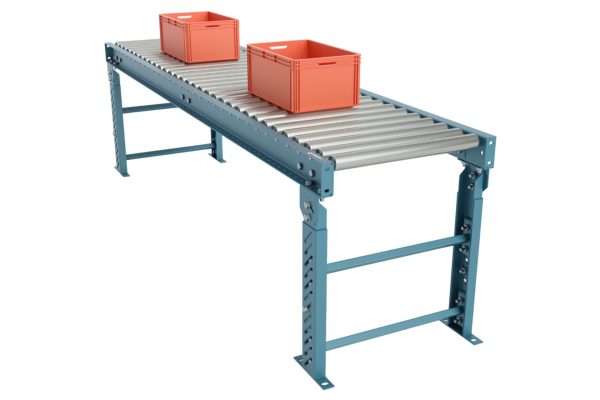
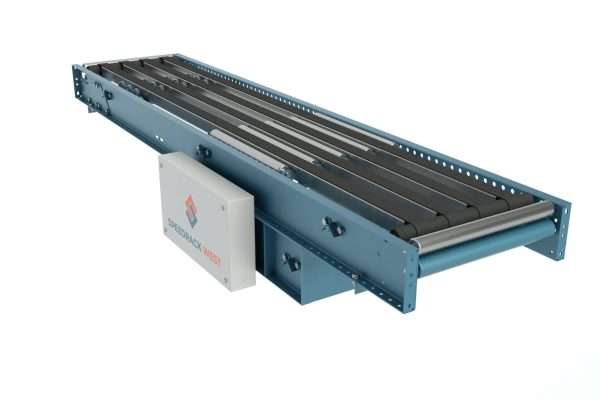
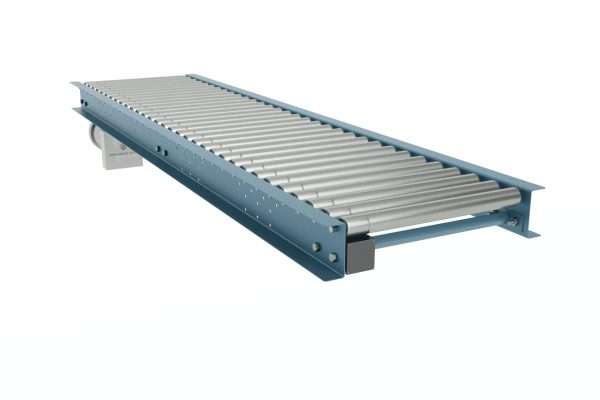
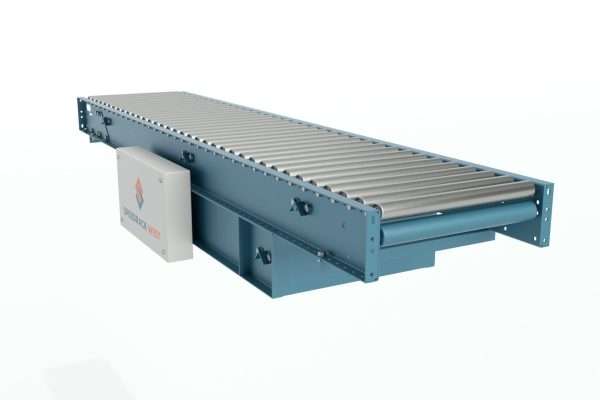
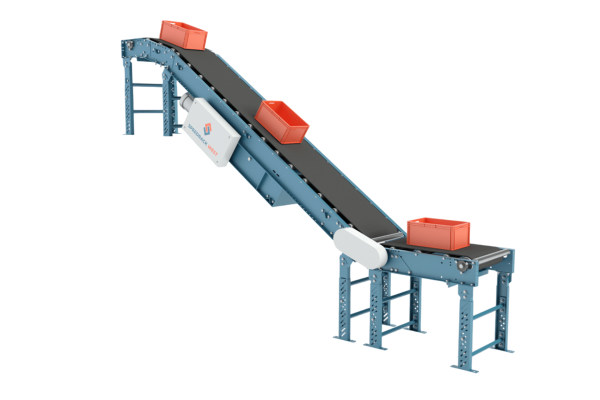
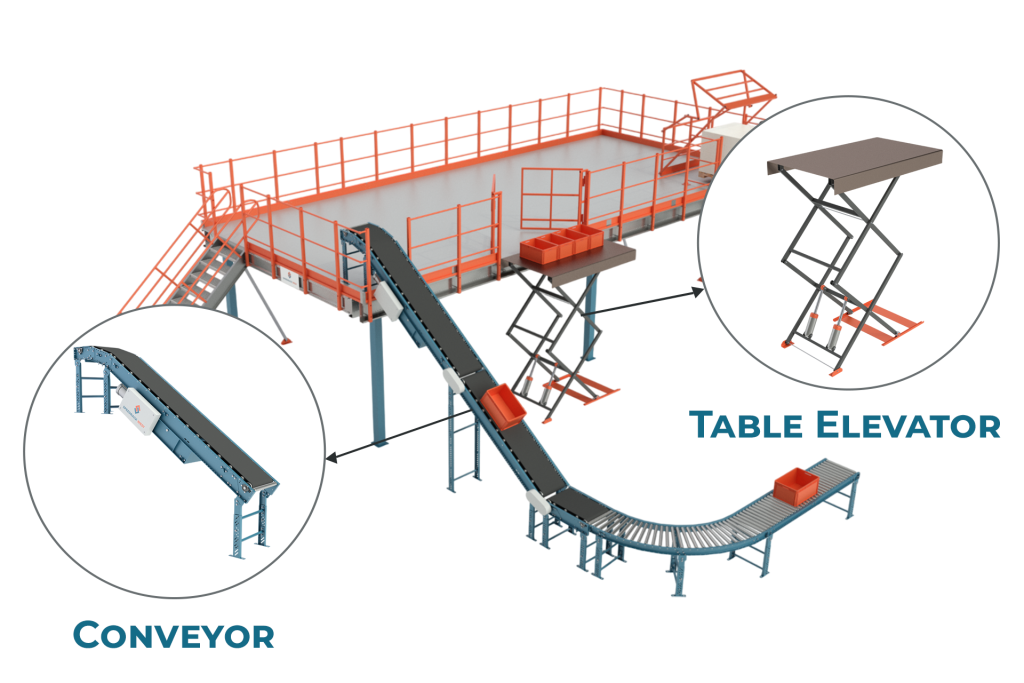
- Integration Accessories: Lifts, manual or elevating tables, and conveyors for safe access.
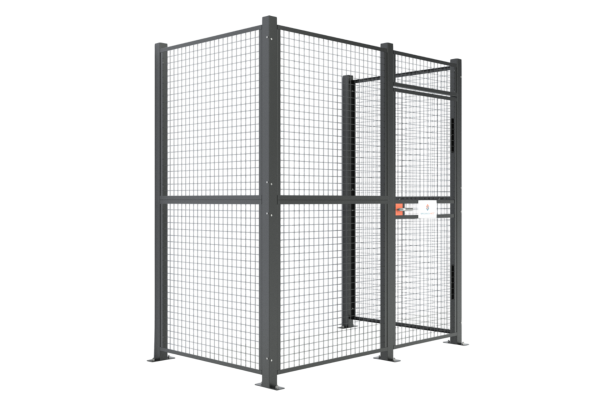
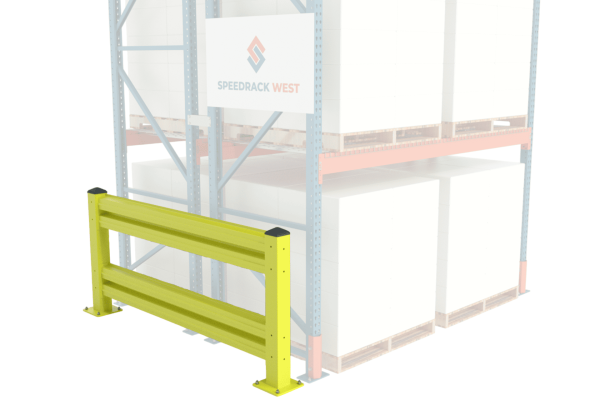
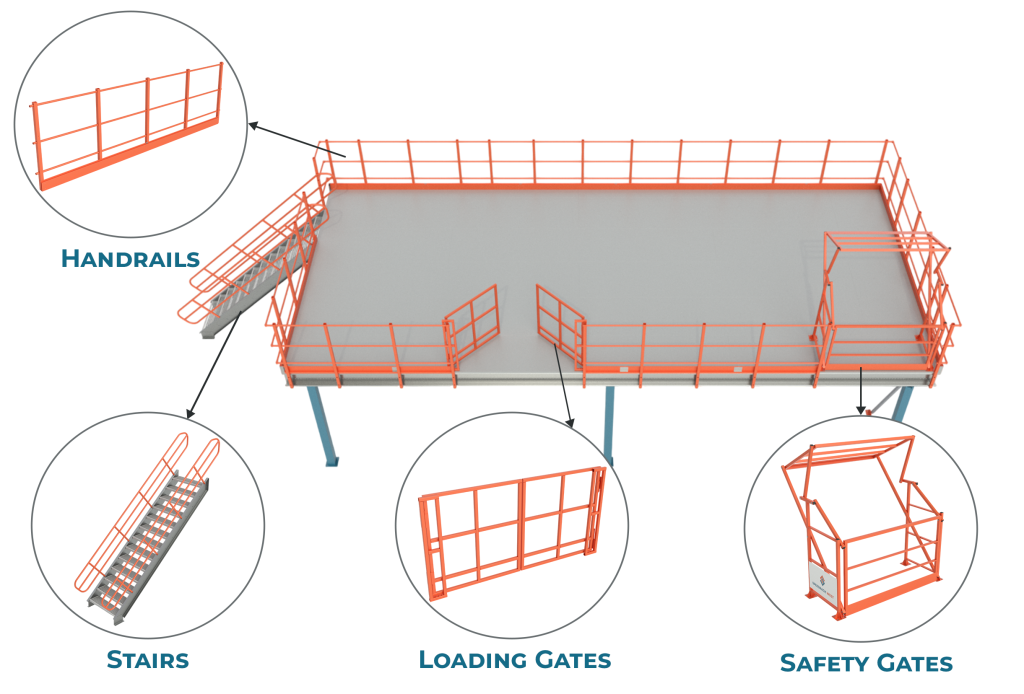
- Safety Features: Stairs, handlails, guardrails, safety gates, mezzanine loading gates, barriers, and fire protection systems to meet regulations and compliance.
Why does the material of each component matter? The material selection directly impacts the overall stability. The right components guarantee you structural integrity and longevity of the mezzanine system.
Support structure
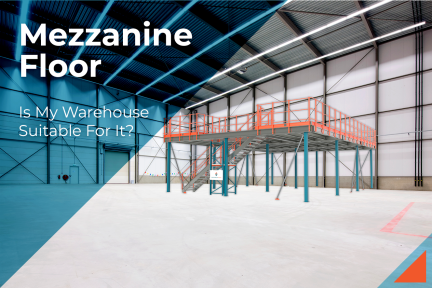
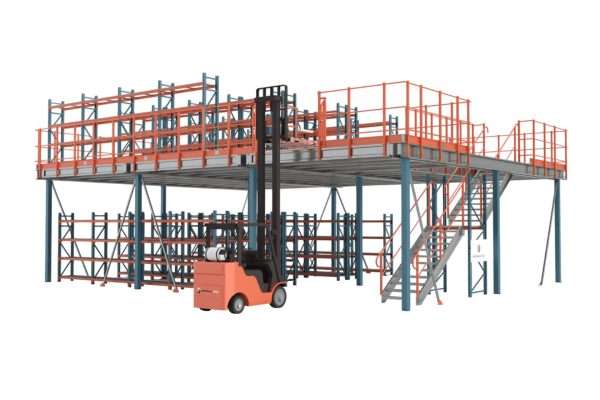
The support structure of a mezzanine system consists of mezzanine support columns and beams engineered to handle the mezzanine’s load and ensure stability. In structural mezzanines, these components are made of heavy-duty steel and designed as standalone structures, independent of existing racking. While this approach provides high load capacity, it often requires larger footings, more steel, and longer installation times. Structural mezzanines are typically used for highly customized applications where extreme weight loads or specialized configurations are necessary.
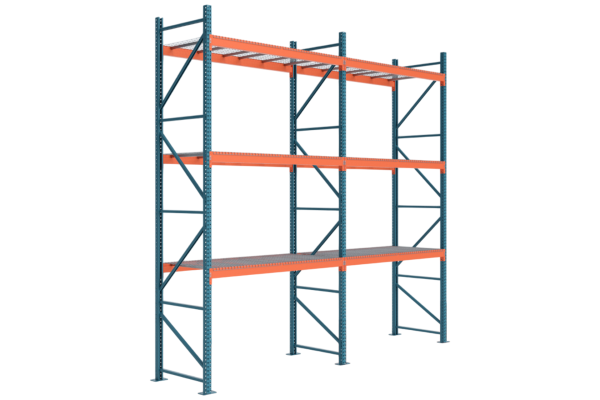
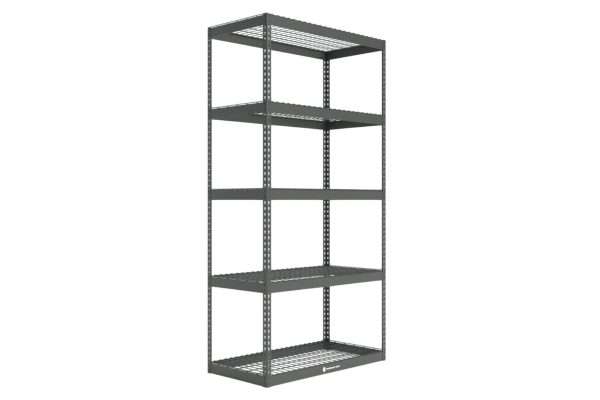
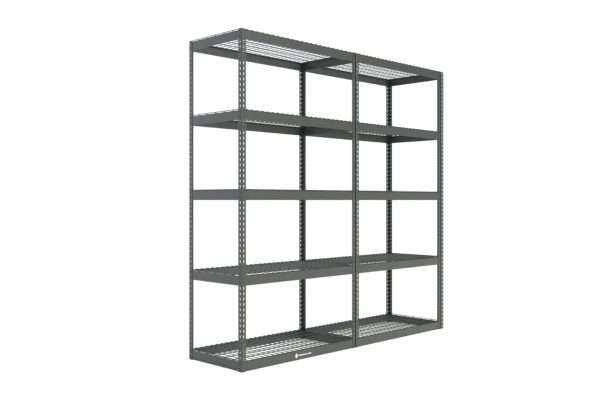
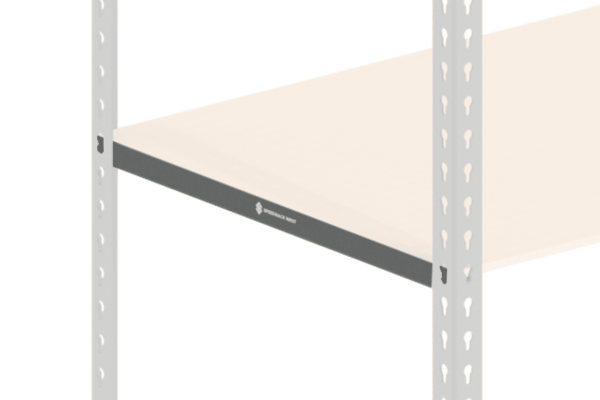
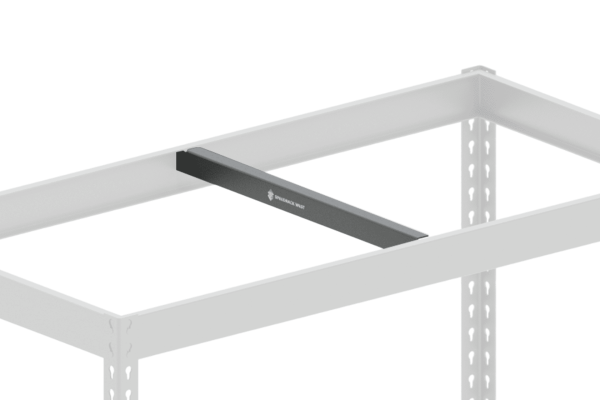
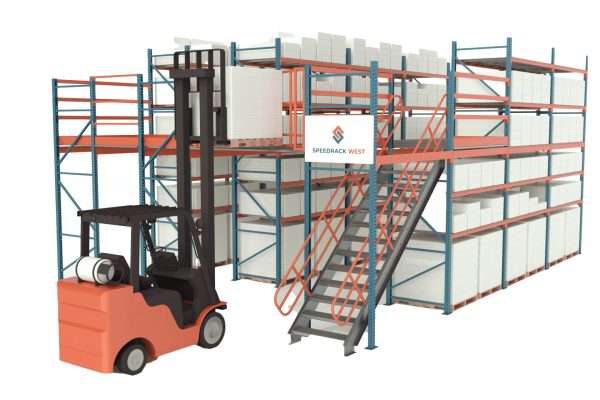
On the other hand, pallet rack-based mezzanines integrate with existing racking systems, using uprights and beams to support the elevated platform. You don’t even think about uprights, beams, bracing, etc. This design reduces material costs, minimizes installation time, and gives you a wide range of options for relocation or configuration. All you need to do is choose the right flooring materials and follow safety guidelines.
Flooring options
There are four common mezzanine flooring materials in mezzanine platforms: concrete, bar grating, synthetic plywood, and steel metal decking.
- Concrete flooring for an industrial mezzanine. It’s durable, but you won’t be able to move your structure easily. Think twice.
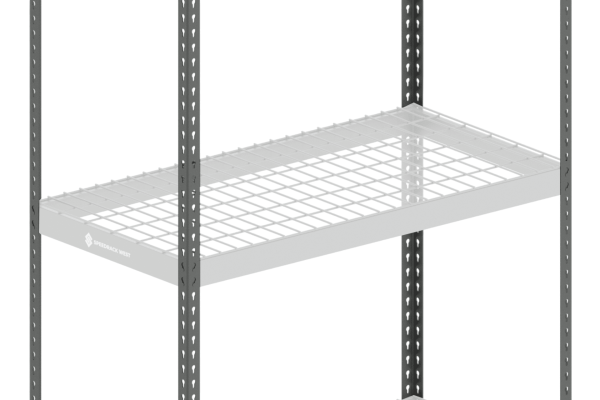
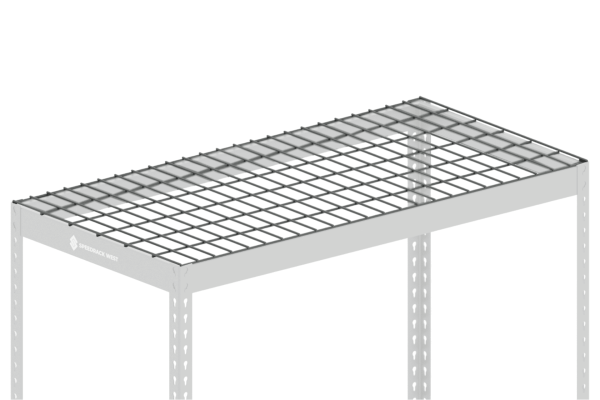
- Bar Grating. Benefits: easy to install, clean, and scale. Air, light, and heat flow through it.
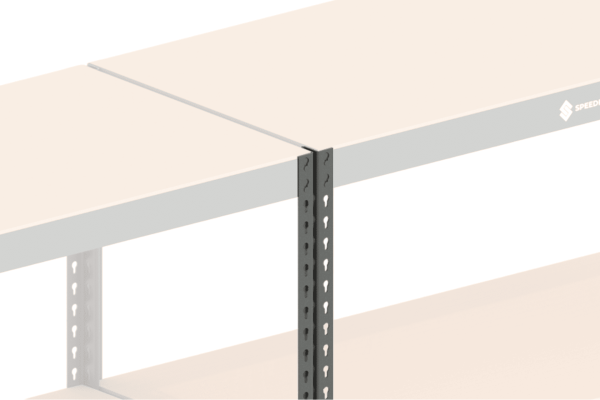
- Synthetic plywood (ResinDek) panels made of wood fibers and resin are a great choice for their strength and durability: withstanding forklifts, pallet jacks, rolling carts, autonomous mobile robots (AMR) and automated guarded vehicles (AGV).
- Steel metal decking (Metagard) is durable. To reduce costs, metal decking is sometimes used only in high-traffic areas, such as drop-off zones.
Which is better, it depends on the circumstances. An independent report¹ found that resign deck flooring panels were up to 34% more cost-effective than concrete when used on an elevated work platform, as well as 85 to 90% lighter than concrete. This allows for less steel in the support structure and the elimination or reduced size of footings.
At the same time, bar decking is traditional and economical: it can be used both inside and outside, and as a support platform for stairs.
Fall Protection & Safety Features
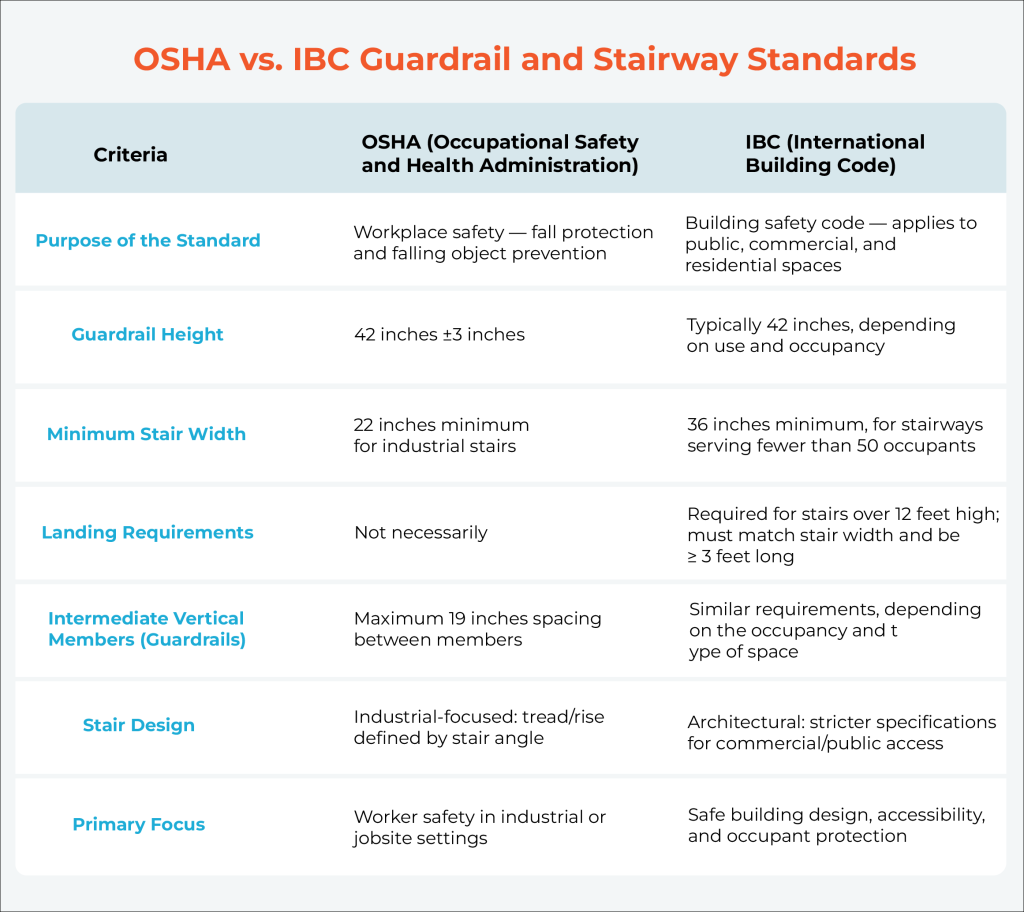
There are several mandatory standards for fall protection features, including OSHA, IBC, and ANSI. For example, OSHA 1910.29 outlines the requirements for fall protection systems and falling object protection, including criteria and best practices. Be sure to review these regulations to verify that your guardrail systems are well-organized and compliant.
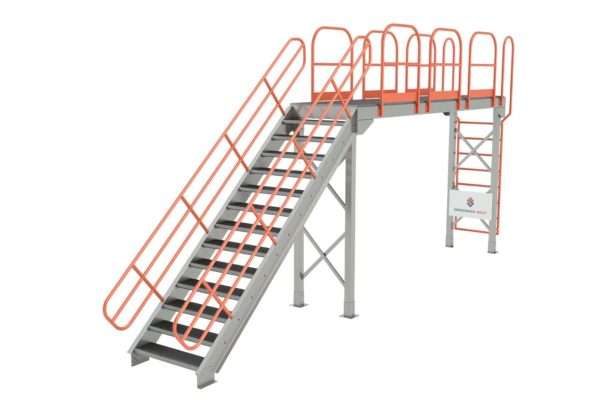
Like the IBC, OSHA sets specific measurement requirements for stairways. However, there are key distinctions between OSHA and IBC standards. Under the IBC, stairways serving an occupant load of fewer than 50 people must be at least 36 inches wide. Stairways taller than 12 feet require an intermediate landing at the midpoint. These landings must be the same width as the stairway and extend at least three feet in length. According to OSHA 1910.24, industrial stairs must be at least 22 inches wide, with rise and tread dimensions determined by the stairway’s angle.
Selecting the right components and materials is essential for the long-term performance of both structural and pallet rack-based mezzanine systems.
We’ll build your mezzanine with the components that fit your space, goals, and code.
Products, discussed in the article

Used Resources
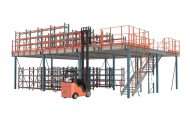
Structural Mezzanine
A raised platform built within a building, typically constructed from steel, that adds an extra level of usable space above the main floor
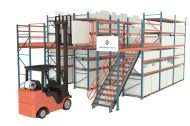
Pallet Rack-Supported Mezzanine
A multi-level storage platform built on top of existing pallet racking systems

Was this helpful?