
What Exactly is a Pallet Rack System?
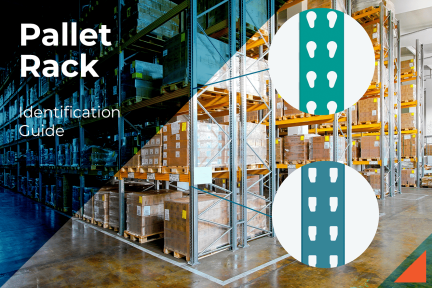
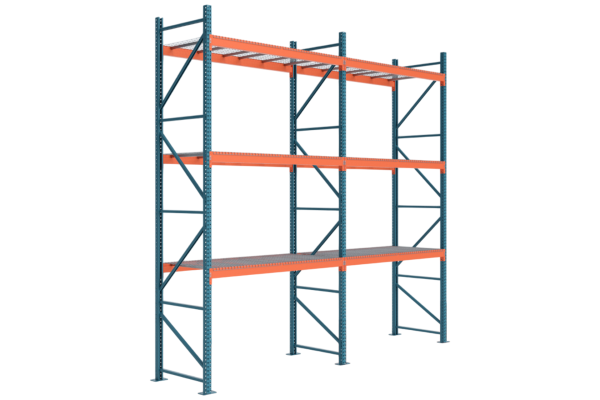
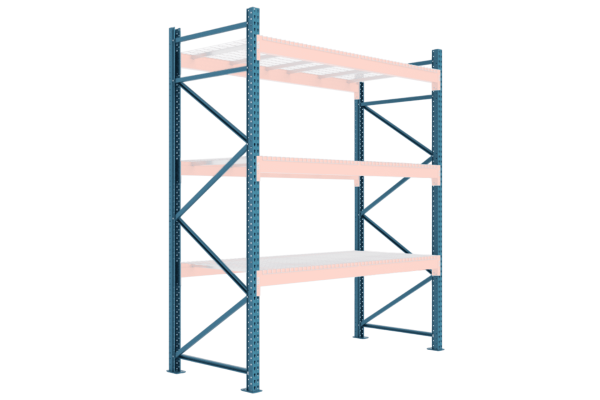
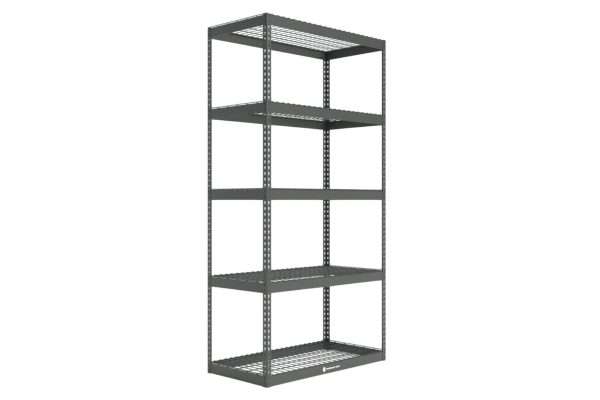
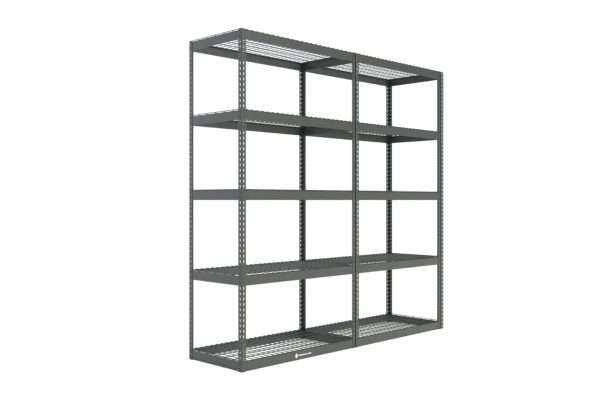
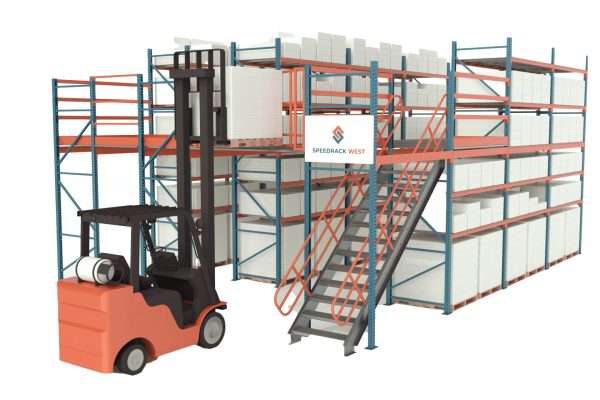
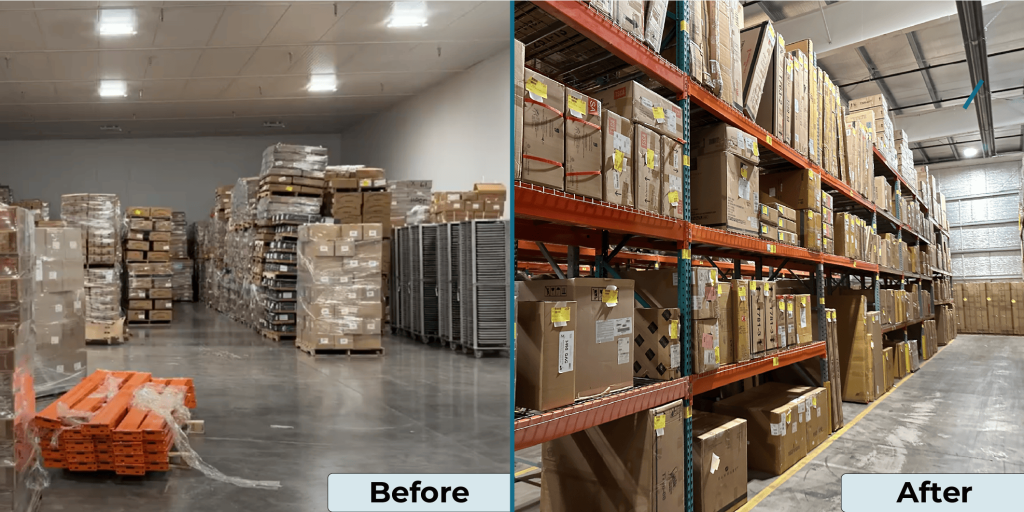
By storing pallets on the floor, you do not utilize the whole storage space. By lifting pallets and placing them on special equipment, you make efficient use of your floor space and can store more pallets than before. It comes to the pallet racking system. A well-thought-out rack system can save up to 50% of your floor space and even more. Pallet rack systems come in all shapes and sizes, suited for different warehouse needs. The most common is single selective pallet racking.
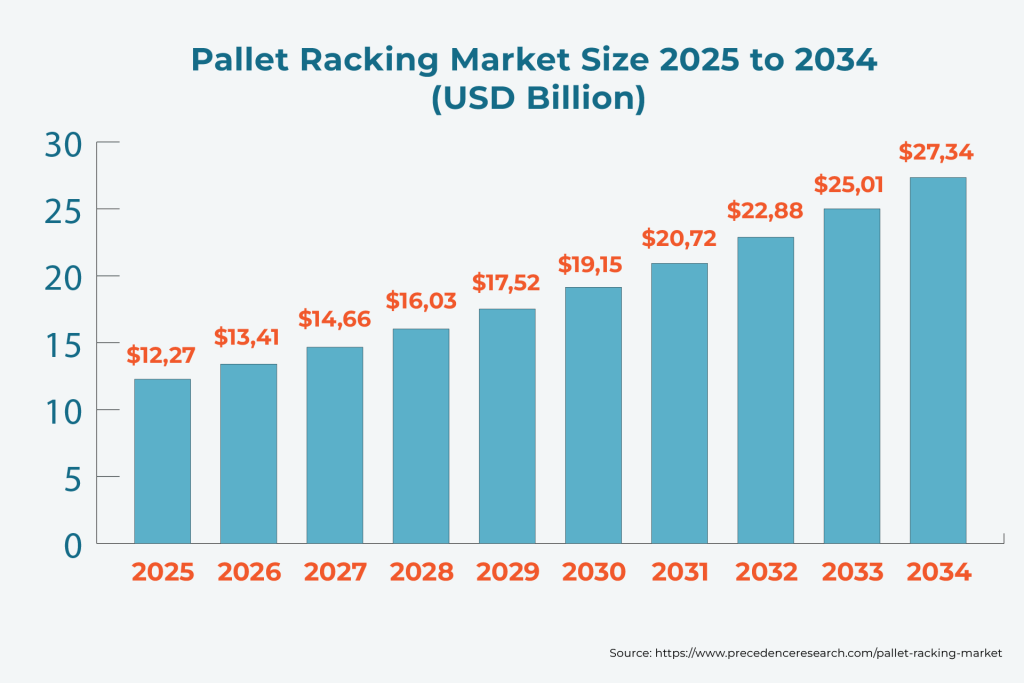
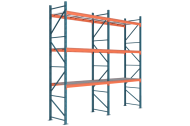
The Global Single Selective Pallet Racking market research report states that the global Single Selective Pallet Racking market size is expected to grow at an average CAGR of 9.31% from 2025 to 2034. This system strictly employs a first-in, first-out (FIFO) inventory management method, guaranteeing that the first pallets stored will be the first ones picked. Each cell with a pallet can be easily accessed using a wide range of handling equipment. By installing these racks back-to-back, you can create 8-9′ wide aisles for your equipment.
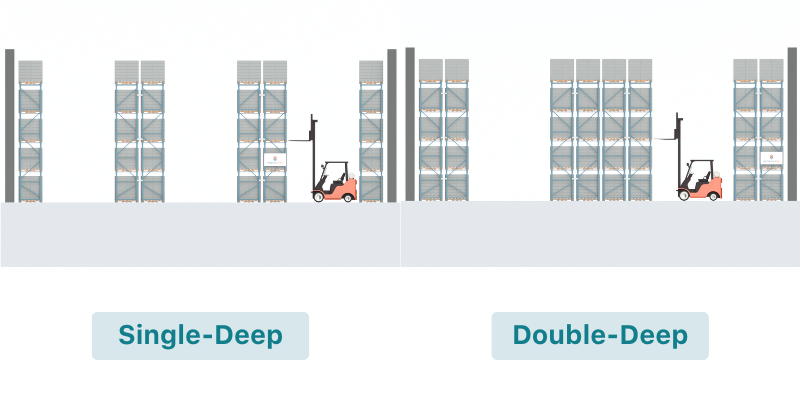
Conversely, double-deep racking allows for the placement of up to four pallet rack assemblies in a row, resulting in deeper storage on both sides of the aisle. By using the double-deep layout, you can eliminate up to 50% of your aisles compared to the standard selective rack system. By reducing the number of aisles, you can maximize storage space for your products. Yet, there’s a subtle point. Rack depth, pallet size, aisle width, and overall floor space are all factors to consider when choosing the right setup.
Selecting the Right Pallet Rack for Your Warehouse: Key Considerations
1. Your Warehouse Layout and Aisle Design
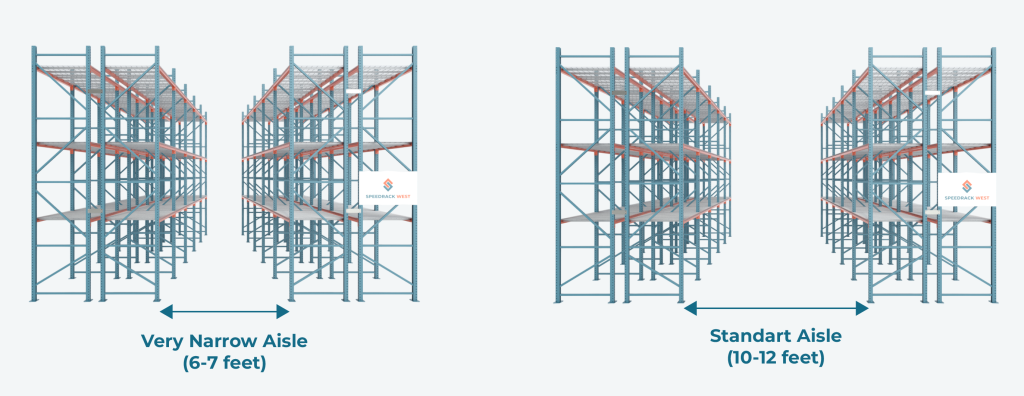
First things first: think about how many aisles you need, how wide they should be, and how much floor space you have. There are some types of pallet racking where the forklift operator does not need to cross the aisles but only delivers the loaded pallet to the loading and unloading cell. This is a narrow-style pallet racking system, you can read more below.
2. Your Inventory and Storage Needs
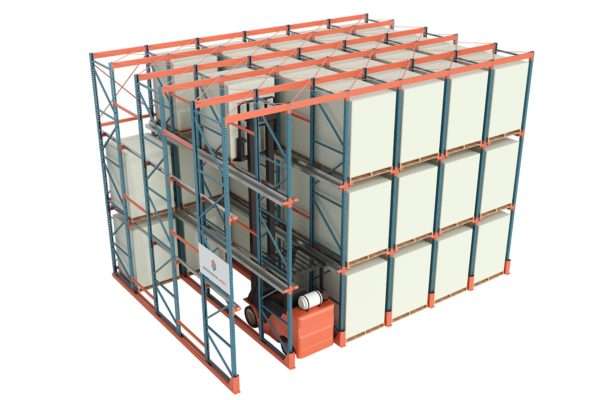
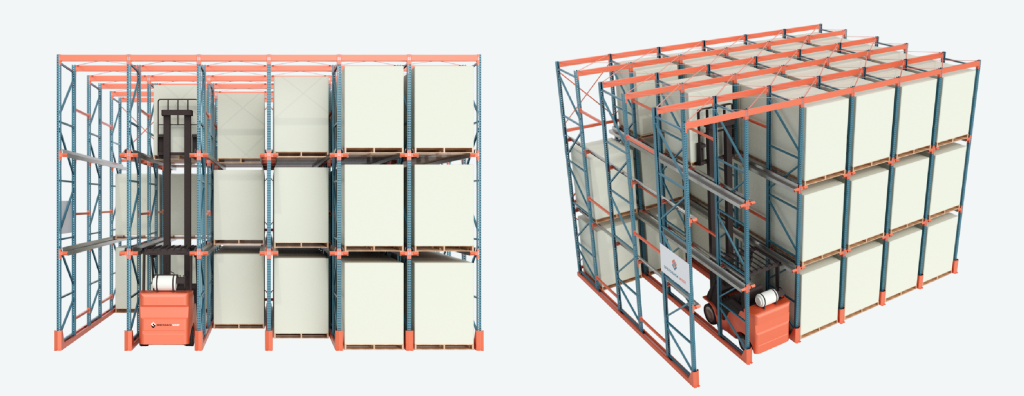
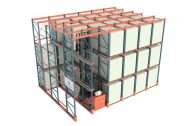
Next up is your inventory. The type, size, and storage requirements of your pallets will heavily influence your rack choice. For example, selective pallet racking is great if you need direct access to every pallet. It’s flexible and works well for different pallet sizes and goods. On the other hand, if you’re looking to pack in as much inventory as possible, drive-in racks might be more up your alley. They’re built for high-density storage and let forklifts drive right into the rack to pick up pallets. The trade-off? Less selectivity – meaning you can’t access each individual pallet as easily, but you get the high density.
3. Balancing Storage Density and Accessibility
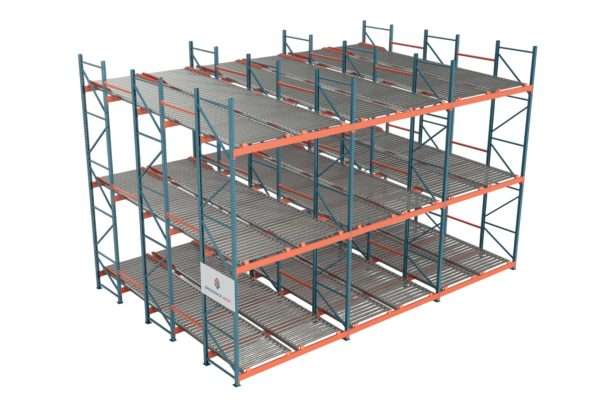
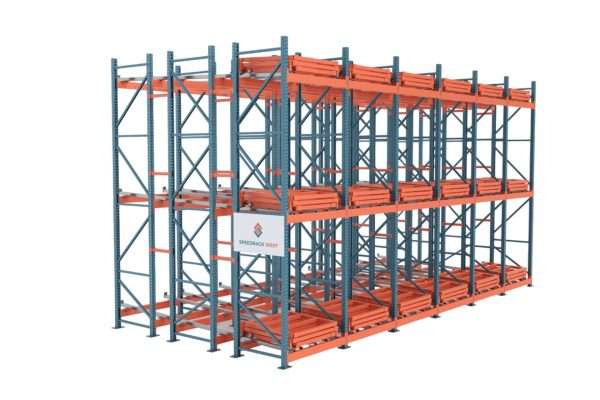
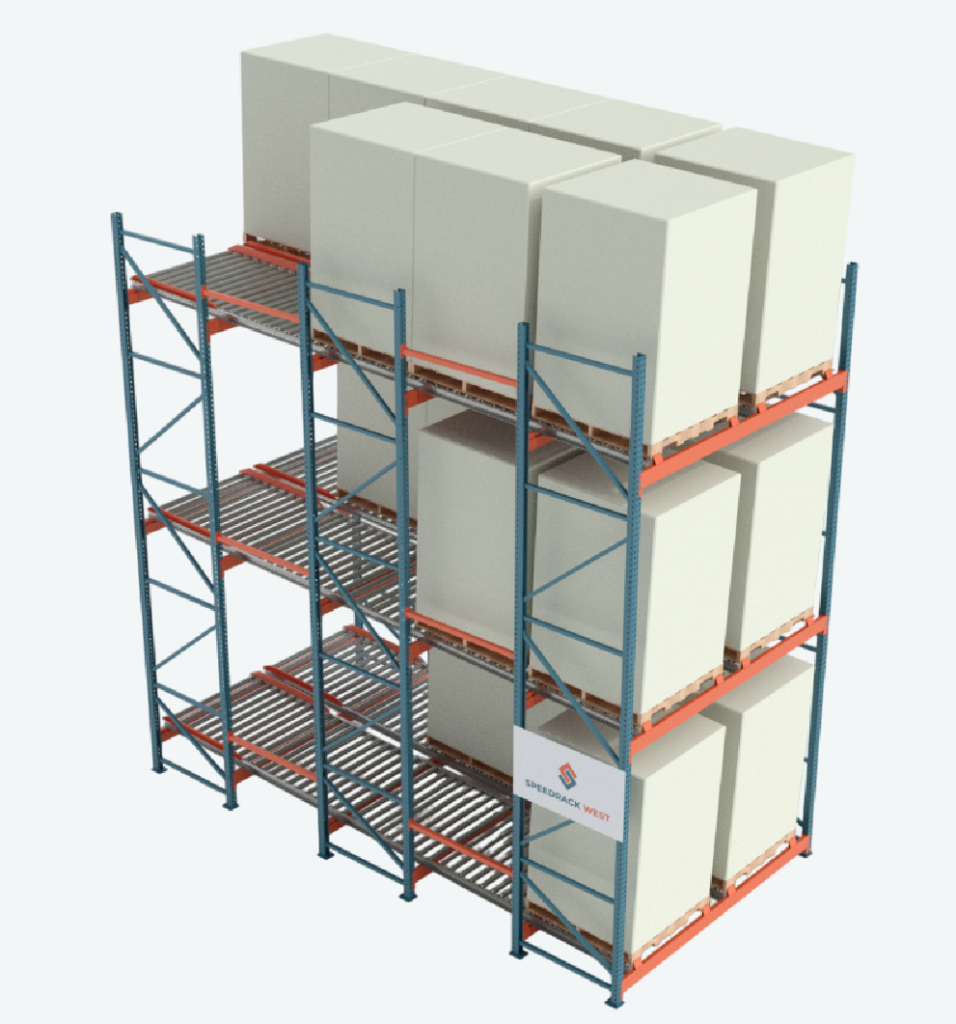
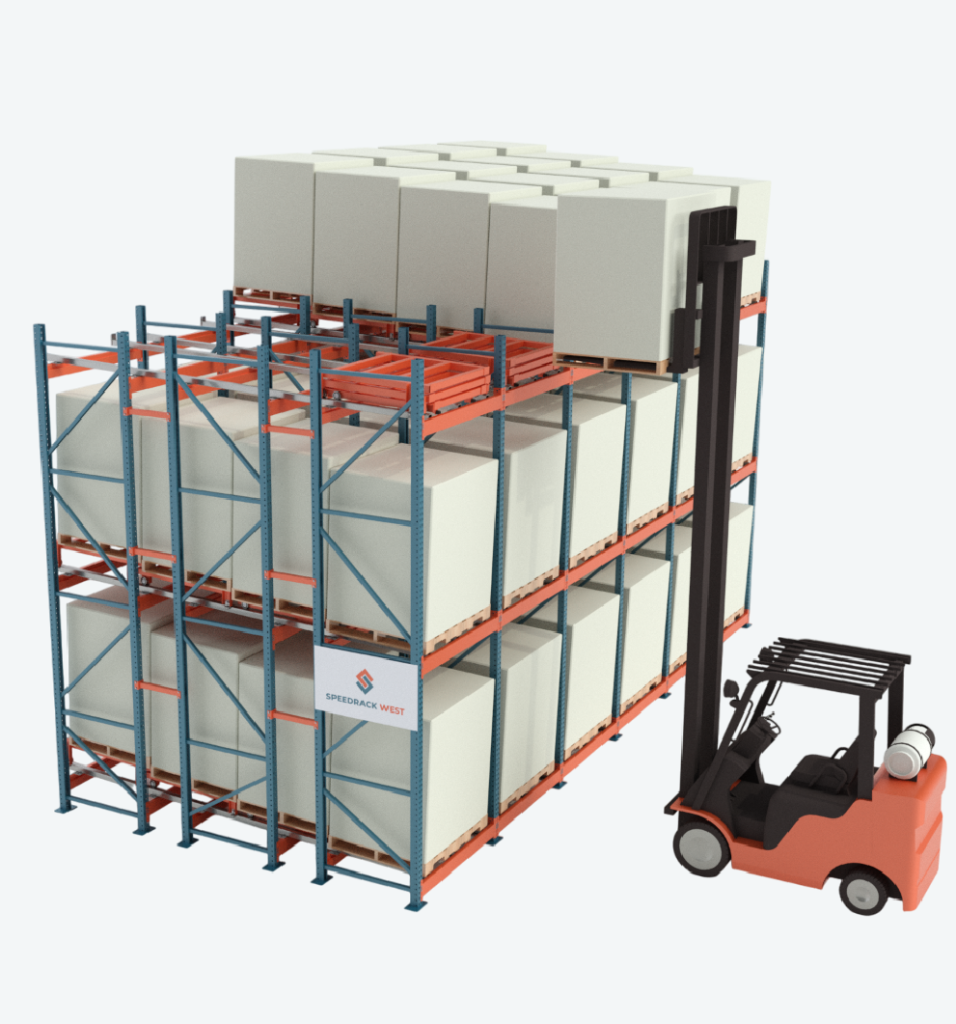
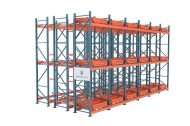
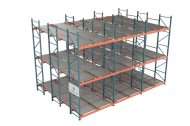
If maximizing storage density is your top priority, consider pallet flow racking or pushback racking. These flow racking methods use gravity or inclined rollers to move pallets forward, which means you can fit more pallets into your storage racks. Keep in mind, though, that any of these systems do not offer direct access to every pallet – they’re best for warehouses with lots of the same stock keeping units (SKU). If direct access to each pallet is non-negotiable, then a selective pallet rack is your go-to, thanks to the best selectivity.
4. Load Capacity and Rack Depth
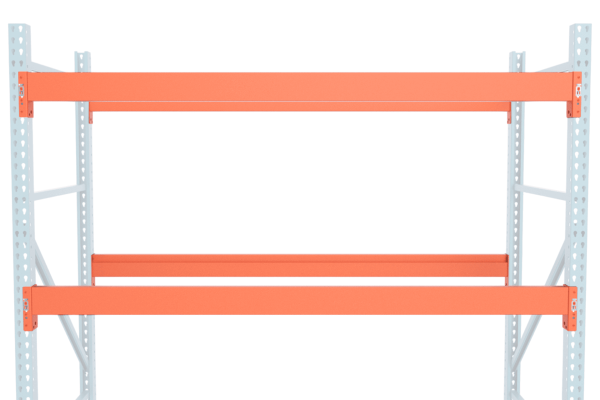
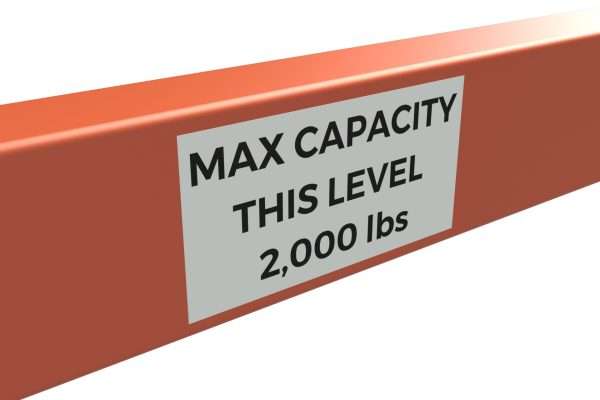
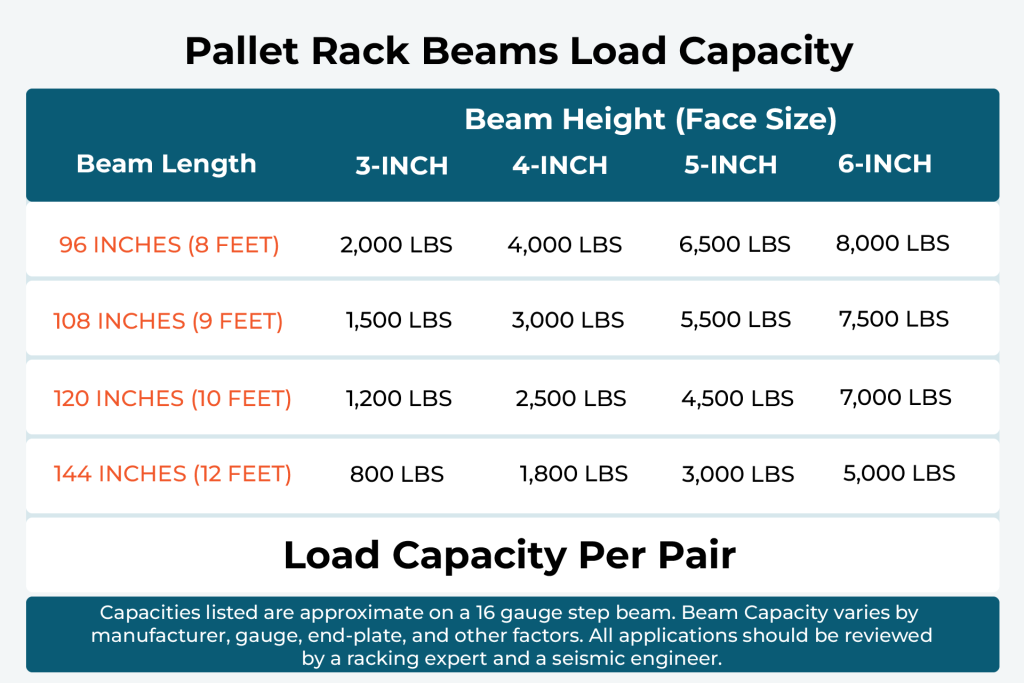
Not all racks are built to hold the same weight. Before you install anything, figure out the load capacity for your pallets and choose a rack system that can handle it. To choose the right beam for your pallet rack, you’ll need to identify the size and weight of your pallets, as well as determine the length and height of the beam. 8ft pallet rack beams are the most common beam length because they allow you to store two standard 48”D x 40”W pallets per beam level, and the shorter length helps to support heavier pallets. If you have larger pallets, you may want to select a 9ft or 10ft beam. If your pallets are not very heavy (ie, less than 2,000 lbs), 12ft beams could be a good choice. 12 ft beams allow you to fit three standard pallets per beam level. Beam size determines how much weight can be stored per beam level. Compare: beam length 96’’ – 8,000 lbs., 144’’ – 5,000 lbs.
5. Forklift Compatibility
Narrower aisles give you higher storage density, while wider aisles make it easier for forklifts to access each pallet. It would be best if you considered the turning radius of your forklift. For example, compare: sit-down counterbalanced – 12’ – 0’ aisle, stand-up deep reach – 9’ – 0’ aisle, and narrow aisle order picker – 4’ – 0’ to 5’ – 0’ aisle.
6. Think About Scalability
Your warehouse needs are bound to change, so pick a pallet racking system that’s easy to adjust or expand. An adaptable racking system will keep your warehouse running smoothly, no matter how your inventory evolves.
Racking System for Different Warehouse Types
Warehouses come in all shapes and sizes, and so do racking systems. Here’s a quick rundown of some popular options:
- Selective Racking: Perfect for warehouses with diverse inventory needing direct access to every pallet. This system is flexible and takes up around 45-50% of warehouse floor space.
- Drive-In Racks: Best for high-density storage with low turnover. Forklifts can drive directly into the rack, allowing for efficient storage in smaller spaces. Drive-in storage utilisation is 70-80%.
- Pallet Flow Racking: Uses gravity rollers to move pallets forward, making it ideal for first-in, first-out (FIFO) inventory management. Storage utilization is more than 85%.
- Push Back Racking: Stores pallets on nested carts and is great for quick access to multiple pallets of the same product. Storage utilization is up to 70%.
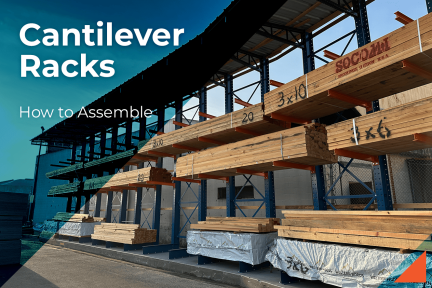
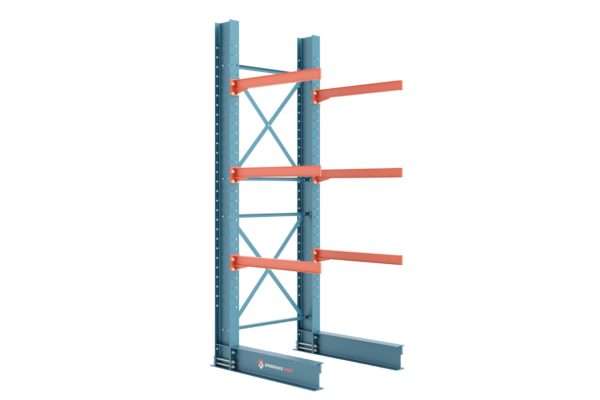
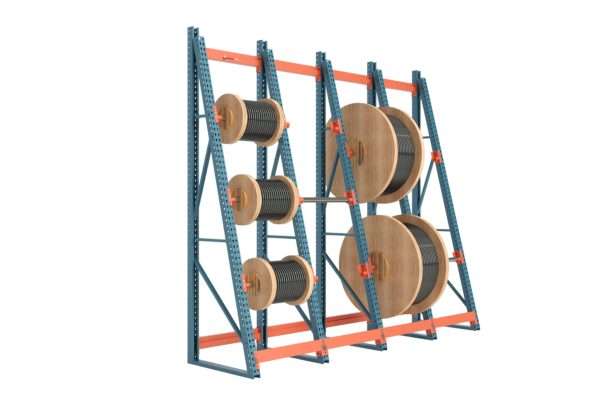
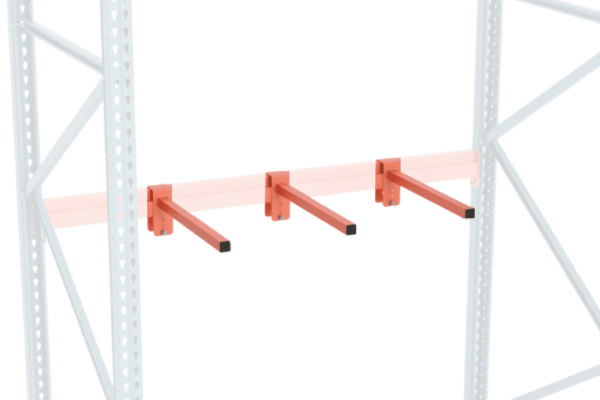
Sometimes you can read about using cantilever racking to store pallets. To be honest, cantilever racking is not designed for pallets, but of course, you can. Only add a layer and load a pallet onto the cantilever. However, this is the same as you would cut a cake with an axe.
Best Practices for Choosing Your Pallet Rack System
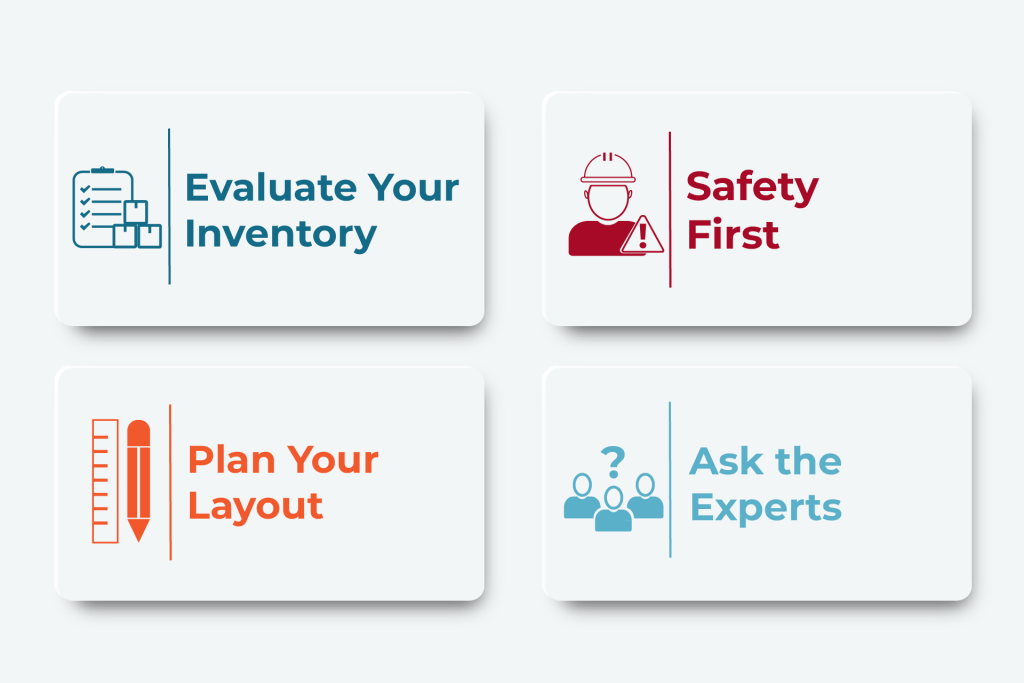
- Evaluate Your Inventory: The size, weight, and turnover rate of your inventory are key factors. Choose a rack system that fits your largest pallets while maximizing your storage space.
- Plan Your Layout: Your racking layout should factor in aisle width, rack depth, and the clearance needed between pallets and rack beams. Proper planning will make material handling easier and improve your storage capacity.
- Ask the Experts: If you’re still feeling unsure, consult a pallet racking solutions expert. They can help you design a racking system tailored to your warehouse’s specific needs.
- Safety First: Always keep safety in mind. Make sure the load capacity of your rack system matches your inventory, and have it installed properly to prevent accidents.
Wrapping It Up: Finding the Best Pallet Rack System for Your Warehouse
Picking the right pallet rack system is a big deal. It can make or break your warehouse’s efficiency and inventory management. By considering factors like warehouse layout, storage density, load capacity, and forklift compatibility, you can select a pallet racking system that suits your needs. Whether you need direct access with a selective pallet system or high-density storage with drive-in racks, the right setup will boost your warehouse’s productivity.
Investing in the best pallet racking system is more than just about storing stuff – it’s about building a more organized, streamlined, and productive operation. So, take your time, assess your needs, and don’t hesitate to bring in some expert advice to make sure your racking system is spot on.
Build a smarter warehouse today
The right racking system saves time and space.
Products, discussed in the article


Was this helpful?