
Boltless shelving system: choose the right
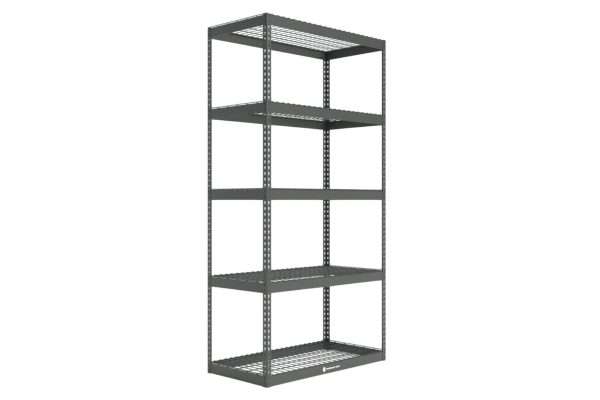
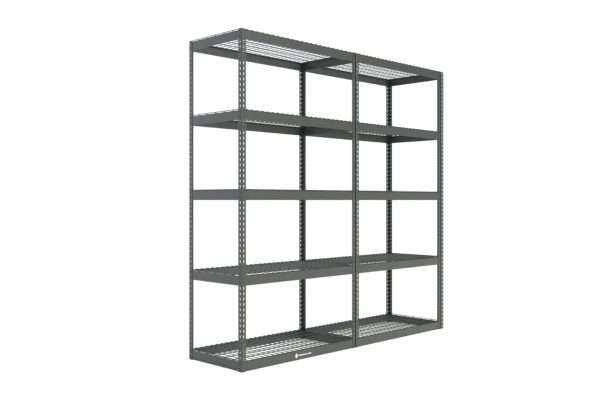
Boltless shelving units are perfect for hand-stacked storage applications. You can use them in a variety of places, from garages to storage spaces, and integrate them with warehouse robotic systems, as Amazon has done. A boltless RiveTier shelving system has a modular design with many additional options. Thanks to that, it lets you build a system that fits your space and your needs.
Moreover, shelving units have optional wheels that can be added to make the unit mobile. Many use these mobile shelving units as highly configurable carts. The wheels consist of a mounting bracket and a 3” caster wheel. The wheels have a capacity of 800 lbs per shelving unit. Braking wheels include a foot-activated brake pedal to lock the wheel.
Naturally, it is possible to enhance the shelving unit’s versatility and functionality by incorporating additional features such as a hang bar, tire cleat, backstop, aisle and wall ties, among others.
Type of boltless shelving
The boltless shelving is part of a large family of shelving system units. The family includes boltless shelving and industrial shelving.
Industrial shelving comes in medium and heavy-duty and organizes the storage of non-palletized goods.
Boltless shelving is a light-duty shelving unit that is ideal for manual storage. This style of shelving is also called “Boltless Rivet Shelving” or “Bulk Rack.” You can use them in a variety of places, from garages to warehouses.
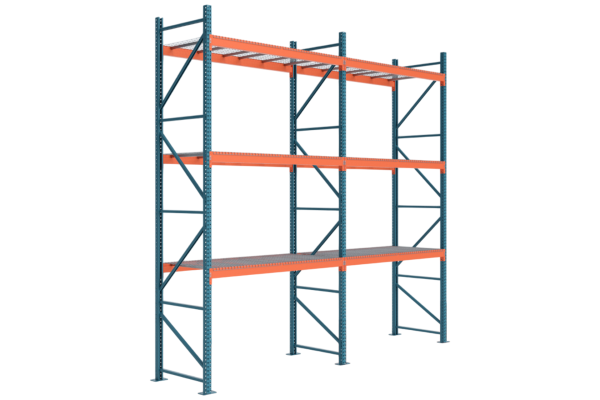
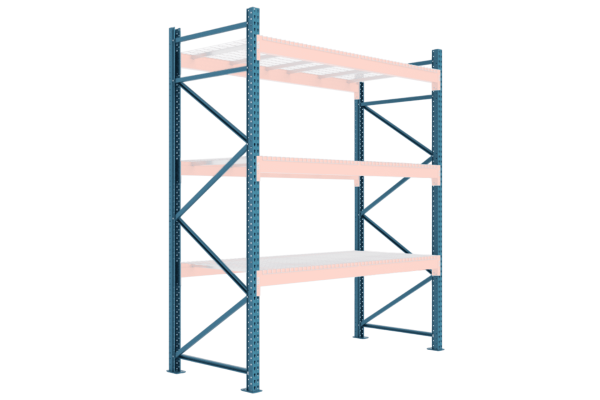
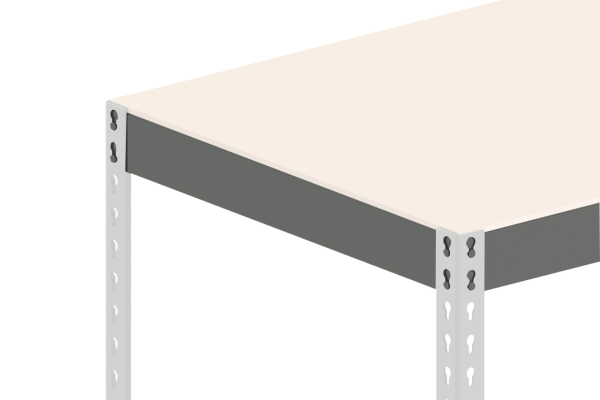
One of the main advantages of a boltless rivet shelving system is its modular and configurable design. These storage shelves are made of three main components: posts, crossbars, and shelves.
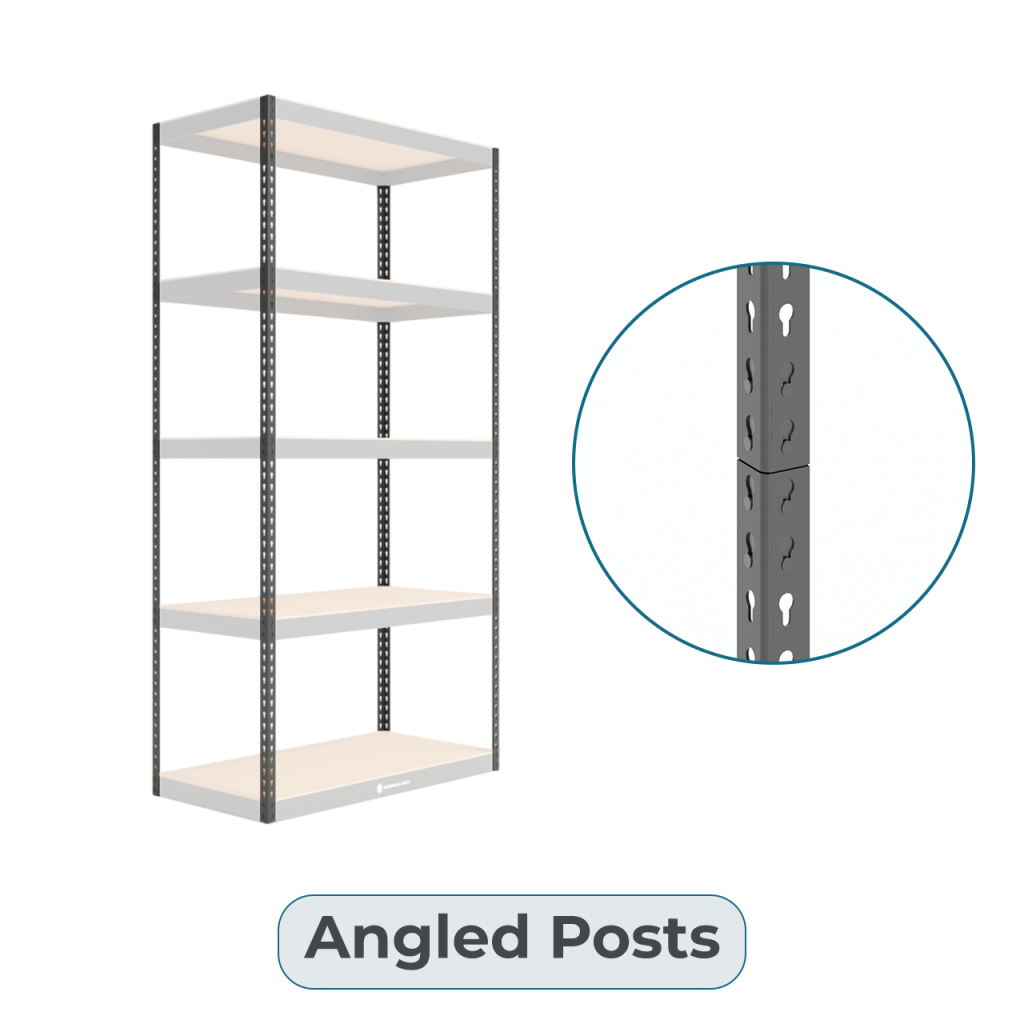
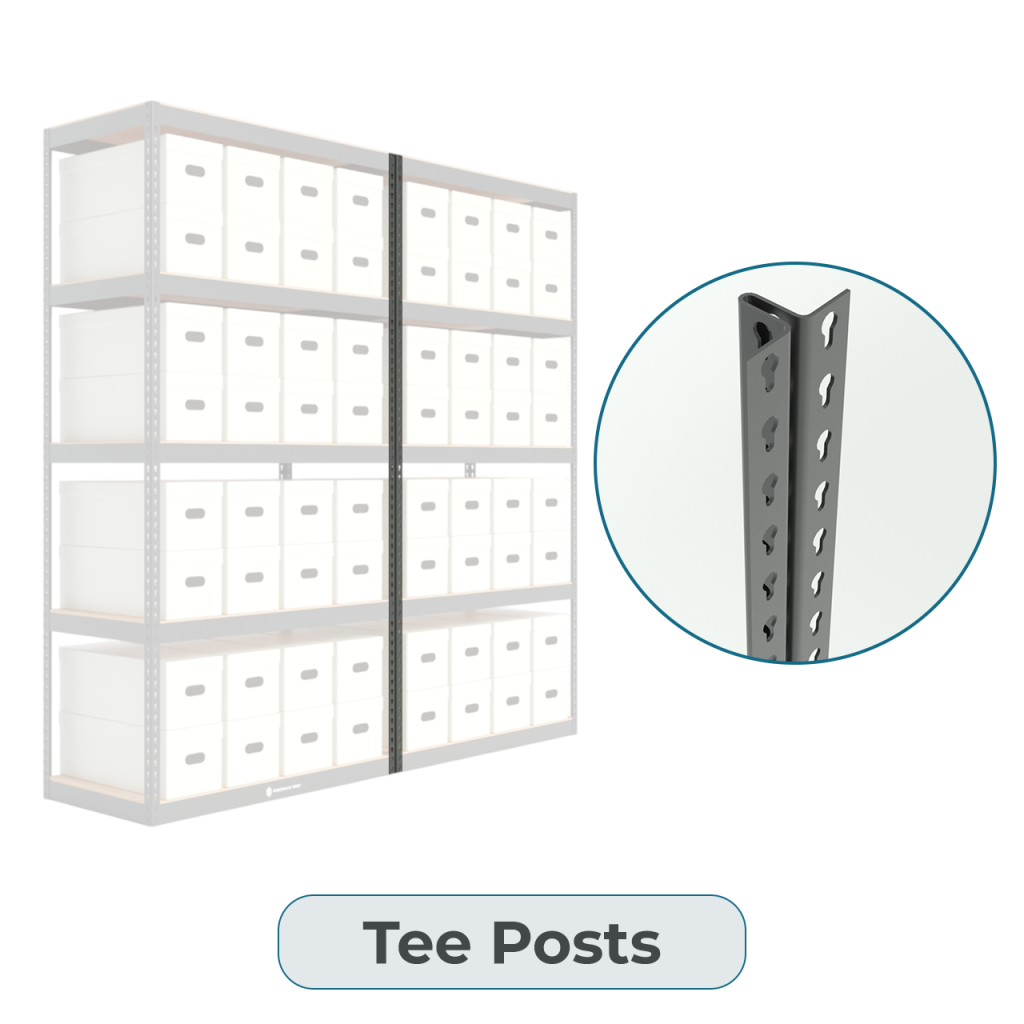
Posts
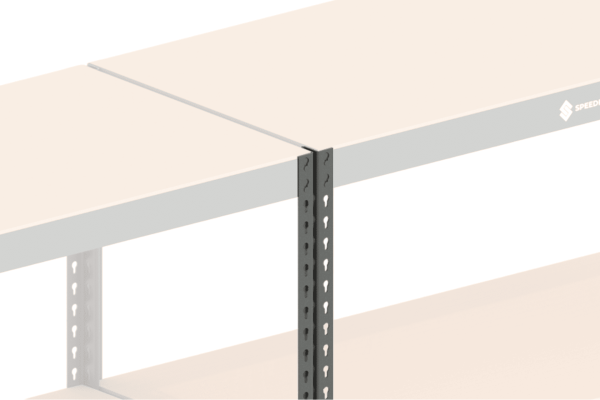
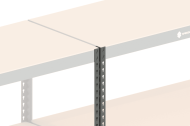
The upright piece (sometimes called an L-Post or Angle Post) comes in heights of 6, 7, 8, 10 and 12 ft tall.
There are three post types:
- Standard Duty LURH: 1 1/2” x 1 1/2”, for applications up to 12′ high
- Common Posts TUR (T-Post): for adder units up to 12′ high, not suitable for seismic applications
- Heavy Duty LURHD: 1 7/8” x 17/8 ‘, for applications over 12′ high, large capacity and mezzanine
Cross Beams
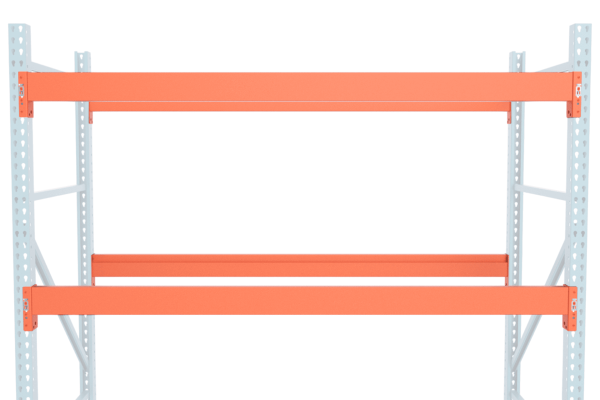
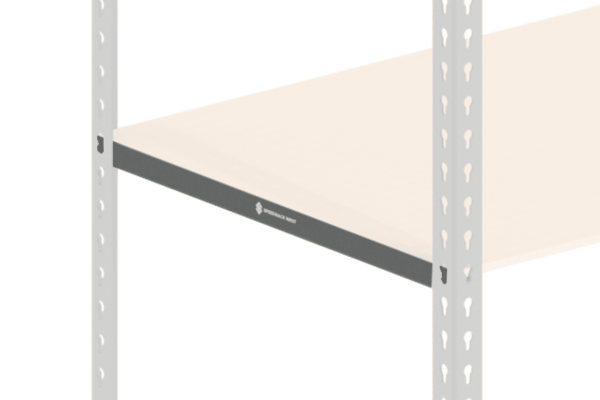
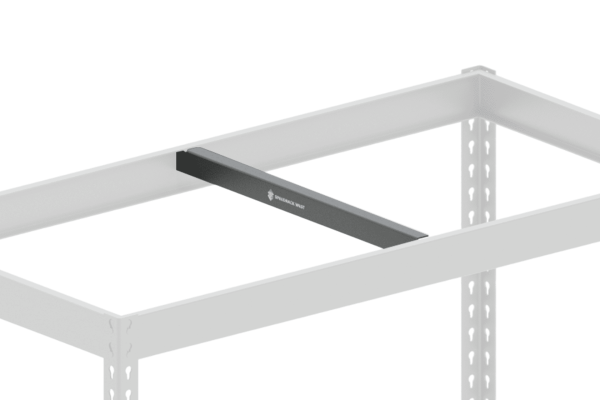
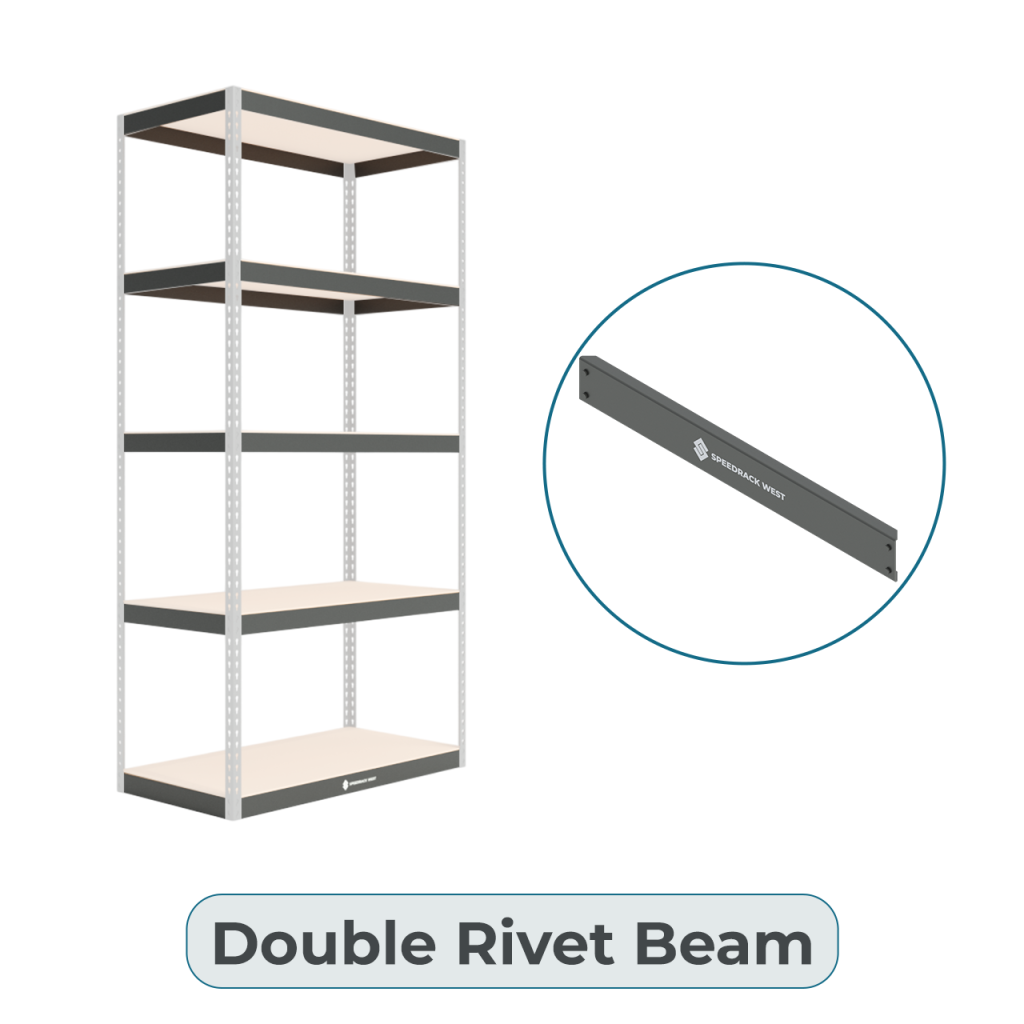
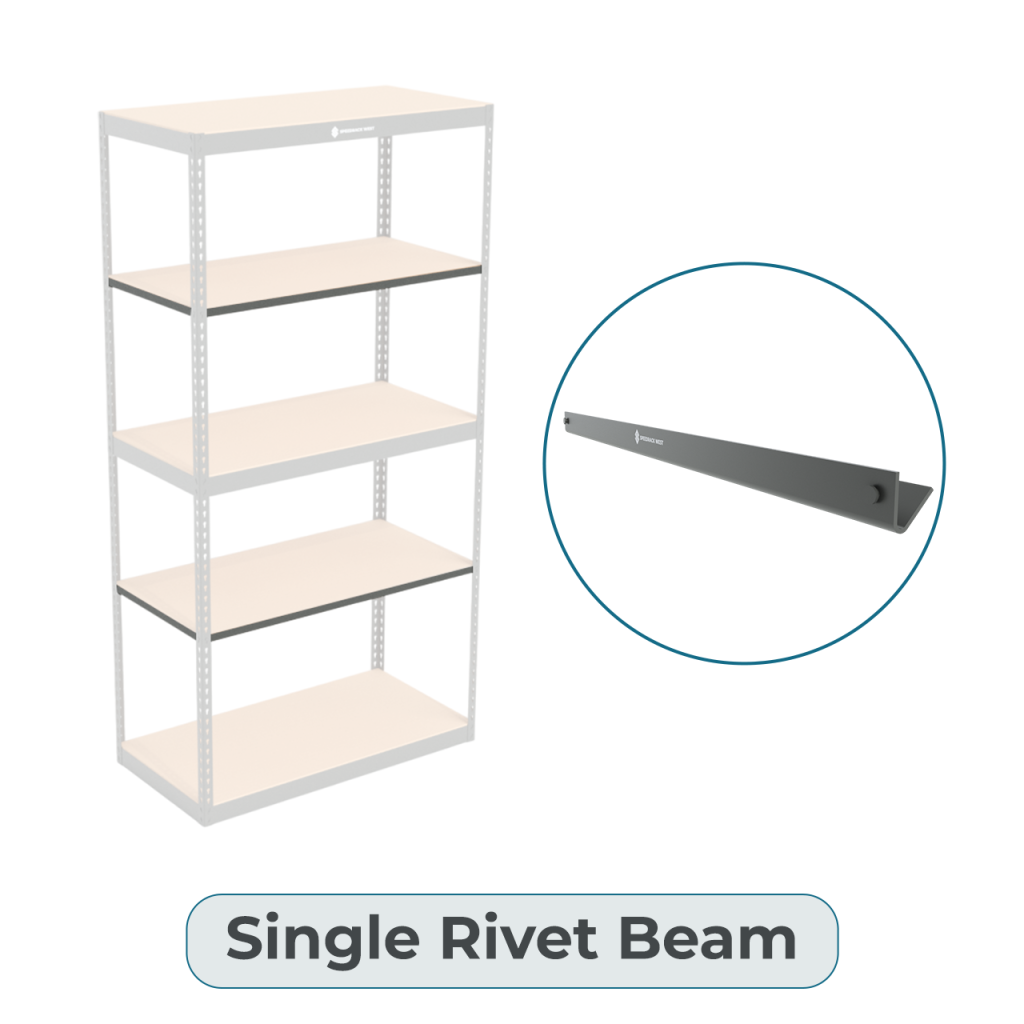
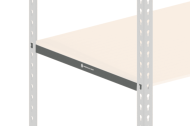
These beams (called “double rivet beams”) connect to the posts and support the shelf. Cross bars come in the following sizes: 12”, 15”, 18”, 24”, 30”, 36”, 48”, 60”, 72”, 84”, 96”.
Here are some beam types:
- Low Profile: standard lengths 3′ to 4′, load capacity up to 350 lbs per shelf.
- Z Beam: standard lengths 3′ to 6′, load capacity up to 2400 lbs per shelf. The reduced beam profile increases vertical clearance by 1 1/16’’ per shelf.
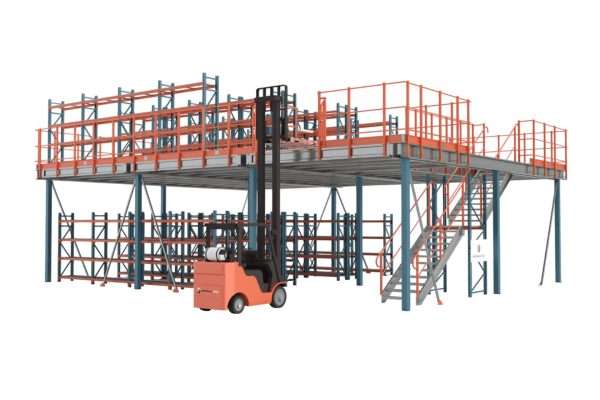
- Long Span SS Beam: standard lengths 3′ to 8′, load capacity up to 2400 lbs per shelf, and heights up to 21 feet with no splicing. They are available in the mezzanine application to double your storage space.
- Long Span SSC Beam: standard lengths 3′ to 8‘, load capacity up to 2400 lbs per shelf.
Shelf
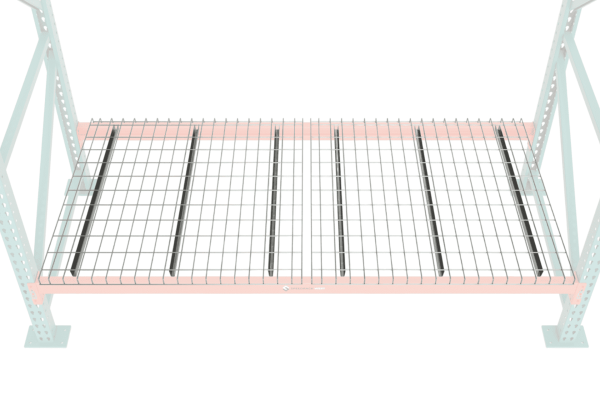
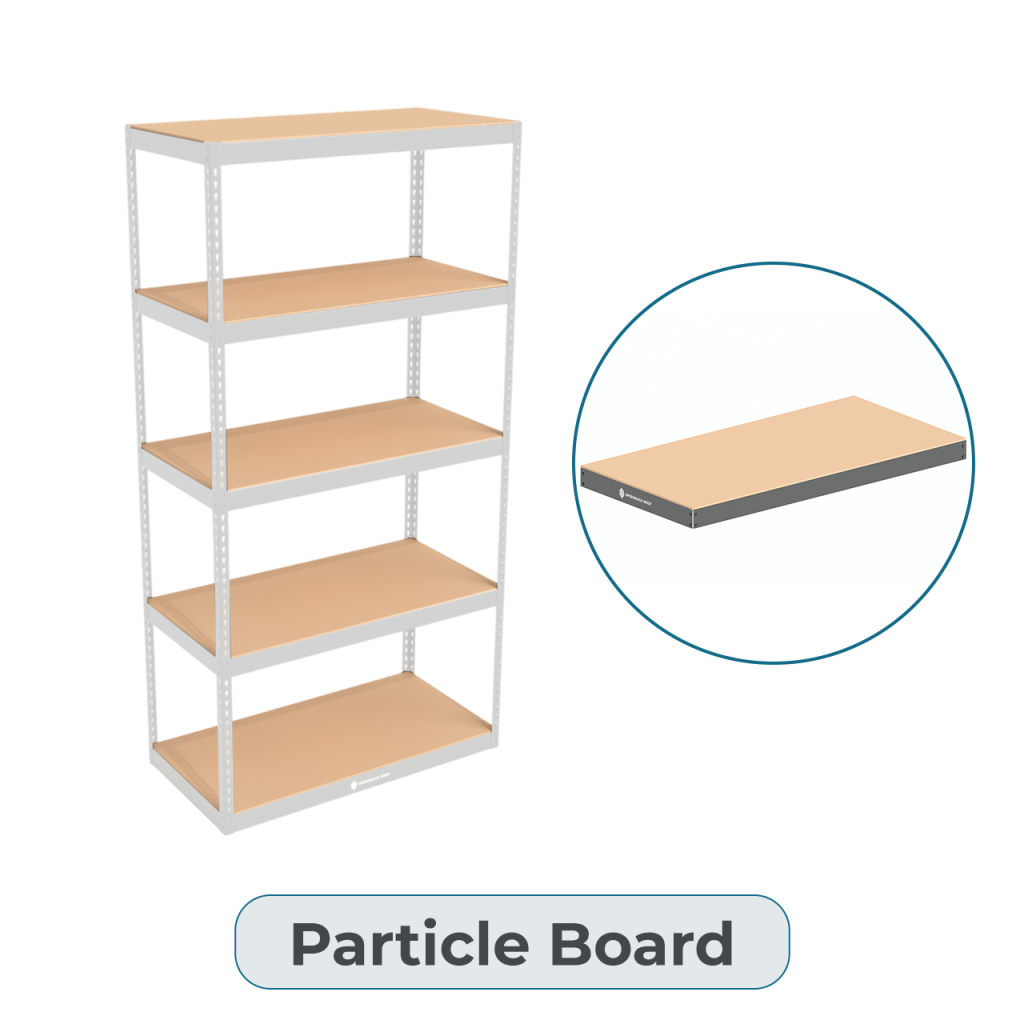
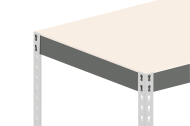
Generally, you can choose your own shelf covering material: particle board, white melamine, wire and metal shelving, or corrugated metal.
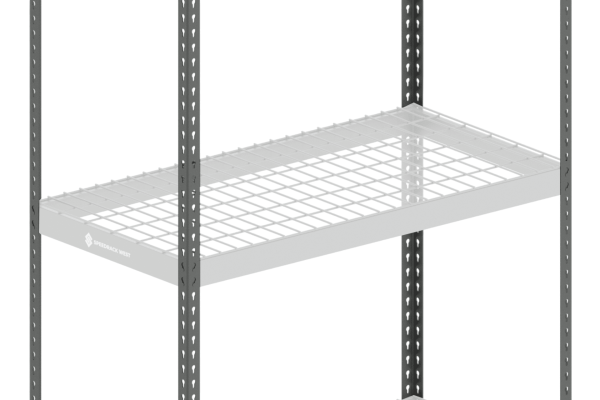
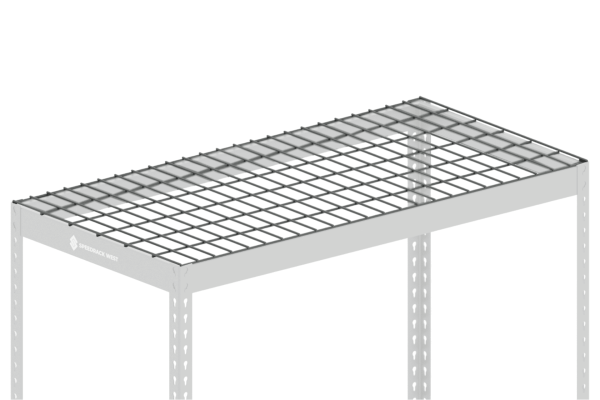
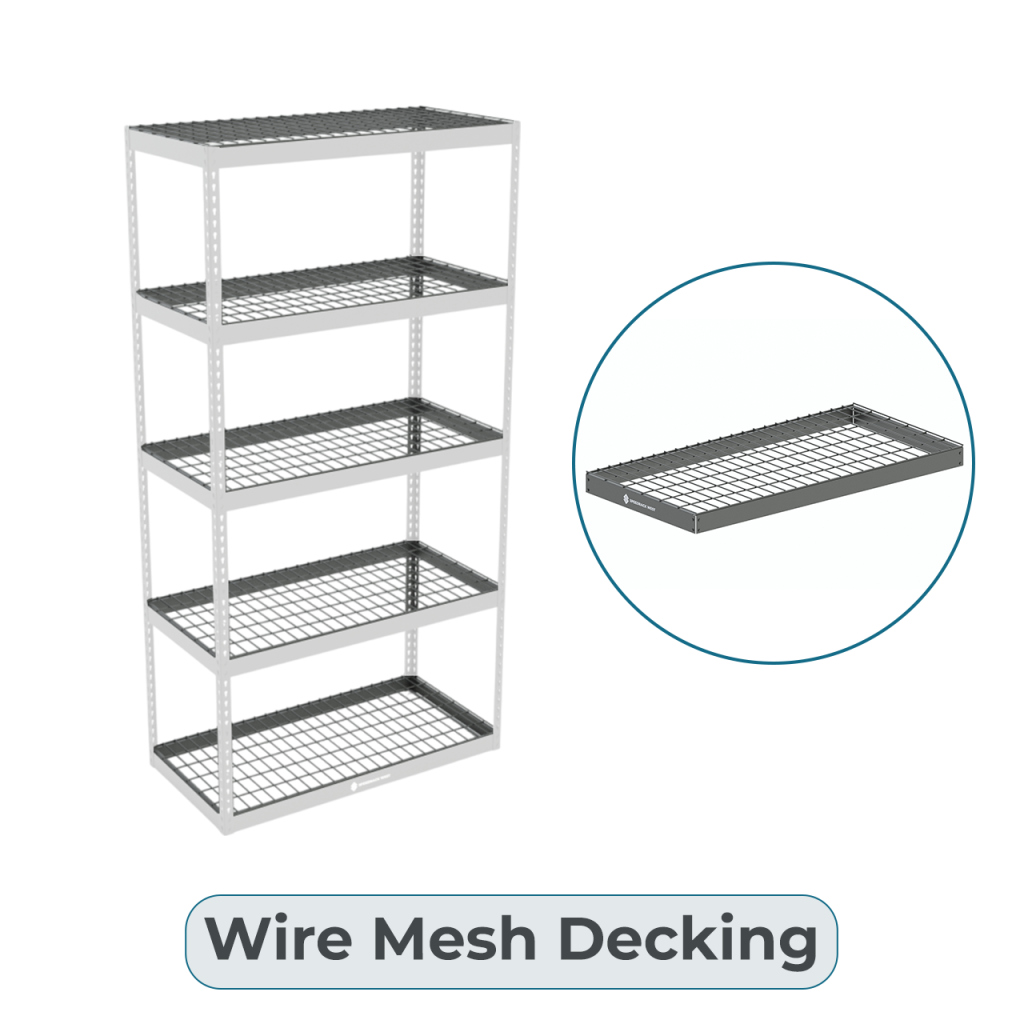
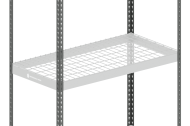
The main shelf can be either particle board or wire mesh decking. Particle board is generally less expensive than wire mesh decking. However, Wire Mesh Decking provides greater capacity and also holds up well to moisture.
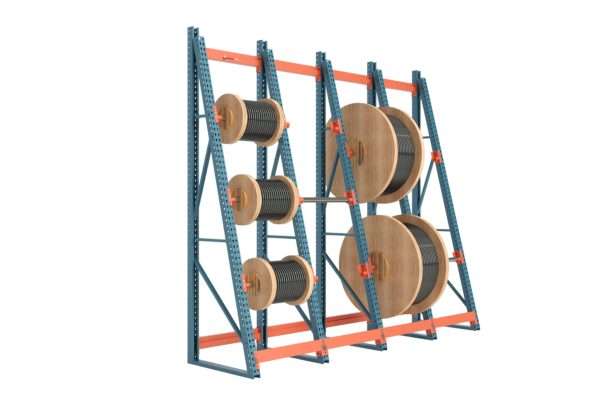
Additional shelving configurations: Slopped-style, Tire rack, and Archive storage.
Thus, you can customize the height, depth, length, number of shelves, and shelf cover to achieve the capacity you need.
Capacity: buying the best boltless shelving system
The capacity of each shelf varies based on size. Typically, these capacities are between 600 lbs and 1750 lbs per shelf. For larger shelves or where additional capacity is required, Tie Supports connect to the beams to increase the strength and capacity of the shelf. Here are some sample capacities of our most popular sizes:
The metal shelving is cost-effective, easy-to-install, and versatile storage equipment. However, it has some limitations, which should be considered based on specific storage requirements.
Advantages and disadvantages of boltless shelving
The boltless warehouse shelving is cost-effective, easy-to-install, and versatile storage equipment. However, it has some limitations, which should be considered based on specific storage requirements. Here’s a detailed breakdown of the pros and cons of boltless warehouse shelving.
Pros
- Cost-Effective. No installation team, and no installation expenses. It is ideal for DIY installations and reduces labor costs, often saving around 30% on installation expenses.They are 40% less expensive than metal shelving.
- Fast Assembly. No nuts, bolts, or tools are required for assembly. Users can complete installations up to 50% faster compared to bolted shelving systems. They have a user-friendly design.
- Broad Applications. With various types, capacities, and sizes available, they are suitable for a wide range of storage needs and efficiently handle most light to medium-duty storage applications.
- Free-Standing Design. There is no need for wall anchors or additional support for freestanding installation. Maintains stability under standard conditions of use.
- Direct Access: No bracing means full access from all four sides, making it easier to retrieve and store items without obstruction.
Cons
- Weight Restrictions: While it supports 600 lbs to 1750 lbs per shelf, it may not be suitable for extremely heavy or industrial loads compared to more specialized shelving systems.
- Not for High-Density Storage. Don’t expect boltless racking to be as space-efficient as more sophisticated systems such as pallet or high-density racking. It’s not their problem, it’s just different equipment. Choose it according to your needs.
- Frequent reconfiguration. Boltless shelving is easy to use and can be tempting to put together or take apart often. Note that this is not a children’s constructor, reusing locking mechanisms can lead to wear and tear and reduced performance.
- Most cities/counties technically require permits for any shelving unit over 5’ 9” tall. We commonly see fire marshals enforcing permits for pallet racking, and less often for light-duty shelving. However, permit compliance for shelving and shelving seems to have increased over the past few years. Getting a permit when installing your storage system will save you a lot of headaches in the future. Take care of this in advance.
Stage by stage: almost complete guide to boltless shelving
Assembling storage shelves is simple. The only tool required is a rubber mallet. Here’s a step-by-step guide to help you with the installation:
Materials and tools you need:
- Boltless shelving unit kit
- Level
- Hammer or rubber mallet
- Measuring tape
- Safety goggles (recommended)
- Work gloves (recommended)
Stage 1: Prepare the place
Choose a flat, stable surface for the shelving unit. Ensure there’s enough space for the full assembly and future use. Remove any items or obstacles from the space where you’ll be working. Make sure the floor or wall where you’ll place the shelving unit is level. Use a level to check this.
Stage 2: Organize
Unpack the Kit and verify the parts.
Stage 3: Assemble
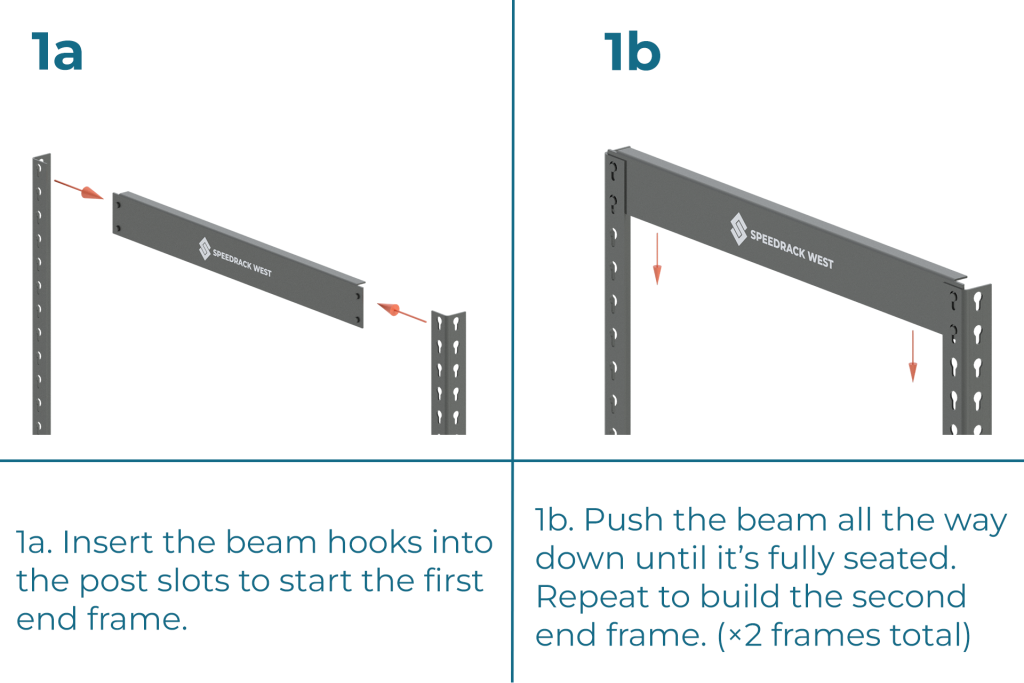
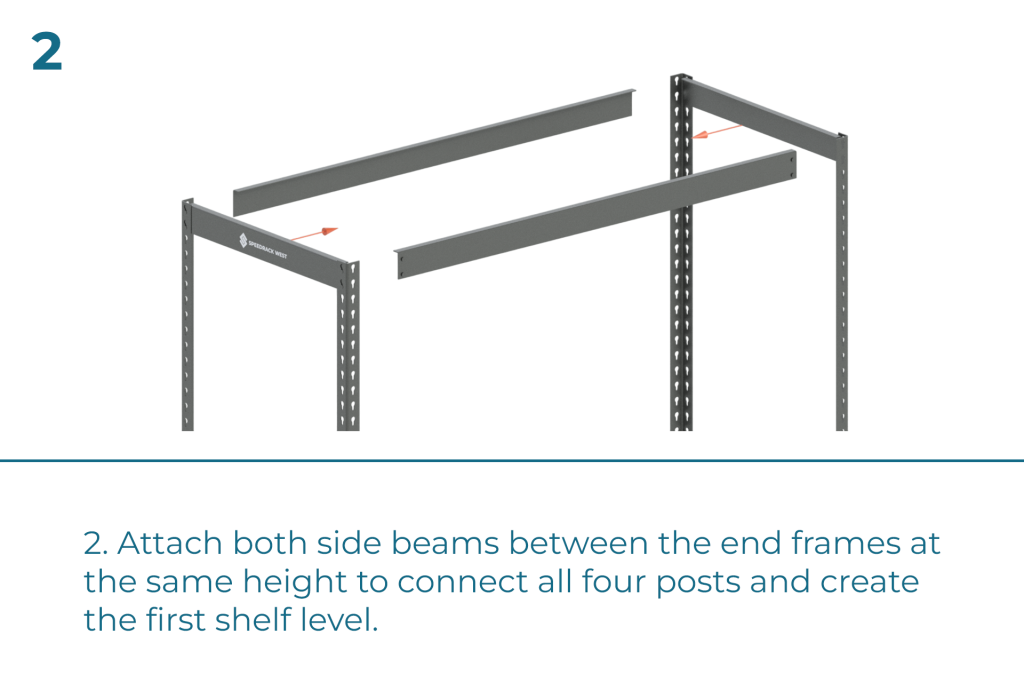
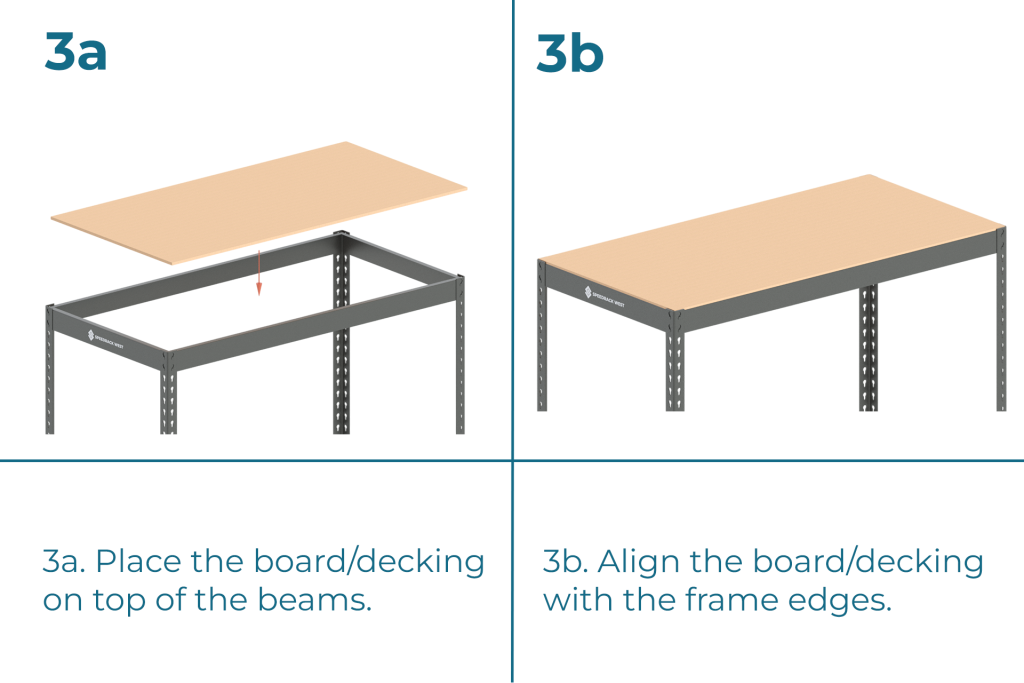
Position the vertical posts where you want the shelving unit to be. Insert the horizontal beams into the slots on the vertical posts. These beams will form the frame of the shelves. Make sure they are level and evenly spaced. Place the shelves onto the horizontal beams. The shelves should fit snugly into the beams’ slots. If your shelving unit allows for adjustable heights, set the shelves to your desired positions.
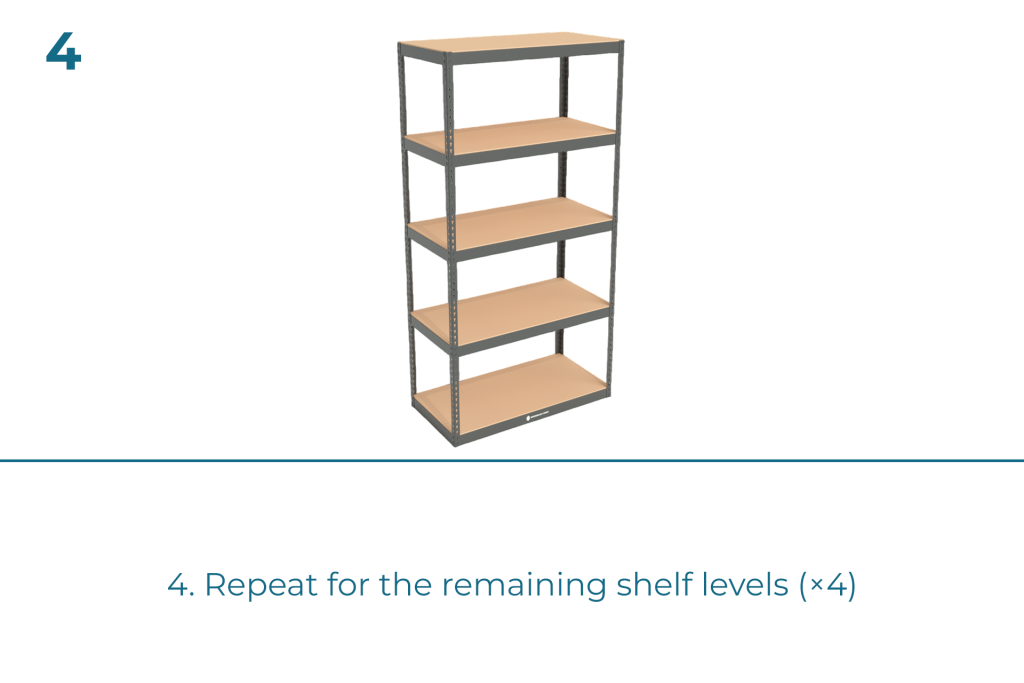
Stage 4: Secure and Level
Ensure that all parts are securely fitted and that the shelving unit is stable. Use a level to make sure the unit is perfectly aligned.
Stage 5: Final Checks and Clean-Up
Inspect the assembly and clean the area: remove any packaging materials and tools from the work area. Begin loading items onto the shelves, distributing the weight evenly to maintain balance and stability.
Good job! Feel free to ask if you run into any issues or have any specific questions about your shelving unit.
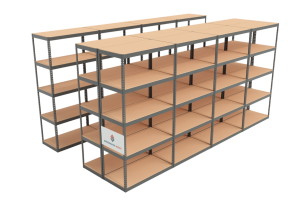
Ready to Choose Your Boltless Shelving?
Compare sizes, capacities, and shelf options to find units that match your space and inventory.
Products, discussed in the article


Was this helpful?