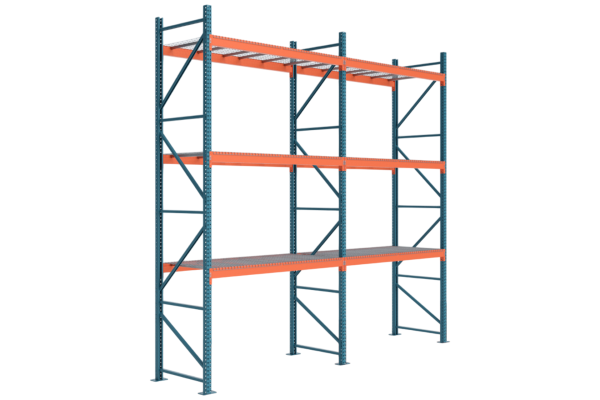
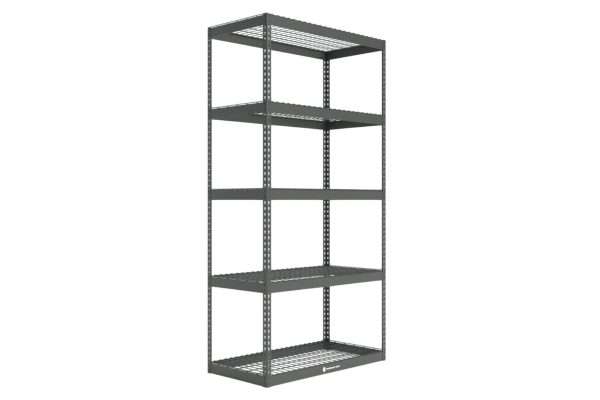

Upright Frames
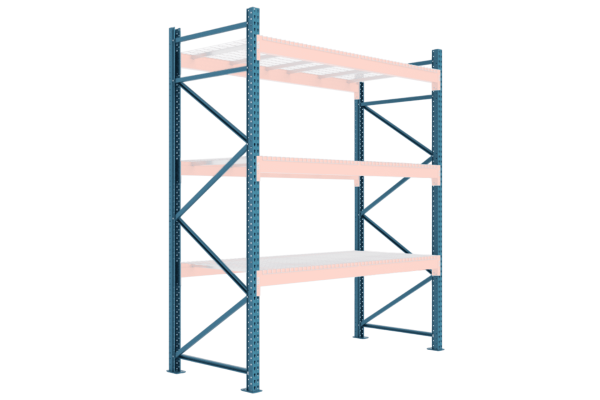
Indicates impact or overloading — the structure may be weakened beyond repair. Any frontal deflection of uprights exceeding 1/8″ within a 40″ span, lateral deflection over 2/8″, or brace deflection (horizontal or diagonal) exceeding 3/8″ is considered critical.
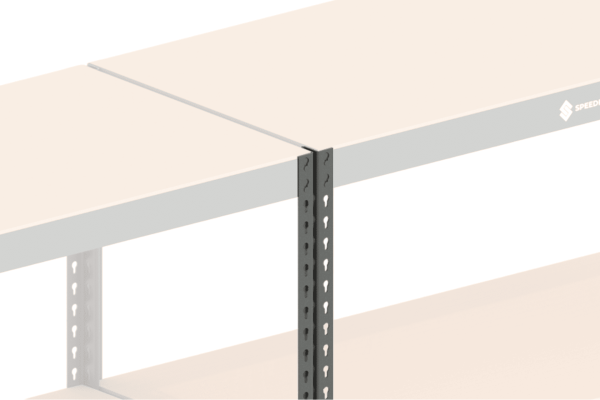
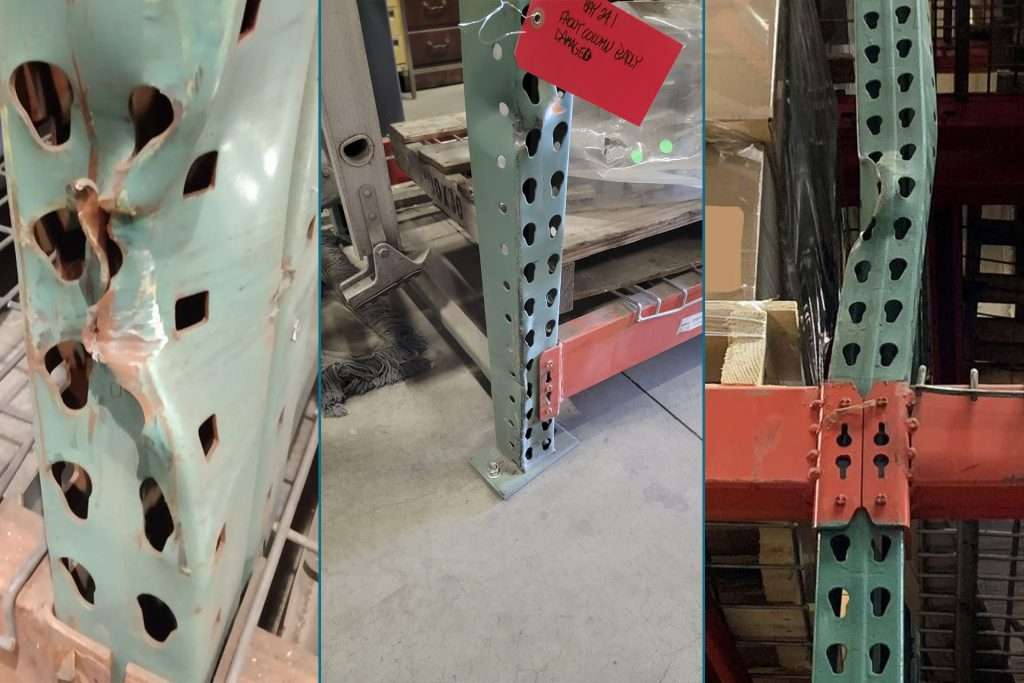
Bent Columns
Signs of past forklift impact or overloading—these can drastically reduce load-bearing capacity.
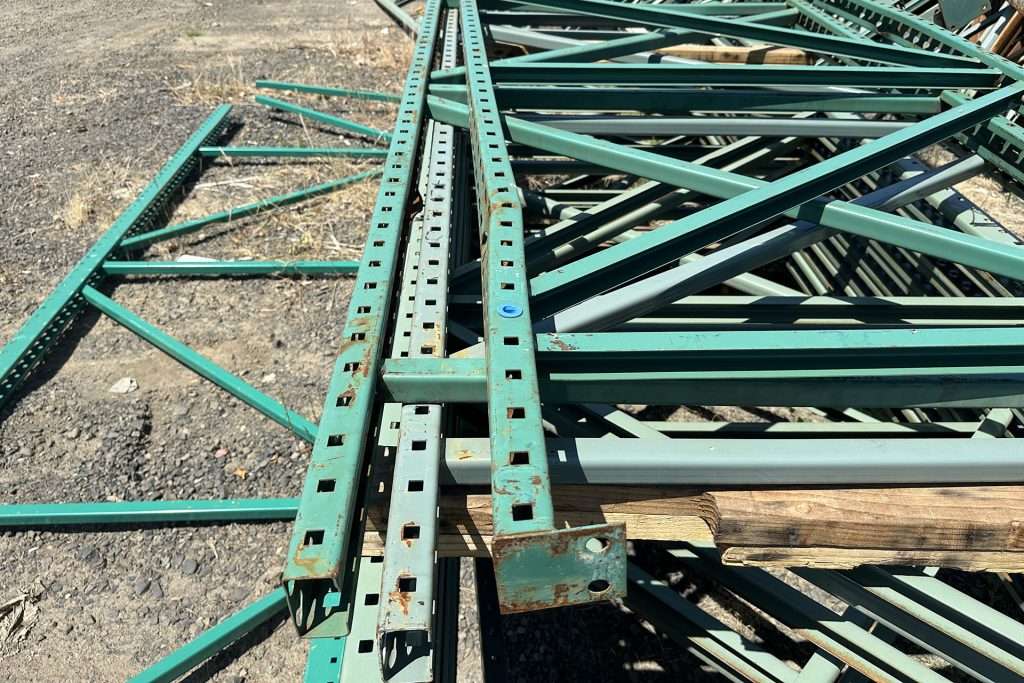
Twisted or Leaning Frames
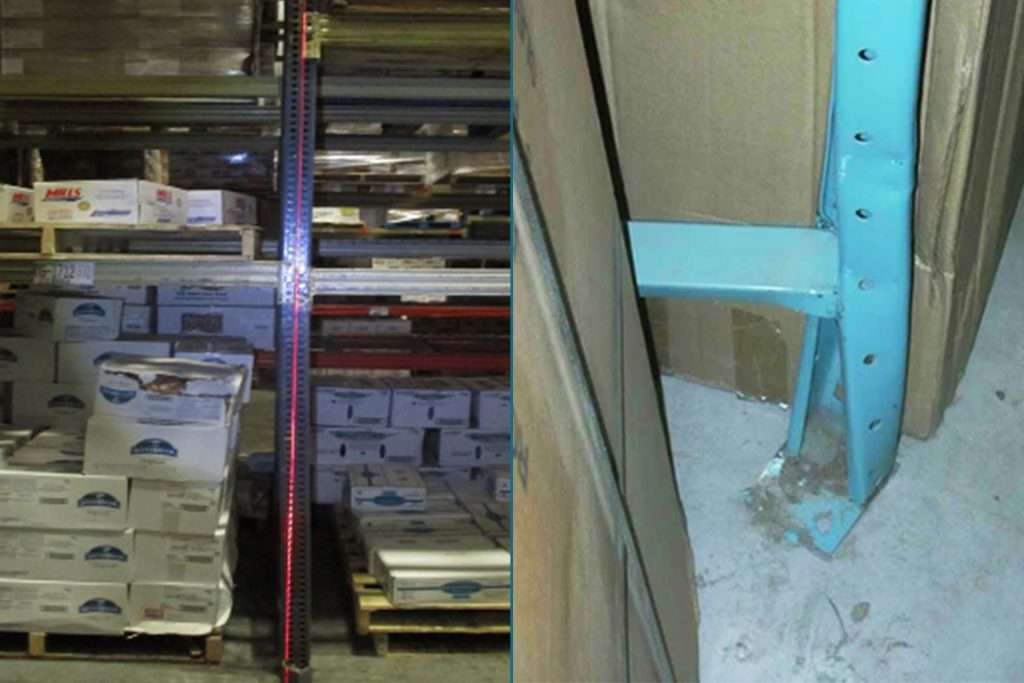
Frame distortion compromises alignment and safety, even if the rack appears upright.
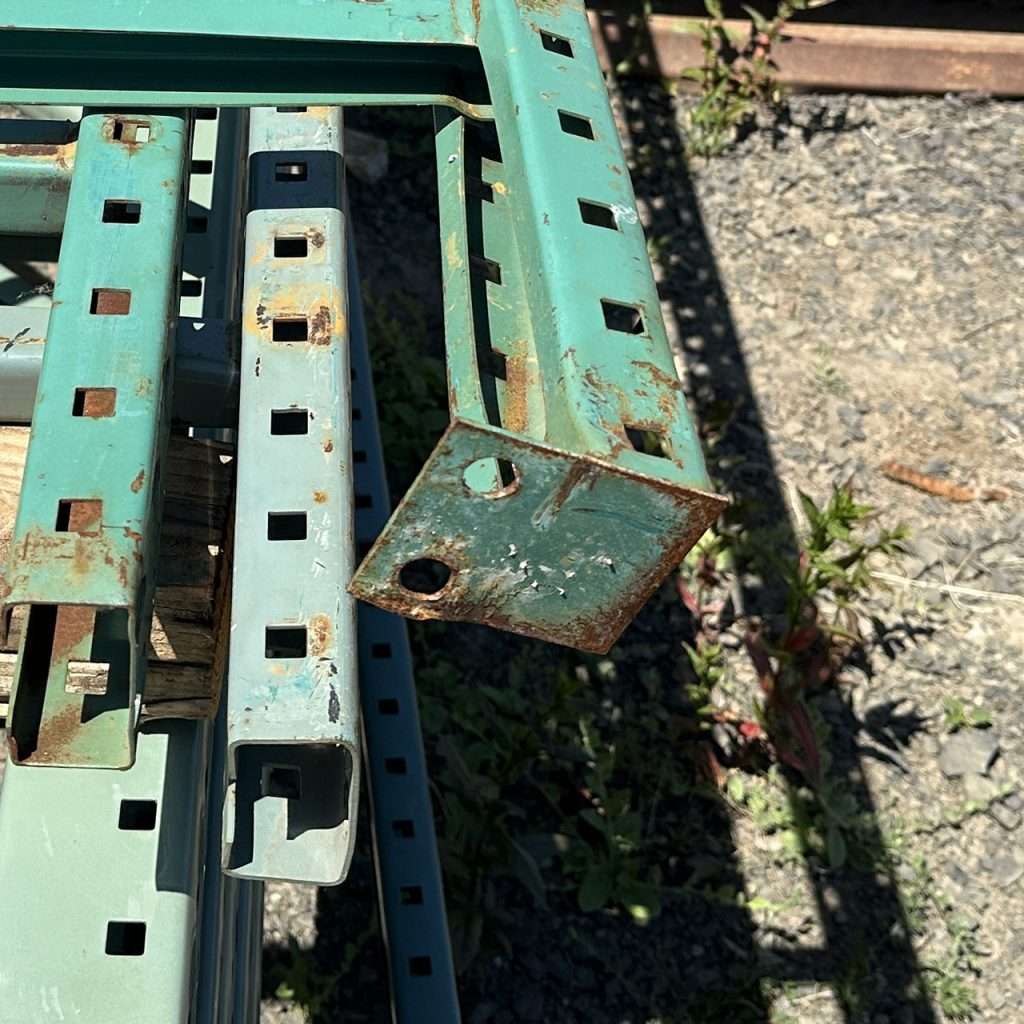
Rust at Base
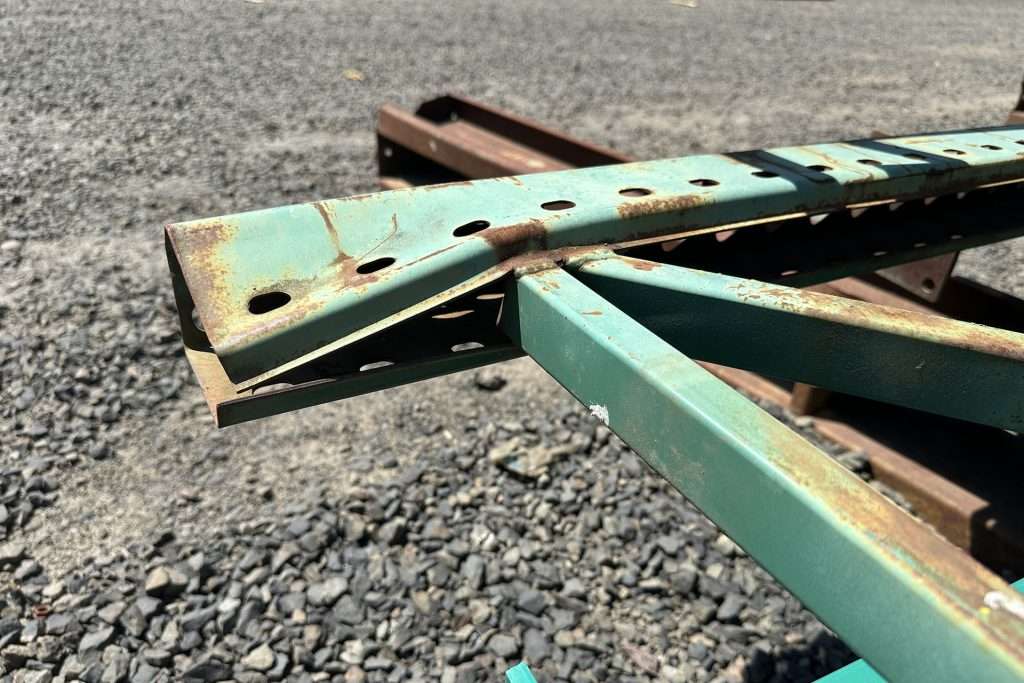
Corrosion, especially near footplates, weakens structure and often goes unnoticed until failure.
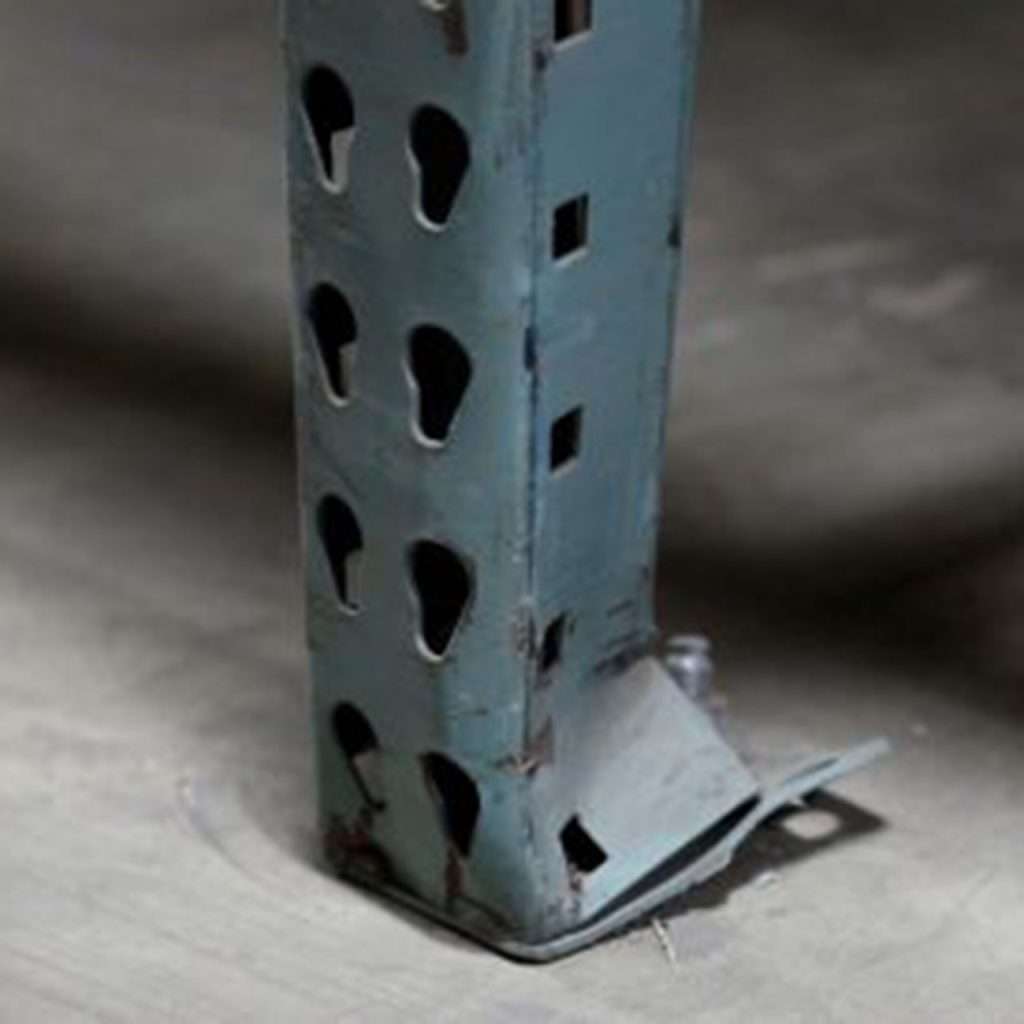
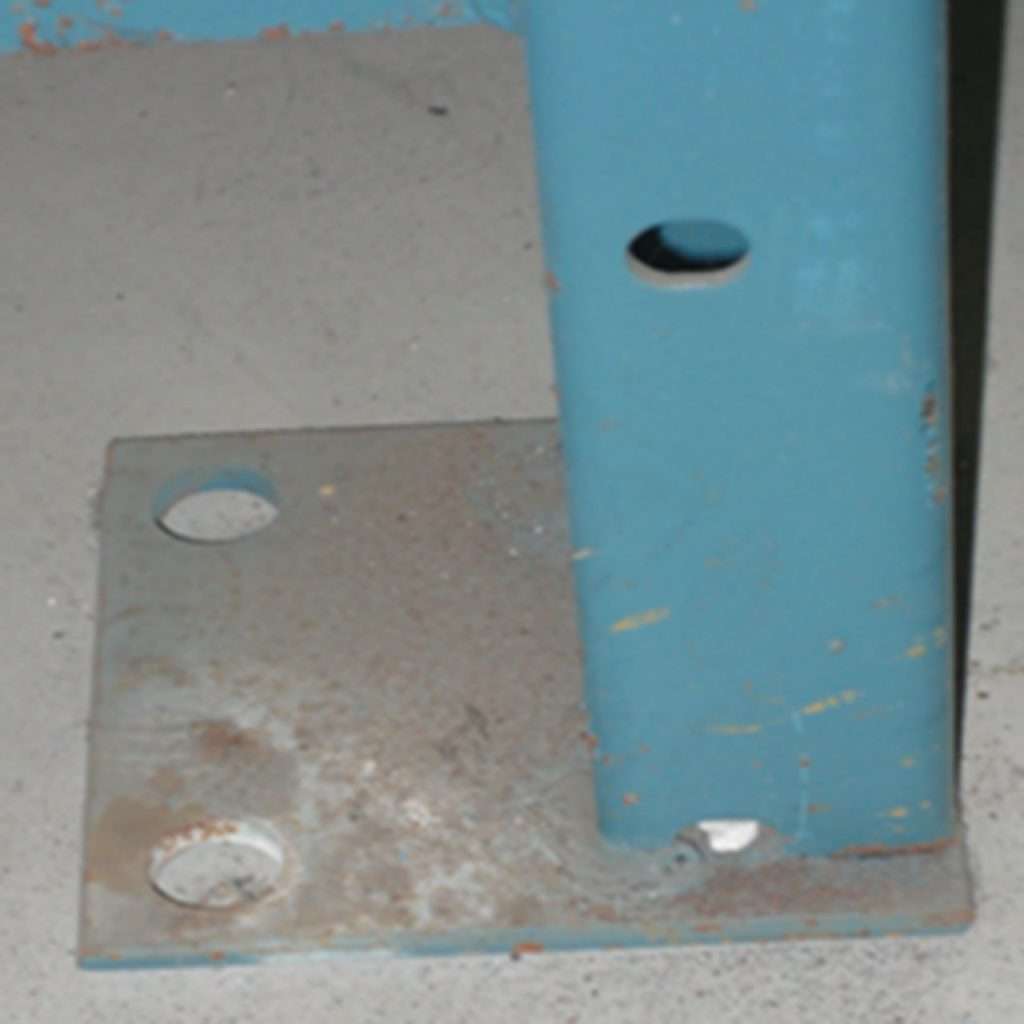
Crushed or Deformed Footplates
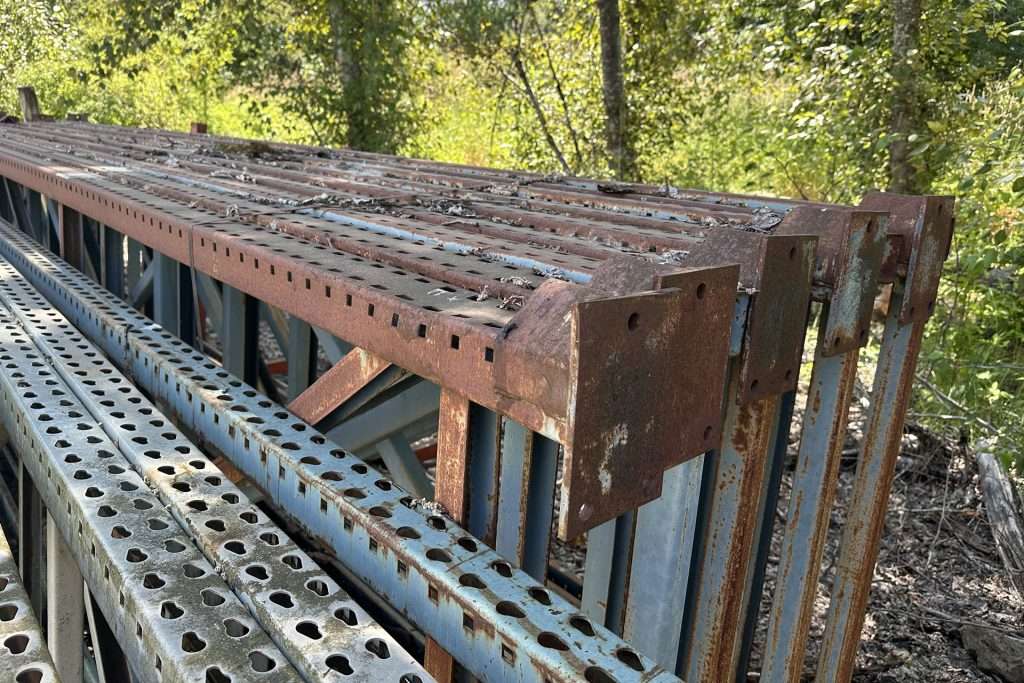
Damaged footplates can’t hold anchors correctly, making the whole rack unstable.
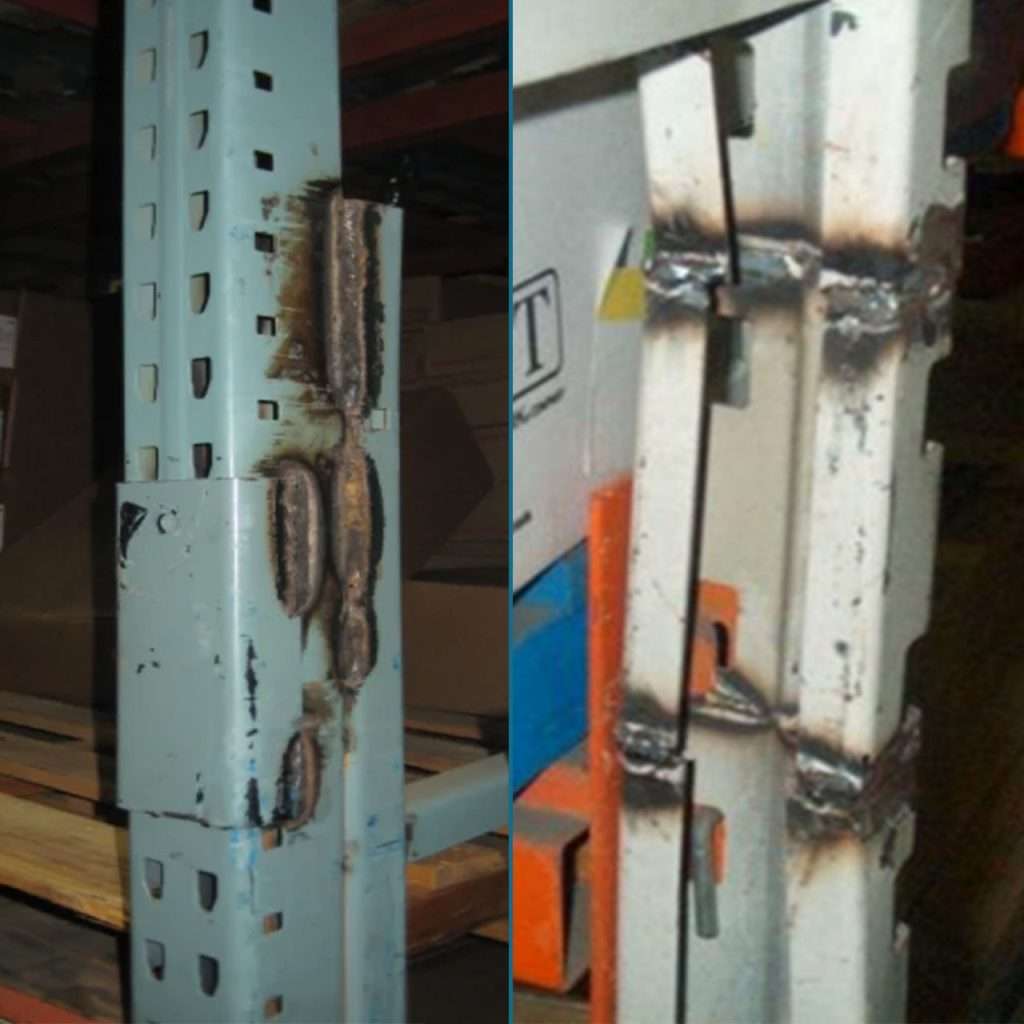
Weld Cracks
Cracks where braces meet uprights are a serious structural risk.
Beams
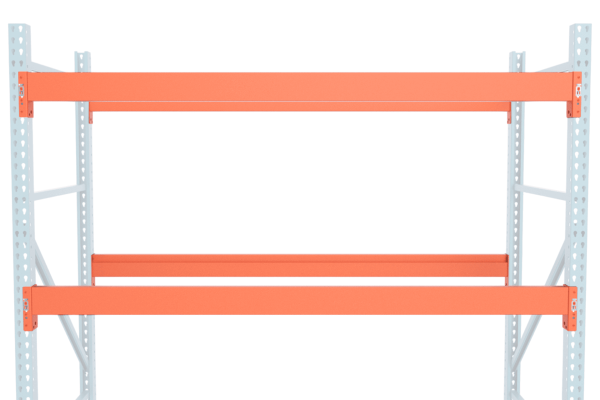
Racking capacity is based on the beam’s maximum deflection, typically limited to the beam length ÷ 180 (about 0.55%) per RMI’s ANSI MH16.1-2012. For automated systems, a stricter limit of length ÷ 240 (0.42%) may apply. Uneven loading or excessive deflection increases the risk of accidents.
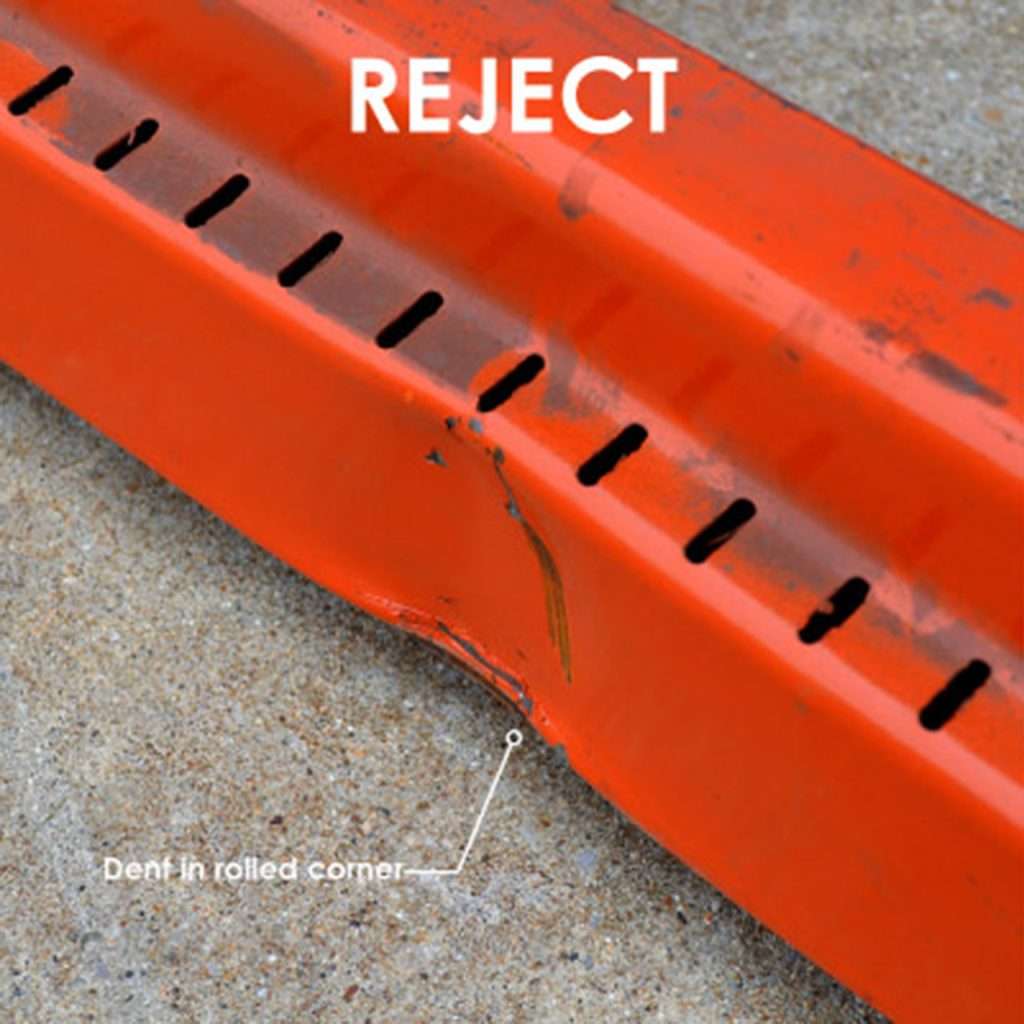
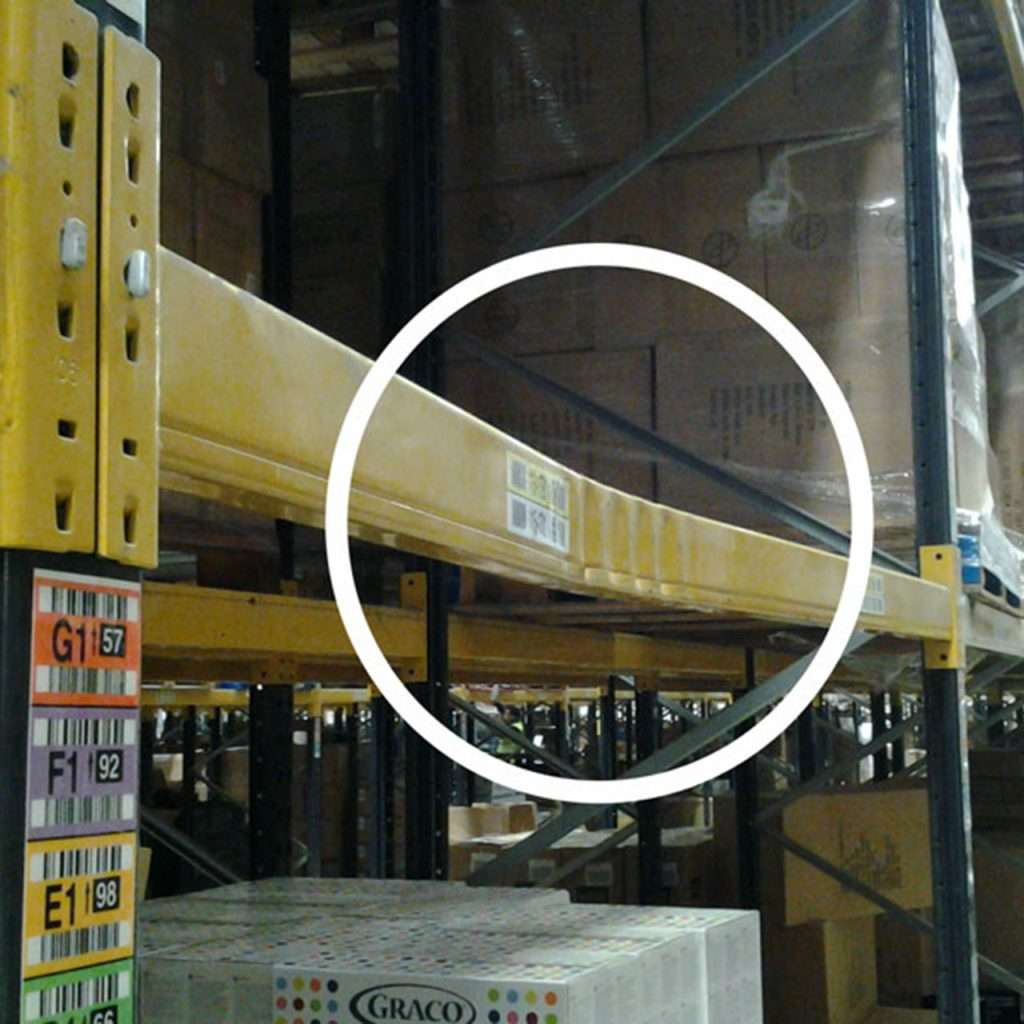
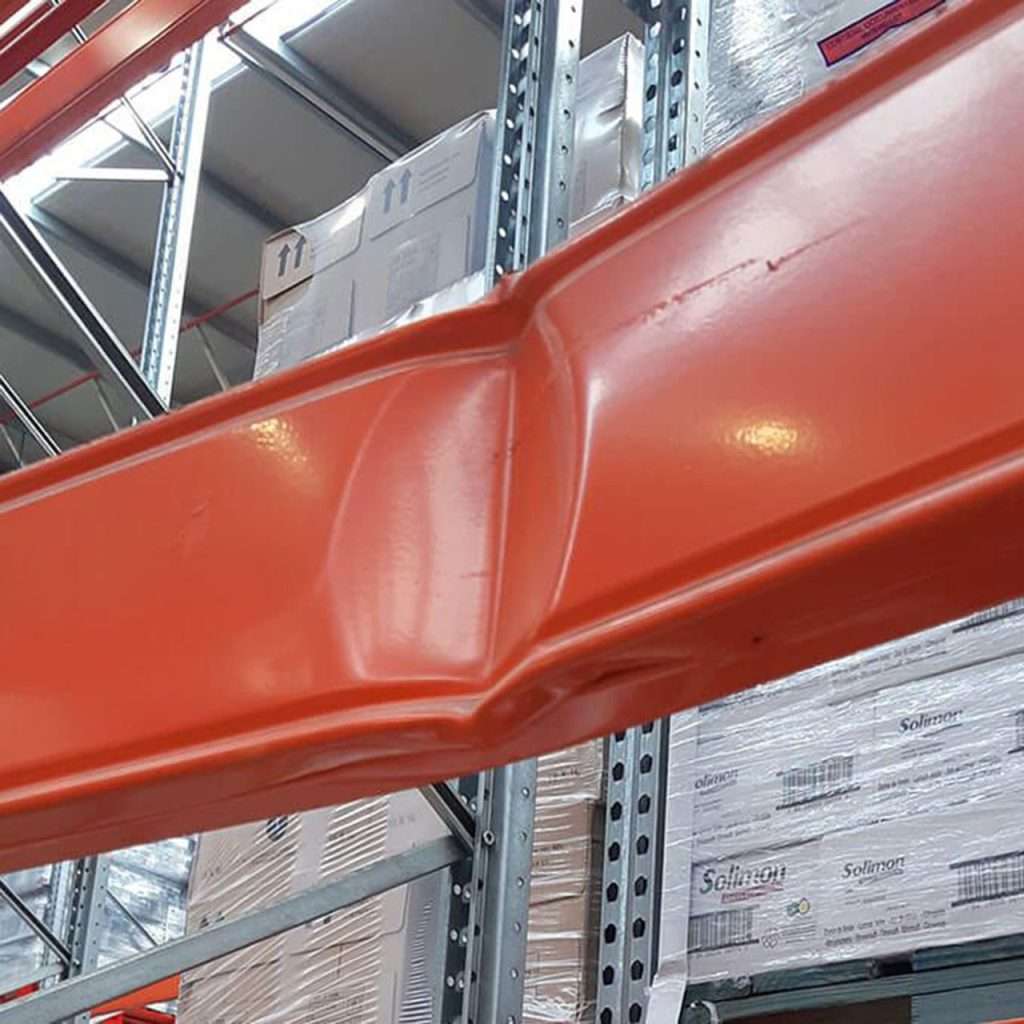
Beam Deflection (Sagging)
If beams visibly sag, they’ve likely been overloaded repeatedly—this shortens lifespan.

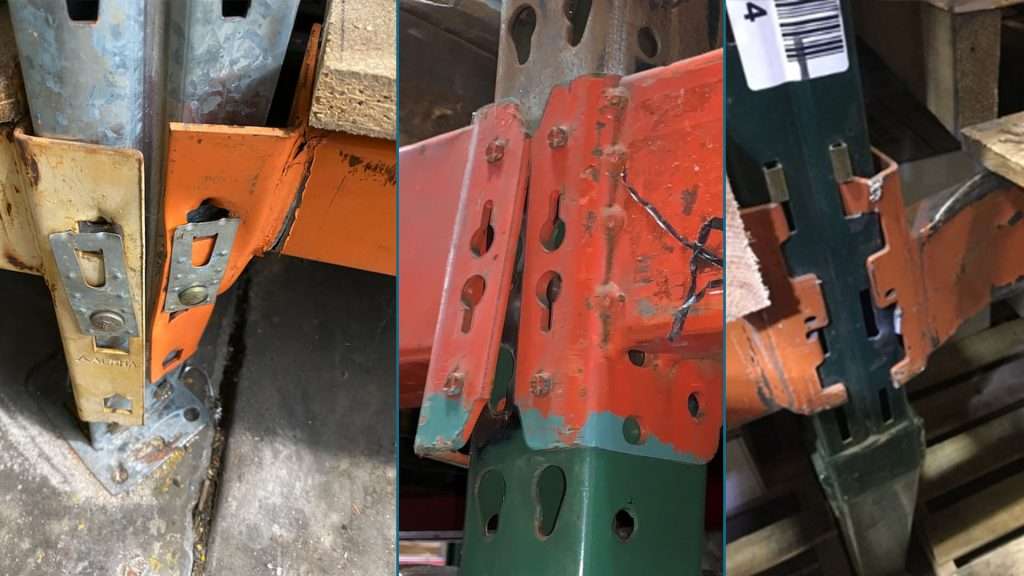
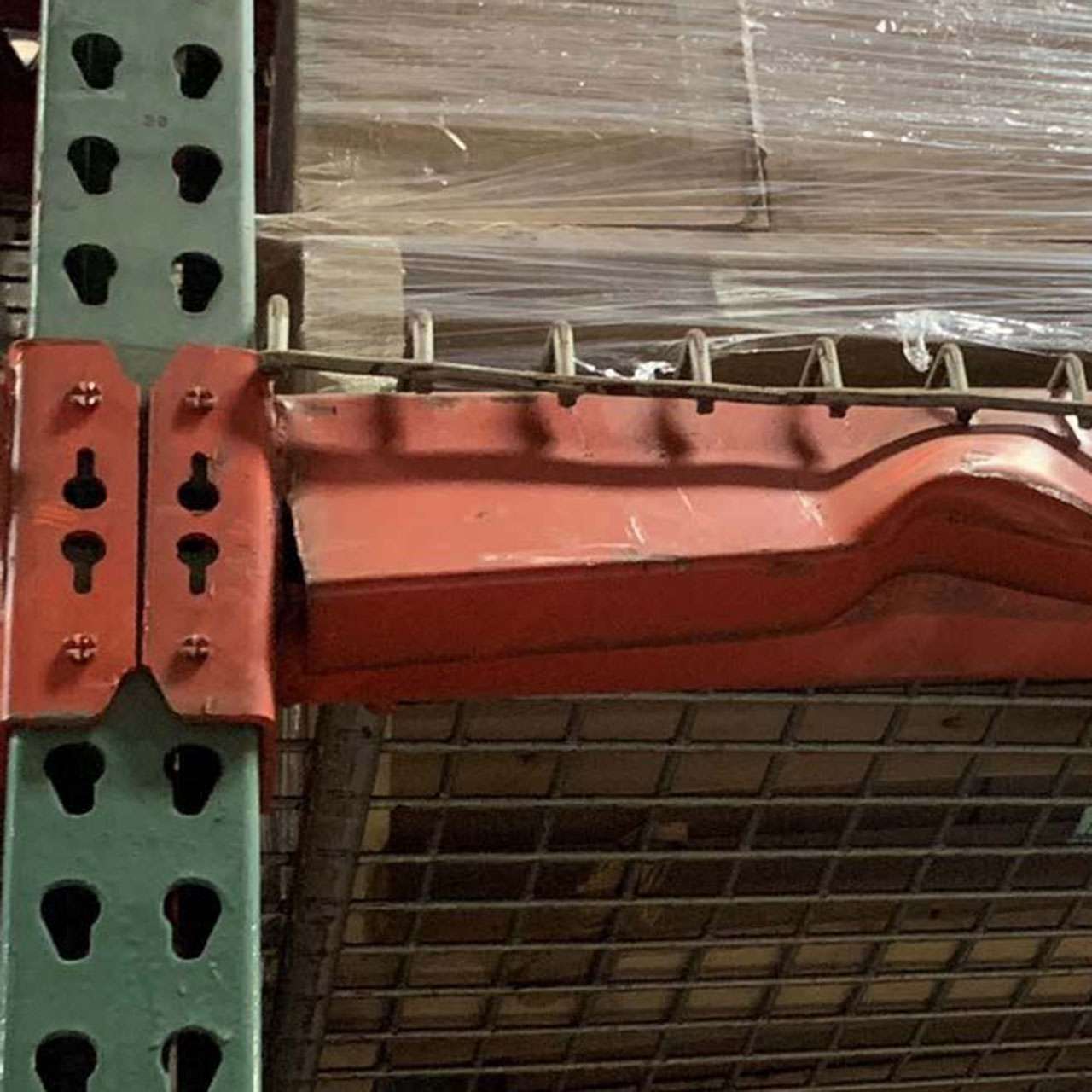
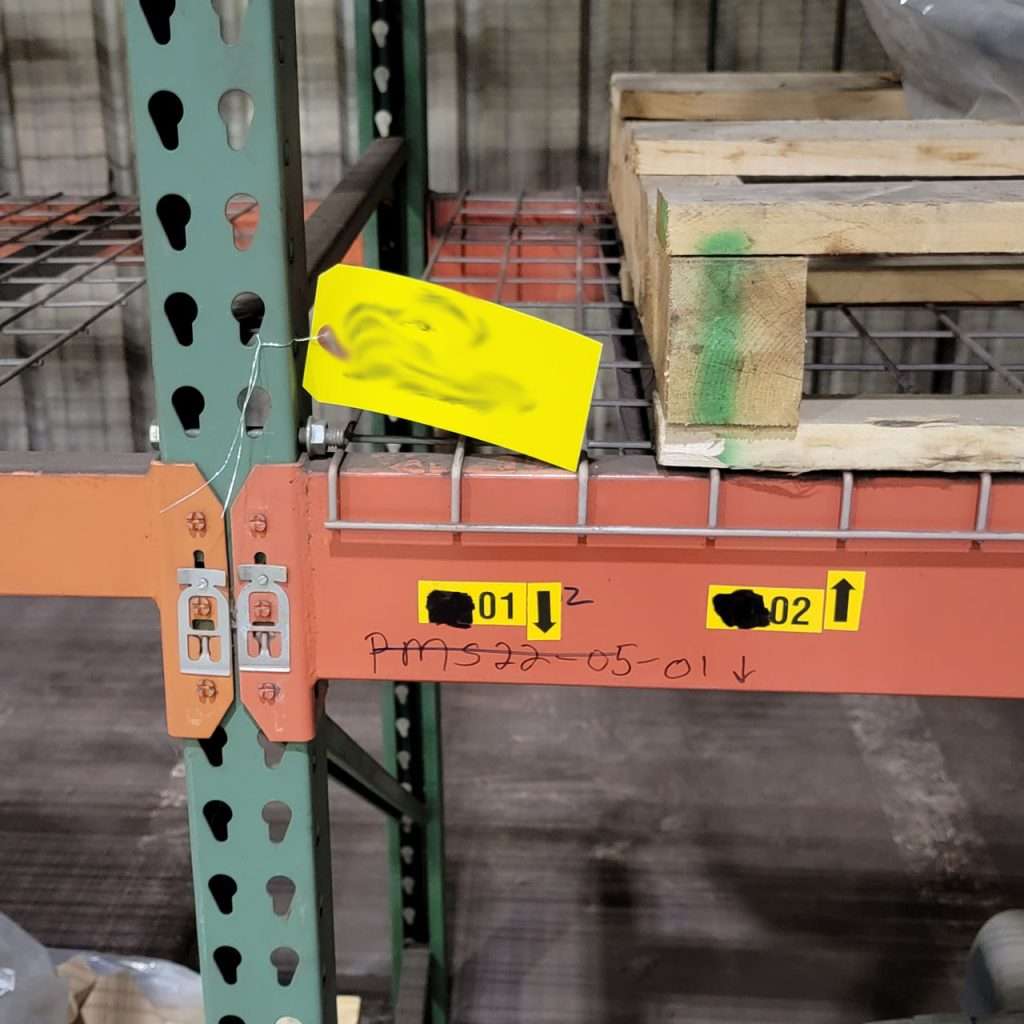
Bent Beam Connectors
Compromised connectors weaken the hold between beams and uprights.
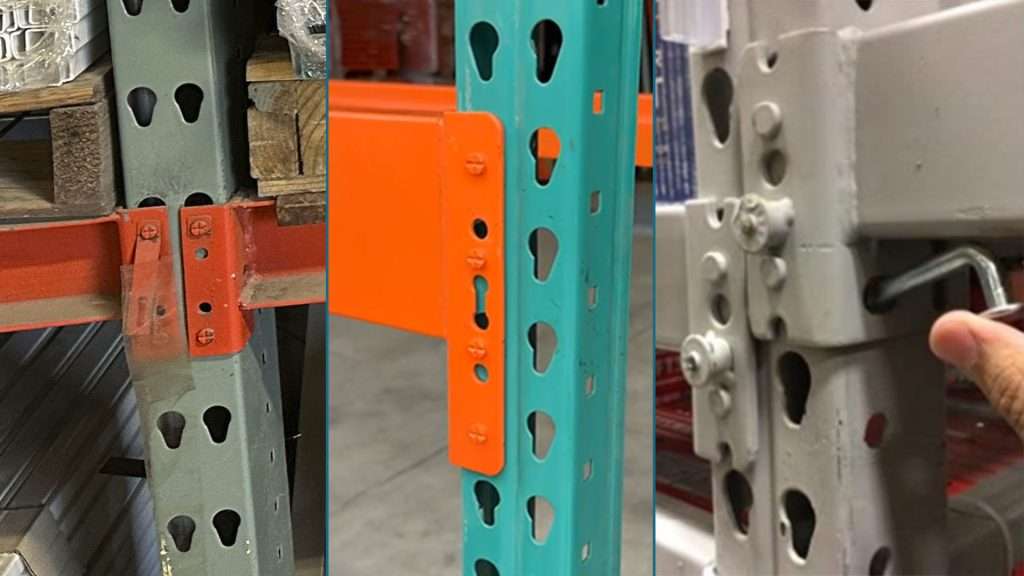
Missing Safety Clips or Pins
Without these, beams can dislodge under load or forklift contact—a major safety hazard.
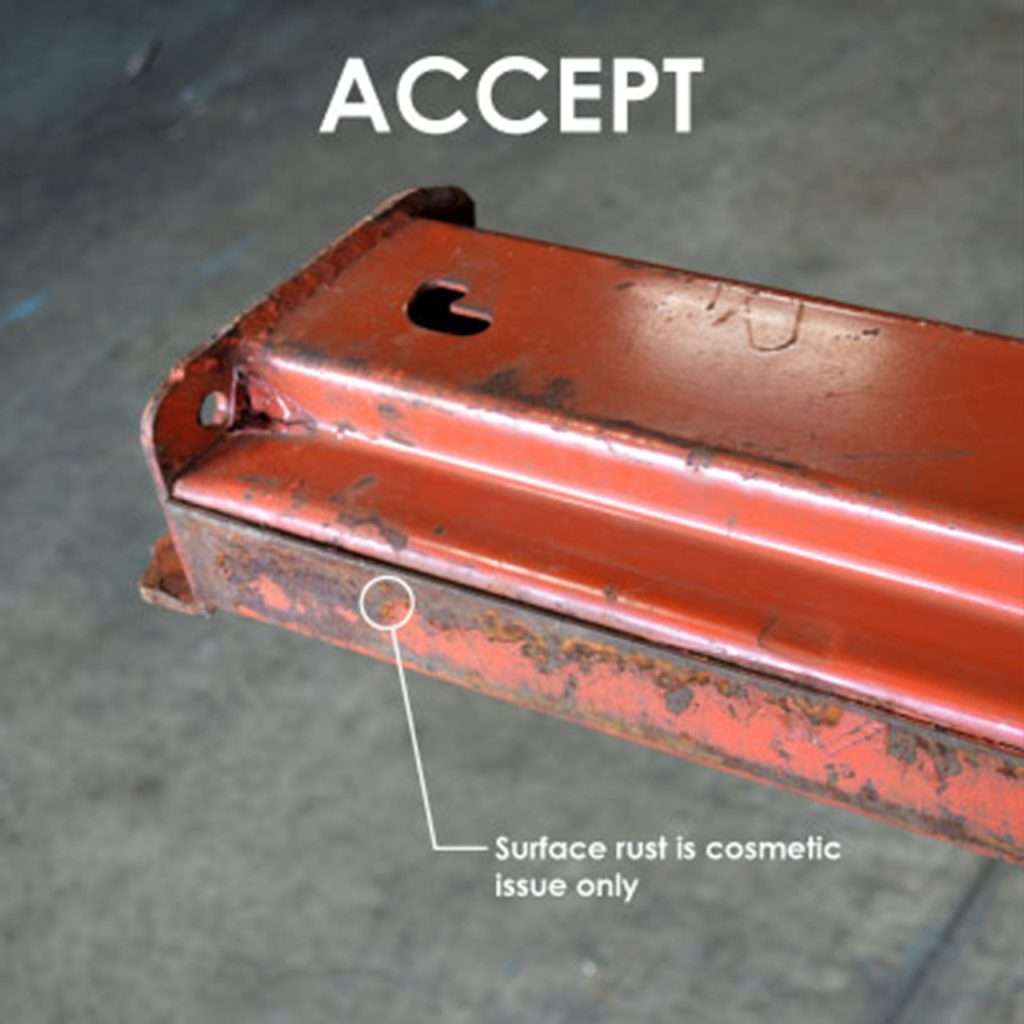
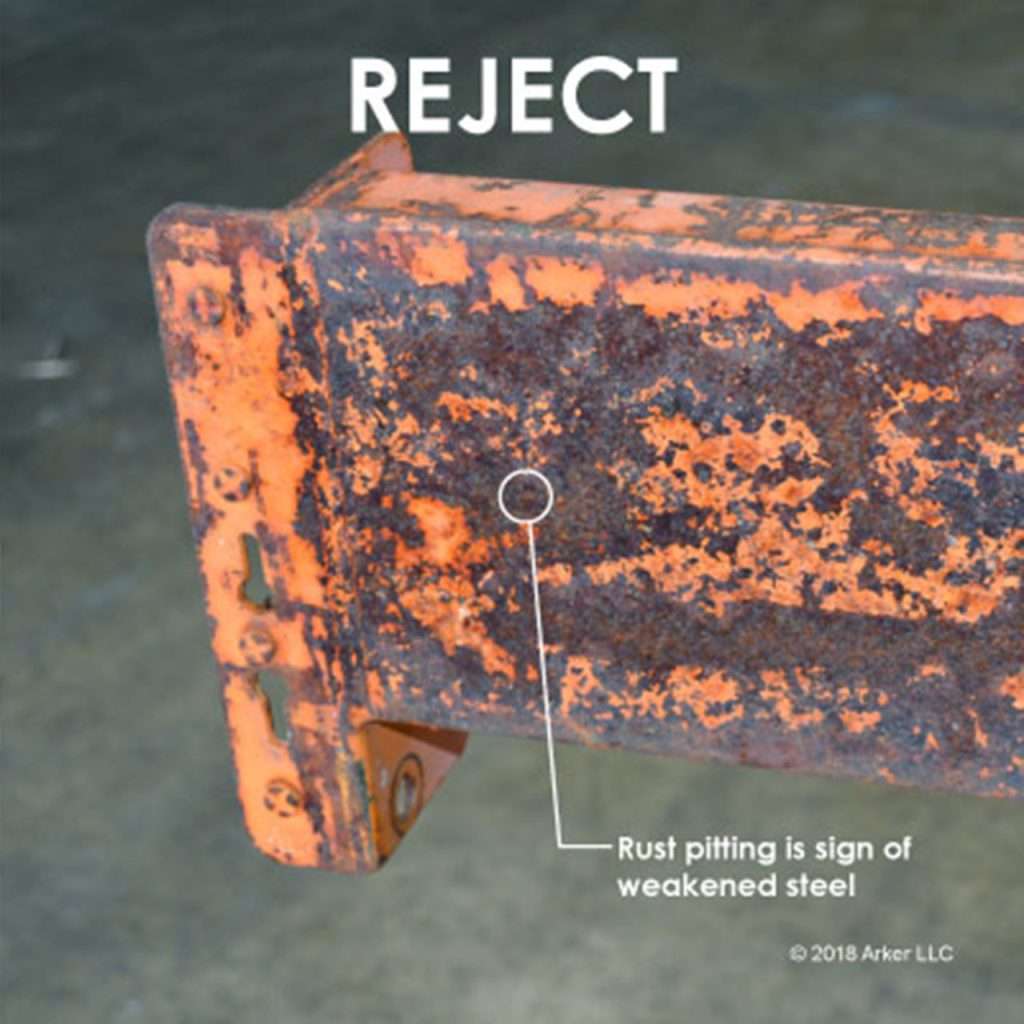
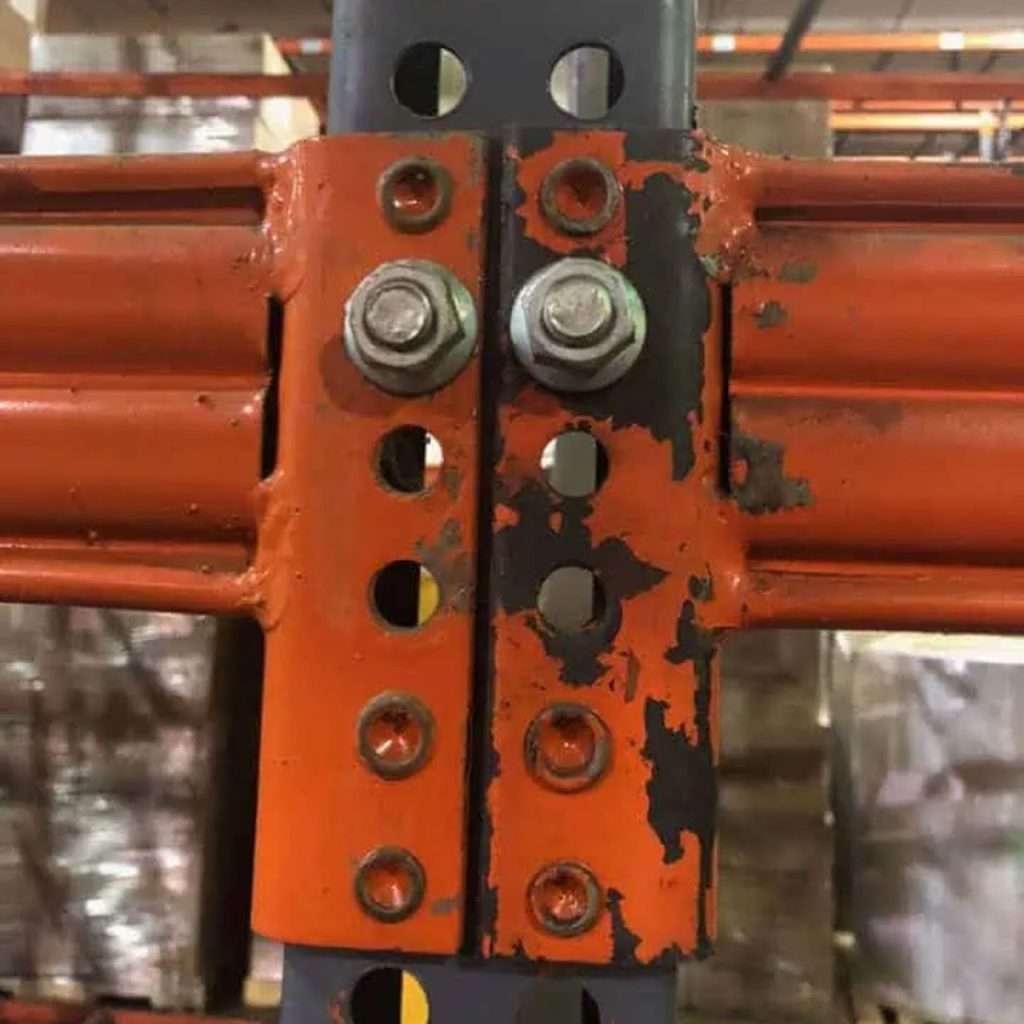
Rust and Corrosion
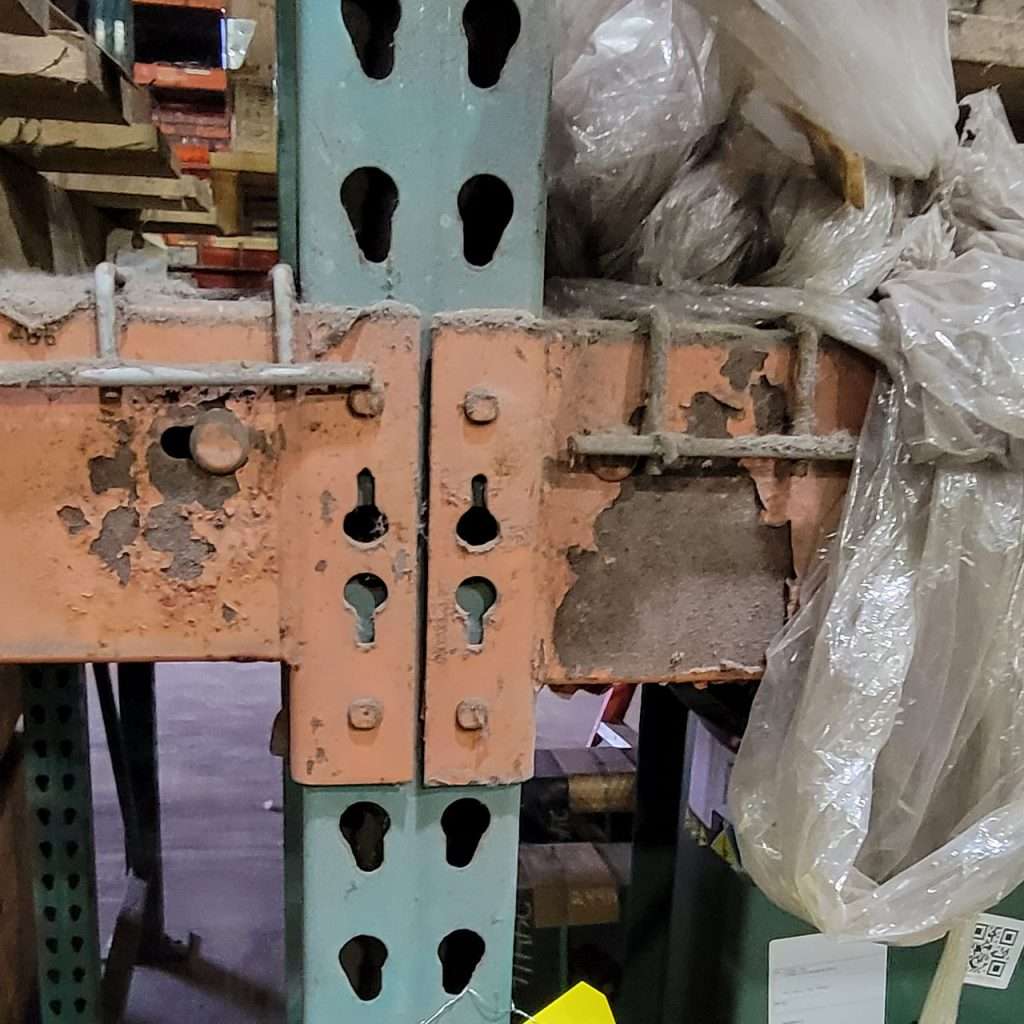
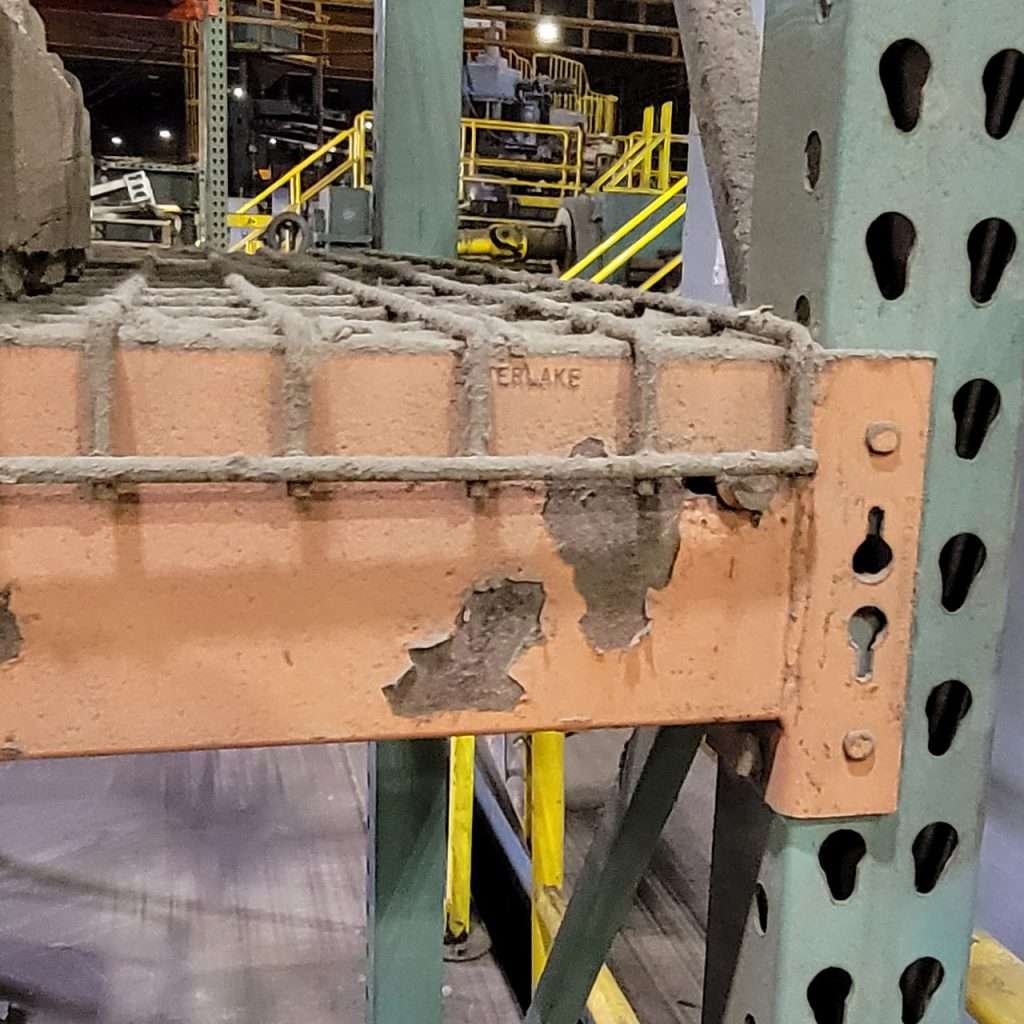
Rust on beams—especially at welds or connection points—can silently weaken load capacity and often isn’t detected until structural failure occurs.
Cracked Welds at Ends
The entire joint is compromised if the weld between beam and connector is cracked.
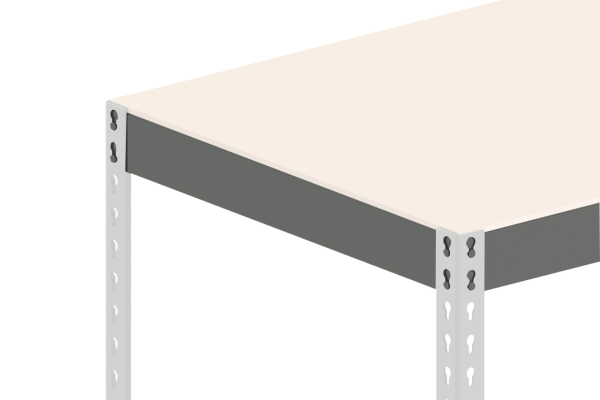
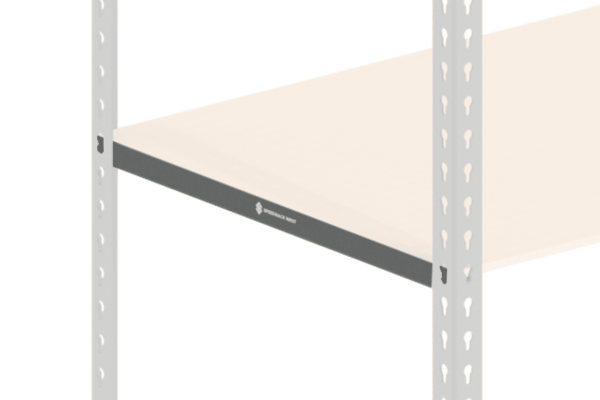
Decking (Wire or Solid)
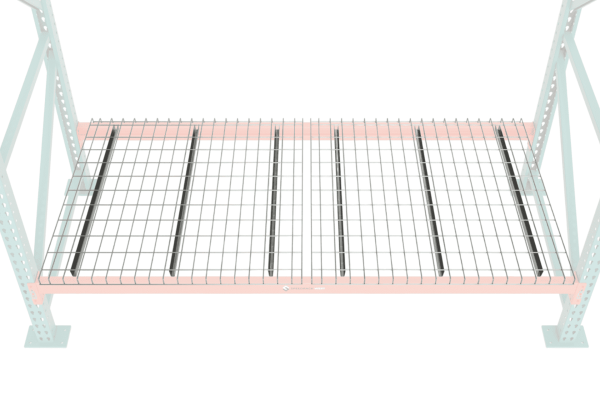
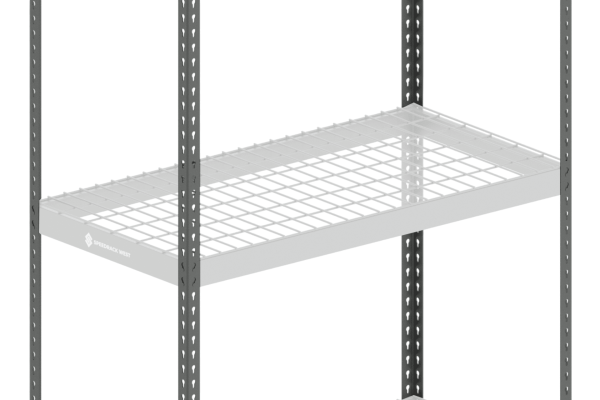
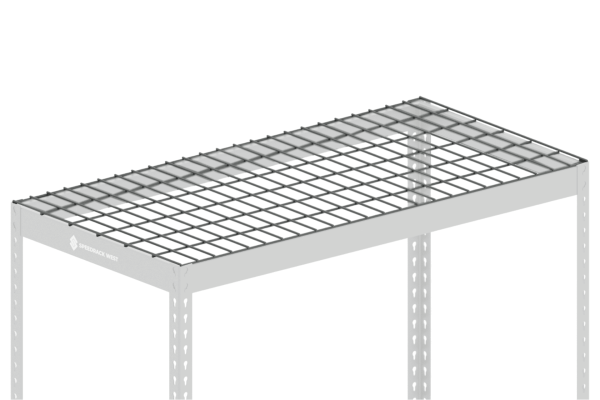
Wire mesh and solid decking provide support under pallet loads—but they must be structurally sound to perform safely. Wire mesh decking is one of the most demanded: about 90% of our customers prefer it.
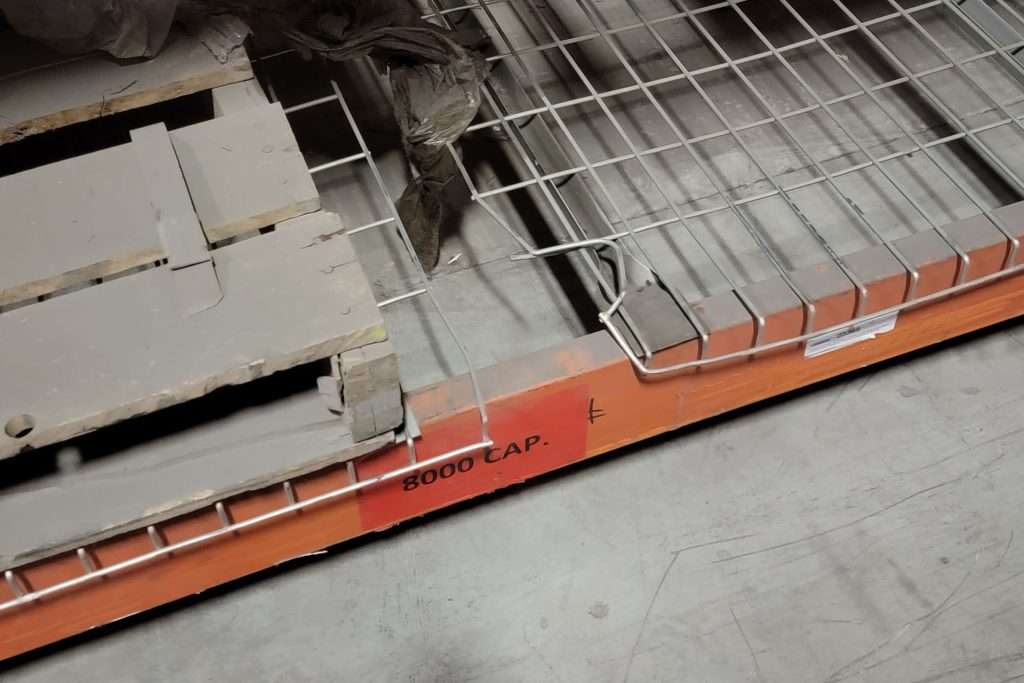
Broken Weld Points or Mesh
Wire decks with broken welds can’t support rated pallet loads.
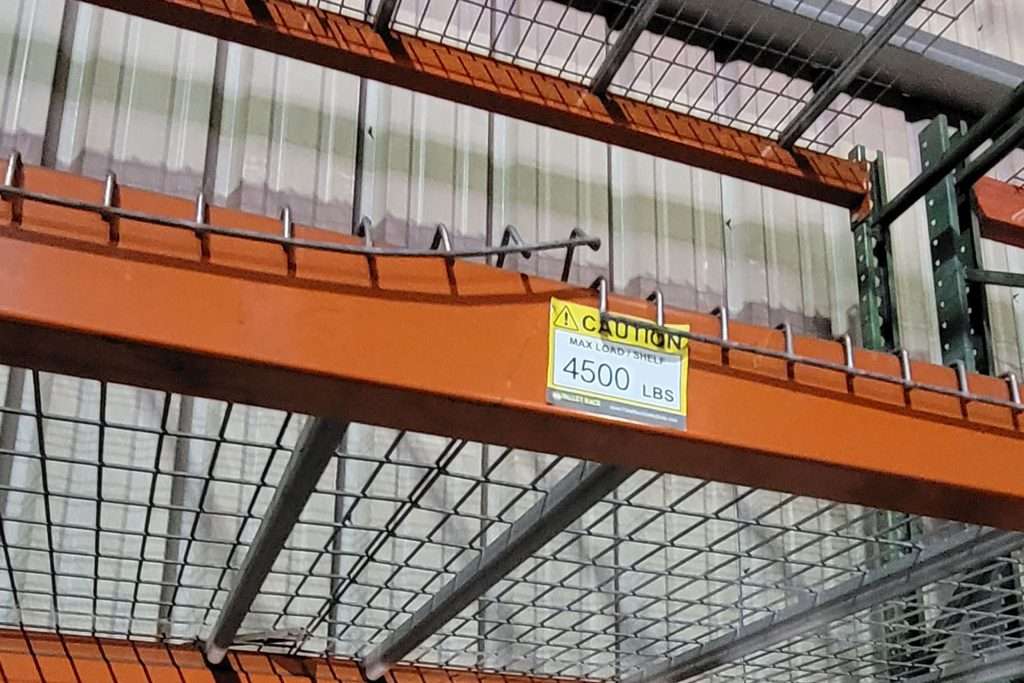
Warped Panels
Warped decking creates uneven surfaces and risks for tipped pallets.
Rust or Flaking Coating
Visible corrosion reduces capacity and can spread quickly in humid environments.
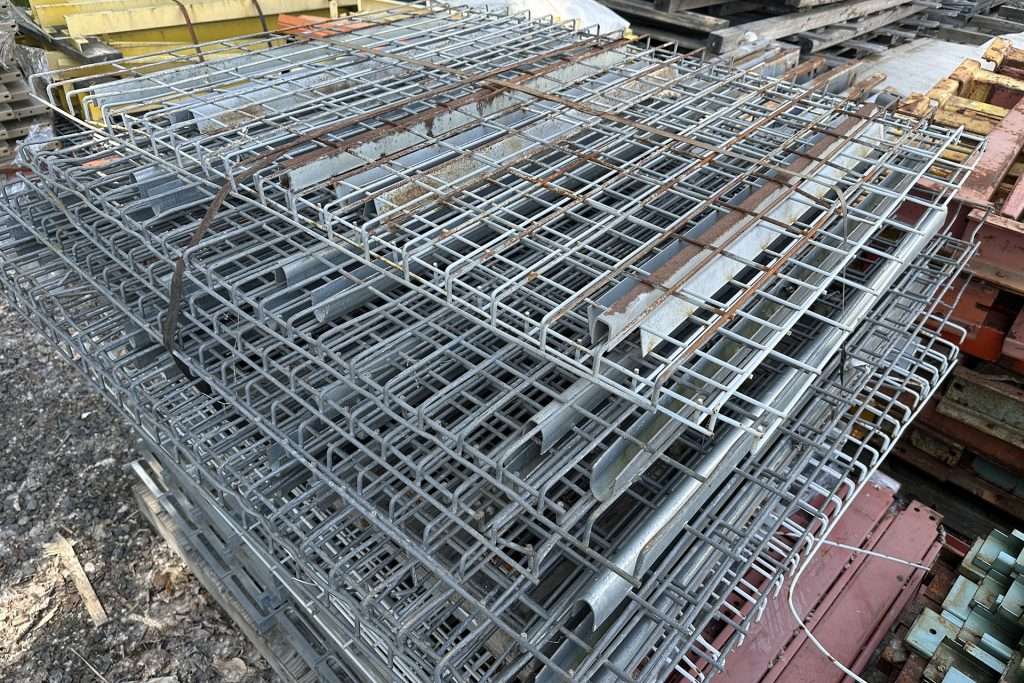
Improper Size or Fit
Decking that doesn’t sit flush isn’t safe for daily warehouse use.
Hardware & Accessories
Anchors, Baseplates, and Shims: Small Parts, Big Role. Anchors secure racking to the floor—without them, the system can shift or collapse. ANSI/RMI MH16.1 requires all rack columns to be anchored. Anchors must resist impacts, shear, and seismic forces. ACI 318 sets the standard for anchoring into concrete. In seismic zones, IBC and RMI demand even stronger specs.
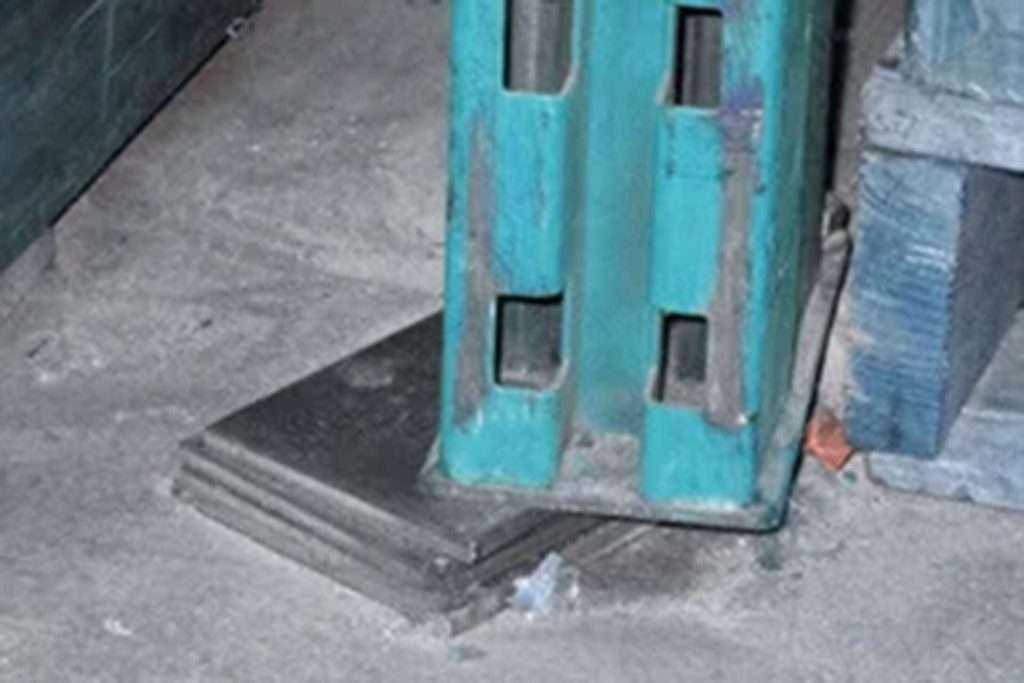
Shims must match the baseplate size, be securely seated, and made of durable material—never wood or plastic. These components ensure level, stable support and safe load distribution.
Missing or Incorrect Anchors
All uprights must be anchored per ANSI/RMI standards—missing anchors are non-compliant.
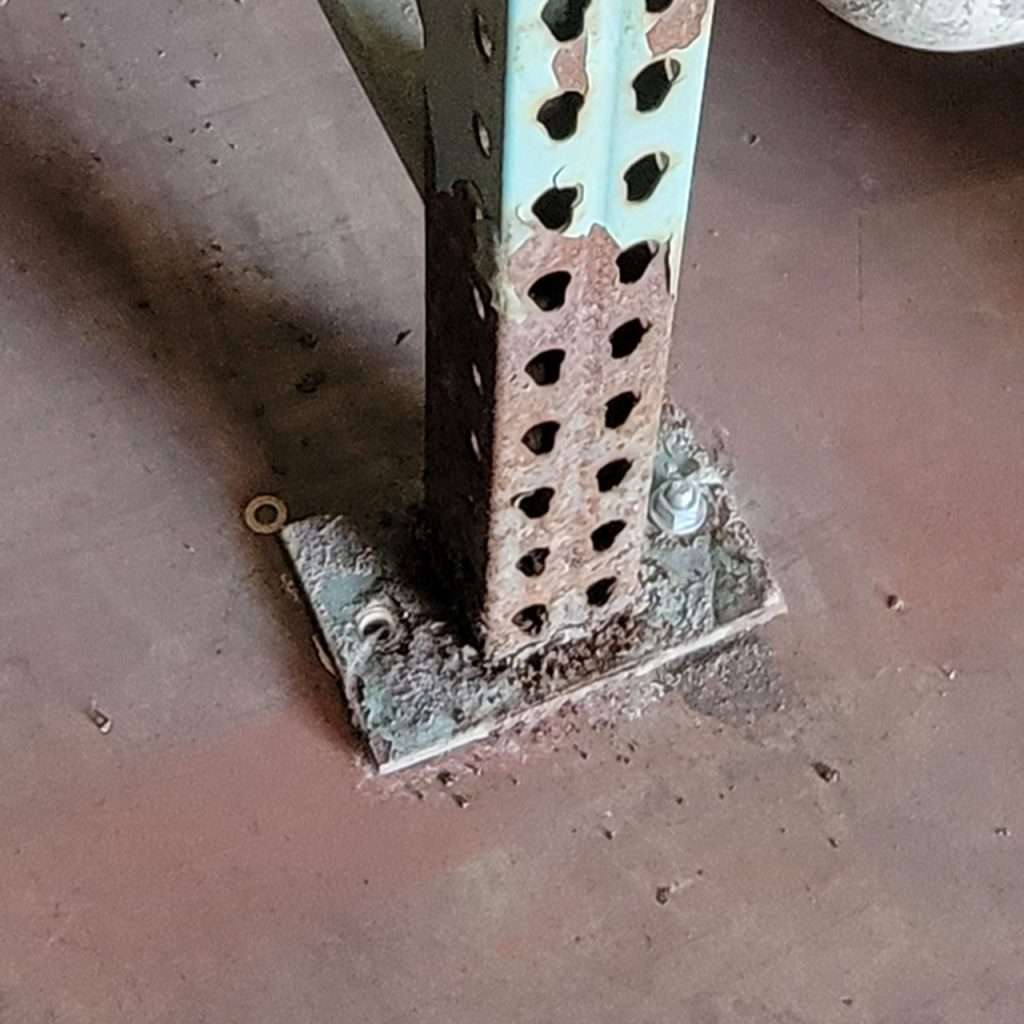
Loose or Damaged Bolts
Common with reused hardware—can lead to rack shifting or collapse.
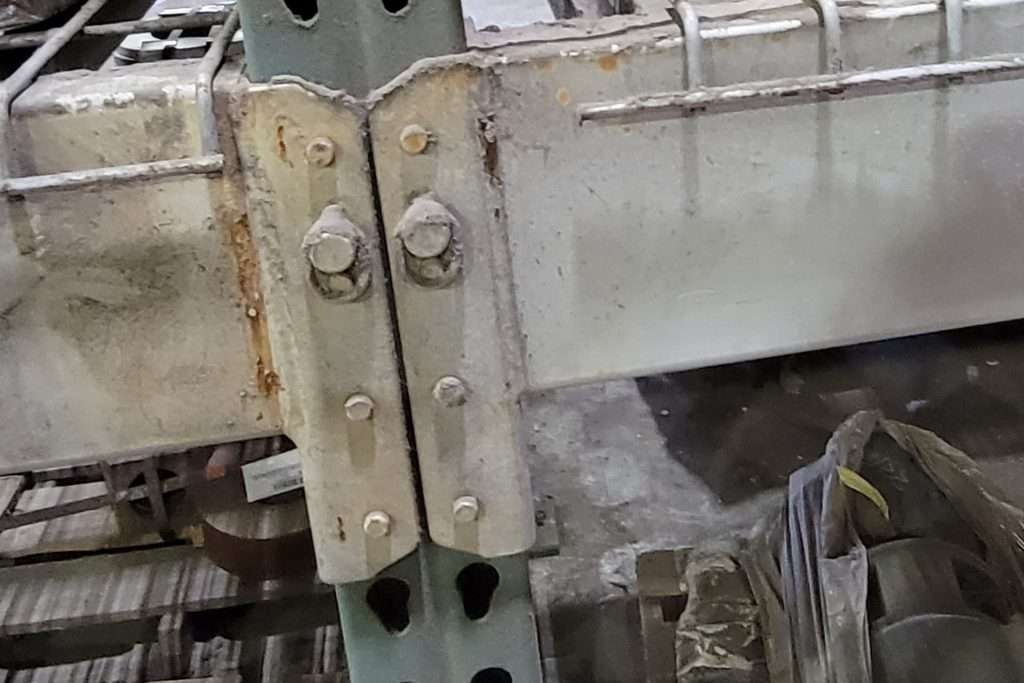
Wrong Shims or Levelers
Shims must match footplate size and material—wood or plastic are not acceptable.
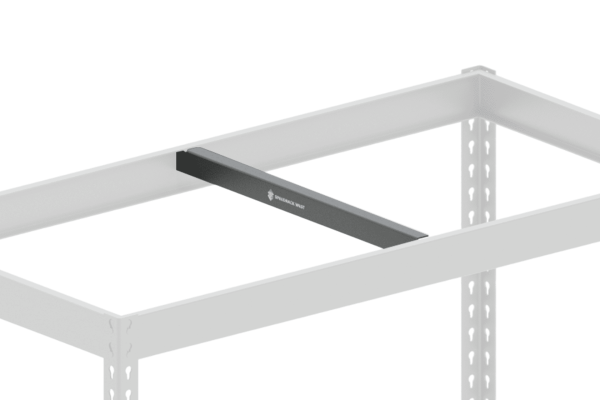
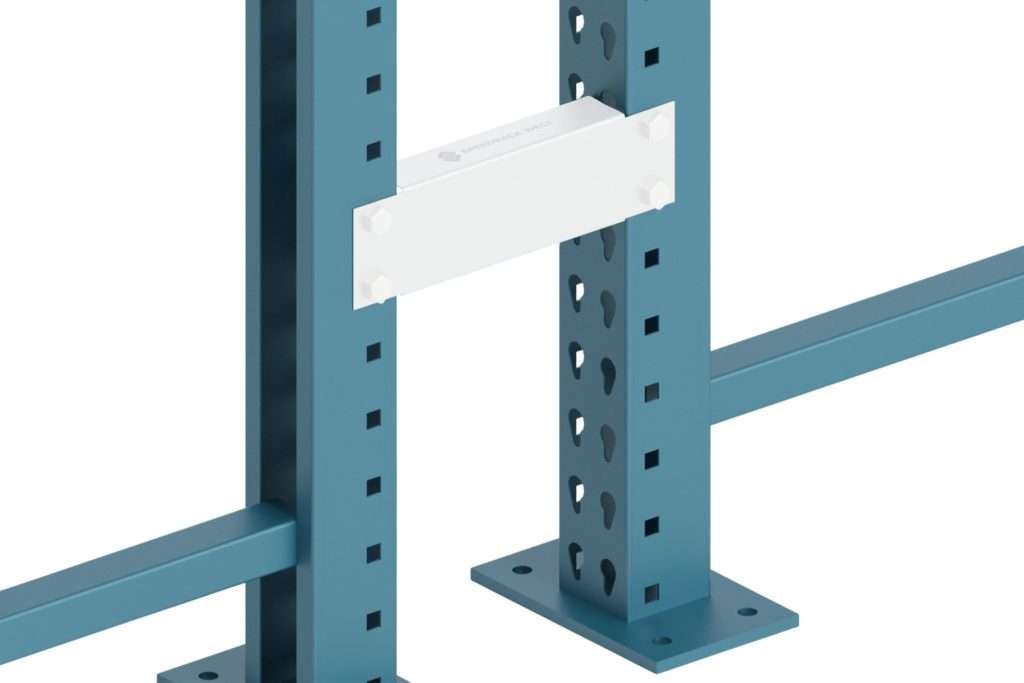
No Row Spacers or Back Ties
Missing these can reduce lateral stability, especially in double rows.
Compliance
Racking systems must meet OSHA, ANSI, and RMI standards to ensure safety and legal operation. Check for these red flags before purchasing.
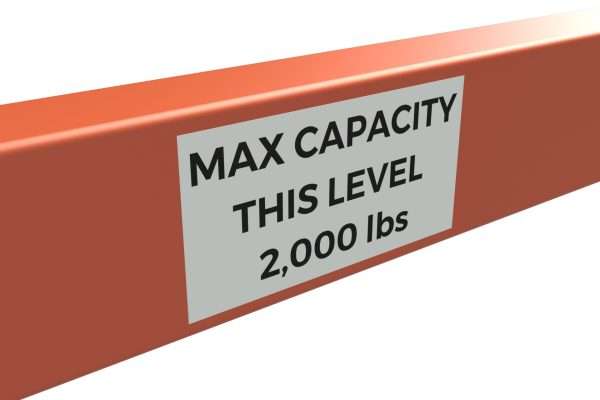
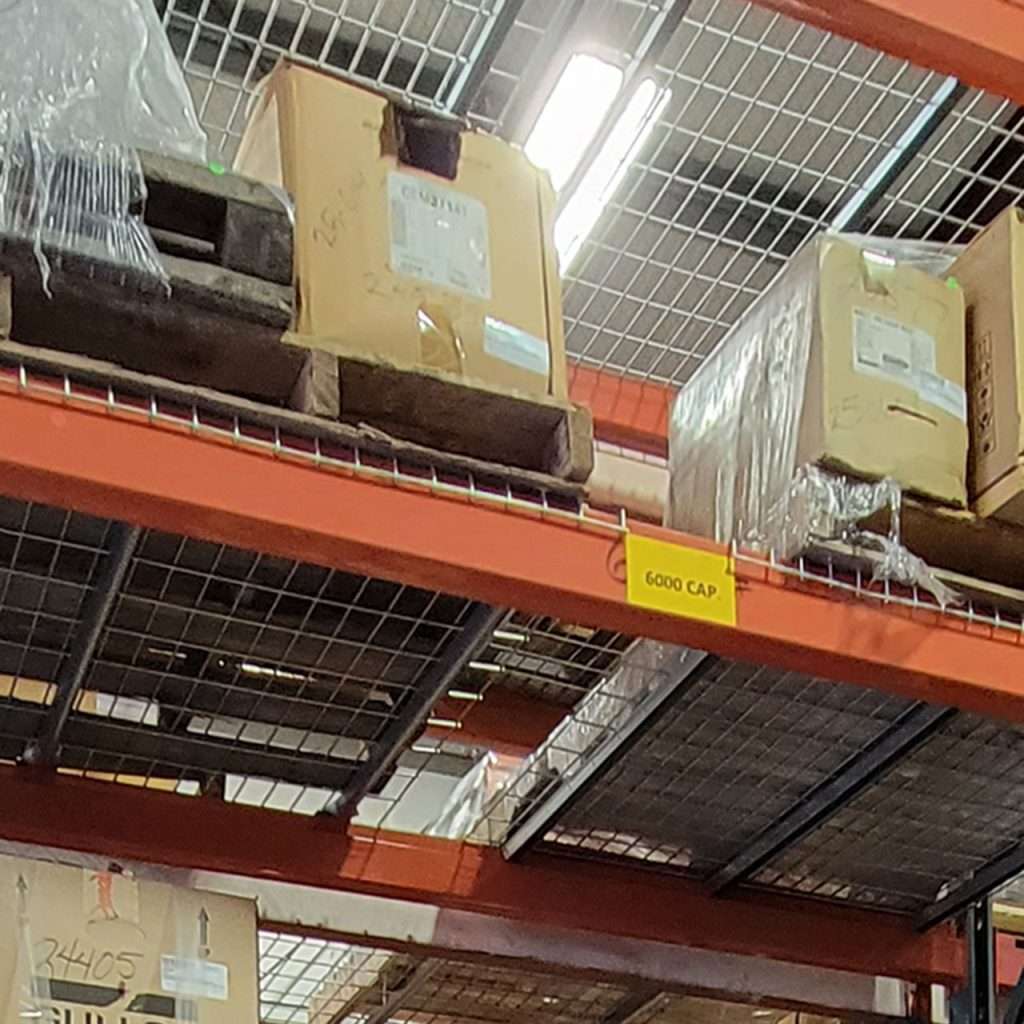
No Load Capacity Labels
Missing labels violate OSHA and ANSI rules, and leave load limits up to guesswork.
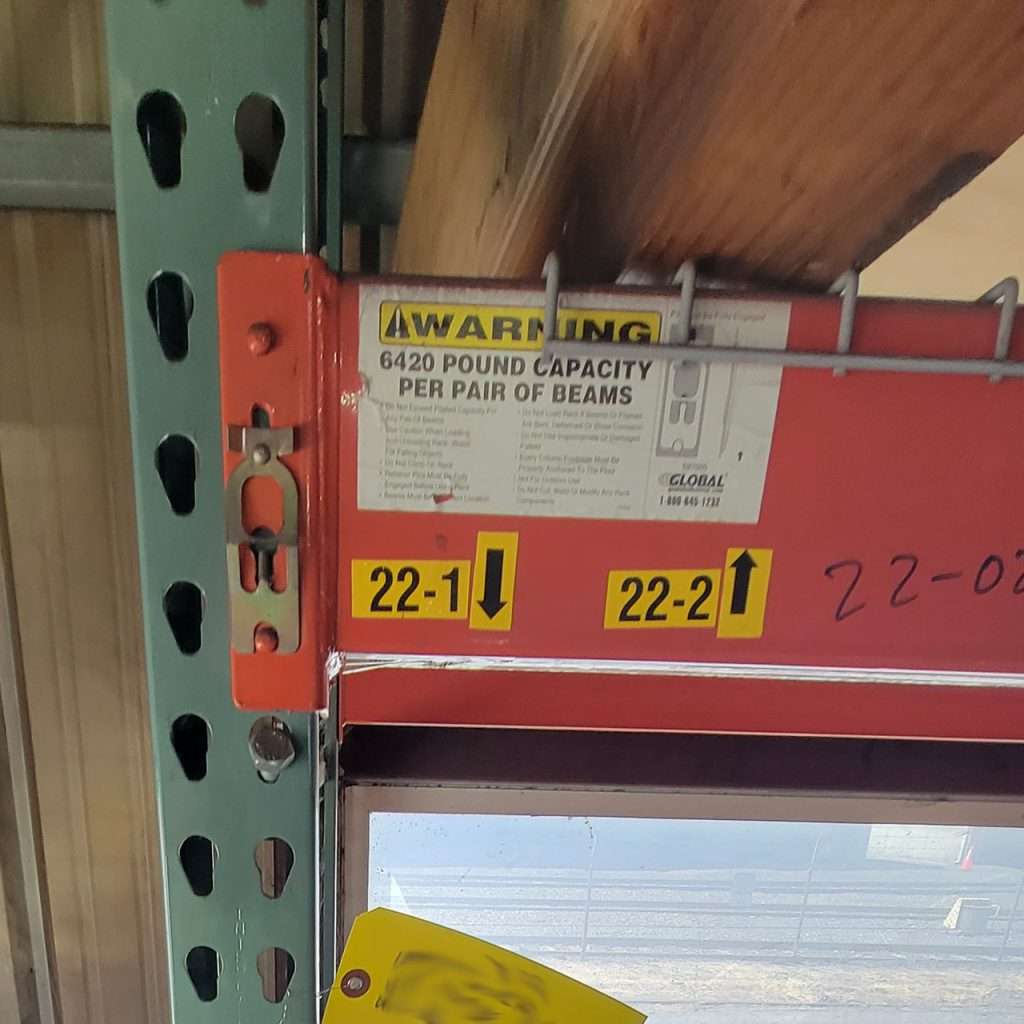
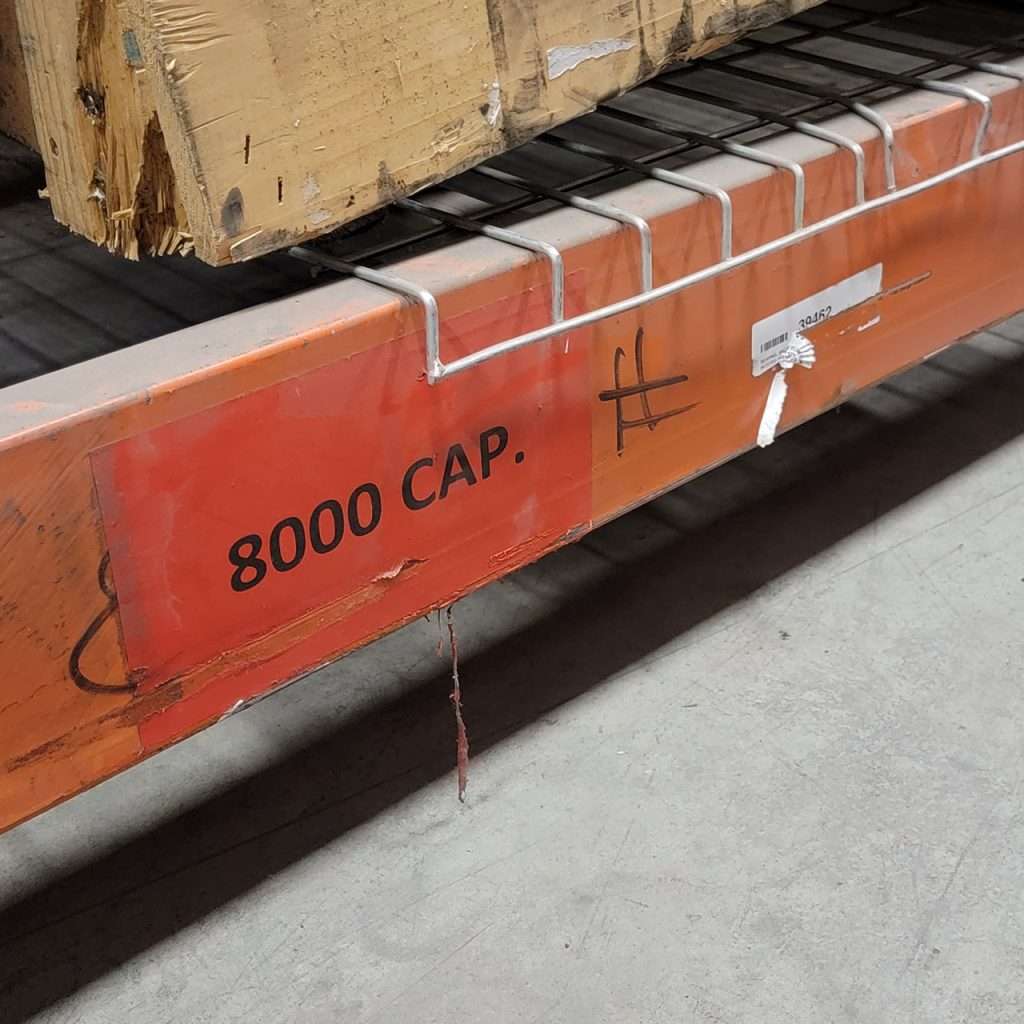
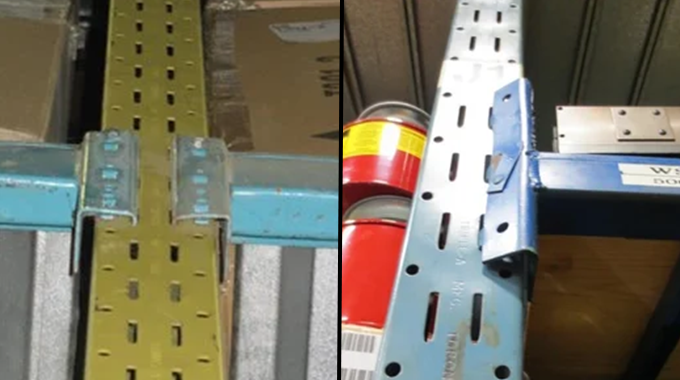
Mismatched Components
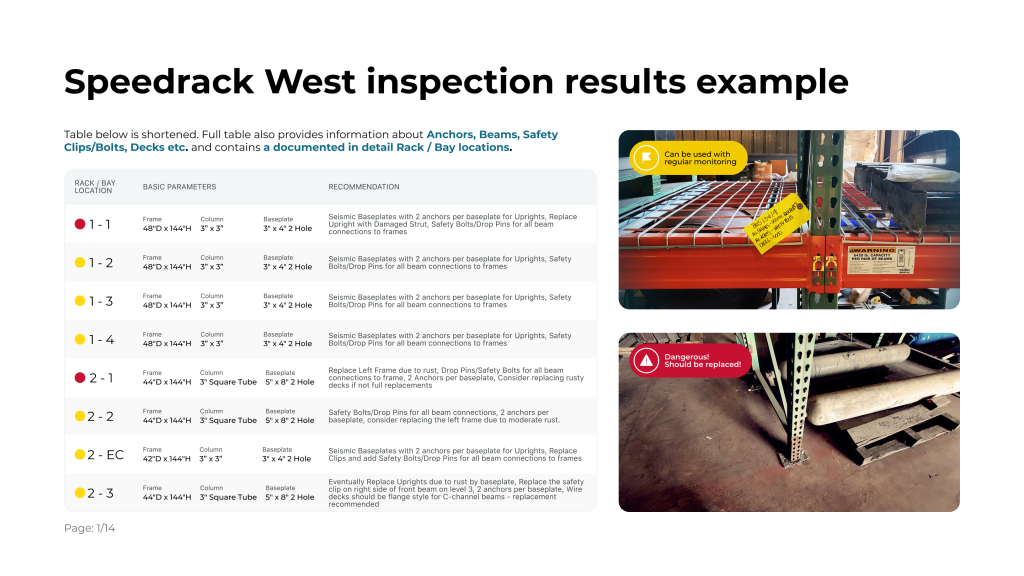
Lack of Inspection Records
If a seller can’t provide history or inspection tags, past damage may be hidden.
Non-standard Modifications
DIY welds or reconfigurations require professional engineering review.
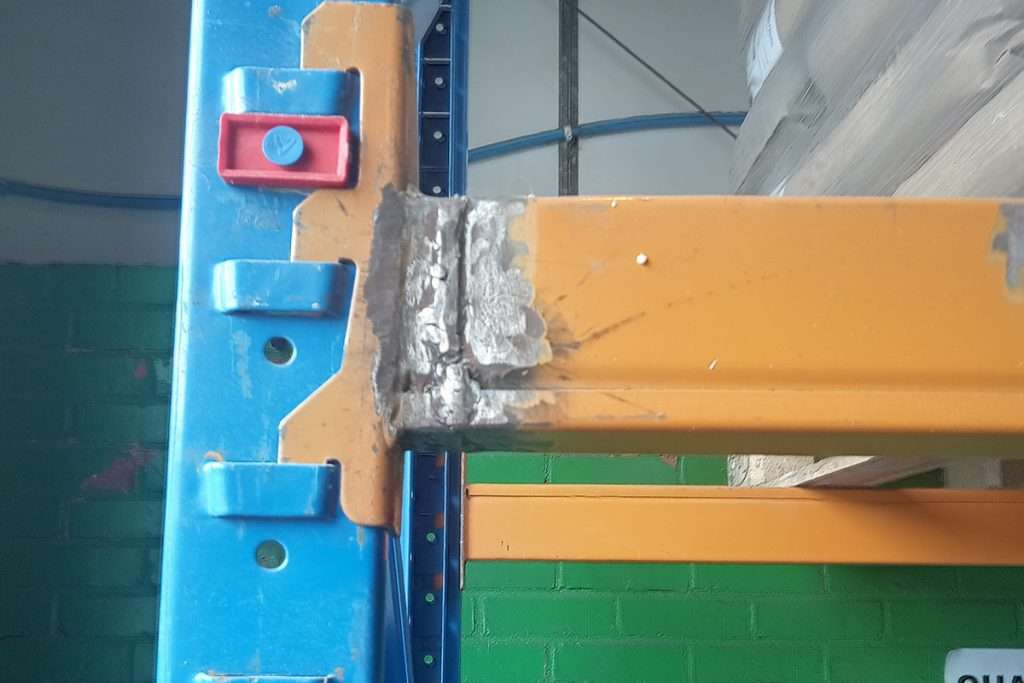
Paint Over Damage
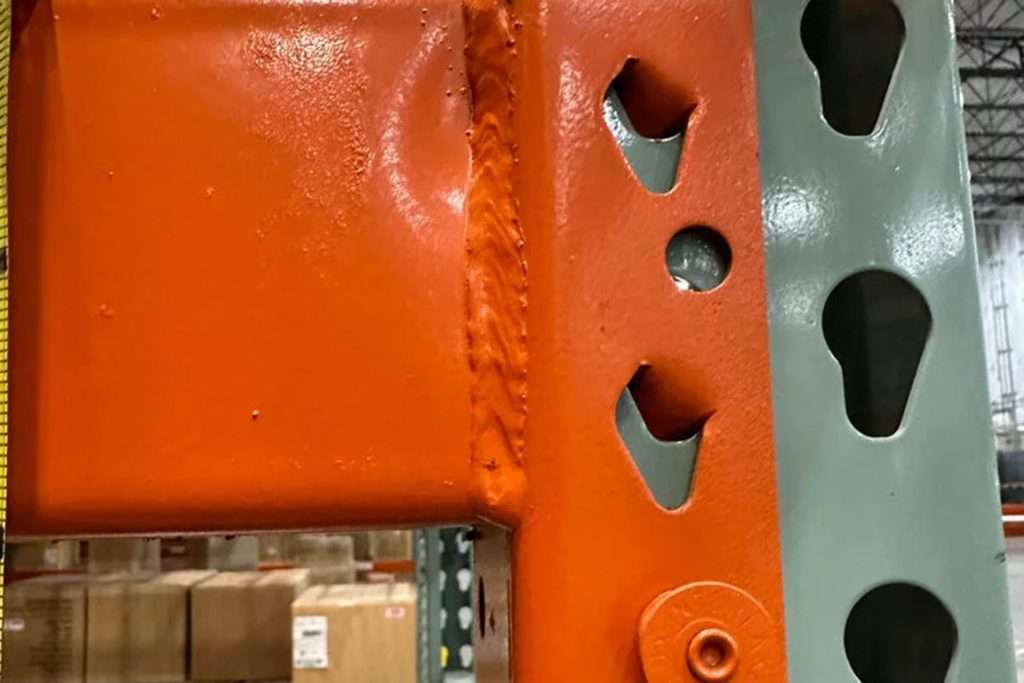
Fresh paint might hide cracks, rust, or deep dents. Look closely.
Avoid the Same Problems—Talk to Our Specialists Today!

Was this helpful?