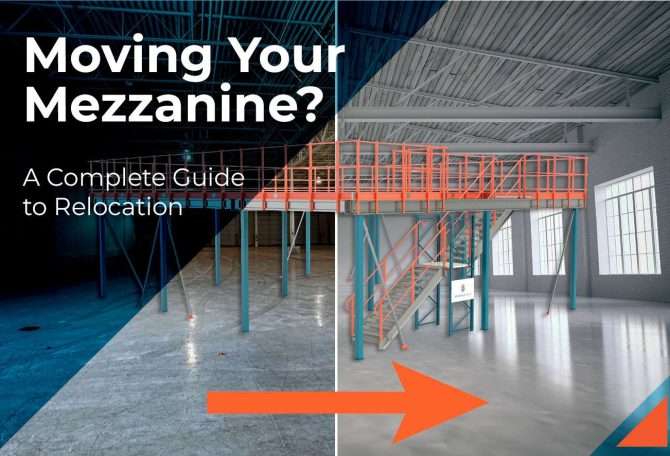

The Big Question: Can Mezzanines Be Relocated?
The short answer is: Yes, mezzanines can typically be relocated—if they were designed with modularity in mind. Many mezzanine systems are built to be disassembled, transported, and reinstalled in new locations. However, if mezzanines have been integrated into the building structure, disassembly can cause damage or leave behind parts that will no longer be usable.
Before making any decisions, please review the following paragraph to determine whether your mezzanine floor was designed to be relocated.
What Types of Mezzanines Are Relocatable?
As we’ve written earlier, mezzanine floors come in different types, each with unique features. The type of mezzanine you have plays a key role in whether it can be moved. Here’s a quick overview of common mezzanine types and their portability:
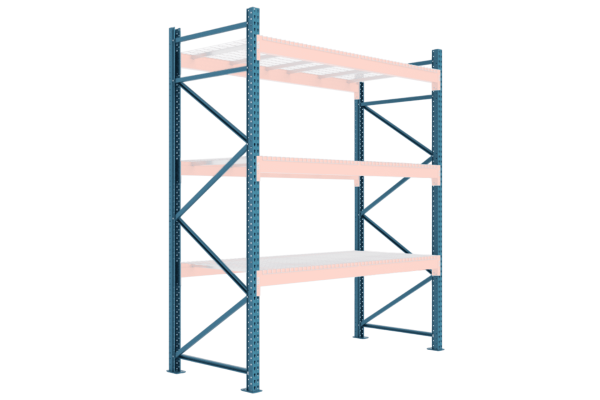
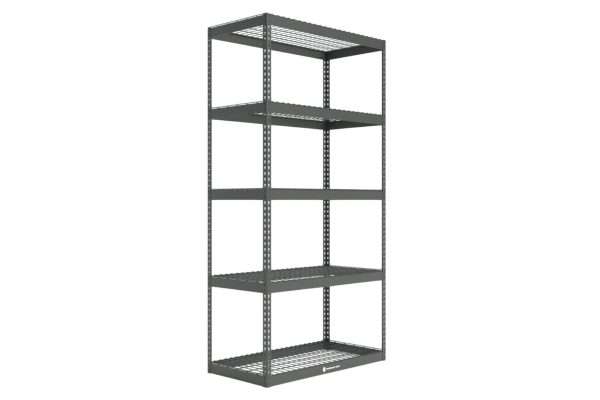
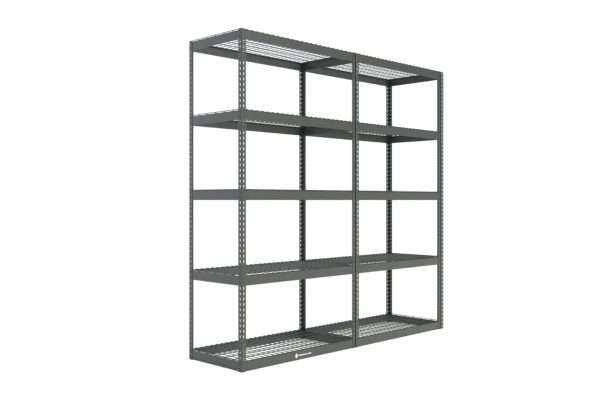
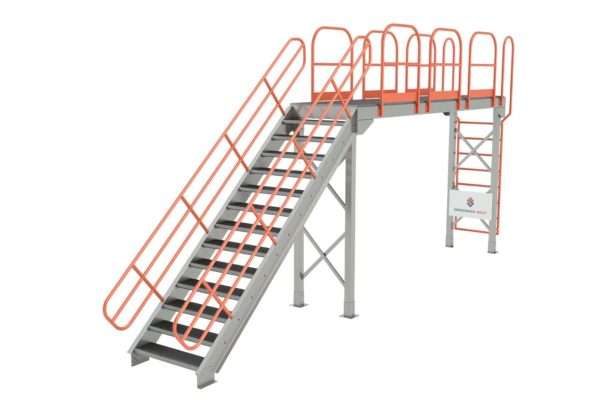
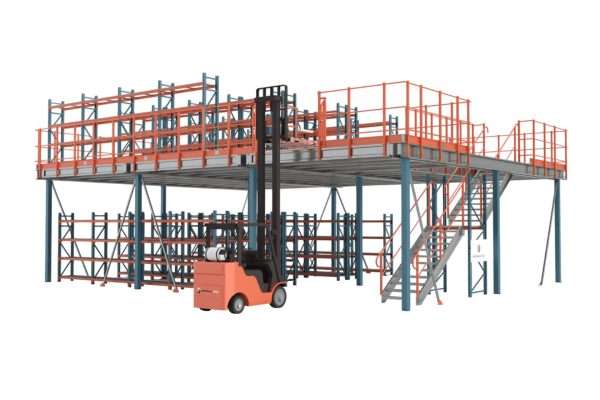
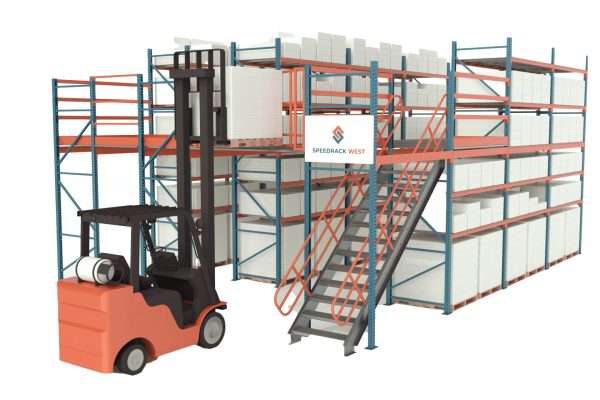
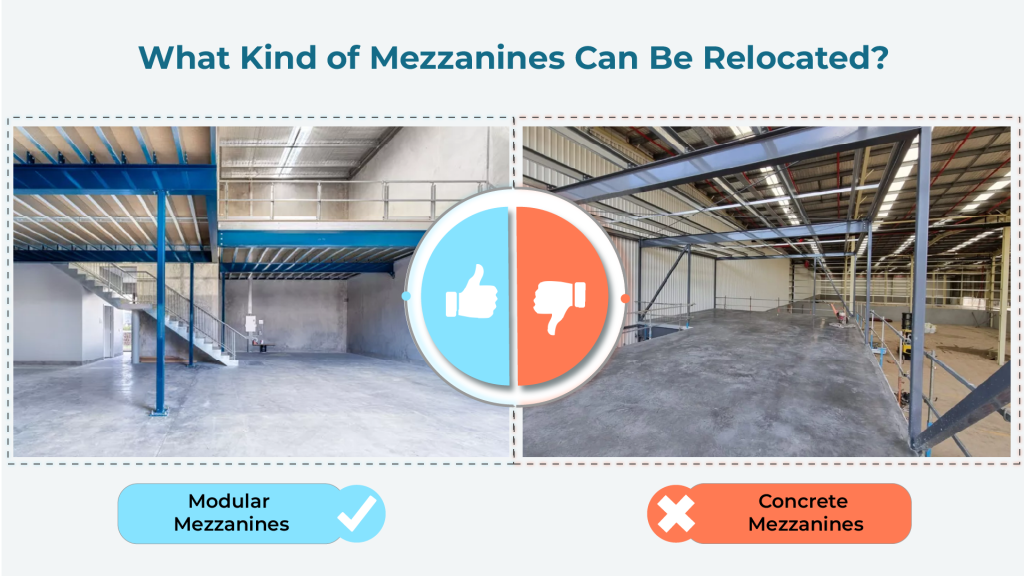
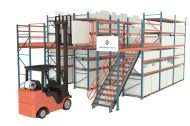
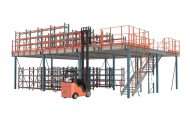
- Modular Mezzanines: These are the most easily relocated, as they are self-supporting and not integrated into the building’s structure. Often based and connected to shelving or racking systems, they can typically be disassembled and reinstalled at a new location.
- Concrete Mezzanines: These are usually built as part of the building’s structure and are not designed for relocation. Unlike modular systems, they aren’t designed to be disassembled and reassembled.
Take a look at the picture below for a quick visual gist.
| Mezzanine Type | Relocatability | Ease of Disassembly | Modifications Needed After Move |
|---|---|---|---|
| Modular Steel Mezzanine | High | Easy | Minor Layout Changes |
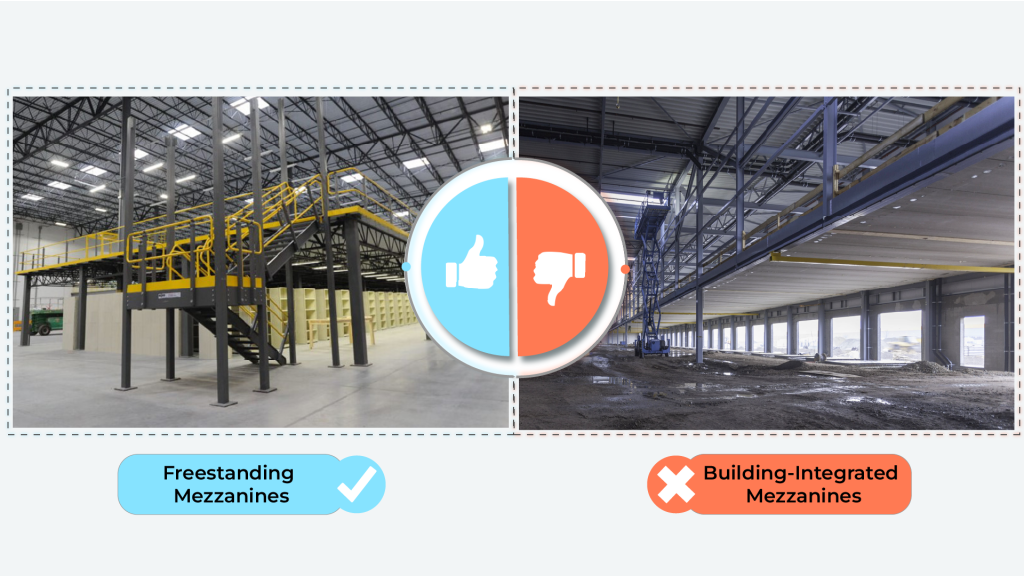
| Freestanding Mezzanine | High | Easy | Minor |
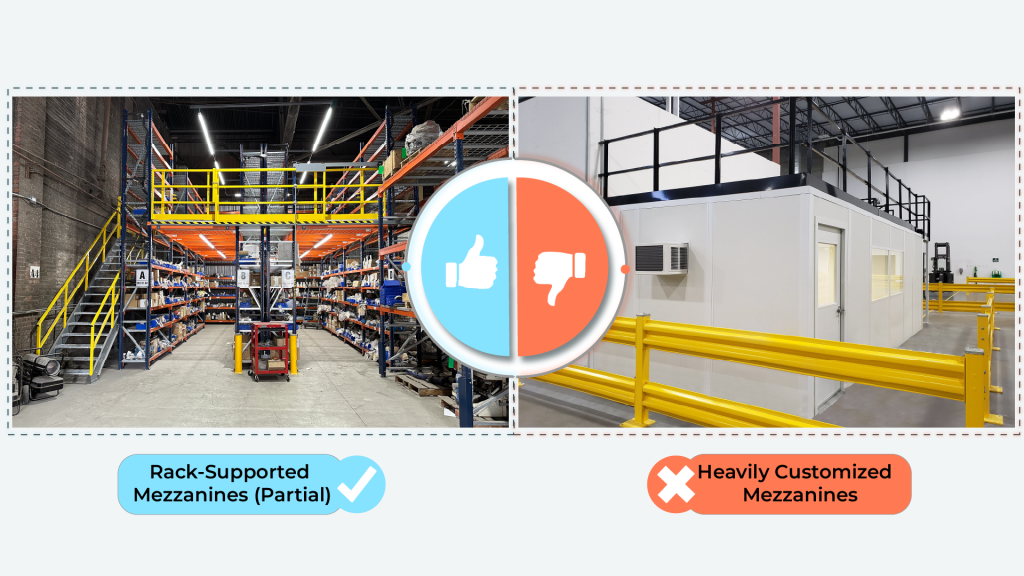
| Rack-Supported Mezzanine | Medium | Moderate | Structural Layout Redesign Likely |
| Building-Attached Mezzanine | Low /Mostly Unreal | Difficult | Significant Changes Required |
What’s Involved in Moving a Mezzanine System?
Relocating a mezzanine system isn’t quite like packing up boxes and calling the movers. It’s a complex process that requires careful planning and expertise. Here’s a quick look at what’s involved:
- Disassembly. First up, every part of the mezzanine—beams, decking, supports, railings —needs to be carefully taken apart. This isn’t something you want to rush, as improper disassembly can damage components and make reassembly a headache.
Pro tip: Label every single part as you go. Trust us, you’ll thank yourself later when it’s time to put everything back together. - Transport. Once disassembled, the components need to be safely transported to your new location. Depending on the size and weight of certain parts, you might need specialized equipment or vehicles. It’s important to secure everything properly to prevent damage during transit.
- Reassembly. At your new facility, the mezzanine floor gets a second life. But don’t expect it to be a simple plug-and-play situation—chances are, you’ll need to make some adjustments to fit the new space. This could mean tweaking the layout, adding or removing components, or even reinforcing certain areas based on new load requirements or building codes.
What You Need to Check Before Relocation
Before you commit to moving your mezzanine, pause and do a thorough check of the following:
- Local Building Codes: Every city or county might have different requirements. Make sure your mezzanine will comply with all current codes at the new facility, including fire safety, egress, and accessibility.
- Seismic Zone Requirements: If you’re moving to an area with different seismic activity¹, you may need additional engineering or reinforcements.

- Facility Specifications:
- Ceiling Height: Double-check that there’s enough clearance for both the mezzanine and any equipment you plan to use on it.
- Floor Slab Specs: The new floor must be able to support the mezzanine’s weight (plus whatever you’ll be storing on it).
- Column Spacing: Make sure the mezzanine’s support columns will work with the new building’s layout—misaligned columns can cause major headaches.
- Load Capacity: If your storage or operational needs have changed, you might need to modify the mezzanine’s design or reinforce certain areas.
When It Might Make More Sense to Start Fresh
Sometimes, moving your mezzanine just isn’t worth the hassle. Here are a few scenarios where starting over could be the smarter move:
- Outdated Systems: If your current mezzanine is showing its age or doesn’t meet your needs anymore, investing in a new system could save you money and stress in the long run.
- Heavily Customized Setups: Custom mezzanine floors are great for unique spaces, but they can be a nightmare to relocate and reconfigure.
- Labor and Freight Costs vs. New Purchase: Sometimes, the cost of taking apart, moving, and reassembling a mezzanine can be close to (or even more than) buying a new one, especially with freight costs.
How to Plan for Future Moves
If you think you might move again in the future, a little planning now can save you a lot of hassle later:
- Design for Modularity. Ask yourself: Is my mezzanine portable?
Opt for a mezzanine system designed for easy disassembly and reconfiguration. Check out our special article, “Can My Mezzanine Be Expanded or Modified Later?” Moveable mezzanine floor designs are your friend! - Work with Flexible Vendors. Choose a vendor who understands the importance of properly relocating mezzanine systems. A knowledgeable partner can help you navigate key questions like: Do I need new permits for a relocated mezzanine? or What does disassembly and reinstallation involve?
- Keep Good Records. Store all your installation plans, engineering documents, and maintenance records in a safe place. Create a mezzanine relocation checklist. Having these on hand will make any future moves much smoother.
A Relocation Success Story
When the University of Wisconsin’s State Surplus SWAP Shop³ decided to combine two of their smaller facilities into one big, new space, they had a pretty big question to answer: What do we do with that old mezzanine from the ’80s?
Surprisingly, it was still in great shape—even after all those years—so instead of tossing it or buying something brand new, they decided to move it to the new building. And it worked out really well. Not only did they save a lot of money, but it also showed that solid, well-maintained equipment can last way longer than you might think.
The move went so smoothly that they ended up buying a second modular mezzanine for the new space—this time with future flexibility in mind. They planned out how they’d use both levels, even adding a sprinkler system and building in extra storage.
Bottom line? With some smart planning and the right kind of mezzanine, even a 20+ year-old structure can move with you and keep delivering value. It’s a great reminder that modular systems aren’t just practical—they’re a solid long-term investment, too..
Final Thoughts: Stay Flexible as You Grow
Moving a mezzanine is totally doable, but it takes planning, attention to detail, and the right partners. With modular, flexible solutions and expert support, we’ll help keep your storage—and your business—moving forward.
If a move is in your future, talk to Speedrack West about mezzanines designed to go where you grow.
Checklist: What to review before relocating your mezzanine
Checklist: What to review before relocating your mezzanine
Download our free checklist here:
1. Assess Mezzanine Type and Condition
2. Evaluate New Facility Requirements
3. Compliance and Safety
4. Logistics and Planning
5. Documentation and Inventory
6. Cost-Benefit Analysis
7. Post-Installation
Used Recources
Products, discussed in the article


Was this helpful?