


How Tariffs are Already Affecting the Industry: Key Developments from Q1
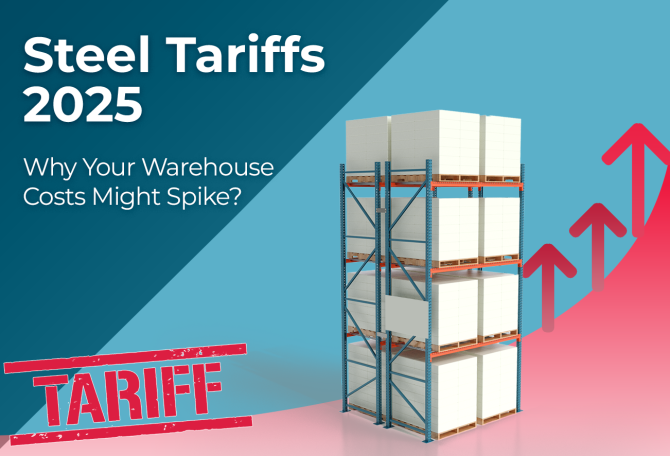
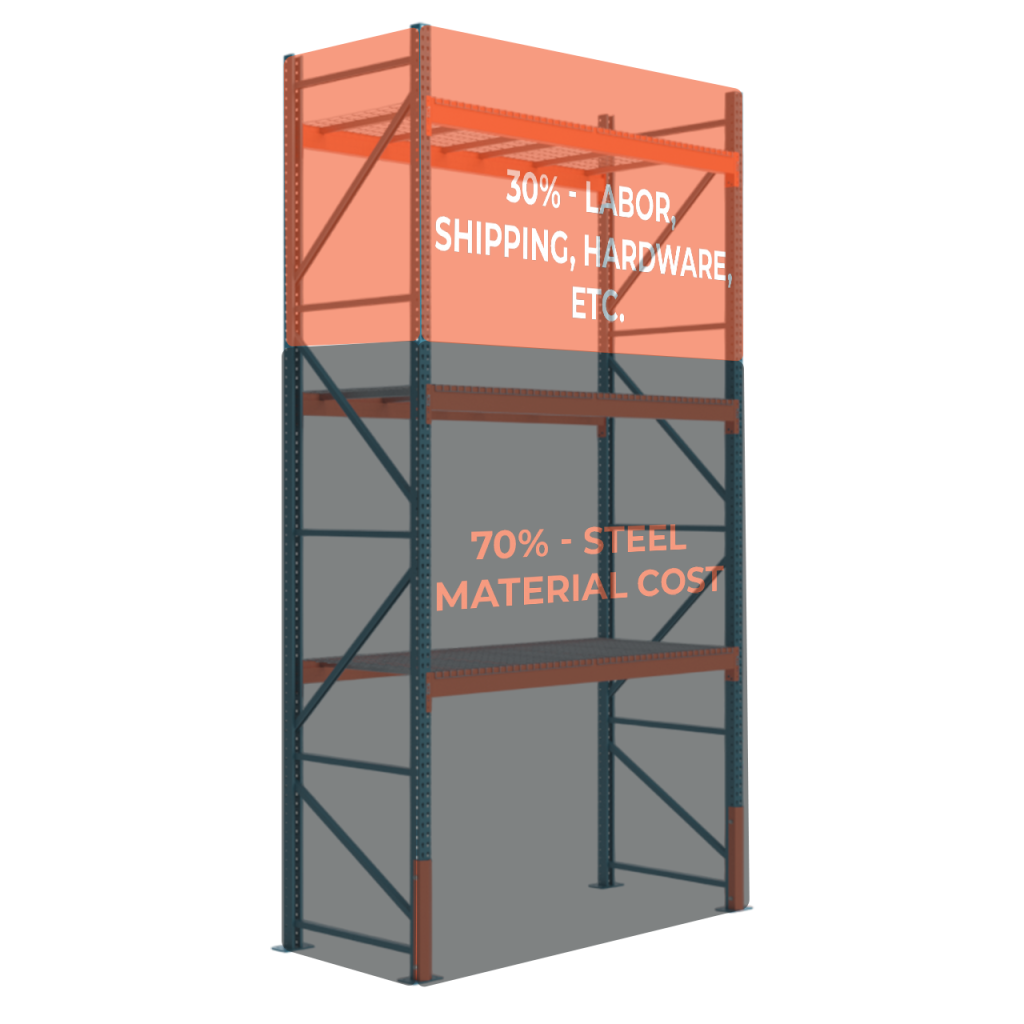
President Trump’s latest tariff package imposes a 10% baseline levy on imports from key partners like the UK, Singapore, and Brazil, with even steeper hikes—20% to 54%—on the EU, China, and Vietnam (46%). What does this mean for the warehouse racking industry? As you know, the cost of warehouse racking has been closely tied to fluctuations in steel imports and domestic demand. Brian Pfannes, Vice President of Supply Chain at Steel King², noted that the effects of such tariffs vary depending on one’s position within the supply chain. Since the initial tariffs in 2018, the U.S. steel³ industry has undergone significant changes, including price volatility and market consolidation. A key development was the acquisition of foreign-owned mills by domestic companies, which contributed to a 173% increase in hot-rolled steel prices within a year. Pfannes pointed out that while the intent of these tariffs is to establish a “level playing field” and potentially ignite a manufacturing revival in the U.S., they also introduce added complexities for businesses dependent on steel-based materials. And since steel makes up 60-70%⁴ of the total cost of racking systems, the new tariffs are expected to drive prices higher. So, if you’re planning to expand, reorganize, or upgrade your warehouse racking system, these tariffs could substantially raise your project costs.
How Companies Are Responding to Tariffs
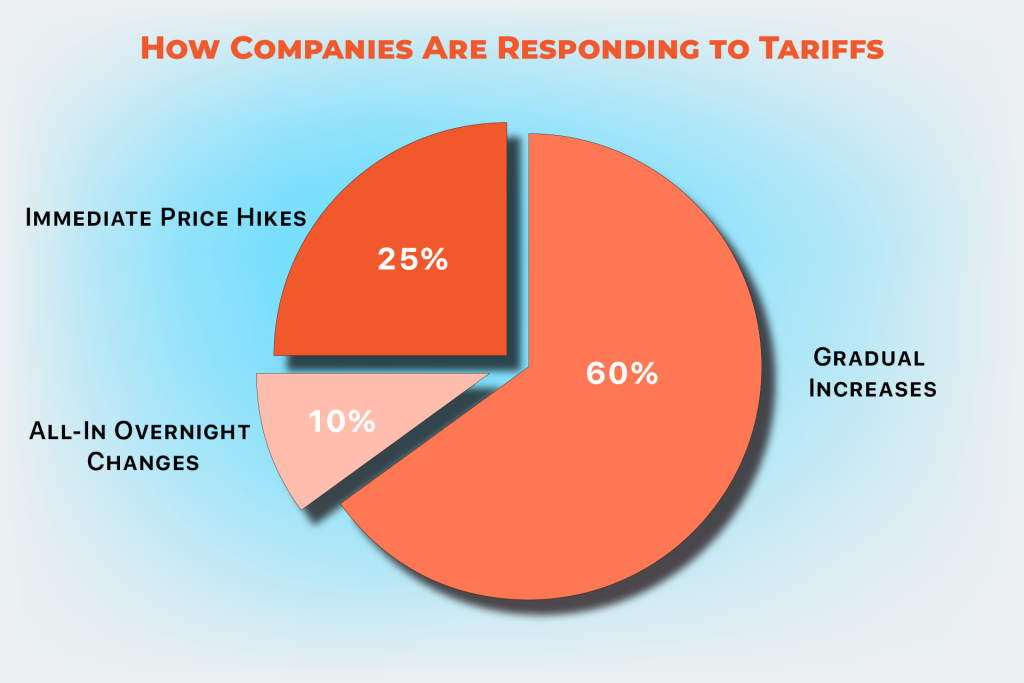
One of the most notable developments is the varied approaches companies are taking to mitigate the impact of these tariffs. Some have opted for sharp, upfront price increases, while others are easing their customers into the new pricing model with gradual monthly hikes.
Immediate Price Hikes
Some companies have chosen to implement immediate price hikes, clearly communicating to their customers that all purchases made after a specific date will reflect new prices. This approach provides a defined deadline and sharp, upfront changes. While this method offers transparency, it can also be challenging for customers who are suddenly faced with higher costs.
Gradual Increases
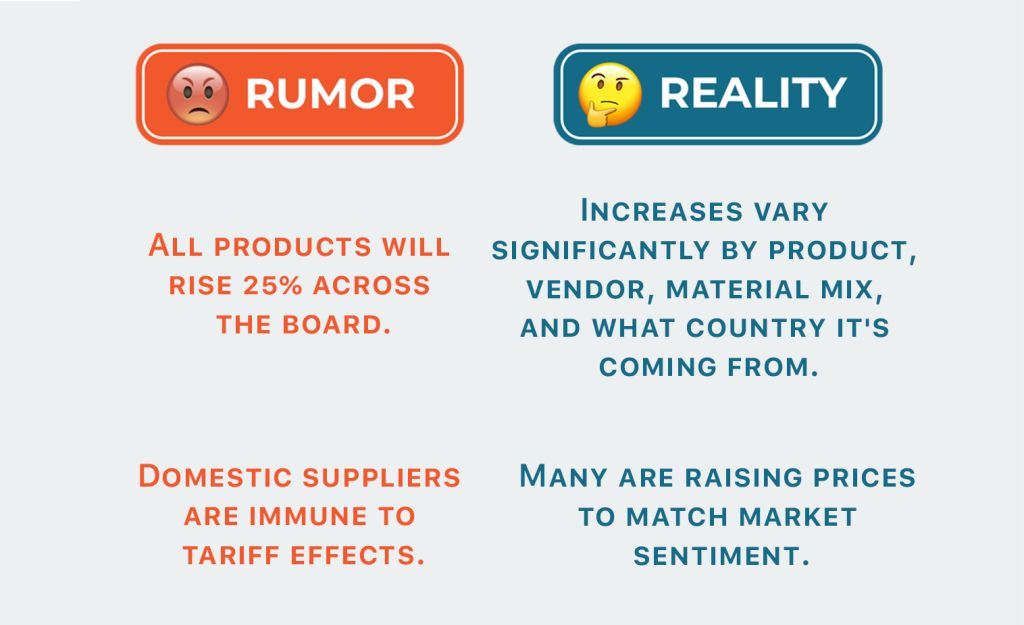
Other companies are taking a more gradual approach, breaking down the 25% increase into smaller monthly increments. For example, a company might increase prices by 5% one month, followed by a 10% increase the next, and so on. This strategy aims to ease customers into the new pricing model, making the transition less abrupt and more manageable. It’s worth noting that these pricing adjustments come amid broader trade pressures. The reciprocal tariffs—ranging from roughly 30% to 50%—are in addition to the 25% steel tariff introduced in March. As a result, total tariffs on some countries now exceed 70%.
All-In Overnight Changes
Some companies have taken the bold step of implementing all-in overnight changes, with no ramp-up period. This approach ensures that the company can quickly adjust to the new economic reality, but it also risks alienating customers who may not be prepared for such sudden changes.
What We’re Hearing About Tariffs—and What’s Still Unclear
Industry Pulse: What Players Are Discussing
Key industry players are shaping the response to the new tariffs. Many manufacturers⁵ and larger companies are not only adjusting their pricing strategies to align with the evolving economic environment but are also reevaluating their sourcing decisions⁶. The situation remains highly dynamic—changing by the day—which has led some businesses to implement immediate price adjustments as a short-term measure. At the same time, they are taking a wait-and-see approach before making longer-term decisions about where to source materials moving forward.
Others anticipate that while increased costs will inevitably be passed on to customers, many clients won’t have the budget to absorb these hikes—especially amid broader market volatility. As a result, purchasing behavior may shift: clients are likely to buy less, leading to reduced import volumes and, in turn, a slowdown in logistics activity.
This dip in demand for internal logistics could intensify competition, compress margins, and result in layoffs or even bankruptcies—especially for companies already operating with fragile balance sheets.
High-margin brands may find ways to shield buyers from sticker shock, but low-margin players have no choice but to pass along price increases. With keeping costs under control being a top priority for the next 12 to 18 months⁷, the companies that can plan ahead and adapt quickly will be the ones that do well—while others may struggle.In the short term, however, tariffs aren’t expected to drastically slow down operations, though they will make prices highly volatile.
“Shipping demand destruction is not immediate⁸. Tariff costs are offset by currency depreciation in source markets. Some foreign sellers and US buyers cut their margins to reduce the pass-through cost to consumers and defend market share. Exceptions to tariffs limit the overall impact. To the extent tariffs do translate into pass-through costs, some inflation is acceptable to consumers willing to pay higher prices. The negative impact on ocean shipping rates occurs when pass-through costs grow too high, compelling consumers to reduce purchases, and when margins for importers and exporters become uneconomical.”
Domestic Manufacturers Raising Prices in Sync with Tariffs
Interestingly, some domestic manufacturers⁹, who are not directly affected by the tariffs, have started raising their prices in line with imported goods. This move is notable, as it suggests that these companies are adjusting their pricing strategies in response to market conditions rather than actual cost increases. It also reflects the reality that even domestic manufacturers often rely on imported raw materials or components.
What do experts say?
From our observations, the industry is split into distinct categories based on their pricing strategies.
One of the major dilemmas facing companies is how to handle products made from a blend of domestic and imported steel. For example, a product made from 50% domestic steel and 50% imported steel poses a pricing challenge. Should the tariff increase be applied to the entire product, or should pricing be split based on the material source? There is no clear standard across the industry, and companies are handling this situation differently, adding to the chaos and leading to industry-wide improvisation.
Companies are coming up with their own solutions, which often differ significantly from one another. This lack of uniformity makes it difficult for customers to understand and compare pricing across different suppliers.
Project Planning Chaos: Why Tariffs Are Making It Hard to Commit
Reduced Quote Validity
With increasing uncertainty, many companies are now shortening the time their quotes are valid—sometimes to just one week. This change is mainly due to the unpredictability of costs. Instead of keeping prices fixed for a long time, businesses prefer shorter quote periods to safeguard against sudden price increases. In some instances, companies are also adding specific terms about steel surcharges or tariffs in their quotes, which lets them change prices if costs go up during the approval or buying process. This trend shows how unstable and unpredictable the current market has become.
Vendor and Customer Alignment Issues
The rapid price changes have put a real strain on partnerships, both with vendors and customers. Nobody wants to commit too early, but waiting too long can cause delays, budget issues, and missed opportunities. Striking the right balance between early commitment and cautious waiting has become a significant challenge for project planners.
Strain on Long-Term Planning and Timelines
The uncertainty surrounding tariffs has made long-term planning and project management increasingly difficult. Companies are struggling to commit to timelines and budgets, as the constant flux in pricing makes it hard to predict future costs accurately. This strain on long-term planning adds to the overall chaos and makes it challenging for businesses to operate effectively.
What’s Next? The Outlook for Mid-2025
From One Perspective
Much like during the COVID-19 era—when rising fuel costs, soaring container rates, and other economic challenges should have slowed shipping volume—demand remained surprisingly resilient. At the time, container prices soared to over $20,000, and carriers were widely seen as engaging in price gouging. Still, shipping volumes didn’t decline. The volumes held steady, increased costs were passed down the supply chain, resulting in extremely high inflation on nearly everything.
On the Flip Side
The current economic climate is fundamentally different. Back then, the government was injecting liquidity into the economy and slashing interest rates, which gave consumers and businesses spending power despite rising prices. Today, money is tight. Interest rates are high, and the flow of capital is restricted. A modest price increase of 5% definitely wouldn’t be enough to cover the additional tariff costs, and while we’re speculating that it could lead to a 10–15% drop in sales volume, it’s important to remember that all businesses are facing these same challenges. This situation involves a lot of assumptions, and we’re essentially left to guess how it will play out. That impact would ripple across the economy. As a result, many companies are hesitant to make major moves right now.
Rumor vs. Reality
Final Thoughts: How to Stay Ahead in a Volatile Market
2025 is already shaping up to be a transformative year for the warehouse and storage industry. Whether you’re adjusting your pricing model, re-evaluating vendors, or trying to lock in inventory, the key is to stay informed and flexible.
Best Practices Moving Forward:
- While monitoring steel indexes might not be practical for the average consumer, consider subscribing to industry reports or updates from trusted suppliers that summarize these indexes for you.
- Be proactive about understanding and communicating quote expiration timelines with your suppliers. Discuss with them how external factors, like changes in tariffs, could affect pricing after you’ve submitted your purchase orders.
- Explore hybrid sourcing options. Engage with suppliers who can provide both domestic and international options. This flexibility might allow for better pricing and supply chain reliability.
- Schedule regular check-ins with your vendors to discuss market conditions and any potential changes to pricing structures.
- Create a contingency plan for your sourcing strategy to adjust swiftly to changes in tariffs or market demand. Many companies buffer the stock or redesign warehouse storage.
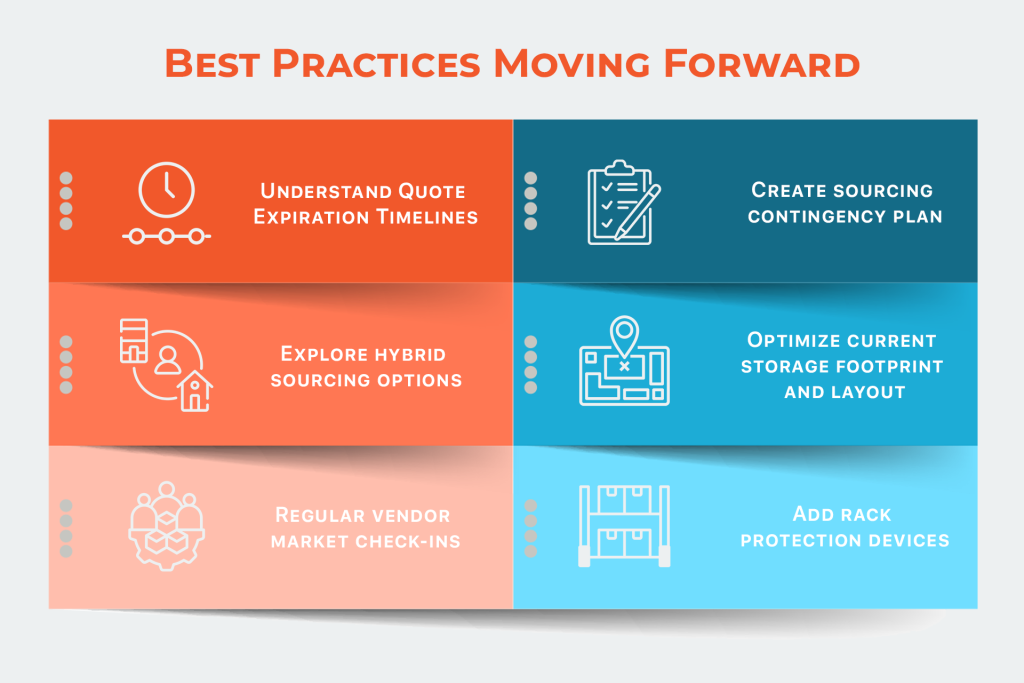
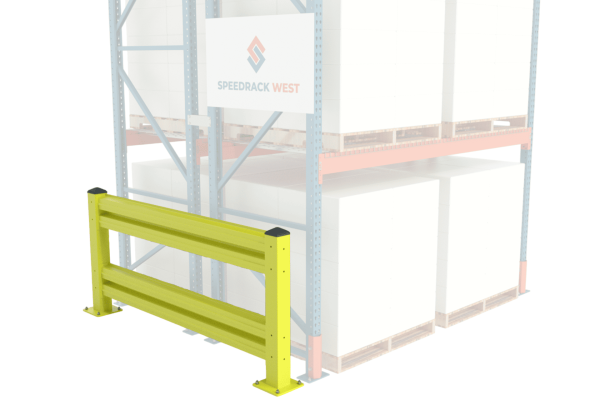
While it’s often said that it’s a bad time to invest in new storage systems, this isn’t entirely accurate. In fact, you can achieve your new business goals by optimizing your current storage footprint and layout. This can be accomplished through reorganizing and redesigning your existing setup rather than starting from scratch. Additionally, we have a range of racking and shelving systems in our stock, along with protective devices that can prolong the lifespan of your racks, and they remain effective and reliable for your operations until this storm is over.
If you’re feeling the pressure and need a sounding board or strategic partner, reach out. Our team is here to help you make the right moves—today, not tomorrow.


2 Comments
This is a timely and thorough analysis of how 2025 tariffs are shaking up the warehouse industry. The breakdown of immediate versus gradual price adjustments is particularly insightful, as it highlights the strategic dilemmas companies face. I appreciate the practical tips on staying flexible, exploring hybrid sourcing, and optimizing existing storage layouts. For anyone navigating this uncertainty, these insights provide a clear roadmap to manage costs and maintain operational efficiency effectively.
very helpful read for anyone—warehouse equipment costs and why planning ahead is more important than ever.