









Pallet Rack Inspection Checklist
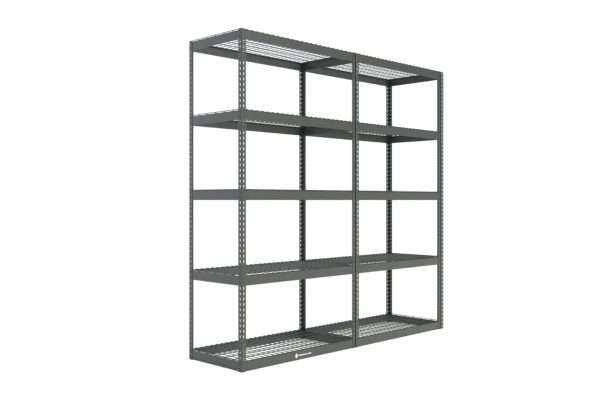
Open or download the Pallet Rack Inspection Checklist, a handy tool that covers six key components to audit your warehouse racking:
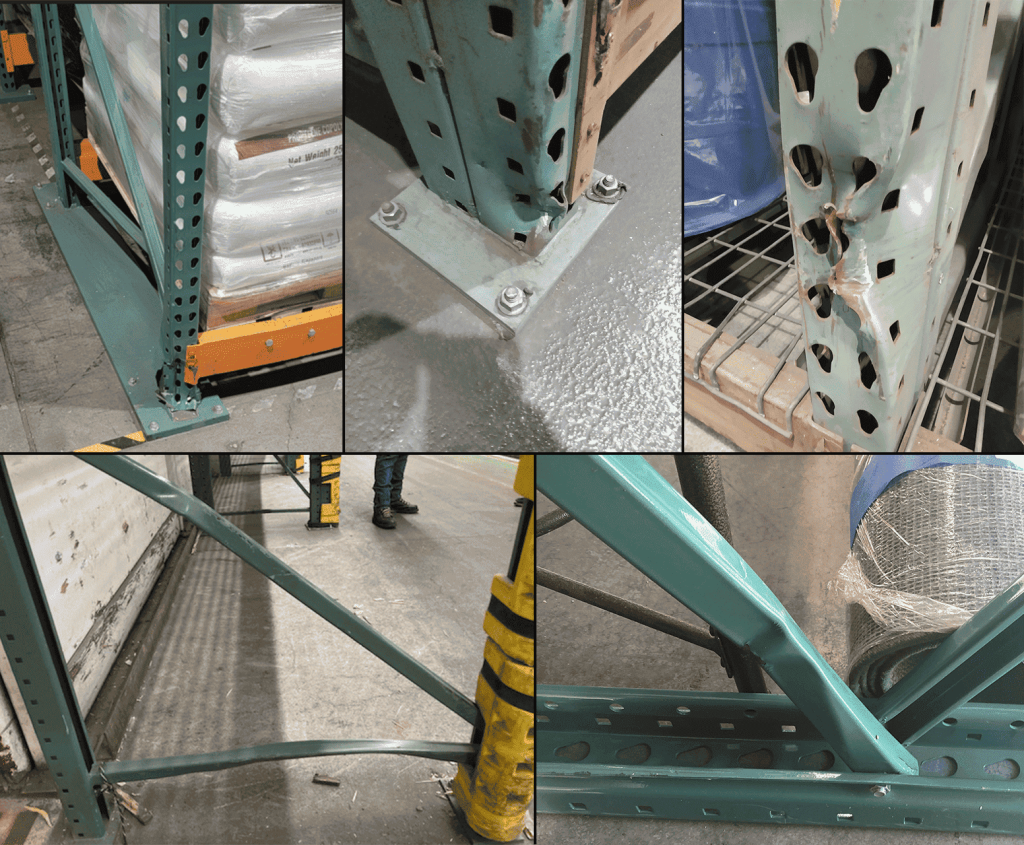
- Floor: Ensure that you have the proper condition of footplates, shims, and anchor bolts.
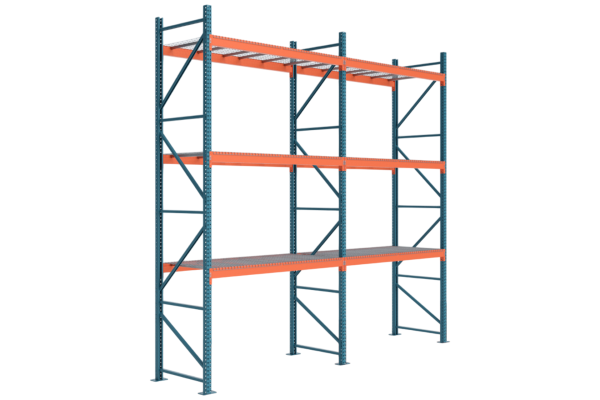
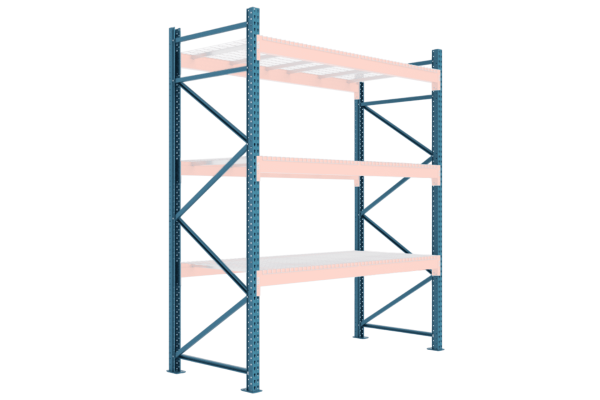
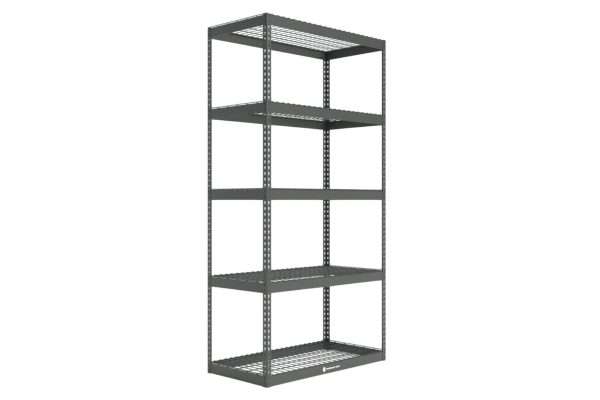
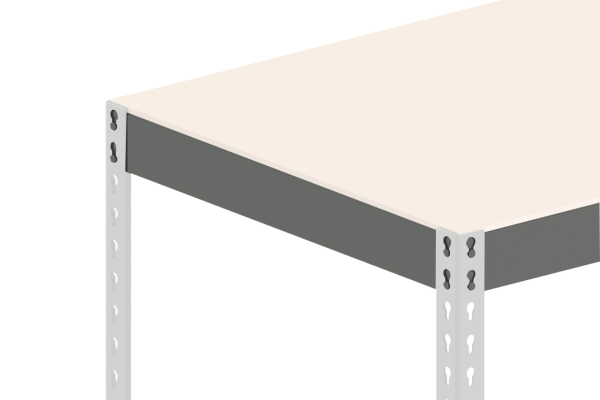
- Pallet Rack Uprights: Inspect frames for damage (cracks, corrosion) or deformation.
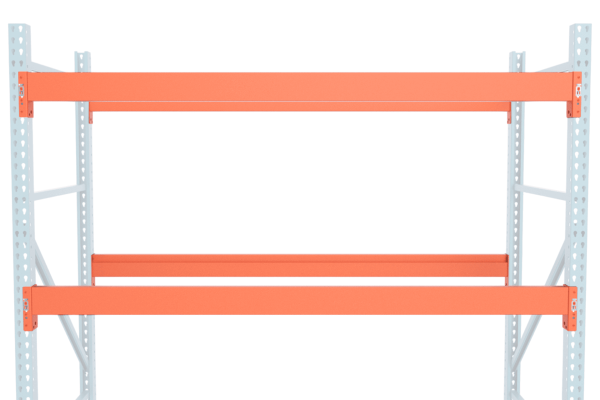
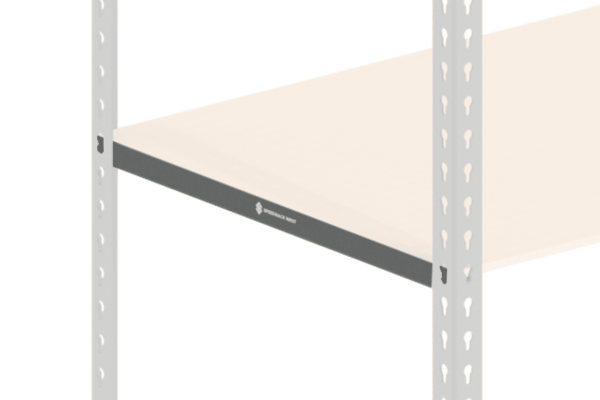
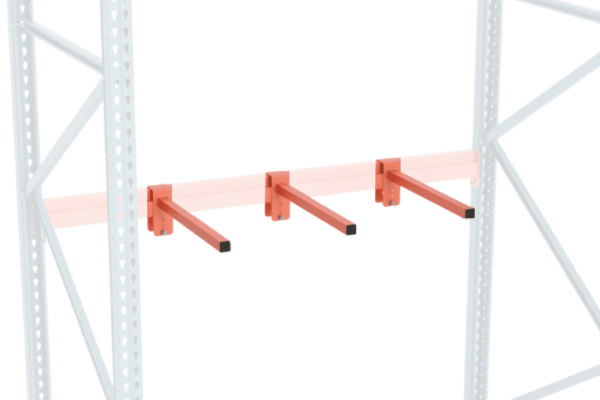
- Load Beams: Check for signs of bending or wear on beams. For how much it can be, see Checklist.
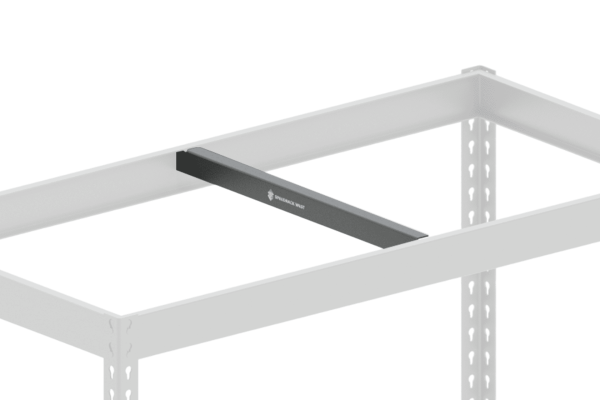
- Horizontal and Diagonal Braces: Verify their structural integrity.
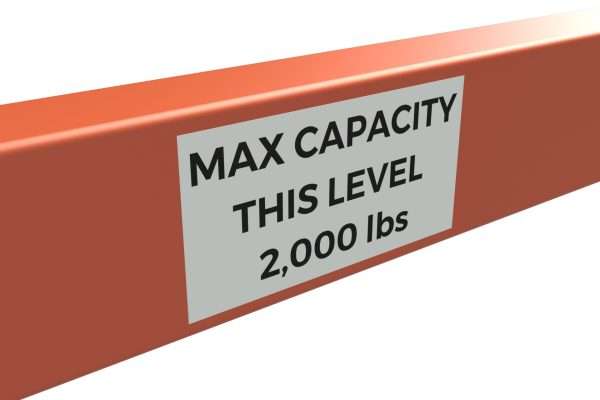
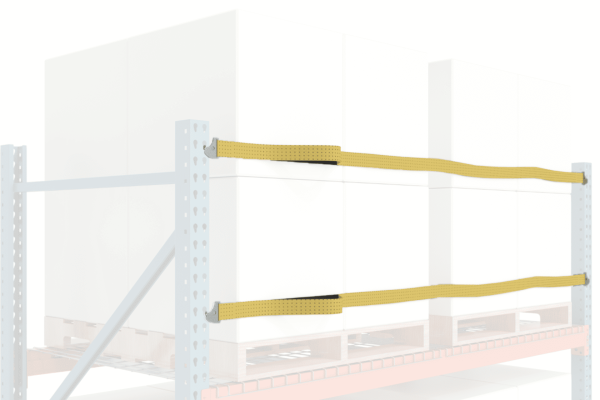
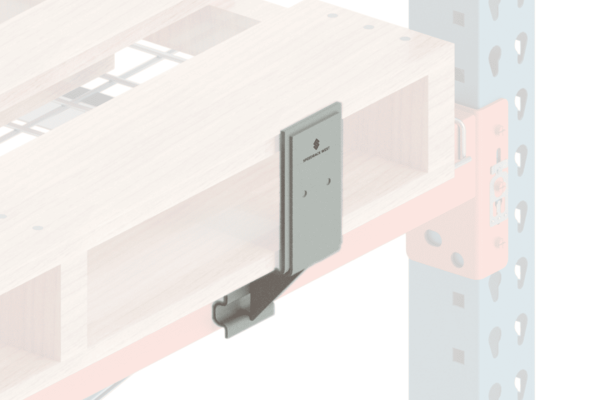
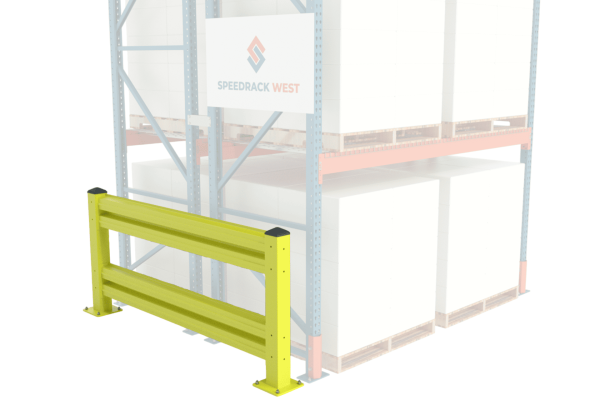
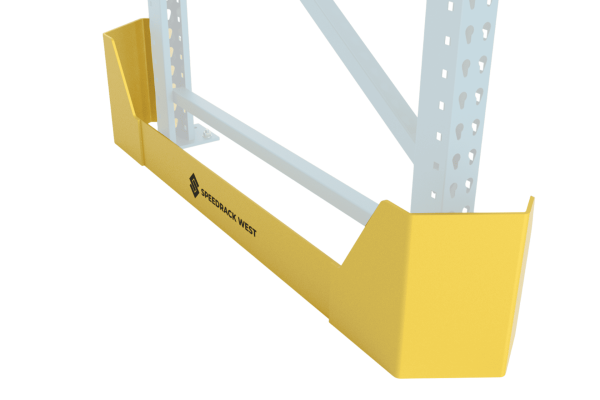
- Protective Measures: Review manufacturer loading restrictions, safety signage, and guarding accessories.
- Documentation and Regular Inspections: Create detailed documentation and schedule timely inspections.
Download the Pallet Rack Inspection Checklist
This detailed checklist focuses on the structural integrity and safety of pallet rack uprights. Use this as a standalone component or integrate it into a broader pallet rack inspection program.
You’re done. Now you are familiar with the 6 key components to audit your warehouse racking. Work with questions in our checklist as a foundation to create a tailored version suited to your unique warehouse processes, racking systems, and operational demands. By properly inspecting your racks, you can figure out which steps you should be doing now and which ones you can postpone or delegate. See below for how individual steps turn into a smooth, ideal process that supports the longevity of your racks.
6S management methodology best practices
Initially, the 5S methodology was created to keep warehouse operations well-organized and consequently efficient due to the absence of errors and damage. Over time, this evolved into the 6S methodology, further strengthening the operational efficiency process. How does this help you ensure that the racks are safe to use? Thanks to 6 key components that compile the 6S standard. Here’s an overview:
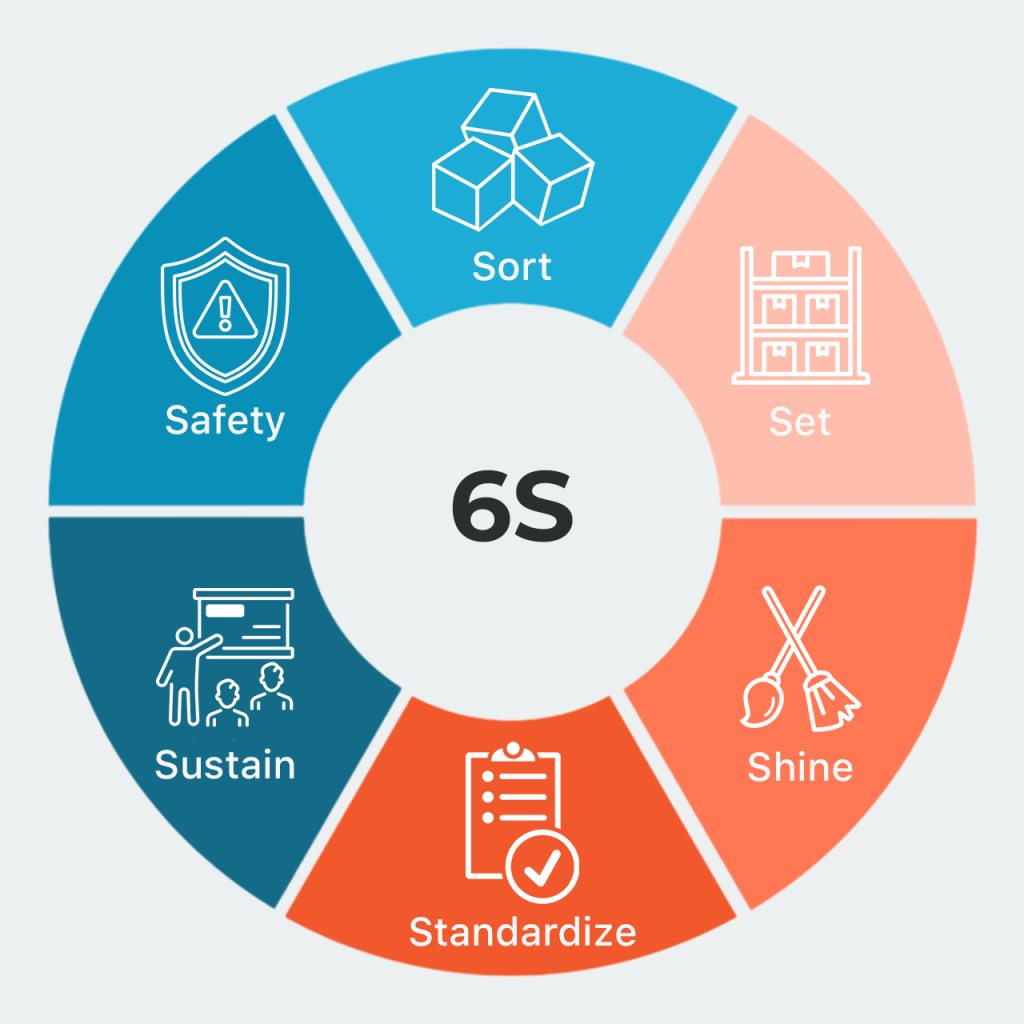
- Sort. This step is to identify areas, parts, tools, equipment, or packaging. Implement a tagging system (e.g., red for disposal, yellow for later use). Label shelving areas with labels: storage, packaging, collection, dispatch, etc.
- Set. Organize the workspace so that every item has a designated “home.” For example, a pallet jack should not be left in the aisle, only parked in the proper place. Clearly label storage areas and return tools or resources to their proper place after use, promoting quick access and reduced downtime.
- Shine. Practice daily cleaning routines and preventative measures to keep the floor, equipment, and tools in excellent condition, contributing to a safe and visually organized environment.
- Standardize. Establish consistent practices and visual guidelines, such as labels and safety signage, to ensure the first three steps become routine. Document operational standards to eliminate variability and maintain efficiency.
- Sustain. Foster discipline through training, regular audits, and a bonus system. Regularly review procedures and adjust as necessary to support long-term success.
- Safety. Use safety protocols and the methodology to minimize risks related to placing/withdrawing loads from racks and using heavy machinery and other equipment.
Many companies such as Amazon, Whirltronics, Parvalux Electric Motors Ltd have successfully implemented the 6S methodology. Technically, with this methodology, you can simplify every racking inspection. According to Dan Clapp, former Chairman of both the Rack Manufacturers Institute’s (RMI) Engineering Committee and Specification Advisory Committee, 6 inspections can ensure the safety and longevity of the racking units.
6 inspections that ensure rack safety and longevity
The Rack Manufacturers Institute (RMI) continually updates critical rack safety standards. So, what are the six key checks performed with your racks during their lifetime?
- At the Point of Manufacture. To start, the International Building Code (IBC) Section 1704.2.5 mandates inspections at the rack manufacturing facility. At this stage, the most important thing for you to know is that all the components of the racking system should be certified. If you have all the required certificates, you can skip this step.
1704.2.5 Inspection of fabricators. Where fabrication of structural load-bearing members and assemblies is being performed on the premises of a fabricator’s shop, special inspection of the fabricated items shall be required by this section and as required elsewhere in this code.
- At Delivery. When the rack components arrive at the installation site, it’s time for a delivery inspection of beams, columns, connectors, and other parts against the manufacturer’s documentation to ensure everything matches the specs and arrives undamaged.
- During Installation. First, you should have professional installers. Second, they should oversee the process to make sure everything is in line with the design and manufacturer’s recommendations. If you do not have unauthorized tweaks — your system’s load ratings are okay.

- After Installation. Once everything’s up and running, a post-installation inspection takes place. Inspectors confirm the system is configured as planned, ensuring beams are mounted at the correct height and columns are securely anchored, straight, and plumb, per ANSI standards.
- Periodic Inspections. You can use our Checklist. After the system goes live, regular inspections are a must. Best practices suggest a frequency ranging from monthly to annually, depending on factors like turnover rate, vehicle traffic, and load weights. At a minimum, inspect the entire system yearly. High-risk areas—such as row ends or pass-through zones—should be checked more often, like monthly. Report immediately about visible damage, unload the affected racks and secure the area until repairs are done.
- After Repairs or Replacements. Lastly, once damaged components are repaired or replaced, a final inspection should confirm the fix meets the original design standards. Use RMI’s “Guideline for the Assessment and Repair or Replacement of Damaged Rack” as a reference, and bring in a qualified rack engineer to verify the process.
A Final Note
As promised, you now have a complete pallet racking inspection checklist, a solid grasp of the 6S management methodology, and an understanding of the six essential inspections that promote rack safety and longevity.
Thank you for investing your time in this critical topic. We’d love to hear how you maintain and inspect your pallet racking systems to keep them safe and operational for the long haul. Let’s collaborate to ensure safer, more efficient warehouses everywhere!
Your Pallet Rack safety is best left to the experts! Request a Safety Inspection today!
Pallet Racking Inspection Checklist
This detailed checklist focuses on the structural integrity and safety of pallet rack uprights. Use this as a standalone component or integrate it into a broader pallet rack inspection program.
Floor components
Pallet Rack Uprights
Load Beams
Horizontal and Diagonal Braces
Protective Measures and Load Assessment
Fall Protection Accessories
Impact Protection Accessories
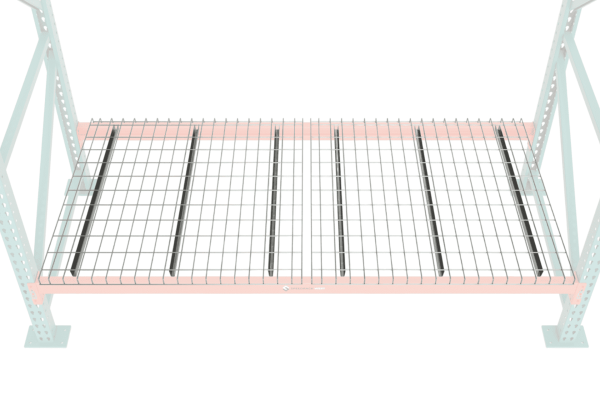
Wire Decking and Pallet Supports
Additional Warehouse Safety Features
Load Assessment
Pallet Condition
Documentation and Regular Inspections
Load Application and Rack Configuration (LARC) Drawings
Observations and Records
Download the printable version of this checklist here.
This detailed checklist focuses on the structural integrity and safety of pallet rack uprights. Use this as a standalone component or integrate it into a broader pallet rack inspection program.






Do you have any questions or comments?
Be the first and post your question or comment