



What Are the Types of Pallet Rack Damage?
Structural Damage refers to any physical harm that affects the overall stability and strength of the pallet rack. Mostly, this type of damage can occur due to factors such as overloading, or poor installation.
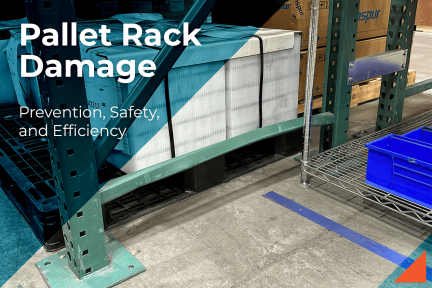
Impact Damage occurs when a pallet rack is struck by a forklift, pallet, or other heavy objects. This can lead to dents, bent frames, or dislodged beams. Even minor impact damage can weaken the structural integrity of the rack, increasing the risk of rack collapse.
Non-Visible Damage. Non-visible damage refers to internal or hidden issues that may not be immediately apparent. This type of damage can include weld cracks, corrosion, or fatigue in the rack components. Non-visible damage can compromise the overall strength of the rack, making it susceptible to failure under load.
Take a look at the table summarizing the common causes of pallet rack damage.
| Cause of Damage | Description | Prevention Tips |
|---|---|---|
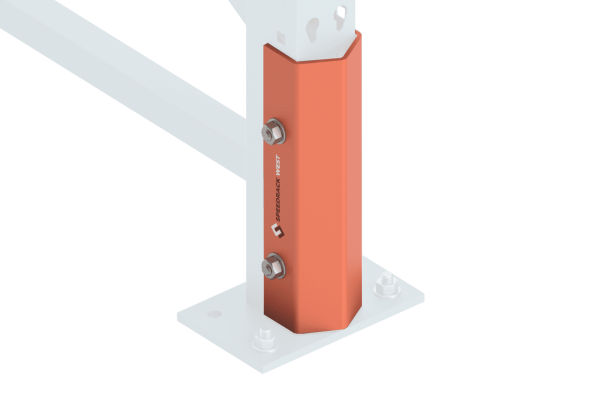
| Forklift Collisions | According to the statistics, “about 90 percent of rack failure can be attributed to forklift impact” | Train forklift operators on safe driving practices. Add rack protectors to reduce impact. |
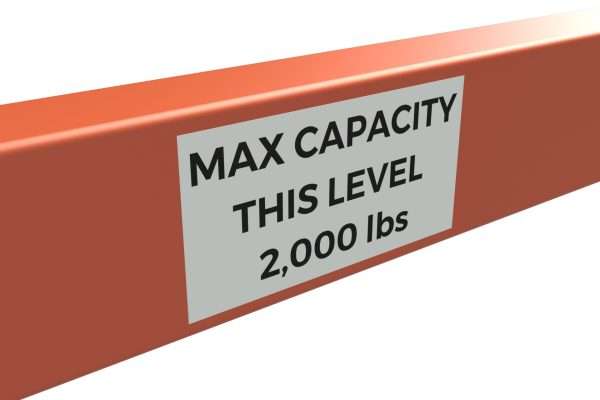
| Overloading | Overloading occurs when racks exceed their load capacity, leading to permanent deformation of beams or connectors. The deflection limit equals the horizontal length of the beam divided by 180 (or 0.55% of the clear distance between the columns). | Follow Load Application and Rack Configuration (LARC) drawings. Ensure the load is evenly distributed. Note the Section 5.3 of RMI’s ANSI MH16.1-2023: Specification for the Design, Testing and Utilization of Industrial Steel Storage Racks. |
| Poor Installation | Improper installation of racks can compromise their structural integrity. Alterations without consulting experts can make the system unsafe. | Follow proper installation guidelines and consult engineers or rack suppliers before making modifications. Ensure racks are securely anchored to the floor. |
| Lack of Maintenance | Neglecting regular maintenance can lead to dangerous situations, including corrosion from moisture or wear over time. | Conduct regular inspections. Clean and repair damaged components promptly. |
Damage is both costly and dangerous, but recognizing the common signs of pallet rack damage helps prevent accidents and ensures the long-term stability of your rack system. To identify potential hazards, review the most common indicators of pallet rack damage.
Worried your racks aren’t safe? Let’s take a look.
Common Signs of Pallet Rack Damage
Here are the common signs of pallet rack damage to help you assess warehouse safety and maintain the durability of your rack system.
1. Bent or Deformed Beams
One of the clearest signs of rack damage is bent or deformed beams caused by overloading. If you spot any beams that look bent or sagging, it’s crucial to check your pallet racks for additional structural issues and either fix or replace the damaged parts ASAP.
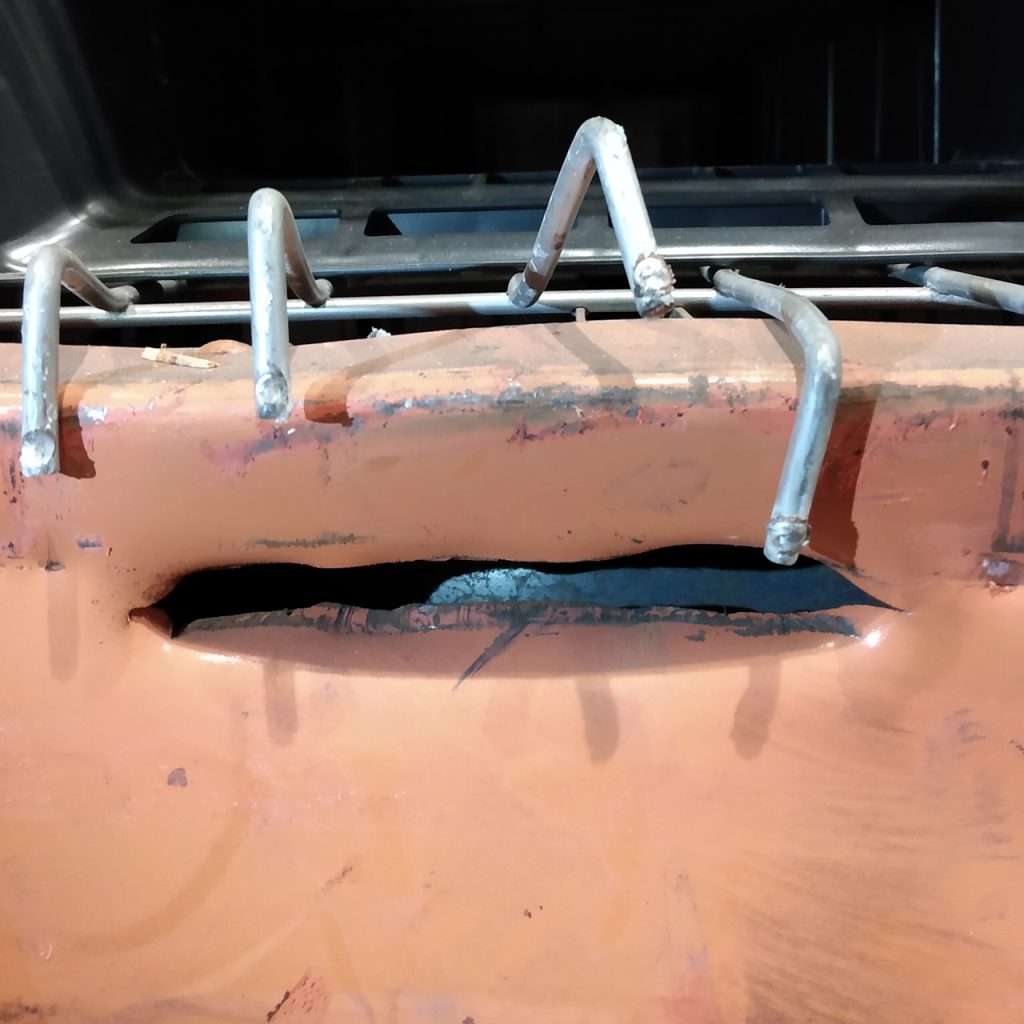
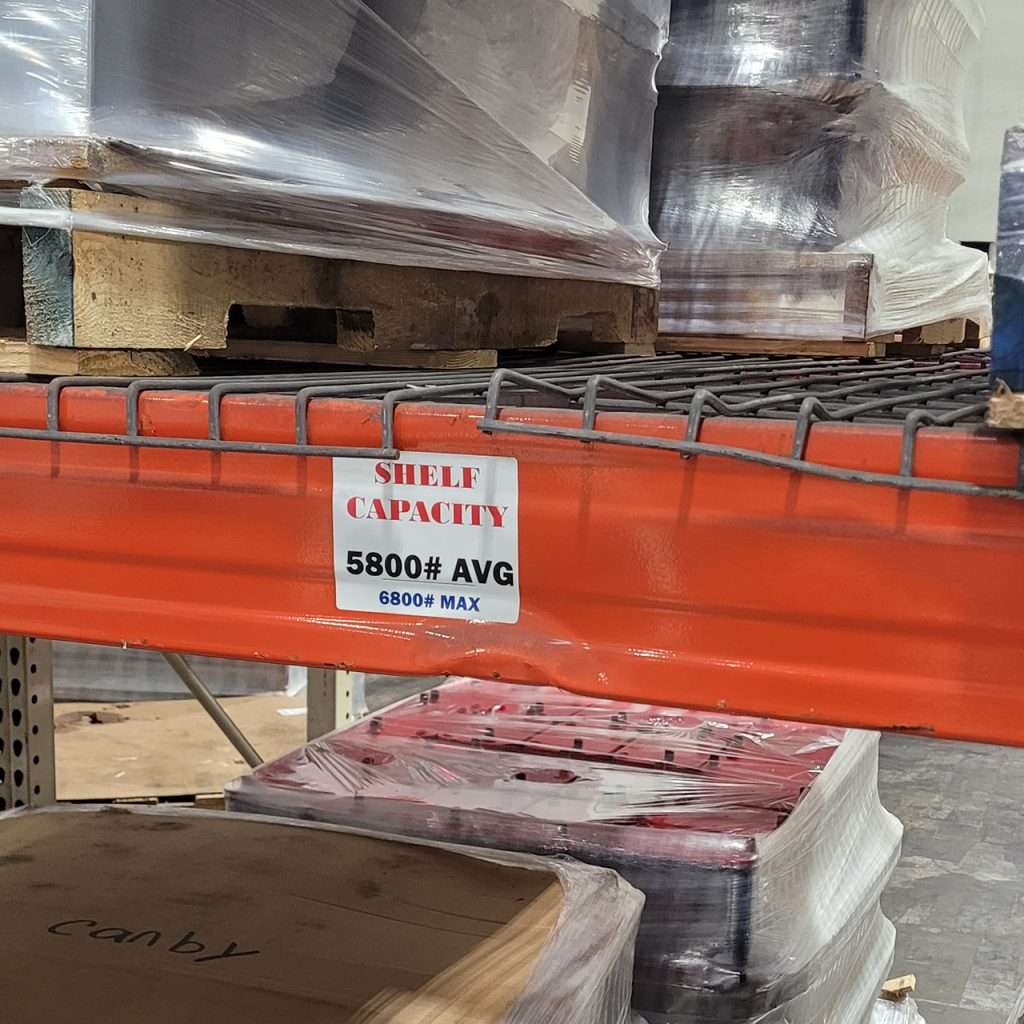
To measure beam deflection, refer to Section 5.3 of RMI’s ANSI MH16.1-2023: Specification for the Design, Testing, and Utilization of Industrial Steel Storage Racks. The length of the beam divided by 180 gives the maximum deflection or bend allowable for a beam.
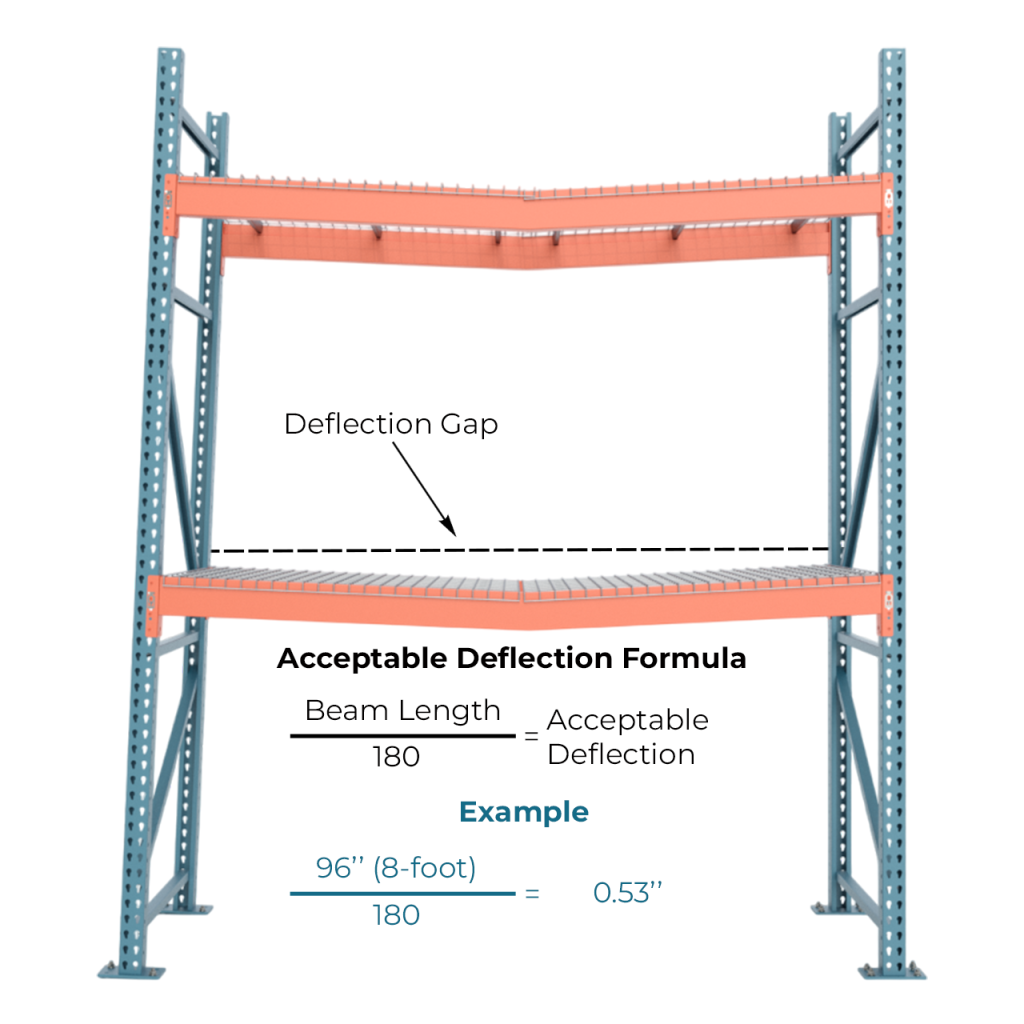
The robotic loaders or automated systems (AS/RS) require stricter deflection limits for load beams, about 0.42% (the beam length divided by 240).
2. Damaged Uprights
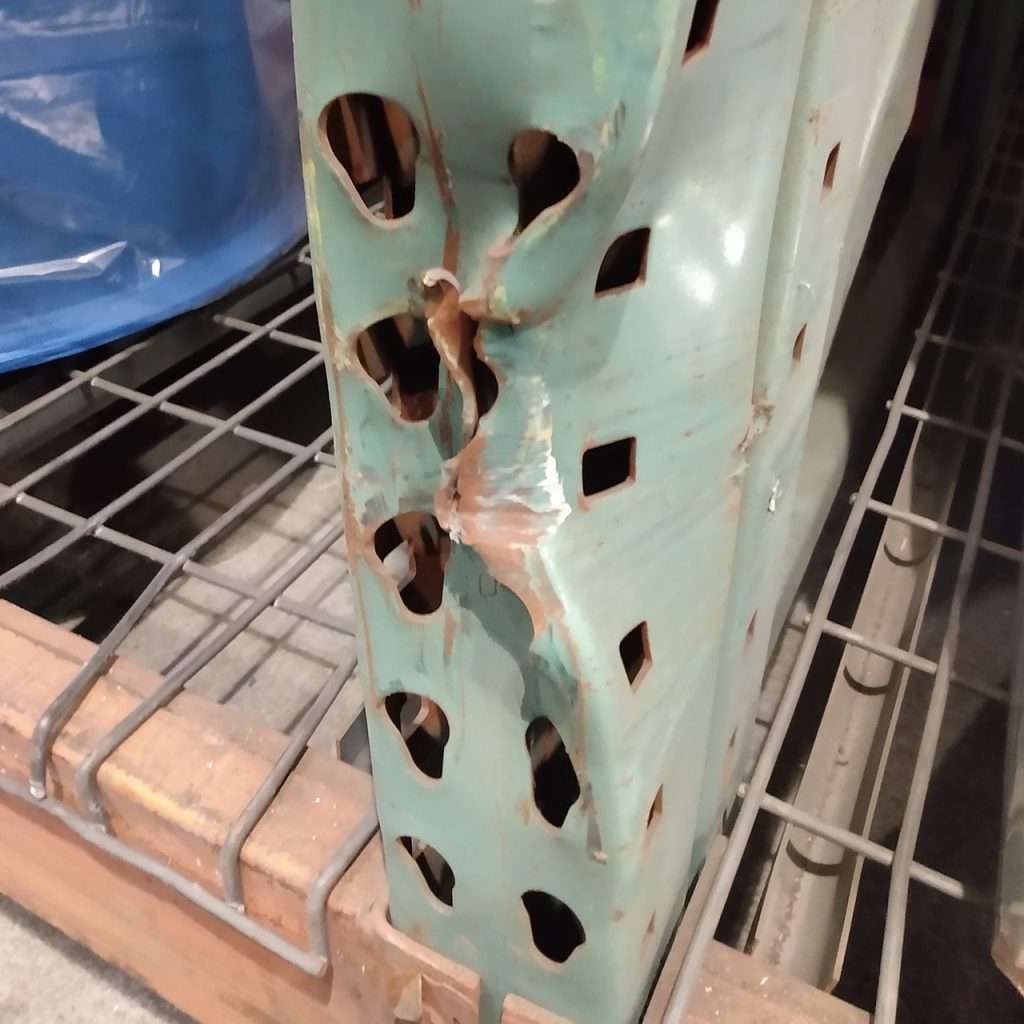
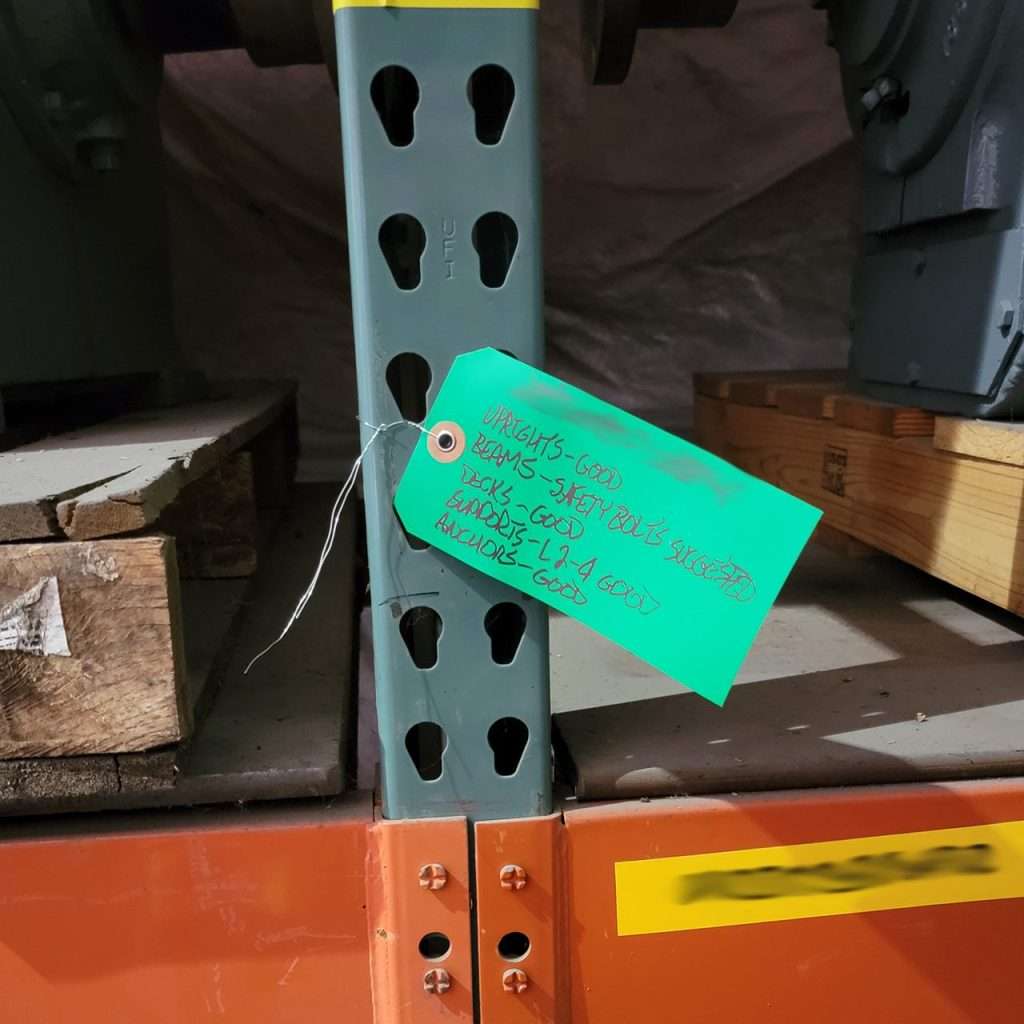
Uprights form the backbone of your rack system. Damaged uprights may be visible through dents, cracks, or weld damage. Even slight damage to the upright can lead to catastrophic failure if left unaddressed. Be sure to monitor these regularly and perform a rack safety assessment as part of your routine rack inspection. Use the three levels below to inspect racking damage better:
- Level 1, Green: Low priority – Minor damage. Report and monitor during subsequent inspections.
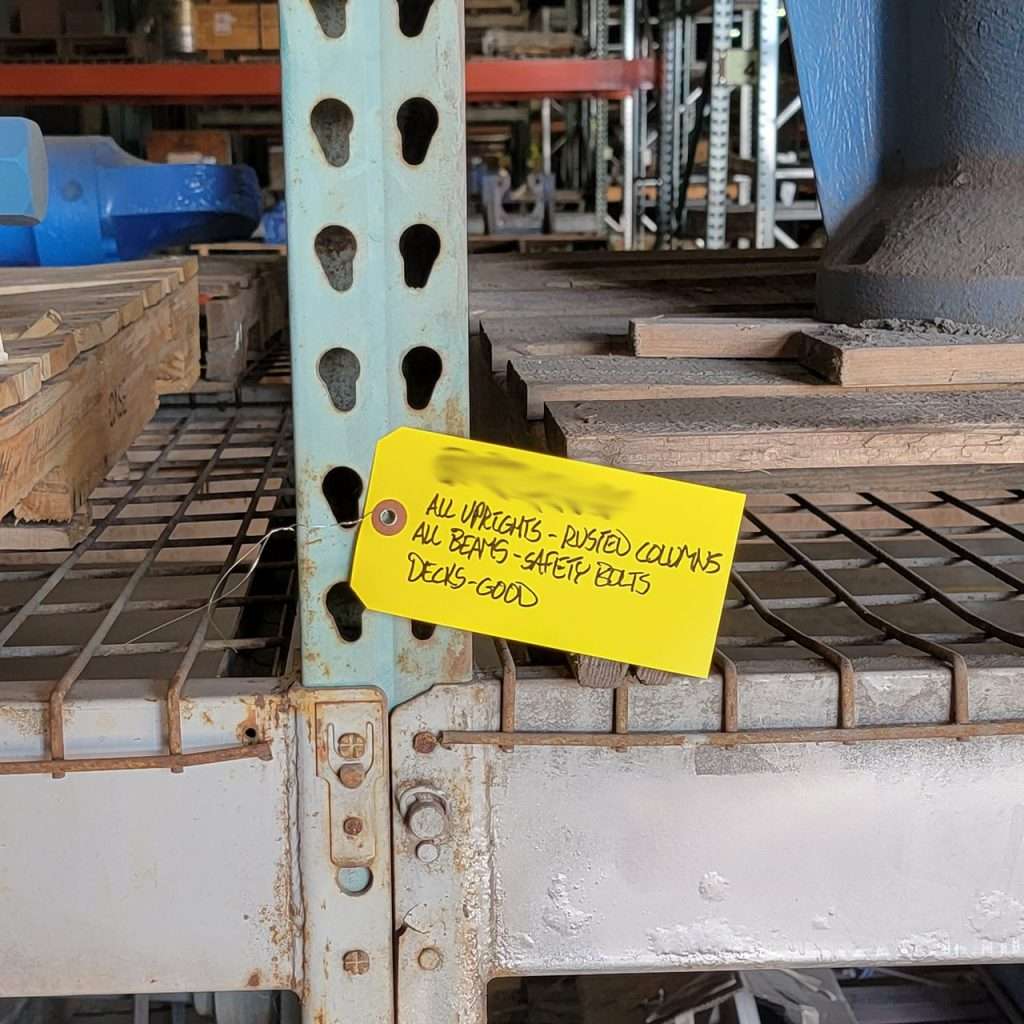
- Level 2, Yellow: Medium priority – Moderate damage. Address promptly within 6 to 12 months.
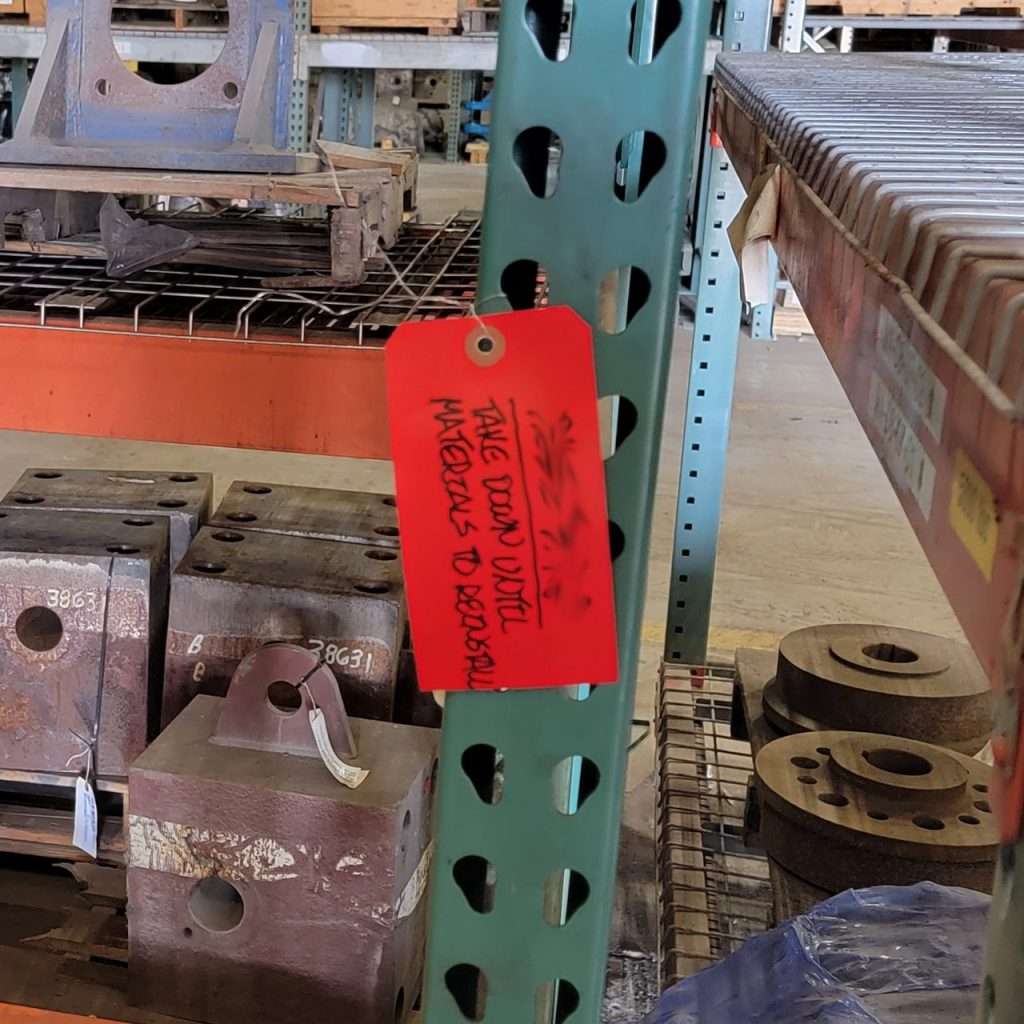
- Level 3, Red: High priority – Severe damage. Address this damage as soon as possible. Severe damage requires immediate unloading of the rack.
By keeping a close eye on your pallet rack systems, you can reduce the risk of rack failure, improve the safety of your warehouse equipment, and make your warehouse a safer place for everyone.
3. Loosening or Missing Anchor Bolts
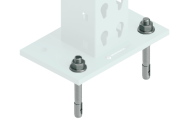
Anchor bolts are responsible for securing your rack system to the warehouse floor. The rack system can shift or collapse if it becomes loose, missing, or damaged.
Key standards for anchor bolts in racking systems:
RMI Standards (ANSI MH16.1). The Rack Manufacturers Institute (RMI) provides guidelines in its Specifications for the Design, Testing, and Utilization of Industrial Steel Storage Racks. These include Specifications for the proper selection, installation, and inspection of anchor bolts and requirements for anchoring racks to prevent tipping or lateral displacement under normal and seismic conditions.
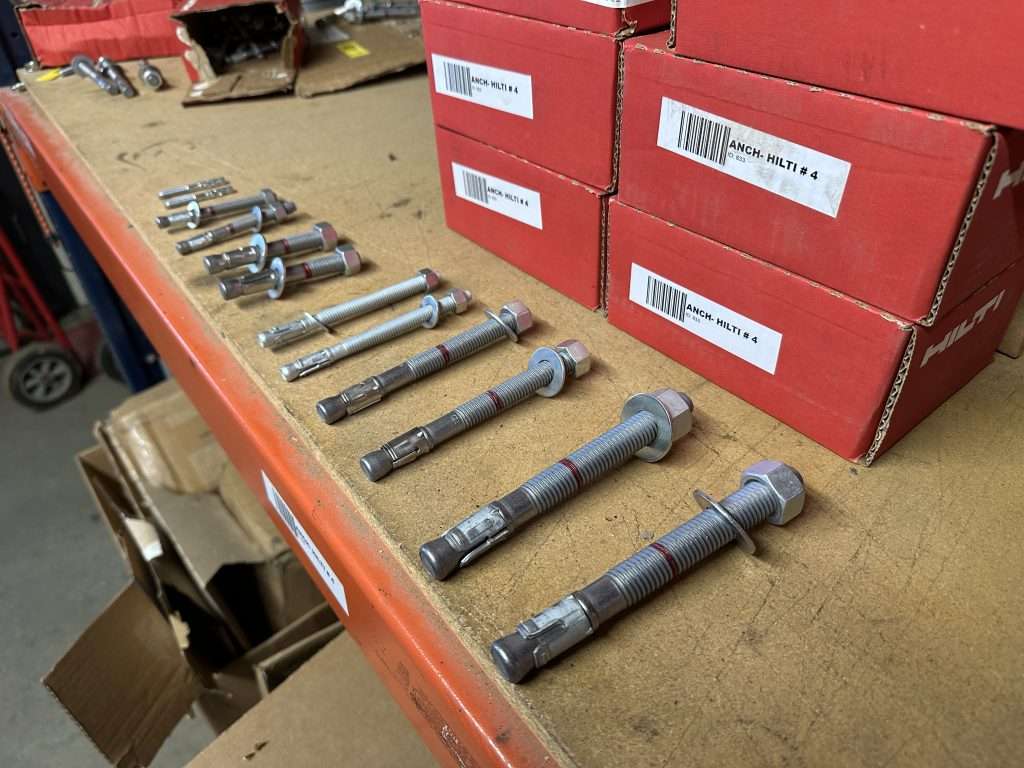
Concrete Anchors – ACI 318. The American Concrete Institute’s ACI 318 standard governs the design and installation of anchor bolts in concrete. This standard is often referenced when anchoring racks to concrete floors and ensures the anchors can handle the loads applied to them.
Seismic Standards. In regions with seismic activity, the International Building Code (IBC) and RMI standards require additional anchoring specifications to withstand seismic forces. This includes stronger anchors and deeper embedment.
Need seismic calculations for your racking project? We’ll handle it.
4. Weld Cracks or Damage
Exposure to moisture, humidity, or chemicals can cause your pallet racks to rust or corrode. Rust can often be seen around welds, anchor points, or other contact areas. This type of damage can be particularly dangerous, as it frequently goes unnoticed until the structural integrity of the rack has been significantly compromised.
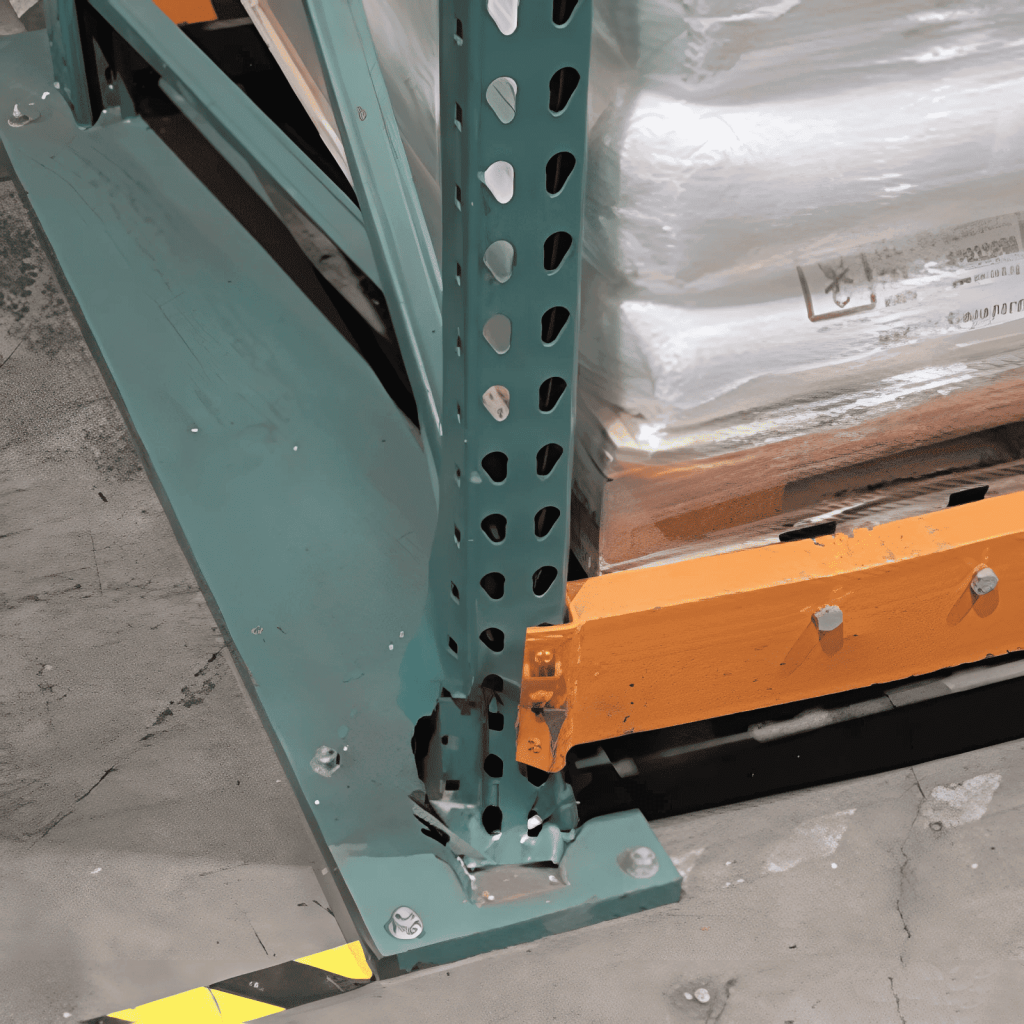
Check for any visible signs of weld fatigue or cracking during your rack inspection. While a visual inspection can often catch signs of fatigue damage, early-stage fatigue cracks are usually tightly closed and nearly impossible to spot with the naked eye. That’s where tools like magnetic particle testing or dye penetrants come in—they make those hard-to-see cracks stand out clearly.
Preventing Future Pallet Rack Damage
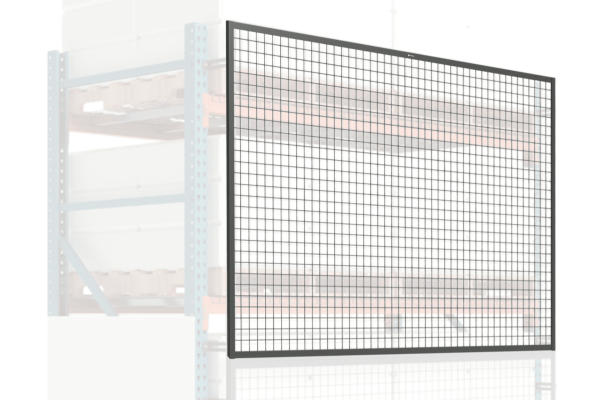
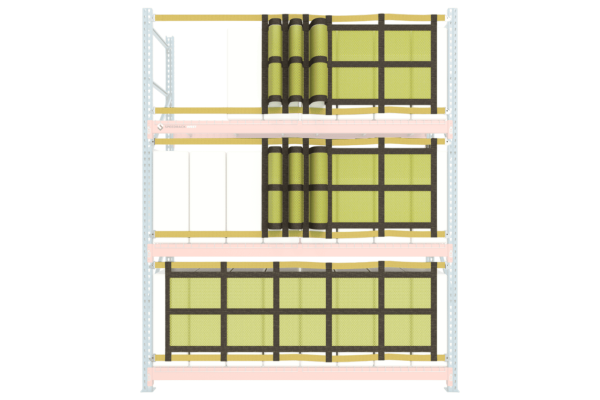
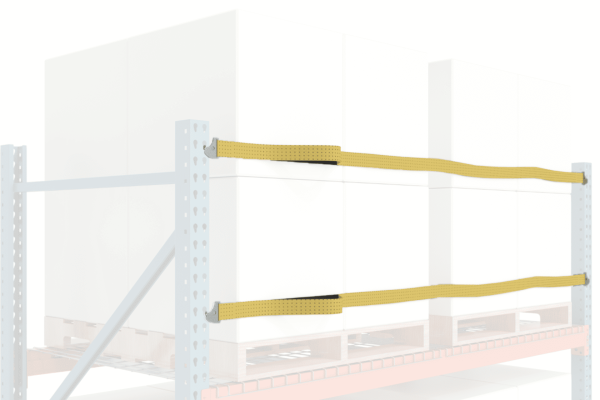
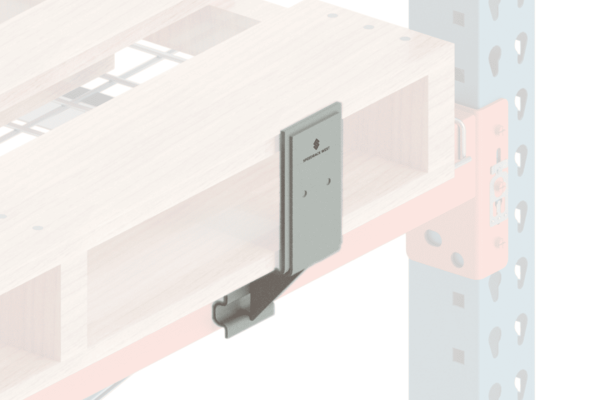
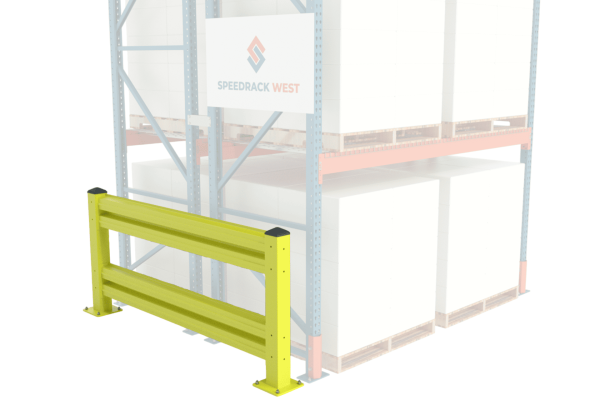
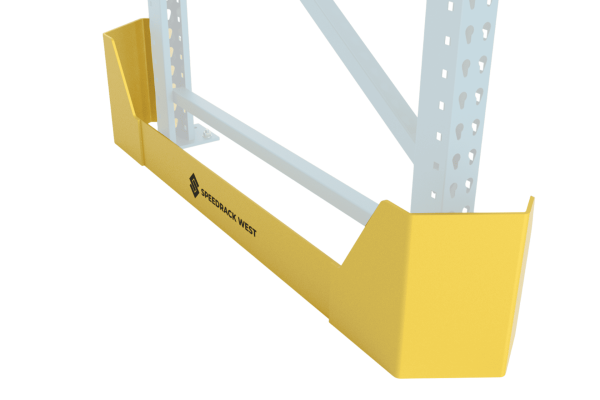
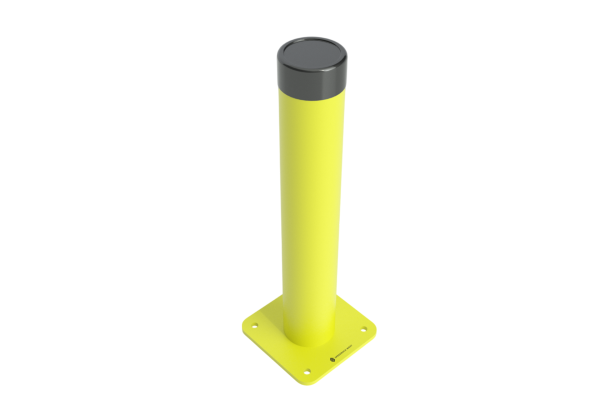
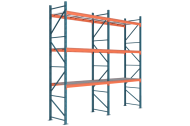
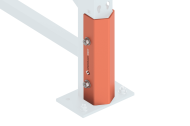
To prevent future pallet rack damage, it’s essential to establish a routine of regular inspections and rack maintenance. Training warehouse employees on adequately handling and storing goods is also necessary to reduce the likelihood of forklift collisions or overloading. Consider installing rack protection, such as column guards and safety nets, to safeguard against accidental impacts. Implementing these safety measures can help you prevent damage and extend the life of your pallet rack systems.




Do you have any questions or comments?
Be the first and post your question or comment