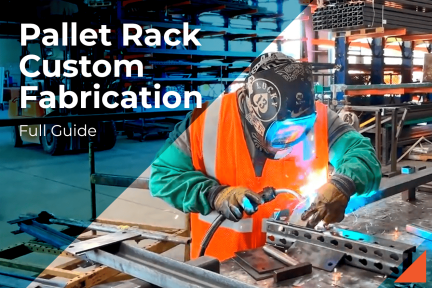
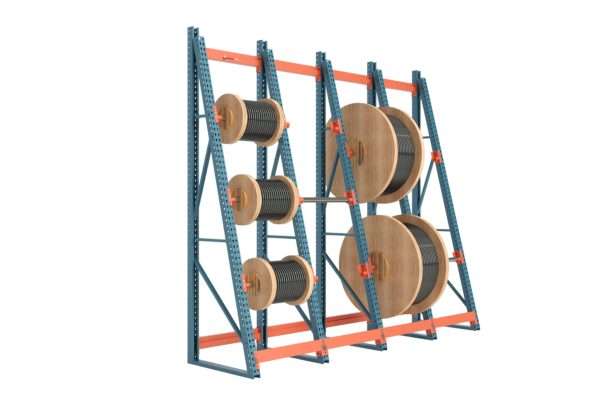
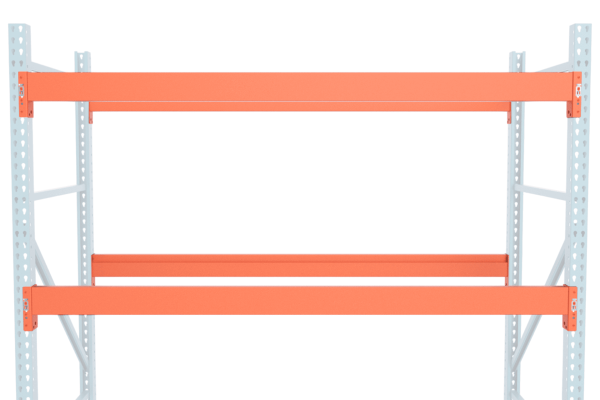
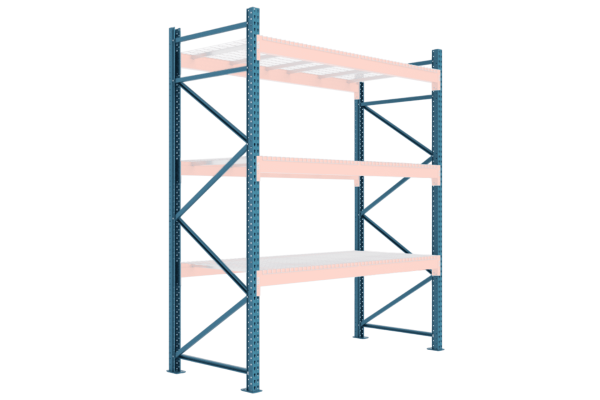
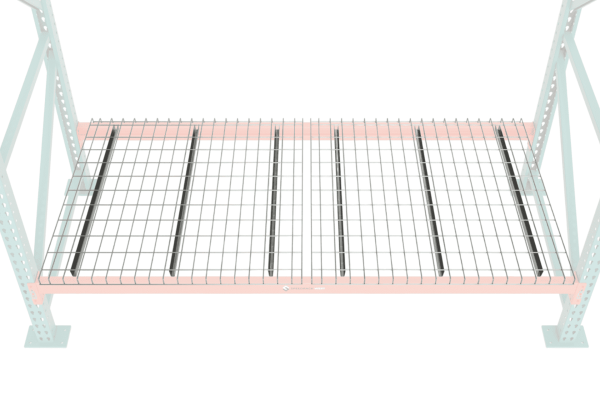
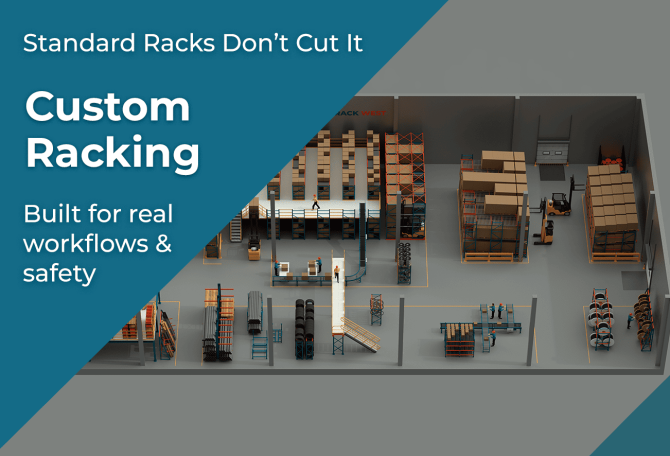

We specialize in building custom structures oriented specifically to your operation. Sure, we could sell you a standard version—but it likely won’t perform as efficiently or safely as one designed for your exact needs. Why so? Check out the article and then fill out the form on our site, and we’ll work with you to design a system that works for your layout, your uniform loads, and your workflow.
And don’t worry – our design and consultation are completely free. You won’t pay a thing. Interested? Let’s get started.
What You Can Customize by Rack Type
At Speedrack West, we specialize in custom-designed warehouse structures that align perfectly with your operational needs. So, what exactly can be customized?
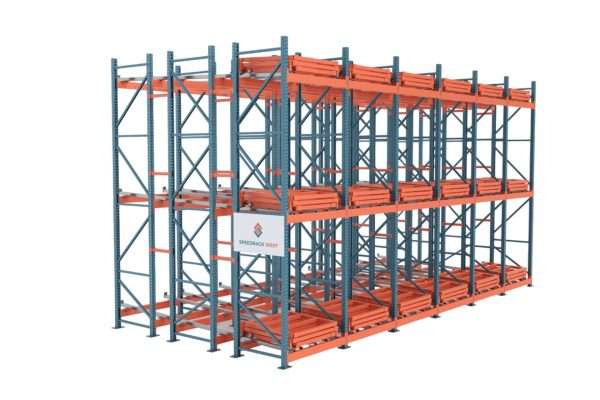
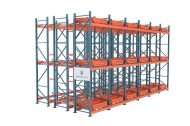
Most people know that Pushback Racks are great for high-density storage—but few realize they need to be configured based on pallet sizes and load weights to operate safely and efficiently.
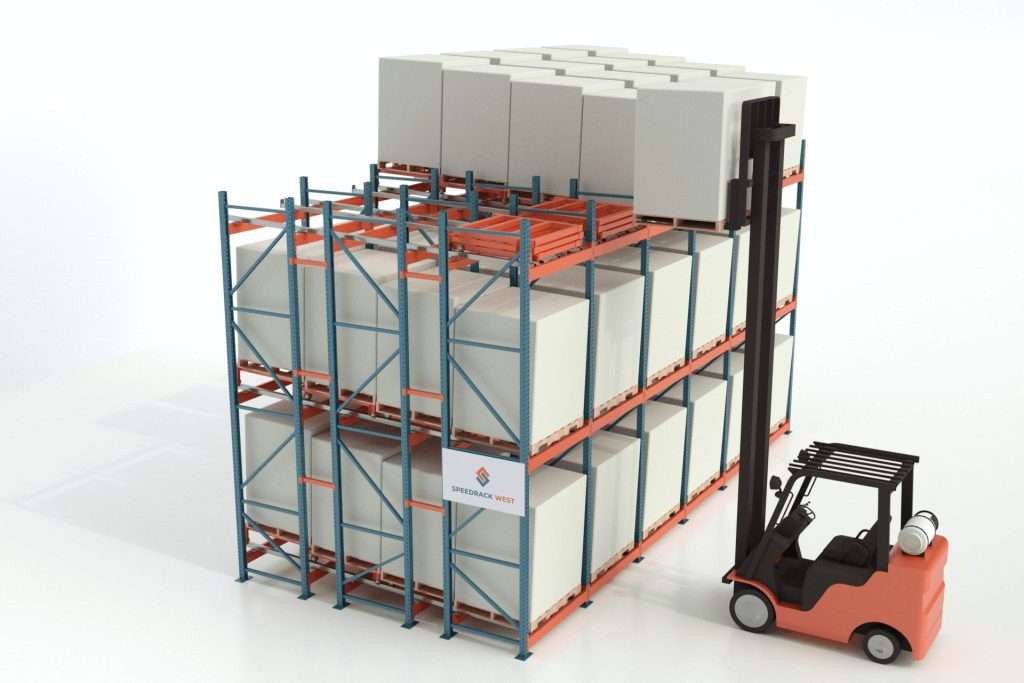
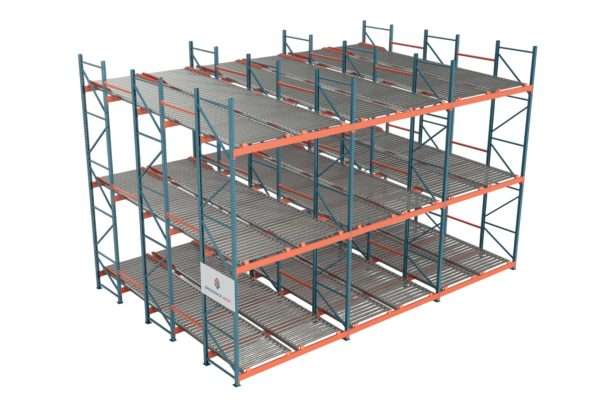
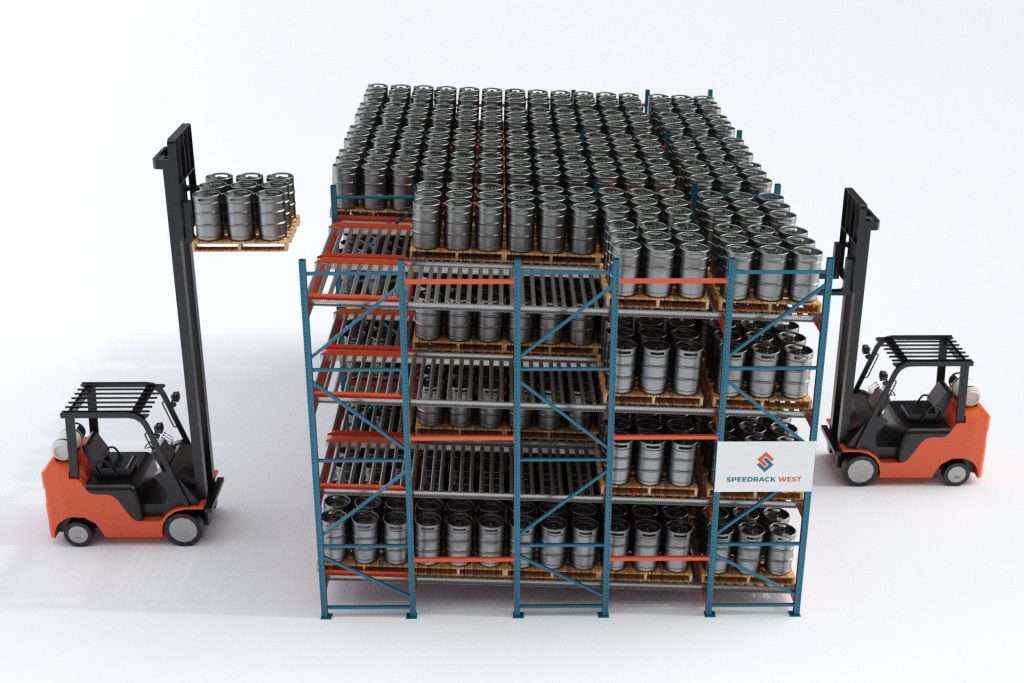
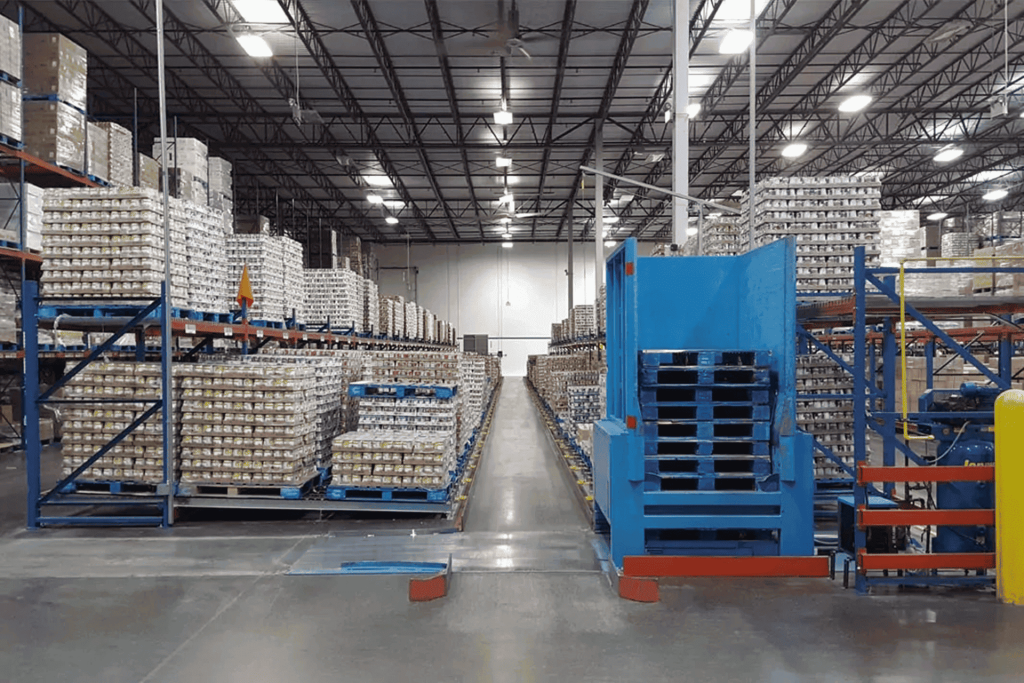
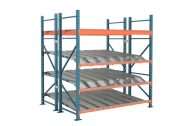
Gravity Flow Rack Systems come in two main types: carton flow racks and pallet flow racks.
Carton Flow Racks are designed for smaller, individual items and are commonly used in retail distribution and order fulfillment centers. With inclined shelves and rollers, cartons move forward automatically for easy, efficient picking.
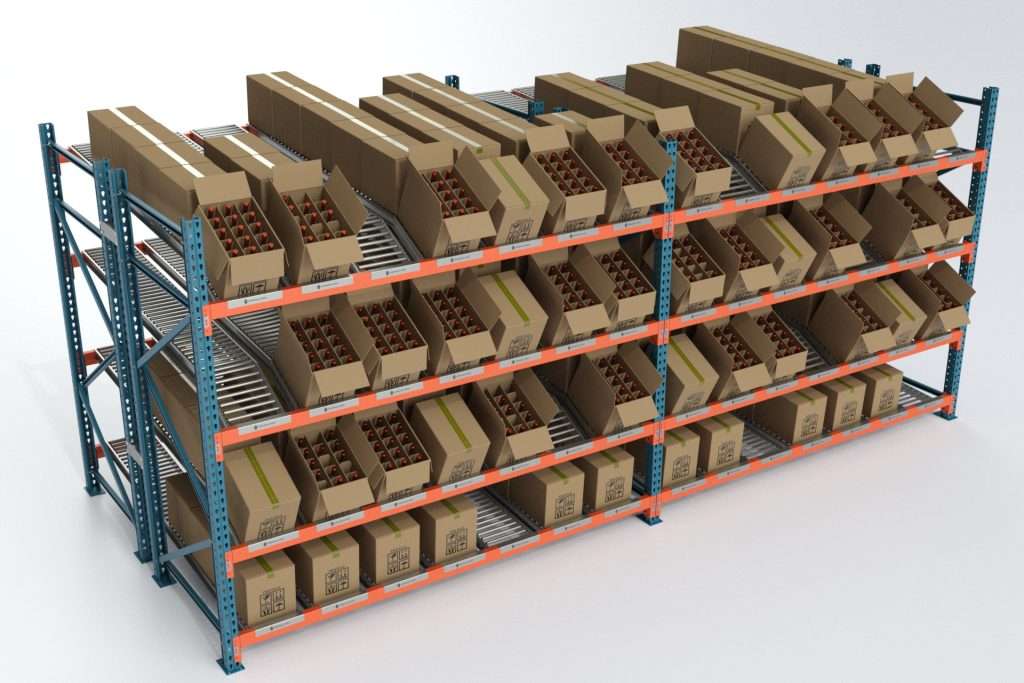
Pallet Flow Racks, on the other hand, are built for heavier, palletized goods. Ideal for large warehouses and manufacturing sites, they use the same gravity-fed concept but are engineered to support bulk loads and high-throughput operations.
Pallet Flow Racks require precise engineering to ensure smooth pallet movement and proper FIFO or LIFO inventory flow. If the incline angle isn’t set correctly for your pallet weight, loads can shift or even fall over.
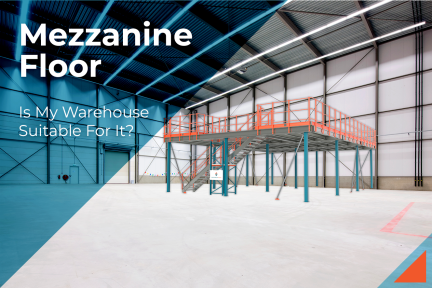
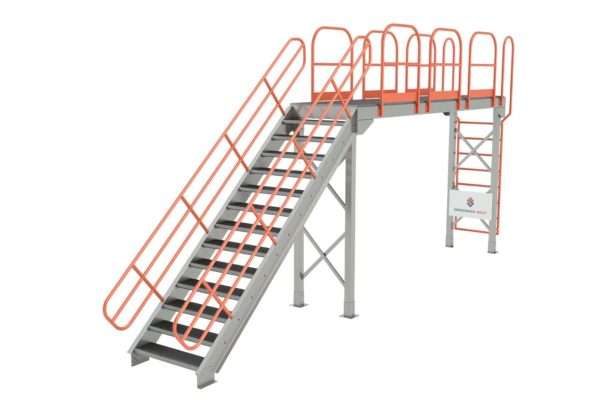
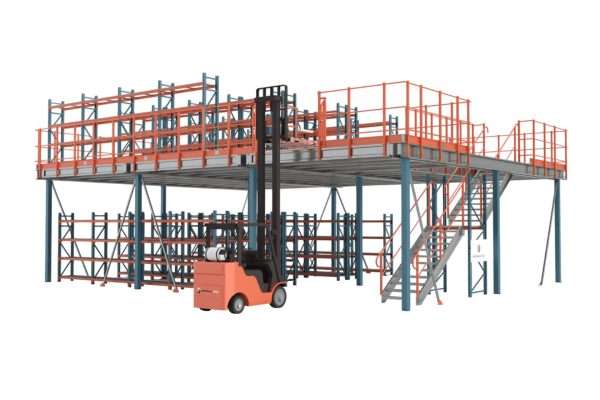
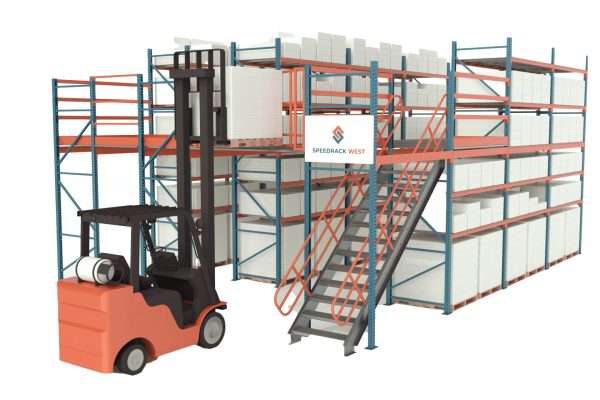
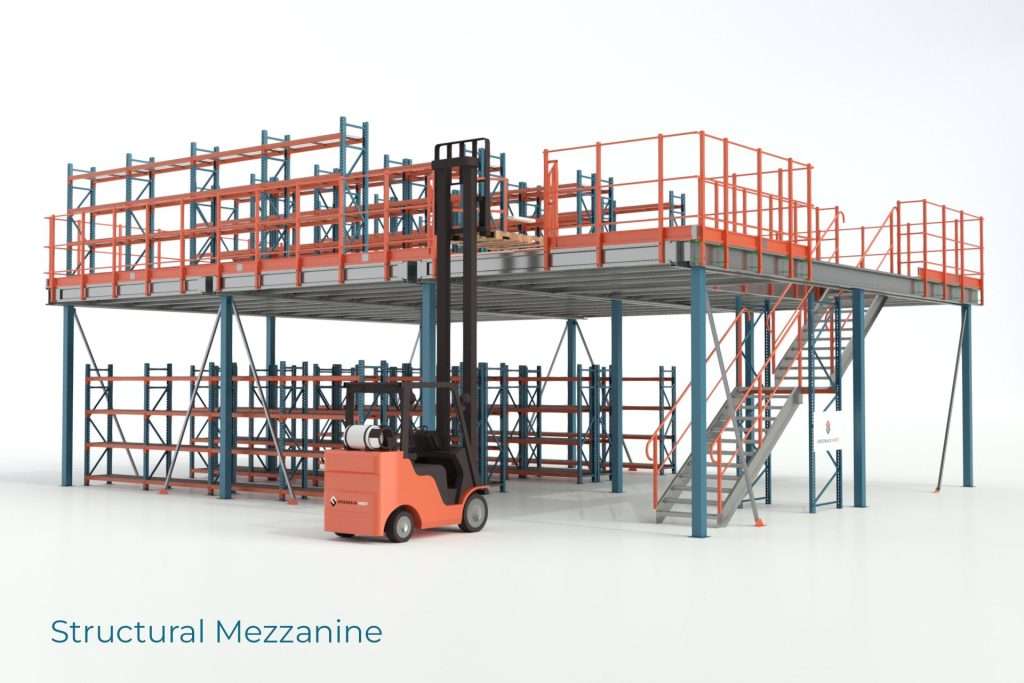
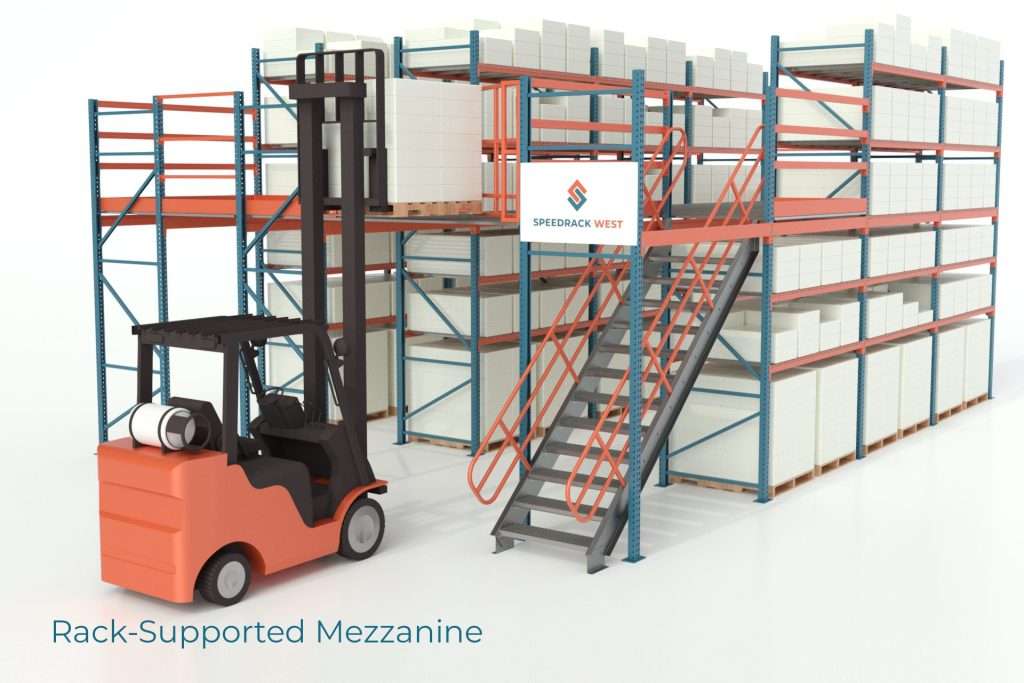
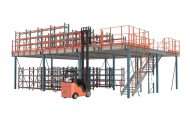
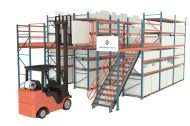
Structural and Pallet-Supported Mezzanines must be designed according to your facility’s ceiling height, floor load capacity, seismic conditions, and intended use.
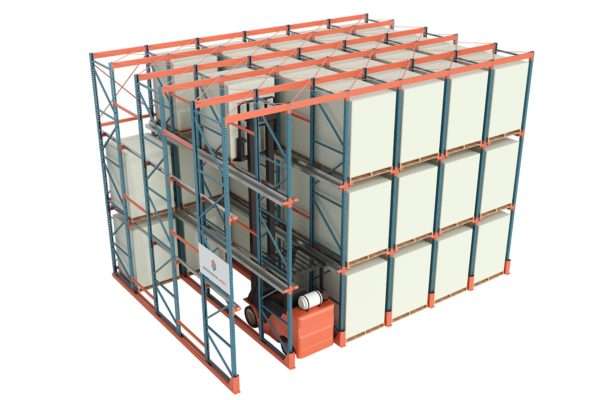
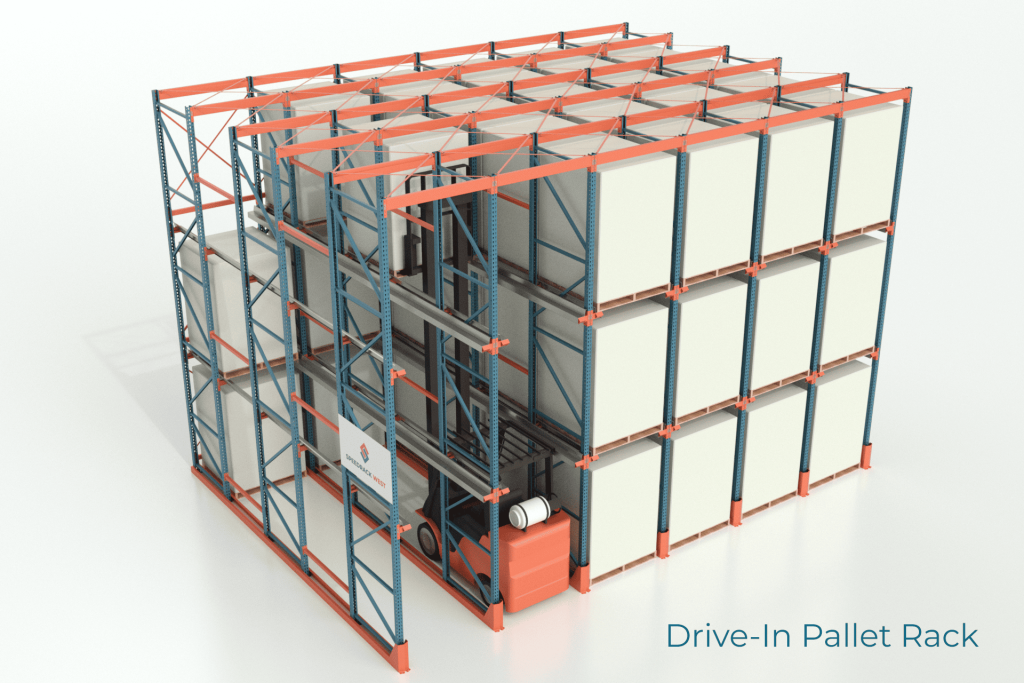
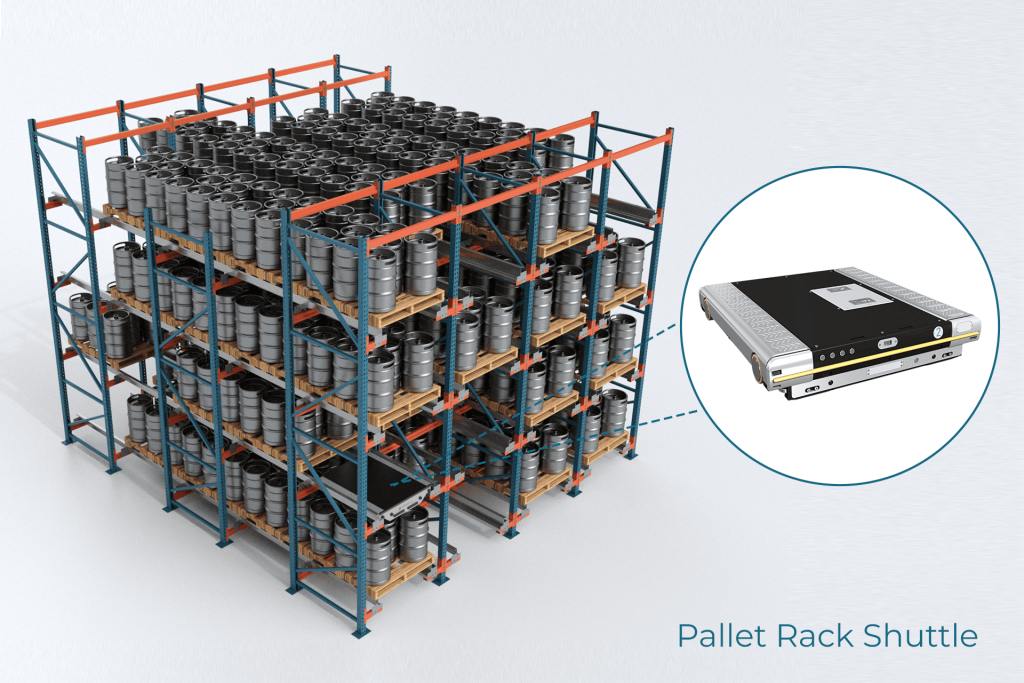
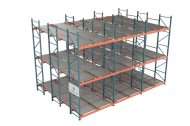
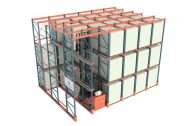
Drive-In Racks and Pallet Shuttles should match your forklift traffic patterns and inventory turnover rates to function effectively.
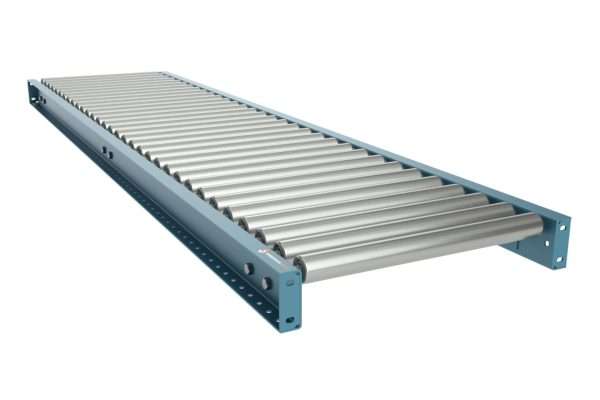
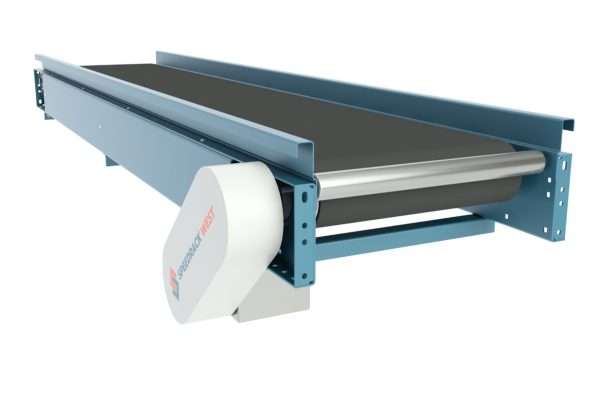
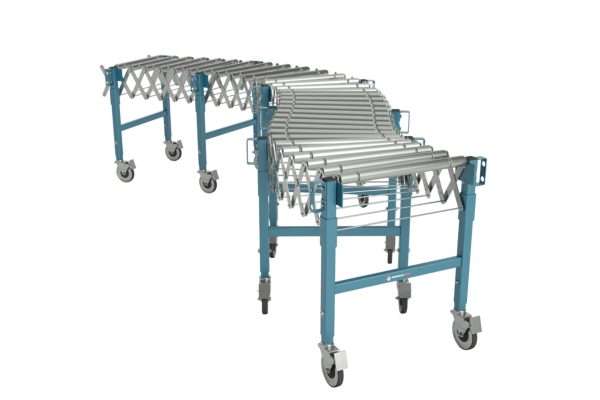
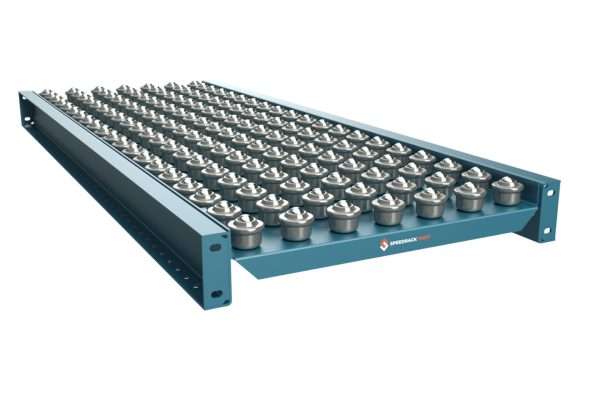
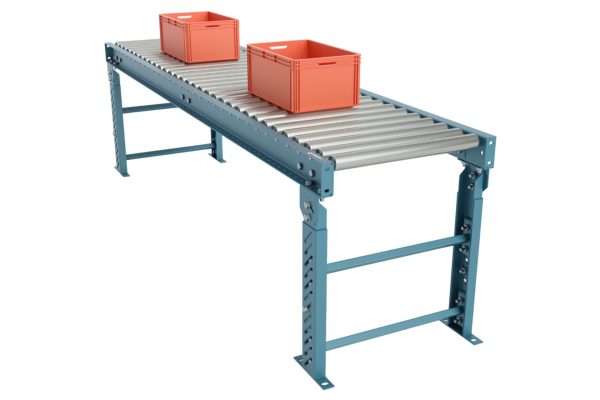
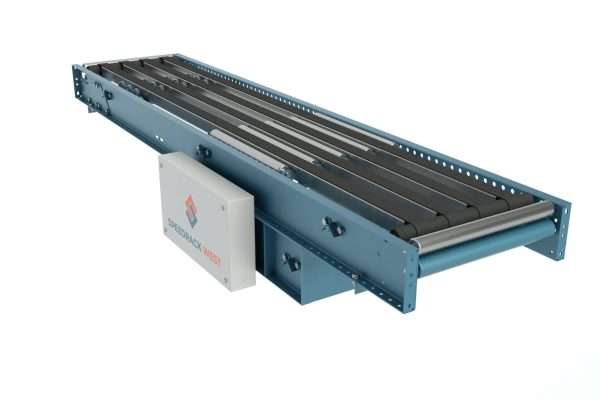
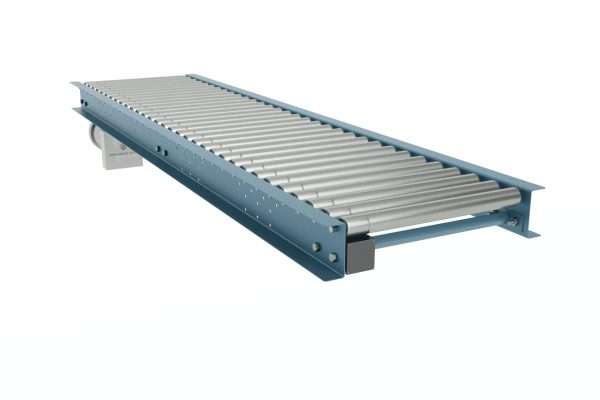
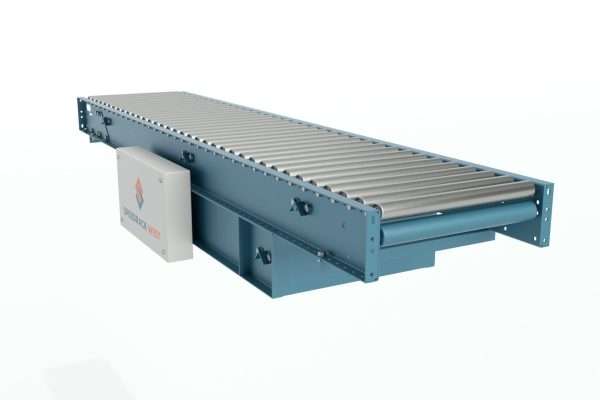
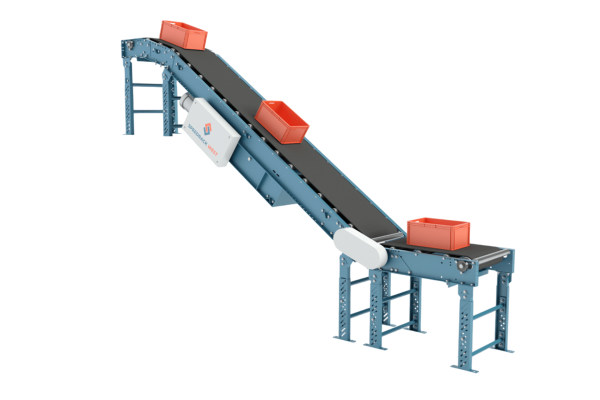
Conveyor Systems must align with your workflow and integrate smoothly with other equipment—otherwise, they can end up disrupting operations instead of improving them.
Take a look at the table below to see what can be customized in different types of pallet racking and storage systems.
Custom Options by Storage System Type
| System Type | Customizable Elements | Use Case / Application |
|---|---|---|
| Pushback Rack | • Pallet size & type • Channel depth (2–6 pallets) • Rail incline angle | Ideal for high-density storage (90% useful volume of the warehouse). Maintain LIFO inventory. Customization needed for varying pallet weights & sizes. |
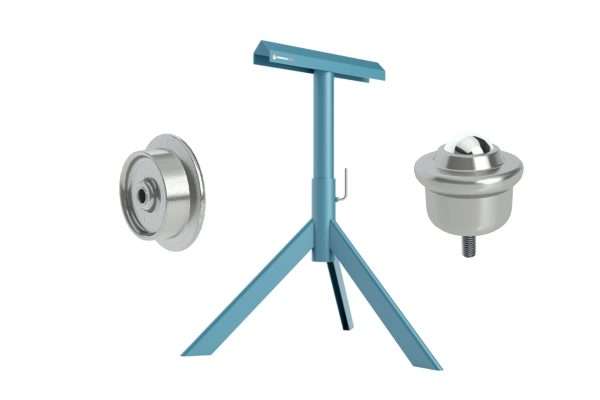
| Pallet Flow Rack | • Roller type & pitch • Incline angle (3% to 4%) • FIFO or LIFO configuration • Lane width | Perfect for FIFO inventory rotation. Needed in cold storage, food, or pharma, where flow control is critical. |
| Drive-In Rack | • Lane depth & height (often 4-6 pallets deep) • Storage capacity ranges • Reinforcement for forklift impact zones • Maintain both LIFO and FIFO inventory systems. | Useful in storing many pallets of the same SKU. Custom depth based on inventory volume and turnover. Typical Storage Capacity Ranges: • Standard Pallet Positions: 2,000 – 3,500 pounds • Heavy-Duty Configurations: 4,000 – 5,500 pounds • Specialized Industrial Applications: Up to 6,000 pounds per position |
| Pallet Shuttle | • Shuttle rail layout • Battery type & charging • Rack dimensions | Great for deep lane, high-volume SKU storage. Customized to maximize automation and speed in dense layouts. Maximum Load Capacity –3,300 lbs |
| Structural Mezzanine | • Platform size & shape • Column spacing • Load capacity • Stair and gate placement | Adds vertical storage or work areas. Tailored to ceiling height, floor plan, and weight-bearing requirements. |
| Pallet-Supported Mezzanine | • Beam spacing • Decking material • Under-rack clearance | Reasonable for upper levels that don’t need to store heavy loads. Custom deck loading and pallet access points are essential. |
| Catwalk Mezzanine | • Walkway width • Handrails & safety features • Shelf/rack integration | Great for manual picking. Customization is needed for ergonomic access, safety, and traffic flow. |
| Conveyor Systems | • Conveyor type (roller, belt, accumulation) • Speed & slope • Integration with picking/packing zones | Custom-built to match product type and workflow. Critical in automated fulfillment and packaging environments. |
When You Need Customization: Use Cases for Racking Systems
Here are some real-world examples of how different racking systems can be customized to meet specific operational and business needs:
Flow Racks (Gravity Flow Racks)
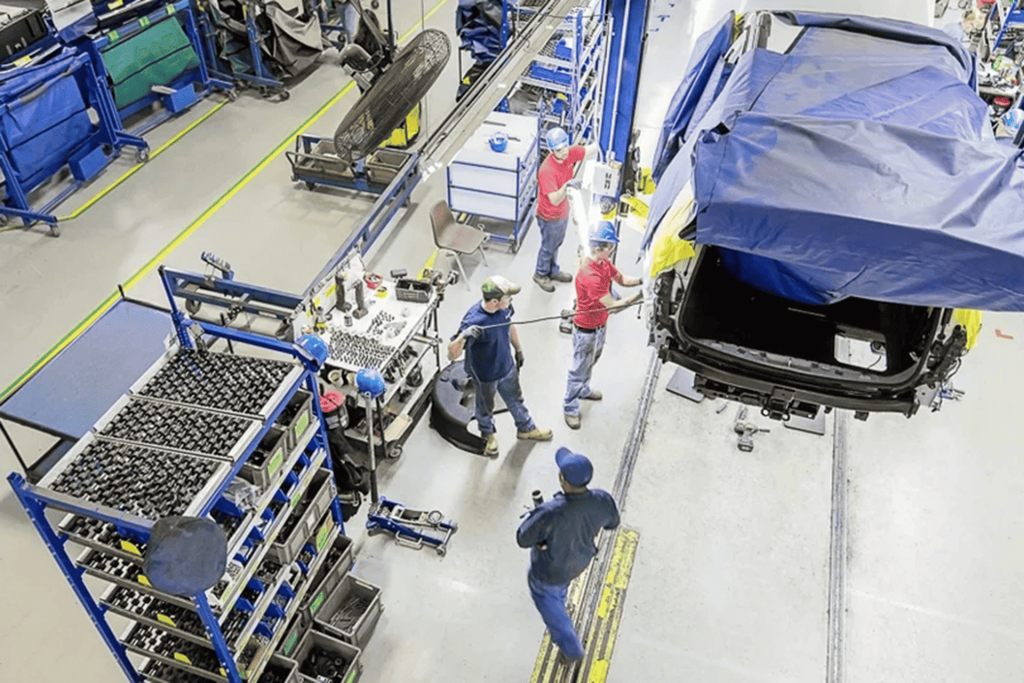
Manufacturing Lines. Flow racks can be configured to support assembly lines. Custom options include adjustable lane widths, heights, and depths to fit a variety of container sizes and ensure efficient line-side delivery.
3PL Warehouses. In third-party logistics (3PL) environments, flow racks can be designed with dedicated lanes or sections to handle multiple clients’ inventories. This allows for faster, more accurate picking and simplified returns handling².
Shuttle Racks (Pallet Shuttle Systems)
Cold Storage & Perishables. These systems can be built using corrosion-resistant materials and feature programmable shuttles that adapt to different pallet sizes and weights. This maximizes storage density while maintaining the performance needed for temperature-sensitive goods.
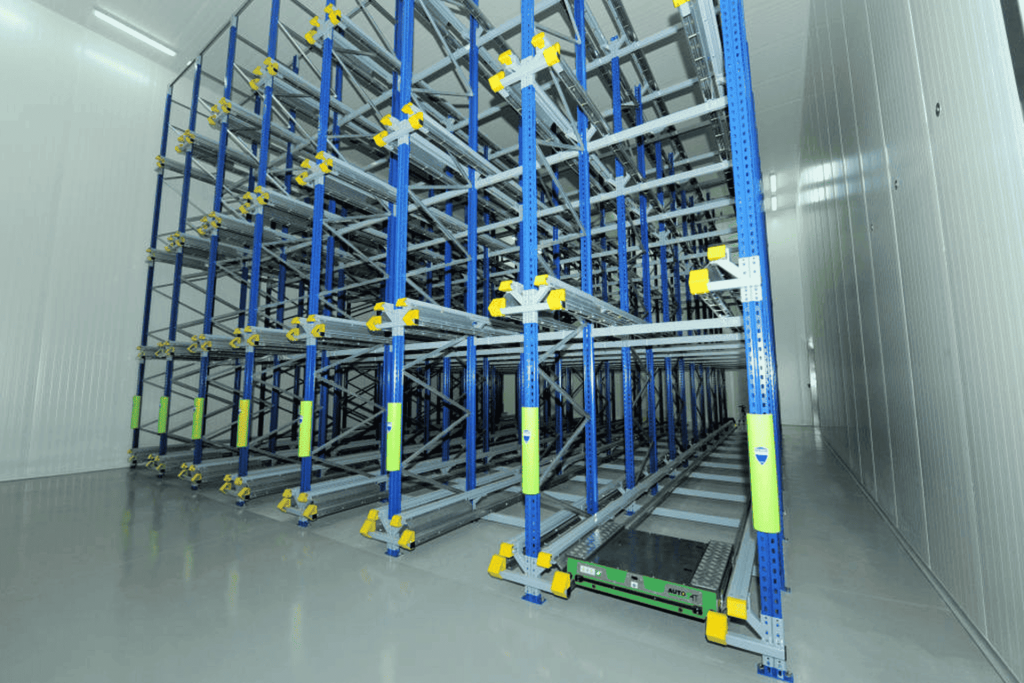
Seasonal or High-Value Inventory. Shuttle racks offer variable lane depths and shuttle programmability, allowing them to adapt to fluctuating stock levels.
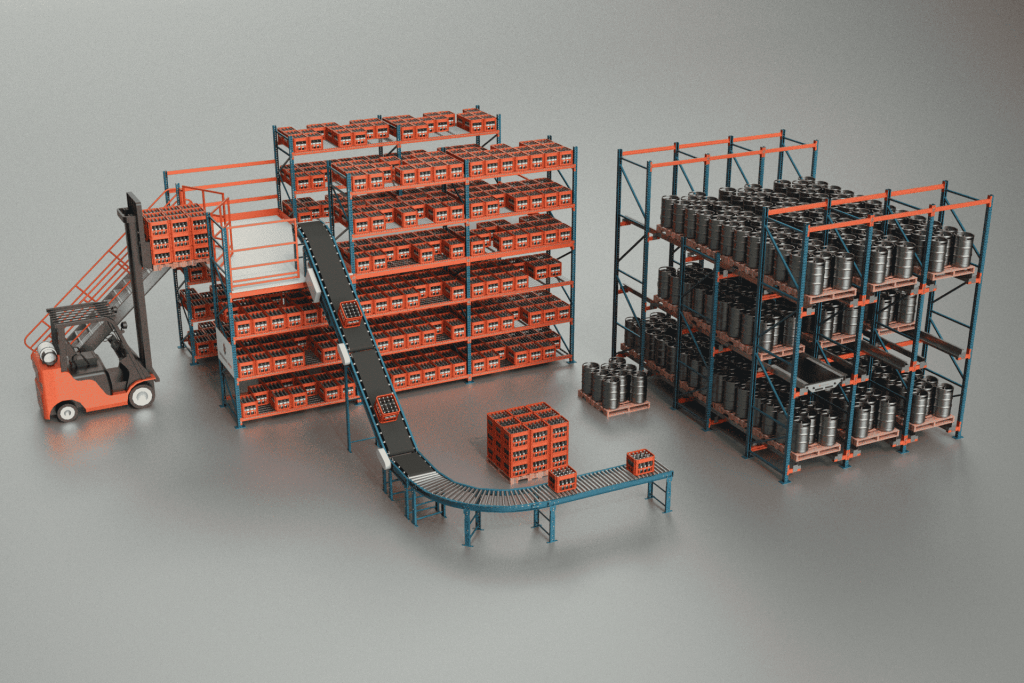
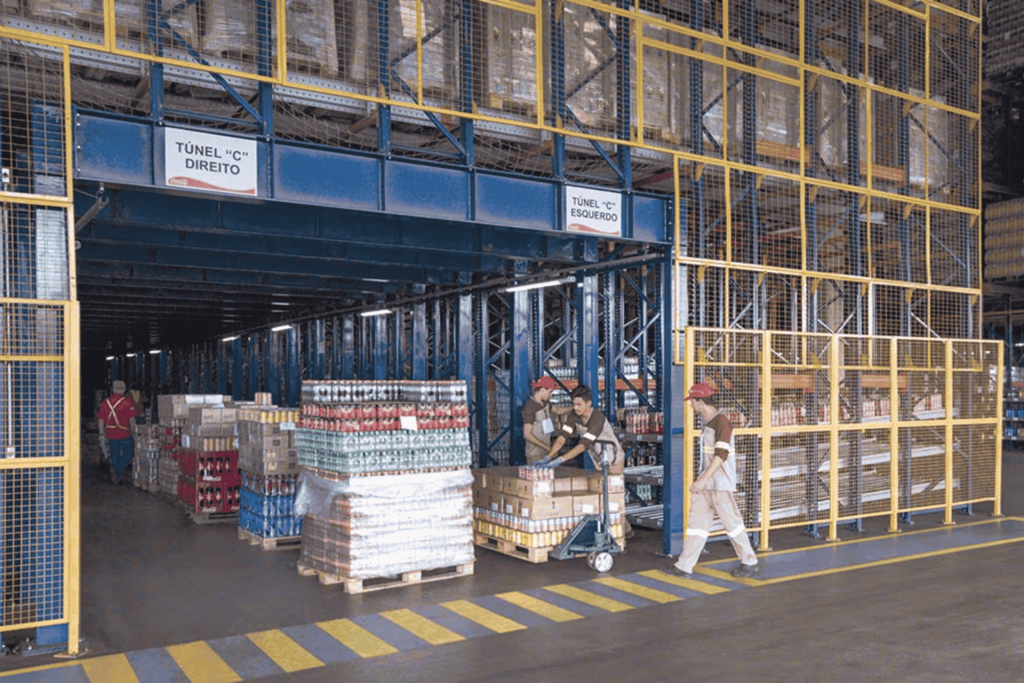
Pick Tunnels. Shuttle racks can be installed above gravity-fed pick tunnels to separate replenishment from picking activities—dramatically improving workflow and space usage. Pick tunnels are a proven solution for optimizing storage density and boosting throughput in logistics operations.
A great example: In the logistics center of Coca-Cola Refrescos Bandeirantes in Trindade, Brazil⁵. A high-efficiency system was implemented by using a pick tunnel integrated with flow channels for boxes and pallets. The upper levels feature two racking blocks equipped with the Pallet Shuttle system, allowing automated shuttles to accelerate the storage and retrieval of palletized goods.
Mezzanine Floors & Conveyor Systems
Mezzanine floors can do much more than just add vertical space—they can be designed as multi-level work zones that combine storage, material handling, and operational areas all in one structure.
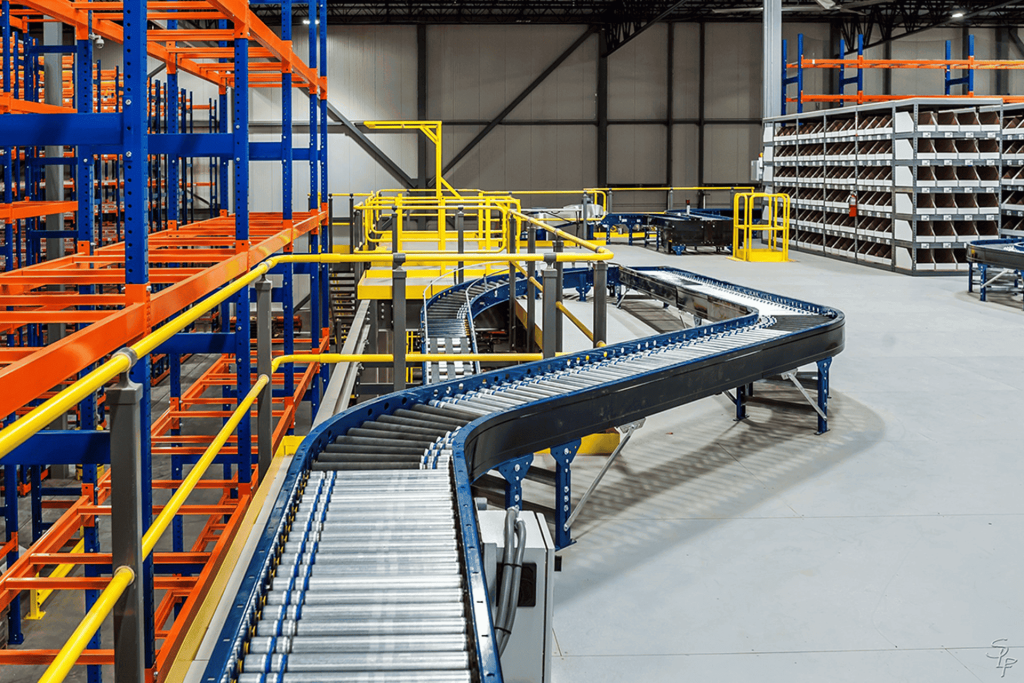
For example, John Lewis⁷, a well-known UK retailer, uses industrial mezzanine floors in its distribution centers and warehouses. These mezzanines are designed to expand storage capacity, create office space, and increase production capacity. Mezzanines are often integrated with conveyor systems and lifts for efficient inventory movement and order fulfillment.
Custom Storage. Real Results.
Every warehouse is different—different layouts, products, workflows, and goals. That’s why the best storage systems aren’t pulled off a shelf—they’re built with your operation in mind. Whether you’re dealing with high pallet turnover, tight floor space, or complex picking processes, the right design can make all the difference. From pushback racks to mezzanines and conveyor integrations, smart customization helps you get the most out of every square foot.
At Speedrack West, we make it easy. No guesswork. No hidden fees. Just experienced pros helping you build a system that works right the first time.
Ready to optimize your space? Tell us a bit about your setup—we’ll take it from there.
Optimize Your Warehouse System
Ready to optimize your space? Share your floor plan and pallet specs— we’ll take it from there with a custom racking and mezzanine design.
Used Resources
Products, discussed in the article


Was this helpful?