



1. Custom Fabrication
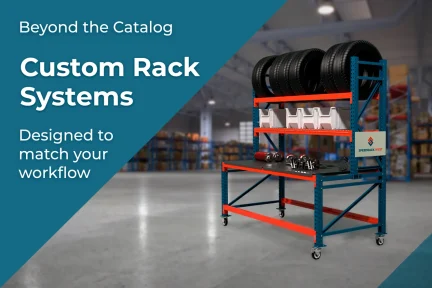
When Standard Pallet Rack Components Aren’t Enough
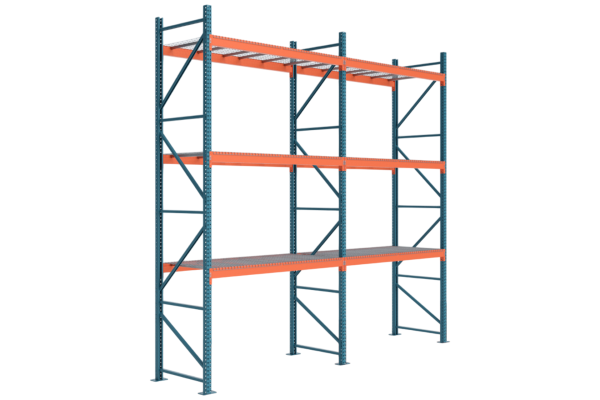
If you’ve ever tried to make a conventional pallet racking system work for an unconventional job, you know the struggle. While standard components cover a lot of ground, they’re not always the best fit, especially when your operation calls for something non-standard, space-saving, or customized to a unique workflow.
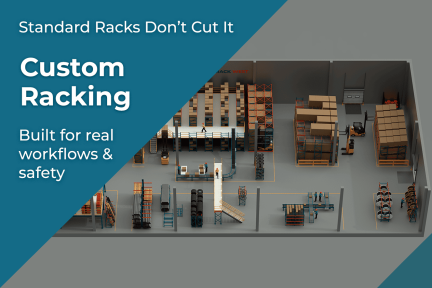
Why Complex Warehouse Racking Systems Need Custom Builds
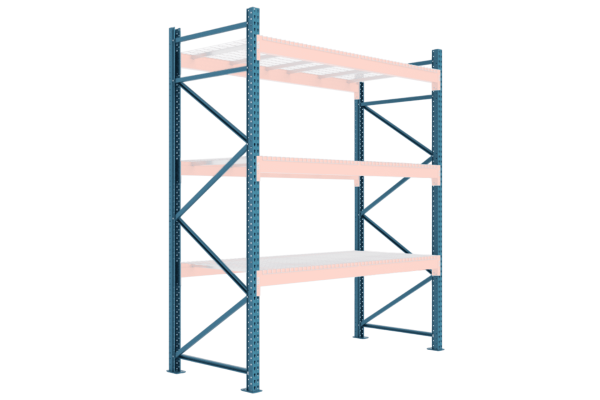
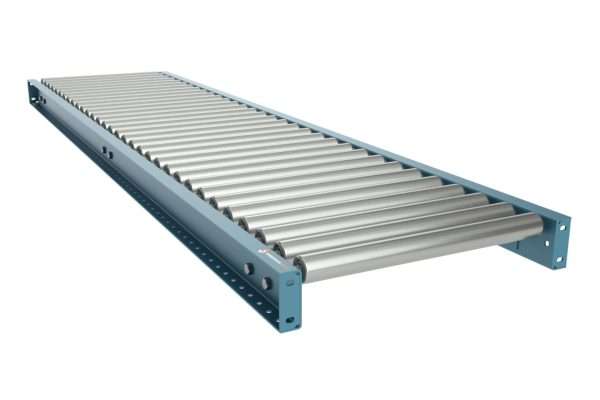
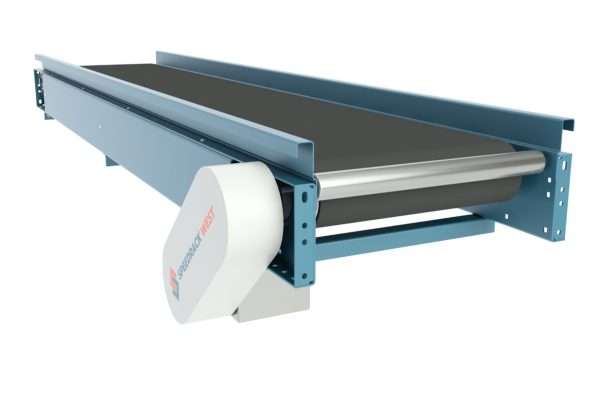
Why can’t I just order a Pushback Rack, Pallet Flow Rack, Structural Mezzanine, or Conveyor System directly on your site?
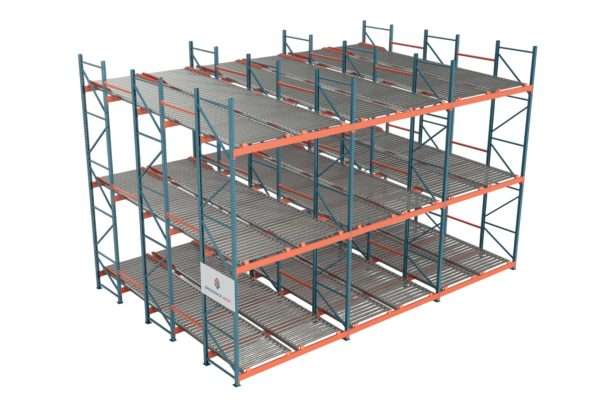
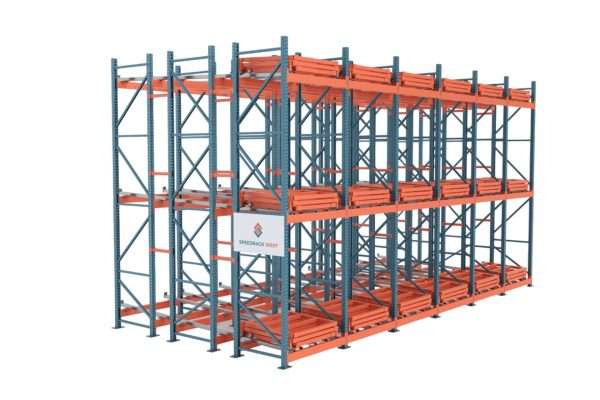
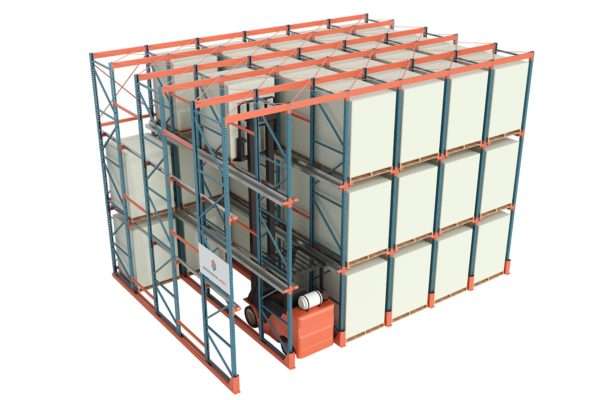
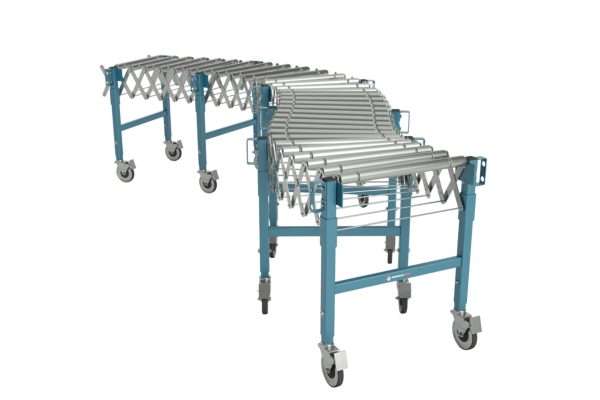
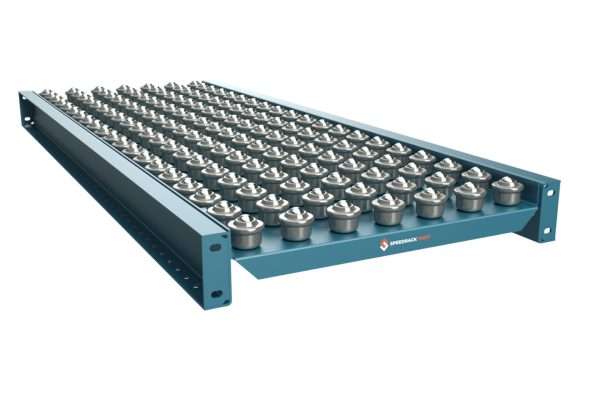
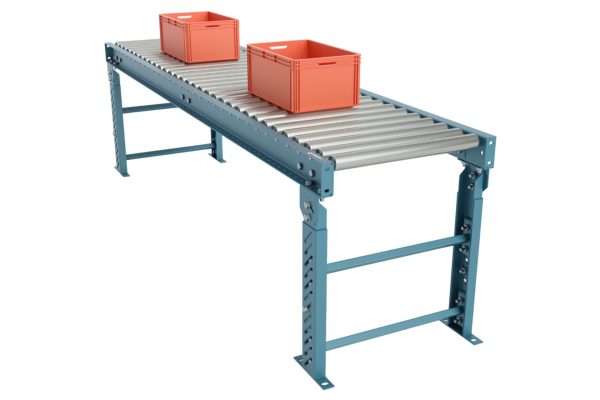
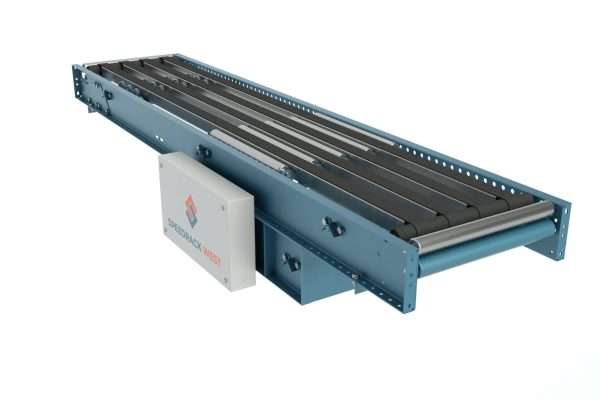
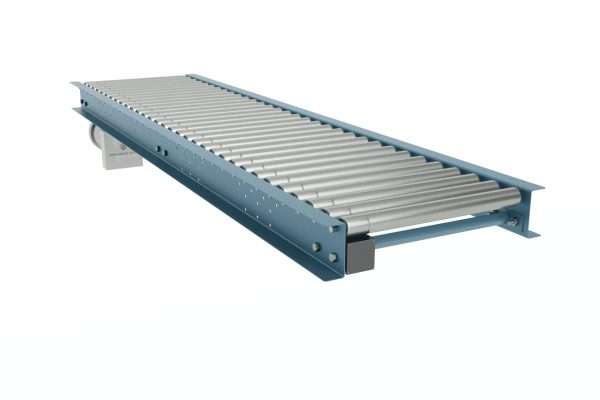
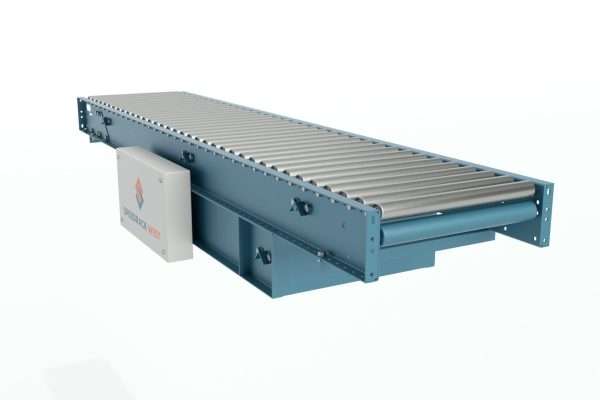
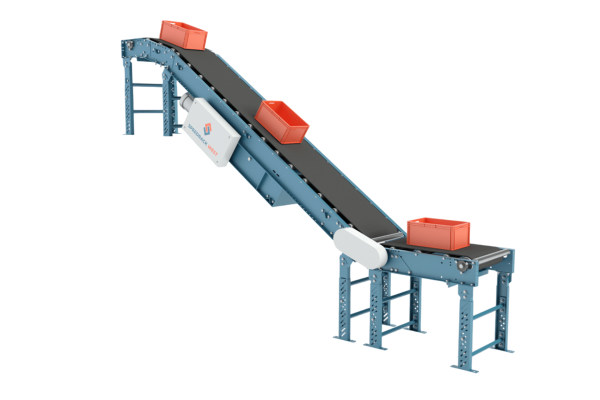
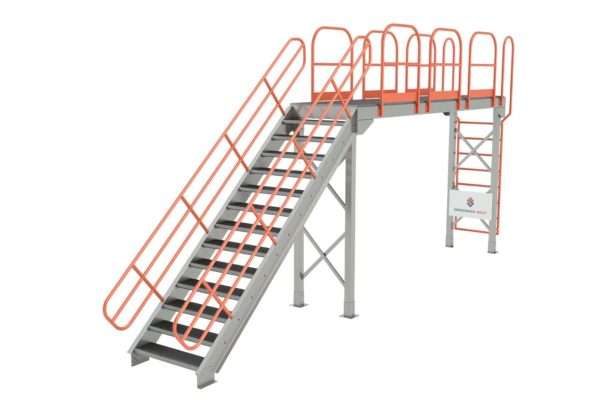
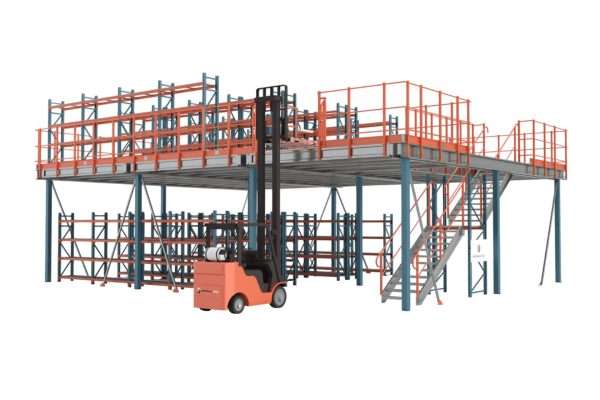
Because we don’t believe in one-size-fits-all solutions for complex storage needs. Systems like Pushback Racks, Pallet Flow Racks (both types), Structural and Pallet-Supported Mezzanines, Catwalk Mezzanines, Drive-In Racks, Pallet Shuttles, and Conveyor Systems need to be custom-designed based on your space, load requirements, and inventory type.
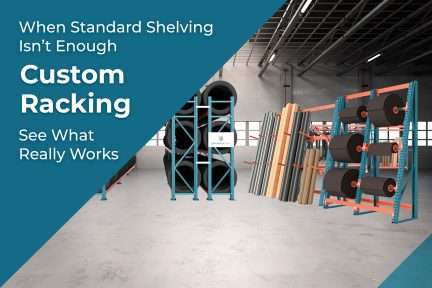
Examples of Custom Warehouse Racks That Solve Problems
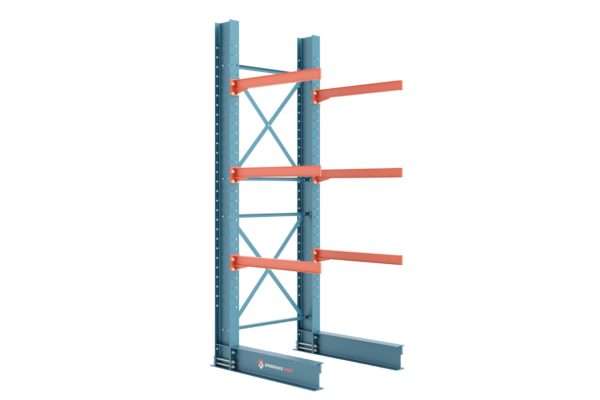
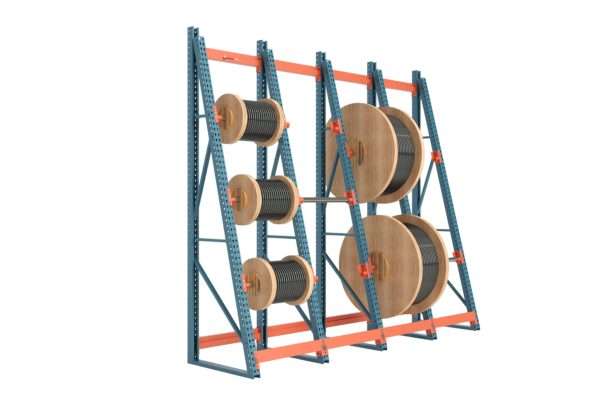
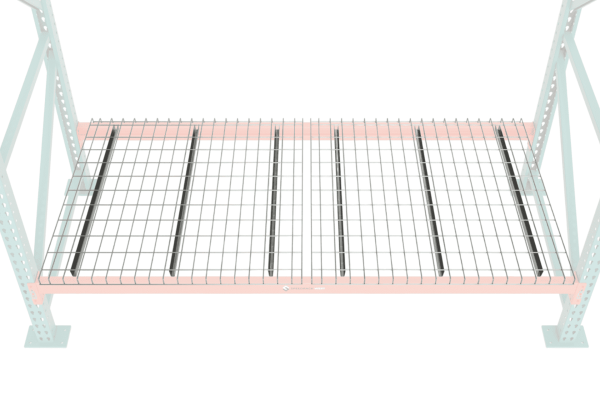
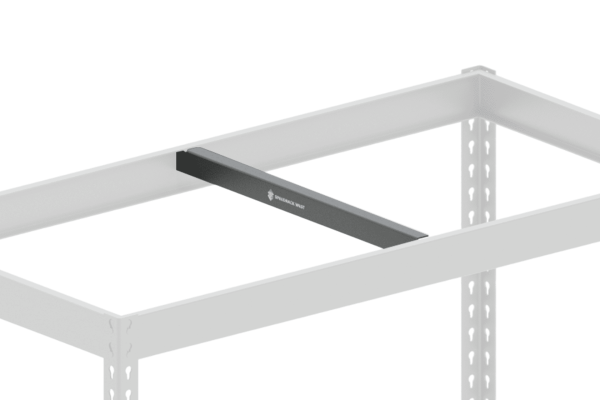
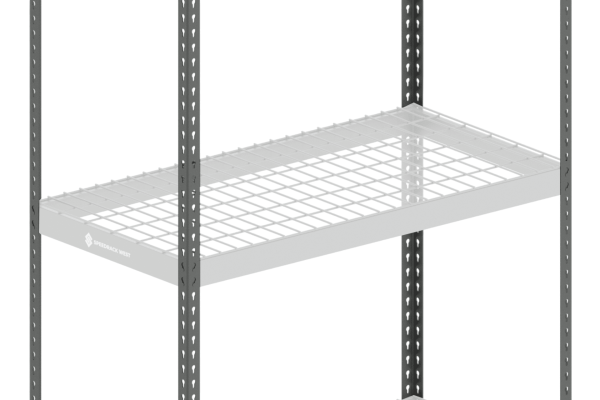
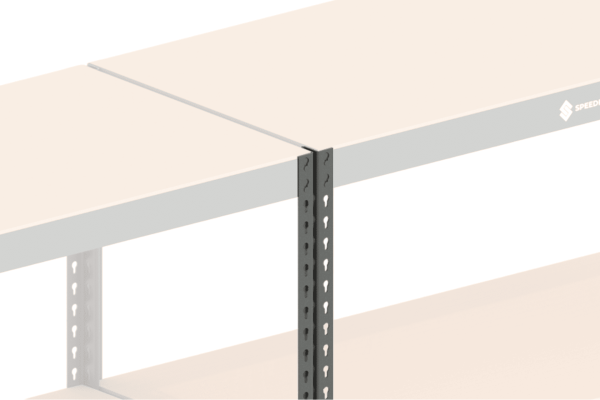
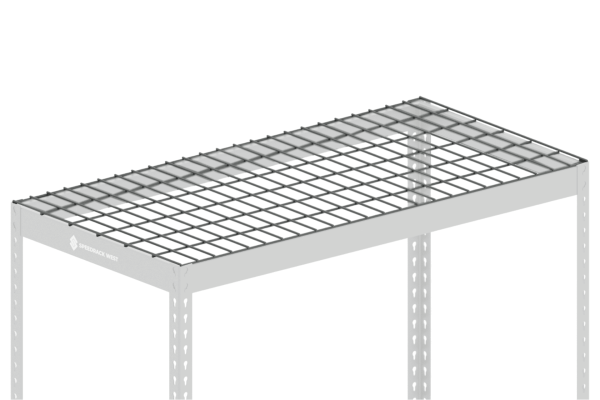
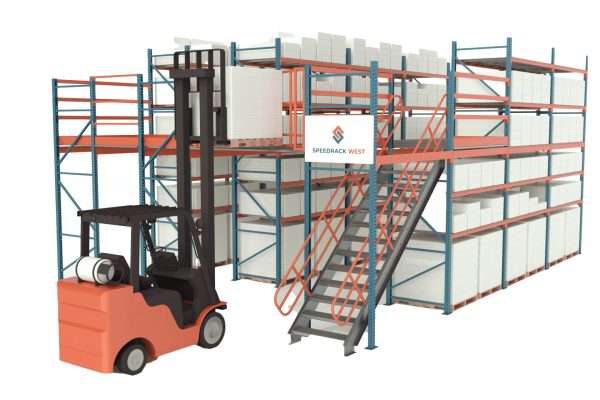
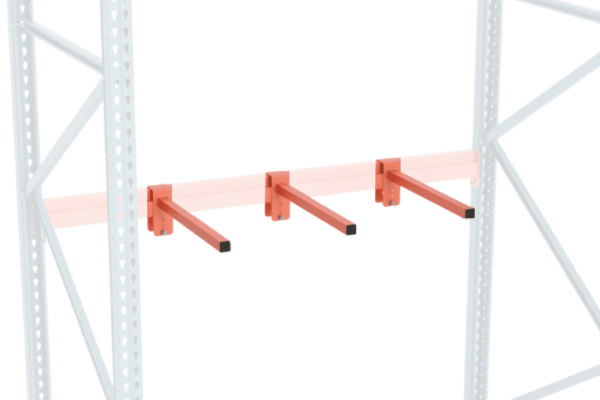
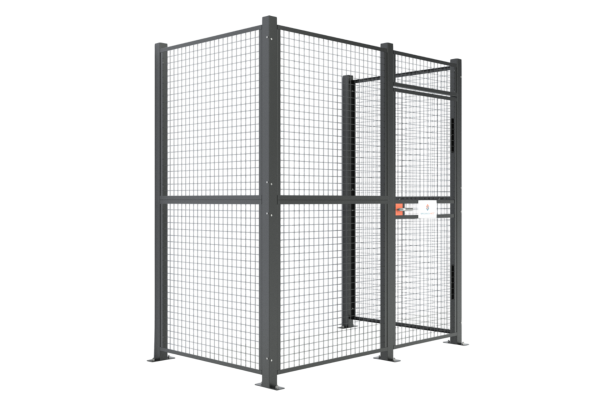
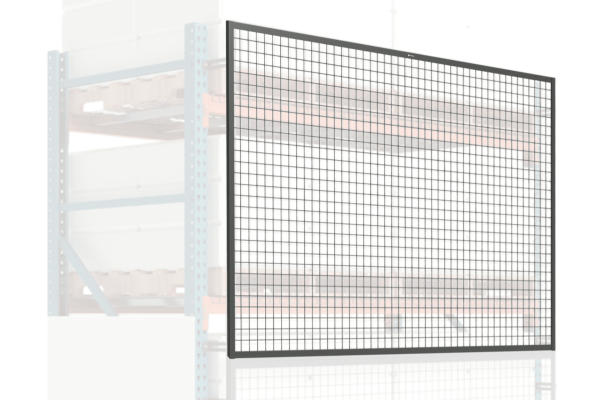
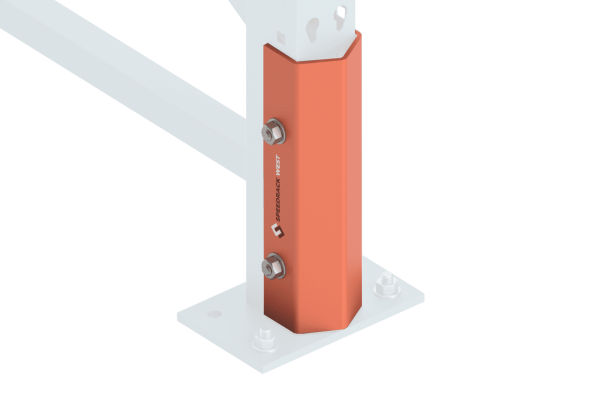
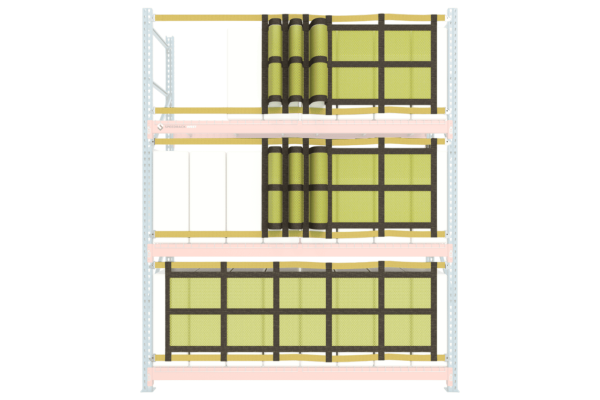
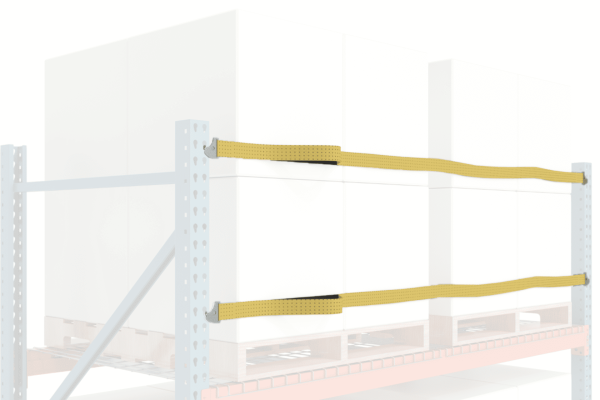
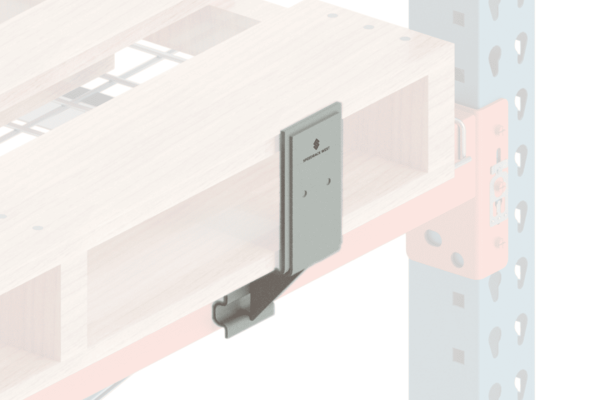
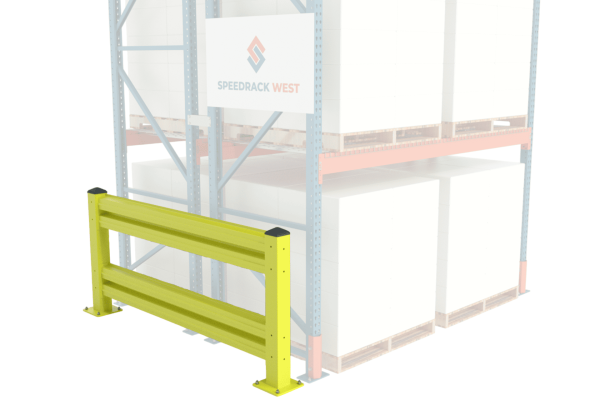
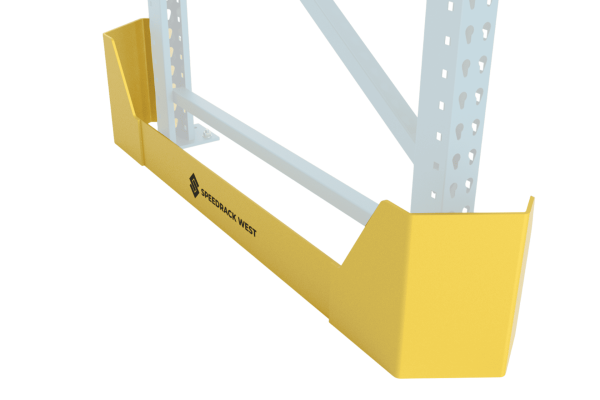
Racks aren’t just standard shelving—they’re a starting point. Think of it as building out—not just shelves, but a smarter system. Whether you need to maximize space, handle unique inventory, or adapt to a challenging layout, you can modify your racks with special parts and custom features. Adjust dimensions, increase weight capacity, add accessories, modify heights, or reinforce for seismic zones. From custom colors to frame extensions and uneven floor accommodations, it's all possible.
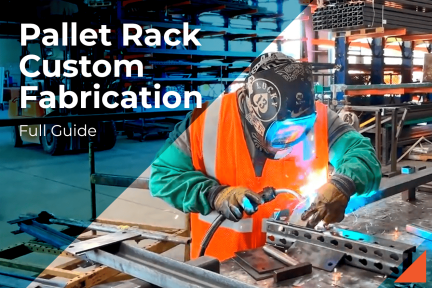
What Is Custom Pallet Rack Fabrication?
When you’re facing challenges like tight space, unusual load sizes, or unique workflow needs, standard warehouse racks just won’t cut it. That’s where custom pallet racking comes in — and by “custom,” we don’t mean racks that ignore requirements, but racks that meet every industry standard while solving your specific challenges. In this article, we’ll break down what custom pallet rack fabrication means at Speedrack West, and when it’s worth it.
2. Seismic Calculations
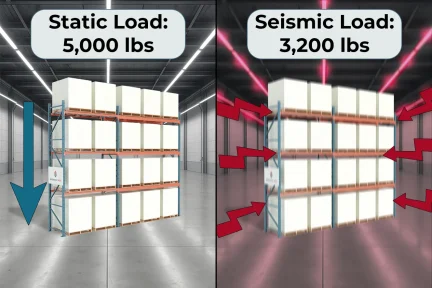
Static vs Seismic Load Capacity: Key Differences for Warehouse Racking Safety
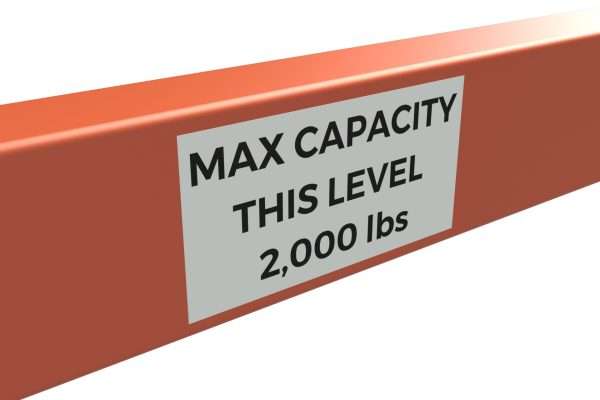
If you’ve ever heard, “This rack is rated for 5,000 lbs per level,” and assumed that number is universal, you’re not alone. Here’s the catch:
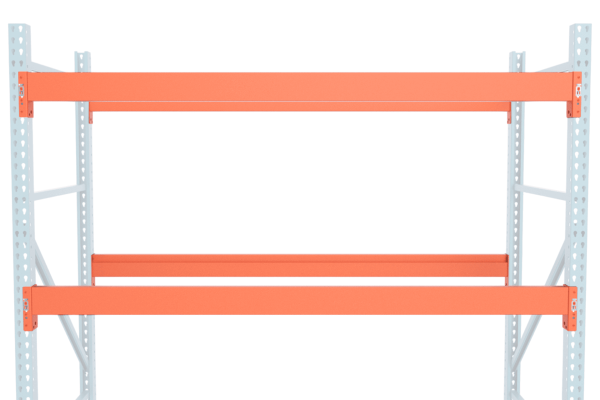
That 5,000 lbs is usually a static capacity (gravity-only). In an earthquake-prone area, your legal/engineered seismic capacity for the same exact rack can be significantly lower, even if the steel components don’t change.