



A
Aisle
An aisle is the space between rows of racking that enables access to the racks. Aisles are used by forklifts and personnel for loading items onto racks, unloading and picking items.
Anchors
(Bolts)
Anchors are used to secure pallet racking uprights to the floor or slab on which the racking is installed. Typically steel bolts are used to anchor the system.
Anti Collapse Mesh
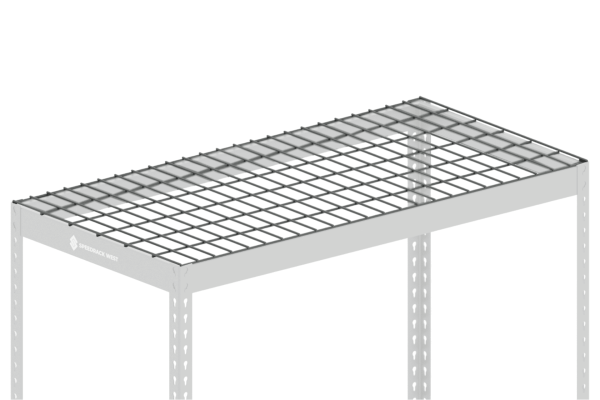
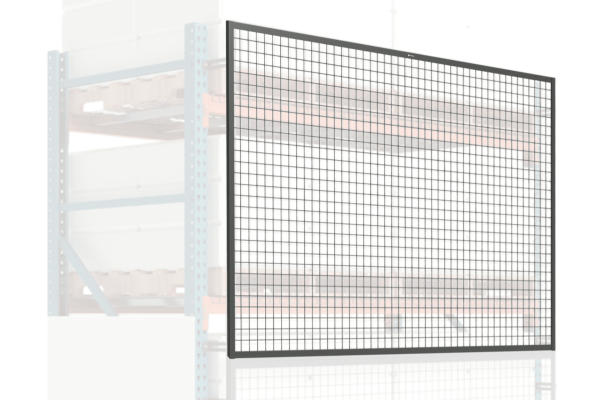
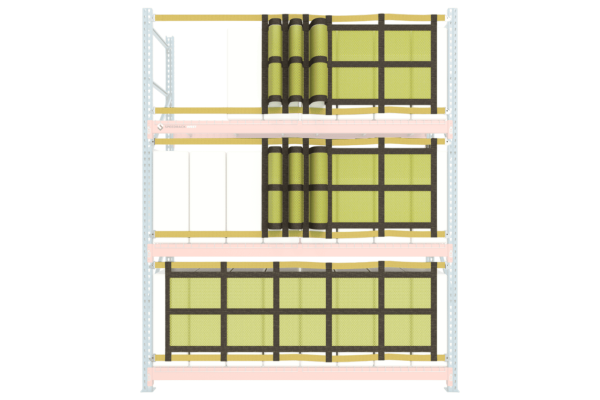
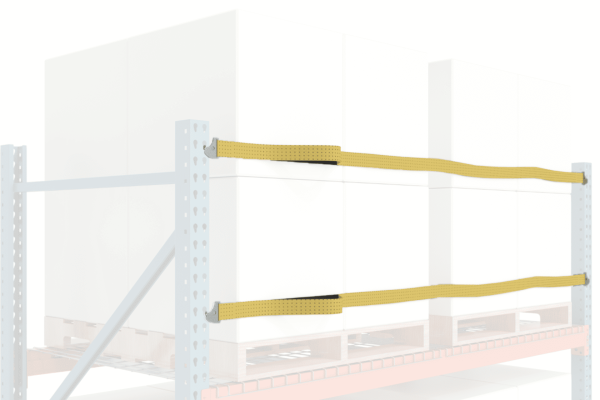
Anti collapse mesh is used to provide added safety to racking systems by preventing items from falling off pallets or racks. It’s particularly useful for multi-tier systems to reduce the risk of injury or damage to stock. Made from durable steel wire, anti collapse mesh allows for full visibility of items and also enables sprinkler systems to remain effective in the event of a fire.
Automated Storage & Retrieval System
(AS/RS)
A mechanized rack system that automates storing and retrieving pallets, eliminating or minimizing forklift aisle entry.
B
Back Stop
Back stops in a racking system prevent pallets from being pushed too far into the rack and either falling off or overhanging from the end. Back stops are often created from beams attached to columns at a different height than those used to support the pallets.
Bar Grating
Also known as metal grating or steel grating, is an open grid assembly of metal bars. It consists of bearing bars, which run in one direction, and cross bars, which are perpendicular to the bearing bars.
Bay
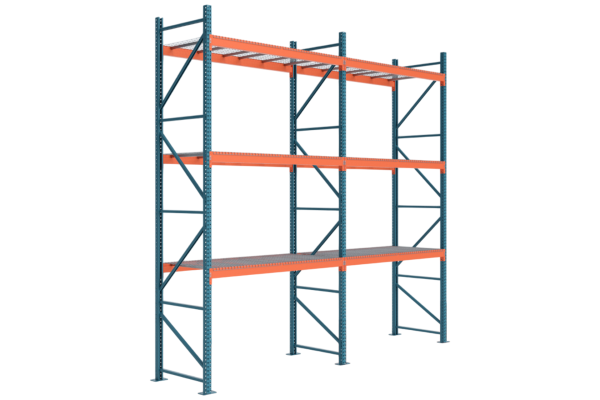
A bay is the space between two upright columns in a pallet racking system. It can consist of multiple levels created by beams depending on the height of the rack.
Beam
(Crossbeam)
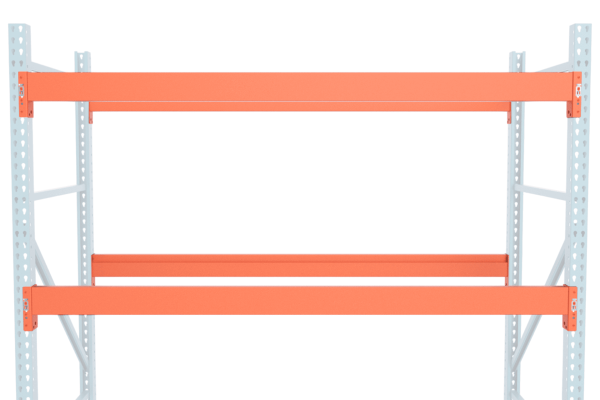
Horizontal supports that connect between uprights and hold the pallet loads.
C
Cantilever Rack
(Lumber Rack)
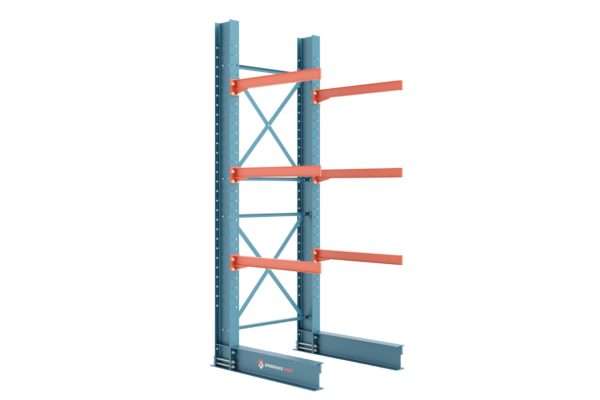
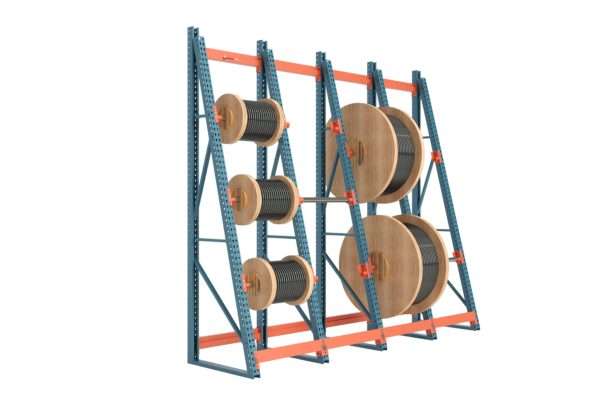
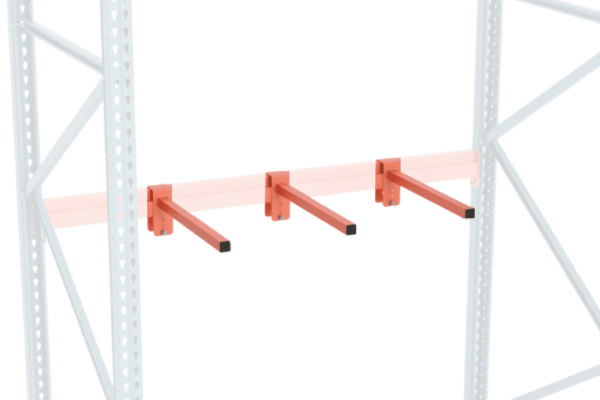
A racking system with horizontal arms that extend from vertical columns, ideal for storing long items like pipes, lumber, or tubing.
Carpet Racking
Carpet racking is a specialist warehouse storage system designed to hold long items such as rolls of carpet or textiles, offering increased depth over standard racking with ease of access for depositing and retrieving items.
Coil Cradle
A coil cradle is composed of supports that span across the main beams and enables cylindrical items such as coiled materials to be stored securely on a rack without them rolling.
Column Spacing
The distance between vertical building columns. Proper spacing is essential for optimizing racking layout and aisle configuration.
D
Deep-Lane Storage
Long, uninterrupted rack lanes designed to hold multiple pallets using shuttle technology.
Deflection Tolerance
Amount of allowed bend in beams/uprights.
Drive-In / Drive-Through Racking
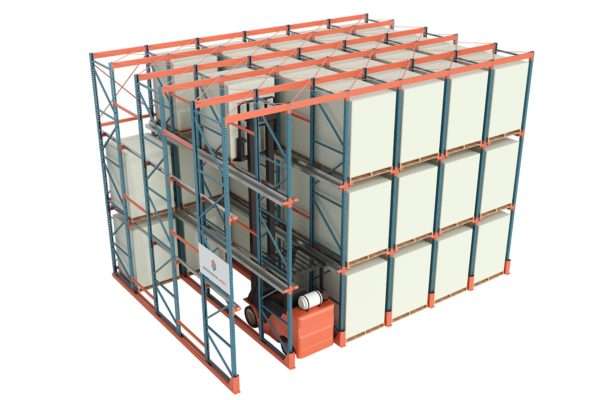
High-density systems that allow forklifts to enter rack lanes. Drive-In uses LIFO; Drive-Through uses FIFO.
F
FIFO
(First-In, First-Out)
Inventory method where pallets are retrieved in the same order they were stored; requires dual-access lanes.
Flue Space
(Flue Aisle)
The gap between back-to-back pallet racks, usually 6″ to 12″, to allow for fire suppression system access and proper ventilation.
Forklift Collision
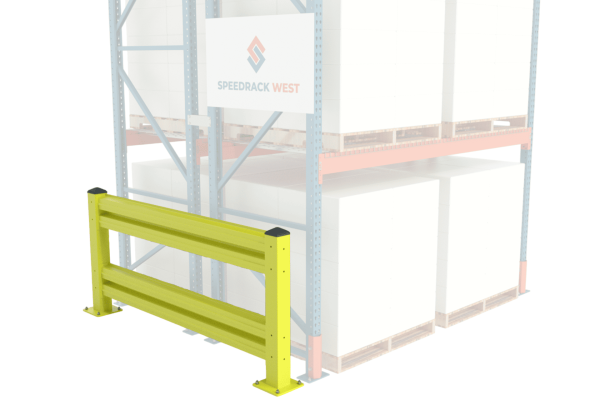
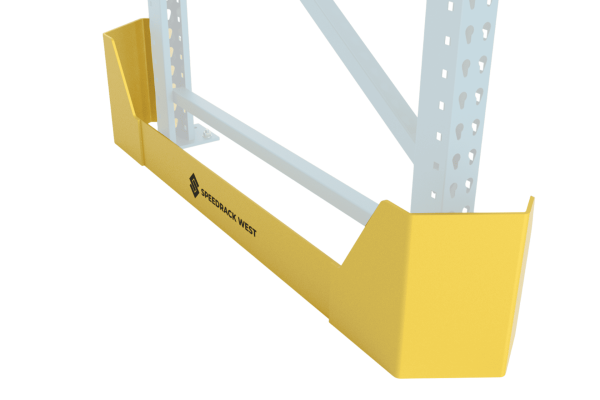
Accidental impact between forklifts and rack systems, a leading cause of rack damage and failure.
I
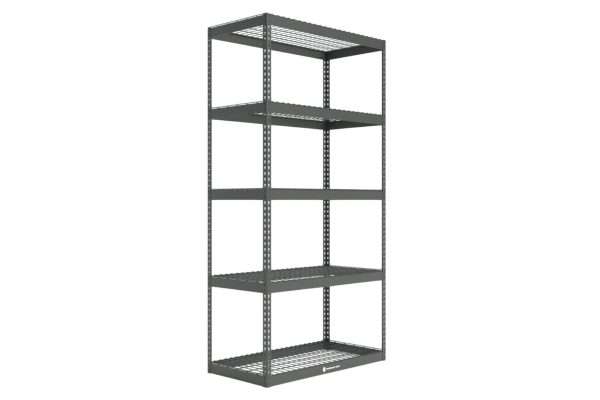
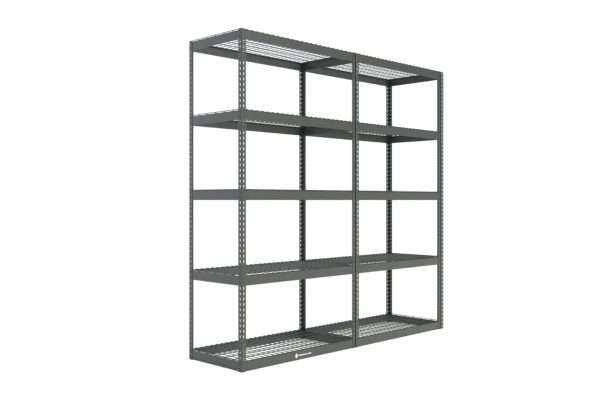
Industrial shelving
(Warehouse Shelving, Pallet Shelving)
a way of maximising the potential storage space of your premises and increasing the efficiency of your business. The shelving usually consists of a steel frame manufactured to provide strength and withhold the items that are stored on it.
Interlake
Interlake-style frames are vertical supports (uprights) used to build pallet racking systems. They are designed with specific hole patterns and bracing configurations to match Interlake’s beams and components.
L
Level
Within a pallet racking system, a level is a row of horizontal beams. Typically the system will include multiple levels with some systems capable of housing many levels for maximum storage capacity within a given floor space and may require specialist equipment to access pallets.
LIFO
(Last-In, First-Out)
Inventory method where the most recently stored pallet is the first to be retrieved—common with shuttle systems.
Load Capacity
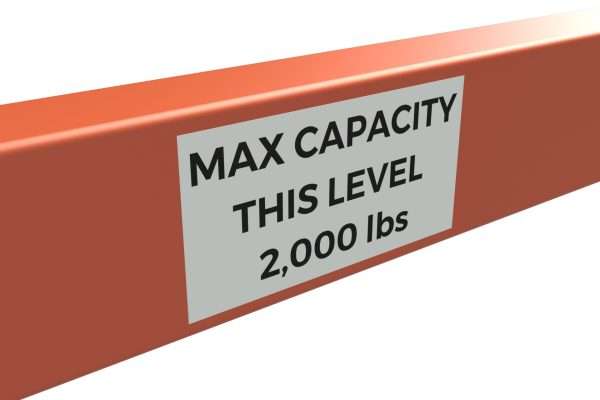
The load capacity describes the maximum weight that can be placed on the beams of a rack. When designing a racking system, it is important that the goods to be stored are identified in order that racking with sufficient load capacity is specified.
M
Mezzanine
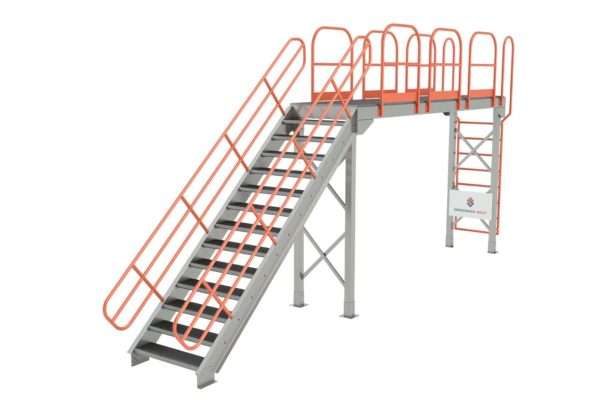
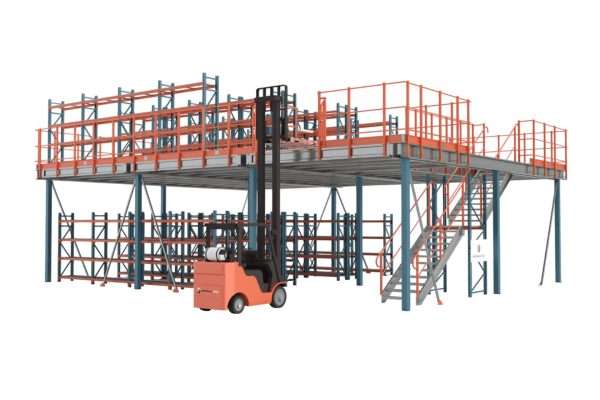
Is an elevated platform installed between the main floor and the ceiling of a warehouse, effectively creating an additional floor within the existing space. This structure utilizes vertical space to provide extra storage, office space, or work areas without the need for costly building expansions or renovations.
P
Pallet Flow Racking
(Gravity Flow)
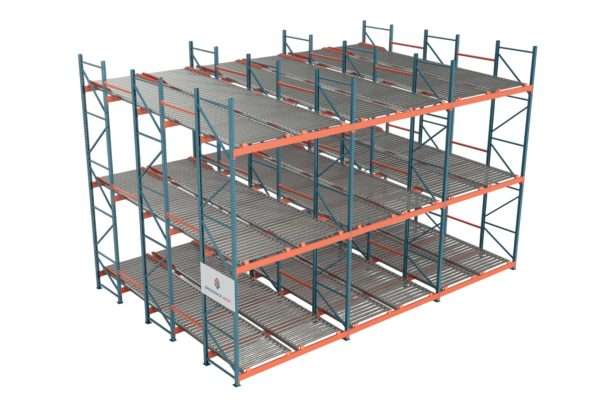
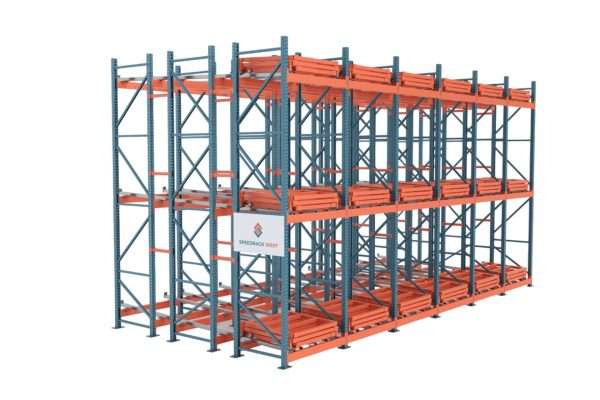
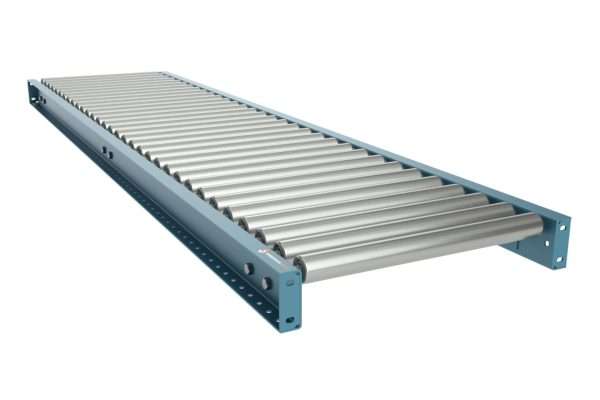
Uses gravity rollers on sloped lanes to move pallets from loading to picking side. Supports FIFO.
Pallet Rack
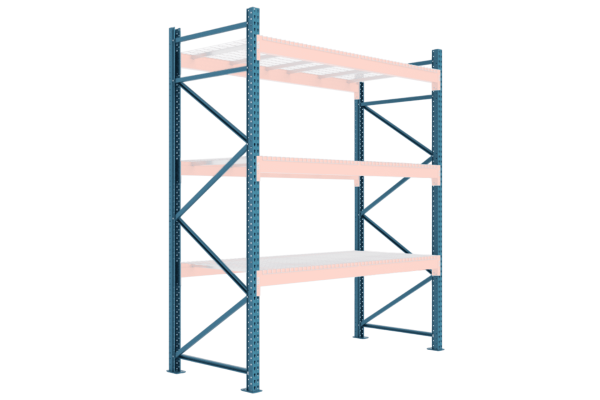
A storage system designed to hold palletized materials. Typically includes upright frames, horizontal beams, and optional decking.
Pallet Rack-Supported Mezzanine
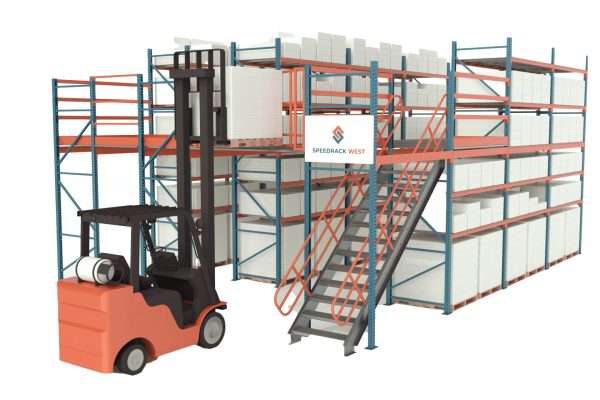
A multi-level storage platform built on top of existing pallet racking systems
Pallet Shuttle
(Shuttle Cart)
A battery-powered electric vehicle that travels along rails inside rack lanes to move pallets autonomously.
Pallet Supports
(Crossbars)
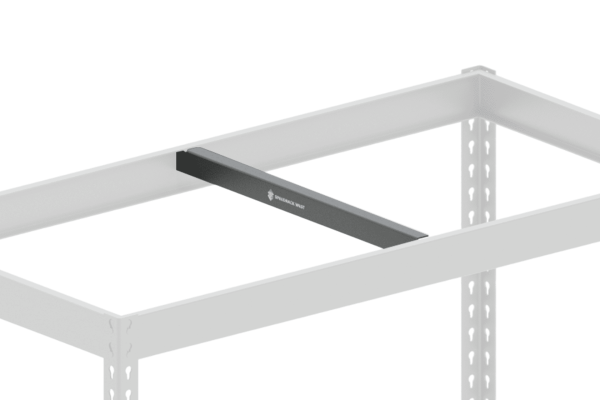
Heavy-duty steel bars placed between beams to support pallets directly. Fire-resistant and cost-effective.
Permit Requirements
Permits required for racks over 5’9″ tall, including seismic and high-piled storage approvals.
PSF
(Pounds per Square Foot)
A unit of pressure or weight distribution, commonly used in construction and engineering to measure how much force or weight is applied over a given area.
Punch Deck
Corrugated perforated metal decking that prevents water pooling and complies with fire codes.
Pushback Racking
Pallets rest on nested carts on sloped rails. As one pallet is loaded, it pushes the others back. Operates on LIFO.
R
Rail-Guided Shuttle System
Synonym for pallet shuttle systems; features rails within lanes guiding shuttle movement.
Regulatory Compliance
Conforms to OSHA, IBC, ANSI, BS EN, and local standards.
S
Seismic Compliance
Adhering to seismic design categories (SDC), calculations, anchoring specs, and special inspections.
Shuttle Entry
(Channel)
The lane or channel within racking where forklifts load pallets and the shuttle operates.
Solid Steel Decking
Smooth, continuous steel planks (6″ or 12″ wide) with boxed edges. Heavy-duty, non-flammable, and easy to slide loads.
Structural Mezzanine
A raised platform built within a building, typically constructed from steel, that adds an extra level of usable space above the main floor
T
Teardrop
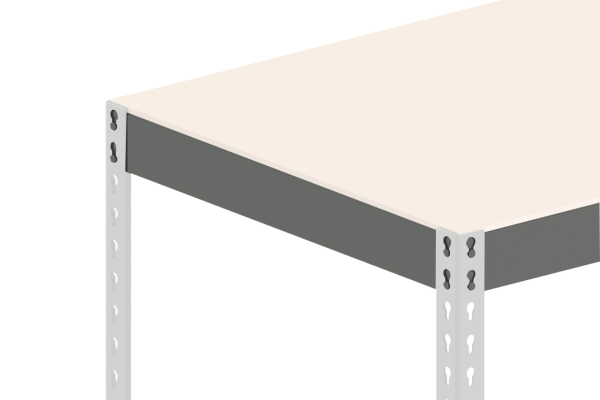
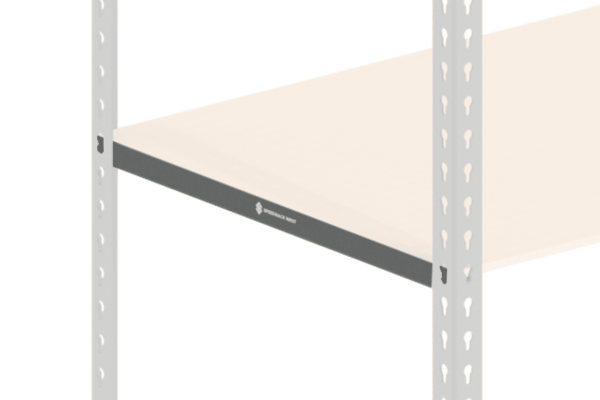
Uprights with teardrop-shaped holes for quick-fit beam connections, common in roll-formed selective racks.
U
Upright Frame
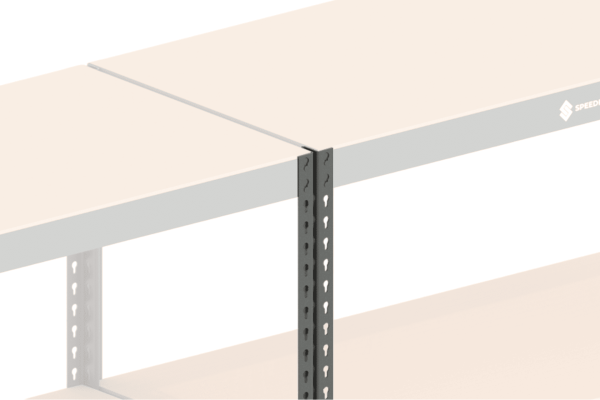
The vertical supports in a pallet racking system. They carry the structural load and connect to beams.
W
Wire Mesh Decking
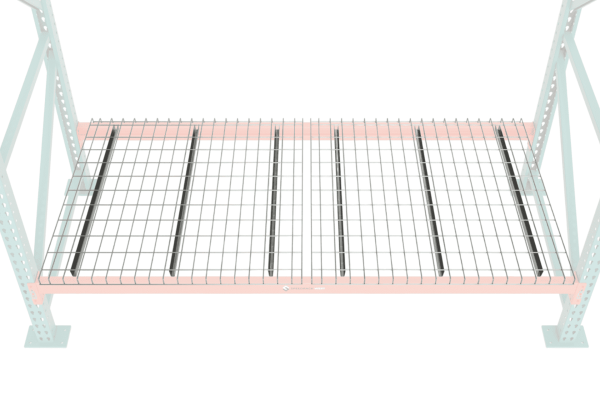
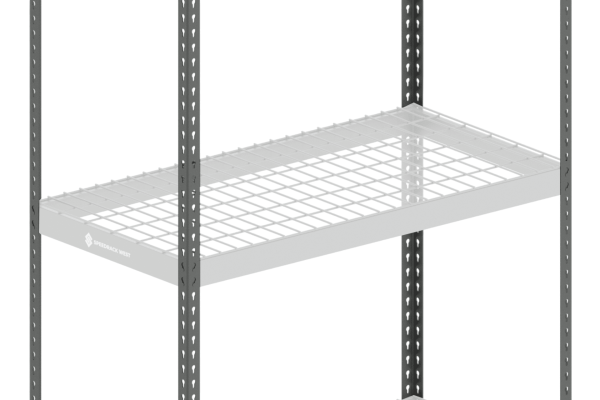
Steel wire panels that sit on beams. They allow light, air, and sprinkler water flow, while providing clear visibility. Ideal for safety and fire-code compliance.