
Does Mezzanine Racking System expand storage systems?
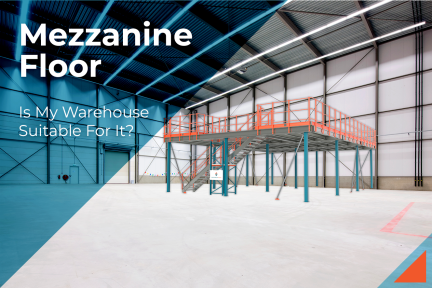
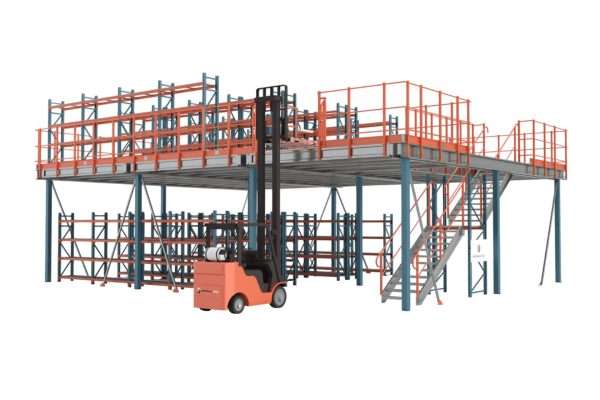
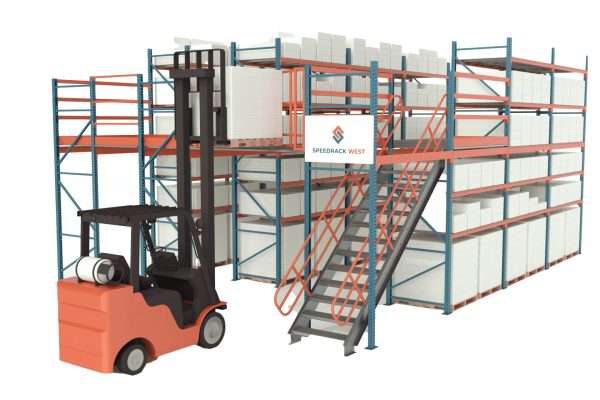
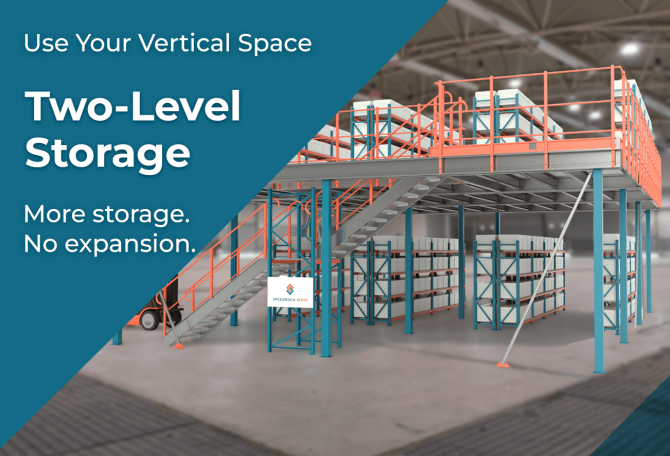
Mezzanines are elevated platforms that provide an additional floor space within a warehouse. Businesses that implement mezzanines can experience up to a 25% increase in operational efficiency, thanks to better organization and improved flow of goods. Each type of mezzanine provides different features. You can read more about types of mezzanines here.
Types of Racking Systems Compatible with Mezzanines
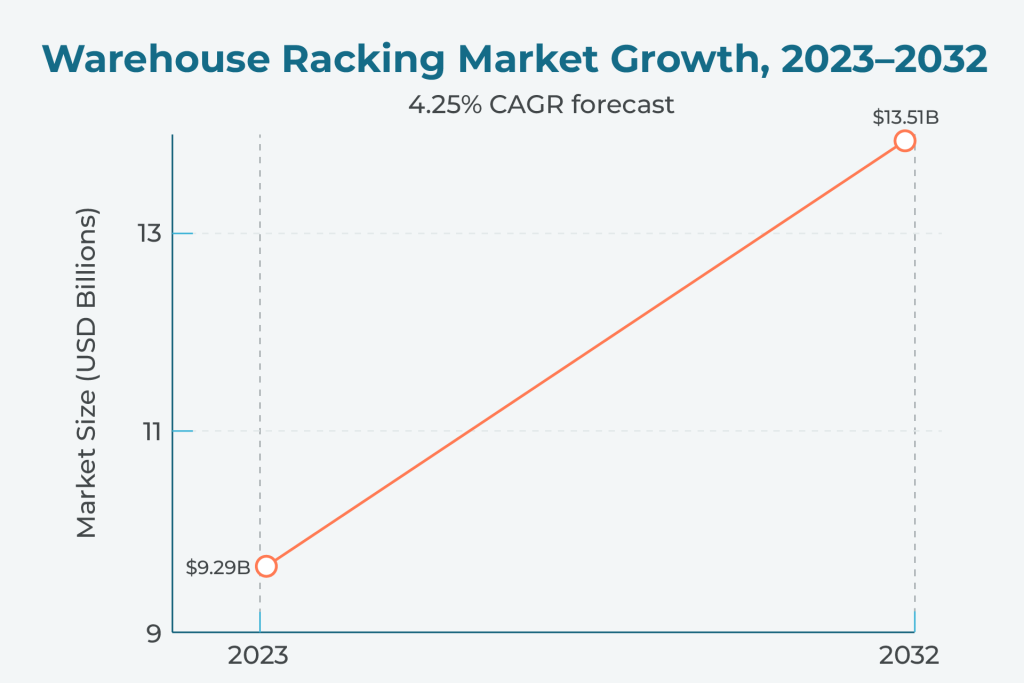
According to the Warehouse-Racking Market Report¹, “the warehouse racking market was valued at USD 9.29 billion in 2023, and it is expected to reach USD 13.51 billion by 2032, registering a CAGR of 4.25% during the forecast period of 2024-2032. In 2023, the selective pallet rack is the segment that dominated the market, amassing a greater part, totalling over 45.2% of the global revenue.”
In most cases, storage capacity can be increased by up to 40% by using racking systems that fully utilize the vertical space. One effective way to achieve this is by integrating mezzanines with existing racking systems. Below are the key types of racking systems that work seamlessly with mezzanines:
Pallet Racks
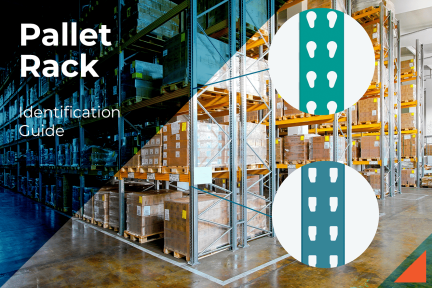
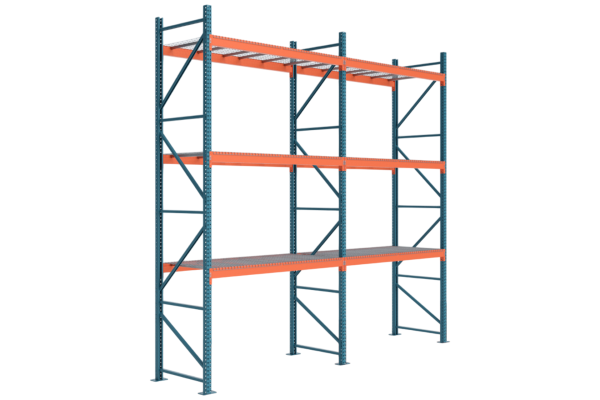
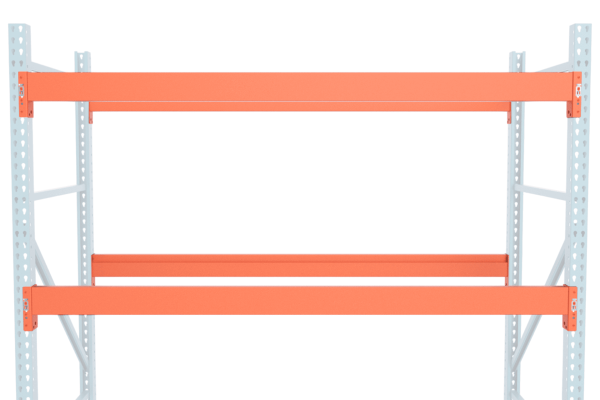
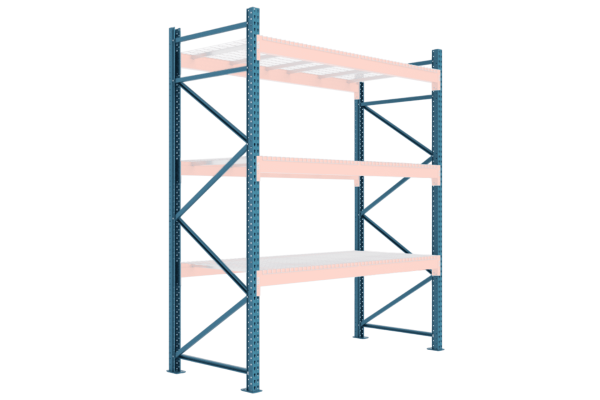
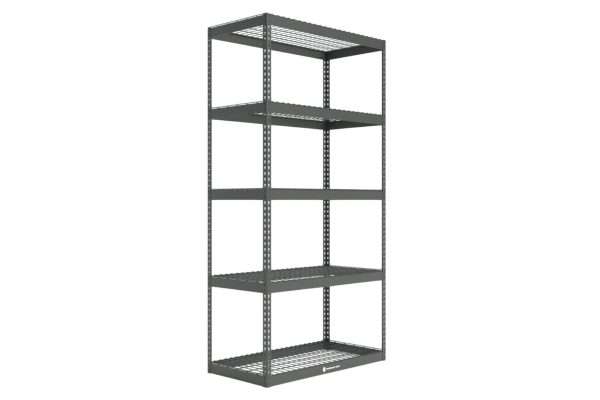
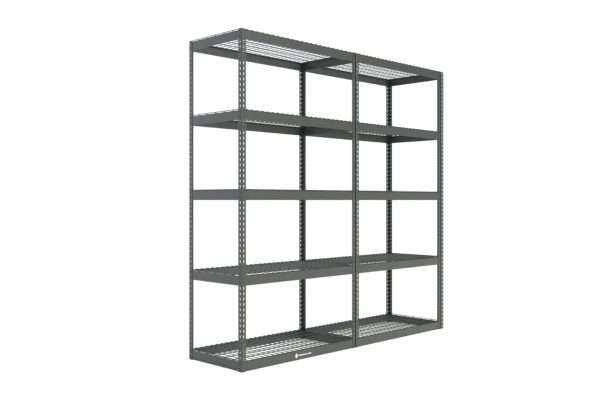
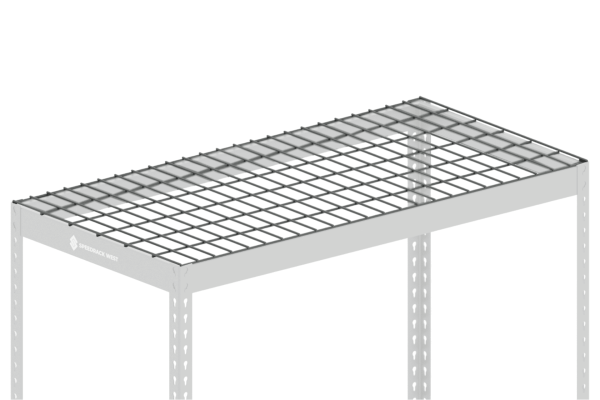
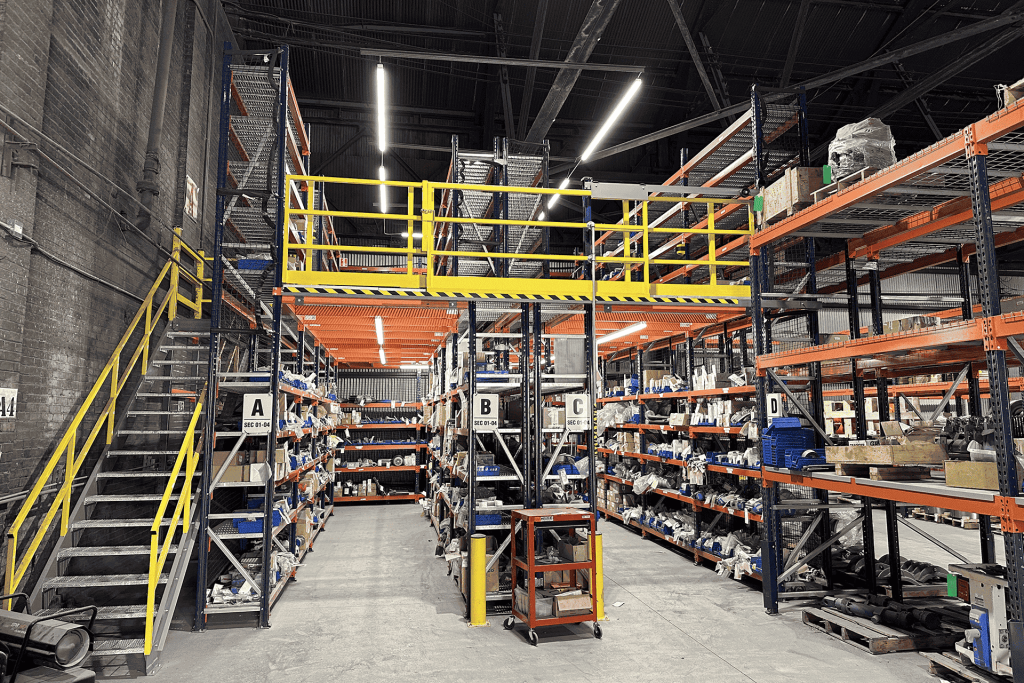
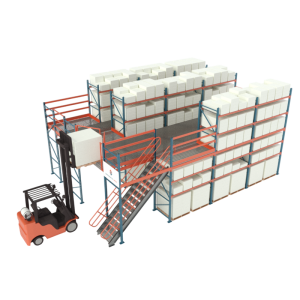
Selective pallet racks are the most common racking systems in warehouses, offering versatility and ease of use. They can be easily combined with mezzanine floors, creating a rack-supported mezzanine that maximizes vertical storage. Pallet racks provide excellent support for heavy loads, making them ideal for large-scale storage solutions in warehouses and distribution centers.
Cantilever Racks
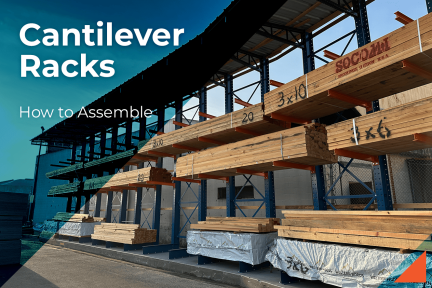
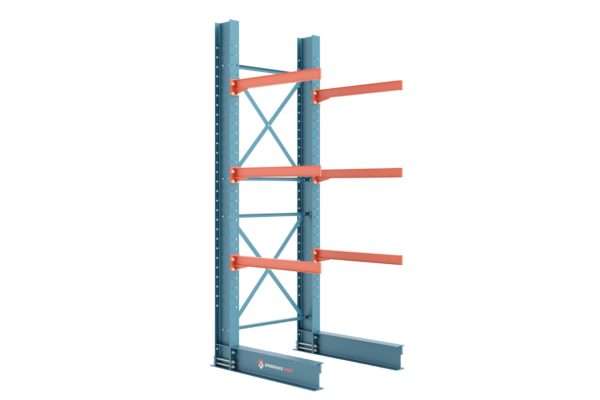
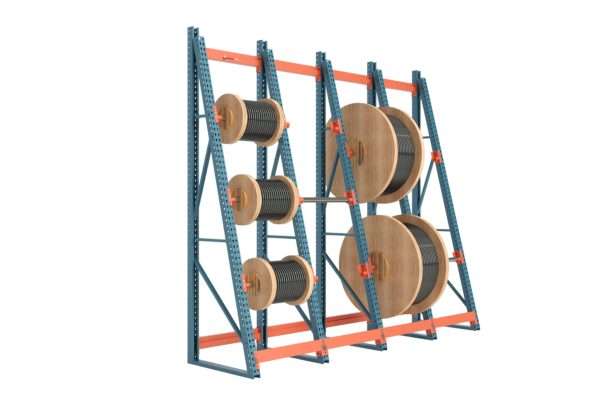
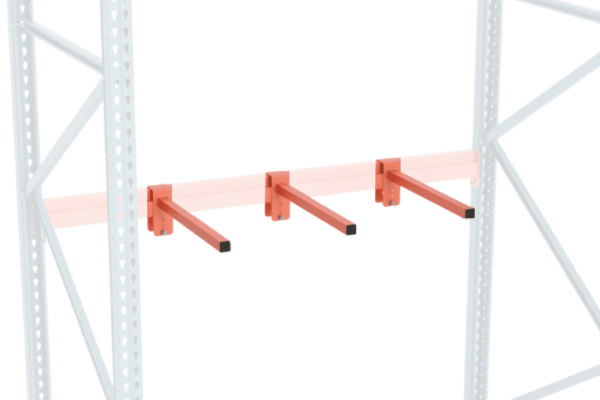
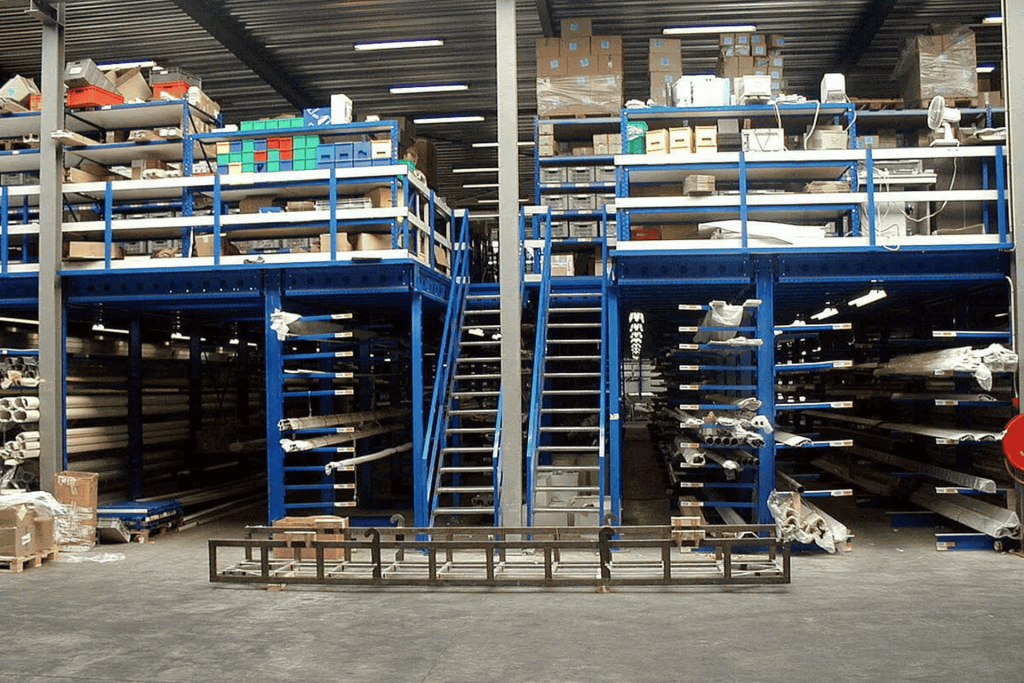
Designed for storing long, bulky items like pipes, lumber, or steel, cantilever racks can also be paired with mezzanine systems. A mezzanine floor can be installed above the racks, adding additional storage areas for smaller items or creating work platforms. The open design of cantilever racks ensures easy loading and unloading from one side.
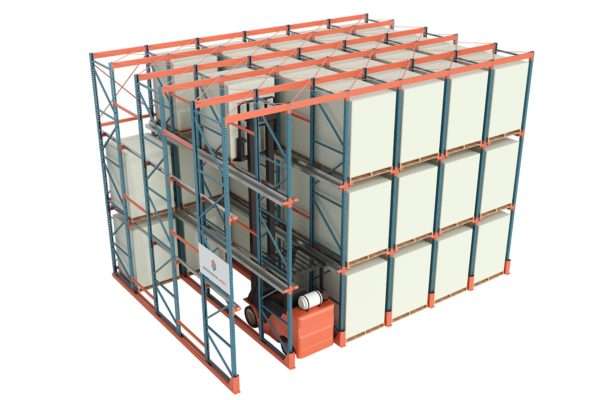
May the companies combine the mezzanine with other racking systems, such as pushback racks, stacking racks, pallet flow racks, drive-in racks, and mobile or shuttle racking systems? Of course, but with a personalized approach, considering the warehouse layout, inventory turnover, and the facility’s technical readiness.
Stacking Racks
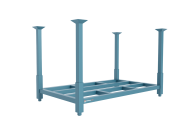
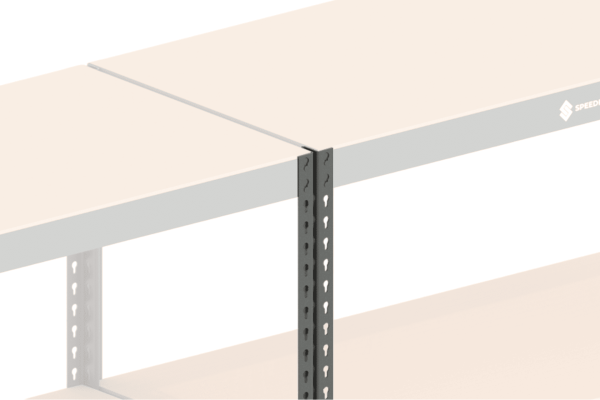
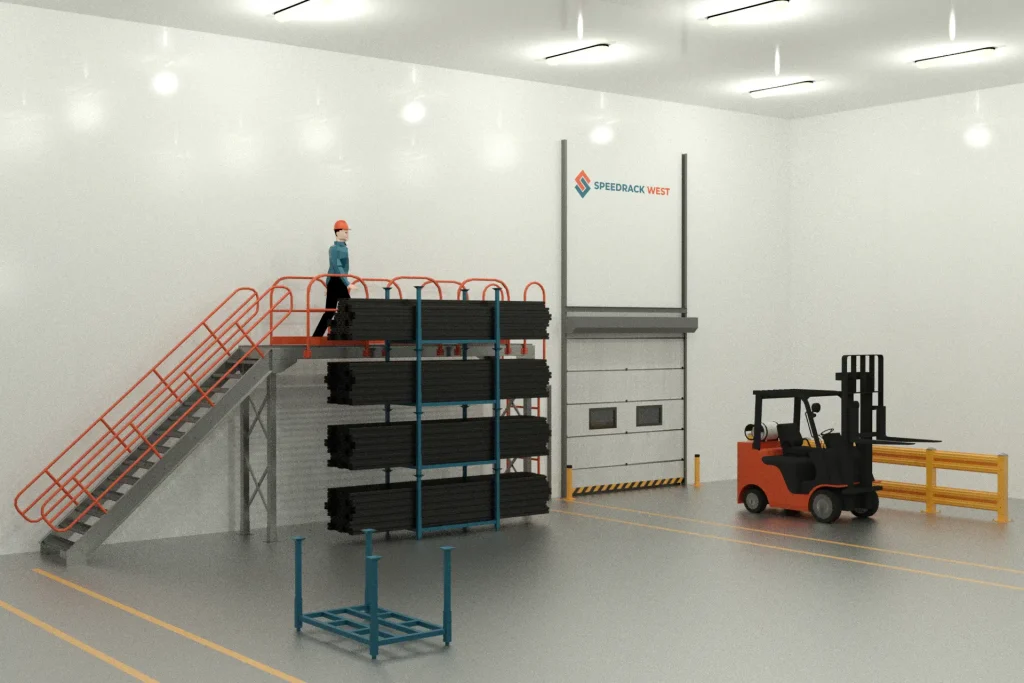
Portable and flexible, stacking racks can be easily arranged and reconfigured. Integrating these racks with a mezzanine storage system offers a scalable solution that adapts to varying inventory needs. Catwalk Platforms’ mezzanine platforms, due to their scalability and nearly unlimited length, can provide additional vertical space for inventory management while keeping stackable shelving accessible from below.
Pushback racks and Pallet Flow Racks
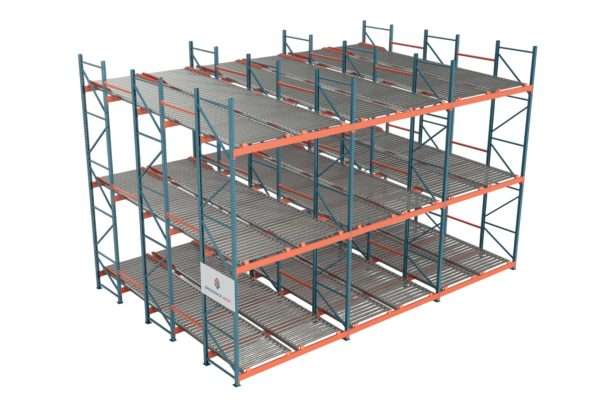
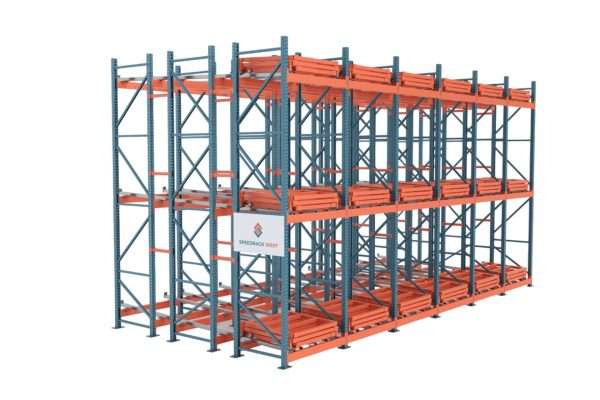
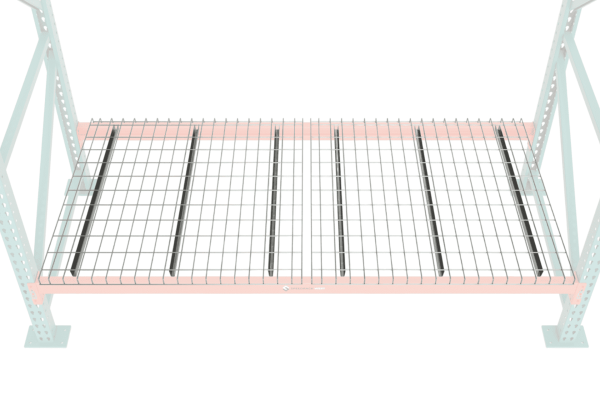
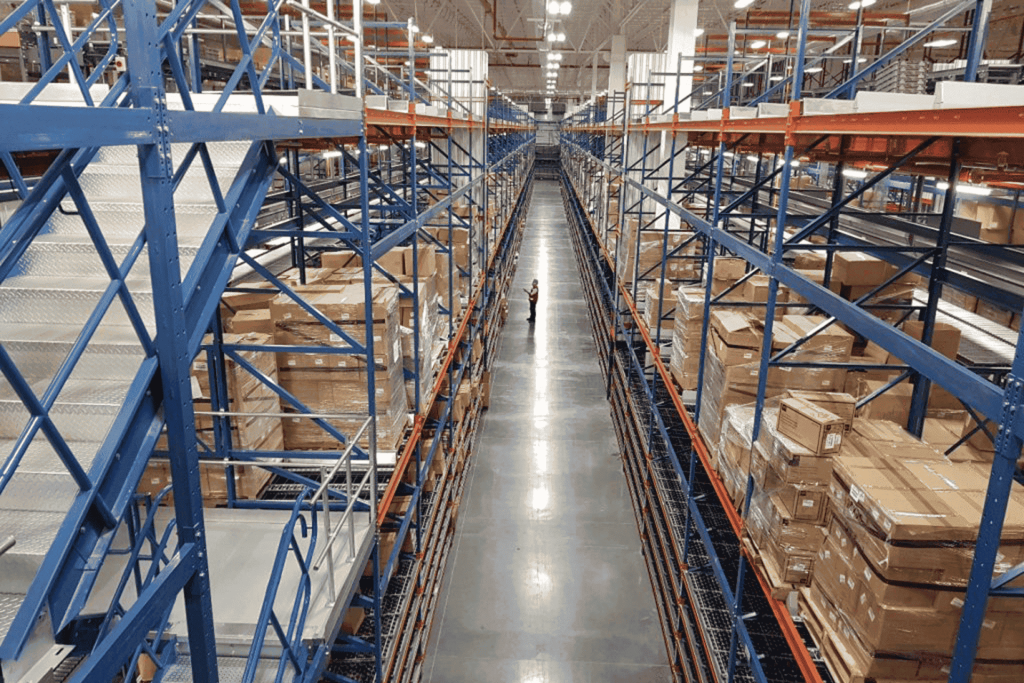
These systems are top-tier for high-density storage solutions. Adding a mezzanine deck above or even integrating it into the structure can seriously up your warehouse efficiency game. This setup streamlines the picking workflow and optimizes vertical storage without eating up more floor space. It’s a sweet spot for high-turnover operations, like distribution centers, where quick pallet access and movement are mission-critical.
Key Points for Mezzanine System Integration
Height and Load Capacity
When integrating mezzanines with racking systems, both height and load capacity are critical factors. The height of a mezzanine floor should align with the available vertical space while adhering to operational safety standards. Under the International Building Code (IBC), mezzanine floors should have a minimum spacing of 7 feet above and below to facilitate worker movement and equipment usage without obstruction.
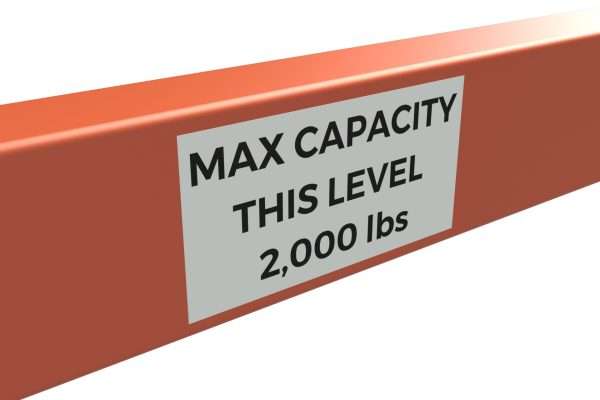
Load capacity varies based on the mezzanine’s structural design and intended application. Most mezzanines are built to support 125 (warehousing) to 250 (manufacturing and large-scale storage) pounds per square foot⁴. For heavier loads, such as industrial machinery or densely packed pallet storage, custom designs with higher load ratings may be necessary.
To meet these requirements effectively, work closely with a qualified structural engineer or mezzanine manufacturer. They can analyze your specific operational needs, assess load distribution, and recommend appropriate materials and configurations.
Professional Installation vs. DIY
While the mezzanine does not usually require planning permission, they do have to meet certain building regulations. Of course, you may consider installing a mezzanine system independently. However, partnering with a systems integrator guarantees compliance with design standards, safety regulations, and the efficient use of warehouse space.
Safety Features
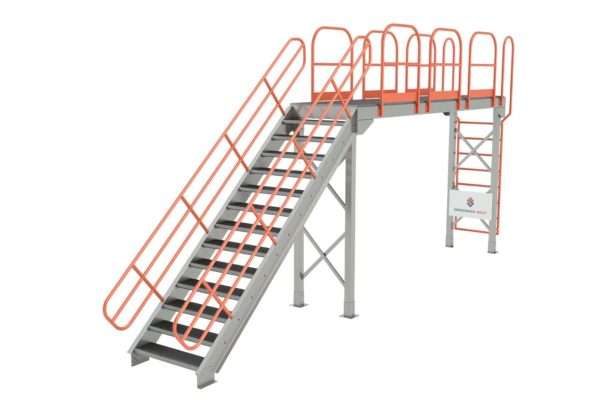
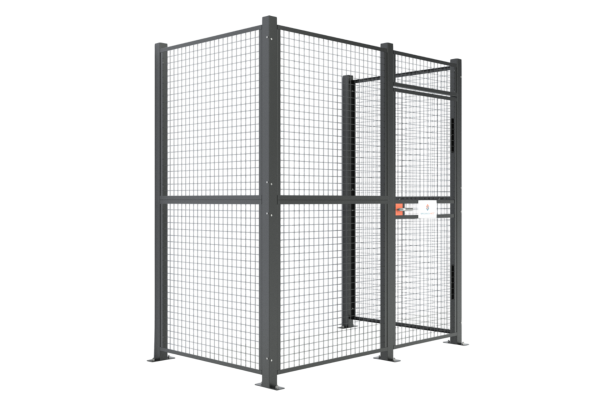
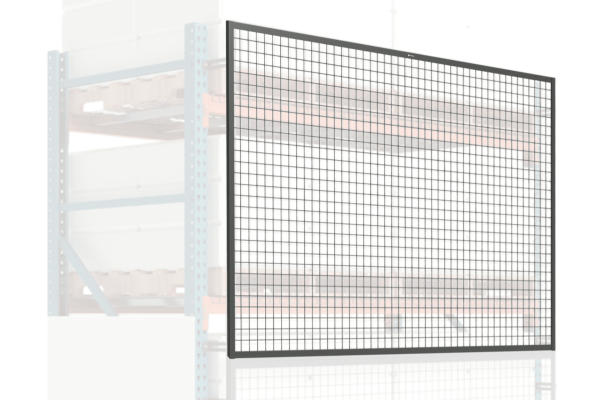
Mezzanines must incorporate essential safety features such as sprinkler systems, pallet gates, and handrails to safeguard both workers and inventory. These elements are critical, especially when mezzanines are integrated with more complex setups like shelving racking systems and conveyors, where operational risks may be higher.
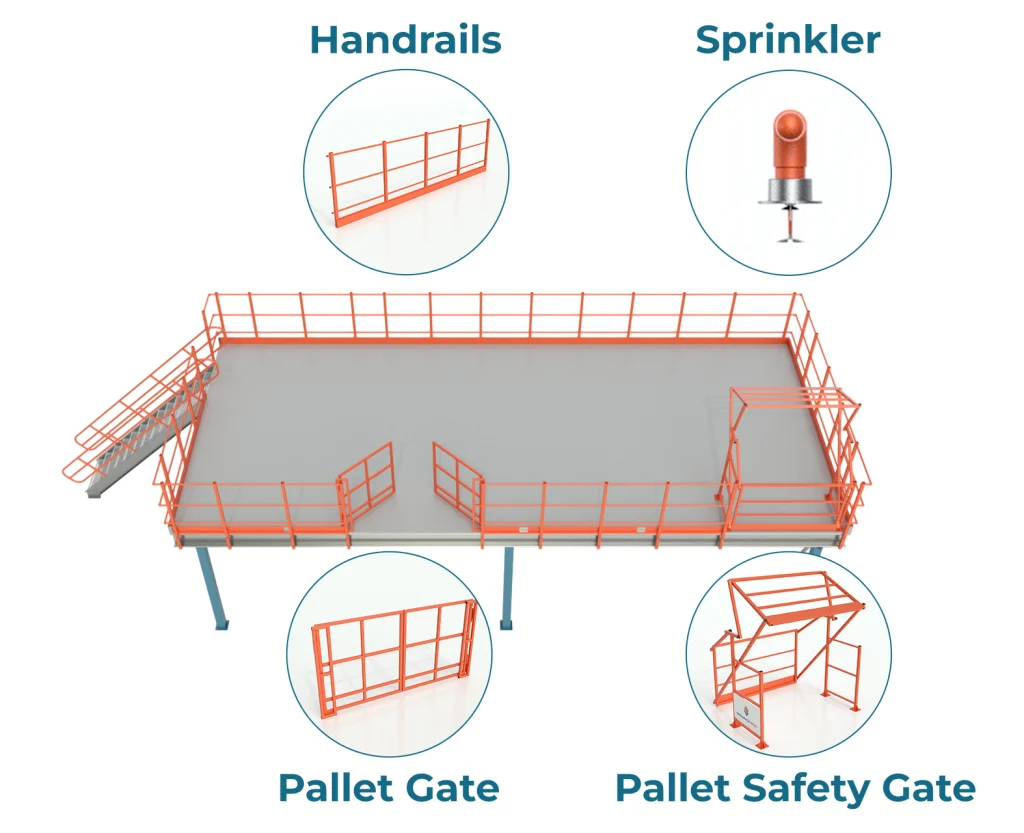
Integrating mezzanines with racking systems transforms warehouse operations by optimizing efficiency and increasing storage capacity. Businesses can use vertical space to expand storage by up to 40%, avoiding costly facility expansions. Each racking system—whether pallet racks, cantilever racks, or other options—offers specific advantages when paired with a mezzanine. To make the most of these systems, careful planning is essential. This includes meeting height and load capacity requirements, adhering to safety regulations, and collaborating with experienced systems integrators. These steps ensure that mezzanine systems are safe, compliant, and perfectly tailored to operational needs, driving both efficiency and ROI for warehouse operations.
Plan Your Mezzanine + Racking the Right Way
Thinking about a mezzanine over your existing racks or a new multi-level system? Share a few details about your building and inventory, and we’ll recommend the right rack types and load ratings, sketch a concept, and give you a realistic budget range.
Used Resources

Was this helpful?