
Mistake #1 – Buying Without Measuring Your Space First
People guess. They eyeball the warehouse or use rough numbers — and end up buying racks that are too tall, too wide, or just plain wrong for their space.
What to do instead: Draw a layout of where you want to put racks. Measure everything seriously. Here’s your must-have checklist:
- Floor load capacity – Can your concrete handle the racking weight, full of pallets?
- Ceiling height – Especially if you’re stacking high. Allow 18 inches between the ceiling or sprinkler and the top of pallets.
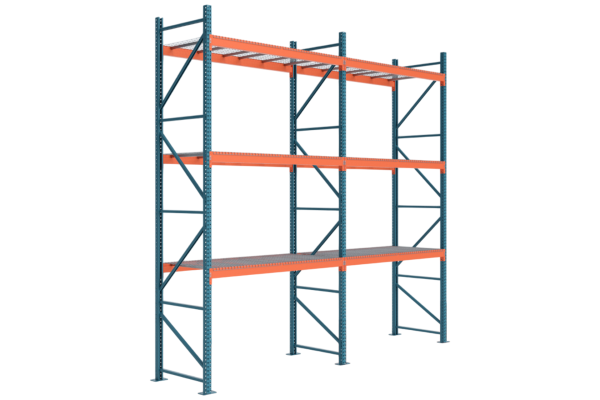
- Frame depth and height –Based on the sizes and weight of your pallets.
- Aisle width – The narrower the aisles, the more racking systems you can install, the more products store, and, ultimately, a higher return on investment. However, will forklifts have enough room for turning?
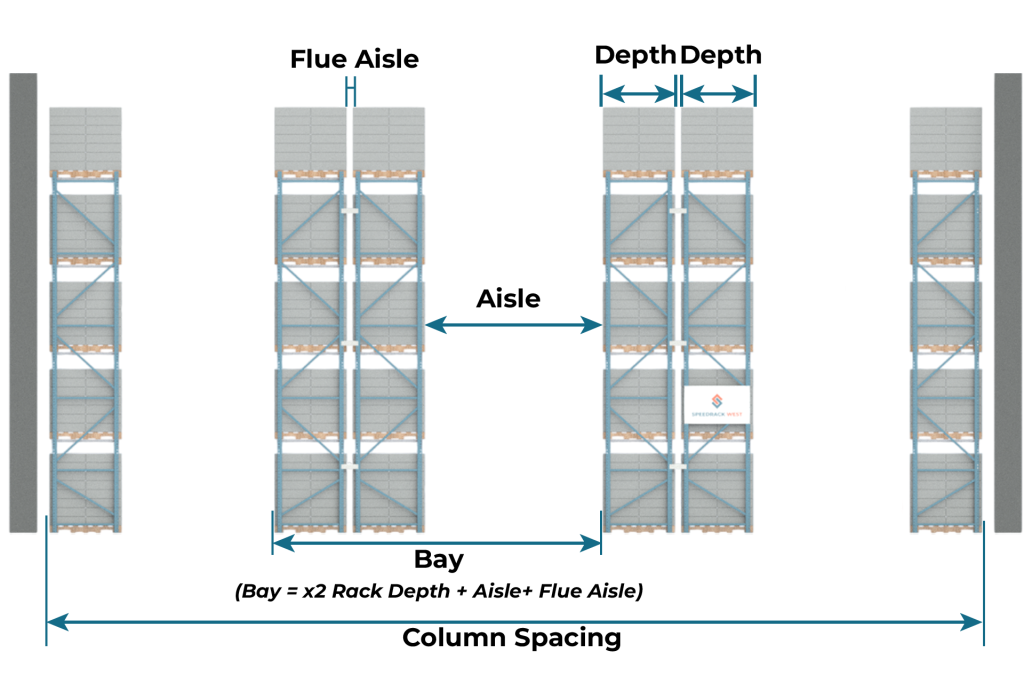
- Column spacing – It’s no secret that column spacing plays a major role in how efficiently warehouse space is used. To find the optimal building column spacing for your preferred racking layout, use this simple formula¹:
[(Rack Depth x 2) Flue Aisle] x # Bays = Column Spacing
| Strategy | Aisle Width | Column Spacing | Notes |
|---|---|---|---|
| Standard Spacing | ~11 feet (132″) | 40’–50′ | Uses 48” single-deep racks + 12” flue spacing; good for general use |
| Wide Aisle | 13 feet (156″) | ~44′ | Great for fast loading/unloading; better equipment maneuverability |
| Narrow Aisle | 10 feet (120″) | ~38′ | Saves floor space; still compatible with standard forklifts |
| Very Narrow Aisle (VNA) | 5 feet (60″) | ~42′ | Requires specialized equipment; maximizes storage density |
Not Sure How to Measure Your Space?
Talk to an Expert Who’ll Walk You Through It.
Mistake #2 – Ignoring Load Capacity
Not all racks are built the same — and used ones often come without clear labels. Overloading is a real risk. We’re talking collapse-level dangerous. Plus, load capacity can degrade over time. Environment, age, and usage all affect how much a rack can safely hold.
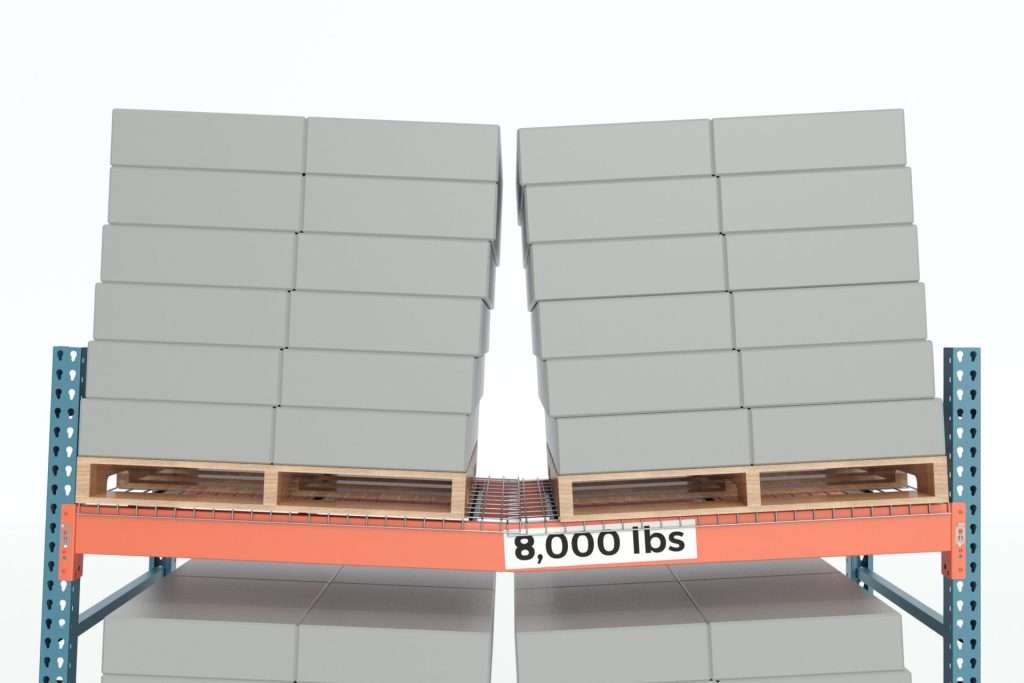
How long do racks last? A well-maintained racking system typically lasts 10–15 years, with top-tier ones going past 20². Most manufacturers offer warranties between 5–10 years³ — a good sign of durability, but not a guarantee.
Lifespan Overview
| Pallet Rack Type | Typical Lifespan | Warranty Period | Key Influencing Factors |
|---|---|---|---|
| Standard (well-kept) | 10–15 years | 5–10 years | Maintenance, materials, usage |
| High-quality | 20+ years | Up to 10 years | Environment, protection, training |
Factors that impact lifespan:
- Quality of materials (especially steel strength)
- Frequency and intensity of use
- Maintenance & timely repairs
- Environmental conditions (humidity, temperature)
- Forklift collisions
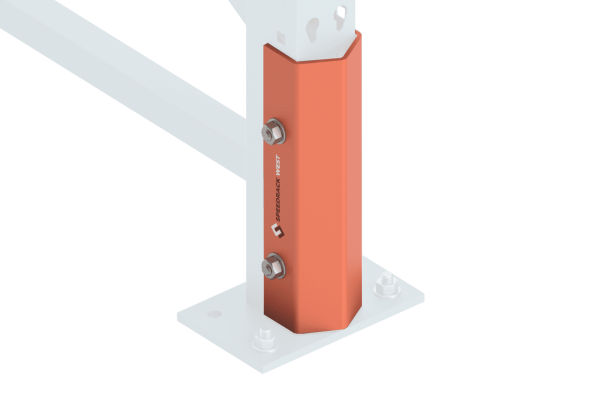
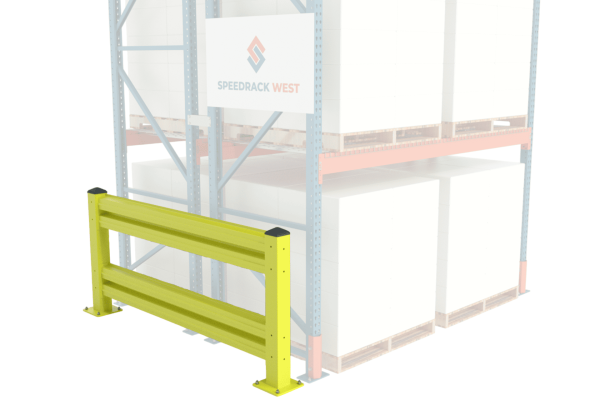
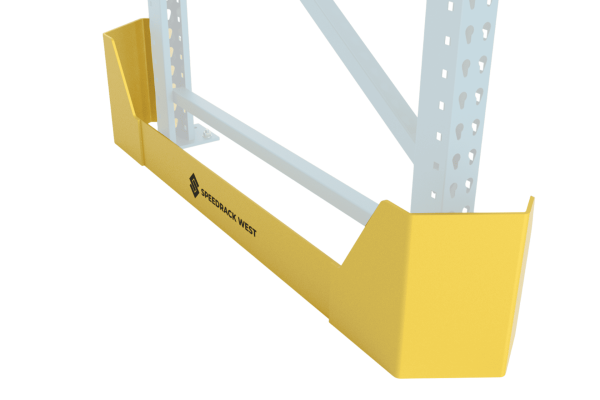
- Lack of protective gear, like column guards
What to do:
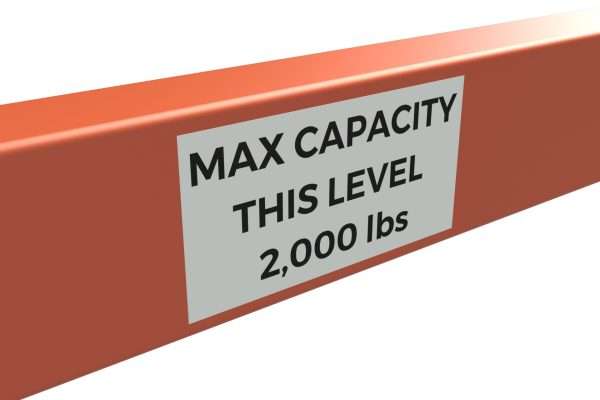
- Check capacity tags or ask the seller for specs
- Ask where the racks came from and how long they were in use.
- Don’t trust ‘it looks sturdy” – it is not enough
- Scratched-off or missing labels = big red flag
- Double-check per level capacity, not just total
Not sure how to check capacity? Our product pages explain it here.
Mistake #3 – Mixing Incompatible Brands or Styles
You find some used beams online for cheap and think: “Nice! I’ll just slap them on my existing uprights.”
Except… they don’t fit. Or worse — they almost fit. Just enough to hold — until they don’t.
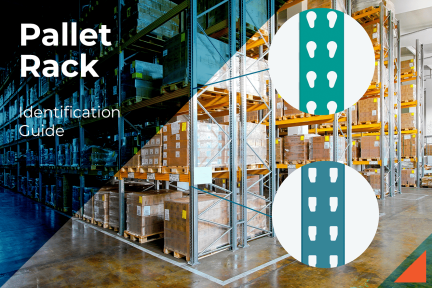
Imagine you’re trying to use teardrop-style beams with a non-teardrop upright. The pins might sort of latch, but the locking mechanism doesn’t engage properly. One forklift bump later, and you’ve got a safety hazard.
Visit the page we’ve created to help you define your pallet rack frame brand.
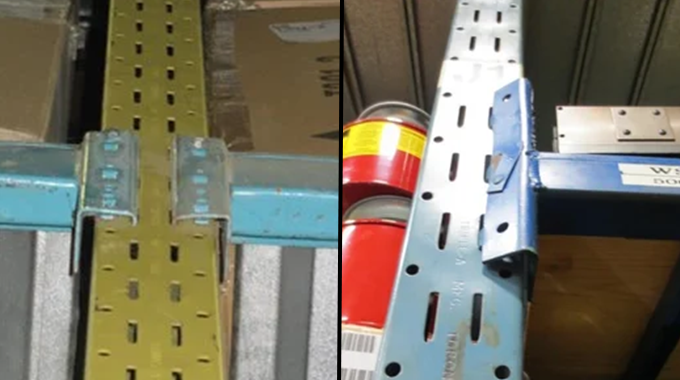
What to do instead:
- Stick to matching systems (teardrop with teardrop, keystone with keystone, etc.)
- Check compatibility, even if parts look similar
- If you must mix, check with an expert — it only works in very specific, verified cases.
Mistake #4 – Buying Racks That Are Damaged (Or About to Be)
Used racks often come with hidden damage like bent uprights, rusted footplates, twisted beams, or bad welds. They might look okay until they’re loaded. Then they’re a lawsuit waiting to happen.
What to do instead:
- Inspect in person whenever possible. Here is how we inspect our clients’ racks. Get inspired by this video.
- Look for signs of prior forklift impact
- Avoid anything with visible rust, bend, or missing parts
- Ask for close-up photos of joints, welds, and anchor plates
Top 5 Pallet Rack Damage Reasons
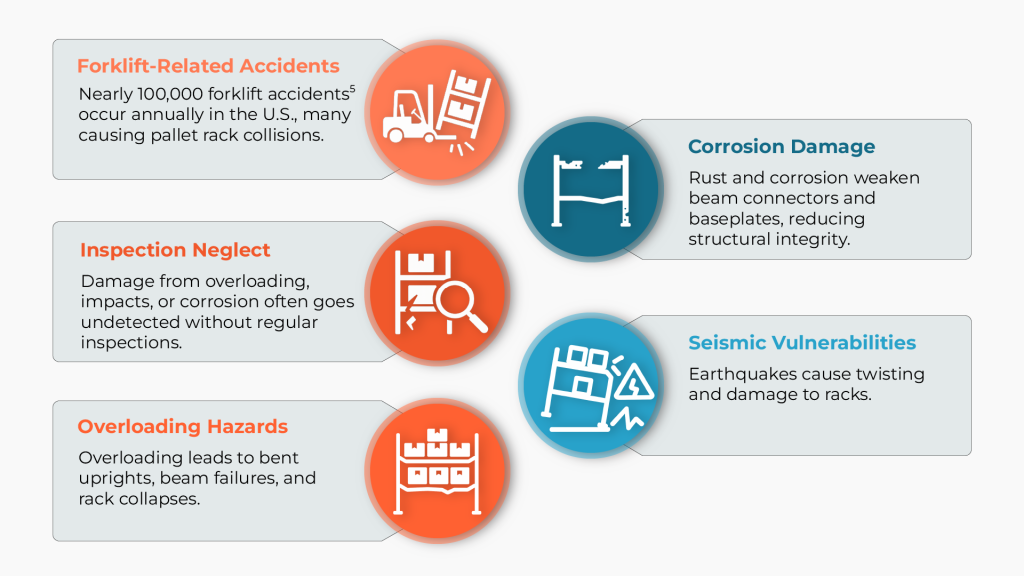
We’re putting together a “visual red flags” gallery so you can see real-world examples – coming soon!
Mistake #5 – Forgetting About Shipping or Local Pickup
Used racking may look cheap… until you add freight. Suddenly, it’s more expensive than new. As we noted in “When Should I Buy Used Pallet Racks?“, used pallet racks are about 20-30% cheaper than new ones, however, freight costs on them can kill the whole deal.
What to do instead:
- Ask about shipping costs upfront
- Compare pickup vs. delivery (especially if you have a truck or trailer)
- Consider these logistics:
- Do you need a liftgate?
- Does your site have dock access?
- Are there weight limits for roads or forklifts?
Speedrack West has warehouses across the U.S., so we might be able to ship from closer than you think — reducing or even eliminating freight costs.
Mistake #6 – Not Asking the Seller the Right Questions
You don’t know what you don’t know. And some sellers won’t tell you unless you ask.
What to do instead:
Mini Checklist: Questions to Ask Before You Buy Used Racks:
Want this as a full, printable checklist?
Download a free PDF here.
Bonus Tips – What to Do Right
- Buy from a company that inspects and grades used inventory
- Ask for real photos (not just stock pics)
- Don’t wing installation — hire pros if you’re unsure
- Ask about permitting help – especially in seismic zones
Final Word
Used pallet racking can be a great option — but only if it’s done right. Don’t be the person stuck with mismatched beams, bent uprights, or racks that won’t pass inspection.
Got questions? That’s what we’re here for.
Give us a call or hit the chat — we’ll help you figure it out.
Used Resources
Products, discussed in the article

Aisle
An aisle is the space between rows of racking that enables access to the racks. Aisles are used by forklifts and personnel for loading items onto racks, unloading and picking items.
Column Spacing
The distance between vertical building columns. Proper spacing is essential for optimizing racking layout and aisle configuration.
Flue Space
(Flue Aisle)
The gap between back-to-back pallet racks, usually 6″ to 12″, to allow for fire suppression system access and proper ventilation.
Forklift Collision
Accidental impact between forklifts and rack systems, a leading cause of rack damage and failure.
Rack Lifespan
The typical duration a pallet rack can remain in safe working condition, generally 10–20+ years depending on quality and maintenance.
Bay
A bay is the space between two upright columns in a pallet racking system. It can consist of multiple levels created by beams depending on the height of the rack.
Teardrop
Uprights with teardrop-shaped holes for quick-fit beam connections, common in roll-formed selective racks.

Was this helpful?