

The Short Answer – Yes, If You Know What to Look For
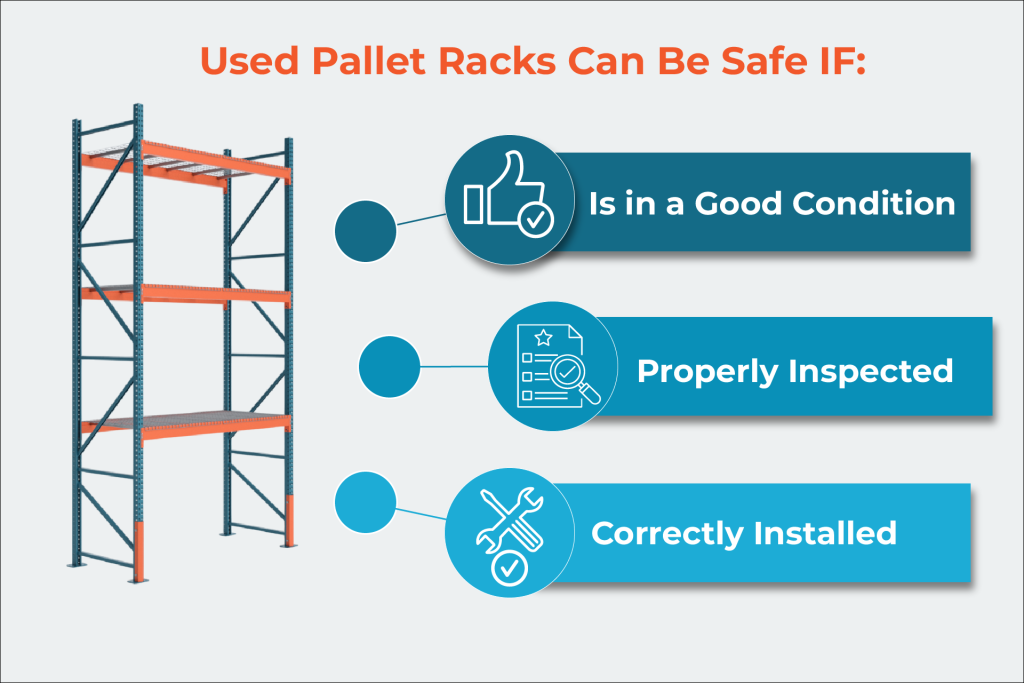
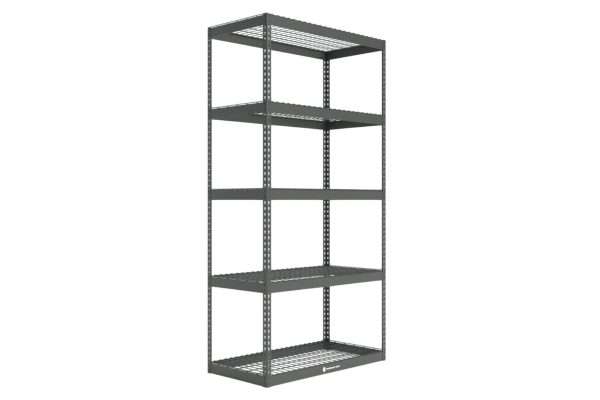
Used pallet racks can be just as safe as new ones—provided they’re in good condition, properly inspected, and correctly installed.
Safety doesn’t come from a shiny paint job or a “new” label. It has to do with structural integrity, component compatibility, and how the rack is used on a daily basis. If you didn’t already know, the Rack Manufacturers Institute (RMI) is the leading authority in the U.S. for setting the standards on how warehouse racking systems should be designed, built, and maintained. We’ve put together the Top 5 Pallet Rack Safety Tips—you can skim them in our Pallet Racking Safety Guidelines.
When considering used racks, it’s important to understand how and where they were previously used. Surprisingly, the price difference between used and new racks isn’t always as significant as you might expect. With new inventory, you also get the certainty of quality and compliance right out of the gate. So while used racks are often safe, it’s not always the easier path.
Let’s take a closer look.
Looking for Safe, Affordable Used Pallet Racking?
We’re here to help. Talk to our experts today.
Why People Worry About Used Pallet Rack Safety
Because they ask themselves, “Are old pallet racks still okay to use?”
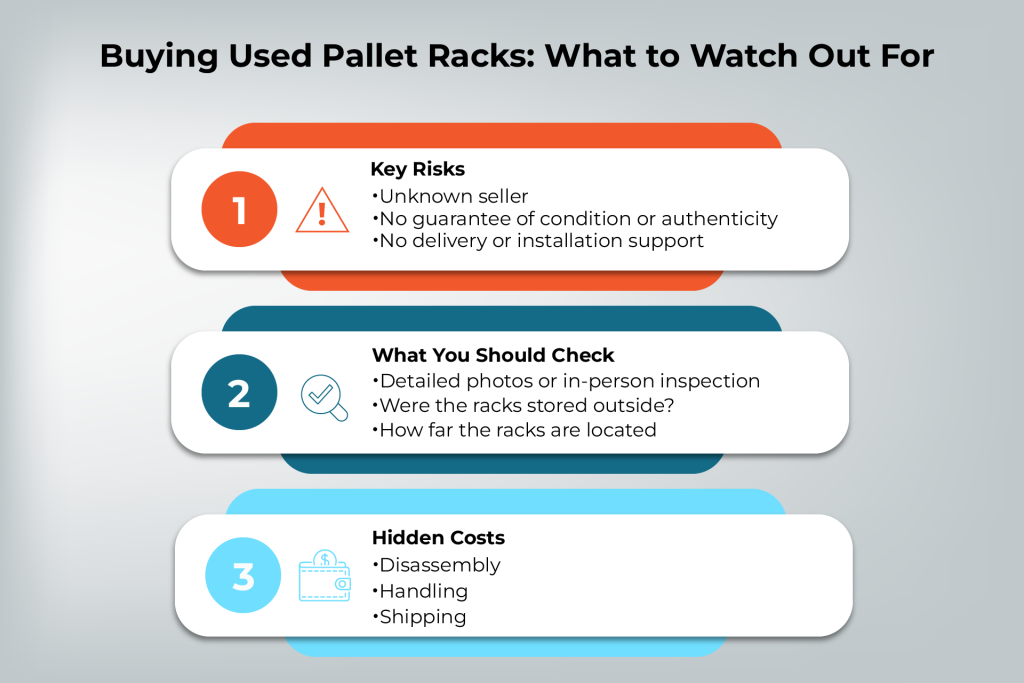
The concerns around used racking are totally valid, especially if you’re buying from a seller you don’t know or trust. Simply put, Craigslist or Facebook Marketplace deals may look good, but there’s no guarantee of condition or authenticity, and moreover, no transportation, no installation assistance¹.
Now, picture this: you spend hours searching and comparing listings, and finally find a rack you think might be just right. What’s the next step? You’ll want to inspect it to ensure everything’s in good shape. That means either asking the seller for detailed photos or going to see it in person.
But here’s the catch—most of the time, these racks are sitting in someone’s backyard (where exposure to the elements could weaken the structure) or tucked away in a warehouse that’s hundreds or even thousands of miles away. Getting to them isn’t easy.
So now you’ve got to do the math. Is it still a good deal once you factor in disassembly, handling, and shipping, especially across state lines? Suddenly, those savings can disappear quickly.
And even if you decide to take a leap of faith and buy the racks sight unseen, you still won’t know what they were used for, how they were handled, or how often they were bumped around by forklifts.
We totally get it—that’s why we put together an article, When Should I Buy Used Pallet Racks?, where we explain that one of the main reasons people go for used racks is because they’re in a time crunch and just need something fast, even if the racks have seen better days. But please, at the very least, check the labels and documentation. If there’s no load rating or specs, how can you know what they can safely hold?
It’s not being paranoid—it’s just smart. Anyway, you have to be ready to meet local codes and safety requirements.
What Makes a Used Rack Unsafe?
Not all used pallet racks are used equally. If you’re considering second-hand racking, it’s important to spot the red flags that may indicate unsafe conditions:
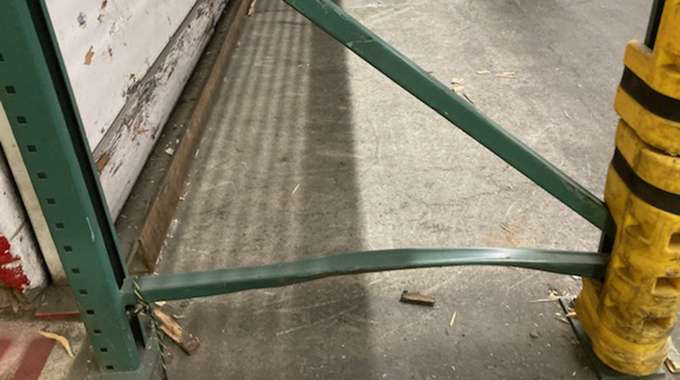
- Bent or twisted uprights. This is a clear sign the rack has been hit or overloaded and could compromise the entire structure.
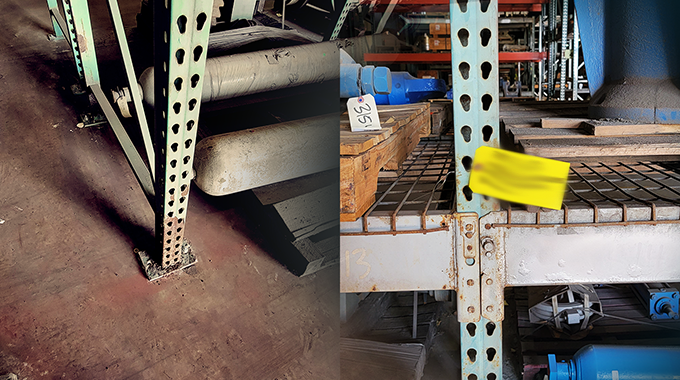
- Rust or corrosion (especially near the baseplates). Corrosion weakens the rack, especially if it’s been stored outside or in humid environments. Want to see what this looks like? Check out our visual guide to unsafe pallet racking — real photos included.
- Missing components. Essential parts like pins, clips, and braces are critical for stability. If they’re missing, the rack isn’t safe to use.
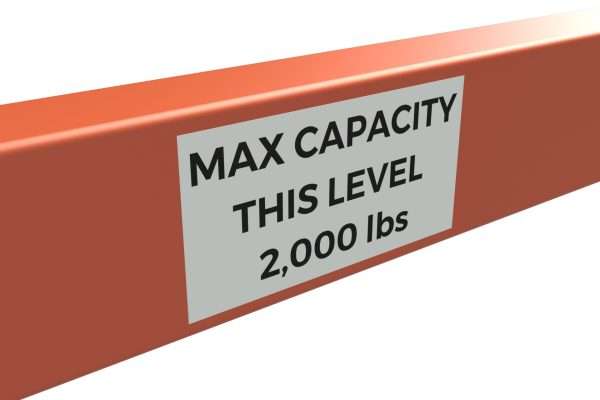
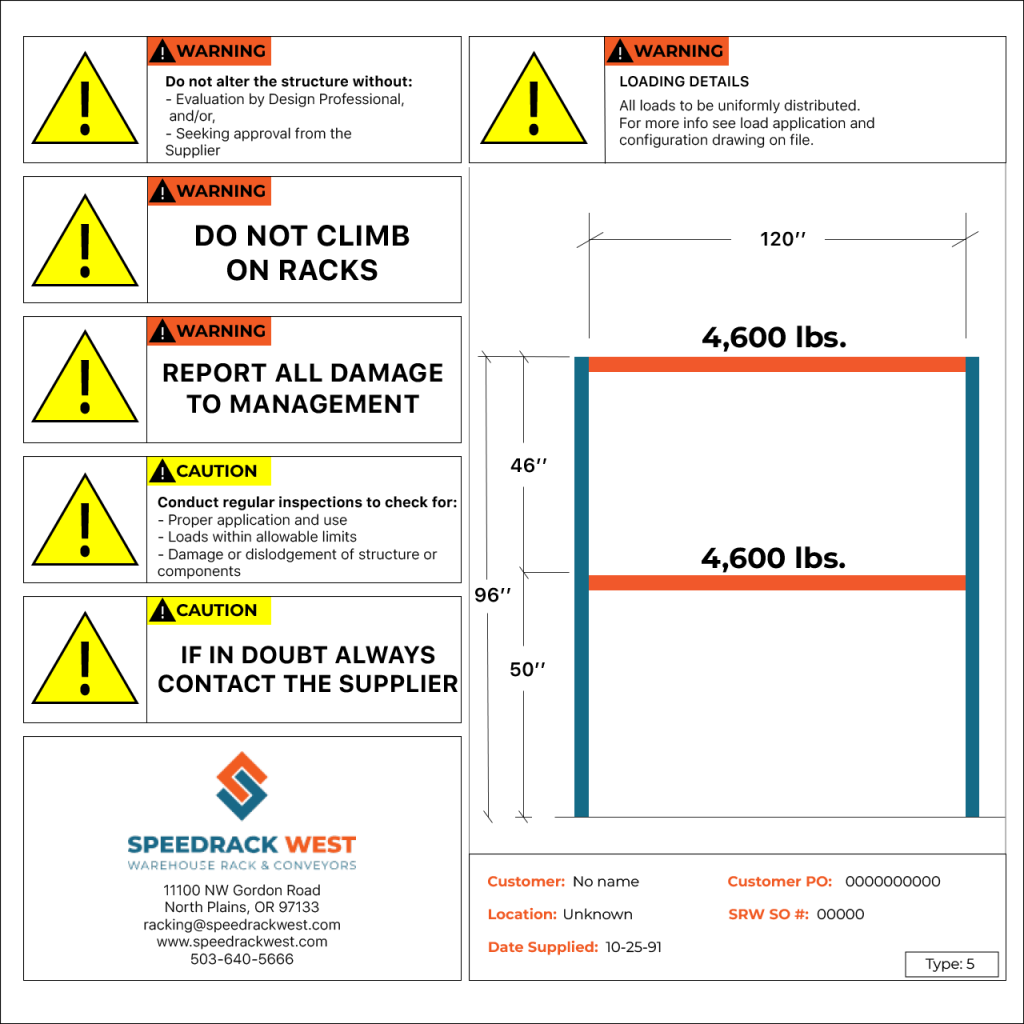
- Modified or DIY repairs. Any modifications to a racking system—especially without proper documentation—can lead to safety issues. According to RMI’s ANSI MH16.1 racking standards, alterations require updated Load Application and Rack Configuration (LARC) drawings and new load plaques. Without these, there’s no reliable way to know the system’s capacity. As RMI notes:
“If the rack system is reconfigured, modified, or altered, the corresponding load plaque’s information will no longer be valid… the rack owner should work with the original manufacturer or a qualified rack design engineer to reassess capacity and apply new plaques.²”
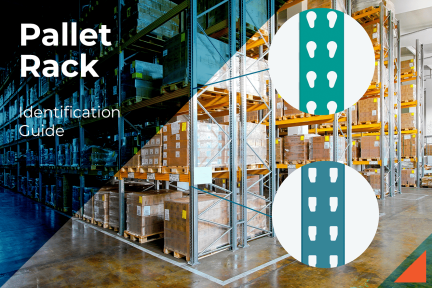
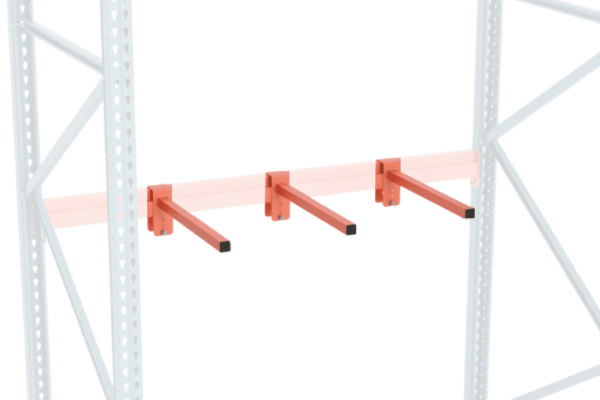
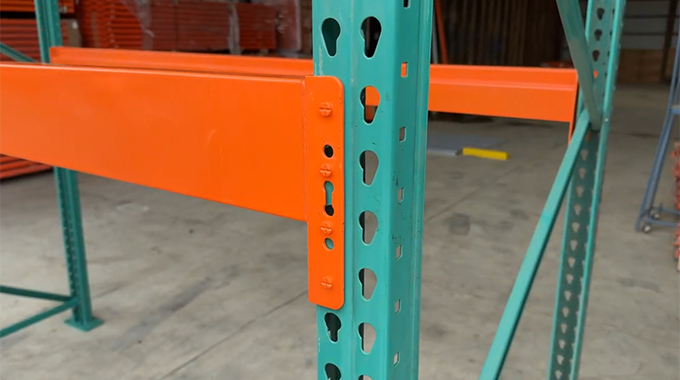
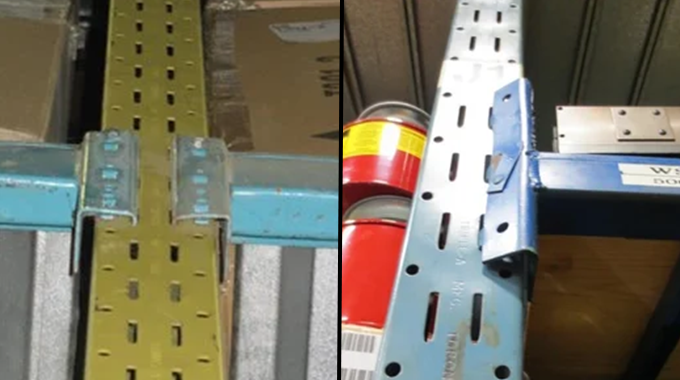
- Incompatible parts mixed together. Just because two parts fit together doesn’t mean they’re safe. For example, teardrop-style beams might seem to connect to a non-teardrop upright, but if the locking mechanism doesn’t fully engage, one bump from a forklift could lead to collapse.
Want to make sure you’re buying used racks the right way? Check out our guide: How to Choose Used Pallet Racks. It covers common mistakes—and more importantly, how to avoid them.
Signs a Used Pallet Rack Is Safe
Not all second-hand racking is bad news. Used racks can be a great option, as long as they meet the right safety standards. Here’s what to look for:
- Passed a physical inspection. Either by you or a trusted supplier.
- Sold by a reputable company. Avoid sketchy listings on Craigslist or Facebook Marketplace.
- Matching components with clear identification. Labels, specs, and proper fit are non-negotiable.
- No visible signs of structural damage. No rust, no bends, no cracks.
- Complete documentation or specs. If the seller can’t show you the load capacity, walk away.
Stick to these signs, and you’re far more likely to end up with a dependable used rack that’s both safe and code-compliant.
Safety Tips for Buyers
Download our Safety Tips
Before you decide to go with a used pallet rack system, we created a few simple tips to help you make a smart, safe choice.
Do Used Pallet Racks Meet OSHA or Fire Code Requirements?
Yes — OSHA does allow used racks, but they must meet the same structural and safety standards as new ones. In addition, OSHA requires racks to be safe and structurally sound, regardless of age.
Local codes might require permits or posted load ratings, whether racks are new or used.
What matters most is compliance with design specs and safety regulations, not the year it was made.
Pro Tip: If you’re installing a large system, get your rack layout reviewed by a licensed engineer to avoid costly surprises.
Summary – Safe, If You Buy Smart
So, are used pallet racks safe? Yes — they can be. But only if you know what to look for and who you’re buying from.
The truth is, buying used takes more time, more questions, and more risk. And with the price gap shrinking these days, a new rack system might be the smarter long-term choice, especially when it comes to peace of mind.
Because let’s be real: racks hold tons of product. It’s not where you want to cut corners.
Need help choosing the right rack system for your warehouse?
Call 503-640-5666 now! We’ll walk you through your options — used or new — and help you make the right call.
Used Resources
Products, discussed in the article

Deflection Tolerance
Amount of allowed bend in beams/uprights.
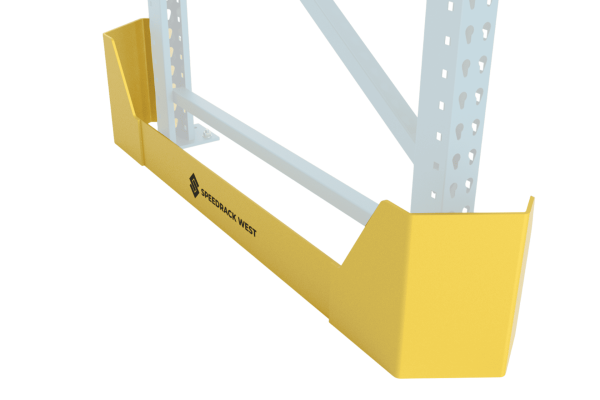
Column Protector
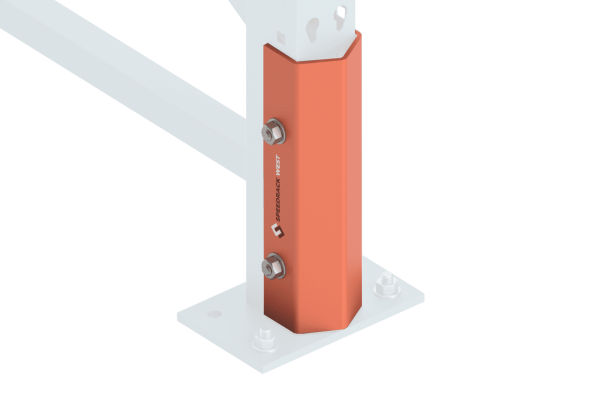
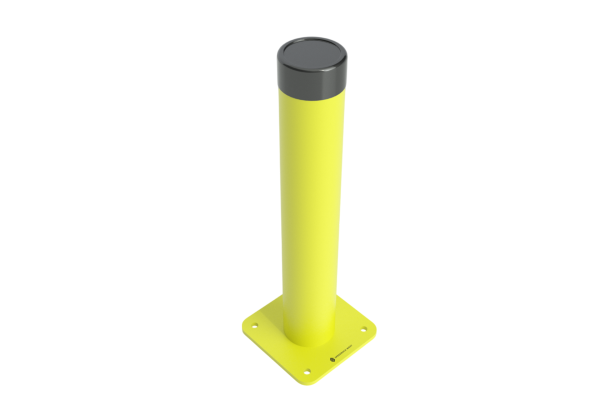
Prevent costly rack damage from forklift impacts with heavy-duty column protectors. A simple upgrade that adds safety and extends the life of your pallet racking system.
Anchors (Bolts)
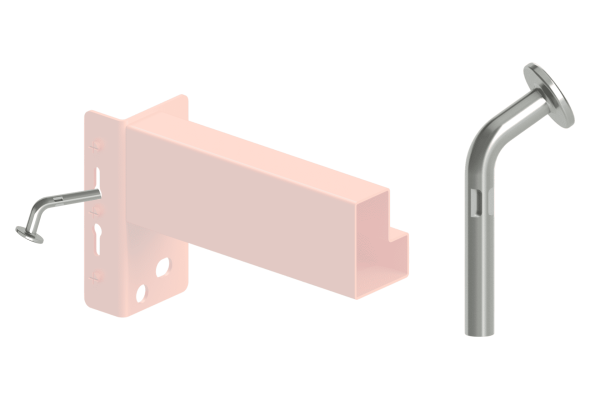
Anchors are used to secure pallet racking uprights to the floor or slab on which the racking is installed. Typically steel bolts are used to anchor the system.
Seismic Compliance
Adhering to seismic design categories (SDC), calculations, anchoring specs, and special inspections.

Was this helpful?