



1.Install Racking Systems Correctly
Do we mean properly installing the entire racking system, the beams, or using rack guards?
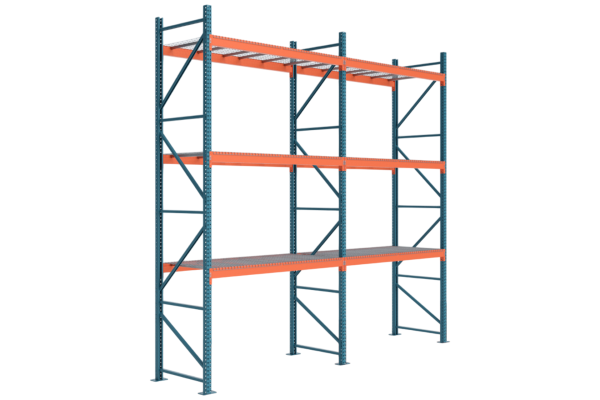
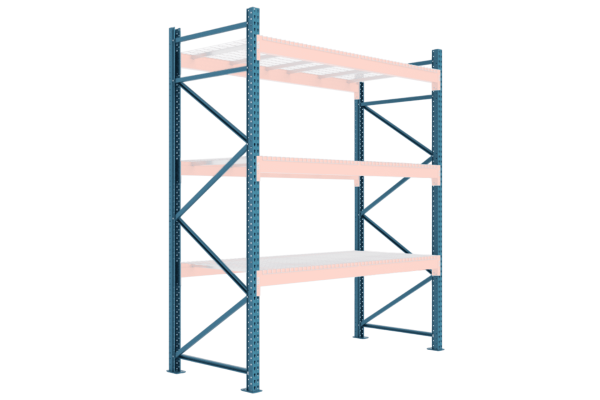
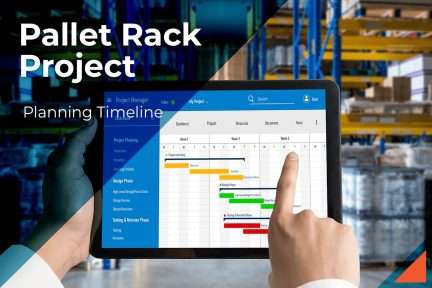
Basically, all of them, but the first step is correctly anchoring to the concrete floor with at least two wedge anchors per footplate. A well-installed racking system is less likely to collapse under stress, preventing accidents and costly repairs. As we’ve written before, before jumping into installation, it’s smart to do a bit of prep work to save time and avoid headaches later. Start by measuring the storage area to make sure everything will fit just right. Then, work out a detailed installation plan—this includes CAD drawings, a realistic schedule, and inspecting the floor to make sure it’s level and ready.
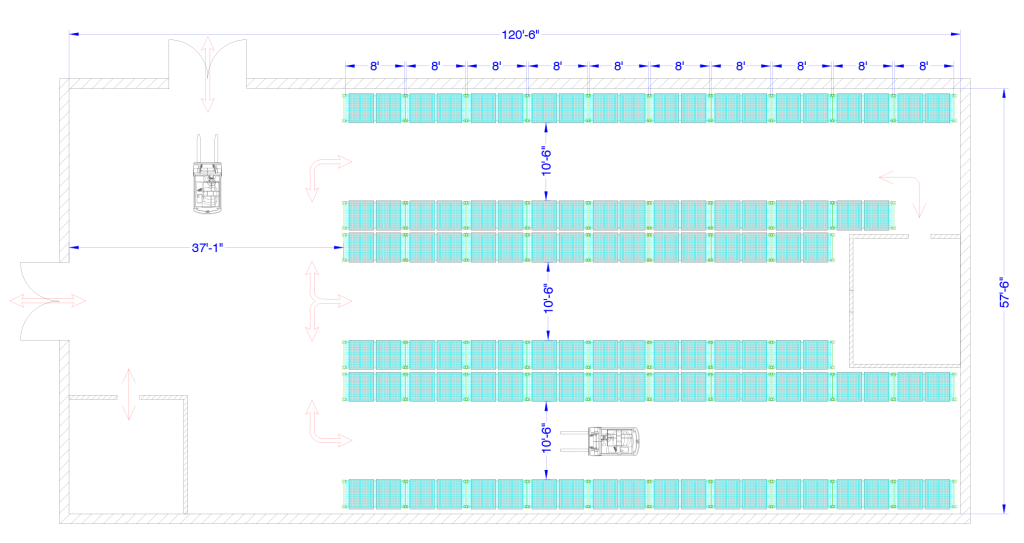
Do you have all of this in place?
If yes, move on to Tip #2 – Display rack capacity limits.
If not, take a moment to focus on Tip #3 – Replace or repair damaged racking, then circle back to Tip #2.
2.Display Rack Capacity Limits
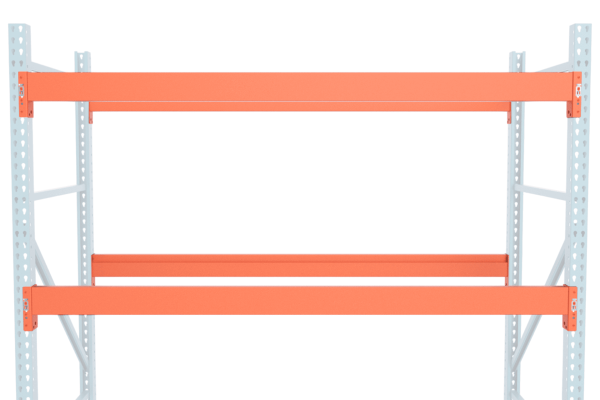
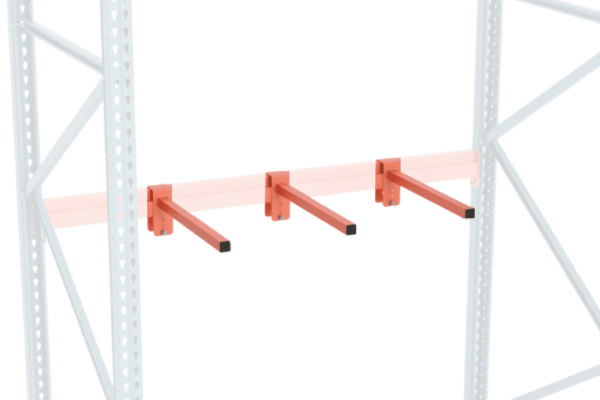
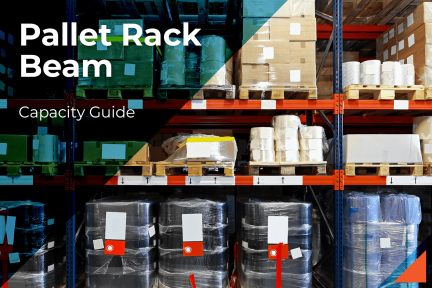
When discussing racking capacity limits, we refer to the specifications for the pallet support beam, which include the maximum allowable deflection (or bending) as outlined in Section 5.3 of RMI’s ANSI MH16.1-2012 standards. This deflection limit is typically calculated as the beam’s horizontal length divided by 180 (or about 0.55% of the distance between columns).
In some automated storage systems, particularly those with robotic load handling, a stricter deflection limit may be required—usually calculated as the beam length divided by 240 (or 0.42%)—to prevent interference with the beams during the loading and unloading process.
It’s important to understand that natural deflection causes loads to lean inward, and if pallets are loaded unevenly or with unbalanced weight distribution, this can increase the risk of collisions or accidents.
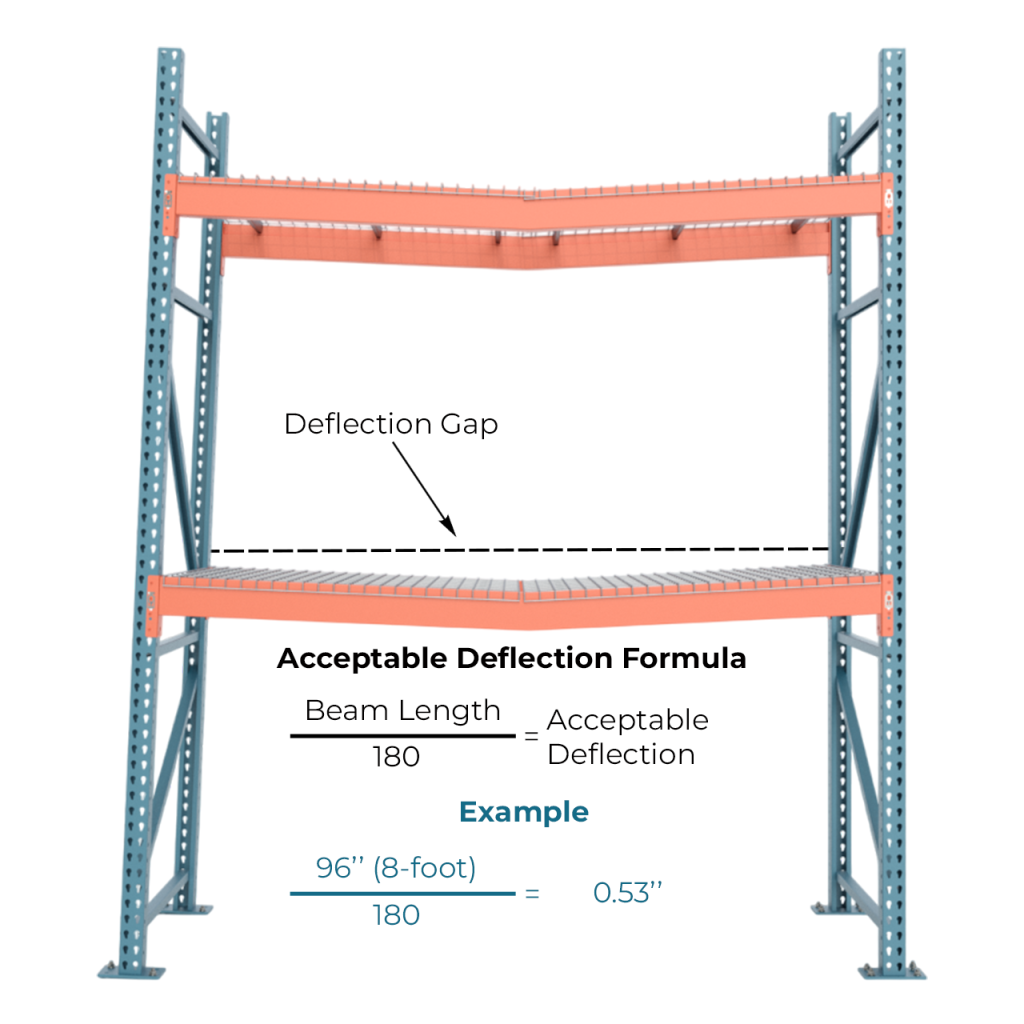
For more detailed information on beam deflection, check out RMI’s article here.
It’s also crucial to stick with the original design specifications of your pallet racks. If your warehouse expands or needs modifications, consult with experts before adjusting racking configurations, as such changes can compromise the system’s integrity. Be mindful of the materials and dimensions of your pallets and racks, as these factors affect each system’s maximum load capacity.
If all is well with the racking capacity limits, check to see if you are using the racking correctly – tip # 4?
If not, move to the replace or repare racking.
3.Replace or Repair Damaged Components
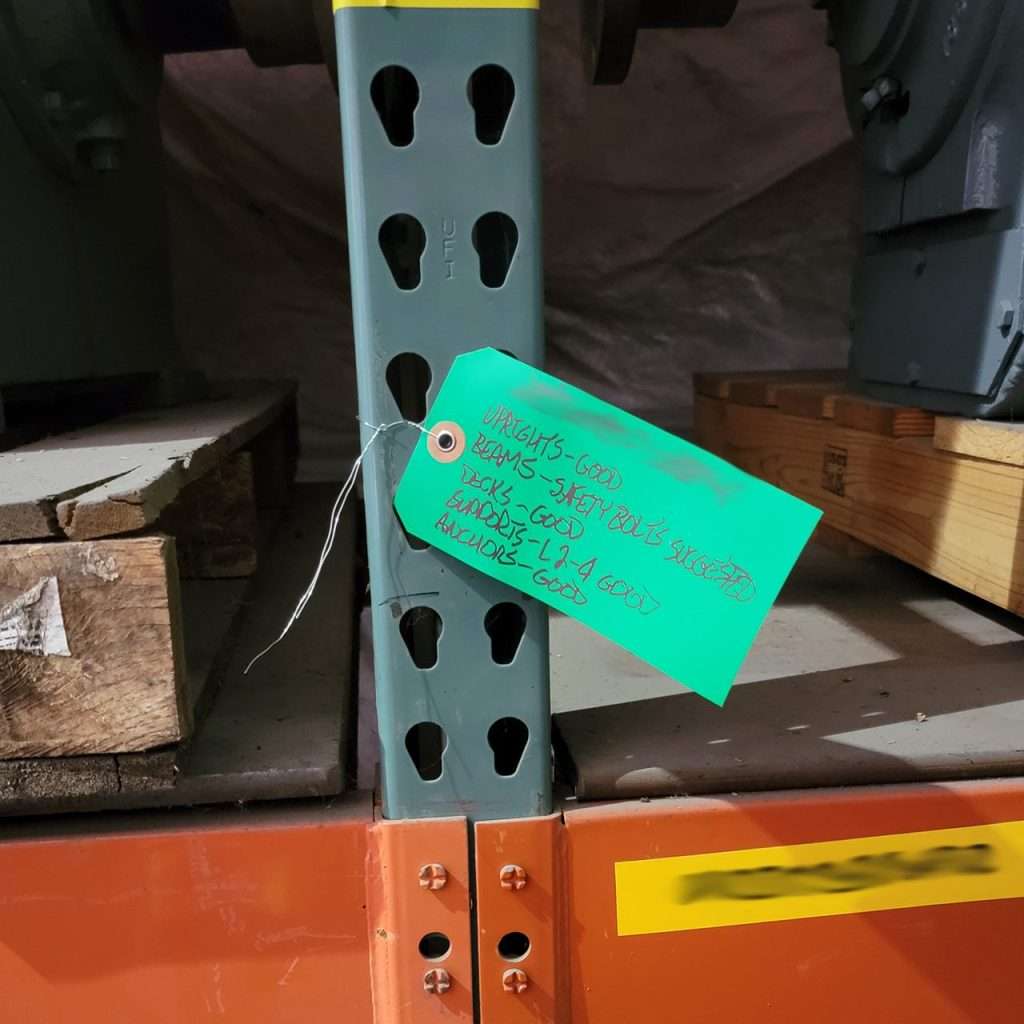
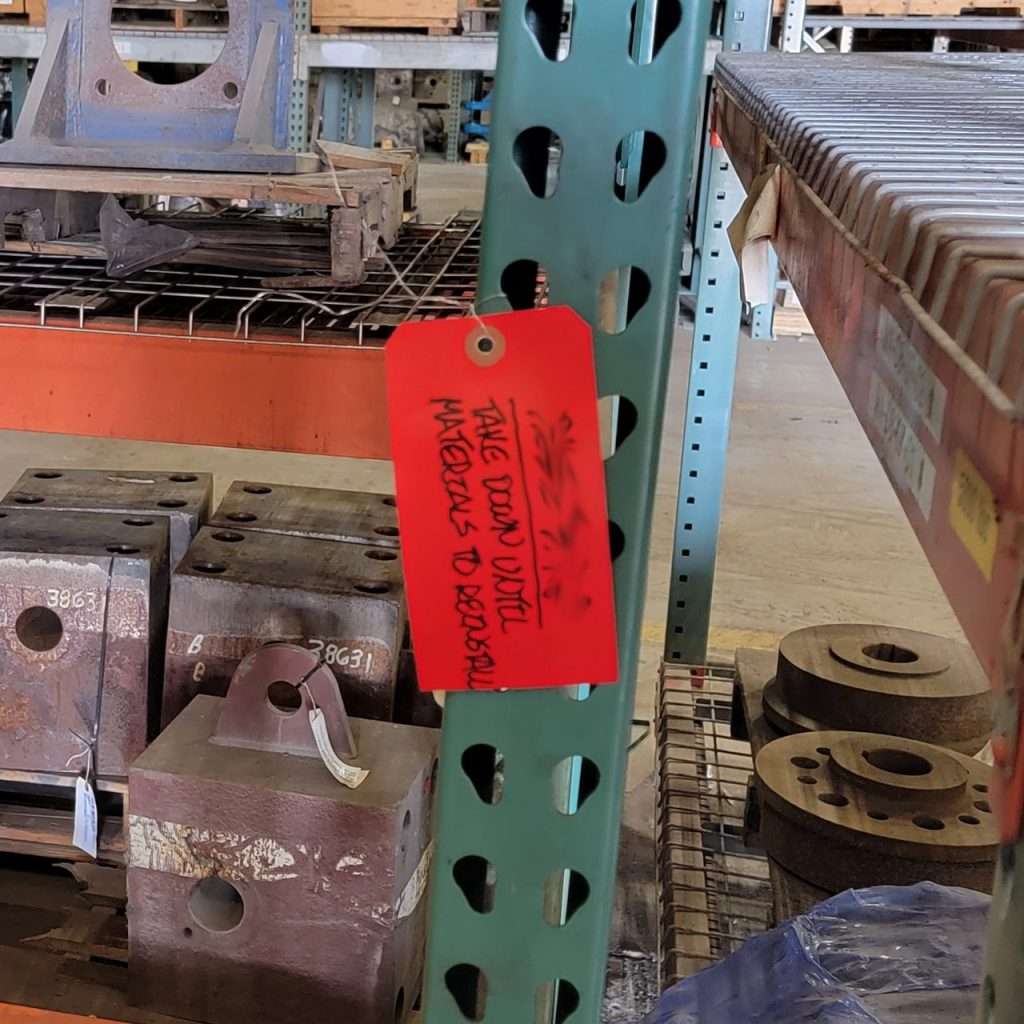
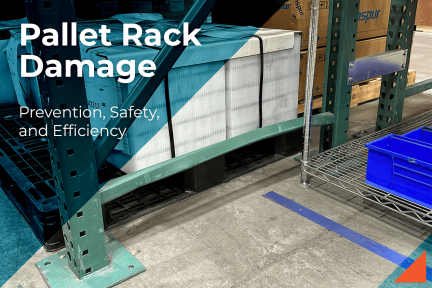
It’s easy to say, “When damage is discovered, repair it immediately to avoid further problems.” But how do you actually identify the damaged components? You can start by using special apps, like one of these first, second, or third options, or consult a professional team, like Speedrack West (see how we handled it for one of our clients, Evraz Companies). Of course, you can also inspect and assess the damage yourself. The main idea is to mark any damaged racks with clear signs or tape to prevent their use until repairs or replacements are completed.
There are several effective methods for classifying rack damage, one of which uses a color-coded system:
- Green: Low priority – Minor damage
- Yellow: Medium priority – Moderate damage
- Red: High priority – Severe damage
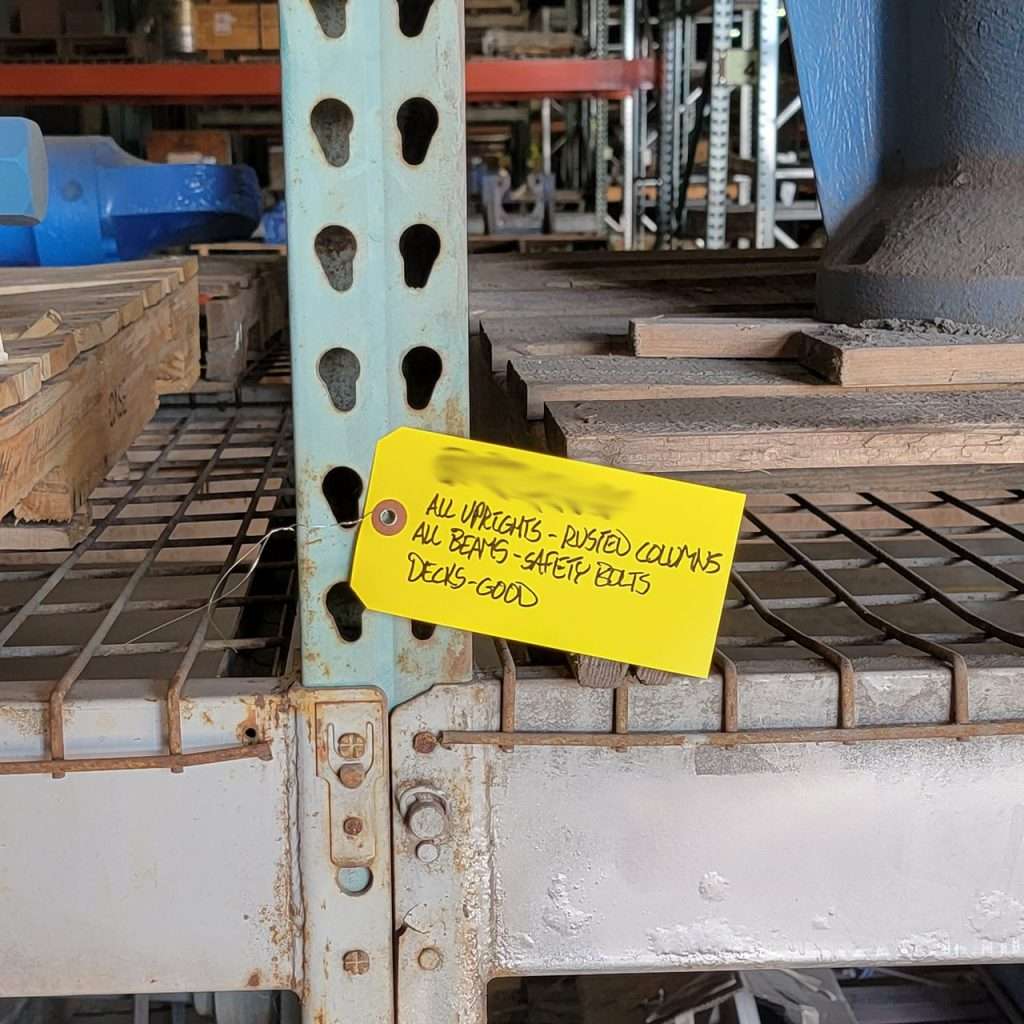
Another option is a priority-level approach:
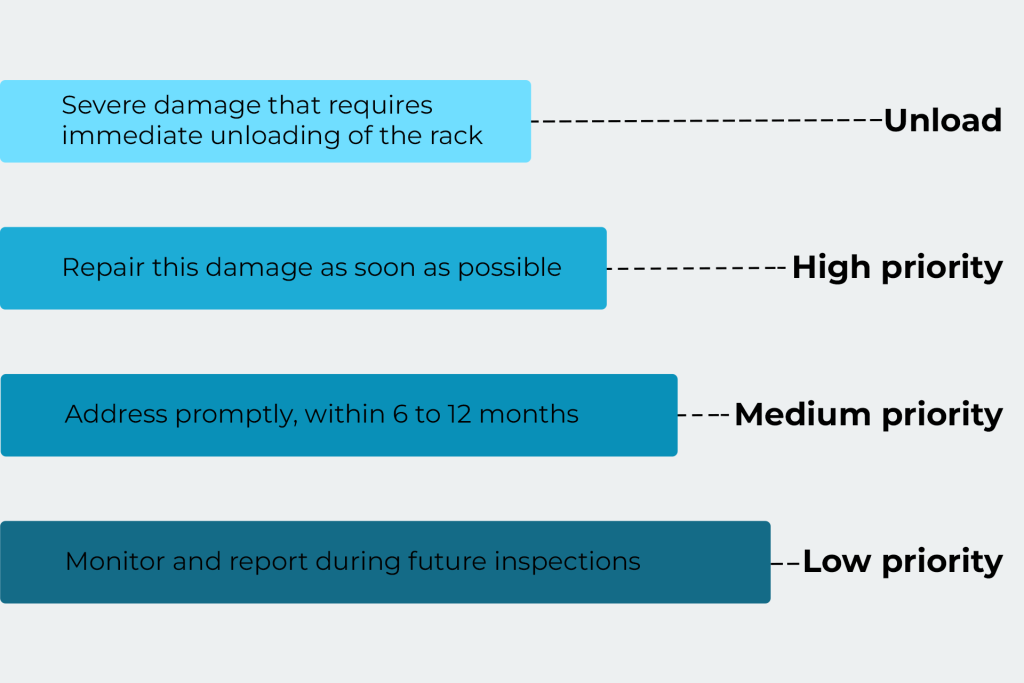
By using a classification system like this, you can clearly communicate the severity of rack damage and identify the right steps for repair and maintenance. Than, just use racks skillfully.
4.Use Racking Properly and Train Employees
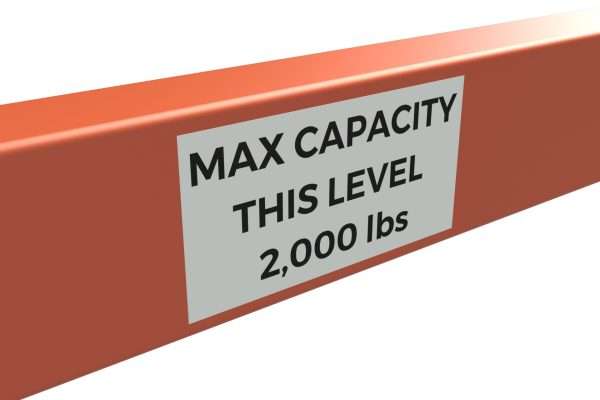
Using your racks properly means making them clear and easy to use. OSHA and ANSI both suggest posting visible signage that shows the max load capacity for each pallet rack. These labels help everyone understand the weight limits, preventing overloads that can lead to dangerous collapses.
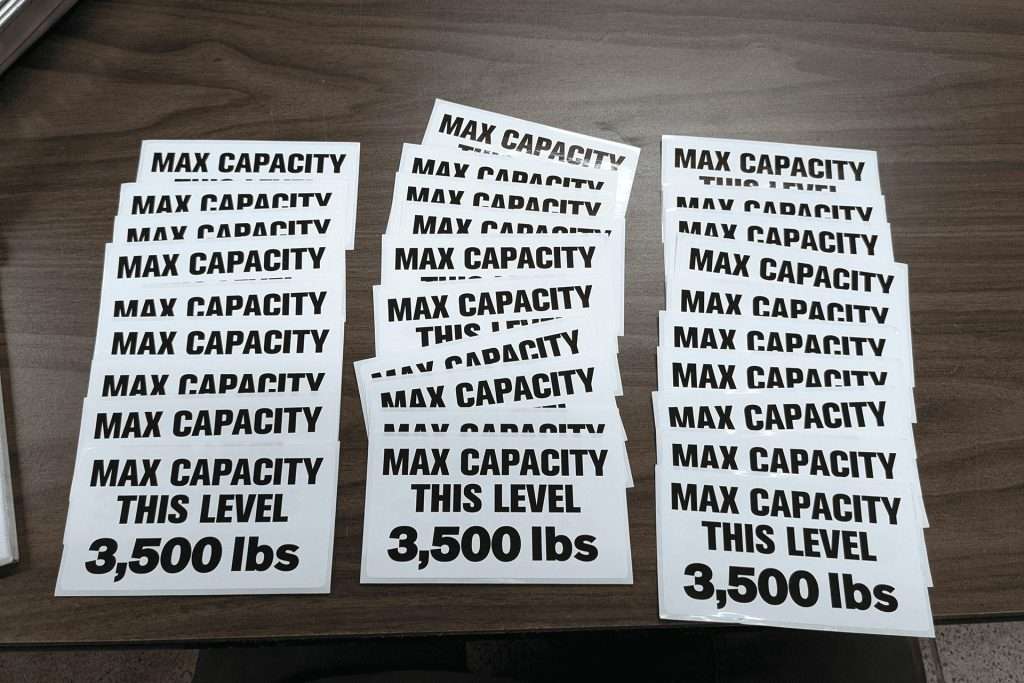
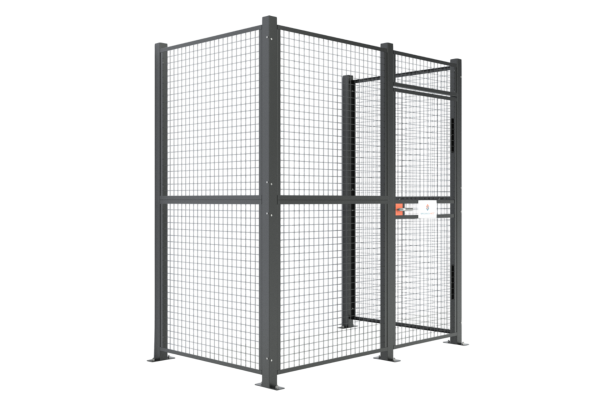
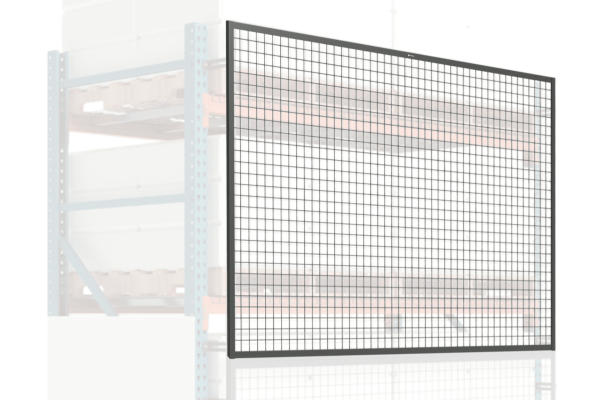
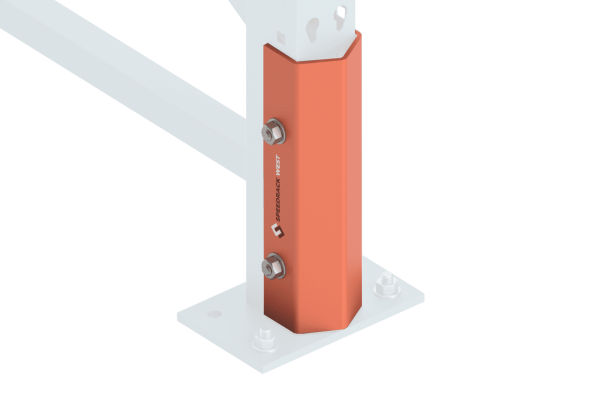
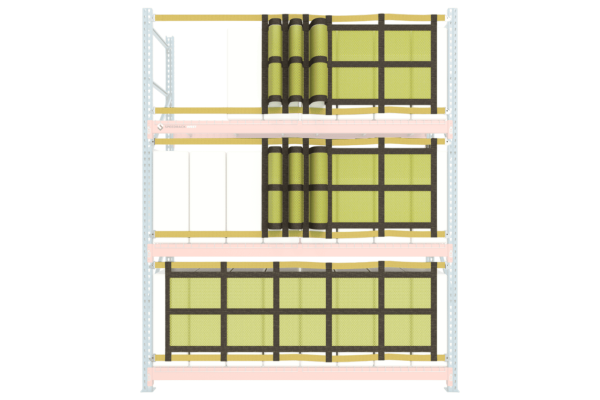
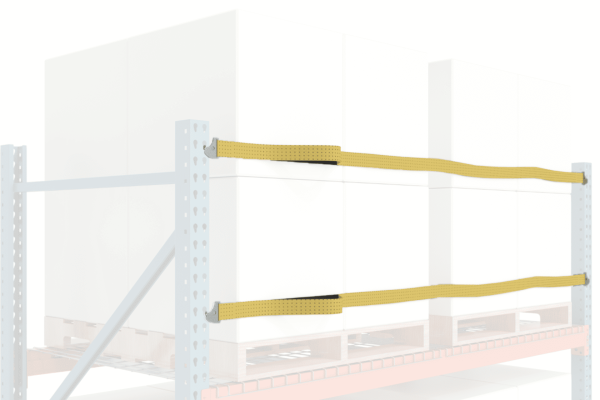
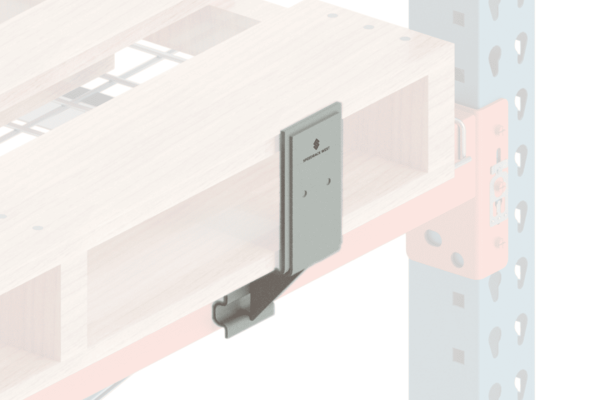
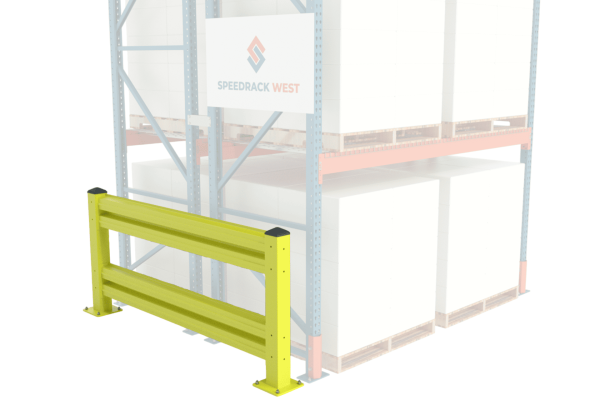
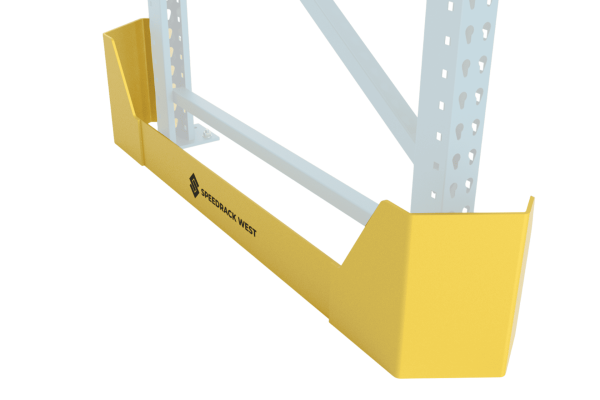
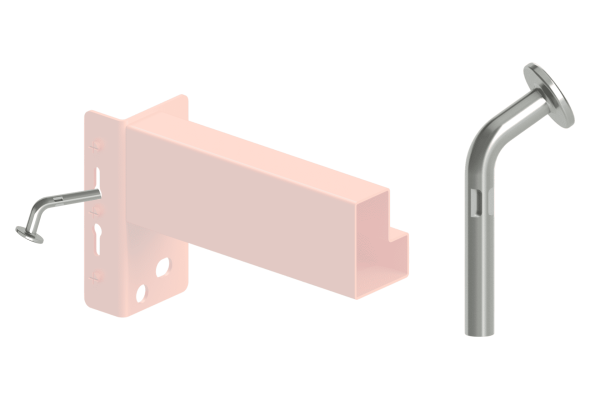
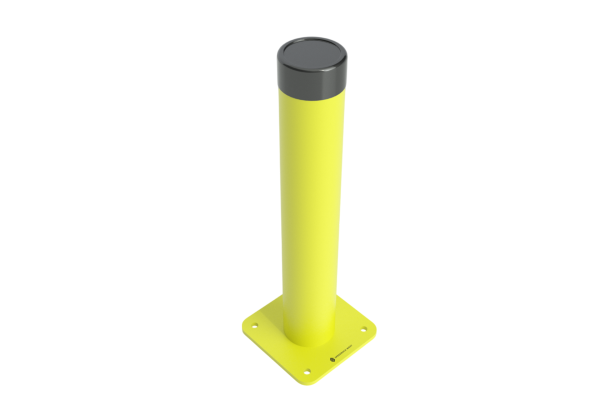
It’s also smart to add some protective gear, like column guards, beam pins, pallet supports, end-of-aisle fencing, and safety netting. These extras help keep both the rack and your team safer from accidents.
And of course, train your crew on moving through the warehouse with forklifts or other equipment—especially when carrying loads.
5.Check Racking System by Inspections
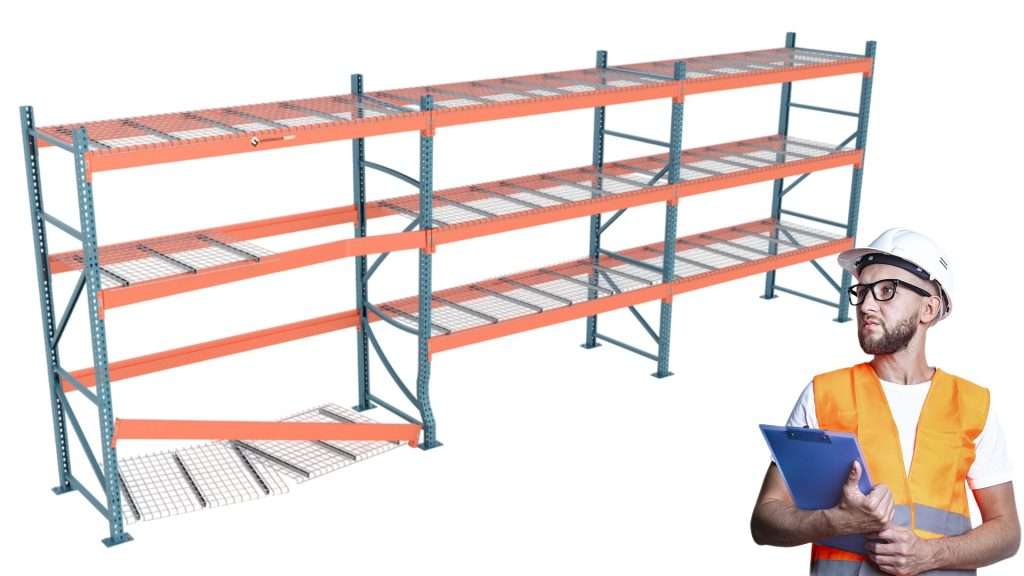
Pallet racking inspections should be done initially upon installation and then checked regularly for any signs of damage. Ideally, a quick daily inspection is recommended. To make this easier, set up a regular inspection schedule for your team to walk through and spot potential issues early on. If you find bent bars, damaged posts, or any signs of stress, mark that area and take it out of service until it’s fixed. When you make repairs, be sure to use parts that meet the manufacturer’s specifications or are provided directly by them—this is key to maintaining safety.





Do you have any questions or comments?
Be the first and post your question or comment