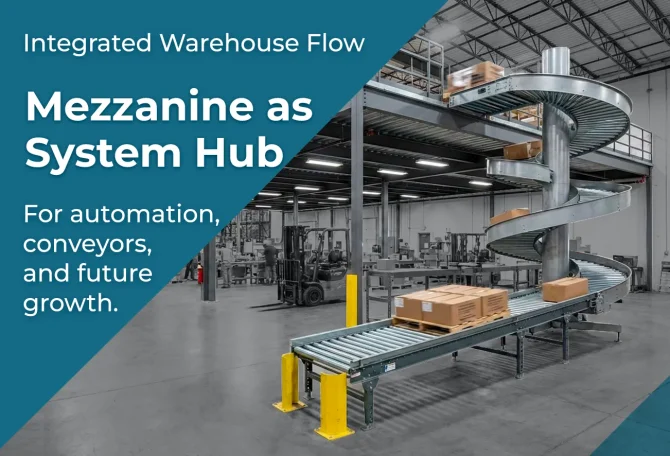

In this guide, we’ll explore how a well-integrated mezzanine becomes more than a structure — it becomes a core component of your warehouse tech stack, not a bolt-on afterthought.
The Role of Mezzanines in Modern Warehouse Systems
Used strategically, mezzanines improve vertical flow, enable multi-level operations, and support everything from manual picking stations to robotics, conveyors, and sortation systems. They’re a key part of goods-to-person (GTP) strategies, where items come to the worker — boosting picking efficiency by up to 70% and cutting travel time by 80%¹.
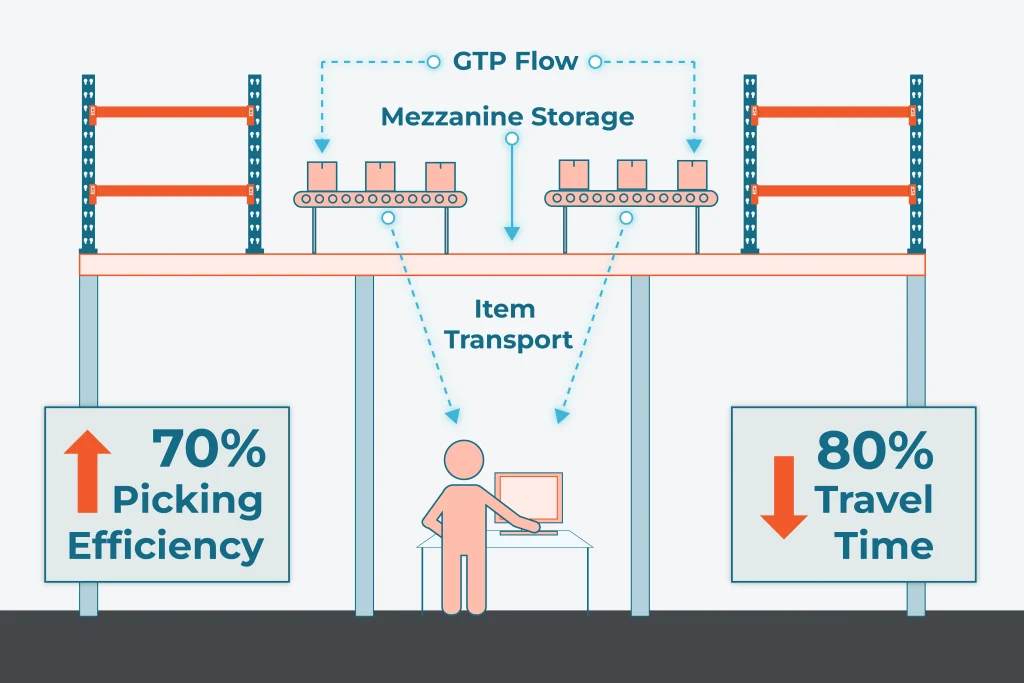
Mezzanines make it possible to build up, not out, and transform chaotic picking areas into organized, scalable, and ergonomic workflows.
The key? Integration — designing mezzanines to work with your conveyor lines, automation paths, and racking systems, not around them.
Integrating Mezzanines with Conveyor Systems
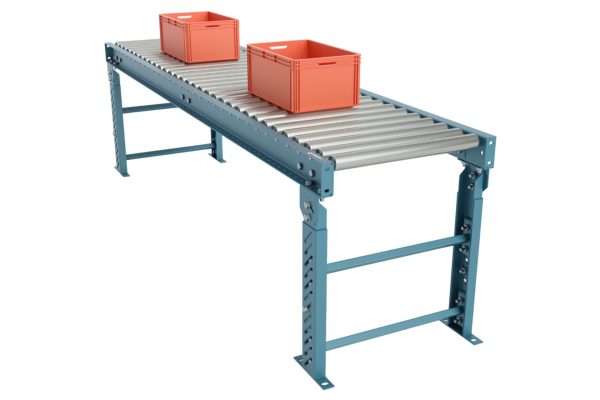
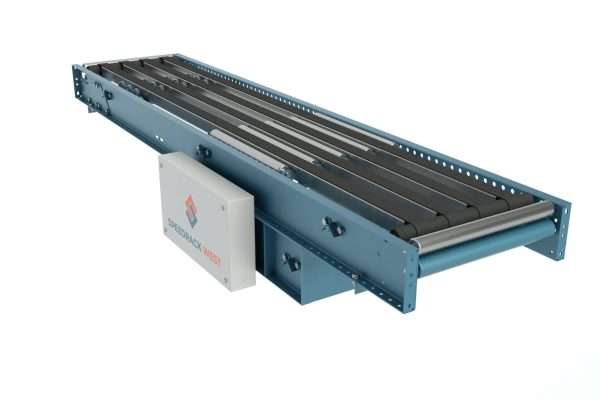
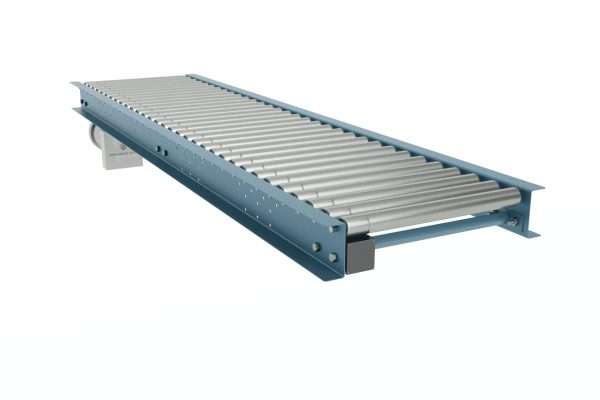
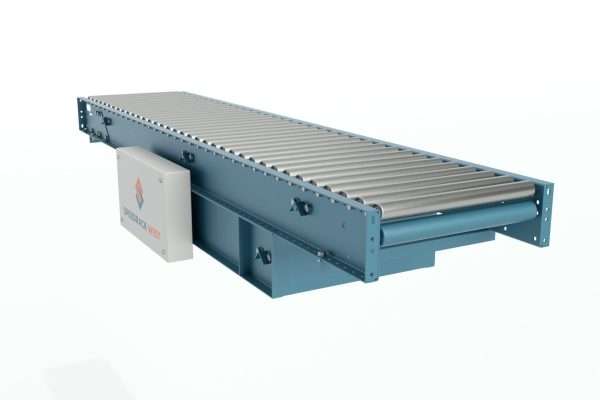
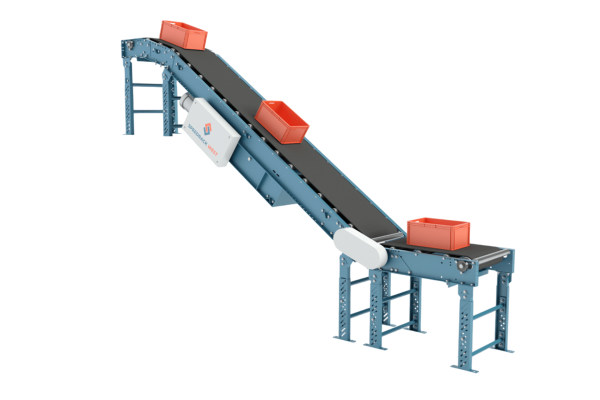
Let’s look at three common ways mezzanines work hand-in-hand with conveyors to create efficient, multi-level material movement:
Overhead Conveyor Access
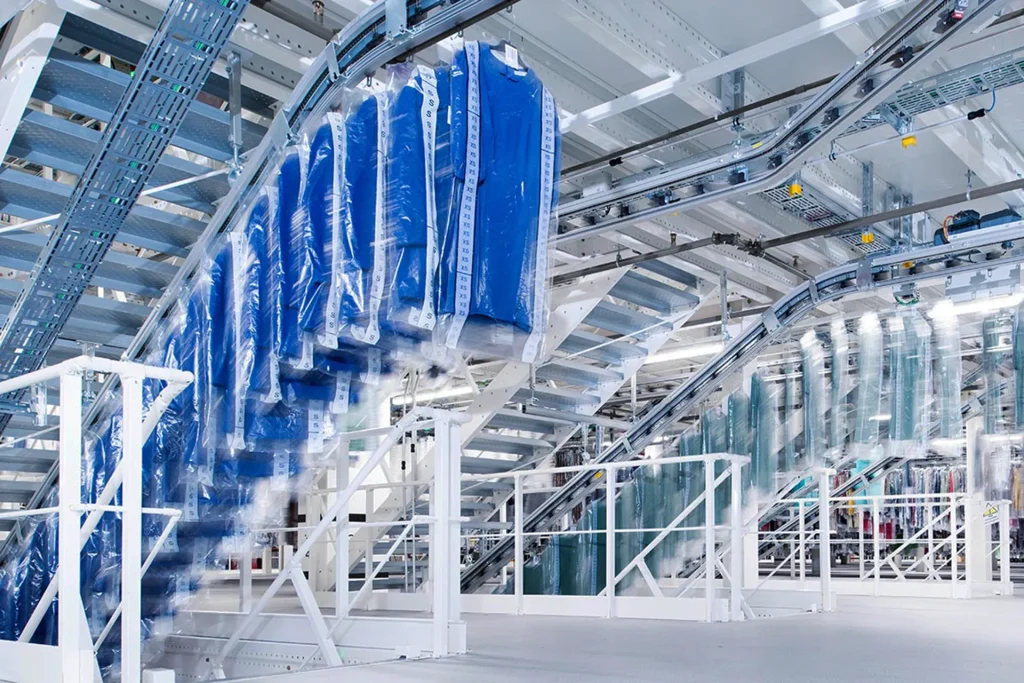
Placing conveyors above floor level is a proven way to keep aisles clear and operations flowing — but that setup still requires safe, efficient access.
Imagine you’re running an e-commerce fulfillment center with high-volume packing stations below. An overhead conveyor system moves totes or garments above the action, while a mezzanine gives your team access for maintenance, rerouting, or quality checks — all without disrupting the floor below or relying on lifts or ladders.
Gravity, Vertical & Decline Conveyors from the Mezzanine Deck
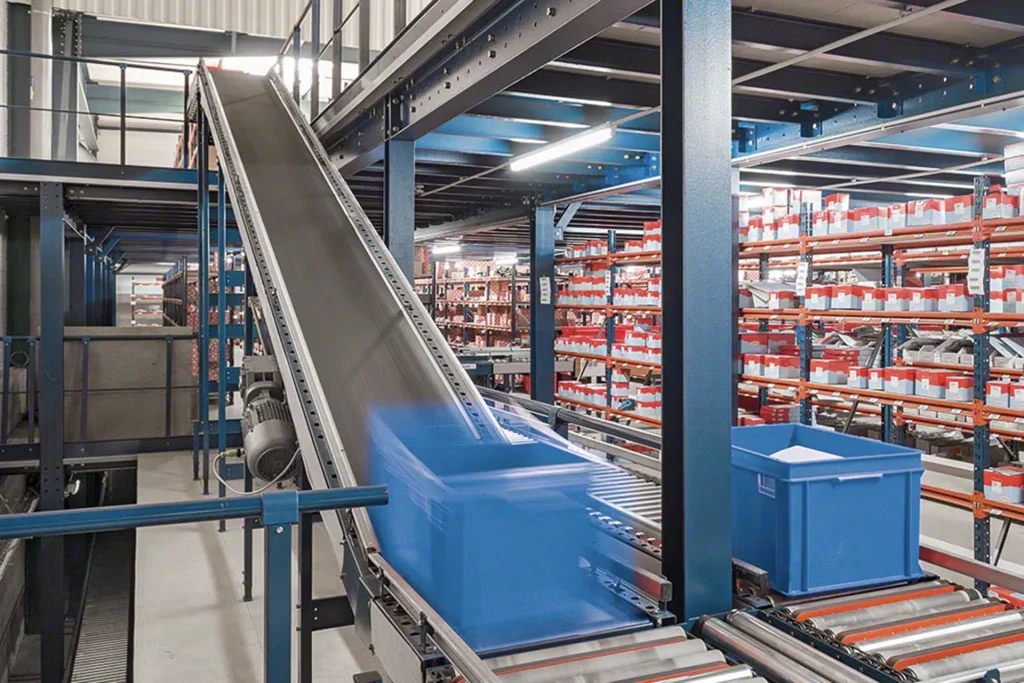
Mezzanines make perfect launching points for gravity-fed systems, spiral chutes, and vertical reciprocating conveyors (VRCs).
Picture a two-story pick zone, where items picked on the mezzanine level drop via gravity chute directly into bins or conveyor totes on the ground floor. With the right mezzanine design — think cutouts, structural bracing, and safety rails — you create a smooth multi-level handoff without bottlenecks.
Pick Modules and Catwalks
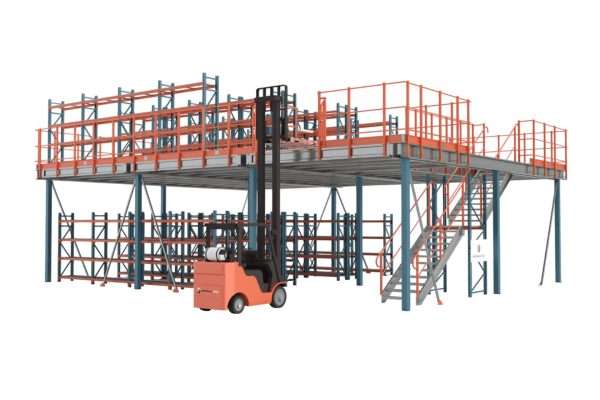
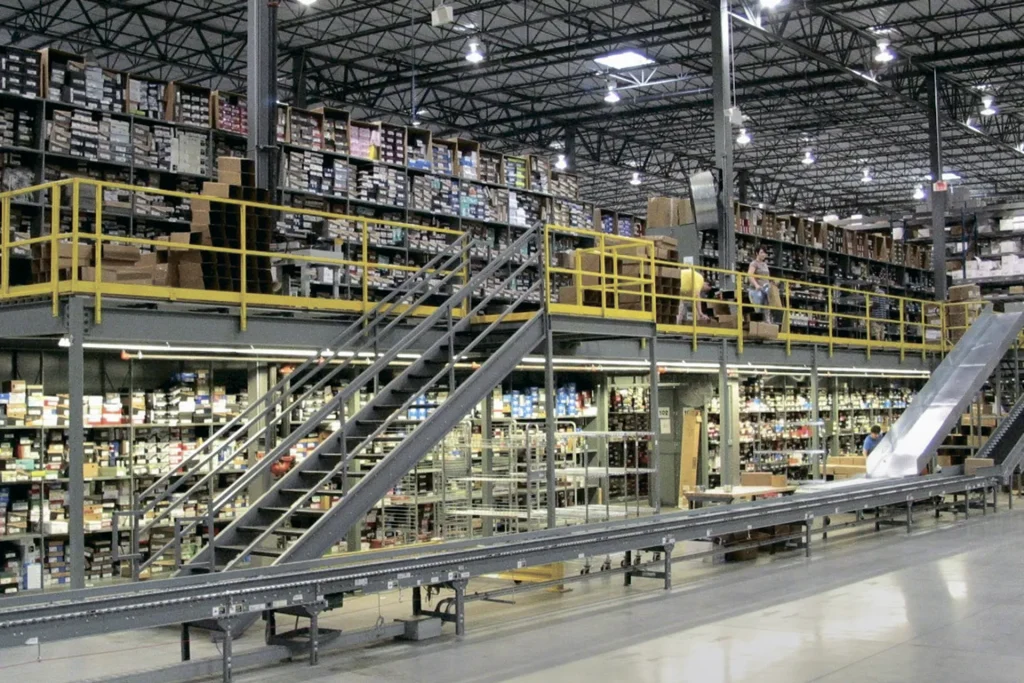
Mezzanines support multi-tier pick modules, allowing you to double or triple your pick faces without increasing your building footprint.
A real-world example⁴ of this approach involves multi-level pick module systems that integrate racking, case flow lanes, powered and gravity conveyors, and shelving — all designed to maximize space utilization and order fulfillment efficiency.
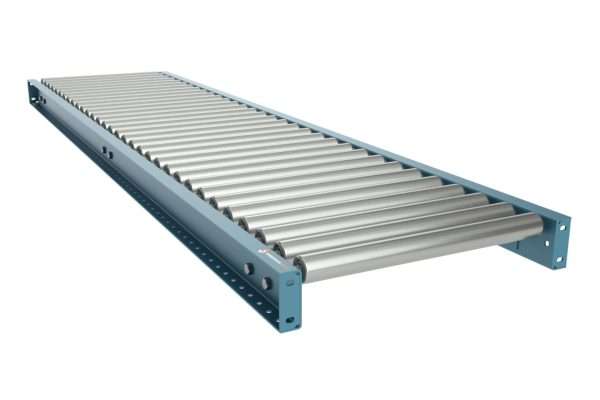
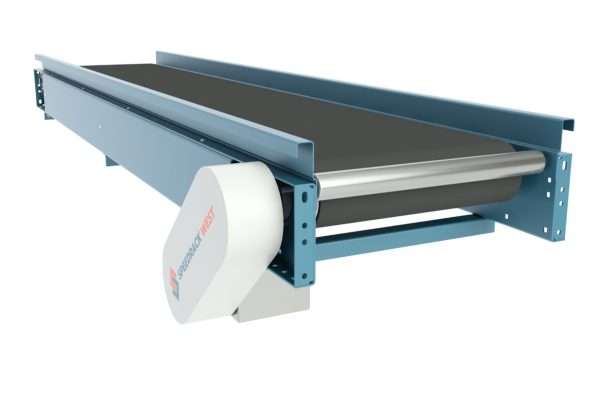
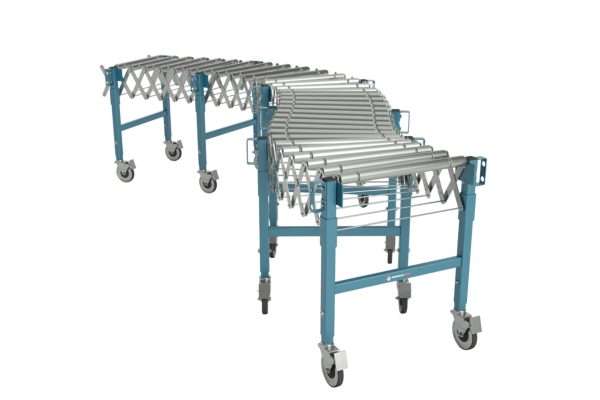
These systems support a variety of picking methods: cartons picked to carts, items placed into totes on gravity conveyors, or direct-to-powered conveyor for transport to palletizing or shipping zones. The design ensures a smooth, scalable flow from pick to dock, even in high-volume environments.
With the right configuration, multi-level modules can handle 12,000+ picks per day, delivering strong ROI through increased throughput and better labor efficiency. And when combined with technologies like pick-to-light or voice-directed picking, the result is even faster, more accurate order selection.
The result? Faster picks, higher throughput, and better use of cubic space.
Supporting Warehouse Automation with Mezzanines
Your mezzanine isn’t just a platform — it’s the backbone of automation-ready warehouse design.
Robotics & AS/RS Integration
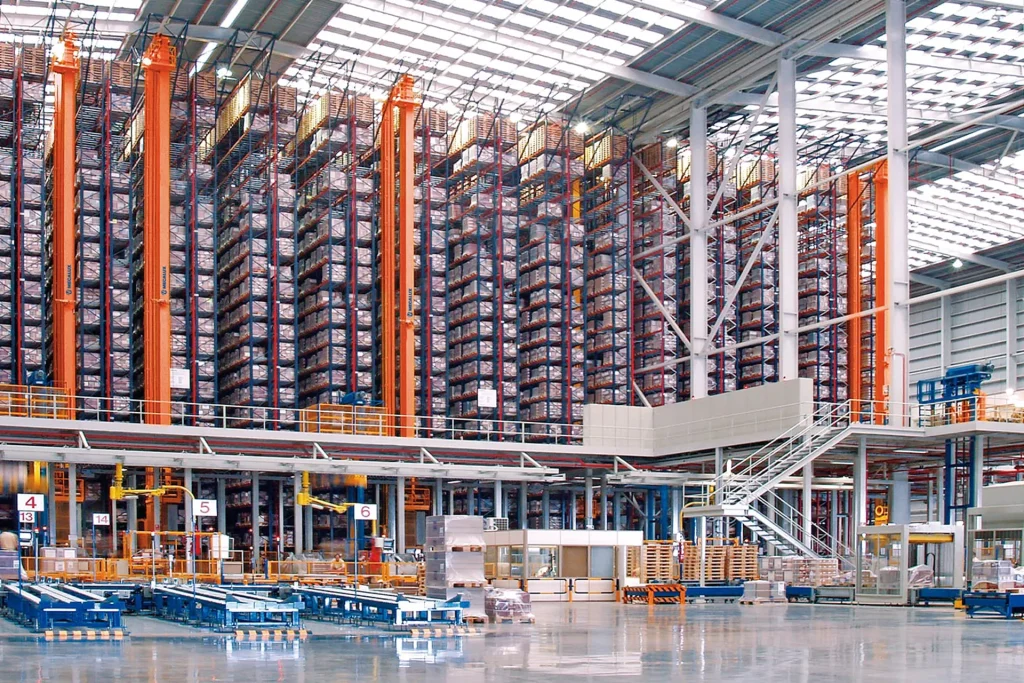
As more warehouses adopt AS/RS (automated storage and retrieval systems), the mezzanine is becoming a crucial support platform. Whether it’s to mount shuttle tracks, create buffer zones, or enable access to vertical lifts, a well-designed mezzanine helps your automation run smoother and scale faster.
For example, you might need a mezzanine that supports conveyors feeding into a robotic picking zone — or one that allows maintenance access to an overhead AS/RS system. Either way, the structure needs to be engineered with those automated paths and equipment loads in mind from the start.
Smart Material Flow
Automation is only as good as the flow that supports it. Mezzanines play a big role in creating smart, uninterrupted paths for materials — not just up and down, but across and between systems. From vertical lift modules to spiral conveyors and AGV lanes⁶, the mezzanine becomes part of the flow — not an obstacle in it.
Workstation Zoning
Modern mezzanine layouts allow you to strategically zone your warehouse. That means placing packing stations, QA areas, value-added services, or manual picking zones exactly where they make sense in your overall material flow. You reduce travel time, improve safety, and create better conditions for your team to do great work — all within the same footprint.
Combining Mezzanines with Other Storage Systems
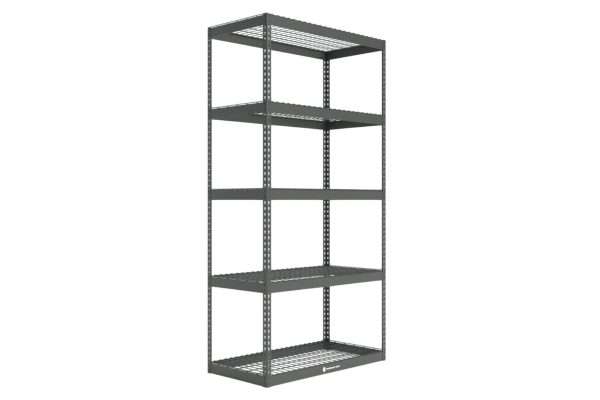
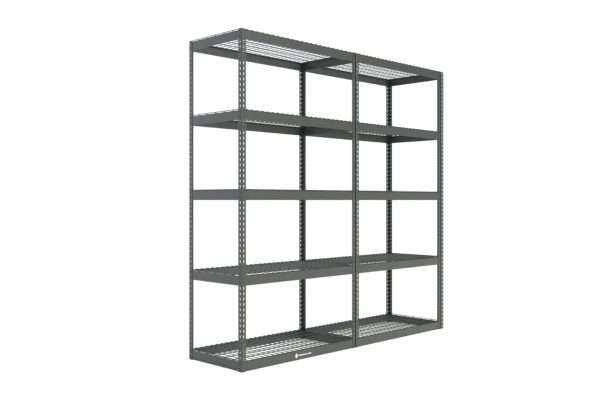
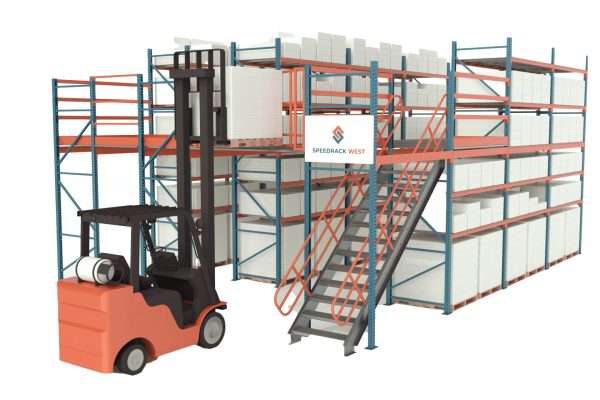
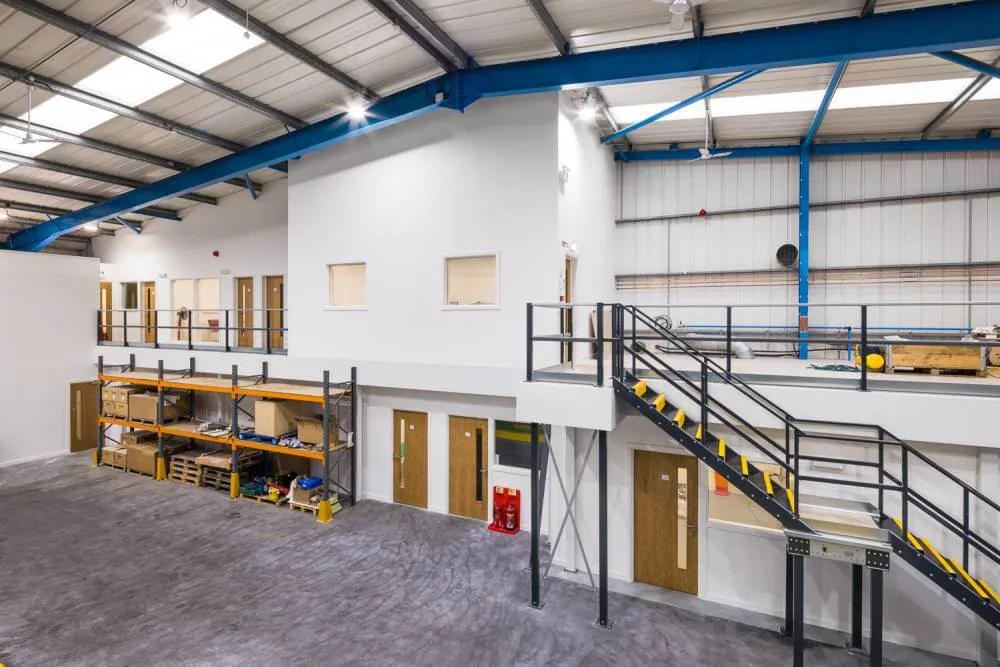
We’ve focused a lot on conveyors and automation, but mezzanine system integration goes further. From pallet racking to carton flow and vertical storage, the right mezzanine layout works hand-in-hand with your entire warehouse ecosystem. Want to see how mezzanines and racking systems combine for maximum space efficiency? Check out our article, How Racking System Works with Mezzanine?
Planning Tips for Seamless Integration
Here’s the bottom line: if you’re adding a mezzanine, think about more than square footage. Think about movement. Think about flow. Think about what’s coming next — and how your mezzanine can support it. Even experienced teams run into trouble when mezzanines aren’t fully integrated from the start. Watch out for these pitfalls:
- Involve automation and conveyor vendors early. Designing mezzanines before mapping out conveyor paths often leads to costly rework and inefficient material flow.
- Account for dynamic loads, not just static ones. Automated systems introduce movement and vibration — forgetting this can compromise structural integrity and safety.
- Plan cutouts and access points for real equipment flow. Skipping proper access planning for AS/RS systems or vertical lifts can result in expensive retrofits just to reach critical components.
- Design with future growth in mind. What works today might limit tomorrow’s upgrades. Leave space and flexibility for modular add-ons and evolving automation.
Get a Mezzanine That Works With Your Whole System
Share your conveyors, racking, and automation plans. We’ll design a mezzanine layout that fits your flow today and scales with you tomorrow.
Used Resources

Was this helpful?