


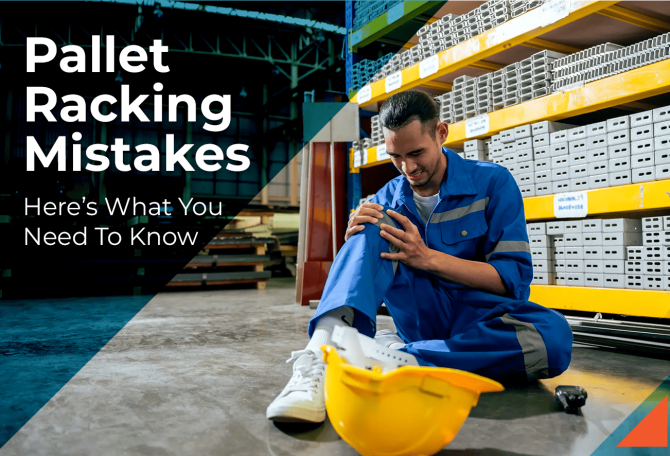

So, what can be done to prevent the most common pallet racking mistakes? Let’s take a look at some key steps to improve rack safety and avoid costly errors.
Common pallet racking mistakes
Here’s a quick checklist to help ensure you’re working with your racking system correctly and avoiding some of the most common pallet racking mistakes:
1. Incorrect Racking Type
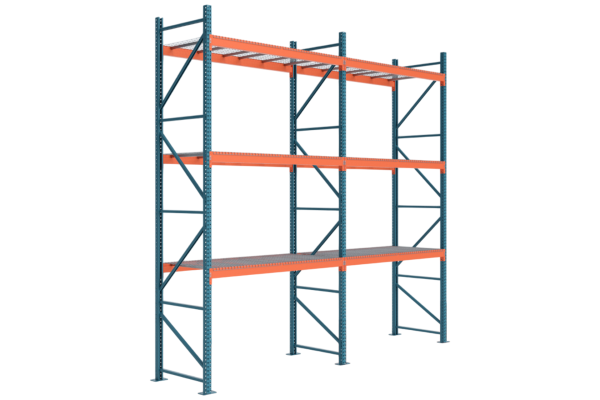
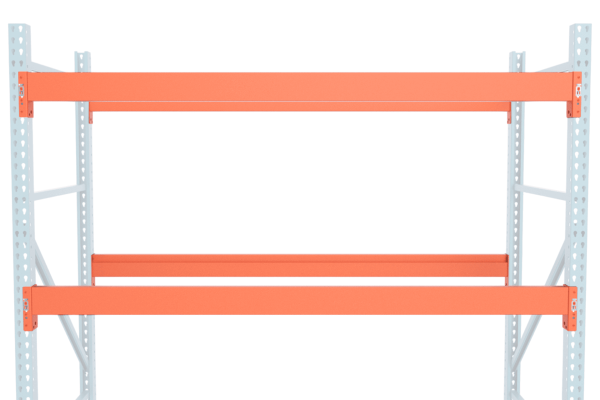
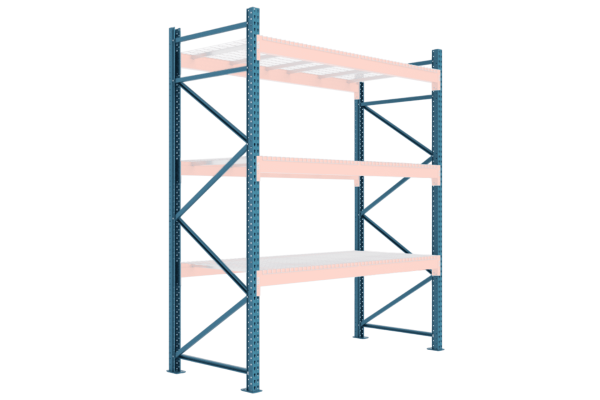
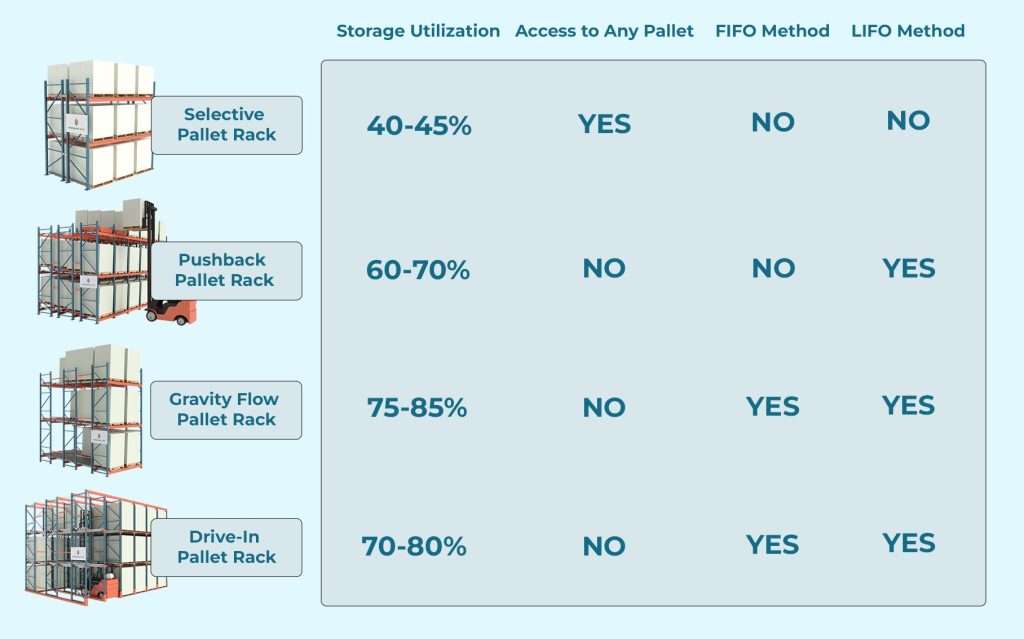
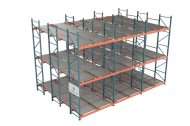
With so many types of racking systems available, it’s important to choose one that meets your business’s specific needs. Some managers assume that buying selective racking will cover all their requirements, as it’s one of the most popular options. However, issues can arise when this system doesn’t align with your inventory needs. For example, you might find one section fully stocked with pallets while another is only utilizing 30% of the racking capacity. The question becomes: do you really need selective pallet racking, or would simpler shelves be more practical? Choosing the right racking system from the start ensures optimal storage capacity and efficiency. You can explore more about racking systems designed for various warehouse types.
2. Failure to Meet Standard
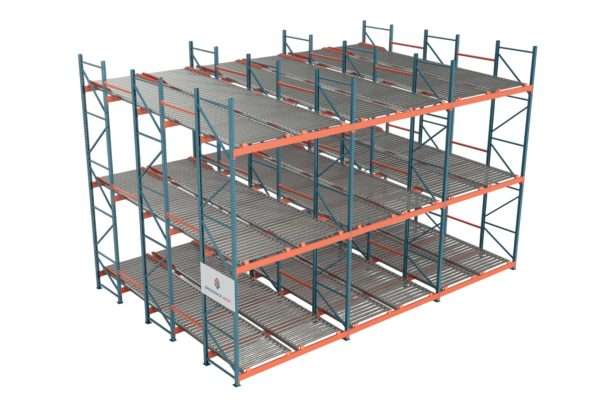
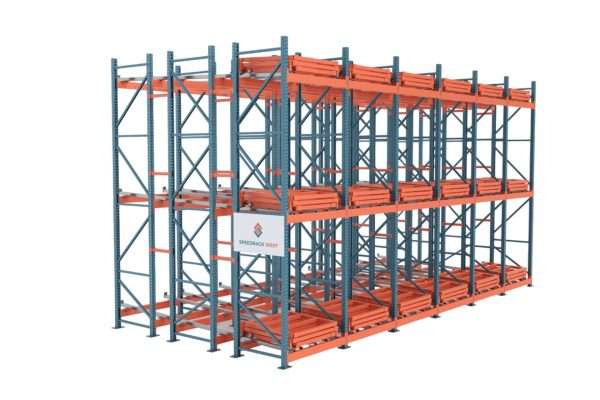
Make sure all racking systems comply with industry standards and safety regulations. The 2021 revision of the ANSI MH16.1 standard specifies minimum requirements for the structural design, testing, and utilization of industrial steel storage racks. This includes movable-shelf racks, rack-supported systems, and automated storage and retrieval systems (often referred to as “stacker racks“) made from cold-formed or hot-rolled steel structural members. Rack types covered by this standard also include push-back racks, pallet-flow racks, case-flow racks, pick modules, and rack-supported platforms.
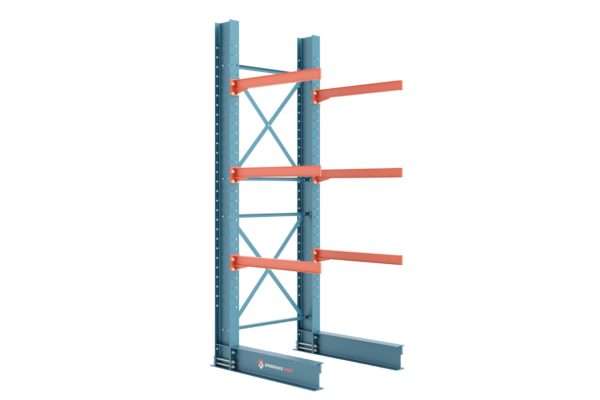
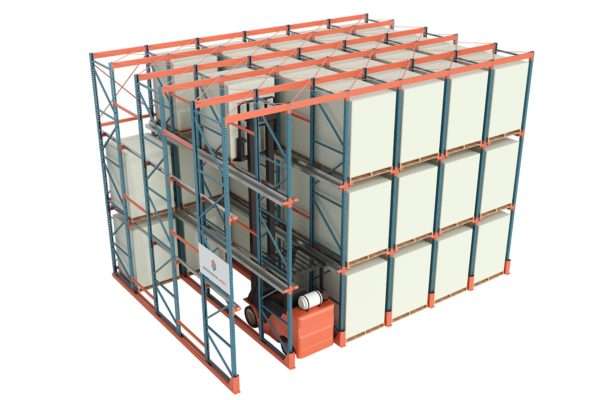
The standard does not apply to other types of racks such as drive-in or drive-through racks, cantilever racks, portable racks, or racks made from materials other than steel.
For example, according to the ANSI MH16.1 standard, the maximum load is the highest load permitted in a specific rack location. The average load represents the expected load for each bay, and for load capacity analysis, it should be at least 67% of the maximum load.
3. Improper Installation
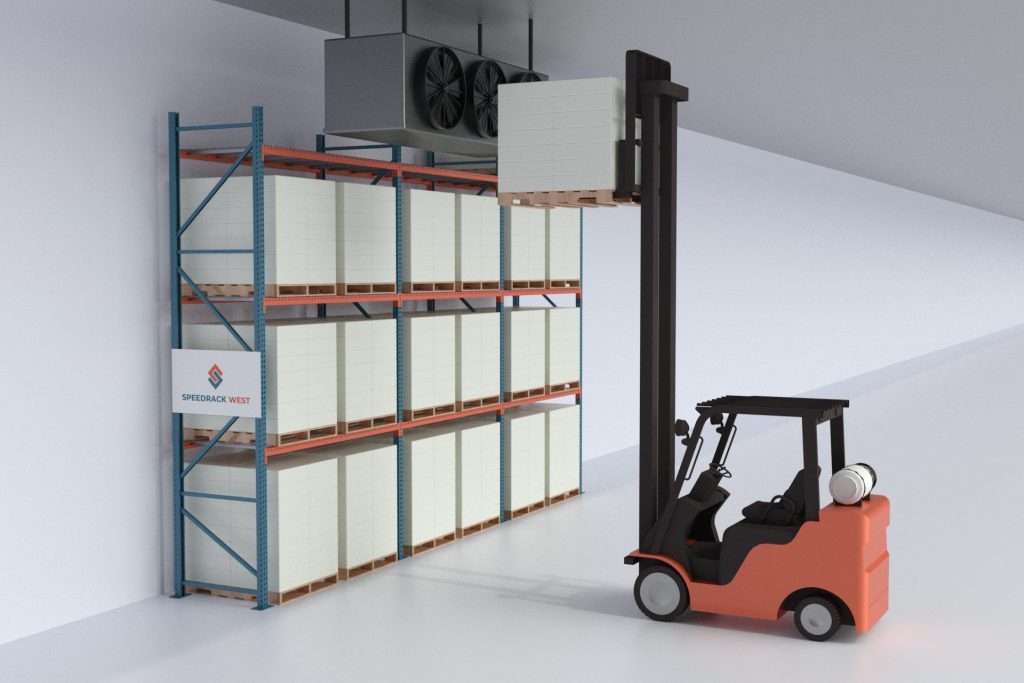
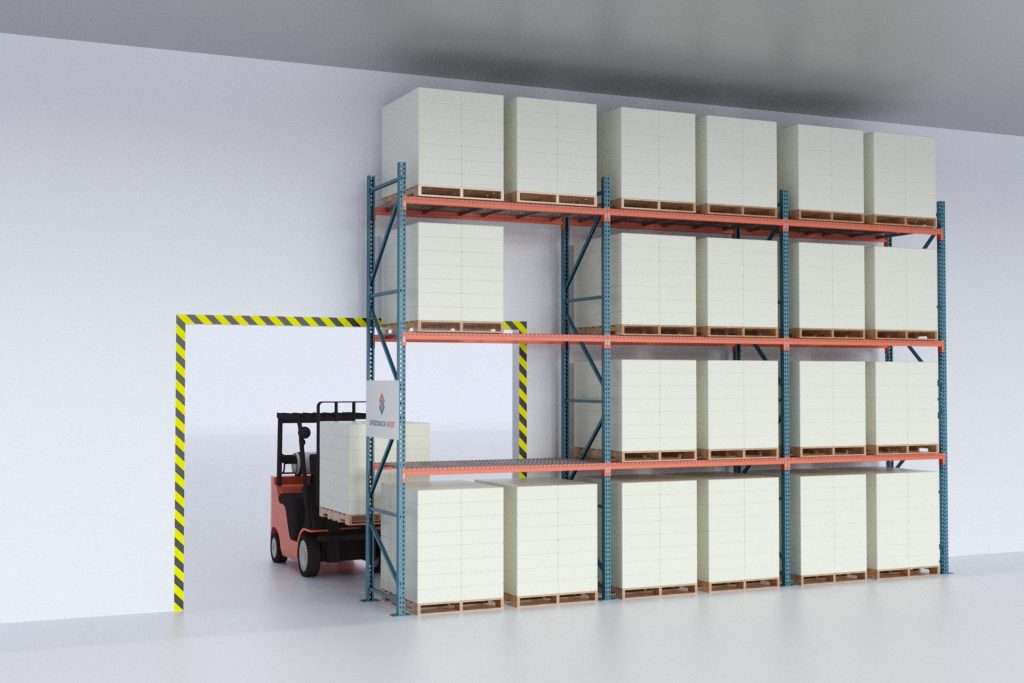
Improper installation can lead to serious rack safety issues. One common mistake is installing pallet racks on an uneven floor without using special leveling components. These components are essential to keep the rack system stable and ensure it maintains its center of gravity.Another critical factor is the height-to-depth ratio. The Rack Manufacturers’ Institute (RMI) defines this as the ratio of the distance from the floor to the top beam level divided by the depth of the frame. For a safe and stable rack row, this ratio should not exceed 6-to-1. Following this guideline helps maintain stability and reduces the risk of rack failure due to tipping or imbalance.
4. Overloading and Uneven Loads
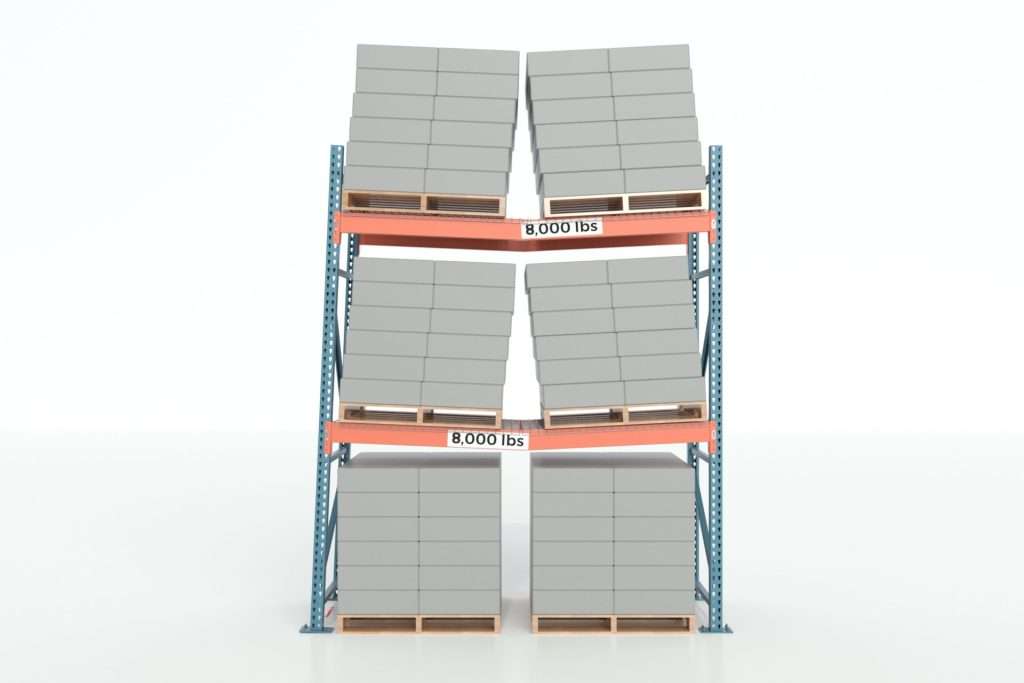
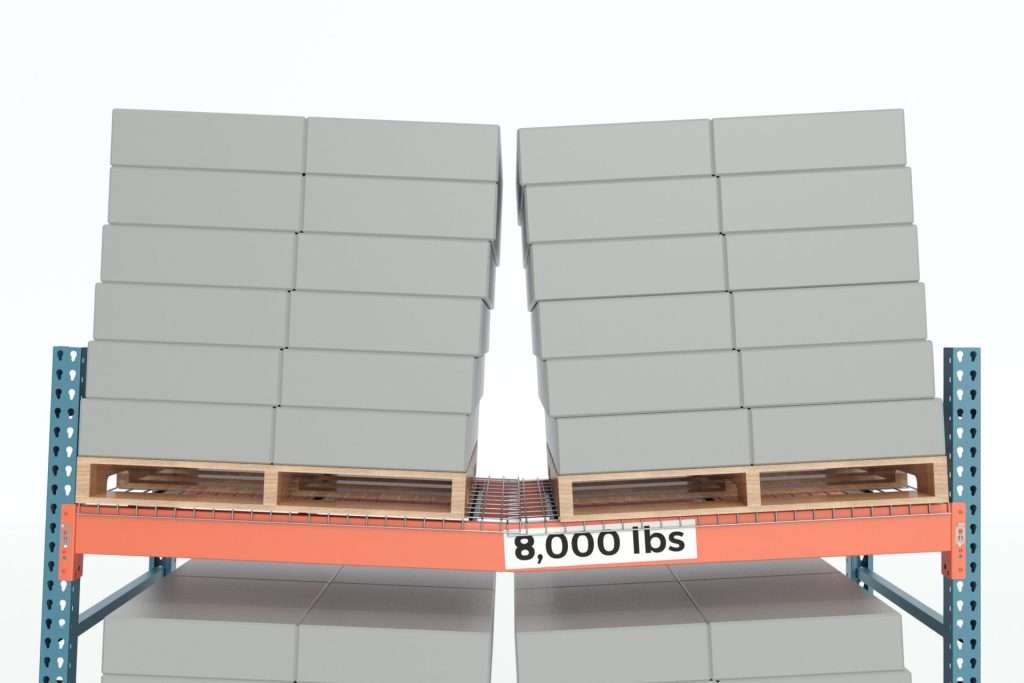
Overloading racks or unevenly distributing weight across racking levels can put unnecessary stress on your racking system, increasing the risk of damage. To ensure safe loading, keep these four key points in mind:
- Check Load Capacities: Always refer to the manufacturer’s specified weight capacities for your specific pallet rack system before loading. Although OSHA doesn’t set specific standards for pallet rack capacity, it defers to the ANSI standard MH16.1-2023, which outlines how pallet racks should be designed, tested, and used. However, Load Application and Rack Configuration (LARC) drawings are required documents according to OSHA, yet many warehouse operators don’t have them readily available.
- Distribute Weight Properly: Place the heaviest loads on the bottom shelves, while lighter items can be stored higher up. This helps maintain stability and reduces stress on the rack structure.
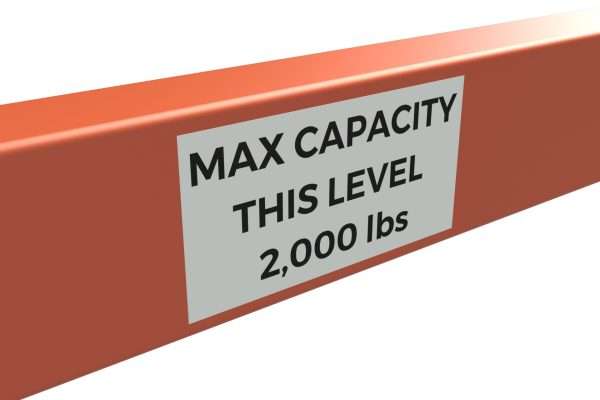
- Display Safe Work Load Signs: Install clear signage on each shelf to indicate weight limits, ensuring that all team members are aware of the load capacities.
- Conduct Regular Audits: Routinely inspect your racking system’s load capacity and check for any unreported damage to maintain safety.
Proper loading practices are essential to a safe and efficient warehouse environment.
5. Equipment Damage
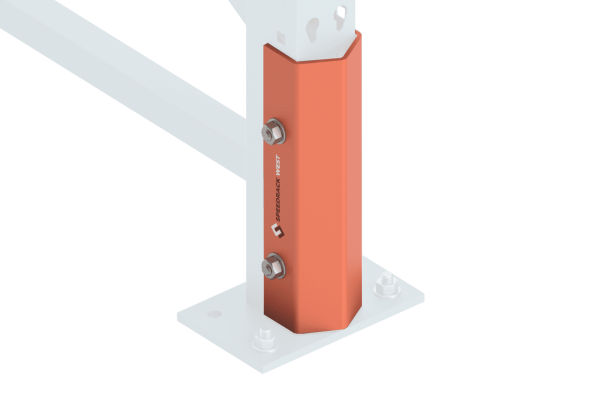
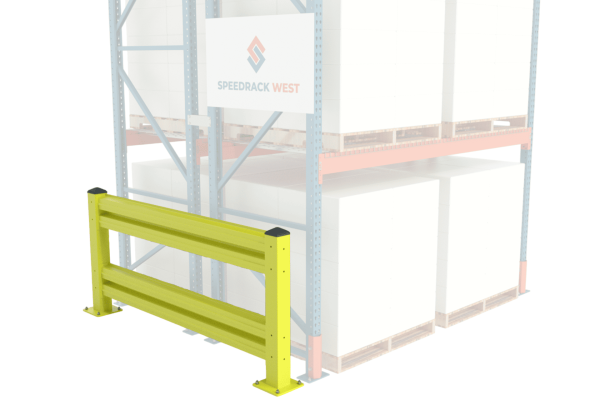
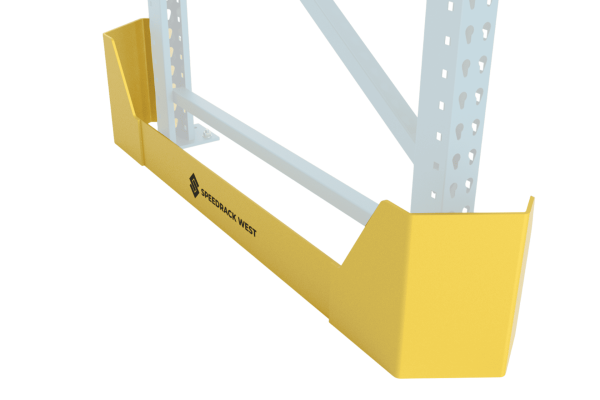
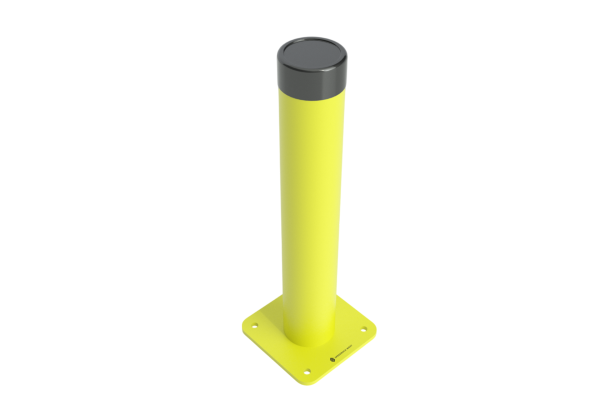
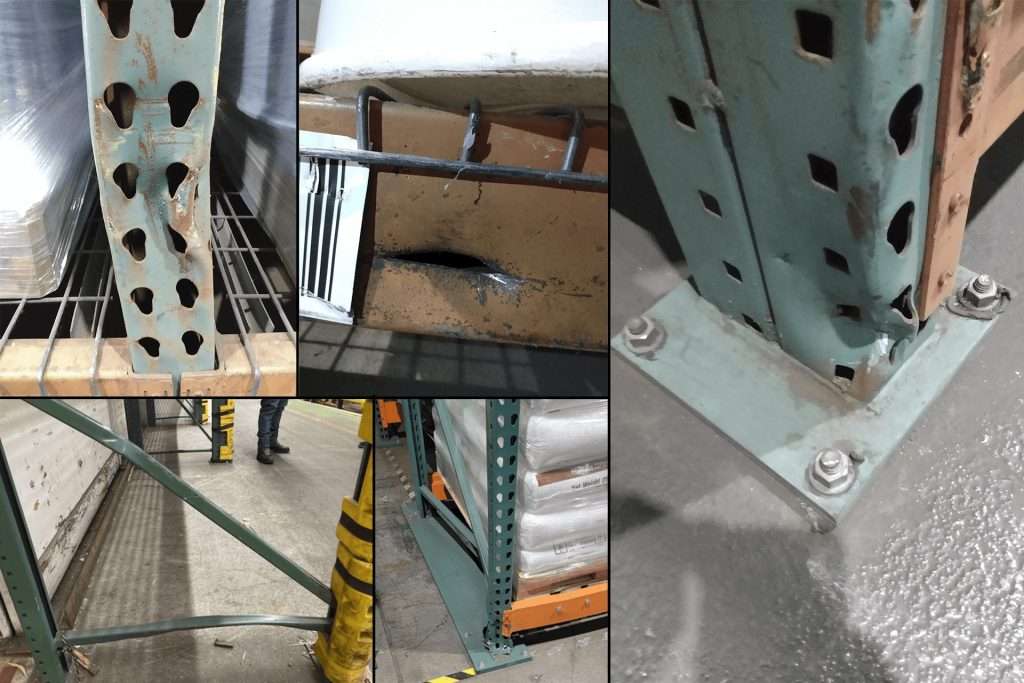
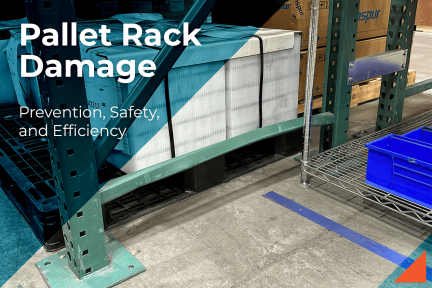
Forklift and other equipment impacts can weaken racks over time, so proper training and protection measures are essential. Impacts from forklifts and other equipment can weaken racks over time, making proper training and protective measures essential. Skilled forklift operators are advised to keep the forks or load positioned 4-6 inches off the ground. However, if this clearance isn’t sufficient to avoid obstacles like dock slabs, concrete expansion joints, uneven surfaces, and inclines, it can lead to equipment damage and increase the likelihood of forklifts striking rack uprights.To minimize this risk, ensure the aisle width is appropriate for safe maneuvering and use of racking safety components, such as pallet rack guards or bollard posts that protect racks from potential impacts.
6. Inadequate Aisle Width
Insufficient aisle space can create serious risks. Aisle design generally falls into two types: wide and narrow, each suited to specific racking systems and requiring compatible material handling equipment.
When machinery like lift trucks, forklifts, or pallet jacks have limited room to maneuver, they’re more likely to collide with the racking systems, causing potential damage. To help determine the right aisle width for forklifts, Toyota Industries suggests this simple formula:
Load Length + Basic Right-Angle Stack + 12 inches = Minimum Aisle Width
- Load Length is the length of the palletized products on the forks.
- Basic Right-Angle Stack is the smallest space a forklift needs to turn and enter a pallet slot.
- The additional 12 inches provides clearance for the forklift’s turn radius, allowing enough room to maneuver in the aisle without impacting the racks.
Follow these guidelines to set adequate aisle widths, reduce the risk of rack damage, and improve warehouse safety.
7. Lack of Prevention Measures
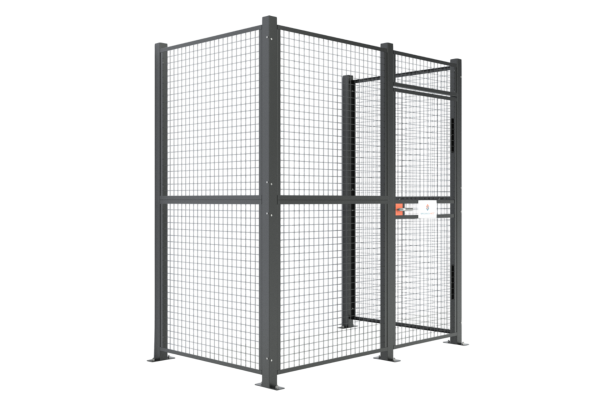
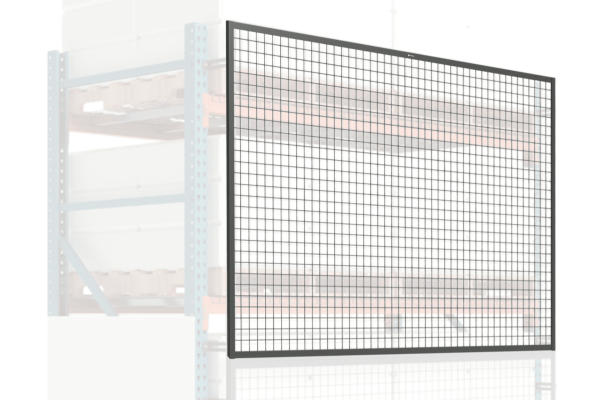
Neglecting to implement essential prevention measures, such as rack protection and warning signs, can increase the risk of accidents. Protective barriers and clear signage around racking systems help prevent impacts and alert team members to potential hazards, reducing the likelihood of damage.
8. Skipping Regular Safety Inspections
Routine safety inspections are critical for identifying damage early and maintaining the integrity of your warehouse racking system. Regular inspections ensure that any issues are promptly addressed, contributing to a safer and more efficient warehouse environment. You should do this at least once a year.
Don’t Skip Regular Safety Inspections!
9. Ignoring Seismic Requirements
In earthquake-prone areas, neglecting seismic requirements can compromise the stability of your pallet rack systems. In earthquake-prone areas, overlooking seismic requirements can severely compromise the stability of pallet rack systems. Warehouses located in zones of high seismic activity must select racks that meet appropriate specifications. Notice, that load capacity may need to be reduced to maintain safety.

Don’t Make These Common Mistakes – Take Action Now for a Safe and Efficient Warehouse. By taking proactive steps now, you can protect both your team and your equipment for years to come.
Ready to get all your pallet racking and warehouse solutions right from the start? Contact Speedrack West today!



Do you have any questions or comments?
Be the first and post your question or comment