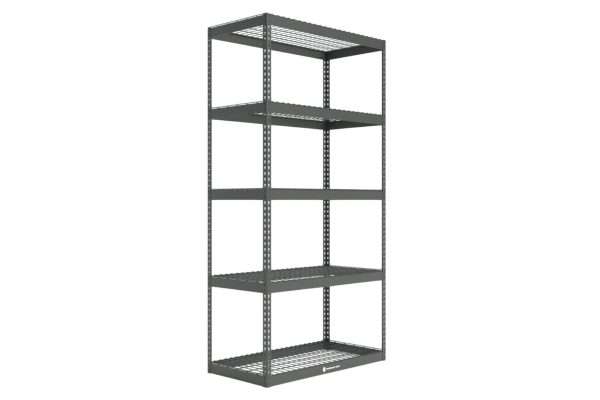
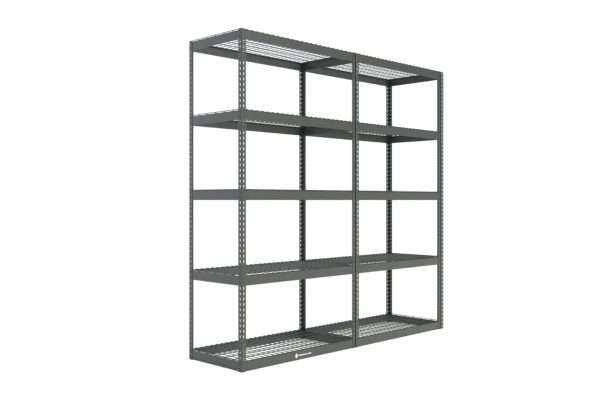
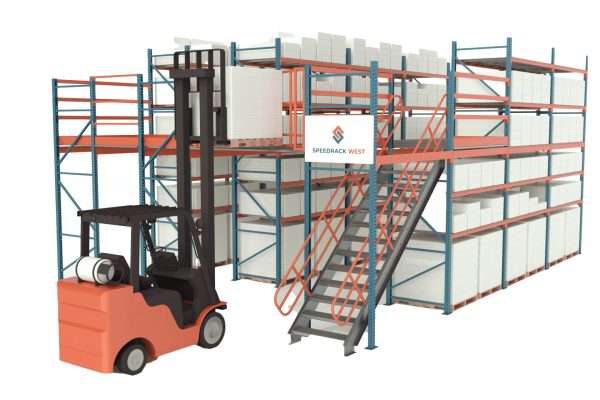

Speedrack West sees this all the time: customers buy racking based on manufacturer capacity, then find out during permitting that an engineer must rate it lower for seismic safety.
This guide explains the difference, without overcomplicating it, so you can design safer storage and avoid permit surprises.
What is static load capacity?
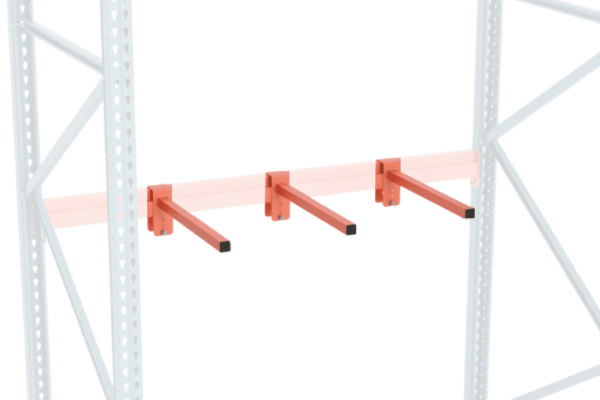
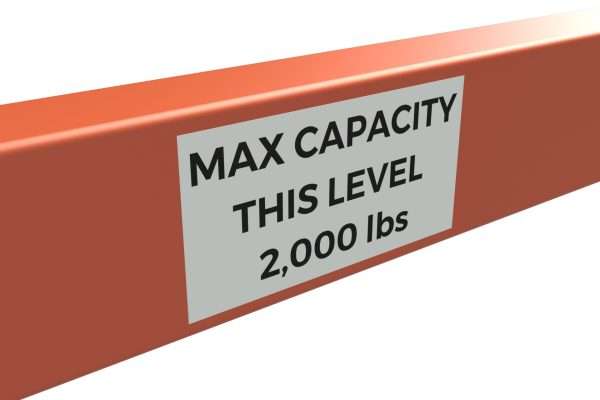
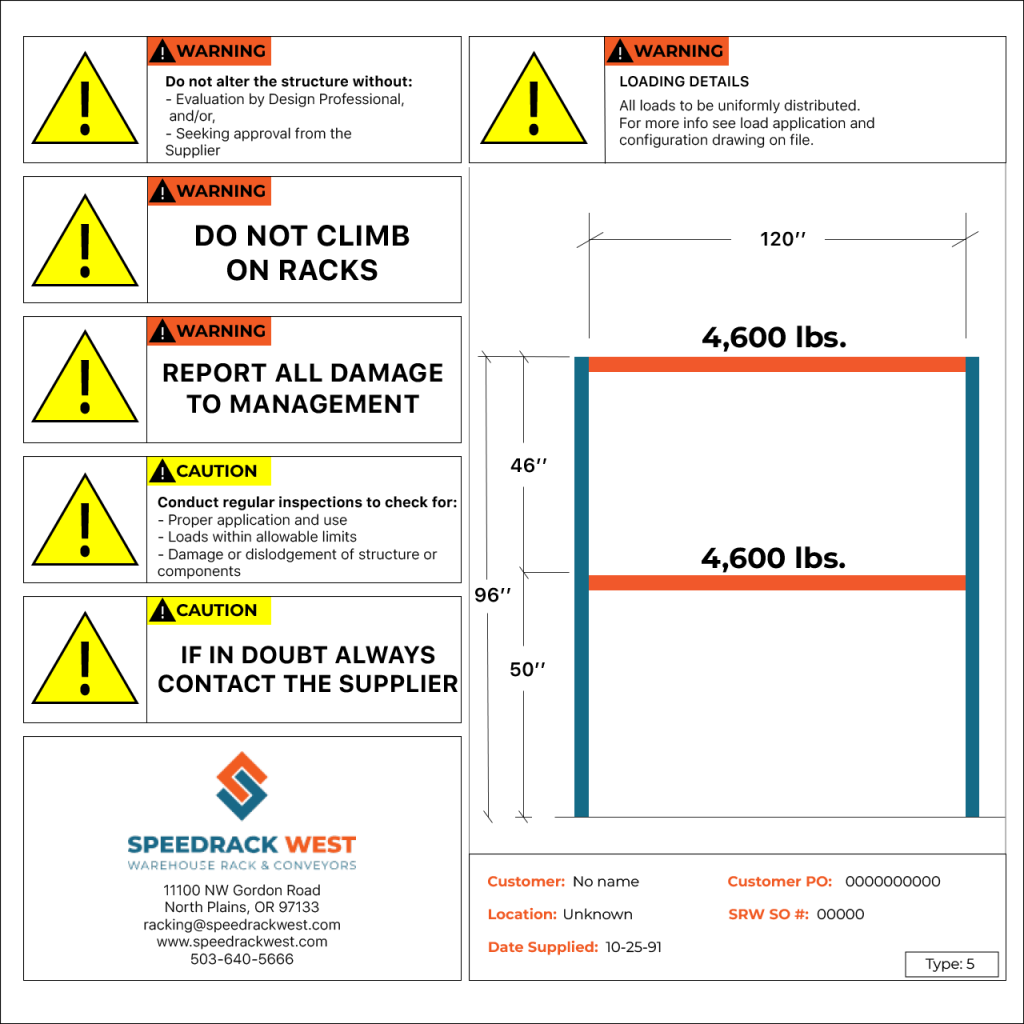
Static load capacity is the rack’s capacity under normal gravity conditions (no earthquake movement). It’s commonly the manufacturer’s published rating, typically stated as “per pair of beams” at a given beam length and load pattern.
Static capacity answers:
“How much weight can this beam level hold when everything is steady?”
What is seismic load capacity?
Seismic load capacity is the rack’s capacity when earthquake forces are added, meaning the rack must resist side-to-side motion, not just downward weight.
This rating is typically produced by an engineer based on:
- your exact rack configuration (heights, beam elevations, number of levels),
- anchoring and baseplates,
- slab thickness,
- and the seismic risk at the site (often tied to code requirements).
Seismic capacity answers:
“How much weight can this rack safely and legally hold during an earthquake at this location?”

Why seismic capacity can be LOWER than static capacity
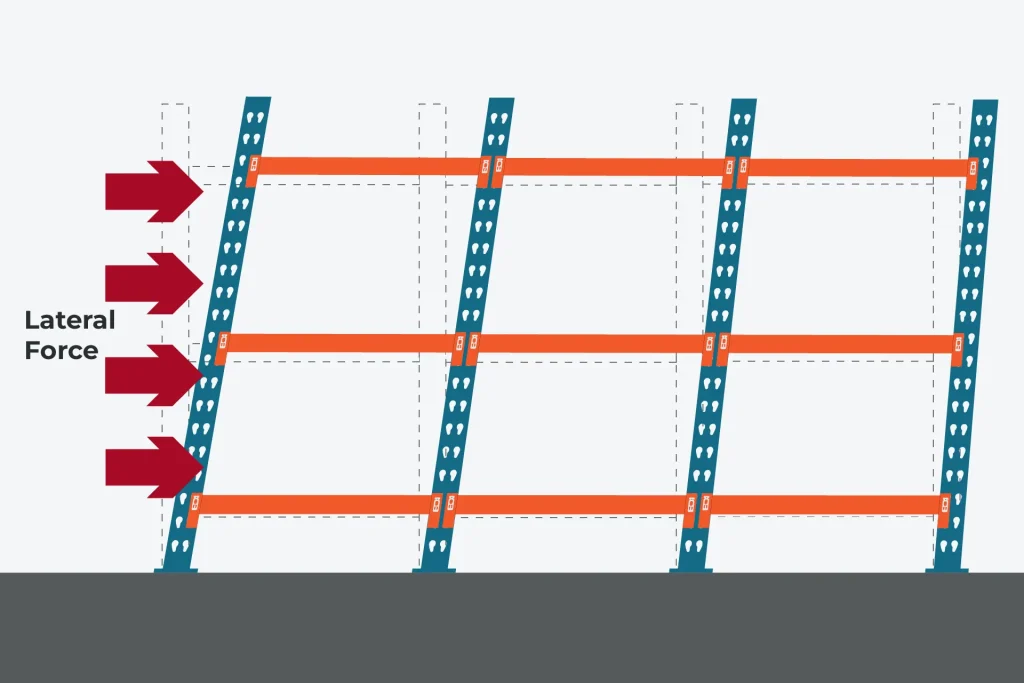
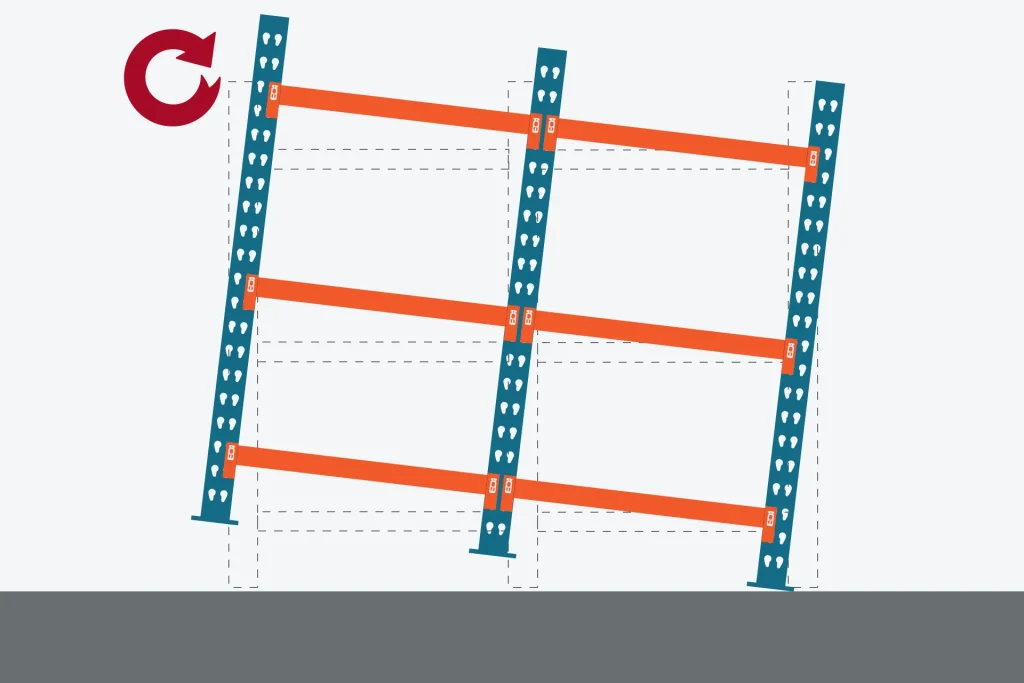
A rack doesn’t fail in an earthquake because pallets suddenly get heavier. It fails because the system starts moving, and that movement creates new forces:
- Lateral forces push the rack sideways (sway).
- Overturning forces try to tip the rack (especially tall racks).
- Connection forces increase at beam-to-upright and upright-to-floor points.
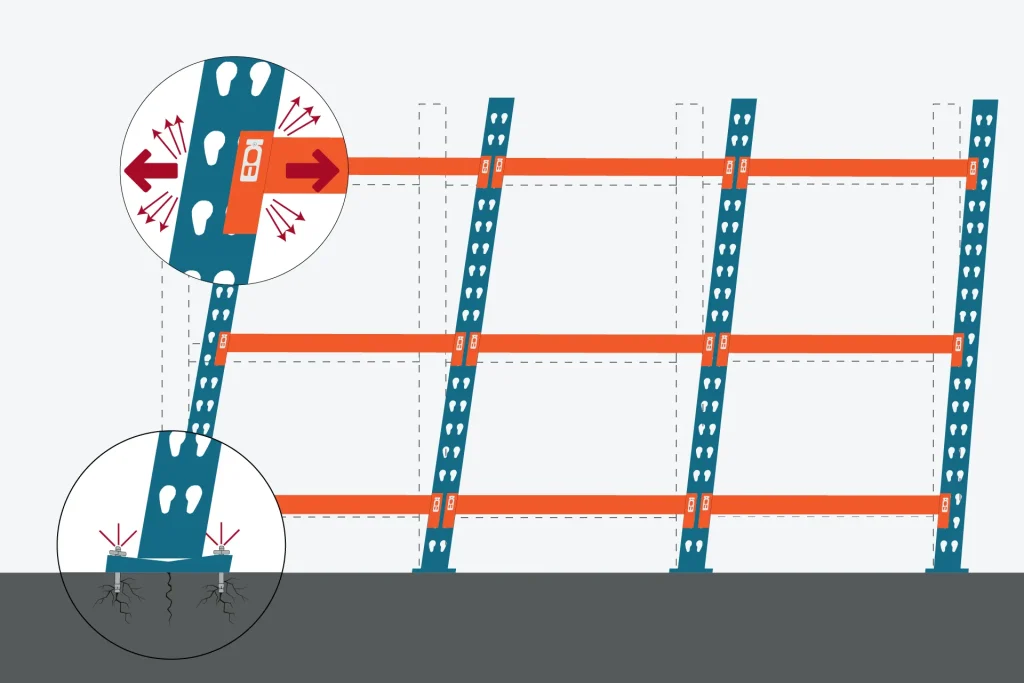
- Anchors and concrete become part of the “real” capacity because they must hold the rack down and resist sliding.
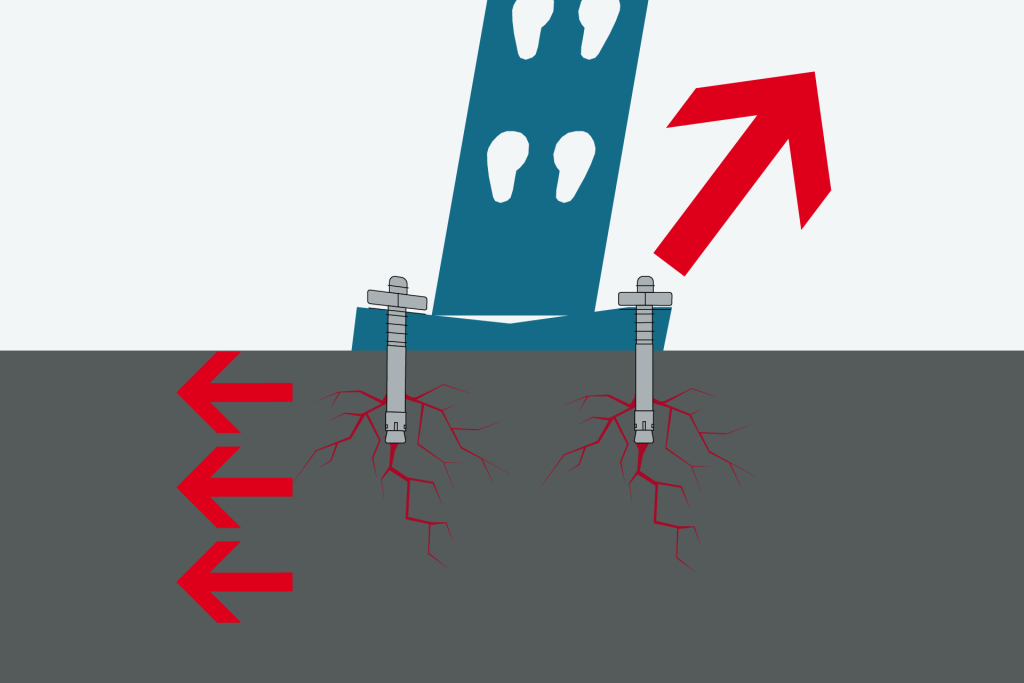
Building codes treat storage racks as structures that may need seismic design and inspection requirements in higher seismic design categories.
The practical example
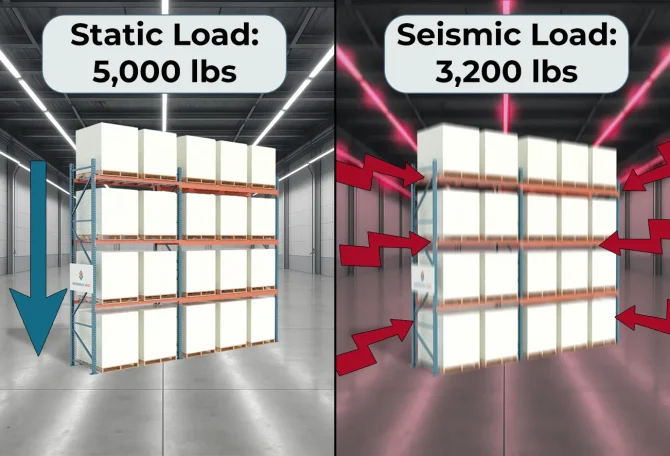
- Ohio (low seismic demand): A manufacturer’s 5,000 lb static rating may be acceptable.
- California (higher seismic demand): the same rack might be rated by an engineer at 3,200–4,000 lbs, depending on site and configuration.
That’s not a scam. That’s physics + code requirements + anchoring realities.
Static vs seismic load capacity: the simplest comparison
Static capacity is “vertical weight only.” Seismic capacity is “vertical weight + earthquake motion forces.”
Here’s how they differ in real projects:
- Static capacity
- Usually comes from the manufacturer’s tables
- Assumes stable conditions (gravity only)
- Often used for initial budgeting and layout decisions
- Seismic capacity
- Comes from engineering calculations for your exact build
- Depends on zip code / seismic design category, slab, anchors, rack configuration
- Frequently required for permits in seismic-active areas
What changes in a “seismic-ready” rack system?
Sometimes the rack components change, but the biggest change is often the allowed capacity and the required stability details.
Common seismic-driven requirements include:
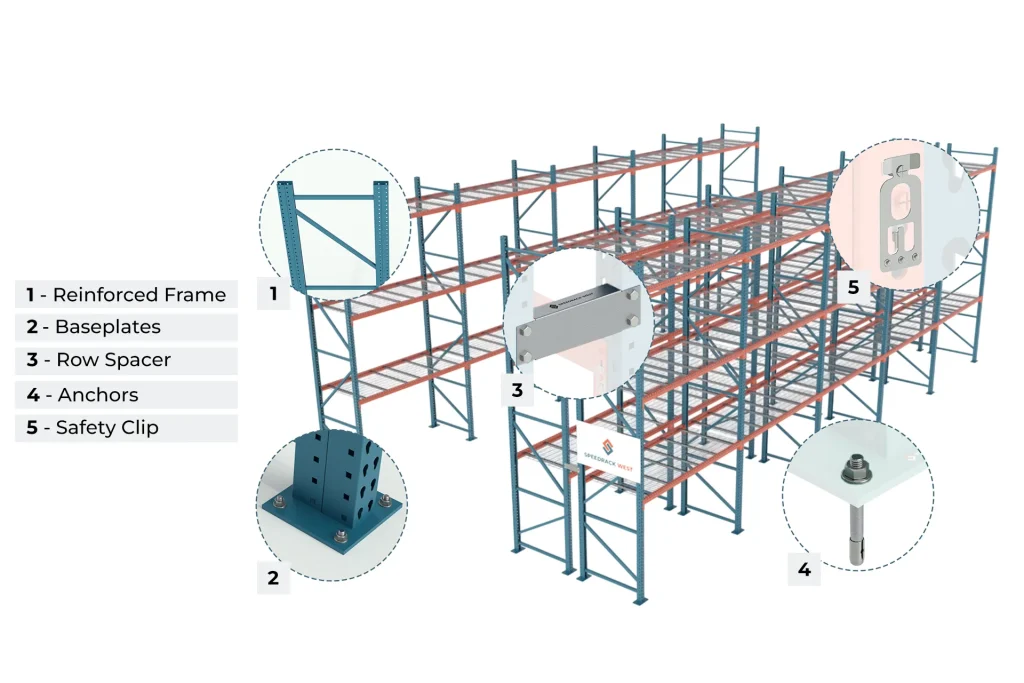
1) Anchors and baseplates matter more than most people think
Seismic calculations can determine:
- the type and quantity of anchors required
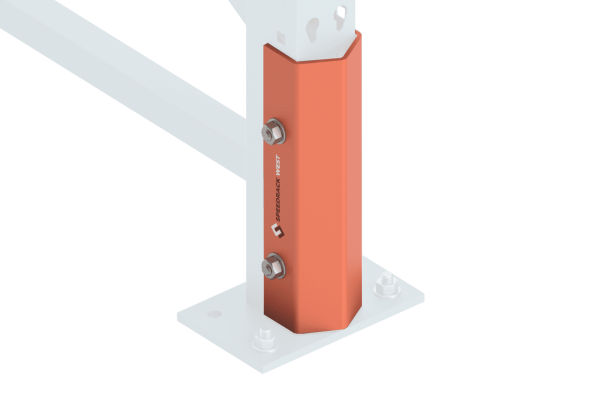
- and the footplate/baseplate requirements
If your slab is thinner than assumed, or anchors are undersized/incorrectly installed, your “capacity” is not the number you think it is.
2) More bracing and stronger frames (uprights)
Engineers may specify:
- heavier-gauge frames,
- different bracing patterns,
- or changes to beam/column sizes to hit target capacities.
3) Beam-to-upright connection security (locks/pins)
Seismic motion increases the importance of:
- beam locks/safety clips,
- correct engagement,
- and preventing uplift or dislodging during shaking.
(Translation: a missing clip isn’t “minor” in seismic zones.)
4) Row spacing, height, and configuration consistency
Each configuration may require separate calculations, and costs can increase with many variations (e.g., different beam heights, frames, or beam lengths).
When do you need seismic calculations for pallet racking?
In many jurisdictions, seismic calculations are tied to the permitting process and aren’t typically something a facility team can produce in-house without an engineer.
Code triggers vary by location, but building code sections explicitly address steel storage racks and special inspections in certain seismic design categories and rack heights.
Speedrack West’s own guidance is straightforward: if you’re in areas like Oregon, Washington, or California, you should expect seismic calculations to be required for warehouse racking safety.
Not sure if your current setup would pass a seismic review?
Download our 10-Point Seismic Racking Safety Checklist (PDF) to quickly audit your uprights, baseplates, anchors, and configuration risks.
Manufacturer capacity vs engineer capacity: who “wins”?
In a seismic-permitted project, the engineered capacity is the one that matters for compliance and approvals because it’s based on:
- your site conditions,
- your rack build,
- and the code-required seismic forces.
RMI also notes² that building codes require storage racks because safe design depends on building-specific factors (such as flooring and anchorage), and that seismic requirements must be considered in areas where earthquakes are possible.
A quick checklist before you trust any “capacity” number
Before you rely on a capacity figure (static or seismic), confirm:
If any of those are “not sure,” you’re in the danger zone for expensive redesigns later.
Get Expert Seismic Engineering for Your Racking
Planning a new install or relocating in a seismic region? Don’t guess on safety. Speedrack West’s engineering team calculates your exact capacities and provides the stamped documentation required for permitting.
Used Resources

Was this helpful?