


Short Definition of High-Piled Storage
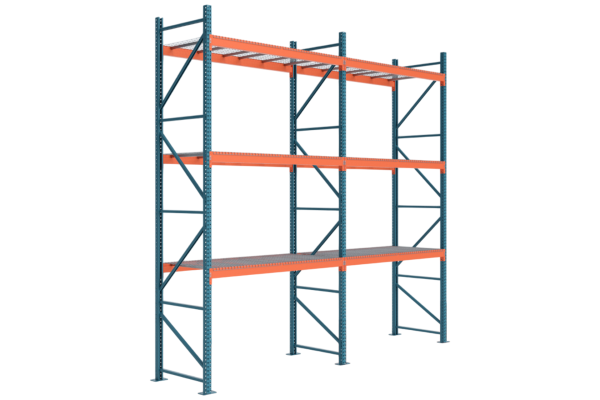
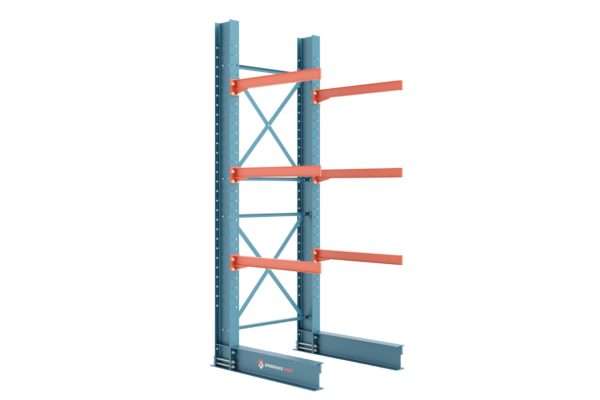
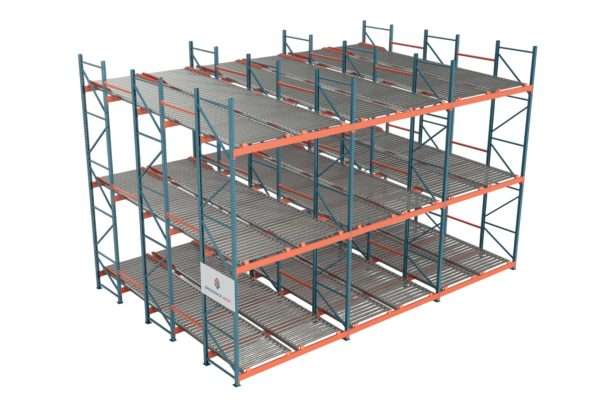
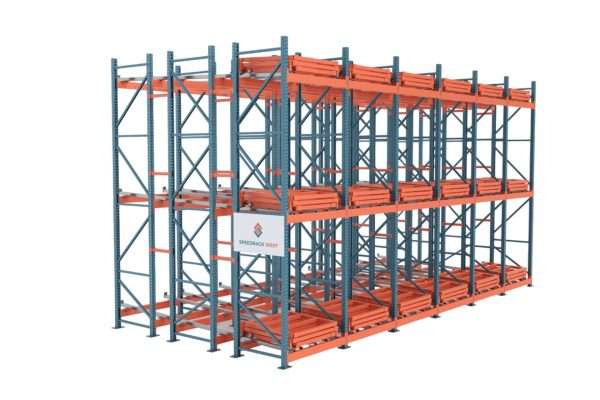
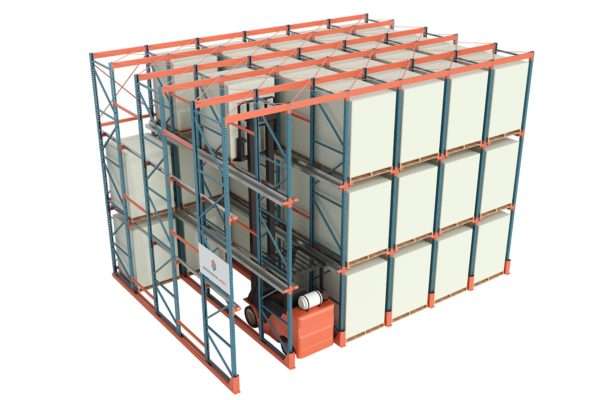
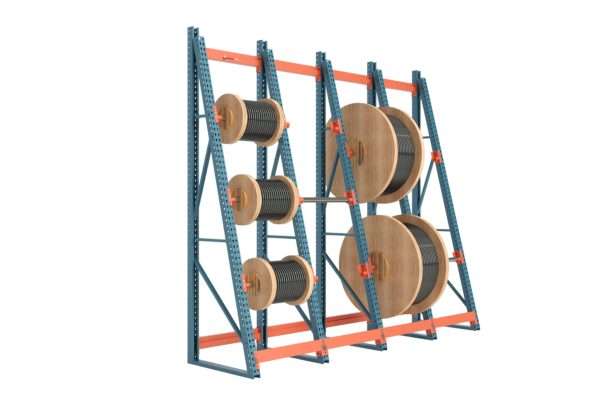
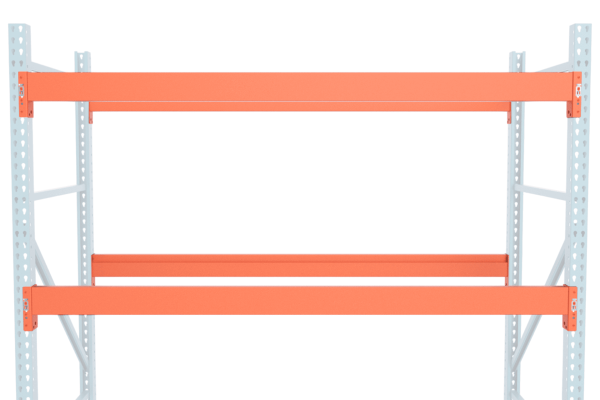
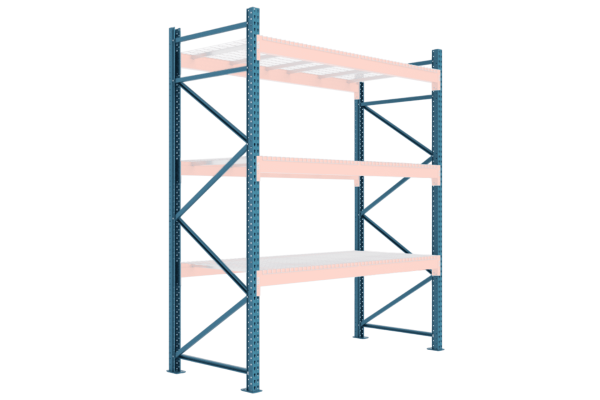
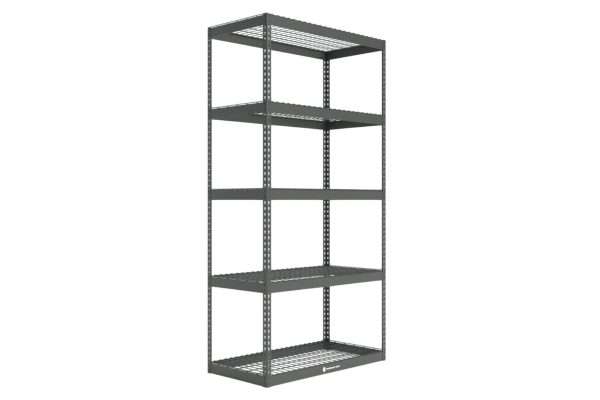
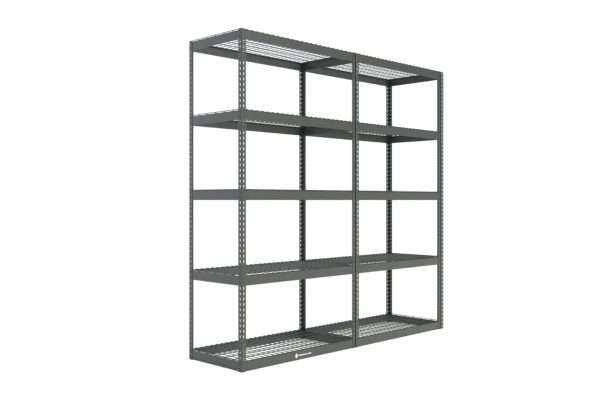
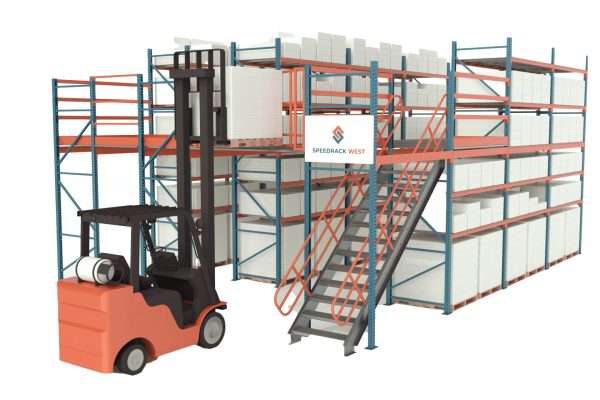
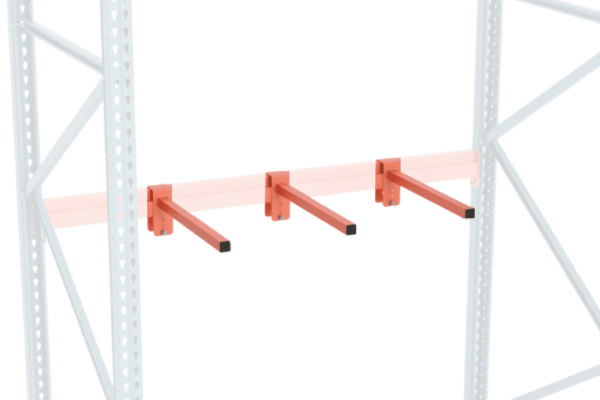
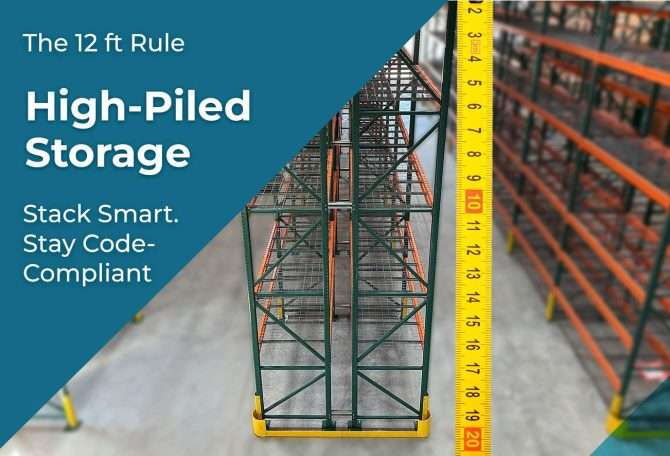
High-piled storage on pallet racks, shelving, or cantilever systems is any stack over 12 ft (or 6 ft for flammable items like tires, aerosols, or plastics). Taller stacks increase fire risk, which is why fire codes are strict. Miss the details, and inspectors will shut you down. Get the height, area, or product class wrong, and you risk fines, shutdowns, or a fire your sprinklers can’t handle. Follow the rules—stack high safely.
| Criteria | Details |
|---|---|
| Height | Over 12 ft for most goods; over 6 ft for high-risk items like plastics, tires, or flammables. |
| Area | If your stacks cover more than 500 sq ft, you’ll likely need a permit. For smaller setups, check with your local fire marshal. |
| Goods | Anything that burns counts, even “non-flammable” items in cardboard packaging. |
How Fire Codes Classify What You Store
Your fire protection depends on what you’re storing. Codes¹ group goods by how fast they burn:
| Class | What It Means | Common Examples |
|---|---|---|
| Class I (Low Risk) | Noncombustible goods in basic cardboard or paper wrap. | Gypsum board, canned food in metal cans. |
| Class II | Same as Class I, but packed in wood crates or heavier cartons. | Frozen food in coated cartons, low-alcohol containers. |
| Class III | Wood, paper, natural fibers, or low-risk plastics. | Furniture, books, clothing, boxed foam. |
| Class IV | Mix of Class I–III goods with higher-risk plastics or oils. | Electronics in plastic, oil-based paints, small appliances. |
| High Hazard | Group A plastics, tires, aerosols, flammable liquids, or idle pallets. Burn hot and fast. | Foam, plastic film, rubber tires, spray cans. |
Plastics note:
- Group A = highest risk (foams, films).
- Group B = medium (PVC pipe).
- Group C = lower, burns like wood.Pallets can raise the hazard class unless they’re fire-tested (FM 4996² or UL 2335³).
If you store mixed products, always plan for the riskiest one. Unsure? Call a fire expert —it’s cheaper than fixing mistakes later.
Common Mistakes and Fixes
Here are the mistakes we see most often, and how to avoid them:
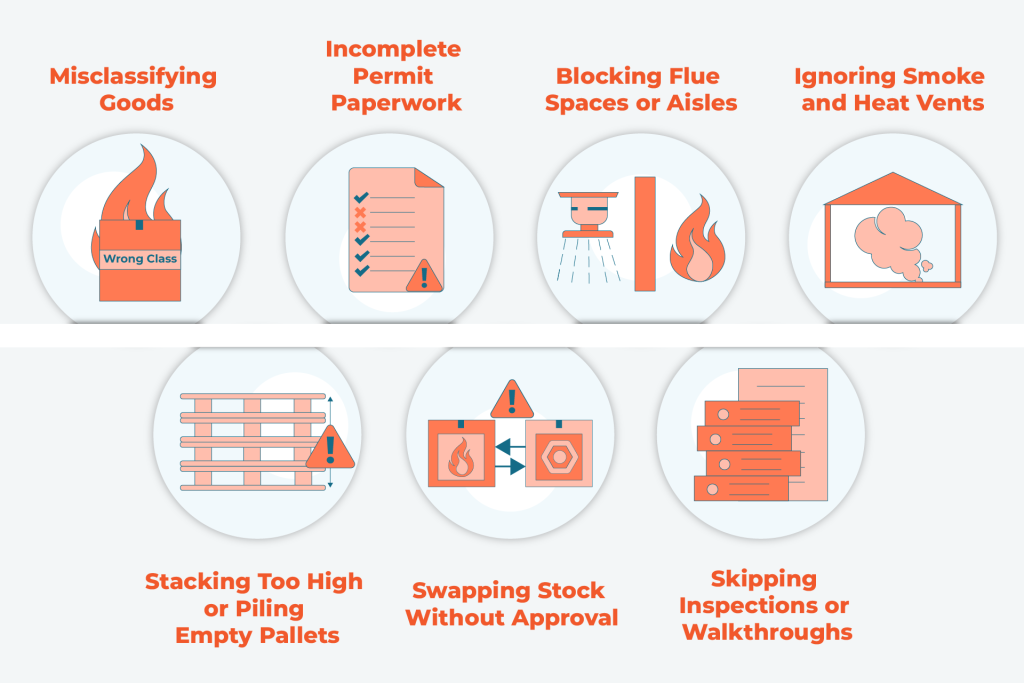
Misclassifying Goods
Call foam ‘wood’ and your sprinklers won’t stand a chance. Same with plastic pallets—they burn hotter than wood and change your risk class.
Fix: Check packaging and product data sheets. If you’ve got a mix, plan for the riskiest item (e.g., foam or aerosols need stronger sprinklers than canned goods). Not sure? Call in an expert to classify it right.
Incomplete Permit Paperwork
Half-done plans are the #1 reason permits stall. We’ve seen projects delayed for months over one missing rack height.
Fix: Send it all upfront: floor plans, rack specs, aisle widths, storage heights, sprinkler info, fire access doors, and hazard signs. Saves weeks of back-and-forth.
Blocking Flue Spaces or Aisles
Blocked flues mean sprinklers can’t hit the fire, and inspectors may force you to add costly in-rack sprinklers. Same with clogged aisles—firefighters can’t get through.
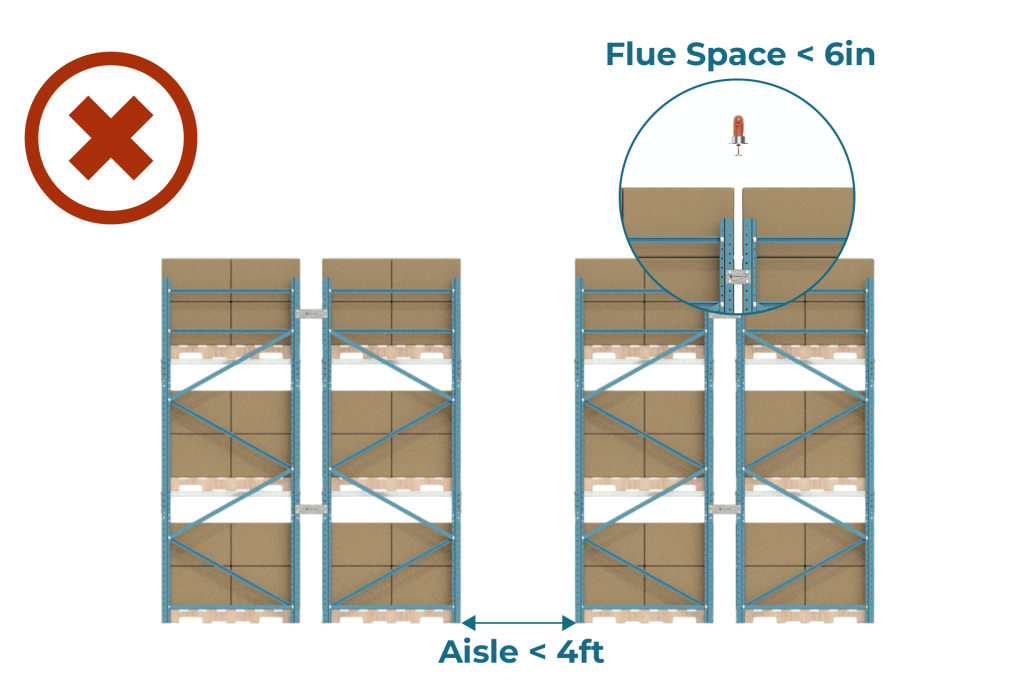
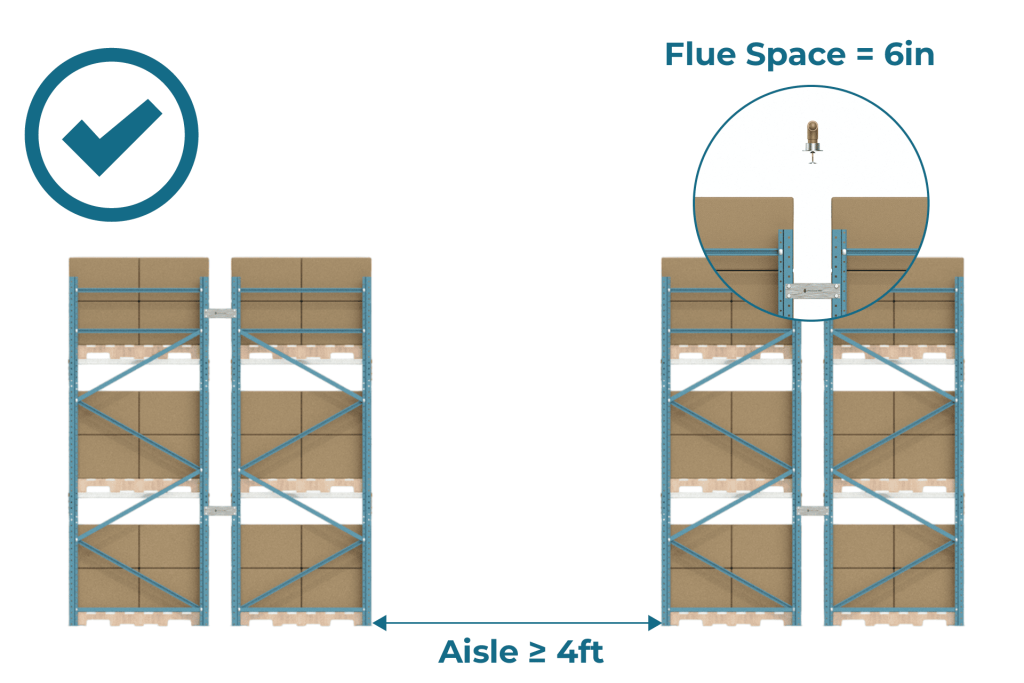
Fix: Keep side-to-side flue spaces at least 6 in. wide, spaced no more than 5 ft apart. Deep racks (over 20 ft) may need in-rack sprinklers⁴. Aisles must stay at least 4 ft wide. Mark gaps and aisles, and train your crew to keep them clear.
Ignoring Smoke and Heat Vents
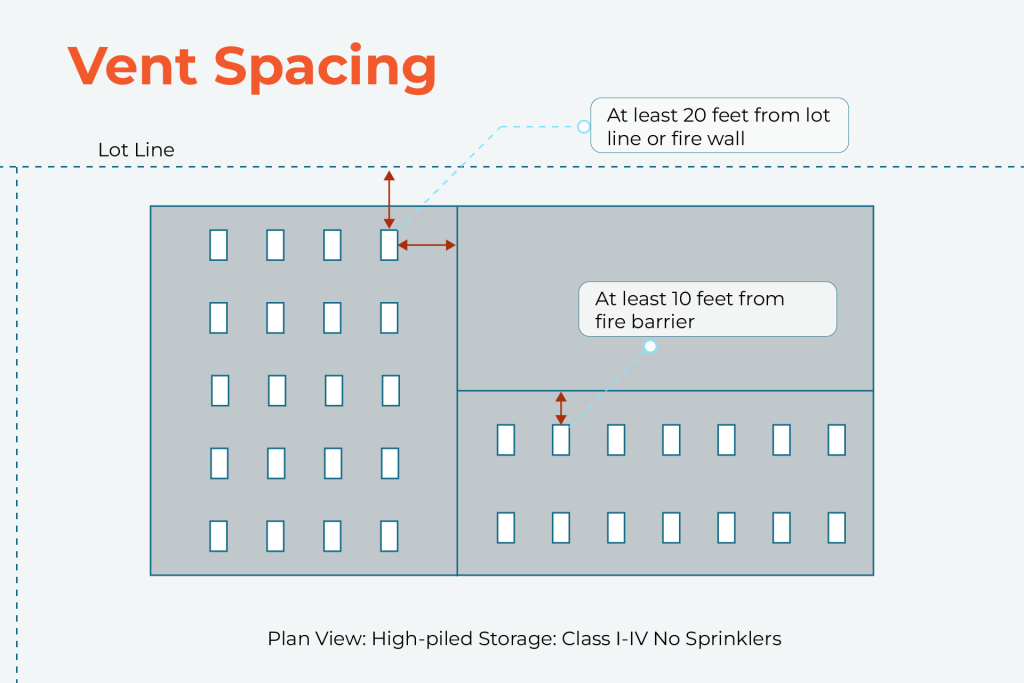
Smoke and heat vents (SHVs) clear smoke so firefighters can see and sprinklers can work. If they’re not installed or maintained, you’ll fail inspections and risk lives in a fire.
Fix: Install vents with 360°F fusible links in sprinklered buildings⁵. Test them yearly, log results, and keep records onsite.
Stacking Too High or Piling Empty Pallets
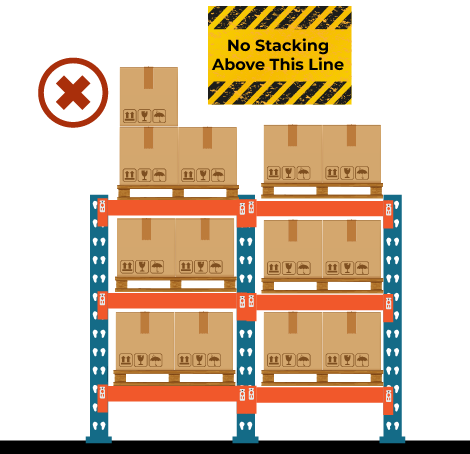
Storing above your approved height (e.g., 20–40 ft⁶, depending on your goods) or stacking empty pallets over 6–8 ft creates a fire hazard and fails inspections.
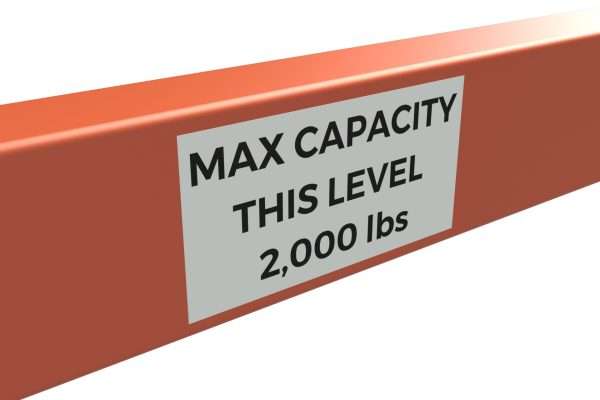
Fix: Mark maximum storage heights on racks and enforce them daily. Keep empty pallets low and separate. Check your local fire code for exact limits.
Swapping Stock Without Approval
Switch from metal parts to plastic foam and suddenly your sprinklers aren’t enough. High Hazard goods need denser coverage than Class I.
Fix: Call your fire marshal before changing stock. Update your permit and sprinkler design if needed. It’s a quick call to avoid big trouble.
Skipping Inspections or Walkthroughs
Little things sink inspections—missing exit signs, old sprinkler tags, blocked aisles.
Fix: Do monthly checks. Walk the floor, log issues, fix them before the fire department shows up.
Quick Tip: Don’t wait for an inspector to find the problem. Call us now at 503-640-5666—we’ll catch issues before they cost you.
Could This Slow Your Project?
Yes, if you don’t plan. Permit reviews or sprinkler changes can take 1-3 months, and cost $10– $20K depending on size. Plan ahead and your project keeps moving.
Avoid Costly Delays. Stay Inspection-Ready.
We’ll flag code issues fast—before they hold up your project.
Is Your Building Ready?
Here’s a checklist to cover the essentials:
- Verify commodity classification using IFC Table 3203.8.
- Confirm sprinkler system meets NFPA 13 standards for your commodity class and storage height.
- Ensure aisle widths comply with IFC requirements (typically 4–8 ft).
- Check building age and sprinkler maintenance records.
- Review local regulations (e.g., Fairfax County’s 500 sq. ft. threshold).
- Store high-hazard commodities below 6 ft if possible.
- Use clear signage for storage height and commodity class.
Not sure if your setup passes?
Check out our High-Piled Storage Questionnaire that we submit with the permit application.
Permit Denied? What Now?
If your permit is denied, here are your options:
- Fix It – Update sprinklers or vents. It takes time, but it solves the problem.
- Change Setup – Lower stacks or cut the area under 500 sq ft.
Fix it quickly to avoid costly delays.
Bottom Line: Don’t Let Stacking Mistakes Cost You Thousands
One wrong move—like misclassifying goods or skipping a permit detail—can delay your project for months and cost tens of thousands in fixes. Don’t risk it. Send your request to Speedrack West today or call 503-640-5666. We’ll review your setup fast—usually within 48 hours—and flag problems before they hit your wallet.


Do you have any questions or comments?
Be the first and post your question or comment