

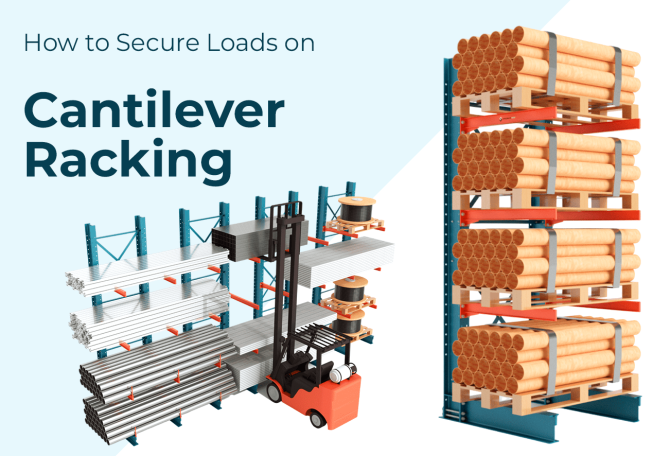

What is the difference between securing loads on cantilever racking and others?
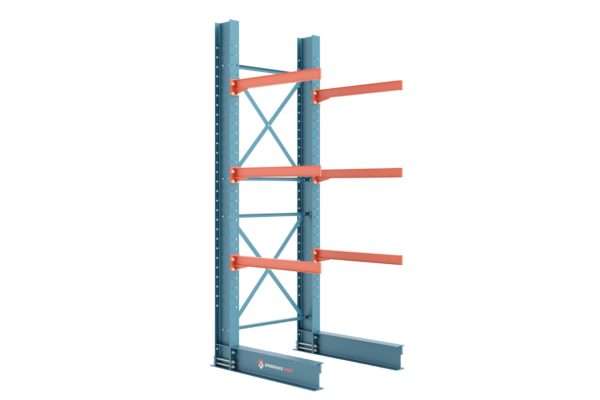
Of course, you know that cantilever racks are specialized storage systems designed for storing items that can’t easily fit on traditional pallet racks. They use horizontal arms to hold long materials, with no vertical obstructions on the front, making it easy to load and unload items like beams, pipes, and wood. Because of this, securing loads on cantilever racks and the right installation of racks is crucial.
Proper installation of the cantilever rack system is essential, and it’s highly recommended to use an experienced contractor for setup. All components of the racking system must meet industry regulatory standards. In the U.S., various organizations provide guidelines for racking systems, including:
- American Institute of Steel Construction (AISC);
- American National Standards Institute (ANSI);
- American Society of Civil Engineers (ASCE);
- American Society for Testing and Materials (ASTM);
- American Welding Society (AWS);
- International Code Council (ICC);
- Rack Manufacturers Institute (RMI);
- Steel Deck Institute (SDI)
Now, let’s explore some best practices for securing loads and getting the most out of your cantilever system.
Best Practices for Safe Loading on Cantilever Racks
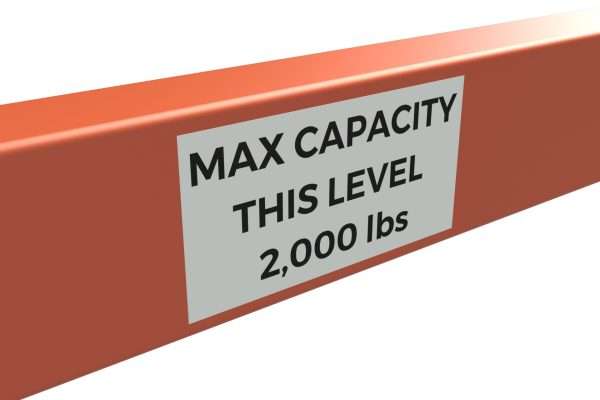
The cantilever arms, uprights, and base all have specific weight limits that need to be respected to prevent overloading and ensure the system’s stability.
1. Know the Capacity of Your Cantilever Rack
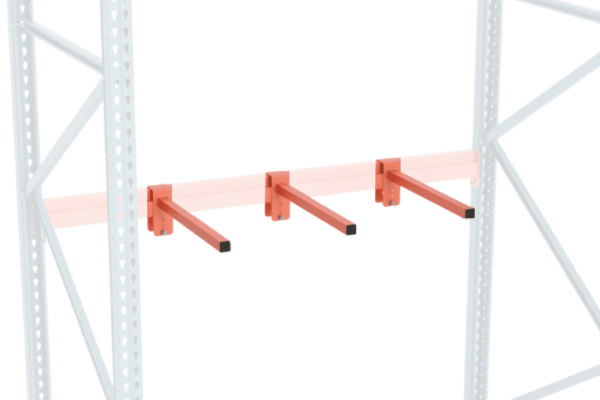
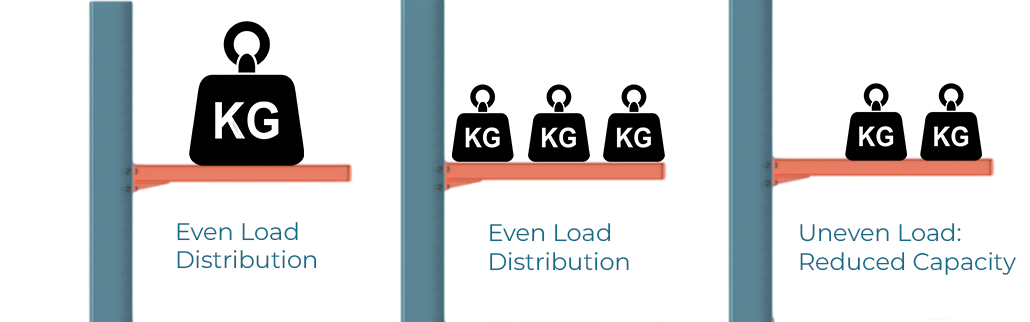
- Cantilever Arm Capacity: Each cantilever arm has a designated load limit, and it’s important to evenly distribute weight across all arms. Avoid uneven stress, as this can lead to deflection or even permanent damage to the arms. Ensure that the products are centered on the arms and do not exceed the arm’s edge. Read more in our special guide on cantilever arms.
- Roof Arms: If your cantilever system includes roof arms, these should rest securely on top of the rack columns and be designed to withstand environmental forces like wind, rain, and snow. Roof arms typically have a slight negative incline to allow for proper drainage, and they are usually longer than the standard rack arms, extending at least six inches past the columns. Structural bolts are used to securely fasten the rack arms and roof arms to the rack columns, ensuring stability and strength.
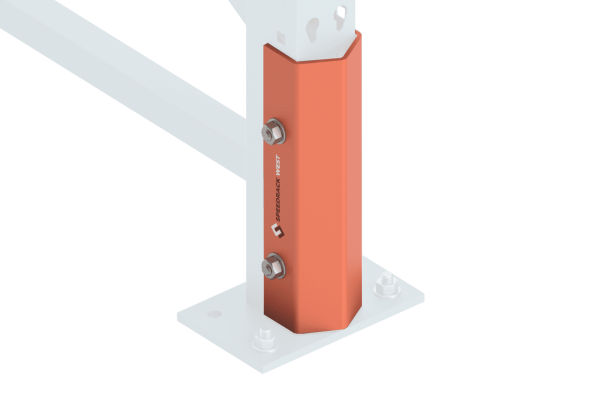
- Properly anchor your racks: Make sure to use wedge anchors or bolts to firmly secure the entire rack to the floor. The rack columns, which are the vertical supports for both the arms and roof of the rack, transfer the load’s weight down to the base and into the anchoring slab. Each column should have two flanges that are pre-punched for bolting to the rack base at the bottom.
- Heaviest loads go at the base: Always place the heaviest loads on the bottom or base of the rack to keep the center of gravity low.
2. Use the Right Number of Cantilever Arms
Determining the right number of arms is crucial for safe loading and unloading. If you’re storing longer items like steel or wood, use enough arms to prevent sagging. Cantilever racks are designed to store long materials, so add arms where needed.
- Load capacities: Check your rack manufacturer’s guide for the recommended number of arms based on the length and weight of your items.
- Cantilever rack components like braces and supports can help improve the overall strength of the system, reducing the risk of collapse.
3. Support the Load Properly
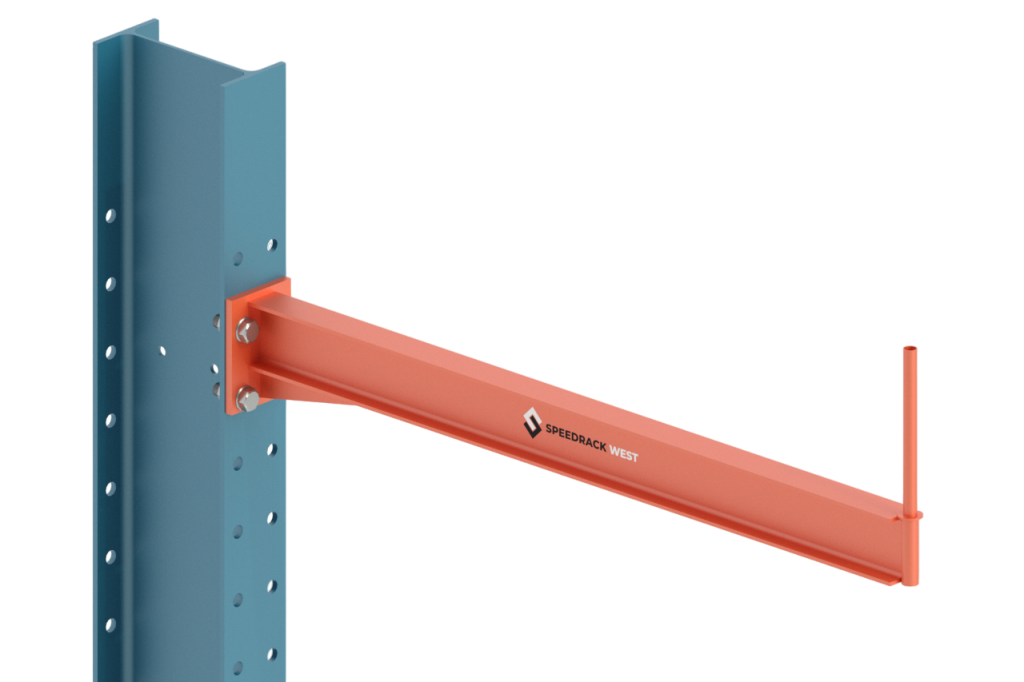
- Install stoppers to prevent products from slipping or rolling off the rack arms. There are three main types of arm stoppers available:
- A housing sleeve that bolts to the end of the rack arm, with a 1¼-inch square galvanized tube acting as a removable stopper.
- A welded plate at the end of the arm that forms a raised lip above the arm’s surface.
- A structural angle welded across the top flange of the arm for added security.
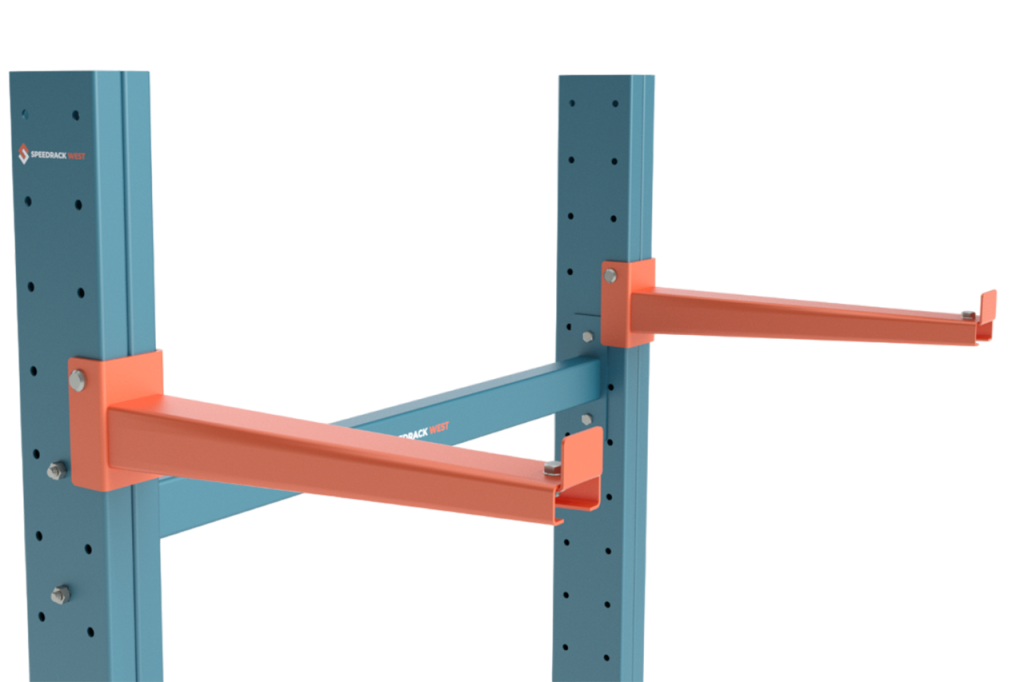
- Make sure each item is placed across a minimum of two uprights and supported by enough arms to maintain balance. Deflection should not be present if the load is properly distributed.
4. Forklift Safety While Loading and Unloading
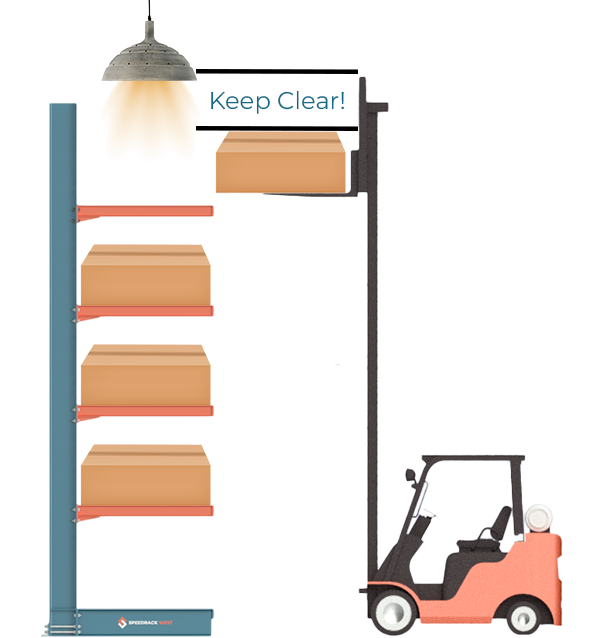
Sufficient space between the cantilevers must be provided for safe use of the loader for handling loads.
- Train your workers loading without causing damage: Approach the rack slowly and ensure the load is properly positioned before setting it on the arms. Be careful not to hit or bump the uprights, as this could weaken the structure over time.
- Remove loads carefully: When unloading, make sure the material handling is smooth to avoid sudden shifts that could topple other items on the rack.
5. Safety Considerations for Cantilever Racks
To ensure long-term rack safety, follow these guidelines:
- Regular maintenance: Inspect your cantilever system regularly to check for deflection, damage, or loose components. Over time, even small issues can lead to big problems.
- Rack safety standards: Always adhere to industry standards, such as RMI’s (Rack Manufacturers Institute) guidelines, which outline best practices for cantilever rack safety.
- Installation location: Make sure the installation location of your cantilever rack is on a solid, level surface. Proper installation improves overall safety and ensures the rack can handle its full capacity.
- If you’re ever unsure about the right cantilever system or need help determining load capacities, give us a call at 503-640-5666. We’ll guide you through the process and make sure you have the right equipment for your needs.
Need Help? Give Us a Call!
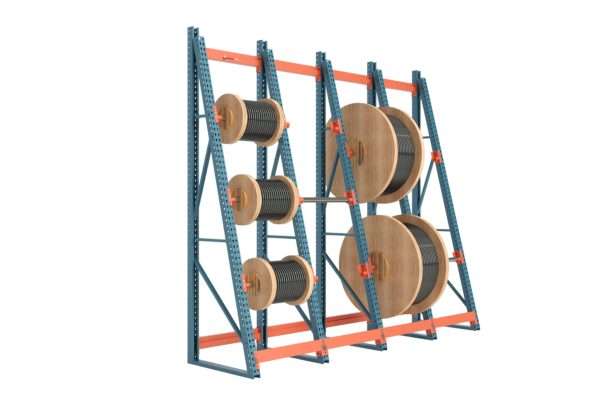
Cantilever racks are incredibly versatile and can handle heavy loads and oversized materials with ease. They can even be adapted to store pallets or heavy reels by simply adding decking to the arms. This makes them a flexible option for various warehouse storage systems.
If you’re not sure where to start with your cantilever rack system and need more guidance, take a look at this article. If you need personalized advice on choosing the right cantilever system, give us a call at 503-640-5666. Our team of experts is here to help you improve the efficiency and safety of your warehouse.


Do you have any questions or comments?
Be the first and post your question or comment