
Choosing the right rack system for your applications
Choose racks depending on your application. Let’s show you what companies are guided by when choosing a racking system.
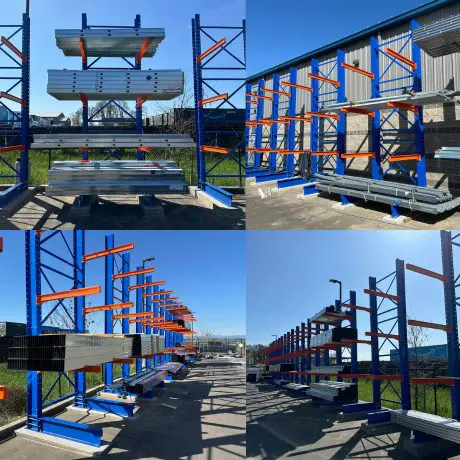
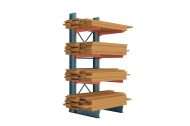
The first case is one of our valuable clients, GTS Interior Supply. The company is one of the largest distributors in the U.S. of drywall products, steel framing, insulation, acoustic ceilings, etc. Their aim was to slash costs and time for handling operations and provide safe storage by utilizing appropriate racking systems. So they ordered cantilever racks because of some important points:
- accessibility for safe storage of non-standard and bulky items,
- fully customizable equipment that can be designed to fit virtually any type of load length,
- linear storage, so you won’t have to deal with vertical racks.
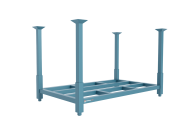
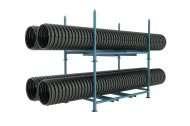
Our client, Consolidated Supply Company, did this. They ordered pipe bunks to store pipes, hoses, and other products. The key points of choice were:
- Efficient utilization of footprint and vertical space. Pipe racks can be stacked on top of each other.
- There are no installation or maintenance costs. These are the main advantages over cantilever racking. Pipe bunks’ design is modular and can be moved, added to, and stacked anywhere you need.
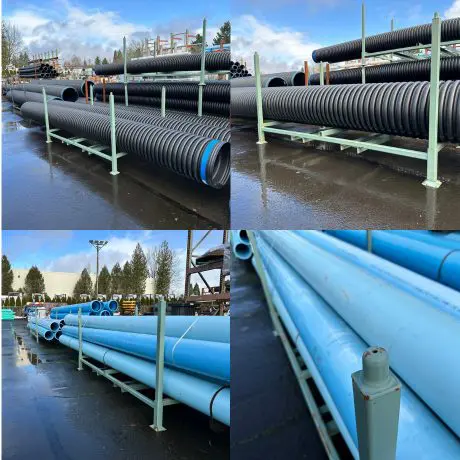
Indeed, the pipe bunks as well as the A-frame vertical storage racks with divided arms do not require a special installation team, you can do it yourself. Unlike pipe bunks, using the A-frame storage racks, you can store lengths of timber, aluminum, plastic, PVC piping, etc vertically.
However, there is a nuance. For instance, in the case of pipe bunks, we recommend putting up to 4,000 lbs and no more than 3 levels. Their dimensions can be deep – 4ft (or 48 inches), length – 8ft, 12 ft, 16ft, tall – 4ft of usable space. The weight, for instance, of a 48″ x 192″ pipe bunk is: base = 290 lbs.; 6 posts = 90 lbs. Just compare it to cantilevers: their columns can support loads ranging from 500 to nearly 60,000 pounds. The difference is significant, isn’t it?
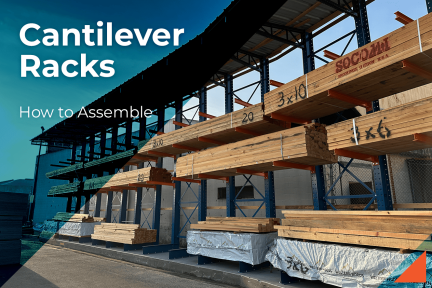
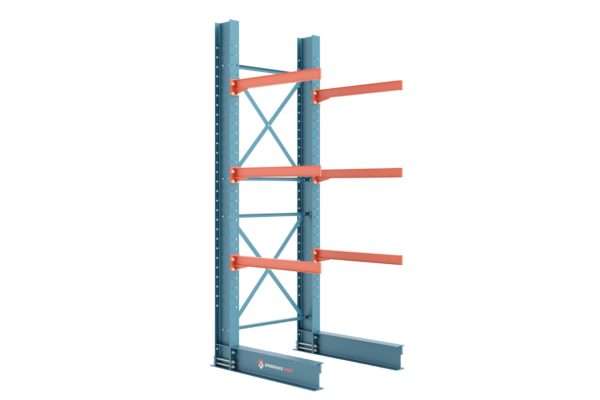
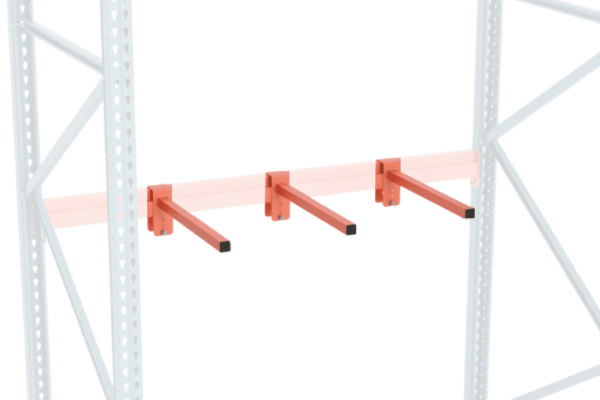
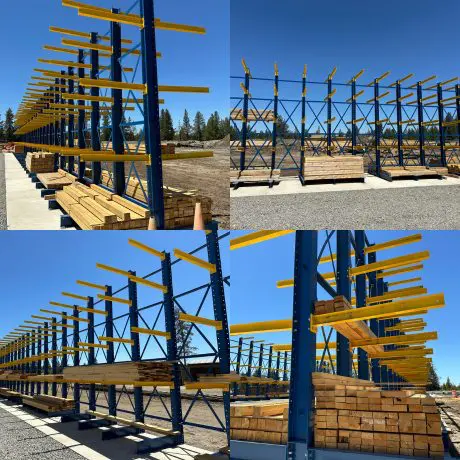
That’s why our client, Levi’s Sawmill Services, opted for structural cantilever racking for lumber storage. They were designed to be single and double-sided for 4 arms per column with a maximum seismic uniform armload of 1500 LBS per arm. Because of this, the company has increased storage capacity by a linear foot and now easily loads and unloads tiers with a forklift.
You can use different shelving units to store long, shaped items. Still, if you choose cantilever racks, it will be helpful to know their pros and cons.
Cantilever storage racks: advantages and disadvantages
Cantilever material racks offer numerous advantages, but they also come with some disadvantages that should be considered.
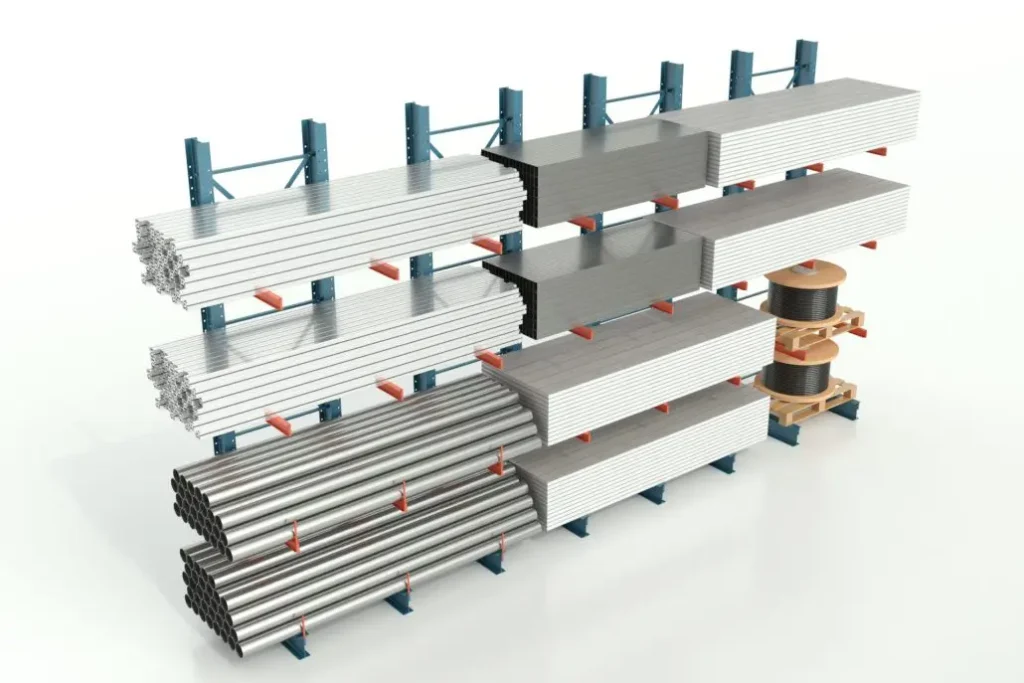
One of the key benefits is their ability to safely store oddly shaped and bulky items. These racks are fully customizable, allowing you to design them to fit virtually any load length you need. For example, if you have pipes or lumber of varying lengths, different sections of the racking system can be customized to accommodate each specific length.
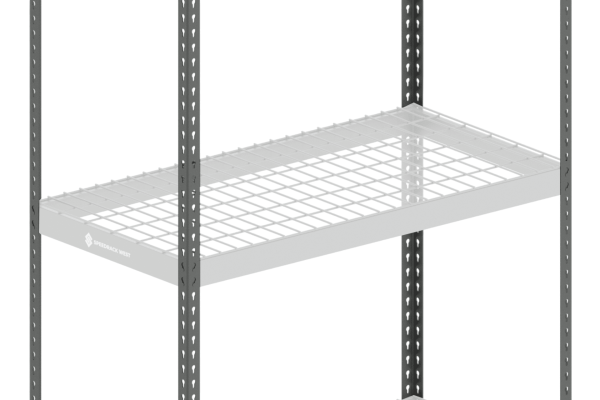
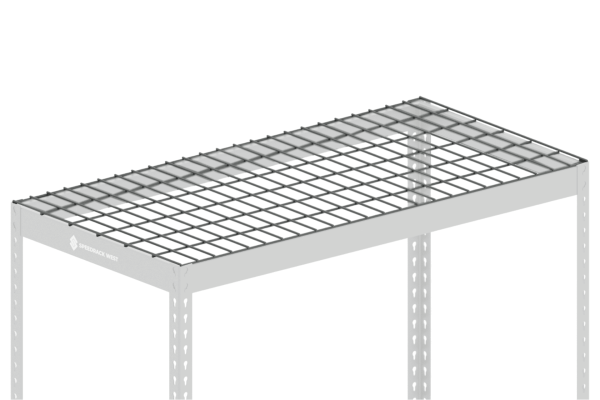
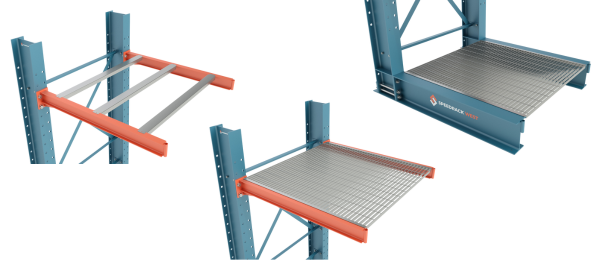
To utilize cantilever racking more flexibly, you can add decking. These can be planks, grids, or mesh floors.
One more advantage: you can place them inside and outside, single-sided racks along the warehouse walls, and double-sided ones anywhere you need them.
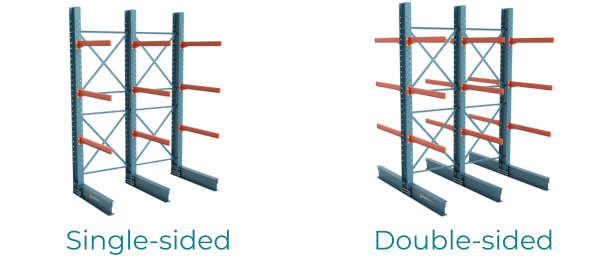
The major benefit of cantilever systems is their open, linear storage. Unlike traditional shelving units, you won’t have to deal with vertical uprights that can get in the way. This makes loading and unloading operations easier.
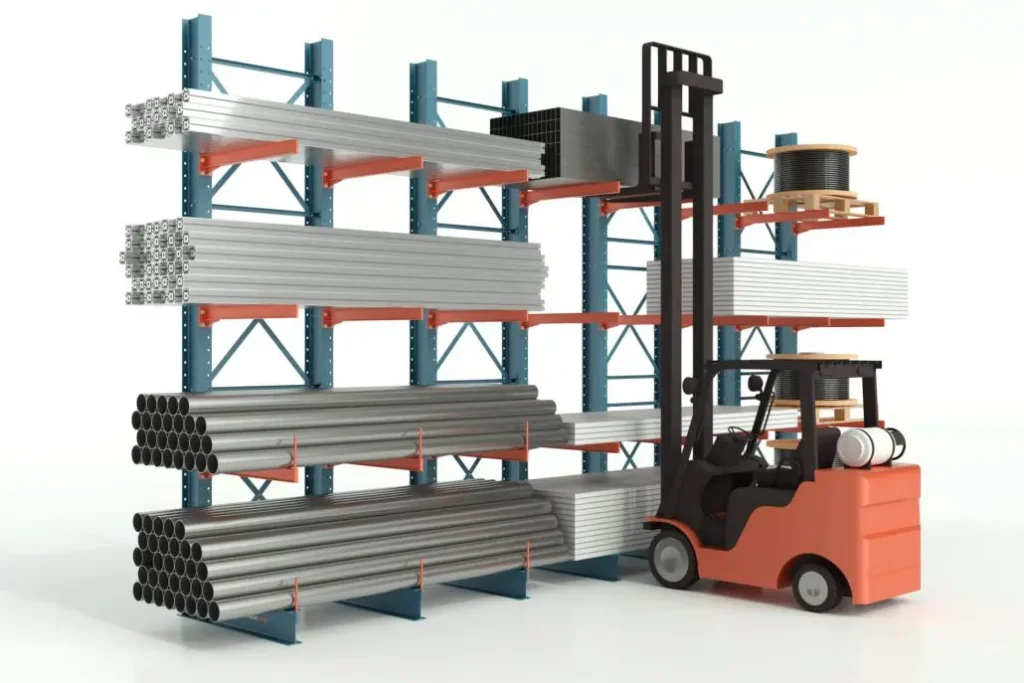
Additionally, cantilever racks are known for their impressive load capacity: 500—up to 3,000 pounds per arm, and in some cases, even more. Based on weight capacity, they come in four types: Super Heavy Duty, Heavy Duty, Standard Duty, Medium Duty, and Light Duty. We always advise calling us at 503-640-5666 so we can help you define the right capacity for your load!
However, cantilever racks also have some drawbacks. One of the main disadvantages is specialized installation and having a professional team. You cannot do it yourself. Customizing these racks to meet specific needs can be more expensive than conventional pallet racking systems, as well as the installation and maintenance costs, especially if frequent adjustments or repairs are required.
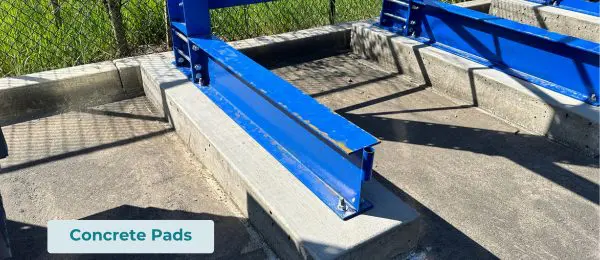
Another downside is the potential for instability if it is not properly loaded or installed. They should be installed on a flat surface, usually concrete. Since cantilever racks rely on arms extending from a single column, uneven loading can cause the system to become unbalanced, increasing the risk of tipping or collapse, especially under heavy loads.
So, what should you know before mounting cantilever shelving units? Here is our complete guide to choosing the right cantilever storage racks. Contact us now to order a cantilever racking system, or if you have any questions before you order, we will cover them!
Products, discussed in the article


Was this helpful?