


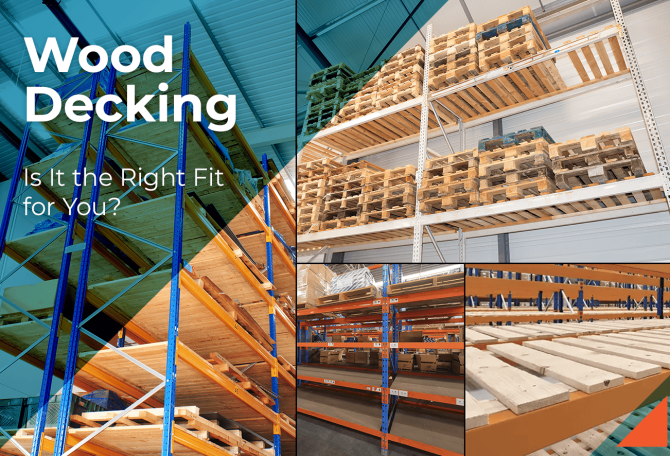

Wood Decking: Common Uses
The Advantages of Wood Decks are Obvious when:
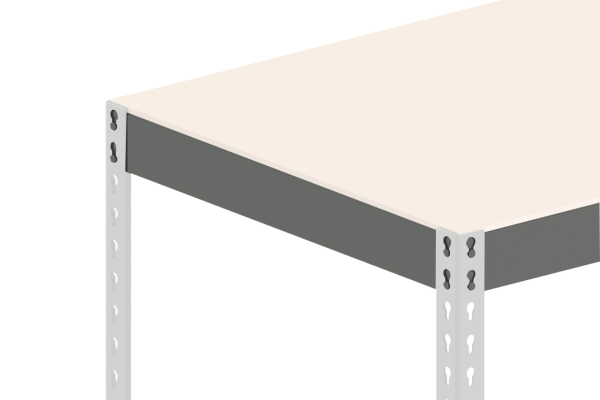
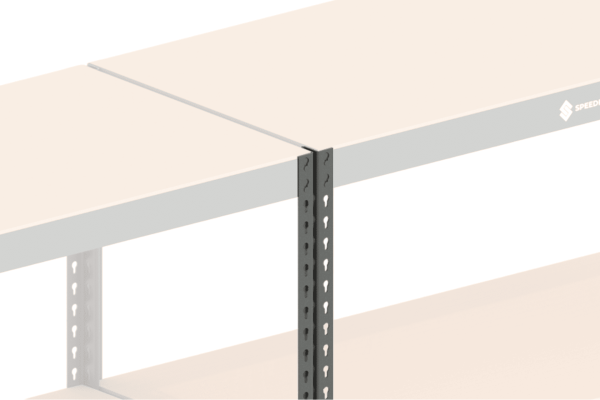
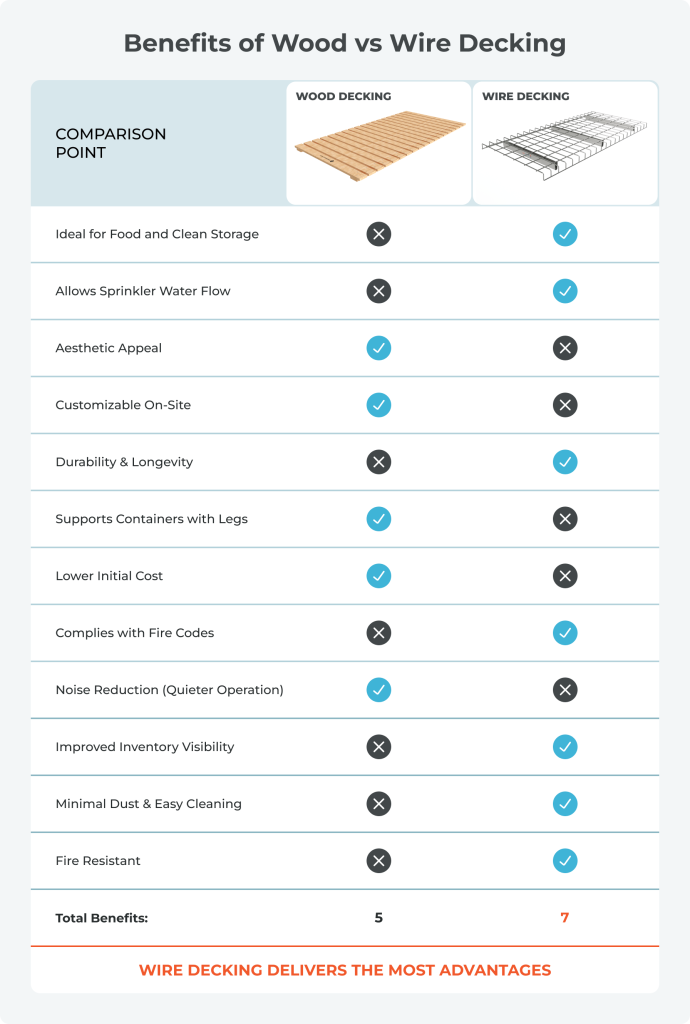
- You have a tight budget. It is your choice. Wood decking is usually cheaper than metal decking.
- You use storage containers with protruding legs. Using such one, you need to have a level surface. Wooden decking is a great option since it provides solid support for these point loads, preventing damage to both the decking and stored items.
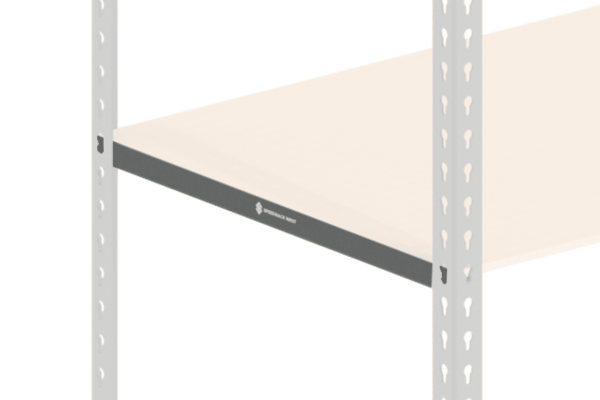
- You need to order quickly, set up, and expand the range of use after some time. Wooden planks can be made to fit specific rack systems, so they can be used for a wider range of storage needs.
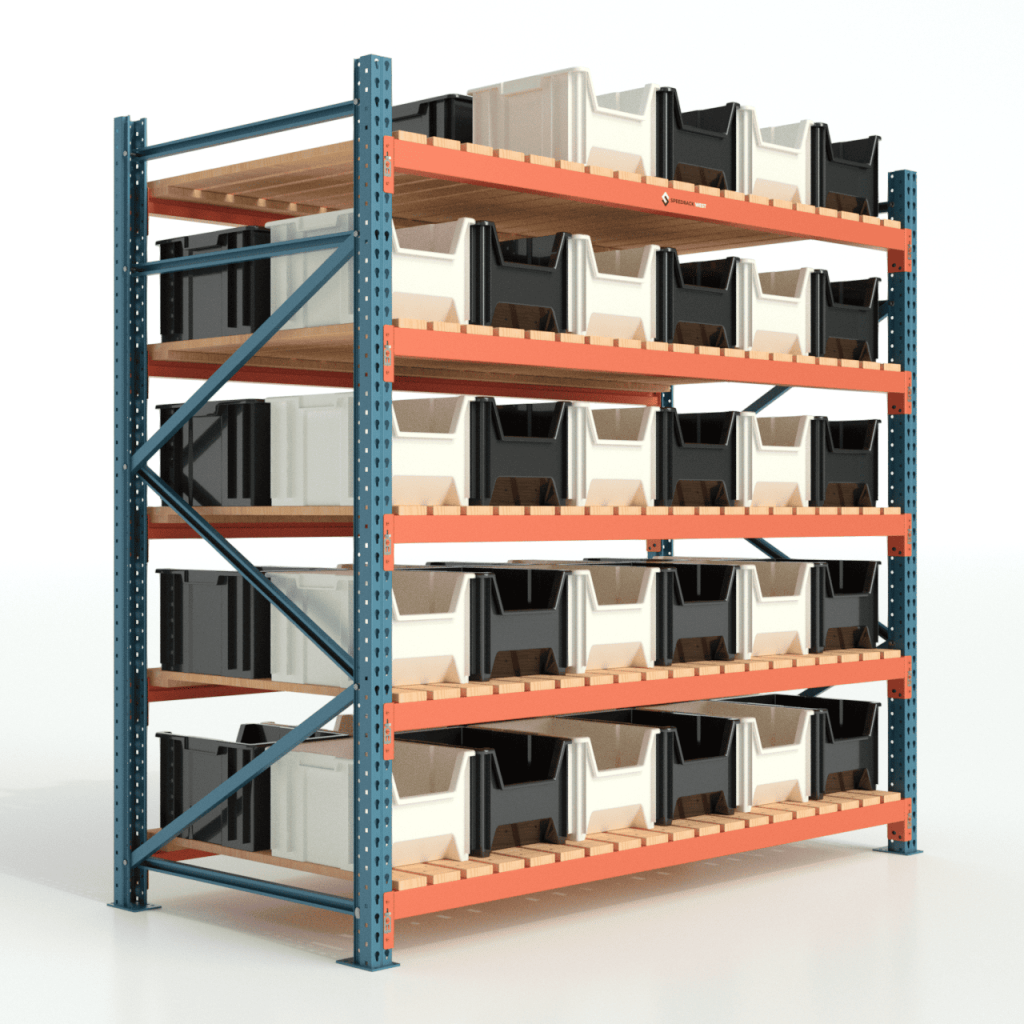
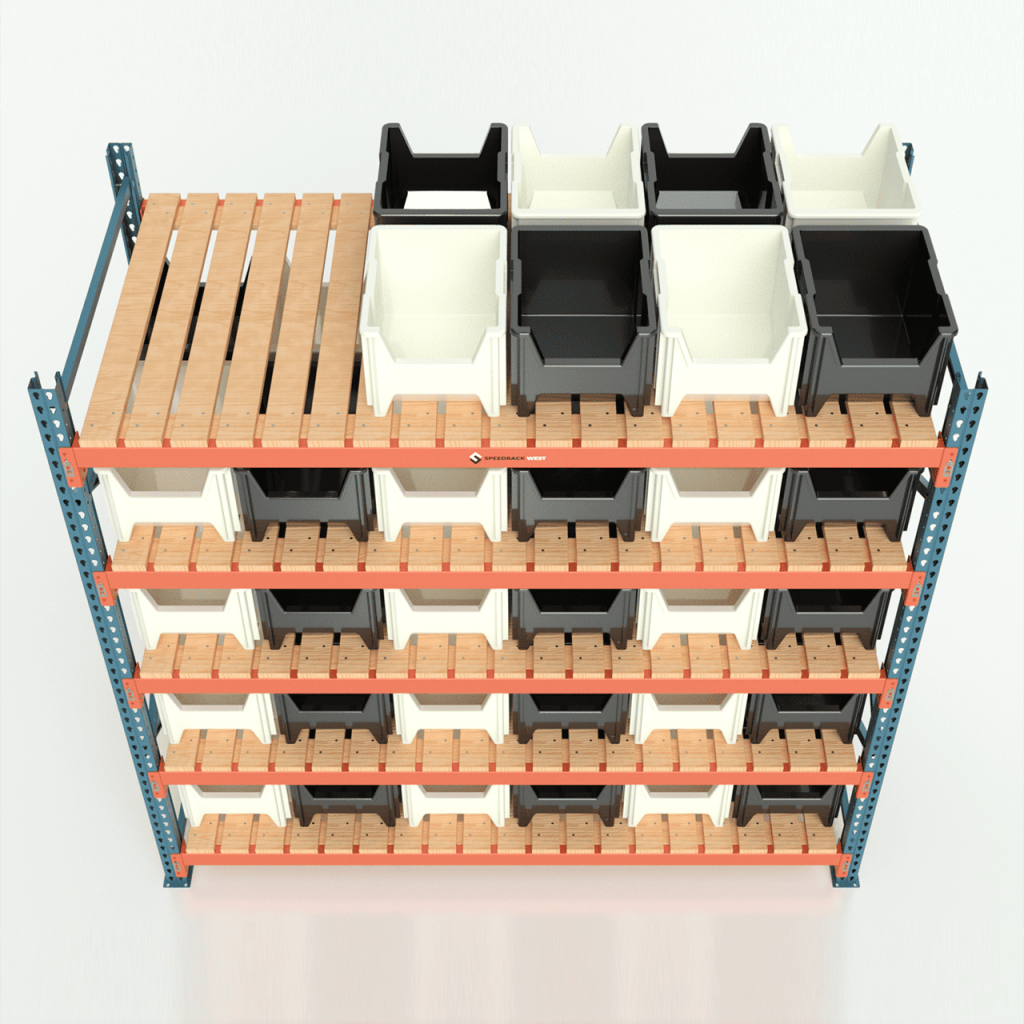
Wood Decking
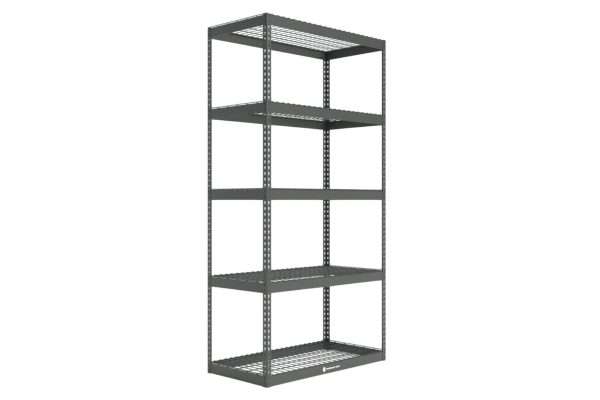
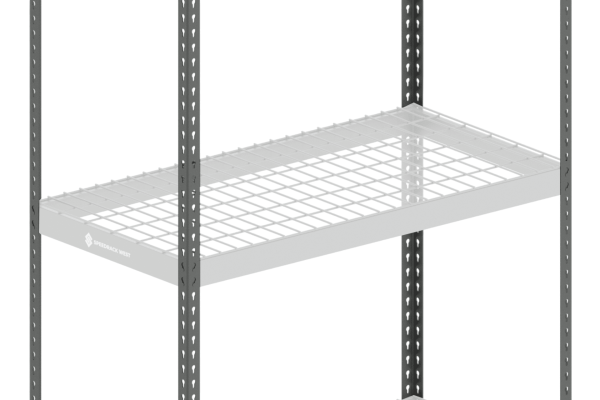
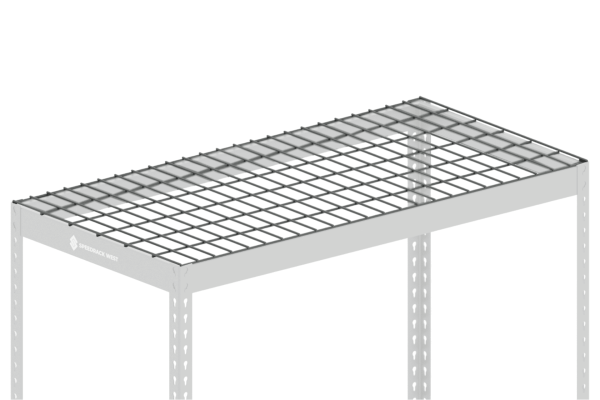
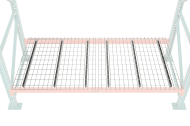
Wire Mesh Decking: Set of Advantages
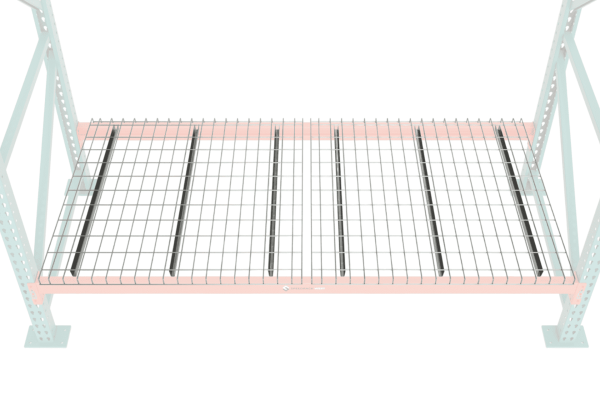
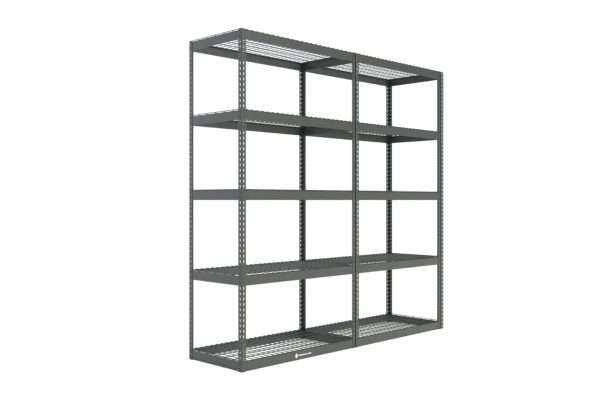
Wire mesh decking has become popular thanks to several key factors:
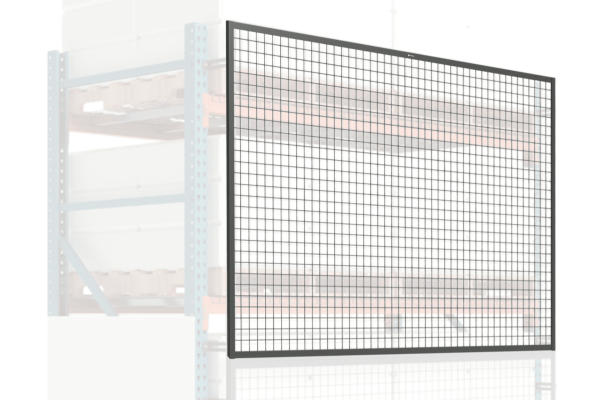
- Mesh decks resist warping, cracking, or splintering. This makes them optimal for heavy-duty storage.
- Wire mesh decking has gained popularity largely due to its compliance with regulations and local fire code standards. Its non-combustible nature and ability to enhance sprinkler coverage during a fire make wire mesh decking a preferred choice, meeting key safety standards set by OSHA and the National Fire Protection Association (NFPA). Many jurisdictions are increasingly requiring wire decks to meet fire code standards.
- The open structure minimizes dust buildup and makes cleaning easier. Nowadays, wire mesh decking is the default choice in many warehouses. Pallet rack wire decking increases the safety and versatility of your pallet rack system by allowing you to store more than just standard pallets. Bins, boxes, and other products are commonly stored on wire decking.
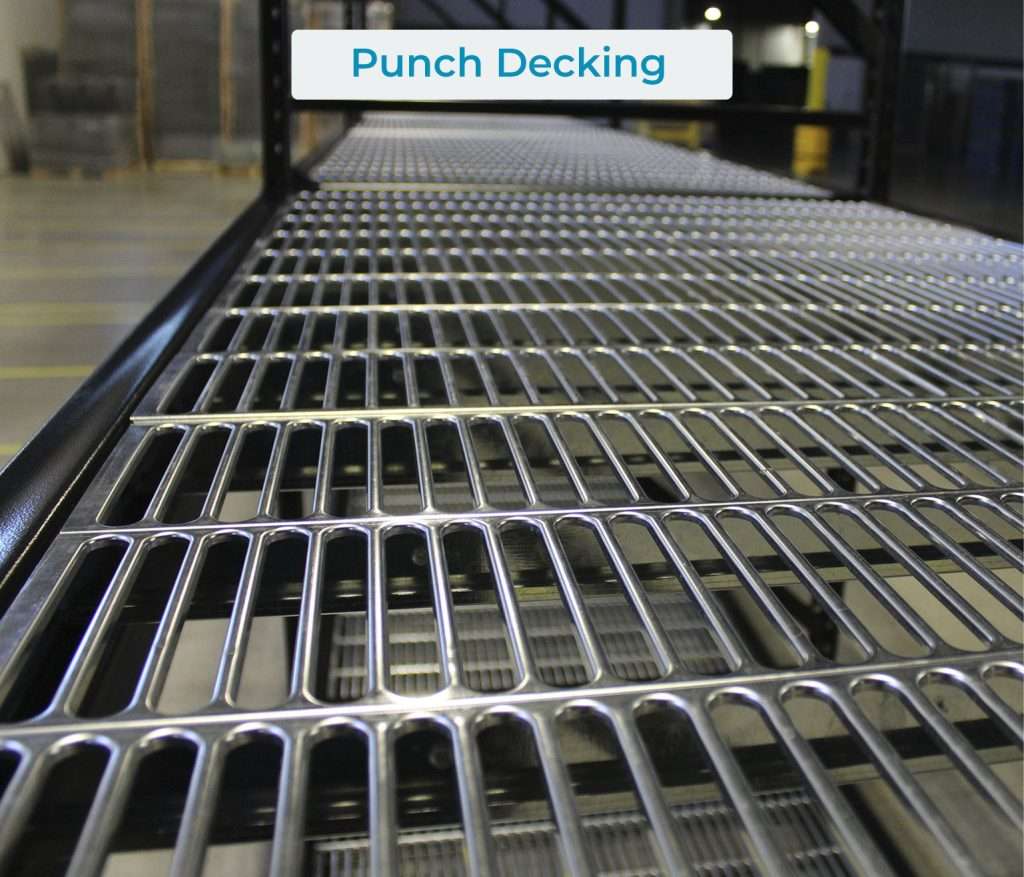
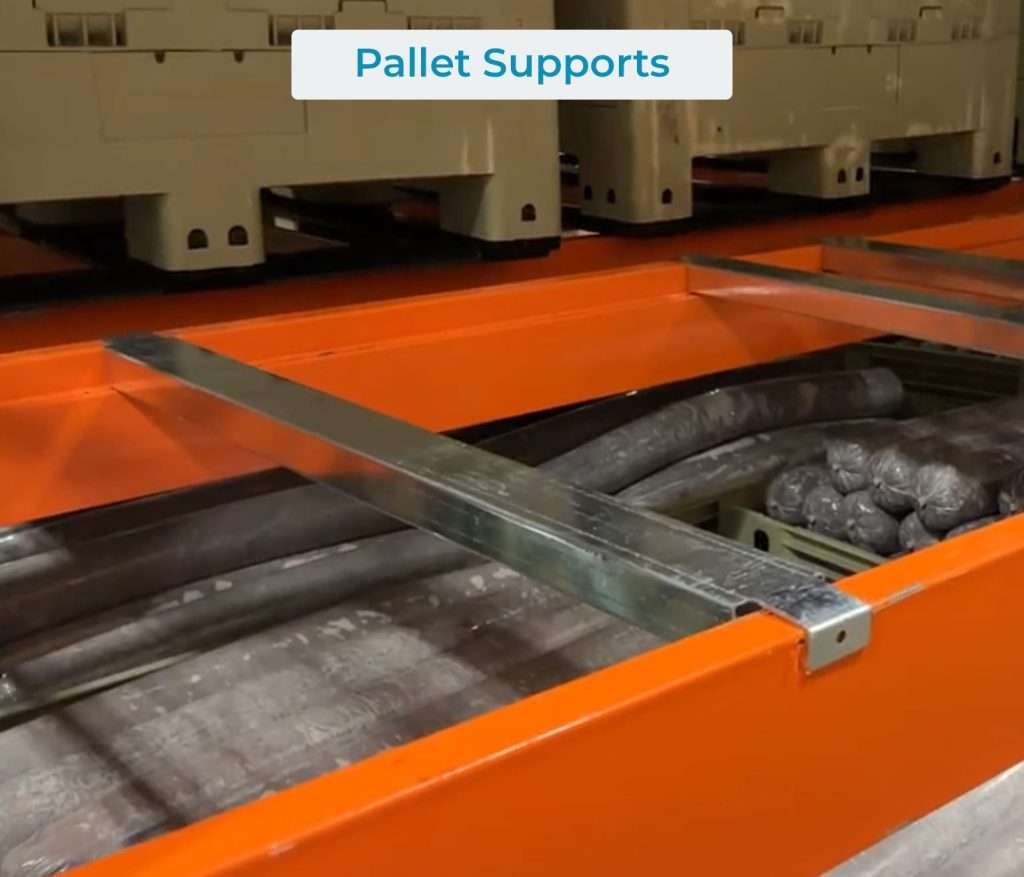
- There are options to choose from: solid steel decking, punched deck, or just pallet supports.
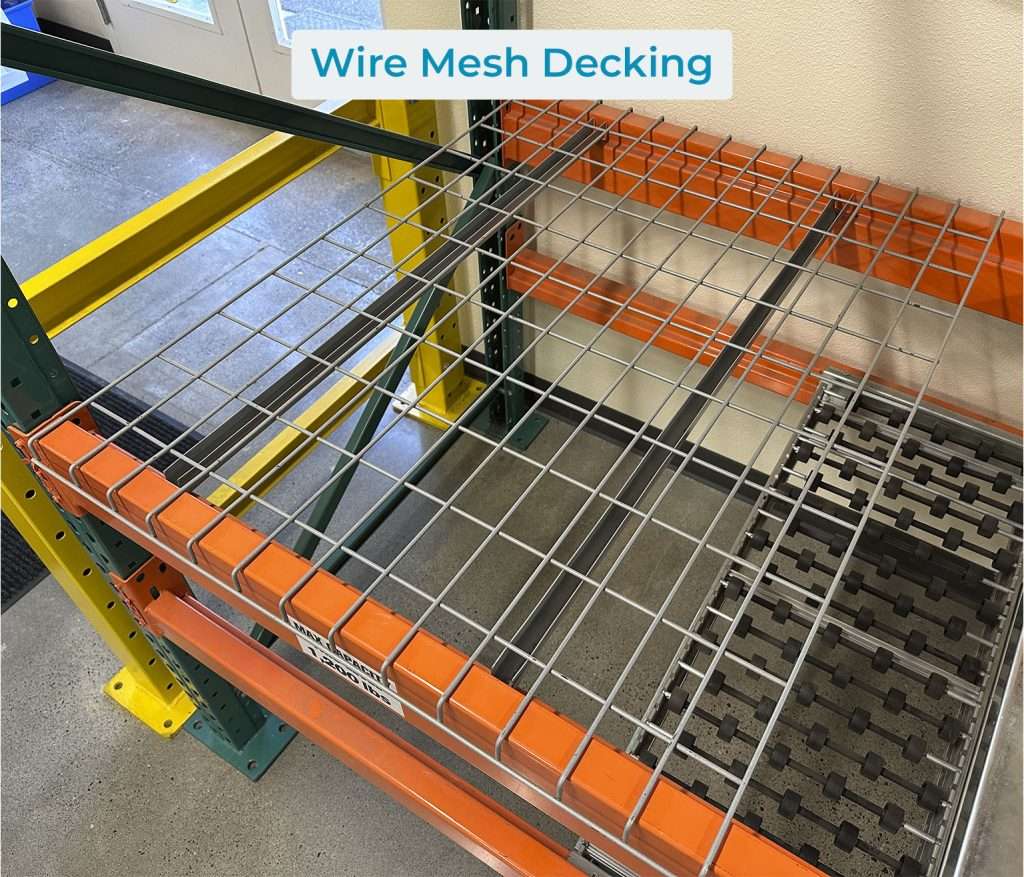
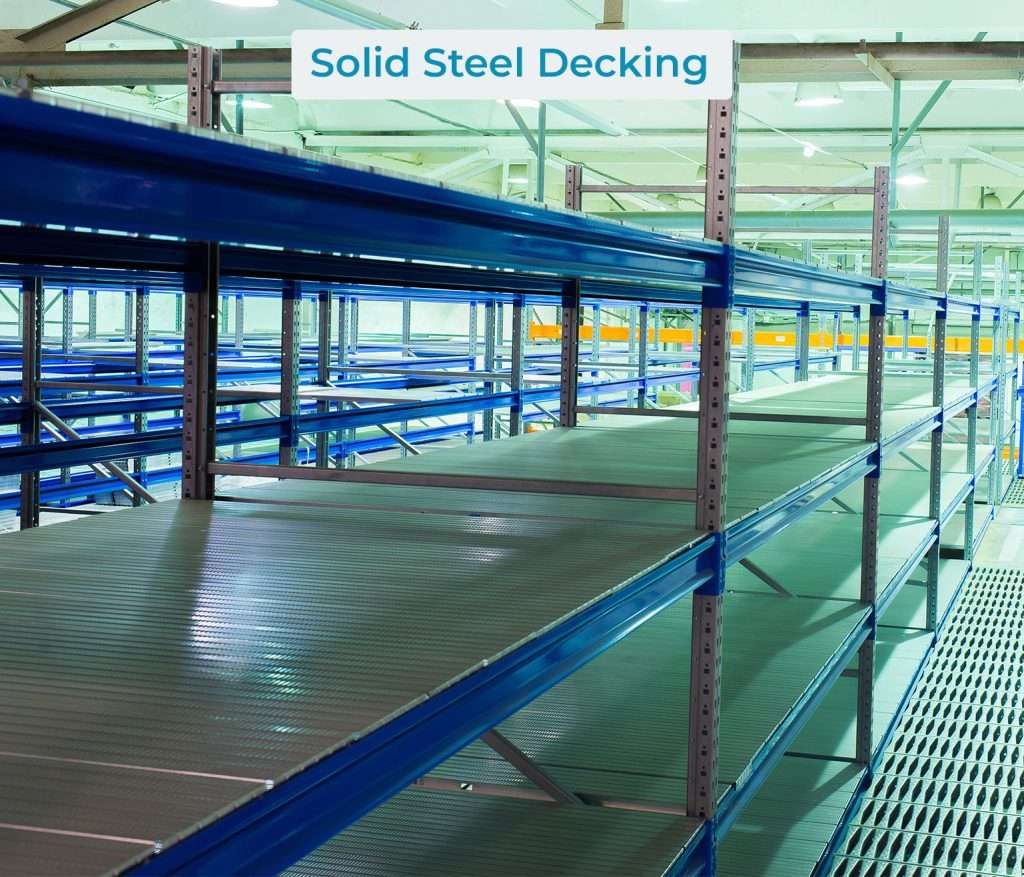
Regulatory Standards and Safety Tips
Every storage facility, and company must follow strict regulations and standards. Failure to do so can lead to unsafe situations and heavy fines. You have to make sure that your workers, loads, and your racks are safe.
OSHA 1910.176(b) requires management to take all necessary steps to protect workers, verify that decking meets OSHA’s recommendations for load limits, and conduct regular inspections.
To verify that your decking has the correct load limits and has been manufactured under the regulations, you should be guided by other standards. One of them is ANSI MH26.2-2023: Design, Fabrication, Testing, and Use of Welded Wire Mesh Decking.
According to it:
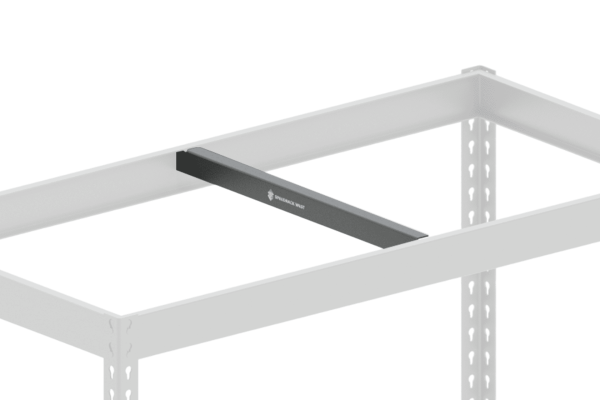
“Storage rack decking is placed on beams of industrial steel storage racks to create a surface on which to place materials that can be on pallets, in containers, or in some other form. This standard applies to uniformly loaded storage rack decking applications, as well as various concentrated and partially distributed loading conditions common to storage rack applications. Storage rack decking can be fabricated from welded-wire mesh with permanently attached reinforcements, metal bar grating, composite engineered wood, corrugated metal, perforated sheet metal, or other materials that meet the performance requirements for use in storage racks.”
Why we are talking mostly about wire mesh decking right now? In 2002, the National Fire Protection Agency (NFPA) revised its standards to require rack shelves larger than 20 square feet to be of “materials more than 50% open” or to have an in-rack sprinkler system. So, to meet these NFPA pallet storage safety requirements, open mesh decks are a suitable option. They allow free airflow, which can help prevent heat buildup and reduce the risk of fire.
Worried about fire codes? Use wire decking.
As you can see in this case, wood decking is not the best option because of the high fire risk. But if you must use wood decking specifically, provide adequate coverage for your warehouse sprinkler system and avoid storing flammable materials directly on wood surfaces.
Real-World Applications
Wood decking is a practical option for retail backrooms, or for environments where shelving may require on-site modifications. It works well for temporary storage needs.
Wire mesh decking is typically preferred in large warehouses or distribution centers where fire safety and airflow are critical. Its design enhances visibility for picking and packing operations while also promoting better hygiene, making it ideal for food storage applications. Additionally, it is commonly required in facilities with strict fire code regulations.
The best decking choice depends on your warehouse needs. If fire safety and hygiene are top priorities—such as in food storage—wire mesh decking is the better option. If aesthetics or visibility is more important, wooden decking may be a suitable alternative.
How We Created This Content
This article was developed with storage experts. We analyzed customer feedback for a balanced and informed perspective. Special thanks to Ron Comus, Mechanical Designer and Process Engineer at Speedrack West with over 15 years of experience.
Connect with Speedrack West today, or call us at 503-640-5666 to determine which decking solution is right for your business needs!






Do you have any questions or comments?
Be the first and post your question or comment