



Inventory management: Optimizing storage capacity
Let’s start with some simple logic. You can increase your income by cutting expenses, increasing sales, or raising the price.
If raising prices risks losing customers, it’s not the best way to boost revenue. Increasing sales depends on your distribution network, logistics, and, of course, the willingness of your sales managers to fight for every customer. Here, we have a lot of variables that are not under our control.
Expenses are factors we can track, calculate, and reduce strategically. Which costs should we cut?
Each company needs to analyze these costs based on its specific situation. It could be staff cost items, storage, delivery, or other cost items. Each of which takes quite a bit to accomplish but doesn’t produce the expected results. Sometimes that’s okay, implementation takes time. This mainly concerns dynamic processes such as launching new sales or the like. When it comes to static processes like storage, it’s important to analyze whether you’ve achieved the intended results or are just continuing to invest without progress. If it’s the latter, let’s consider what we can do to improve.
Achieve Storage Efficiency with the Right Warehousing Racking
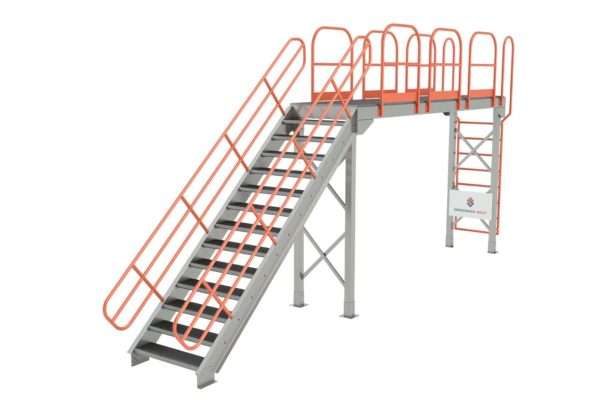
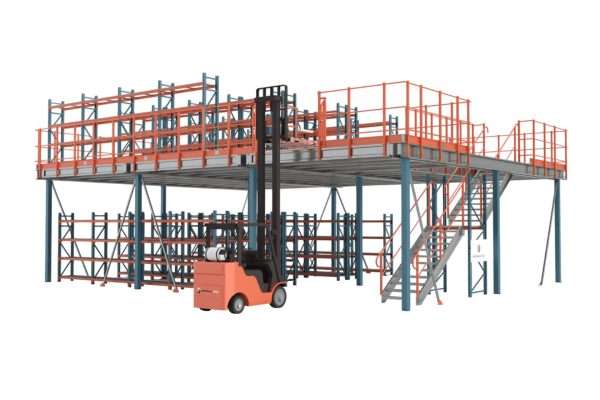
You can juggle two parameters: volume and area. By elevating your products, you are properly utilizing the volume and gaining extra square footage:
- Storing more products
- Placing other equipment that can speed and simplify the operations with added value-
- Potentially renting out extra meters.
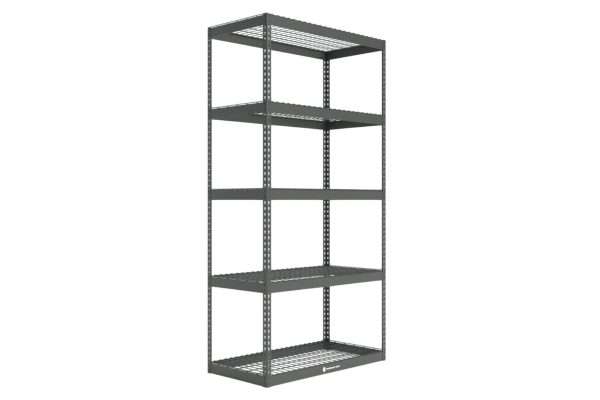
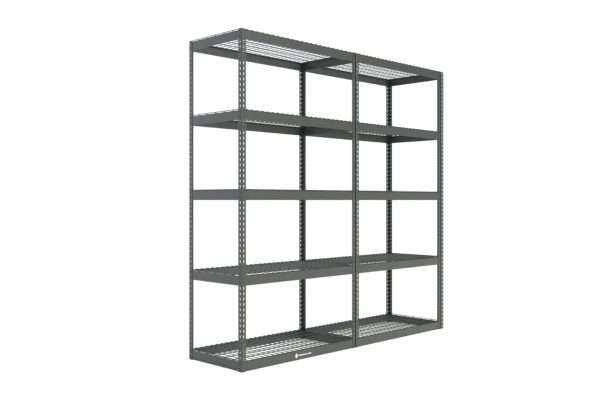
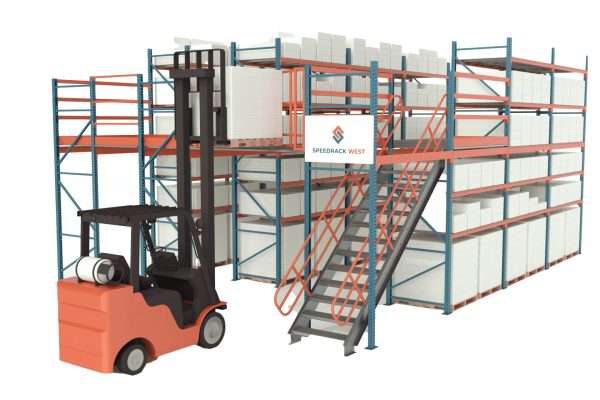
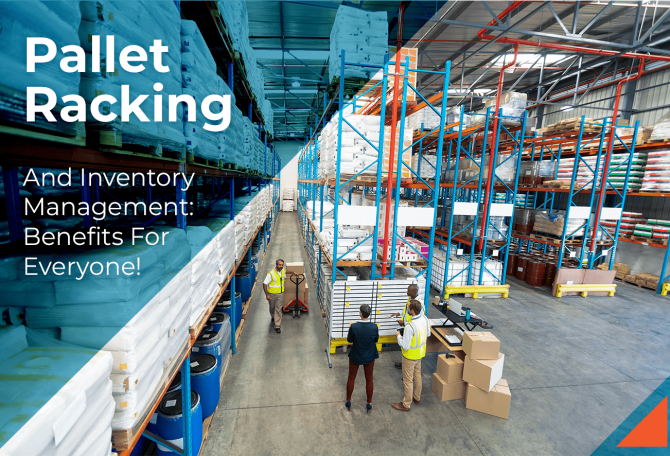
To make better use of space, implement a pallet racking system. Selecting the right pallet racking system can improve efficiency, cut operational costs, and enhance inventory control. Whether the goal is to increase storage capacity, streamline inventory management, or meet specific operational needs, a well-designed racking system is essential for a warehouse to run smoothly.
Types of Pallet Racking Systems
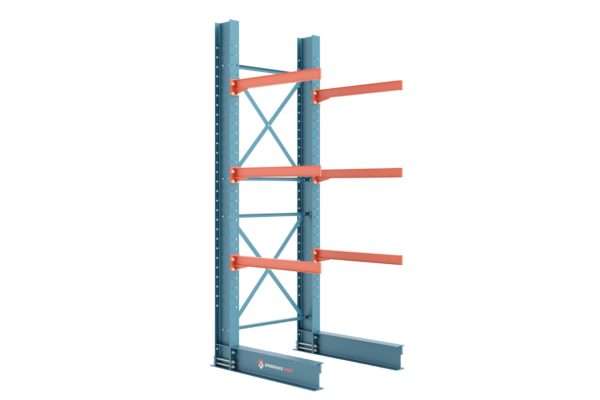
Choosing the right pallet racking system starts with understanding your warehouse’s specific needs. Different racking types are available, such as selective pallet racking, drive-in racking, and push-back racking, each with unique benefits depending on your warehouse’s layout, product variety, and material handling requirements. Getting it right will always depend on the balance between storage efficiency, availability, and stock movement. Here are some of the most common types of pallet racking:
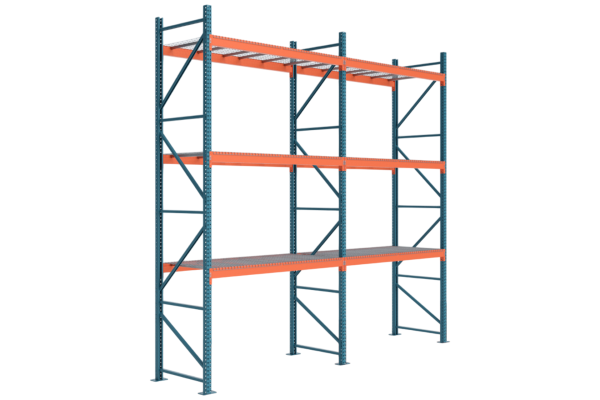
Selective Pallet Racks: The Go-To Standard
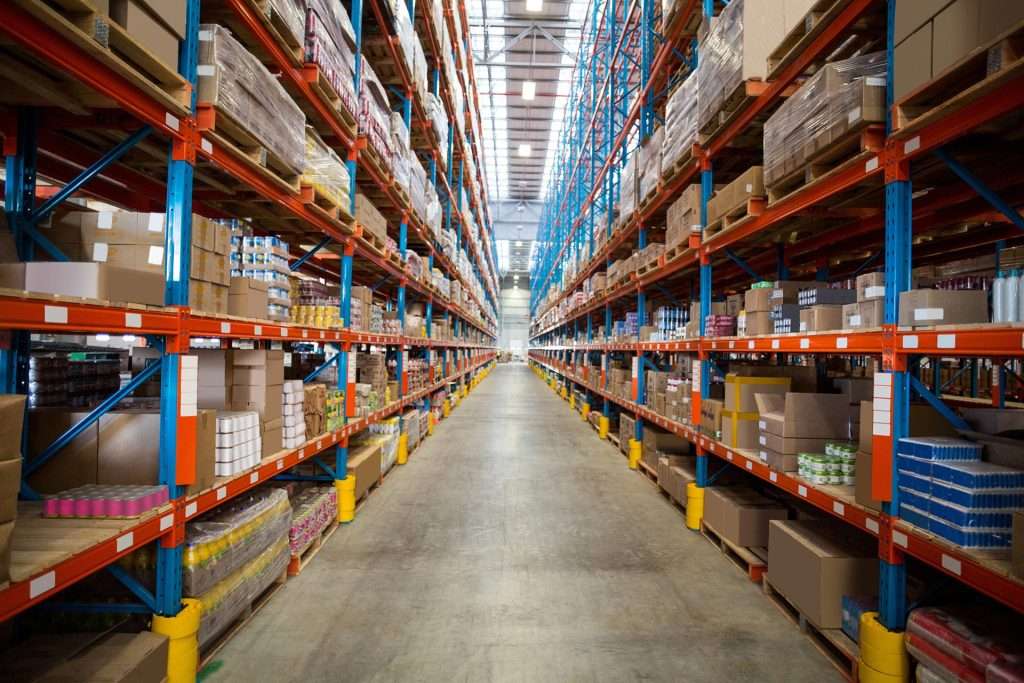
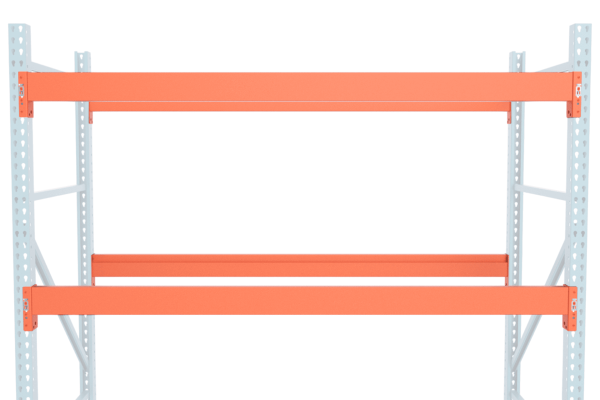
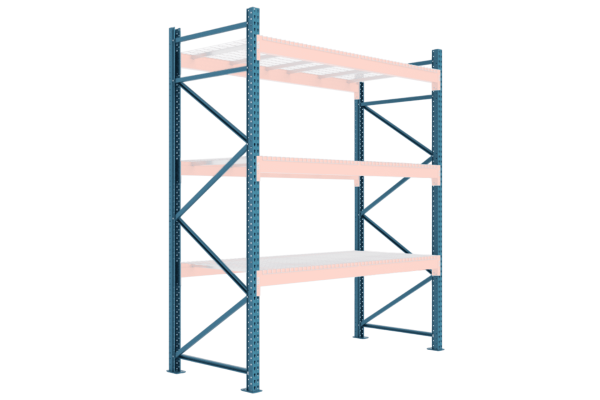
Selective Pallet Racking is one of the most widely used systems. Selective pallet racking typically occupies 45-55% of your total storage space, depending on aisle width. This system is perfect when you need quick, easy access to any pallet at any time. Ideal if you’re picking from the lower levels often or handling various SKUs. But if you’re tight on space and require more efficiency, you might want to check out systems like Push-Back Racking, Double-Deep Racking, and Shuttle or Gravity Pallet Racking for higher density. Each has its pluses.
Drive-In Racking: Deep Storage
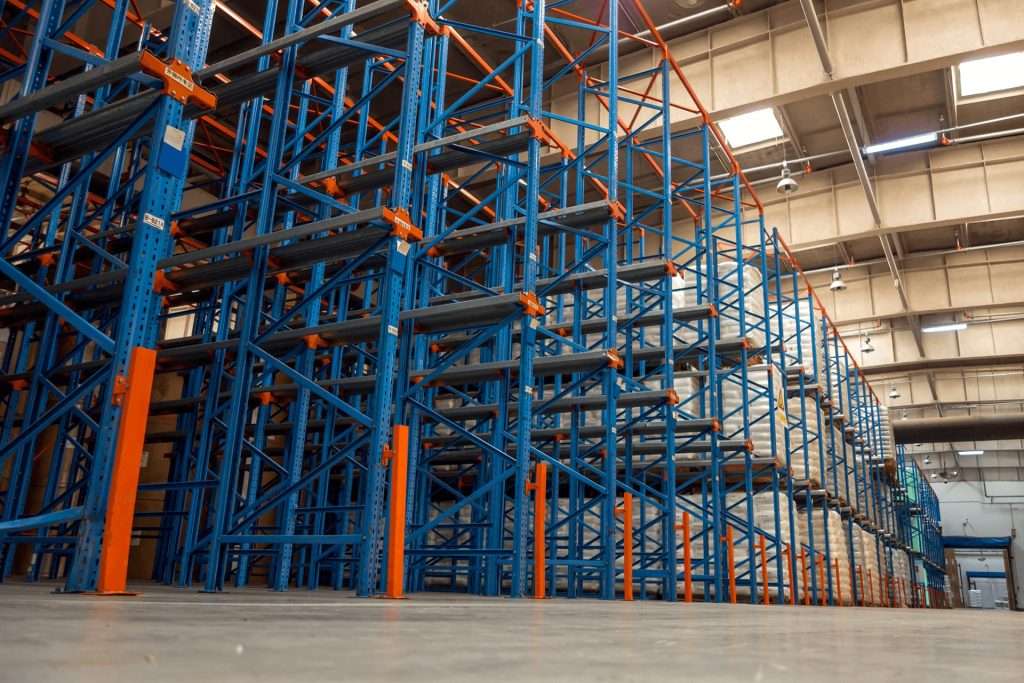
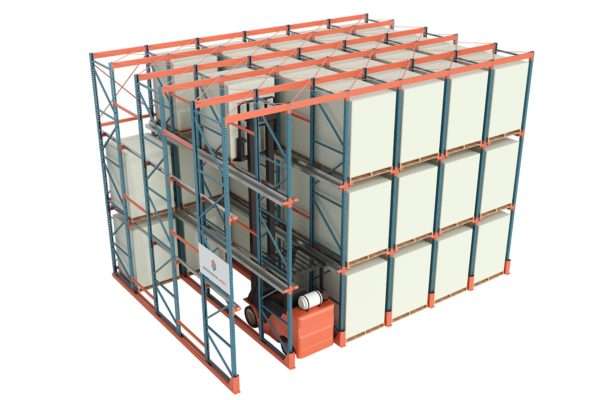
For a system that supports both FIFO (First In, First Out) and LIFO, Drive-In Racking is a strong choice. It’s great if you don’t need to mix different SKUs in the same lane. With depths up to 12 pallets and heights of 6–7 pallets, you’re looking at 70-80% storage efficiency. This system allows forklifts to drive directly into the racks, which requires skilled operators due to the tight spaces.
Push-Back Racking: When You Need Density
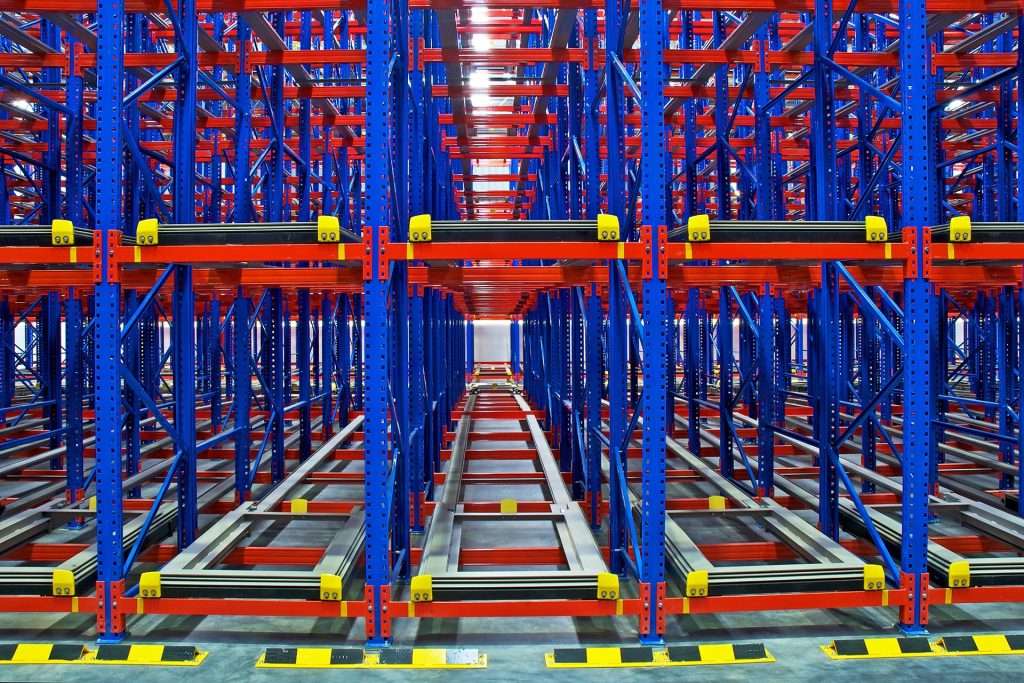
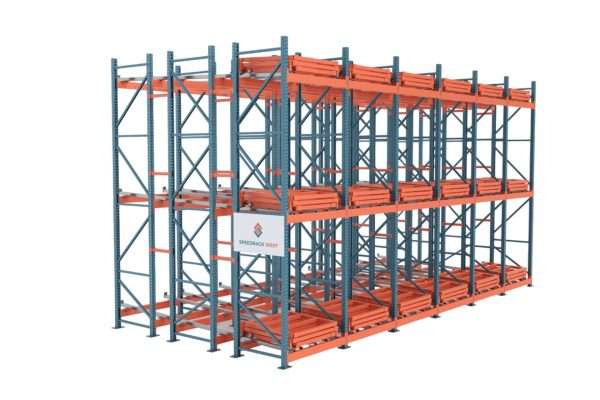
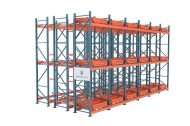
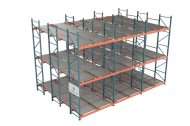
If you’re dealing with a lot of the same product (more pallets per SKU) and want to squeeze in as much as possible, Push-Back Racking is your friend. Storage density here runs around 60-70%. Note this system is all about LIFO (Last In, First Out), so it’s great if you’re storing full pallets but not ideal for frequent picking. Push-back racking uses a sloped design, allowing pallets to be loaded from the front and naturally slide back as new pallets are added. It allows multiple pallets to be stored deep while providing relatively good access to inventory.
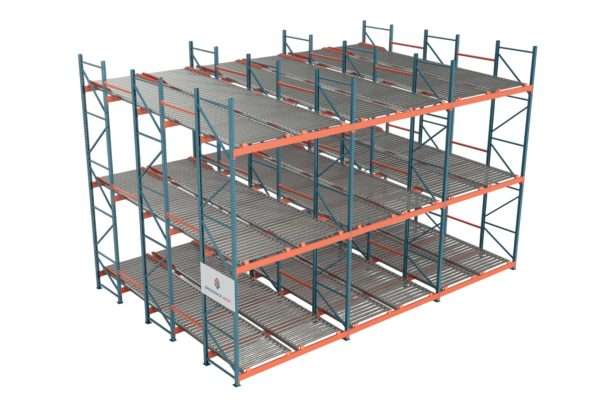
Gravity Racks: Minimal Effort, Maximum Efficiency
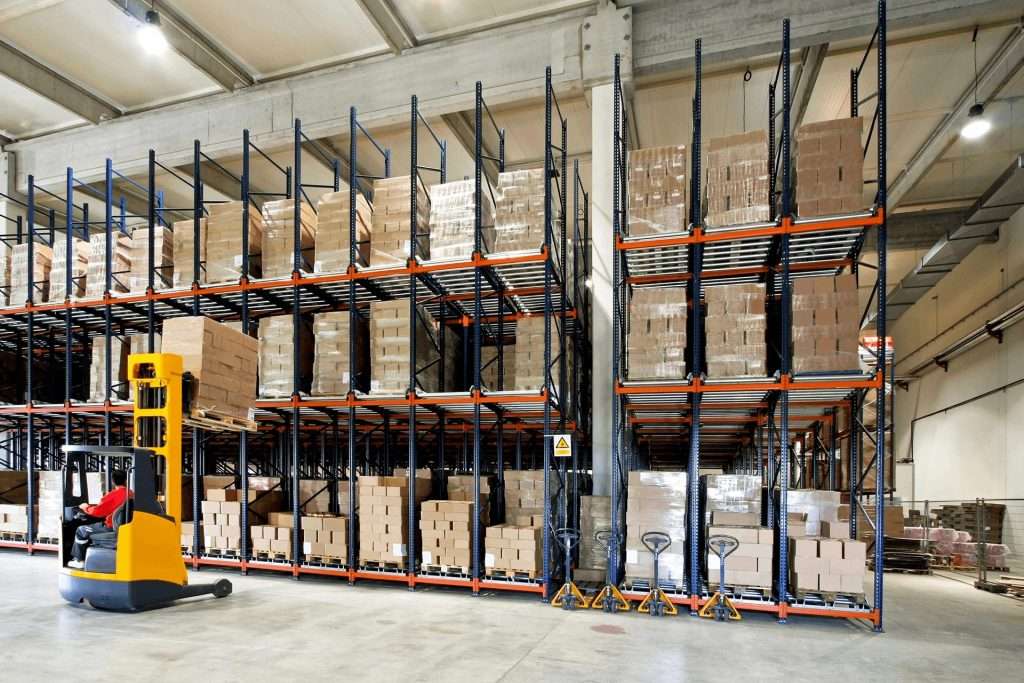
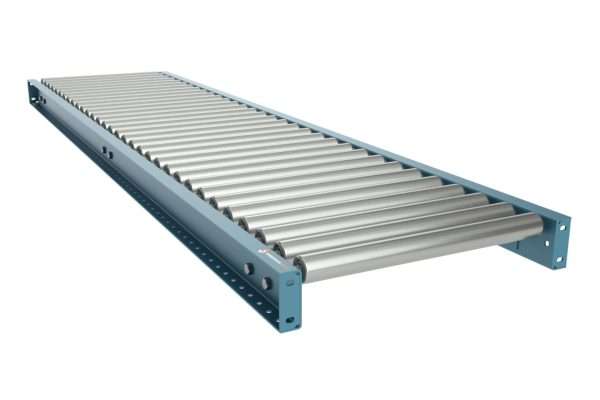
Gravity Flow Racks are all about making life easy. You get up to 85% storage utilization with only one forklift needed. The racks use a slight angle (about 4 degrees) to let gravity do the work for you, so pallets move down the line with minimal handling. Gravity racks can operate using both FIFO and LIFO systems, depending on the design and channel depth.
Shuttle Racks: Automated and Efficient
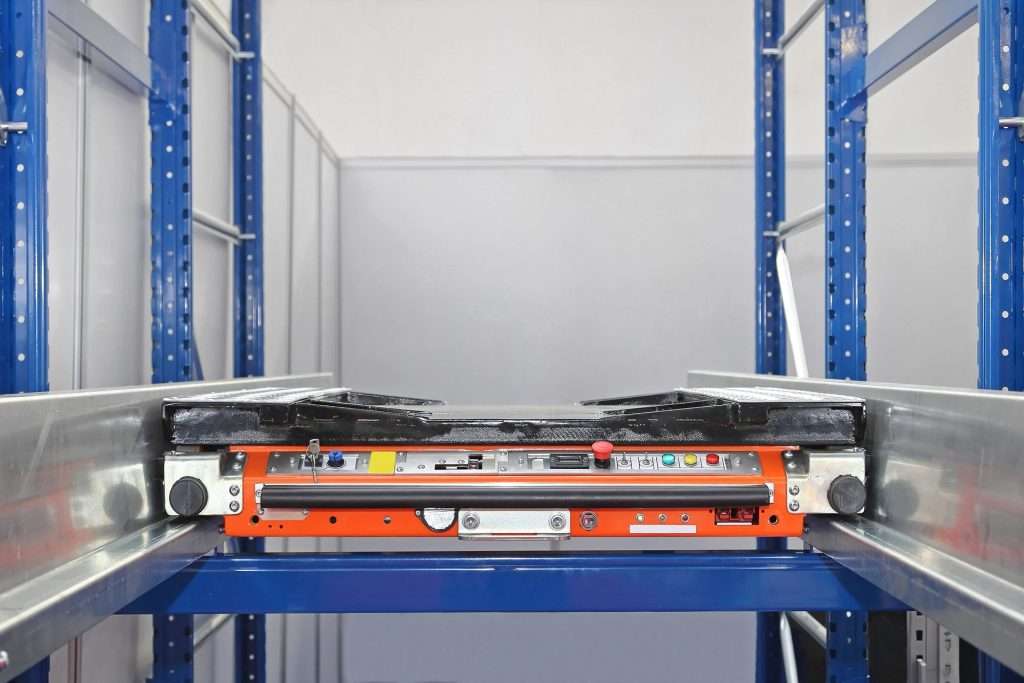
For a high-tech solution, Shuttle Racks brings automation into the mix. A special electric unit (the “shuttle”) moves pallets inside the racks while the operator can start on the next task. This system saves time and boosts storage efficiency up to 80%. Shuttle racks can handle long channels and work with both FIFO and LIFO inventory methods, offering maximum flexibility.
Mobile Racking: Flexible & Compact
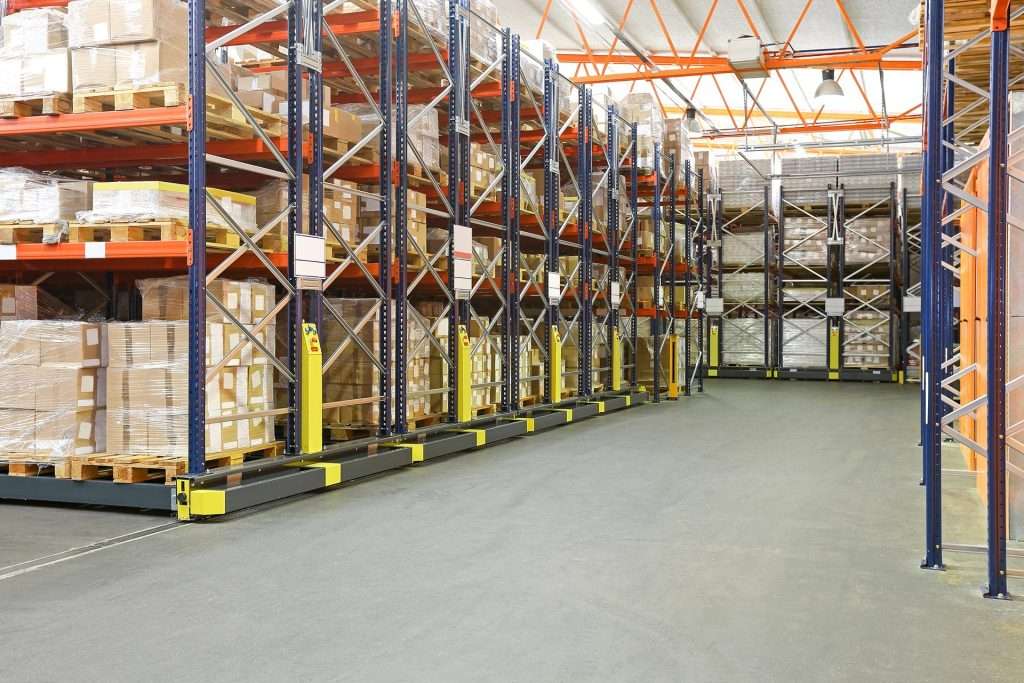
For high-density storage with flexibility, check out Mobile Racking. It lets you adjust your storage area as needed. When your business hits a slow season, you can pull the racks together for compact storage. And yep, these racks even work in cold storage, with 80-90% utilization. Mobile racking gives you the freedom to optimize space based on what’s happening in your warehouse.
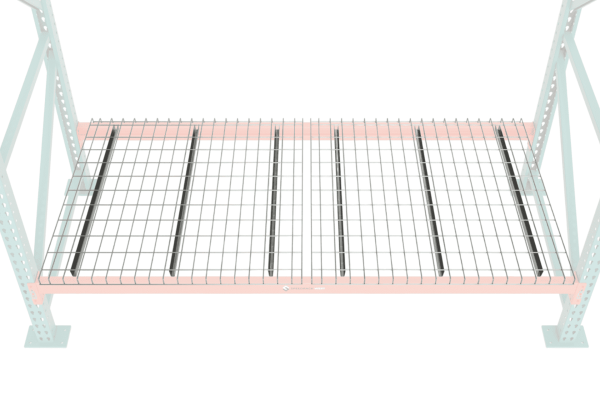
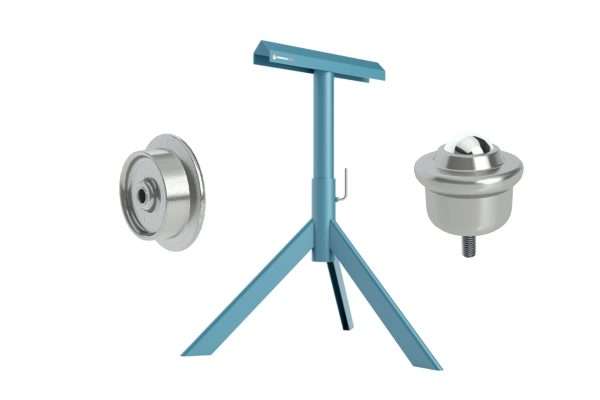
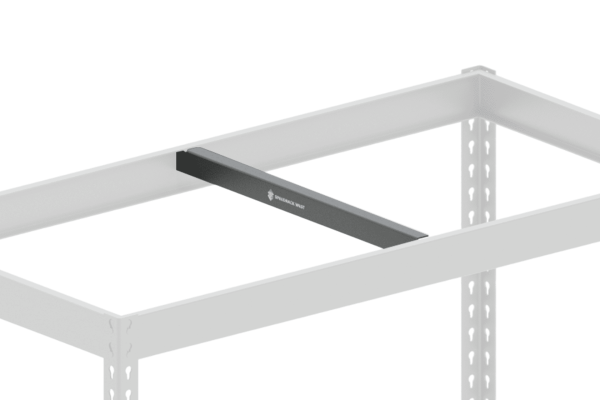
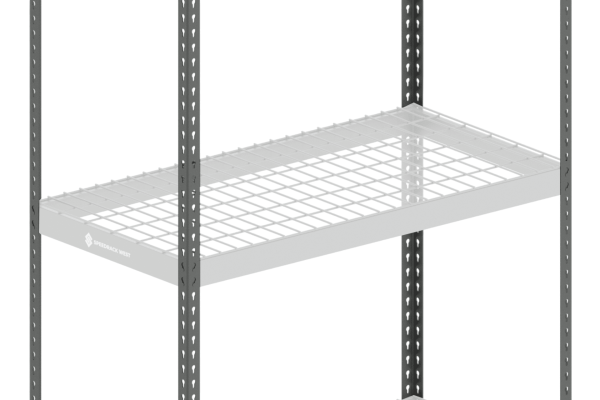
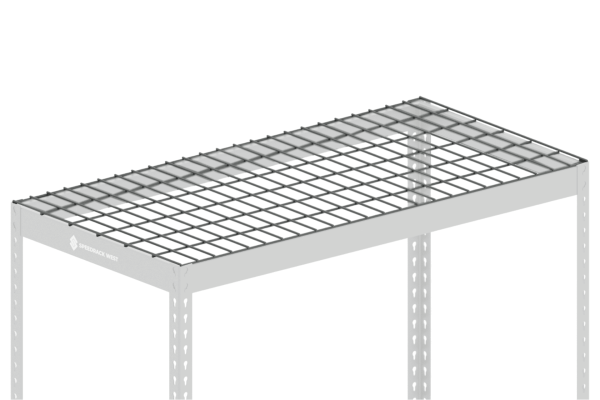
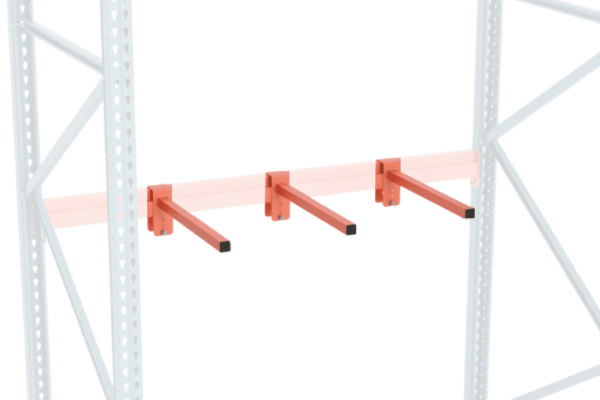
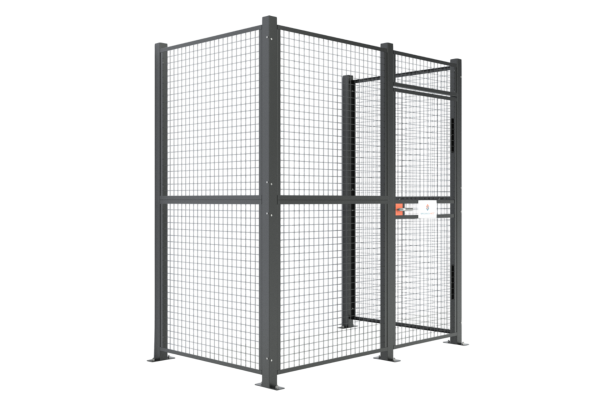
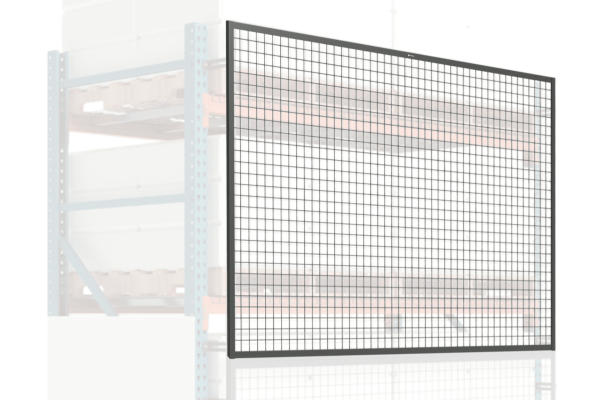
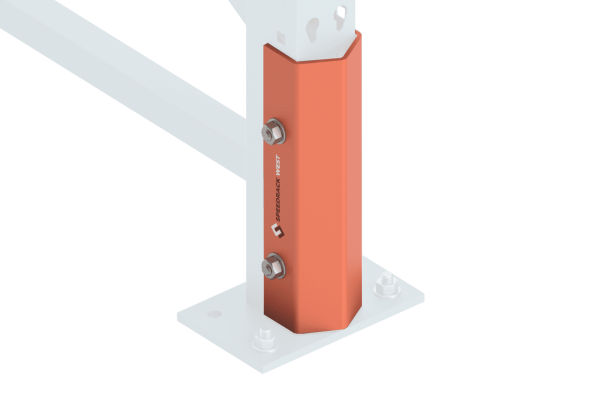
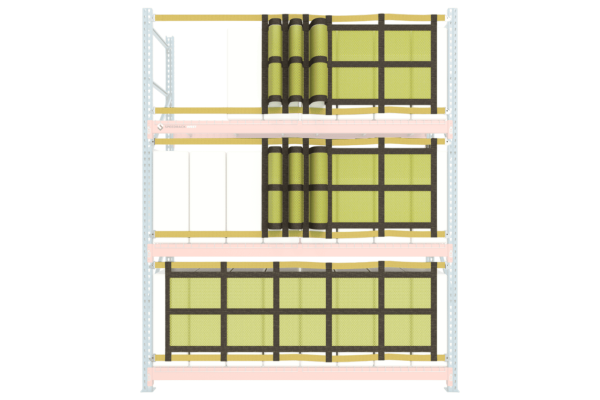
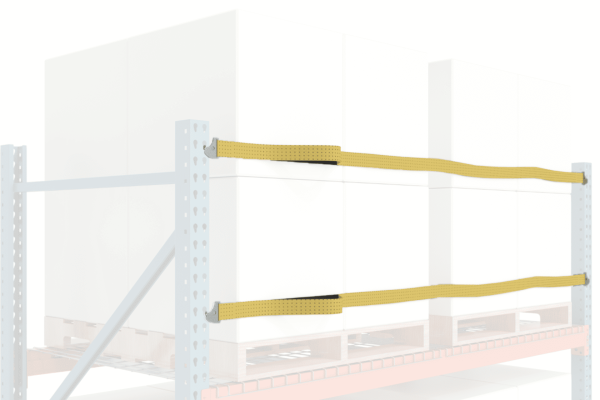
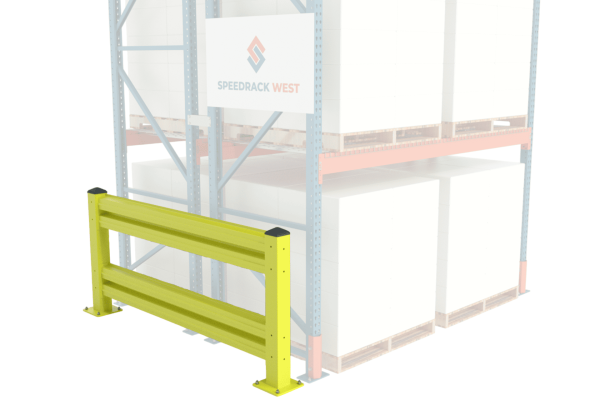
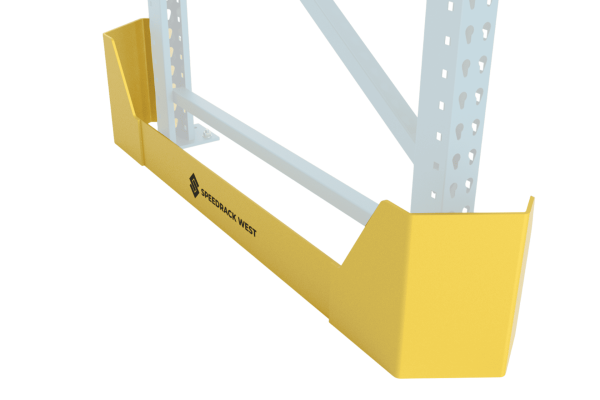
Moreover, you can extend the use of pallet racking by adding special components such as wire mesh, wheels. Thanks to accessories that protect the racking, you will not have additional costs for the racking system and therefore save money. And of course, organizing storage with pallet racking opens up a wide range of automation possibilities.
Optimizing Storage Capacity and Efficiency
Combining the right racking system with a Warehouse Management System (WMS) boosts inventory control, simplifies picking, and ensures each pallet is in the right place. A good WMS automates tasks like inventory rotation, storage, and retrieval, making it especially valuable in high-volume environments.
Whether you use a standalone, integrated, cloud-based, or on-premises WMS, you’ll enjoy real-time inventory tracking, avoid stock shortages, and maintain optimal stock levels to meet demand. But the foundation of all this is choosing the right racking system.
A well-designed racking system benefits everyone: you increase storage capacity, sales managers face fewer errors, warehouse staff work faster, and customers receive better service. What could be better than a win-win?


Do you have any questions or comments?
Be the first and post your question or comment