

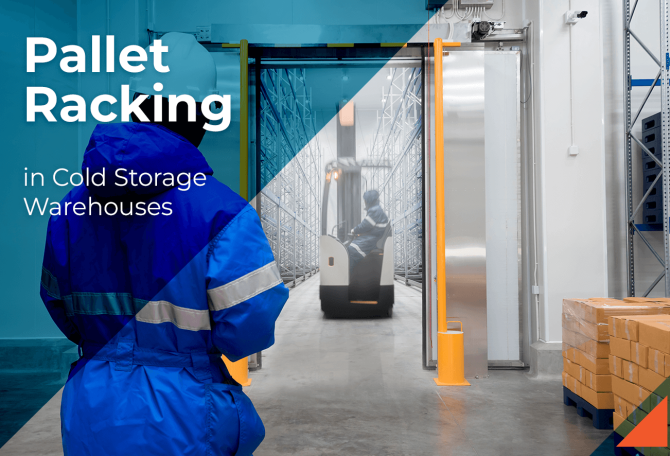

What is Cold Storage?
Cold storage, or “cold store,” refers to specialized facilities that maintain controlled temperatures, typically ranging from -4°F to 131°F, to store various products. According to a report by Skyquest, the U.S. cold storage market is projected to grow from $43.2 billion in 2023 to $118.8 billion by 2031. The report highlights significant growth in the chilled segment, which keeps storage temperatures above 23°F. This segment is ideal for storing fresh produce like fruits, vegetables, eggs, milk, dry fruits, and dehydrated foods.
In contrast, the frozen segment operates at temperatures between -10°F and -20°F, making it suitable for storing frozen vegetables, fish, meat, seafood, and other frozen goods.
These purpose-built warehouses are designed for preserving perishable goods, and they don’t always have to be privately owned—you can use public, private, or semi-private cold storage options. But can cold storage be set up in conventional warehouses? And what distinguishes cold storage facilities from regular warehouses? Let’s explore this further.
Should You Include Cold Storage Facilities in Your Cold Chain?
Before deciding whether to build cold storage facilities as part of your cold chain, it’s important to assess your specific **storage needs**. Is adding cold warehouse facilities a necessity for your operations? There are some key differences between modern cold storage warehouses and conventional storage spaces. For instance, cold storage warehouses often include floor systems with glycol piping to prevent subfloor freezing and heaving. They also feature vapor barriers to reduce condensation and refrigerated cold dock areas. These specialized designs can reach heights of up to 100 feet.
Types of Cold Storage Facilities
There are several types of cold storage facilities, each designed to meet specific needs:
Cool Facilities: These typically have clear heights under 50 feet and are ideal for products with shorter shelf lives, such as fresh produce and non-frozen dairy products. The lower height allows for fast turnover and frequent inventory rotation.
Freezer Facilities: With clear heights of up to 100 feet, these facilities often include automated storage and retrieval systems (AS/RS) and advanced freezing technologies like blast or plate freezing. They are often situated close to food production sites for efficient processing and storage.
Cool or Frozen Cross-Dock: These facilities feature lower clear heights and function like cross-docks with internal coolers and external shore power for refrigerated trailers. They are commonly found in port markets or major logistics hubs, facilitating quick transfers between transportation modes.
Tri-Temp Facilities: These have clear heights up to 50 feet and are typically conventionally racked. They support a range of temperatures, from 55°F to -20°F, making them versatile for businesses handling a variety of SKUs, such as grocery or food service distributors. Located near population centers, these facilities are designed for flexibility and to accommodate different user needs.
Many of these cold storage facilities utilize automated racking systems to maximize space and efficiency. But what types of storage racks work best in cold storage warehouses, and what advantages do they bring? Let’s dive into that next.
What are the advantages of cold storage racking?
We have collected the five short advantages of cold storage racking systems:
- Cold storage racking systems maximize vertical space, improving storage density by up to 40% compared to traditional storage methods. This reduces the cost per cubic foot of cold storage.
- By utilizing compact racking systems, less space needs to be cooled, leading to energy savings of around 15% in refrigeration costs.
- Advanced racking designs such as pallet flow or mobile racking improve stock rotation and accessibility by 25%, ensuring faster access to inventory.
- Well-organized racking systems help maintain consistent airflow and temperature, reducing fluctuations that could affect product quality. This leads to up to 20% longer shelf life for perishable goods.
- Cold storage racking systems are built to withstand low temperatures and condensation, improving worker safety and reducing the risk of equipment failure by 30%.
Next up is choosing better storage racks for your needs.
What types of racks are suitable for cold storage?
Choosing the right racking system for cold storage facilities is crucial for maintaining efficiency and maximizing storage space. Each system has unique benefits and drawbacks, so it’s essential to assess your specific storage needs to find the most effective solution.
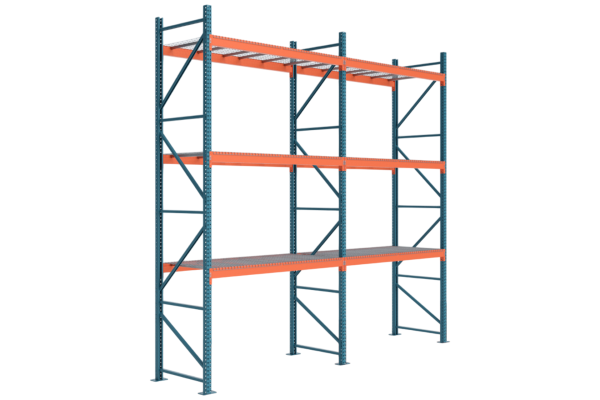
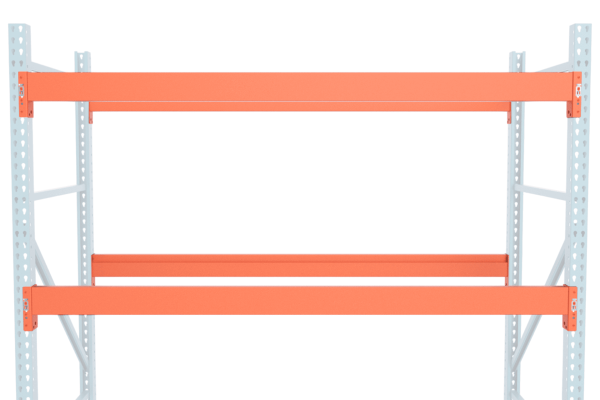
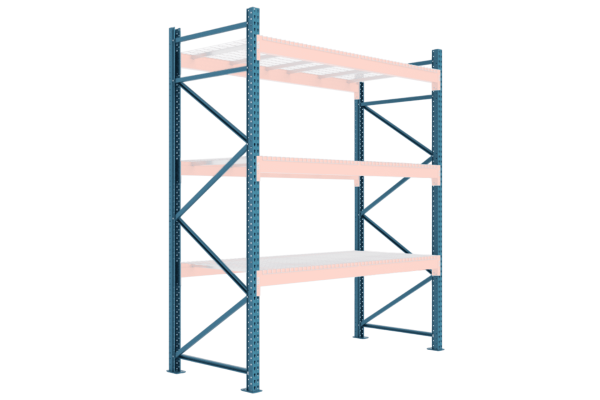
Galvanized Steel Pallet Racking
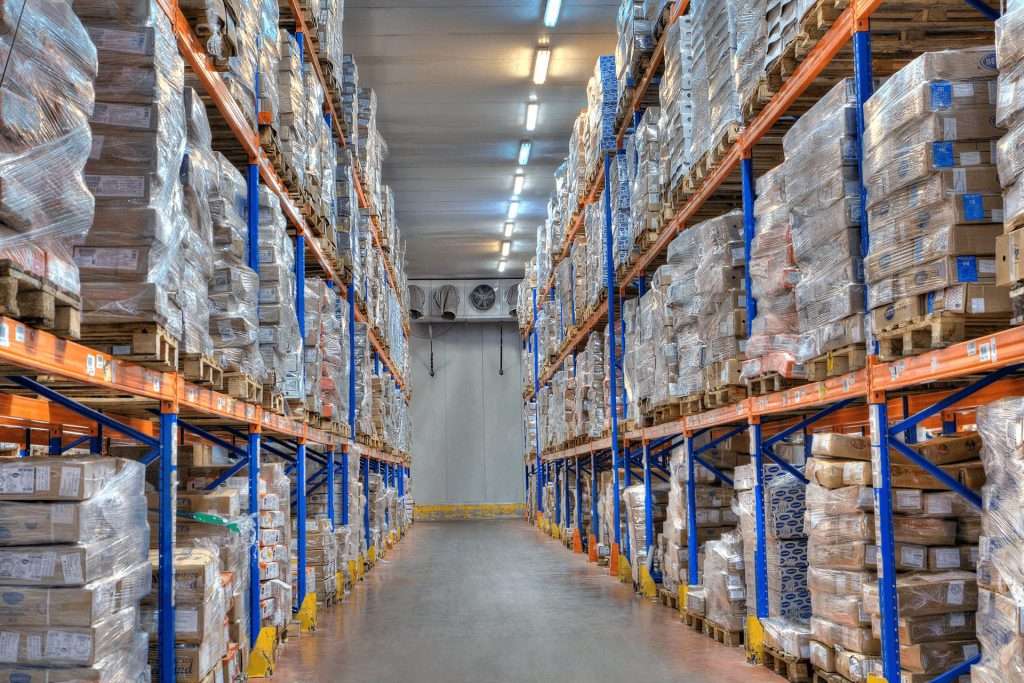
Why Galvanized? Galvanized steel is well-suited for cold storage environments because it resists corrosion and handles cold temperatures better than other materials.
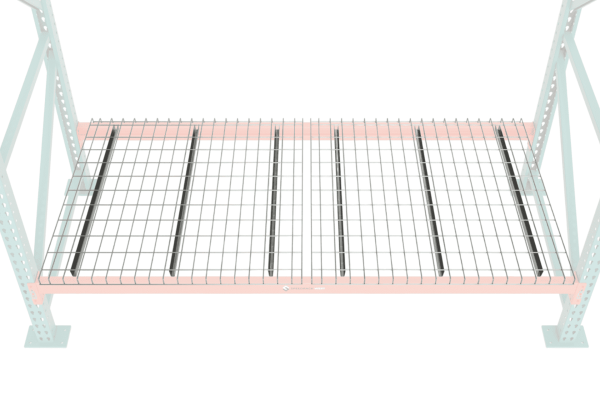
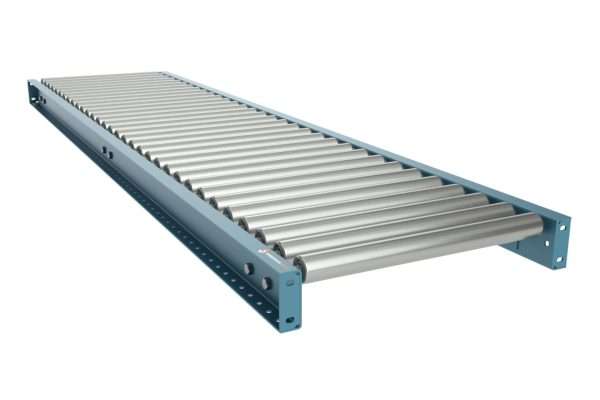
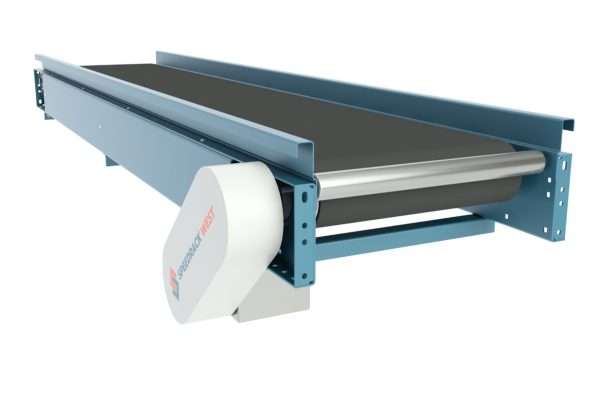
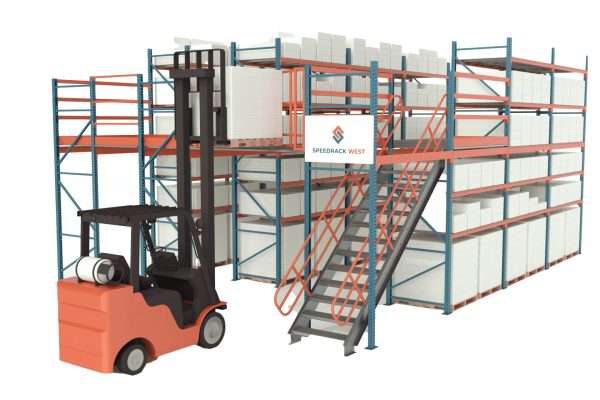
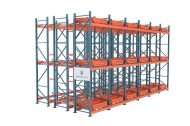
Versatility: Pallet racks are among the most common racking systems, providing direct access, adaptability, and scalability. They can be combined with other equipment like conveyors, mezzanines, or additional cold room pallet racking systems.
Density Options: For better storage density, consider integrating gravity systems or mobile flow systems with your pallet racks.
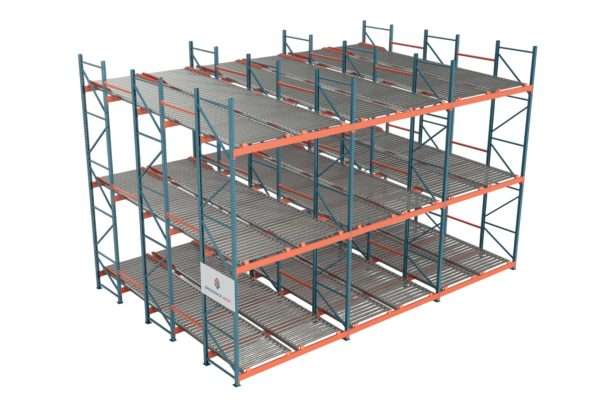
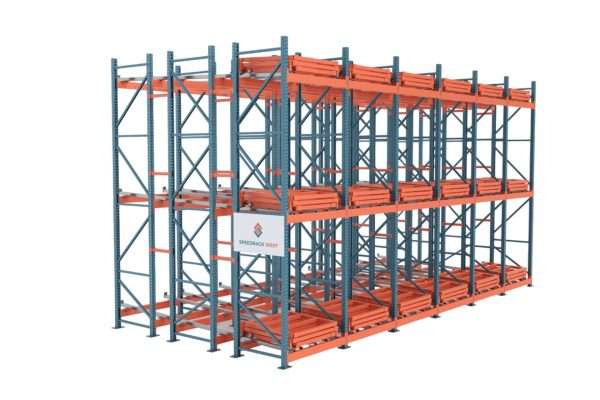
Pallet Flow Rack
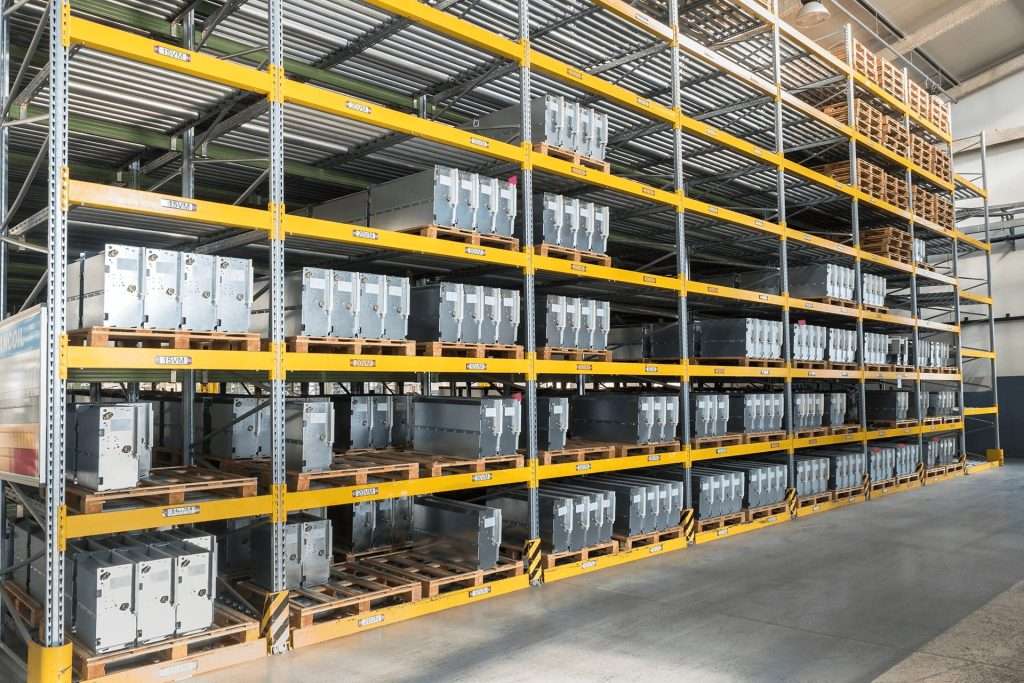
Ideal for FIFO: Pallet flow racks are perfect for perishable refrigerated goods because they use a first-in-first-out (FIFO) approach. This helps ensure that products with expiration dates are rotated properly.
Gravity-Powered: The system relies on gravity to move pallets, eliminating additional energy costs. Pallets rest on wheeled or roller lanes, moving smoothly from the loading end to the retrieval point.
High Density: By eliminating aisles, you can maximize storage density and lower overall costs. Additionally, reduced time spent by workers in the cold room improves comfort and efficiency.
Push-Back Rack
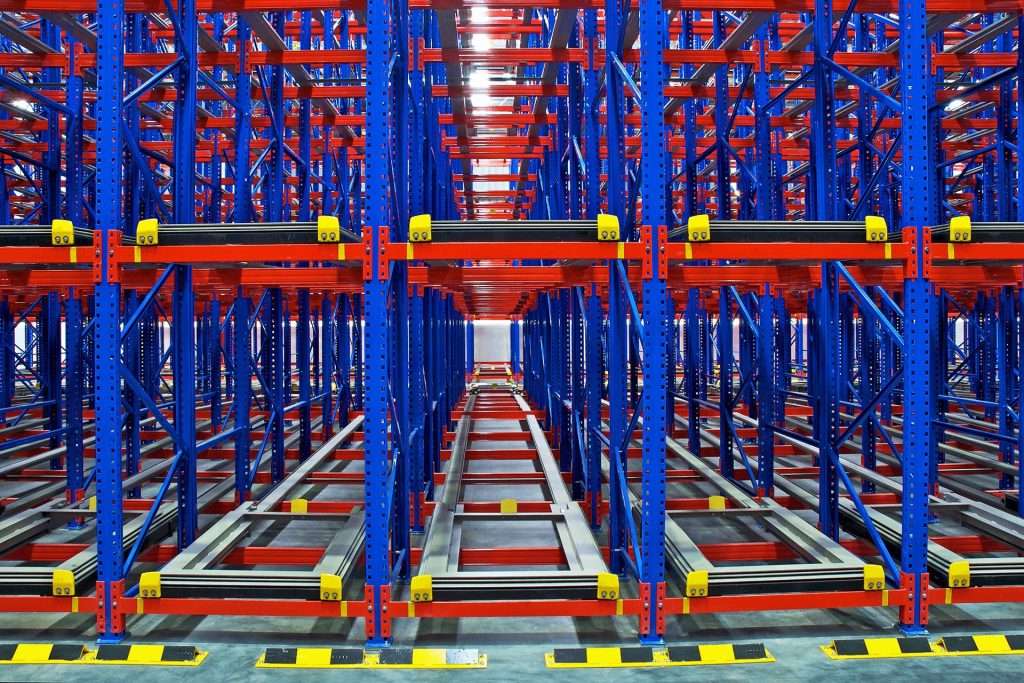
Supports LIFO: Push-back racks follow a last-in, first-out (LIFO) inventory system, making them a great choice for products that don’t have strict rotation requirements.
Efficient Storage: Each SKU has a dedicated lane, allowing for faster and more accurate picking. Pallets are loaded onto nested carts on inclined rails, where each new pallet pushes the previous one back.
Storage Depth: These systems are typically 2-5 pallets deep, making them a good option for storing moderate quantities of similar products.
Pallet Rack Shuttle
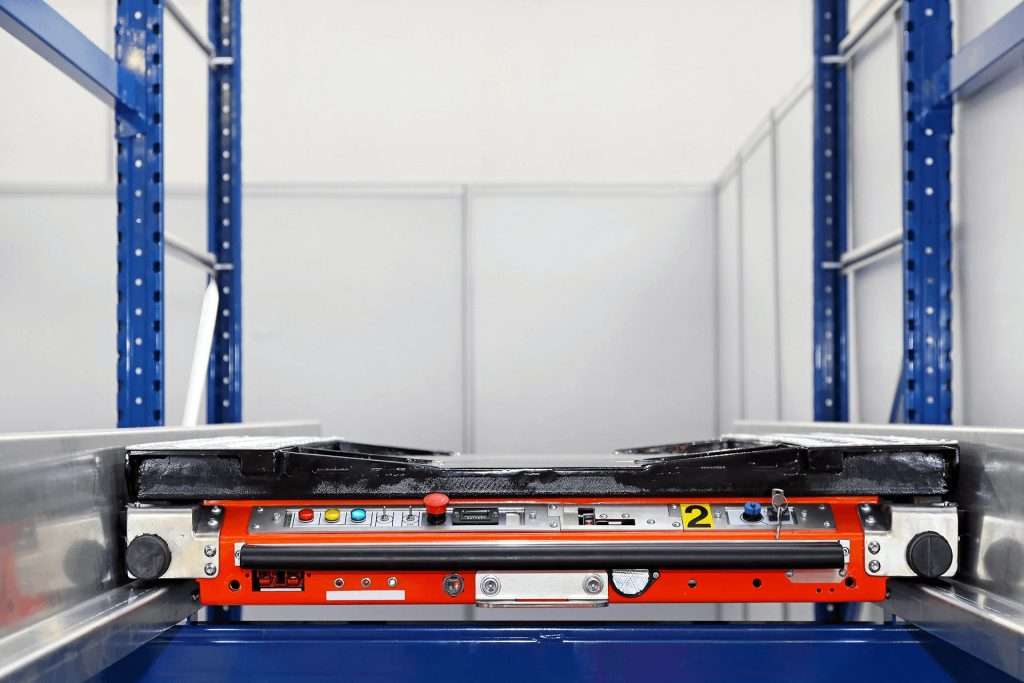
Semi-Automated FIFO: This system offers semi-automated FIFO rotation, making it ideal for freezers and cold storage environments. It uses an electric shuttle to load and unload pallets along deep lanes.
Efficient Handling: The shuttle system works with standard forklifts, requiring no special handling equipment, which simplifies operations. It’s a practical solution for managing dense storage in cold rooms.
Mobile Racking
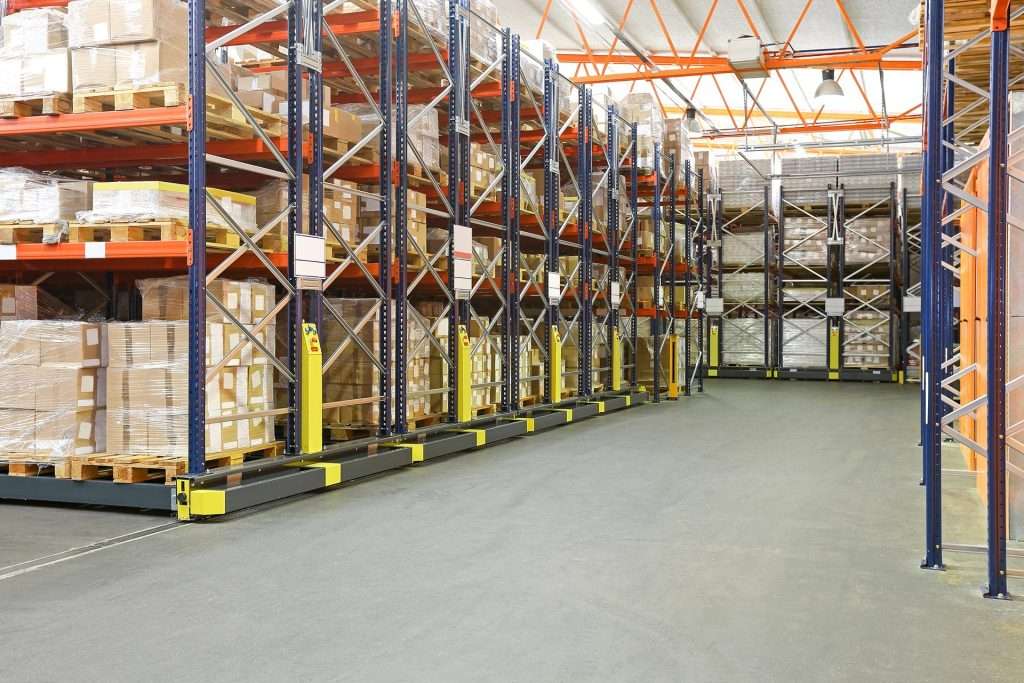
Maximizes Storage Capacity: Mobile racking systems can increase storage capacity by more than 80%, thanks to their high-density design.
Flexible Aisles: Unlike traditional systems, mobile racking usually stays compact without aisles, but a working aisle can be automatically opened as needed using electric motors.
Remote Control Operation: The system allows operators to open aisles using a remote control, enabling access only when necessary. This design helps minimize energy usage and reduce operating costs.
Each of these racking options provides unique benefits for cold storage, allowing you to choose the system that best meets your inventory needs, maximizes storage space, and helps maintain the right cold conditions in your facility.
How to Choose the Proper Cold Storage Racking System
We hope you’ve found this information helpful. To wrap things up, here are three quick tips for selecting the right cold storage racking system:
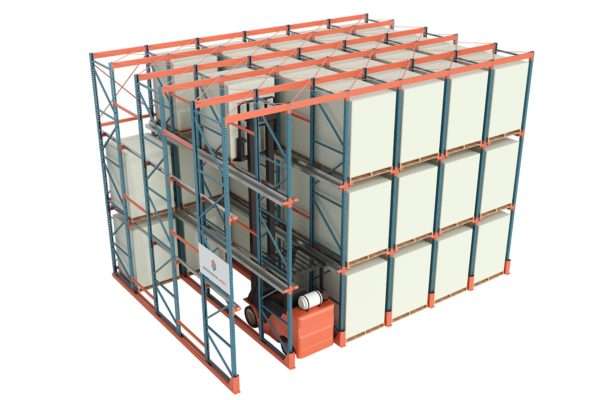
- Storage Density Needs: Evaluate your available space and inventory turnover. High-density options like drive-in or drive-through racking are ideal for maximizing space when storing large volumes of products. For warehouses that need easy access to a wide range of SKUs, selective racking is a better choice.
- Product Rotation Requirements: If maintaining a First-In-First-Out (FIFO) inventory system is important to your operations, consider pallet flow or push-back racking. These options ensure smooth product rotation, reducing the risk of spoilage and maintaining freshness.
- Temperature and Durability: Make sure your racking system is built for cold environments. Look for corrosion-resistant materials that can withstand cold and moisture, ensuring stability and longevity even in low-temperature settings.
And remember, if you have any questions or need further assistance, don’t hesitate to contact us for expert advice.


Do you have any questions or comments?
Be the first and post your question or comment