

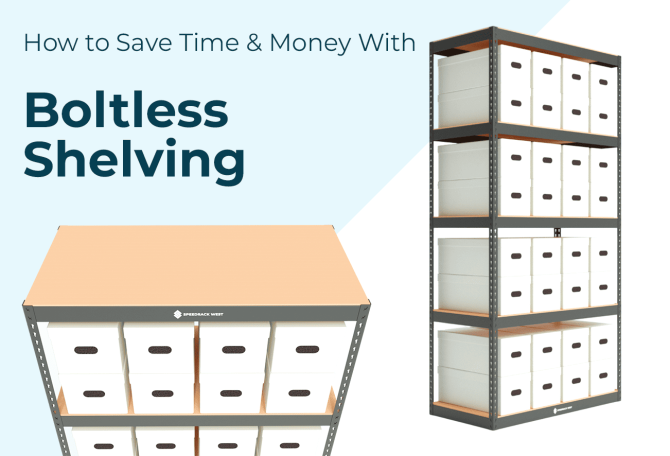

Why Boltless Shelving’s a Win for Electrical Contractors
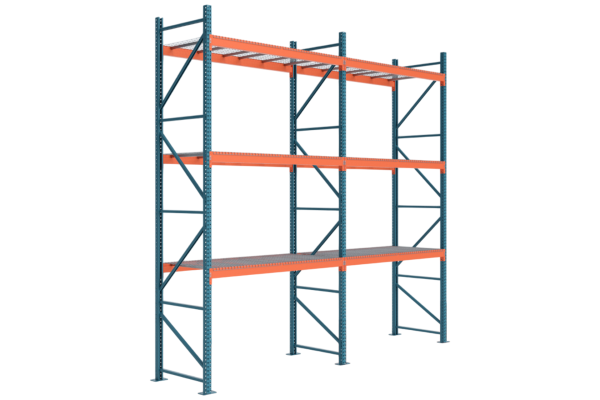
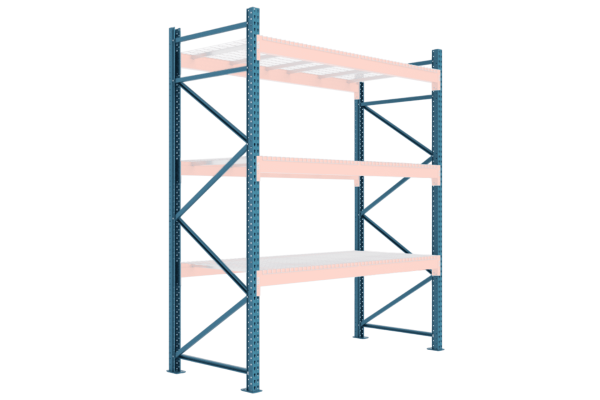
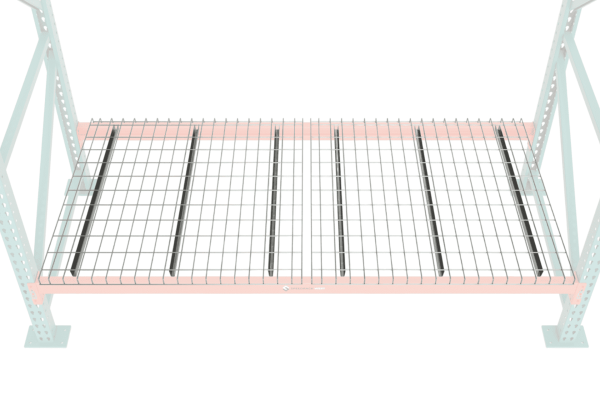
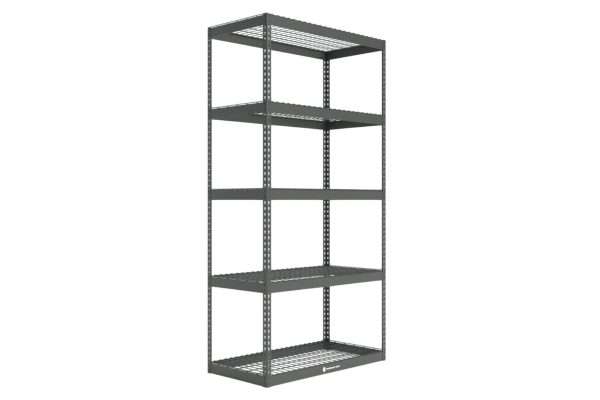
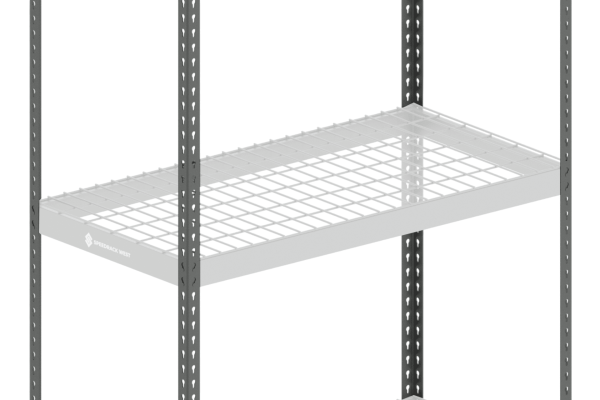
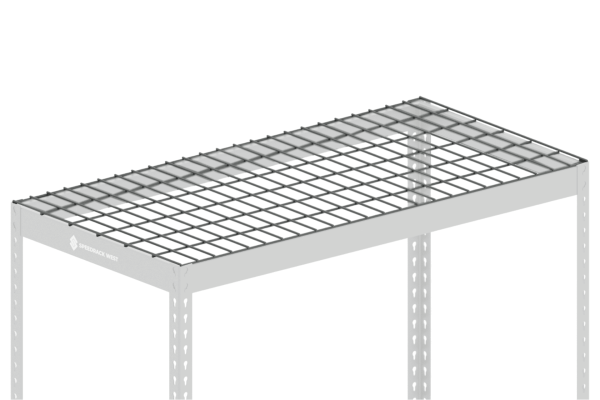
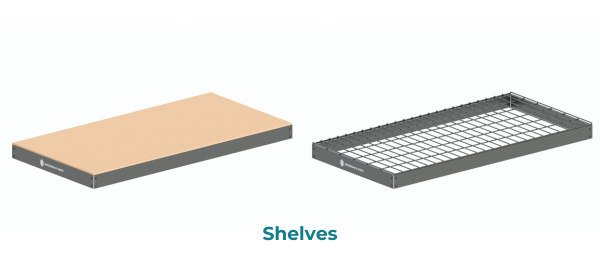
- Shelves: You’ve got options here. If you’re storing small stuff like wire nuts or grounding screws, go with wire decking—it’s durable, lets air circulate, and keeps dust off your gear. For heavier items like 24″ conduit runs or breaker boxes, particle board shelves do the job at a lower cost. Pick what fits your inventory.
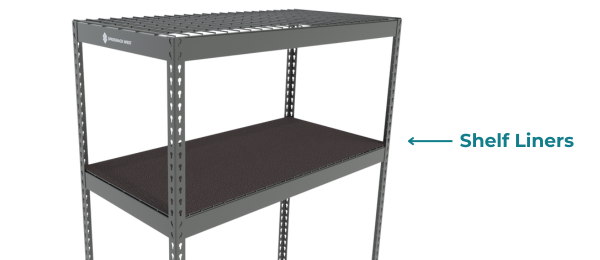
- Shelf Liners: For tiny parts like lugs or connectors, snap on plastic or metal liners to keep them from slipping through. They’re perfect for organizing 6″ bins of terminal blocks on a hospital retrofit, so nothing gets lost in the shuffle.
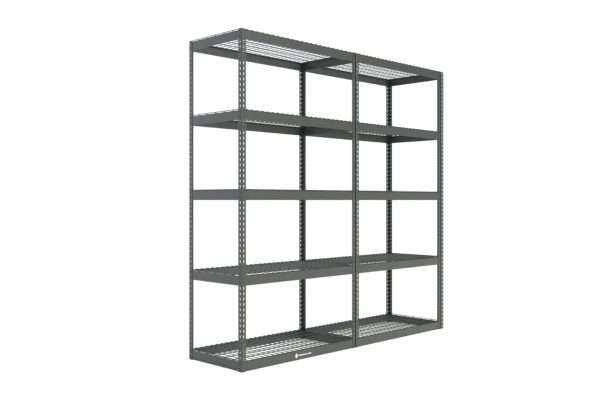
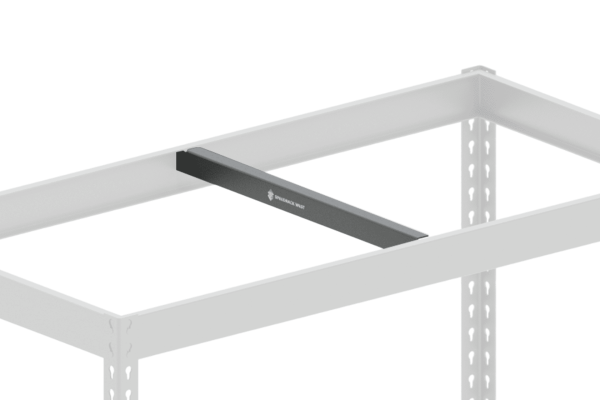
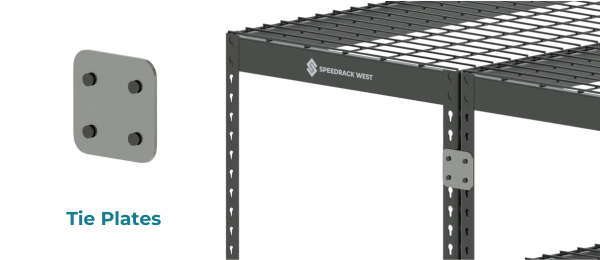
- Tie Plates: Need to link multiple units for a big commercial job? These little guys tie shelves together, keeping everything rock-solid without any fuss. Your 18″ x 36″ conduit stacks won’t budge.
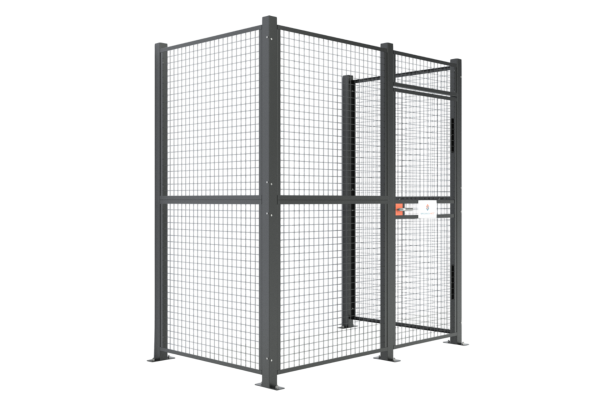
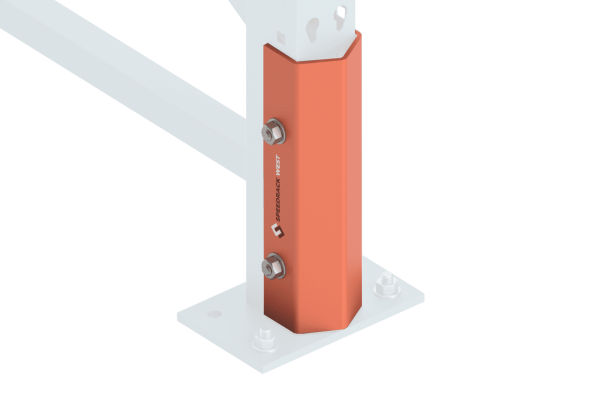
- Ground Anchors: If your local codes or seismic requirements call for it, anchors lock the shelving to the floor. Essential for high-risk areas to keep your setup safe and compliant.
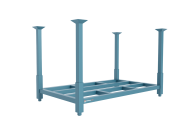
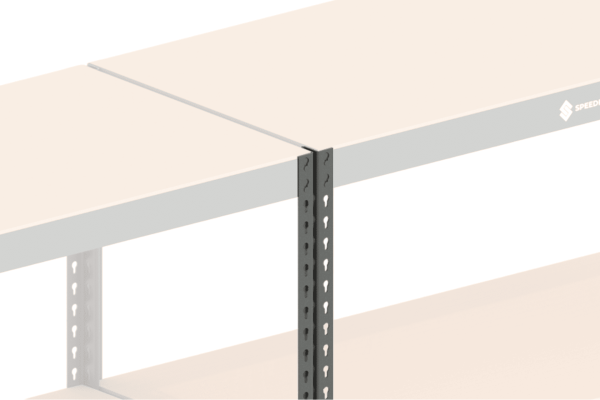
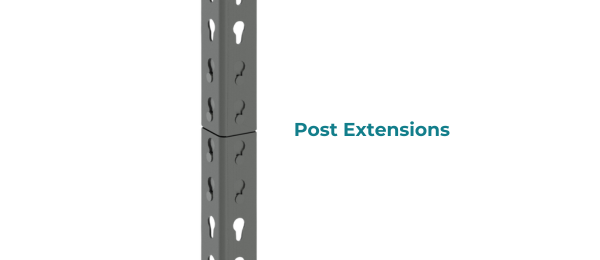
- Post Extensions: Working on a warehouse fit-out with tall ceilings? Add post extensions to stack shelves higher, giving you room for extra bins of MC connectors or panelboard parts without eating up floor space.
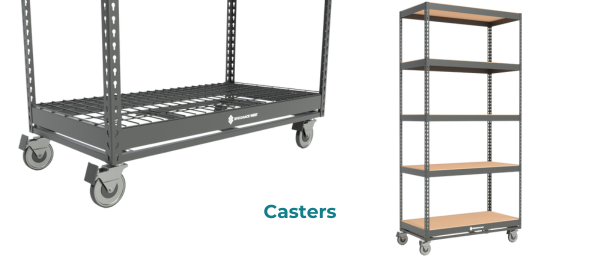
- Casters: For mobile jobs, like wiring a multi-unit residential site, bolt on casters. Roll your shelves from the van to the job site, loaded with 12″ breaker boxes or tools, and keep the hustle moving.
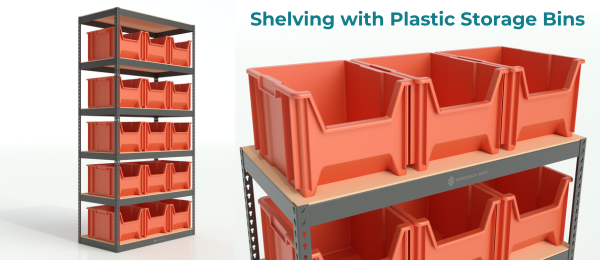
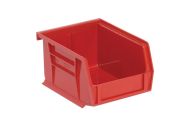
- Bins and Dividers: Keep small parts like grounding screws or 6″ GFCI outlets separated with bins and dividers. Perfect for a shop setup where you’re prepping for a service call and need everything grab-and-go.
- Label Holders: Slap on label holders to mark your shelves—think “wire nuts” or “EMT fittings.” Saves time when your crew’s racing to restock for a data center project.
Quick and Easy Assembly: Two Guys, No Sweat
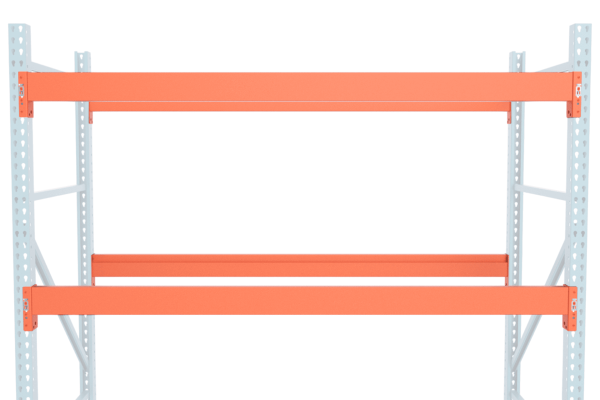
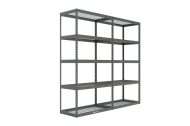
Boltless shelving’s a breeze to set up, even for a two-person crew. Here’s how it goes down, with rough time estimates for a standard 4-shelf unit (about 6’ tall, 4’ wide, 18” deep):
- Prep Parts: Lay out all components—posts, beams, shelves, and a rubber mallet. Takes about 5 minutes to check everything’s there and ready.
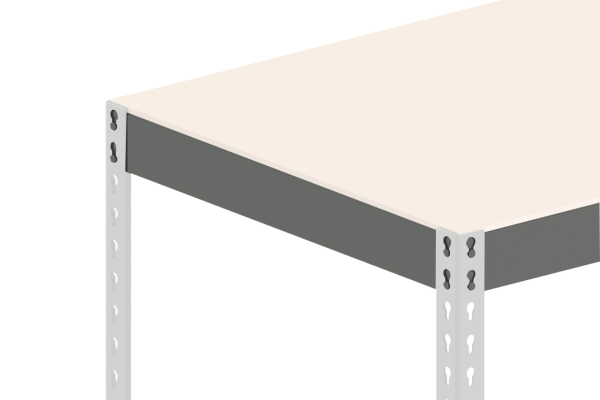
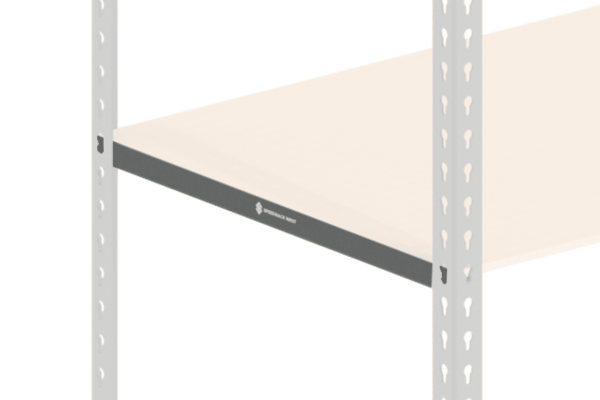
- Assemble Uprights: Snap horizontal beams into the slots on vertical posts. With two guys, one holding posts and the other tapping beams in, this takes around 10 minutes for four uprights.
- Secure Shelves: Place particle board or wire deck shelves onto the beams. No tools needed—just set them in place. Two people can knock this out in ~15 minutes for four shelves, ensuring they’re snug.
- Adjust Heights: Tweak shelf heights for your gear (e.g., 12” for bins, 24” for conduit). Takes ~5 minutes to slide beams up or down.
- Final Check: Give it a shake to confirm it’s stable. Add anchors or tie plates if needed. About 5 minutes to wrap up.
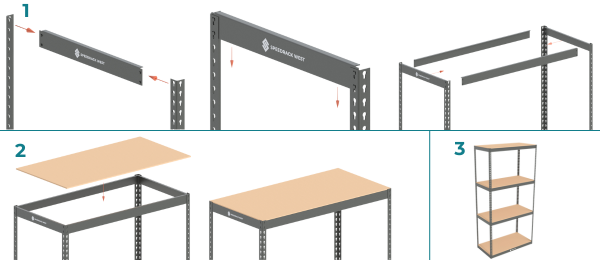
Total time? Roughly 35-40 minutes for two people to set up a unit, start to finish. No special tools, no hired crew—just you and your buddy getting it done. Compare that to bolted racks eating up half a day, and you’re already saving time and cash.
Built for Compliance and Ready to Wire
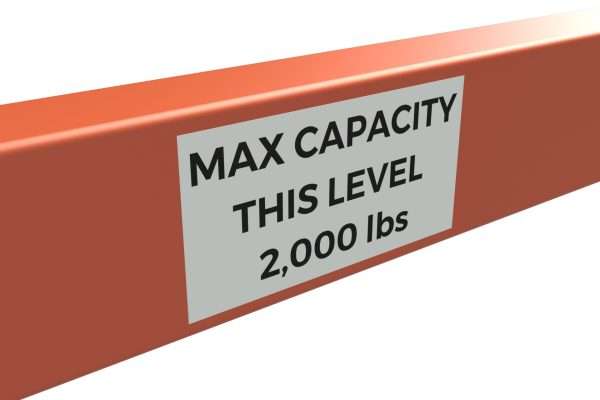
Every setup is built for safety and compliance. Shelves adjust to the golden zone—waist to shoulder—so your crew isn’t bending or straining to grab heavy loads. A single shelf can hold up to 2,400 pounds when properly configured, and a bay can carry 1,000 to 4,000 pounds depending on size and beam strength. These systems meet OSHA and RMI standards, and in high-risk areas, anchors keep everything locked down. Whether you’re organizing 6-inch bins of lugs in the shop, staging conduit runs for a commercial fit-out, or keeping breakers, testers, and crimpers ready for a service call, boltless shelving keeps your operation smooth, safe, and code-ready.


Do you have any questions or comments?
Be the first and post your question or comment