


Ideal warehouse layout
Is your warehouse layout ideal? Check “Yes” or “No” for each question below, then find your results at the end.
Results:
More than 5 “Yes” answers: Check out the article section, “New Warehouse Layout Options in the Spotlight.“
Between 3 and 5 “Yes” answers: See both “Warehouse Design: 3 Key Layout Patterns” and “New Warehouse Layout Options in the Spotlight.“
Just 1-2 “Yes” answers: Don’t worry; improvement is within reach! Start with “Warehouse Layout Challenges and Common Mistakes.”
Warehouse Layout Challenges and Common Mistakes
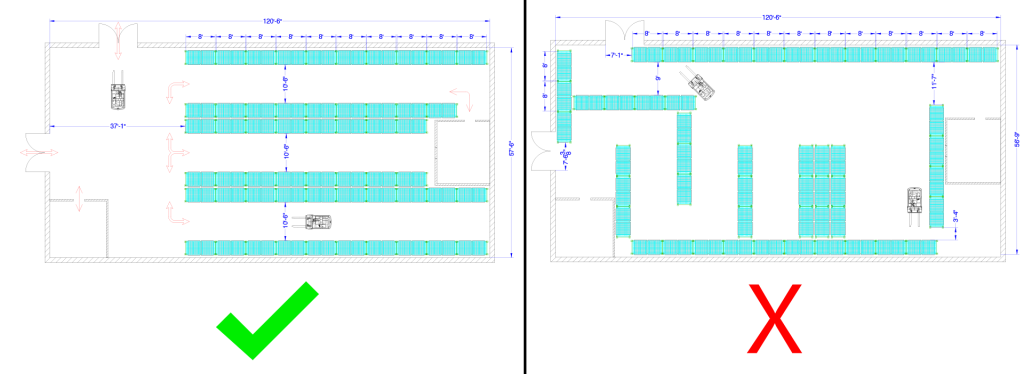
Our professional experience tells us that typical warehouse mistakes aren’t just errors; we see them as challenges. And here’s why.
- Layout. After a while of using a traditional warehouse layout, you may start to notice some warning signs—things aren’t running as smoothly as you’d hoped. But the layout seemed right, especially since many other companies had successfully used a similar one. So, what’s the issue? The good news is that your layout is most likely correct. The challenge is that it may not be well-suited to your specific warehouse objectives. Start by evaluating your current objectives, as well as your goals for the future—considering a 3-5 year planning horizon. To do this effectively, you need to fully understand your inventory management approach, from A to Z.
- Inventory. There are several methods of inventory control, including ABC, HML, VED, SDE, GOLF, FSN, and XYZ. You can combine these methods or apply different ones for specific inventory types. Why is this important? Because your approach impacts key factors like reorder points, safety stock, cycle stock, service levels, and fill rates. When calculating safety stock, you’ll also need to consider your target service level. The higher the desired service level, the more safety stock you’ll need to maintain. While inventory costs are usually straightforward to calculate, out-of-stock costs can be much more complex. For instance, in retail, a typical service level is around 90%, with higher-priority items reaching 95%. Keep in mind, raising a product’s service level will increase the amount of safety stock needed, which also raises the associated costs. Make sure your service level is realistic and aligns with your business model.
- Equipment. Put simply, each warehouse operation—receiving, putaway, picking, packing, shipping, and replenishment—needs to be scheduled and integrated into a unified system. These operations dictate the flow and direction of goods, the movement and interaction of workers, and the utilization and maintenance of equipment.
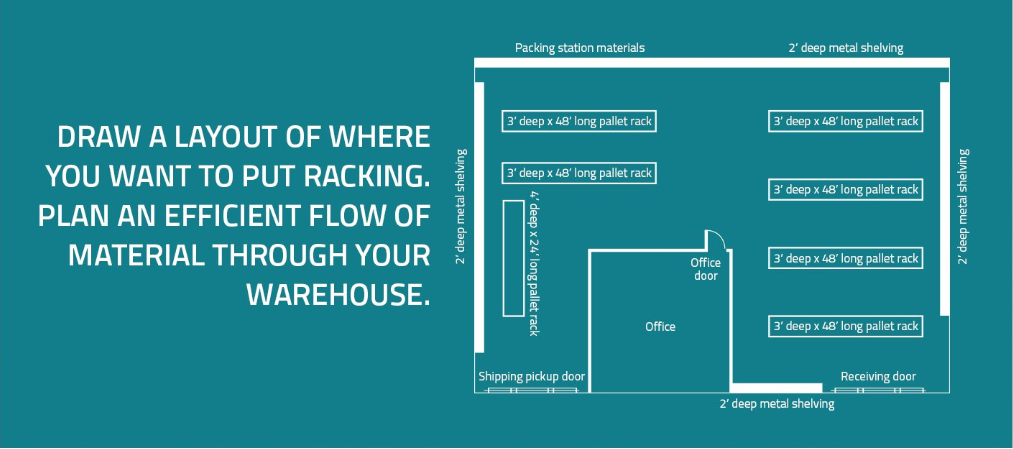
- Space Volume. A warehouse layout isn’t just about floor drawings; it encompasses warehouse capacity and the volume of each area. Maximizing usable space allows you to store more inventory or allocate cubic meters to value-added operations like packing, sampling, or other activities relevant to your field. With a well-organized use of space, you create more operational opportunities.
Need a high-quality warehouse layout? Trust the professionals. Contact us today!
Warehouse design best practices: 3 Key Layout Patterns
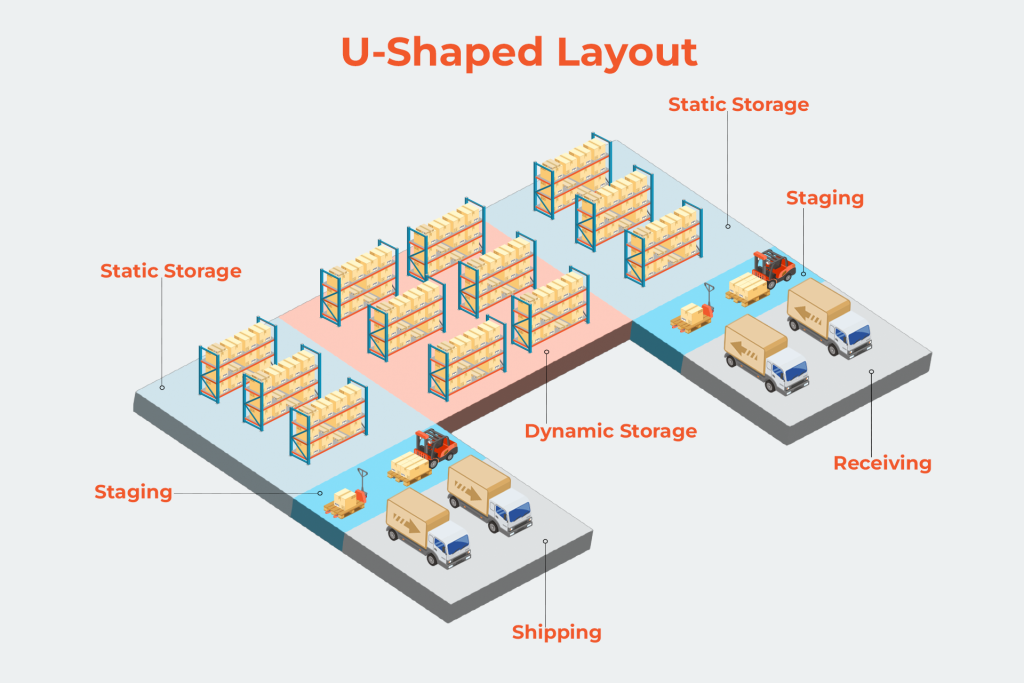
There are three common warehouse layout design types—U-shaped, I-shaped, and L-shaped. A well-planned warehouse layout integrates four main areas: dynamic storage, static storage, shipping, and receiving.
Warehouse Layout Types and Product Flow Options
U-shaped layout:
- The U-shaped design is the most commonly used thanks to its simplicity. In this case, the receiving and dispatching areas are placed next to each other at the two ends of the “U,” and the storage area is in the back of the warehouse. However, proximity between dispatching and receiving can sometimes lead to loading errors.
I-shaped layout:
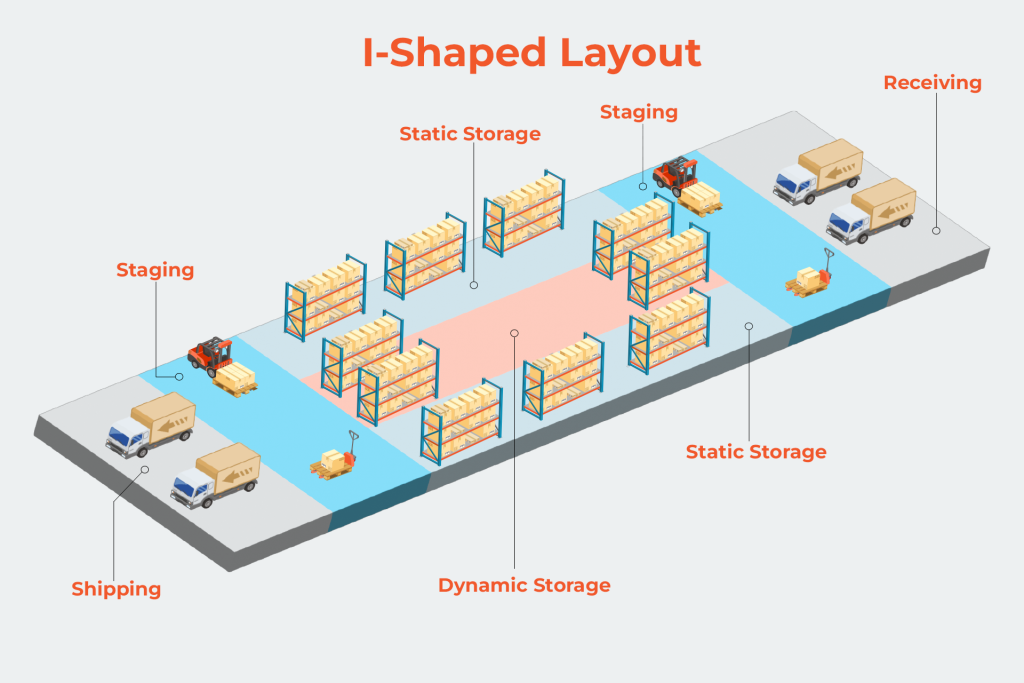
- In an I-shaped design, receiving is located at one end, dispatching at the other, with storage in the middle, creating a straight-line flow. This layout is ideal for operations with high-volume orders that benefit from single-direction movement, like an assembly line or cross-docking (if it is a separate building).
L-shaped layout:
- An L-shaped design places shipping and receiving on adjacent walls, creating a 90-degree flow with storage in the corner. This layout is beneficial for cross-docking operations, where items are quickly transferred from inbound to outbound trucks with minimal storage time, or cold storage for perishable goods.
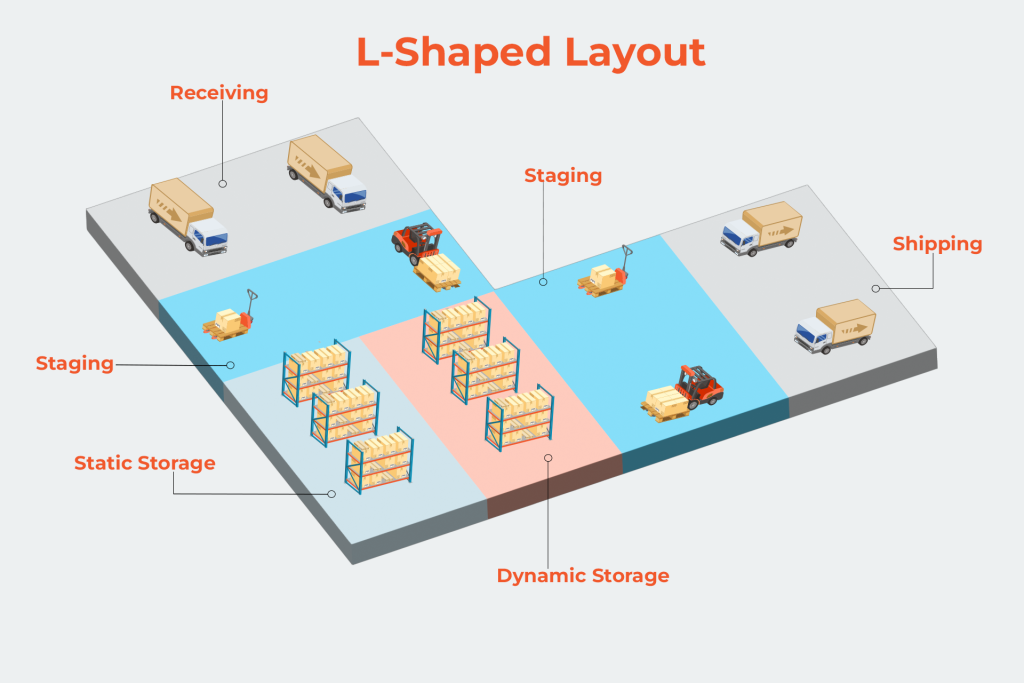
What you need to know is that by effectively combining dynamic and static storage, you can enhance your functionality without altering the overall layout. For instance, dynamic storage operations like forward picking can be implemented on the first tier of a pallet racking system, eliminating the need for a dedicated area. This approach saves floor space and reduces picking time.
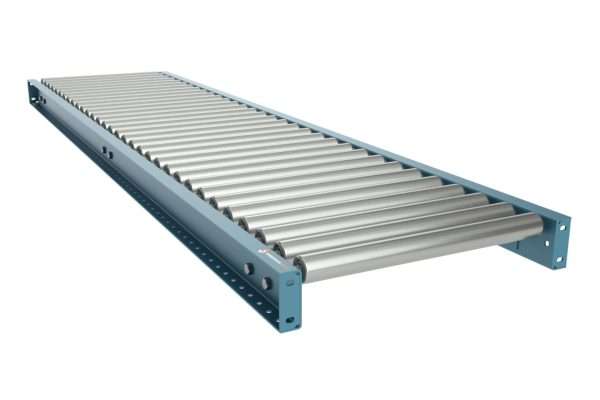
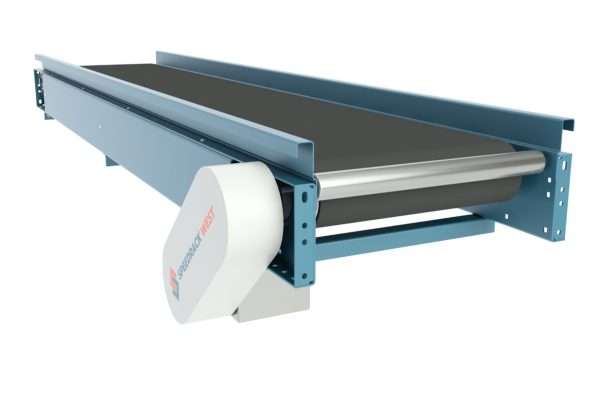
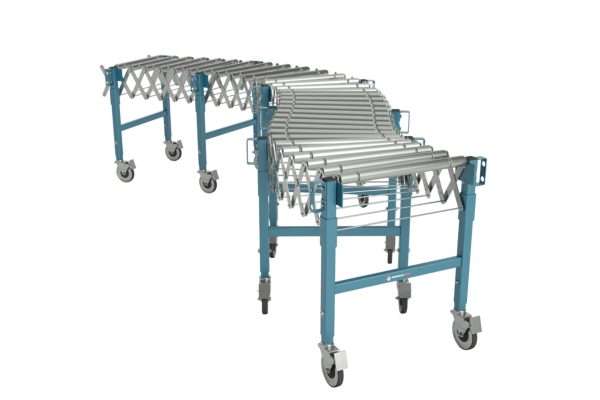
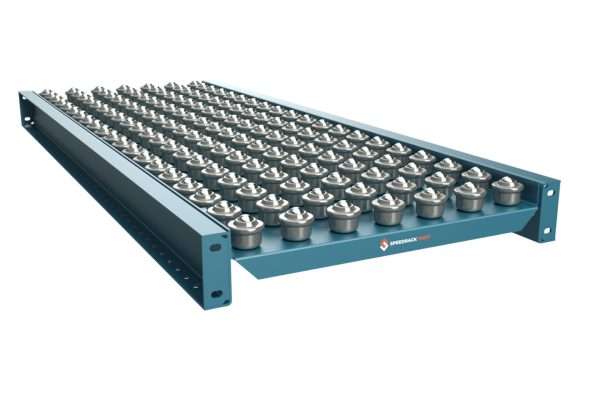
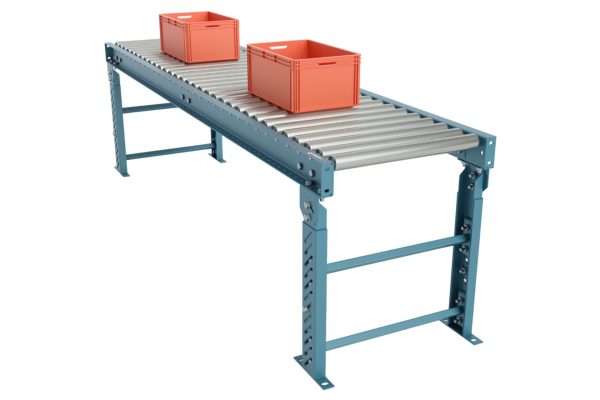
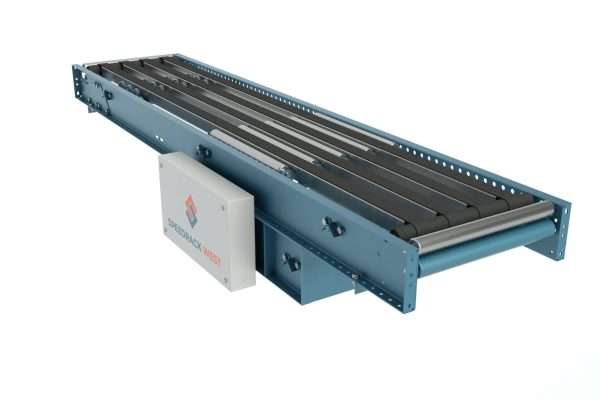
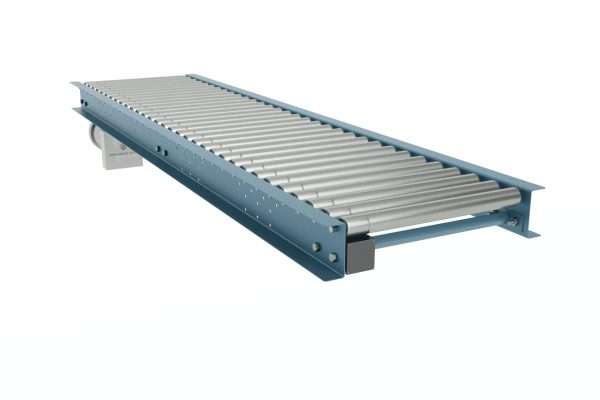
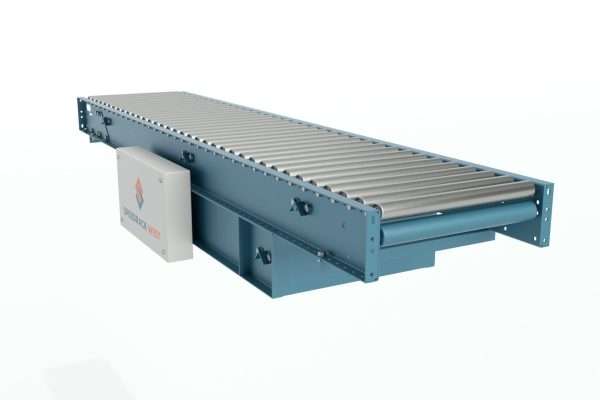
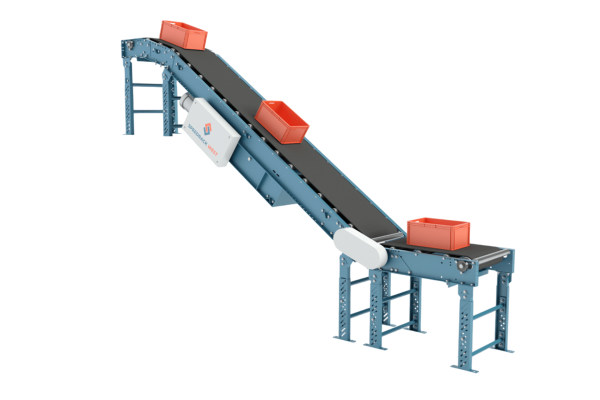
To further optimize picking operations, you can integrate conveyor systems, pick-by-light systems, or other solutions tailored to your product dimensions. This flexibility allows you to adapt your warehouse operations to changing demands while maintaining an efficient layout.
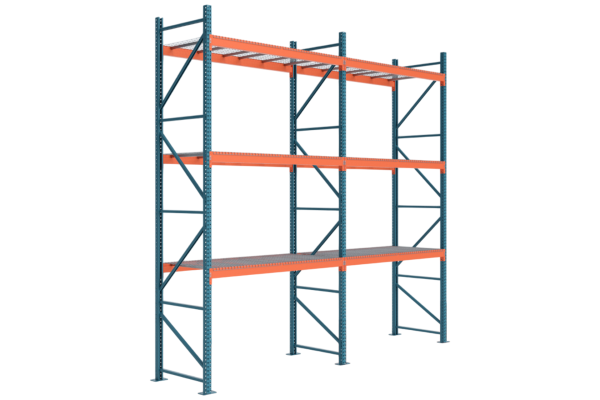
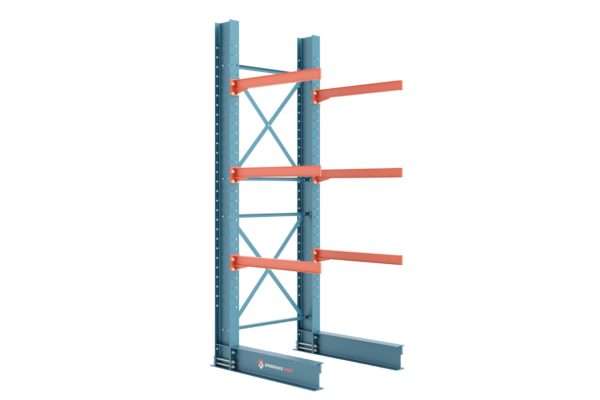
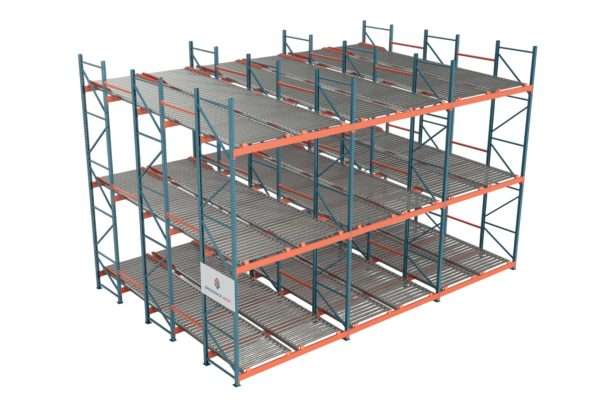
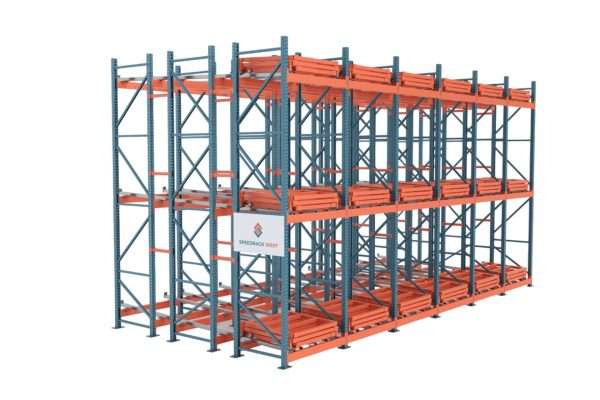
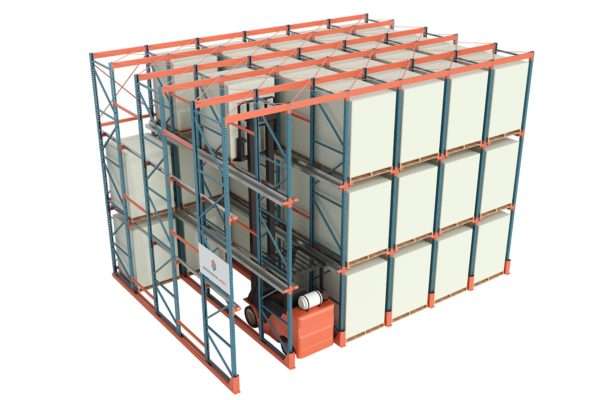
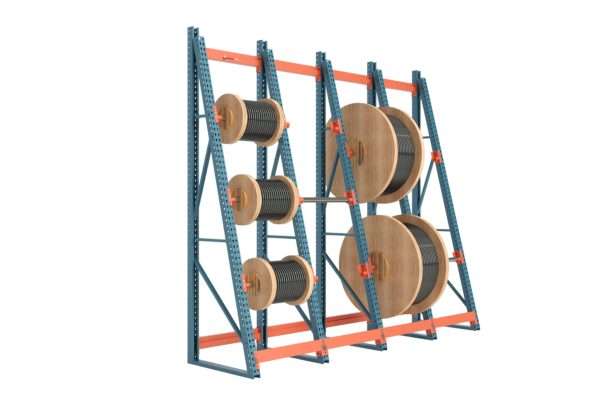
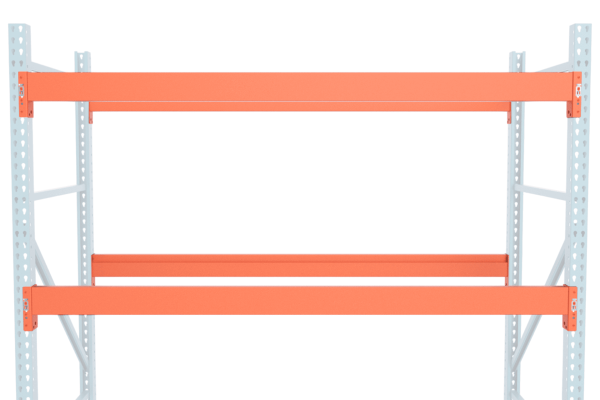
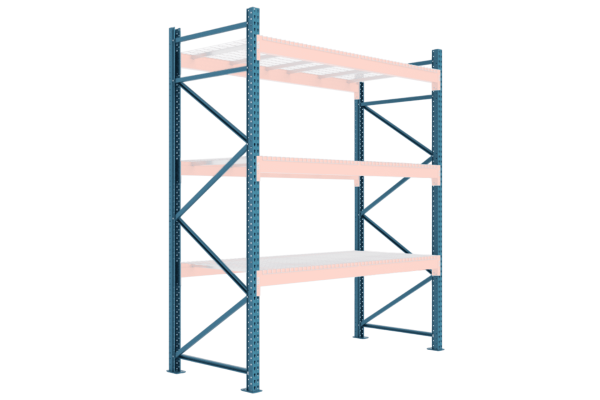
To achieve optimal static storage, you need to choose the right equipment. These can be pallet racking systems, mobile shelving, or high-density storage solutions such as gravity flow systems or shuttle racks. They can all be effective if your inventory management system supports them.
New Warehouse Layout Options in the Spotlight
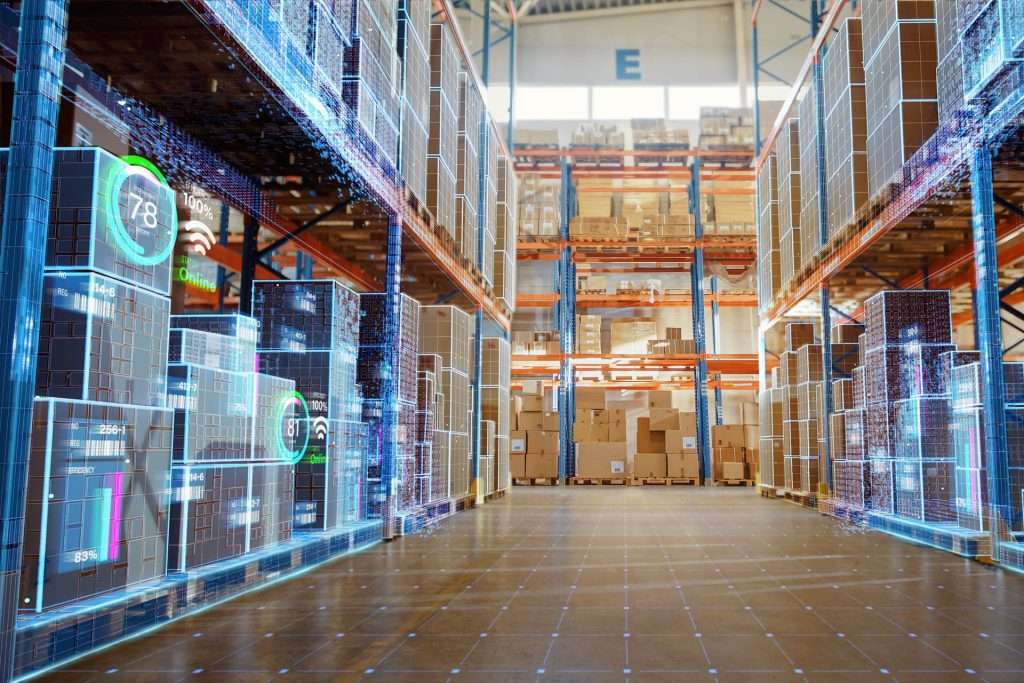
The last trends in warehouse design should be taking into consideration. What’s the big picture here? According to the latest DHL Trend Radar, the role of AI in logistics has grown tremendously. Key areas include Generative AI, AI Ethics, Audio AI, Computer Vision, and Advanced Analytics. For instance, Computer Vision can track assets as they move through a warehouse by scanning unique identifiers like QR codes—ensuring more accurate and timely order fulfillment. You can select a trend to consider when creating your future layout design.
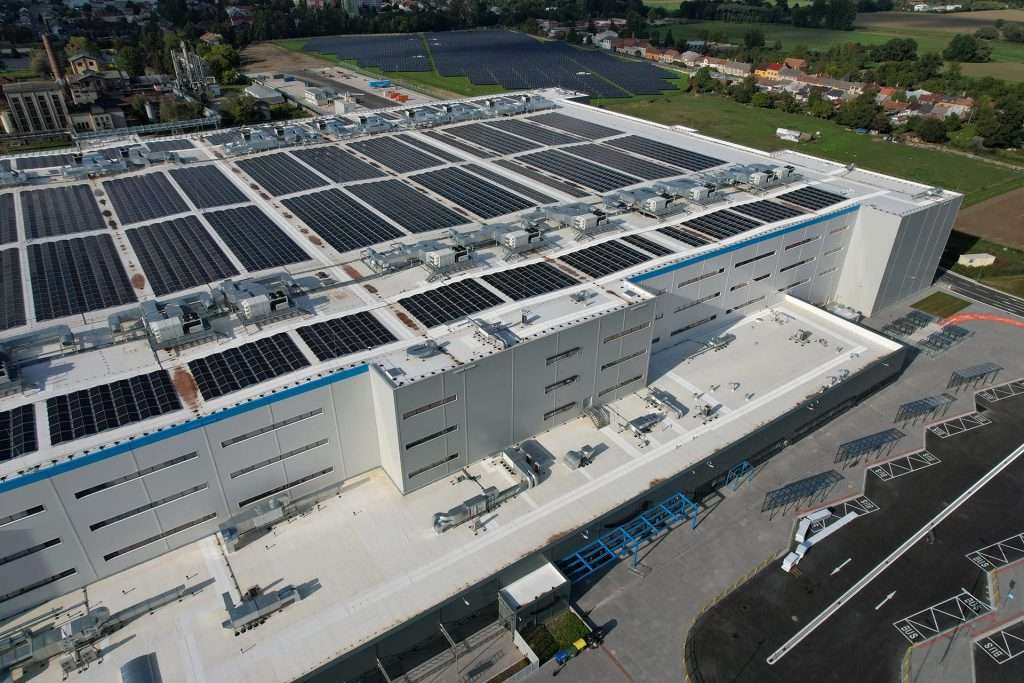
On top of AI advancements, logistics is also seeing a shift toward green technology to reduce environmental impact. Solutions include solar panels, cool-roof systems, LED lighting, and sustainable building materials. More efficient layouts and skylights help maximize natural light, while automated storage systems and smart lighting and climate controls improve energy efficiency. Warehouses are increasingly prioritizing reducing, reusing, and recycling, as well as preventive maintenance to extend equipment life and minimize waste. Together, these technologies contribute to a smarter, more sustainable approach to logistics operations.
If you’re designing your warehouse layout, there are plenty of cloud-based tools to help you get started. Even better – we’ve created a user-friendly, feature-packed warehouse rack builder to make the process easy for you. Using these tools is a smart first step before reaching out to a professional team. Why? Because it gives you a clearer understanding of your needs and allows you to communicate more effectively with the professionals, making the entire process smoother and more efficient.
Key Takeaways
- A well-designed warehouse layout is essential for reducing costs, boosting efficiency, and minimizing stress for both workers and management. Common layout designs include U-shaped, I-shaped, and L-shaped setups.
- Combining dynamic and static storage solutions adds warehouse functionality, improving space utilization and speeding up picking processes without requiring frequent layout adjustments.
- Leveraging advanced technologies like AI, computer vision, robots, and drones can greatly improve inventory tracking and boost order fulfillment accuracy within the warehouse.
- Choosing the right equipment for static storage, such as pallet racks or high-density storage systems, is key to maximizing storage capacity and improving operational efficiency.
- Incorporating sustainable and green technologies in warehouse design not only reduces environmental impact but also improves energy efficiency and supports long-term operational success.



Do you have any questions or comments?
Be the first and post your question or comment