
Therein lies the rub: because a mezzanine system is a long-term asset, any design flaws, installation errors, or structural mezzanine problems can lead to recurring problems throughout its depreciable life. Whether it’s safety issues, poor mezzanine layout planning, or lack of adaptability, these challenges can eat into your mezzanine system ROI and create compliance risks.
In this guide, we’ll break down the most common mezzanine floor issues businesses face during installation and long-term use. And explain how to avoid mezzanine problems before they occur.
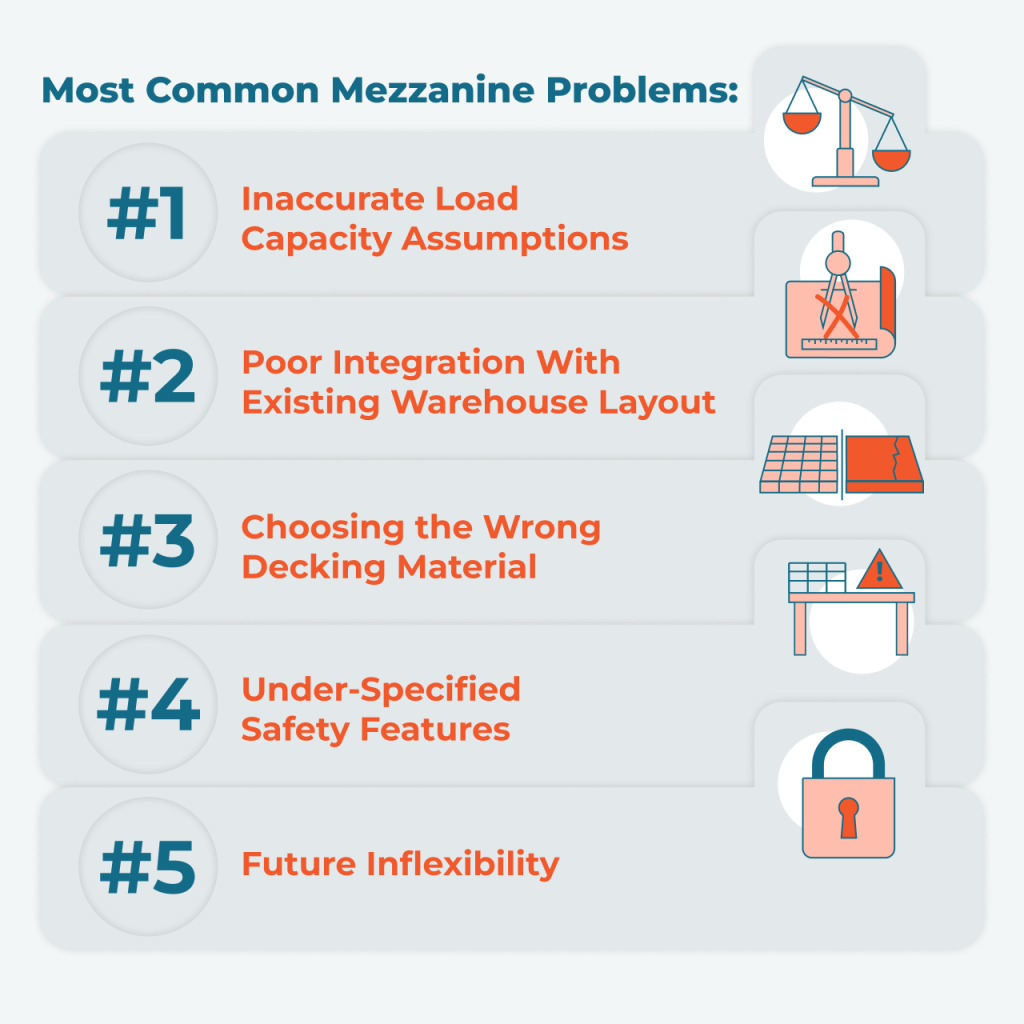
Problem #1: Inaccurate Load Capacity Assumptions
Risks of Overloading
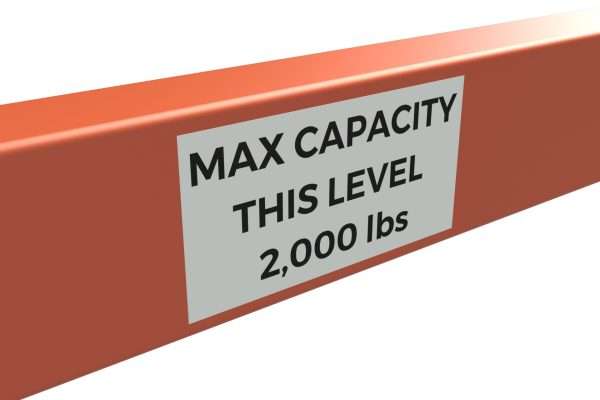
Most mezzanines are designed for 125-150 lbs/sqft. According to IBC standards, light-duty mezzanines are designed to handle 125 lbs per square foot (PSF). That means you can calculate the total load by multiplying the mezzanine’s square footage by 125. Once you have that number, you can determine how many columns are needed and how they should be spaced to evenly distribute the weight across the mezzanine and the slab below. But depending on the design, size, and materials used, actual load capacities can vary quite a bit.
| Type of Mezzanine | Load Rating (lbs/sqft) | Typical Use |
|---|---|---|
| Light-Duty | 125 | Storage of boxes, light goods |
| Medium-Duty | 150 | Palletized items, carts |
| Heavy-Duty | 200+ | Equipment, drums, machinery |
One of the most common—and dangerous—mistakes is overestimating how much weight your mezzanine can handle. Pushing beyond its limits can cause serious problems like floor deflection, structural damage, or even collapse. It’s critical to get these numbers right from the start to ensure both safety and long-term performance.
How to Calculate or Verify Proper Load Ratings
Every mezzanine should be designed with clearly defined live load and dead load ratings. It’s important to account for more than just the weight of stored goods—you also need to consider equipment, racking systems, and foot traffic that will use the space.
Why Engineering Review is Crucial
In our experience at Speedrack West, when a qualified structural engineer reviews your mezzanine plans before installation, you avoid problems down the line. They’ll take into account load distribution, seismic factors, and deflection tolerances to ensure your design meets local building codes and operational requirements.
Problem #2: Poor Integration With Existing Warehouse Layout
Blocking Critical Infrastructure
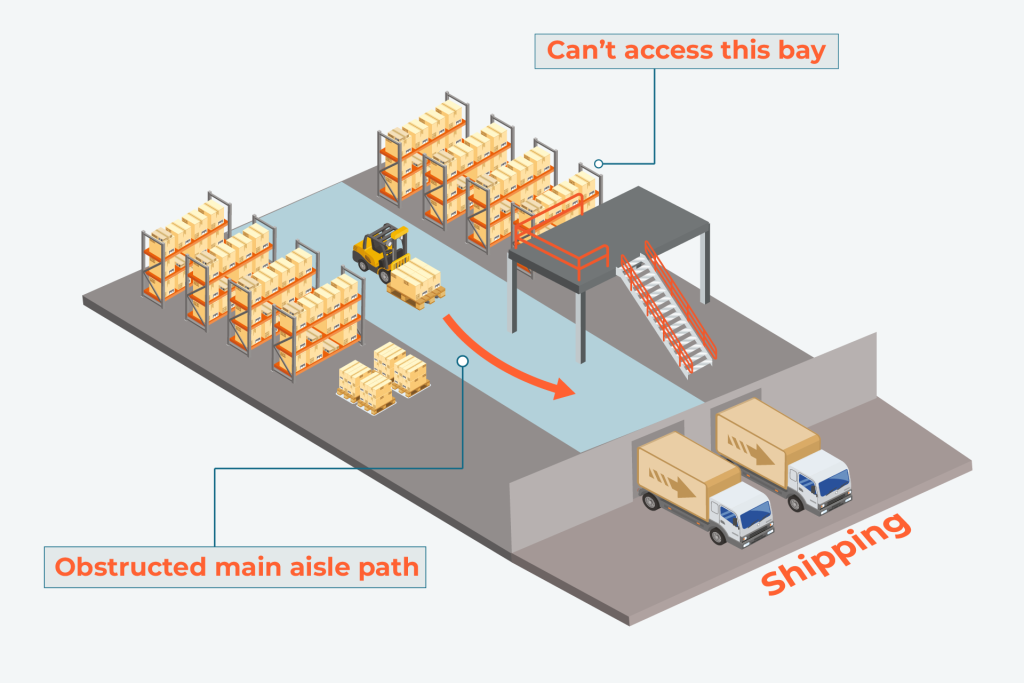
Poor mezzanine layout planning can cause serious disruptions—like blocking emergency exits, narrowing aisles, or interfering with HVAC, lighting, or sprinkler systems. These issues don’t just happen—they’re usually the result of planning oversights that create operational bottlenecks.
Bad mezzanine design examples? Let’s say your mezzanine columns were placed too close to your main shipping aisle. Suddenly, forklifts can’t pass through without taking a longer route—or worse, they can’t access certain bays at all. Now, what used to be a five-minute task becomes a daily delay, slowing down order fulfillment and increasing labor costs. All because the layout didn’t account for operational flow.
How to Plan for Flow, Clearance, and Accessibility
Start with a comprehensive site analysis. Look for pinch points, assess forklift turning radius, review aisle width requirements, and ensure all emergency and service access points remain clear. Collaborate early with your facility manager, safety officer, and fire marshal to avoid layout-related code violations and workflow interruptions.
Problem #3: Choosing the Wrong Decking Material
Decking That Doesn’t Match Load or Use
When it comes to mezzanine flooring, not all materials are created equal. There are two main categories to consider:
Standard options: Resin-coated and composite wood panels
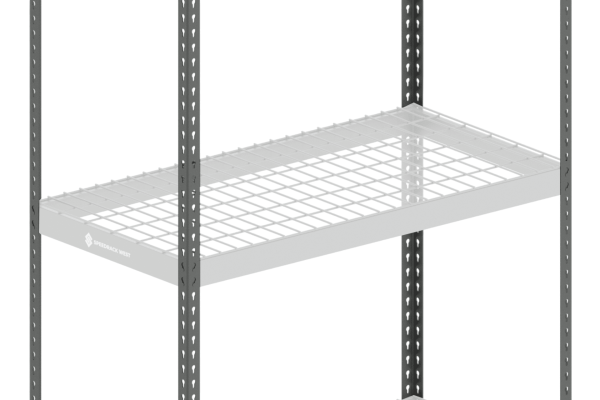
Enhanced options: Bar grating, plywood, and other industrial-grade materials
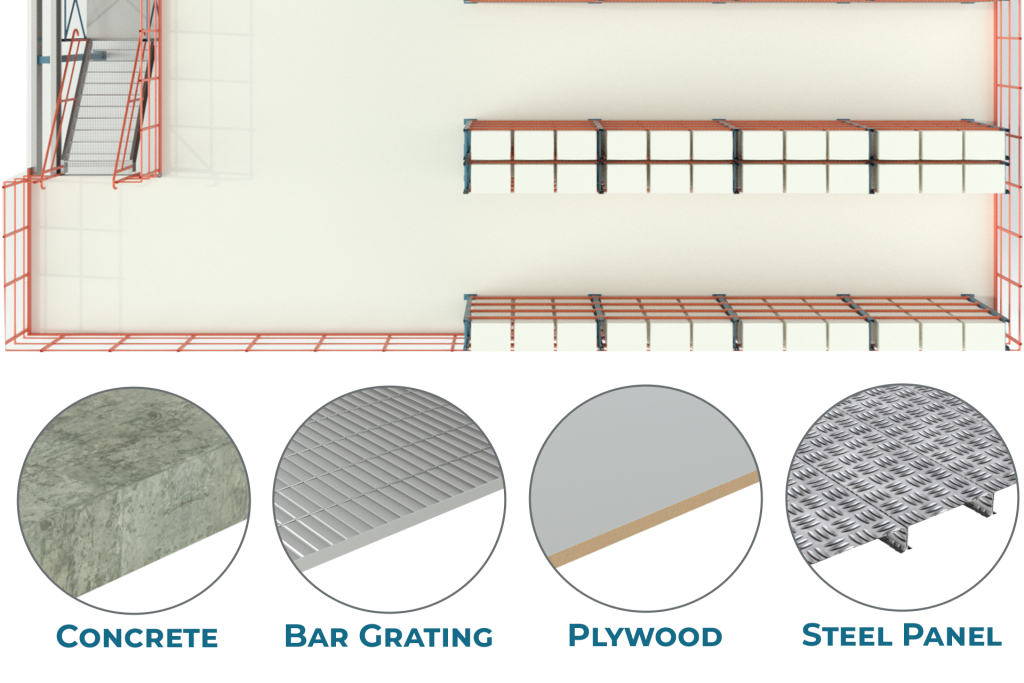
Beyond these, several advanced flooring types are also commonly used, especially in more demanding applications. (For a deeper dive, check out our article: How Much Does a Mezzanine Floor Typically Cost?)
A classic example of bad mezzanine design is using smooth plywood or bar grating in areas with heavy traffic or moisture. This can lead to problems like slippery surfaces, standing water, or excessive noise—all of which can impact safety and productivity.
How to Match Decking to Your Application
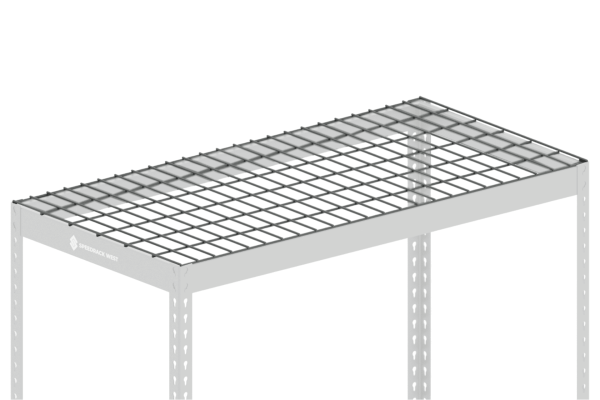
When choosing mezzanine flooring, consider factors like load type, slip resistance, noise control, and fire rating. For example, high-density composite panels over corrugated steel are ideal for heavy-duty applications involving pallet jacks, carts, or dollies. Bar grating is best for environments that require maximum airflow, drainage, and visibility. Often used in industrial or mechanical settings where moisture control and ventilation are key.
| Decking Type | Best For | Watch Out For |
|---|---|---|
| Resin-Coated / Composite Wood | General storage, light loads | Not for high moisture |
| Plywood | Light-duty areas | Slippery, noisy when wet |
| Bar Grating | Airflow, drainage | Uncomfortable to walk on |
| HD Composite over Steel | Heavy-duty, pallet jacks | Higher cost but long-term value |
Ultimately, the right decking depends on your specific operational needs. Choosing the right material up front will save you from costly upgrades and safety concerns later.
Problem #4: Under-Specified Safety Features
Missing Gates, Railings, or Stair Treads
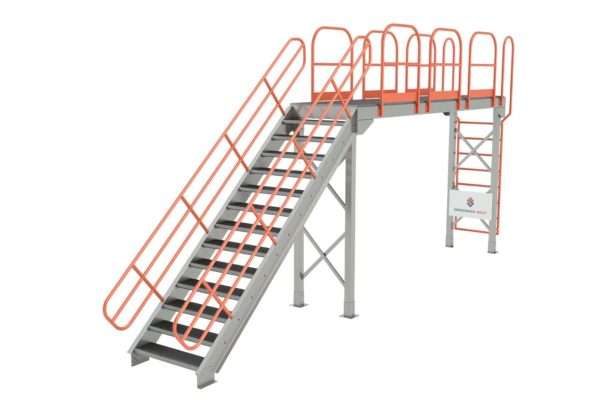
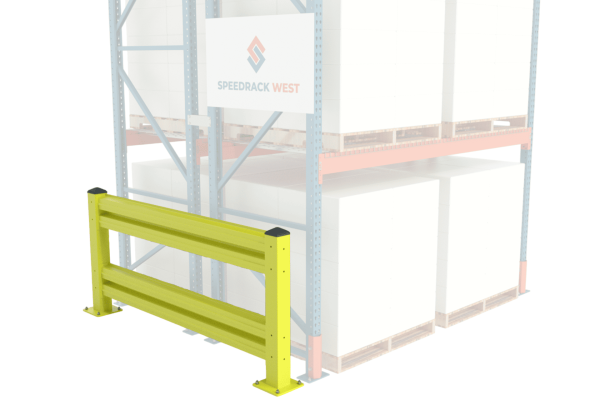
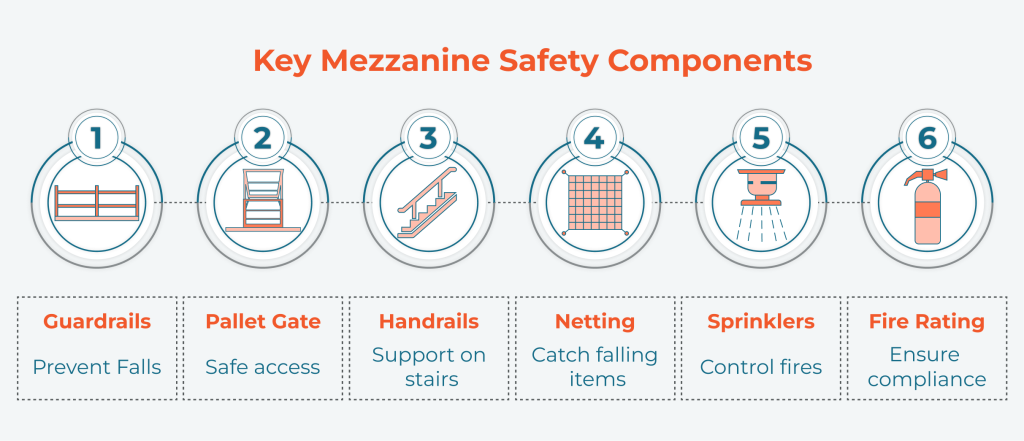
Safety features are not optional—they’re essential. Guardrails protect against falls at open mezzanine edges, while handrails provide support for workers navigating stairs or ramps. When these elements are missing or inadequate, you’re exposing employees to unnecessary risks and opening the door to OSHA safety violations.
Inadequate fall protection and poor access control are among the most common mezzanine floor safety issues. That’s why it’s important to incorporate:
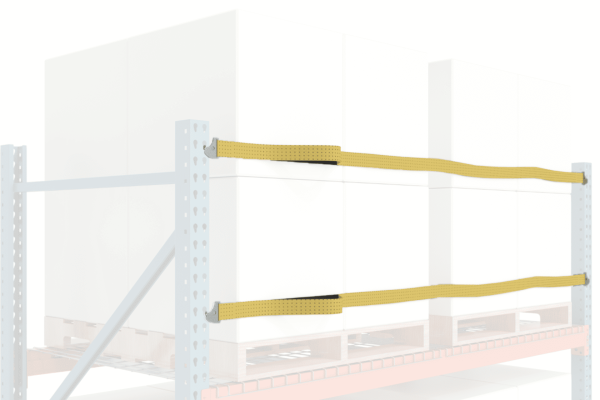
- Pallet rack safety gates and edge protection to prevent falls during loading/unloading
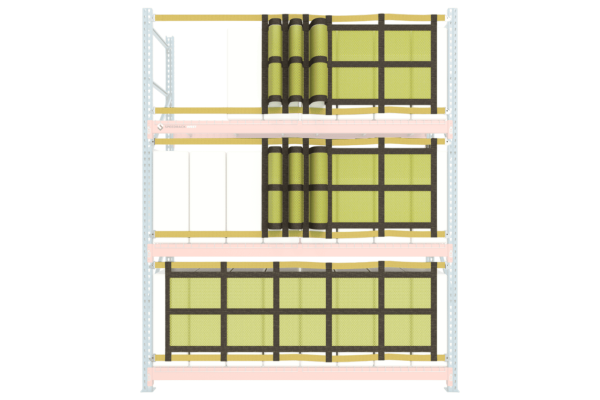
- Safety netting beneath mezzanines to catch falling objects and protect personnel below
Neglecting these features doesn’t just risk safety—it can lead to non-compliance citations, work stoppages, or even liability claims.
Fire Protection Issues
Fire protection is another area where cutting corners can cost you. Experts estimate that fire protection can account for 35–40% of a mezzanine’s total cost. This might include sprinkler integration, smoke vents, and fire-rated materials—requirements that vary by local code and application.
Still, consider the alternative: what’s the cost of damaged inventory, equipment loss, or employee injury in a fire? Simply put: don’t play with fire—design for it.
How to Build in Compliance From Day One
The smartest way to stay safe (and compliant) is to design your mezzanine system with IBC, OSHA, and local fire code standards from the very beginning. Retrofitting safety features after installation is often more expensive, more disruptive, and more stressful.
To help you plan effectively, check out our Mezzanine Safety Features & Compliance Table—a handy resource to make sure you’ve covered all the bases.
Problem #5: Future Inflexibility
Systems That Can’t Be Modified or Expanded
Ask yourself: Can I expand or modify my mezzanine as my business grows? If you’re unsure, you’re not alone.
One of the most common—and costly—long-term mezzanine design mistakes is failing to plan for change. For example, you might eventually need to reinforce the structure to support heavier loads, only to discover that fixed-position columns, welded joints, or concrete decking make modifications difficult, expensive, or even impossible.
Whether or not your mezzanine can evolve with your needs depends largely on the original design, column spacing, and foundation strength. That’s why it’s essential to involve a qualified engineer early in the process to assess long-term feasibility.
How to Plan for Adaptability and Relocation
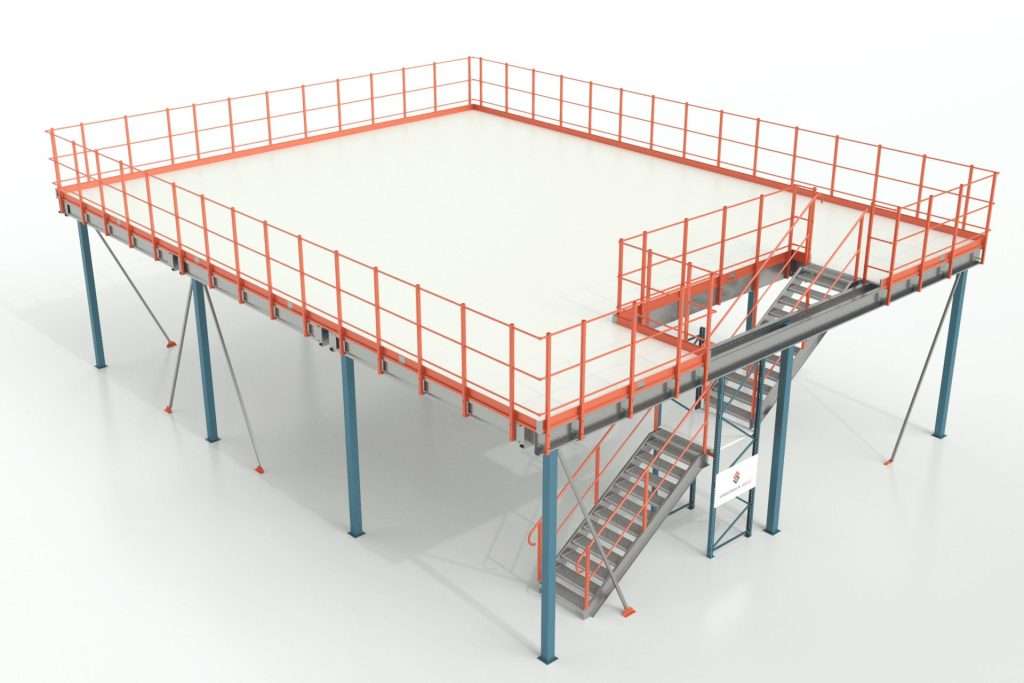
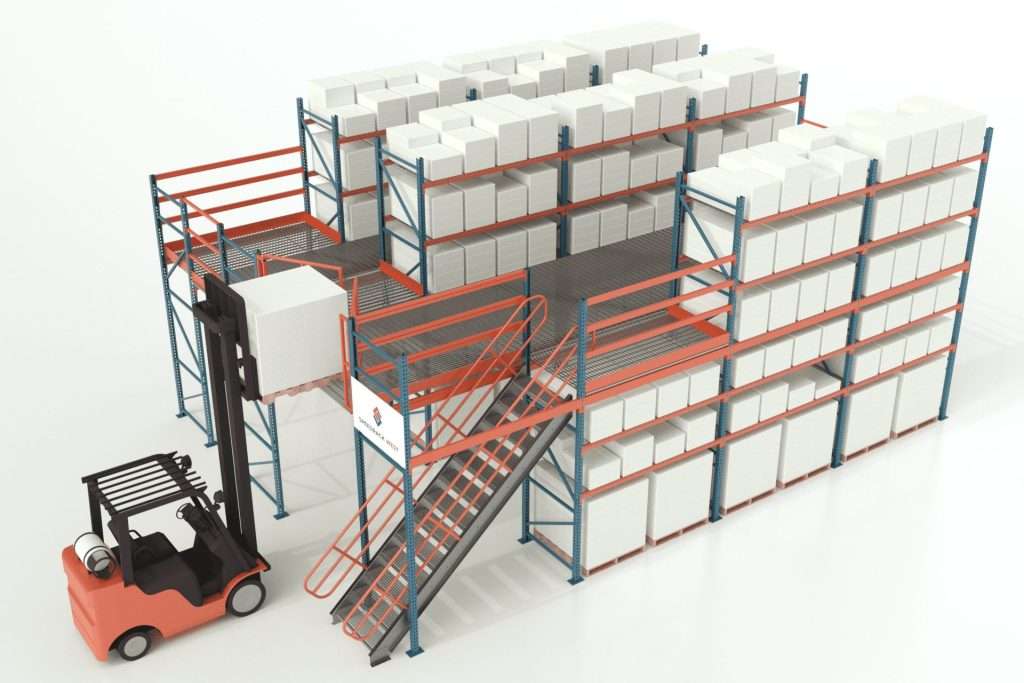
Not all mezzanine systems offer the same level of flexibility. If you’re planning for growth or expecting changes in your operations, consider systems designed with future expansion in mind. Common options include:
- Structural Steel Mezzanines – Strong, durable, and customizable
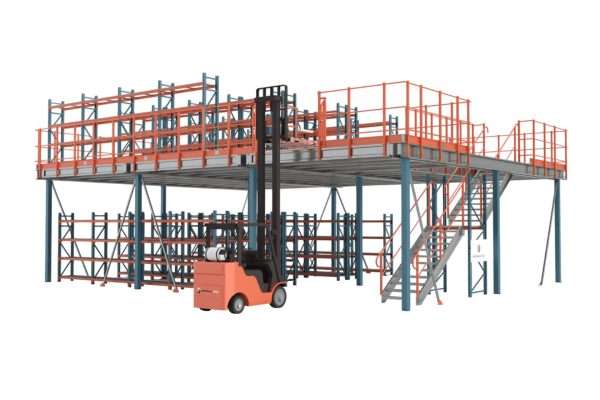
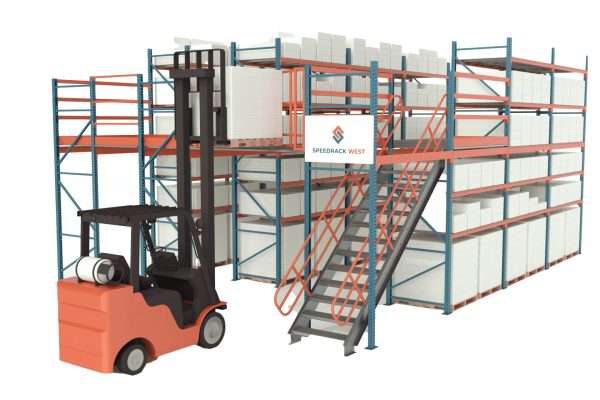
- Pallet Rack Mezzanines – Modular and easier to adjust or reconfigure
- Adjustable Mezzanine Platforms – Designed for quick changes in layout or function
Want to see how this works in real life? Check out our Real-Life Scenarios guide to better understand how to plan for future flexibility—and get clear answers to the question:
Can my mezzanine be expanded or modified later?
Bonus: Installation Mistakes to Avoid
Some of the most common mezzanine installation mistakes include improper anchoring, skipping slab level checks, or misaligned structural components. These oversights can lead to vibration, instability, or uneven flooring—all of which compromise safety and performance.
Imagine installing a mezzanine over a slab that has a slight slope—just enough to go unnoticed at first. Without correcting or accounting for it during installation, the result could be a tilted structure where rolling equipment drifts, storage racks lean, and load distribution becomes unpredictable. That’s a recipe for operational inefficiency and long-term structural concerns.
Why It Pays to Work With Experienced Installers
Certified installers follow proven best practices to verify that everything is level, secure, and code-compliant. At Speedrack West, we know how to handle floor slope issues, beam deflection, and column placement challenges—so your mezzanine floor is solid from day one.
Final Thoughts: Plan Smart, Avoid Costly Errors
From load capacity problems on mezzanine floors to installation mistakes, many issues stem from poor planning or a lack of expert consultation. The good news? Every one of these problems is preventable with the right partner.
One missing detail can cost you safety, compliance, and time.
Let Speedrack West help you get it right the first time.

Was this helpful?