

Belt Driven Live Roller Conveyor
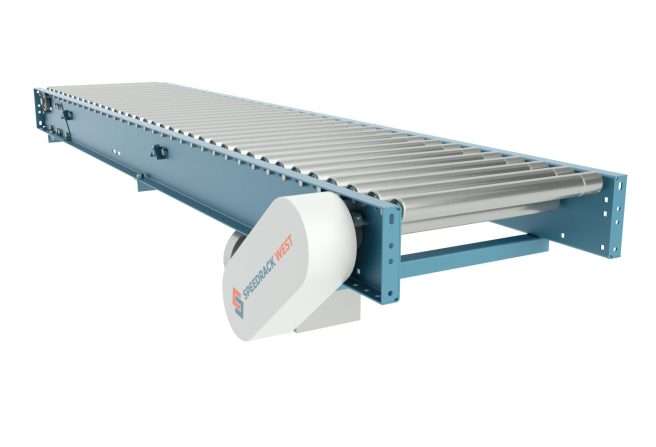
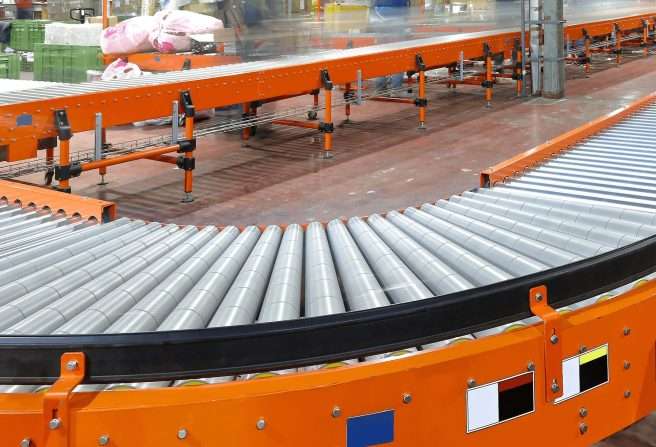
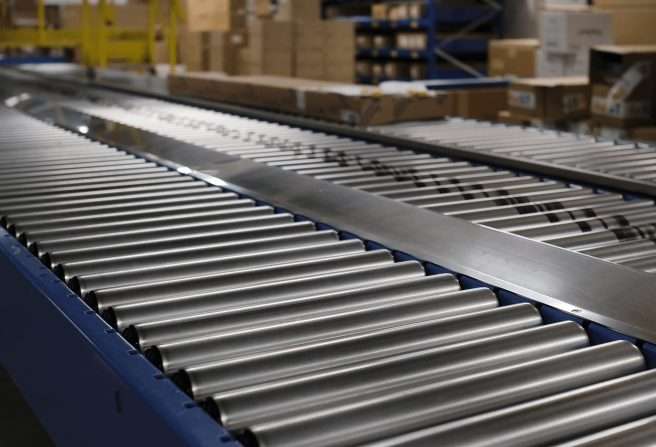
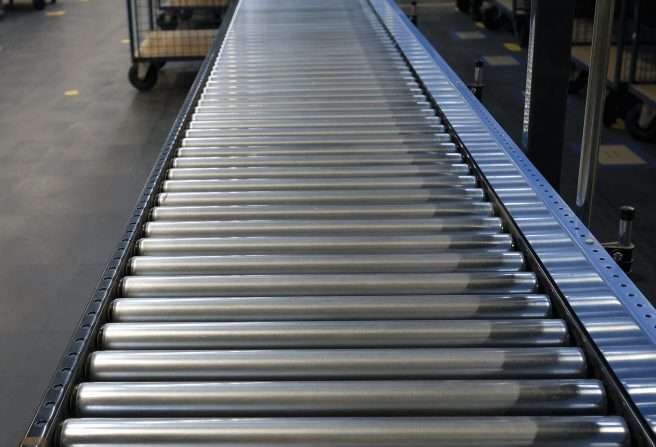
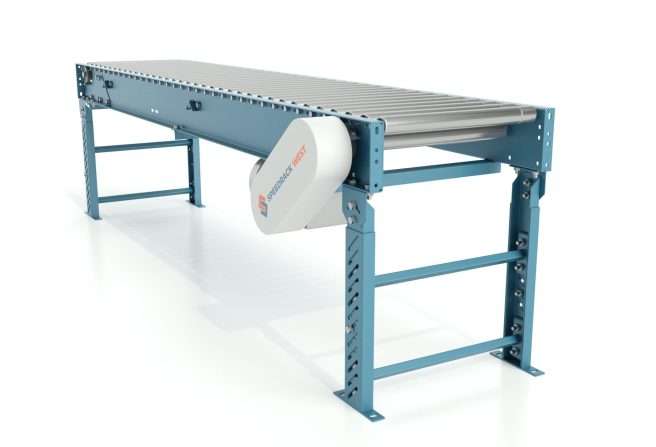
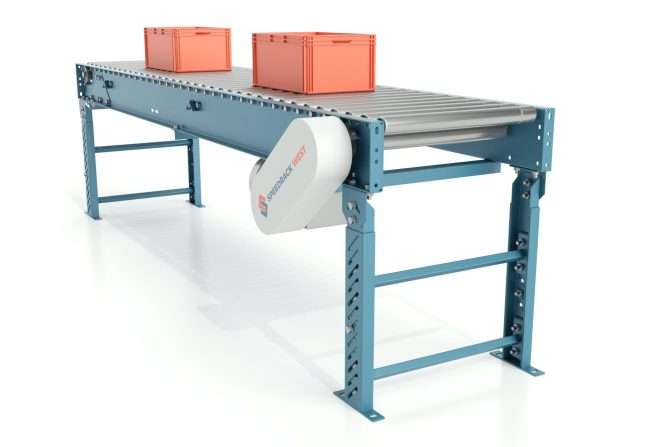
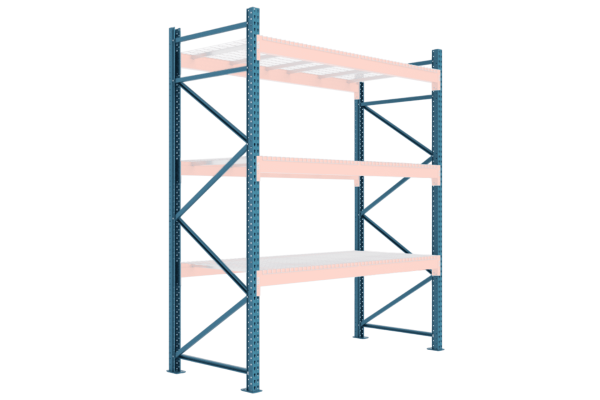
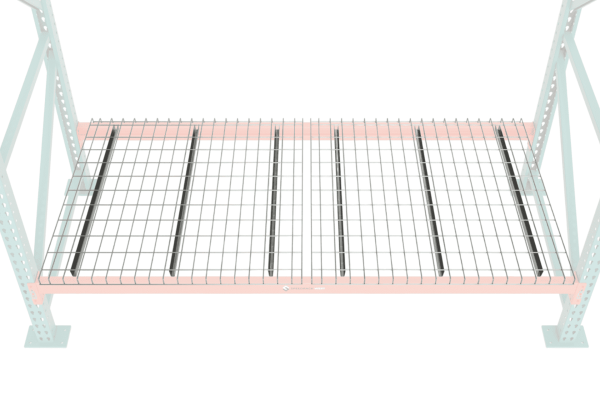
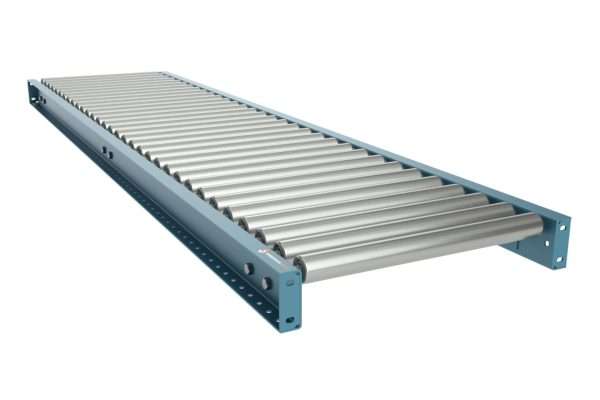
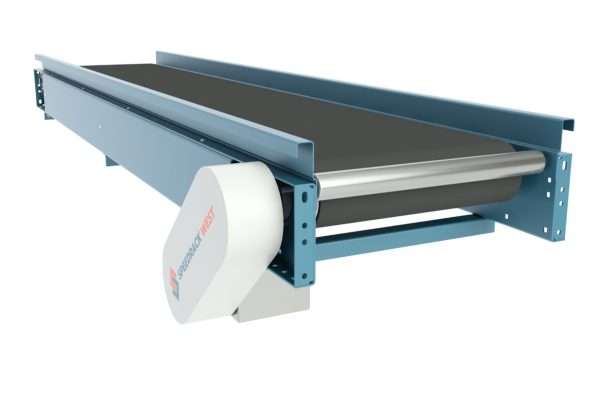
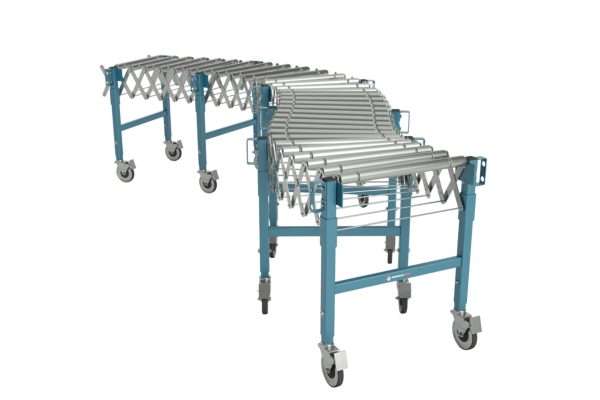
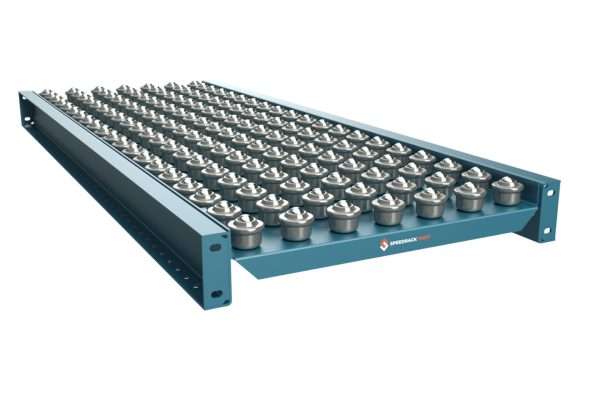
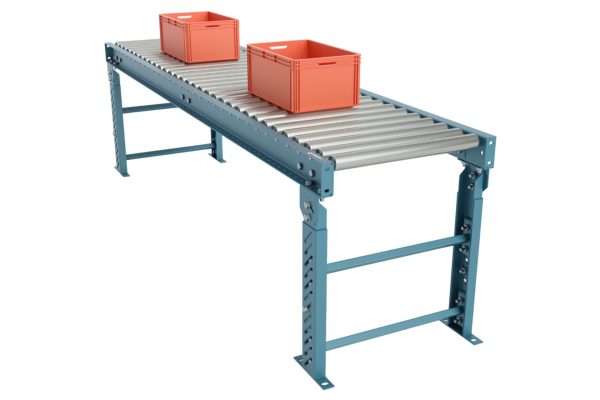
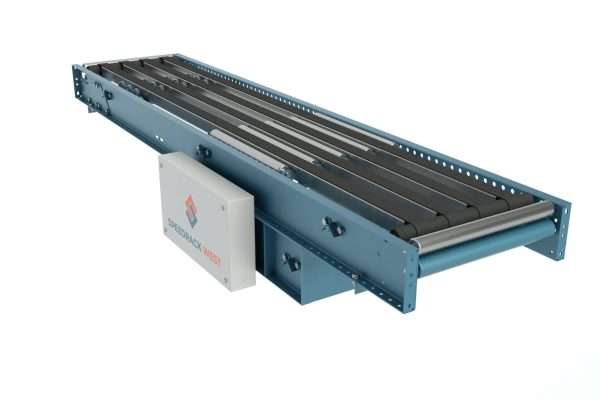
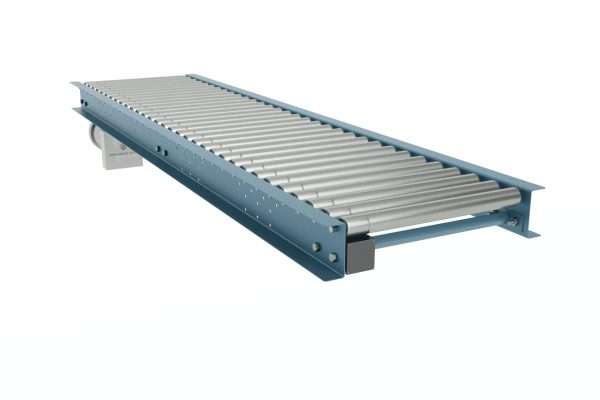
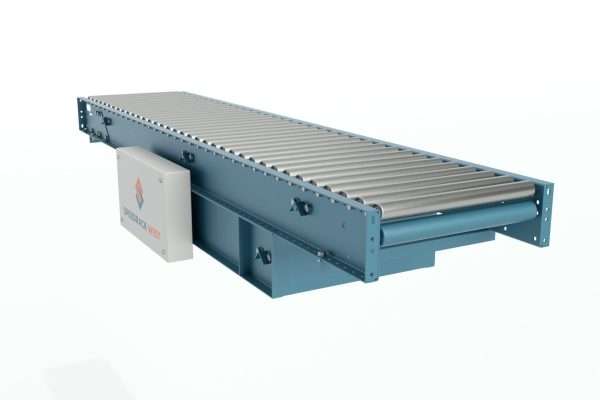
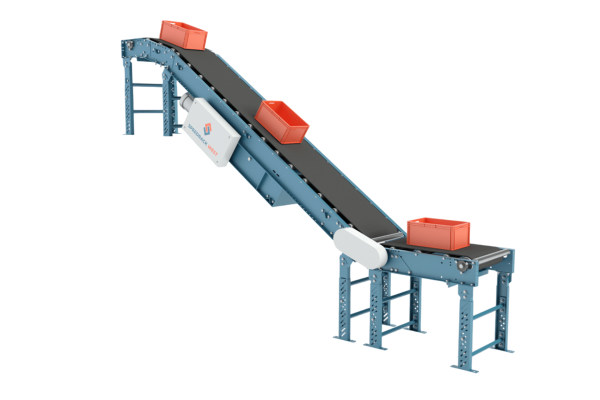
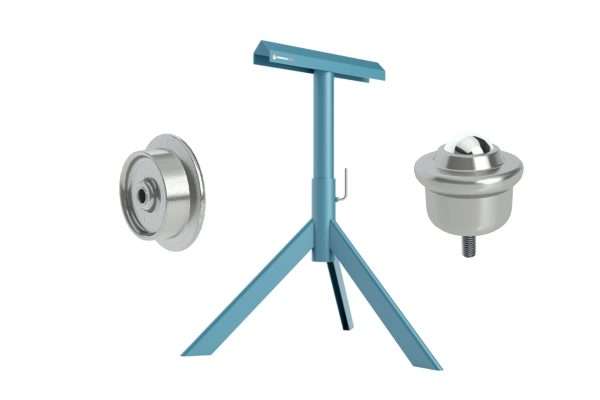
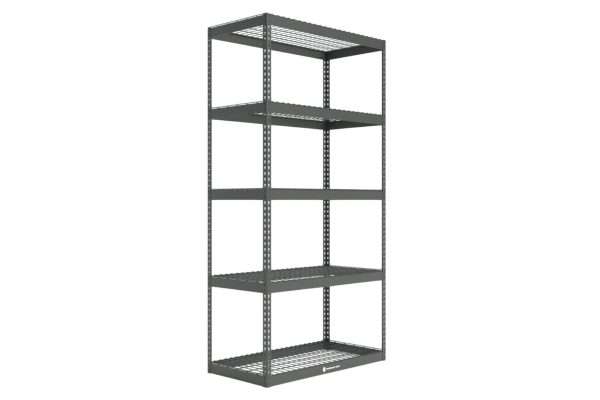
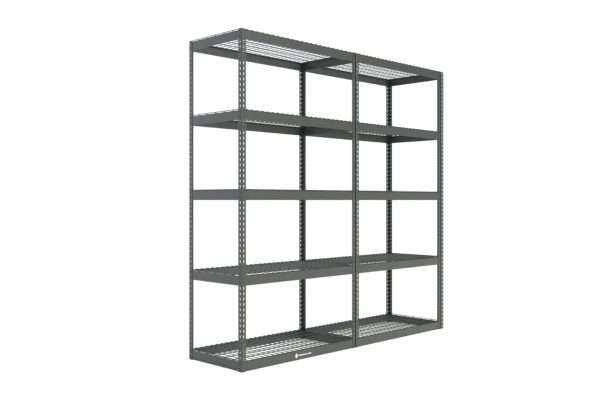
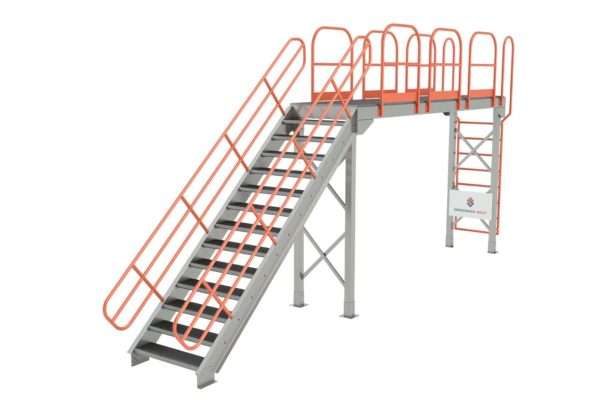
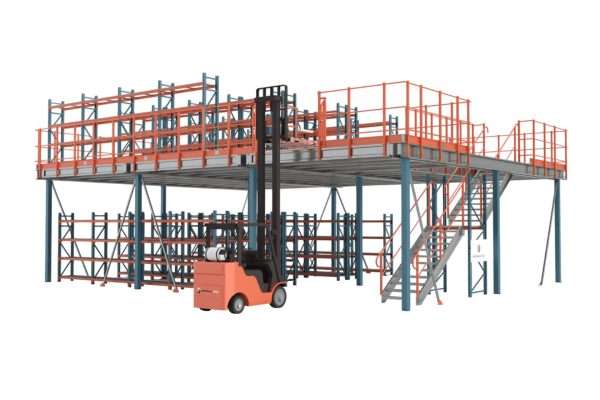
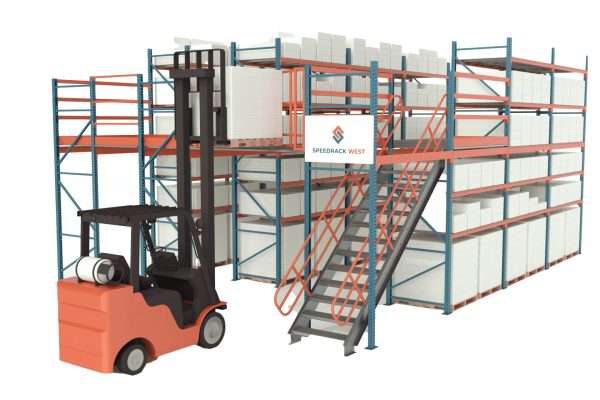
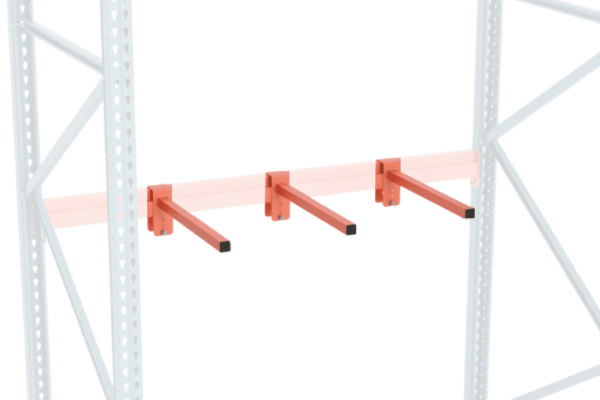
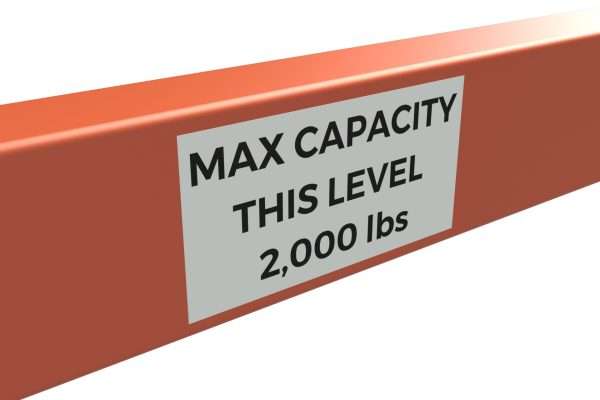
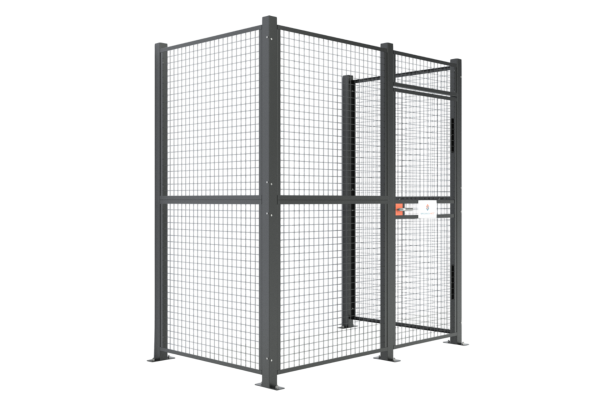
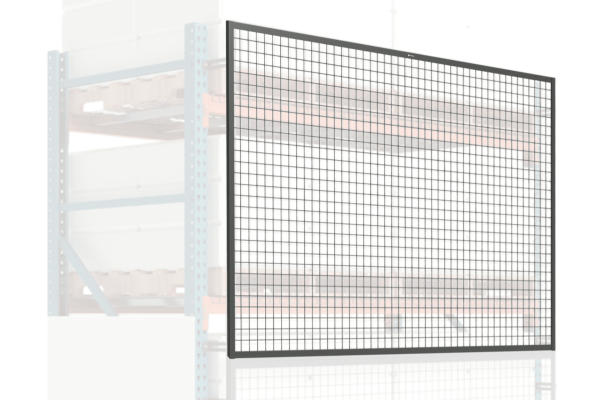
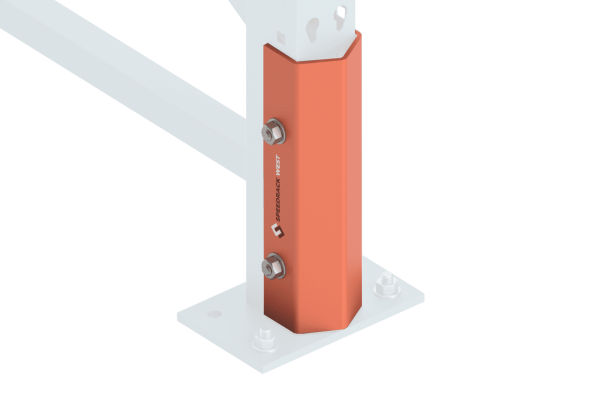
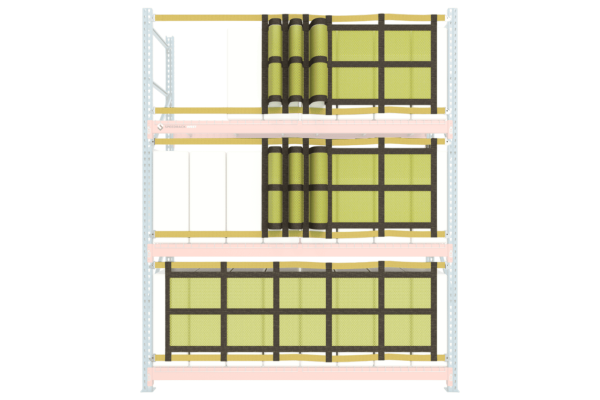
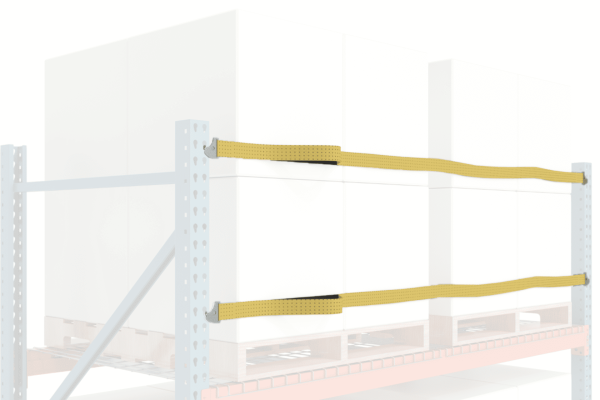
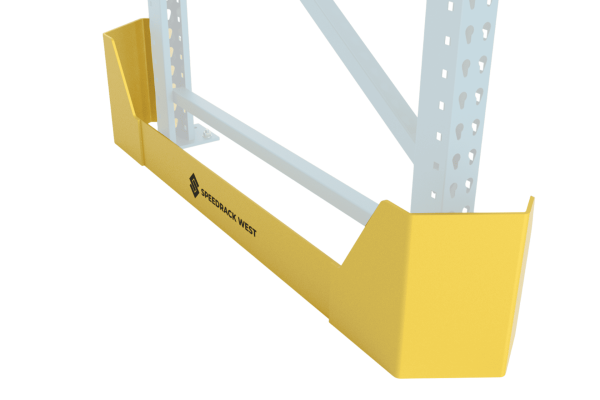
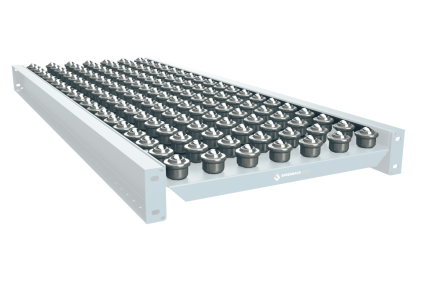
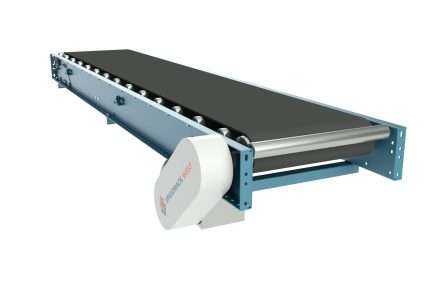
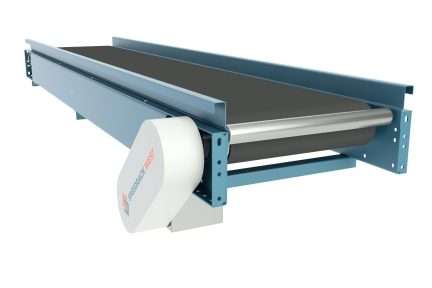
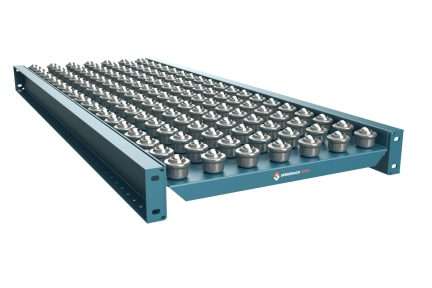
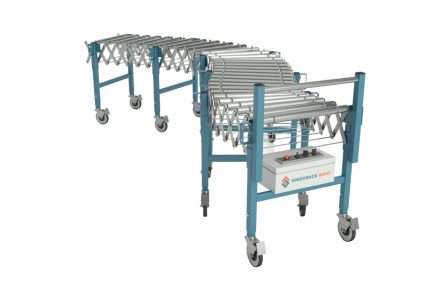
An image displaying a conveyor with optional structures and features.
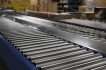

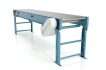
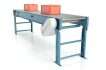
Belt Driven Live Roller Conveyor

Send us your request to receive an estimate
Key Features
-

Speed depends on the model: 3-120 FPM
-
Capacity is 300 lb of total distributed live load
-
Electrical controls: optional
-
Contact Us for custom sizing or additional options/features
Delivery Terms
-

Special Manufacturer Rates
Access exclusive pricing
Access exclusive pricing
-

Nation-wide Shipping
Great rates & lead time across the country
Great rates & lead time across the country
-

Order What You Need
Avoid overpaying by talking to our experts today!
Avoid overpaying by talking to our experts today!
Delivery Terms
-
Special Manufacturer Rates
Access exclusive pricing
Access exclusive pricing
-
Nation-wide Shipping
Great rates & lead time across the country
Great rates & lead time across the country
-
Order What You Need
Avoid overpaying by talking to our experts today!
Avoid overpaying by talking to our experts today!
Key Features
-
Speed depends on the model: 3-120 FPM
-
Capacity is 300 lb of total distributed live load
-
Electrical controls: optional
-
Contact Us for custom sizing or additional options/features
Description
Every conveyor system is custom-designed to meet your specific needs. We start by understanding your requirements, including the types of products to be handled, their dimensions, and your throughput goals. With this information, we tailor conveyor solutions that align perfectly with your operational demands, ensuring a cost-effective and efficient material handling solution. Contact us.
Belt Driven Live Roller Conveyor
Why should you opt for the belt-driven live roller conveyor?
- Belt-driven conveyors can handle a wide range of products, from small items to large, heavy loads, making them suitable for various industries and applications.
- Belt driven live roller (BDLR) conveyors can accumulate products without the use of external controls, allowing for efficient buffering and accumulation of items along the conveyor line.
- Compared to chain-driven conveyors, belt-driven systems operate more quietly, creating a better working environment for employees.
- BDLR conveyors require less maintenance than chain-driven systems, as they have fewer moving parts and consume less energy than other types of conveyors.
- Belt-driven conveyors can be easily customized to meet specific layout and application requirements, including inclines, declines, curves, and merges.
How does it work?
Belt Driven Live Roller conveyor uses a single motor to move items long distances. The key difference between it and a gravity conveyor is that it momentarily stops items at different checkpoints. Belt-drive conveyor systems are mostly used for medium- to heavy loads, pallets, for example.
The main difference between roll-to-roll-driven conveyors is the driven principle. A belt-driven roller conveyor uses V-belts, or flat belts, that are supported by controlled pressure on the underside of the rollers. As the belt moves, friction between the belt and the roller causes the roller to rotate. Roll-to-roll-driven conveyors are driven by elastic loops from roller to roller in series. When one roller is driven, they all rotate in the same direction. Quote us today.
How many models are there?
The Roach series of belt-driven live roller conveyors includes a variety of models:
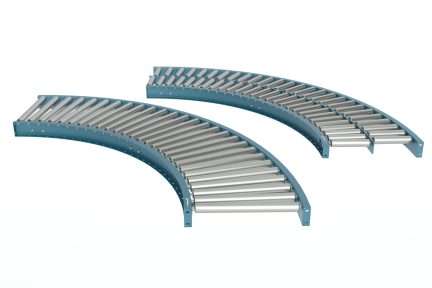
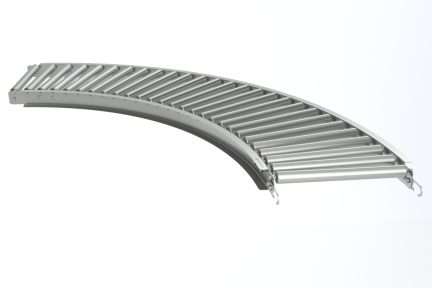
Live Roller Conveyor Curve with 4 Models.
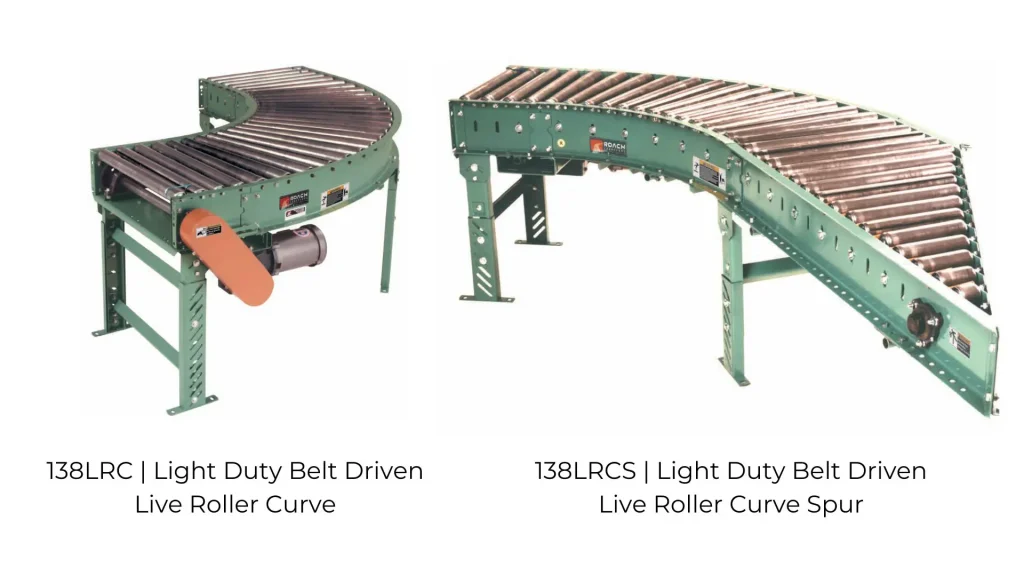
The capacity of both: 300 lb. of total distributed live load. The speed is 60 FPM, constant. Both have bed: 6″ x 1-1/2″ x 12 ga. formed steel channel frame.
However, the tangents of the Spur Conveyor Curve are 12″ on both ends on a 60/30 degree unit and 18″ on both ends on a 45/45 degree unit.
In contrast, model 138LRC has tangents of 12″ both ends on a 90-degree unit; 18″ both ends on a 45-degree unit.
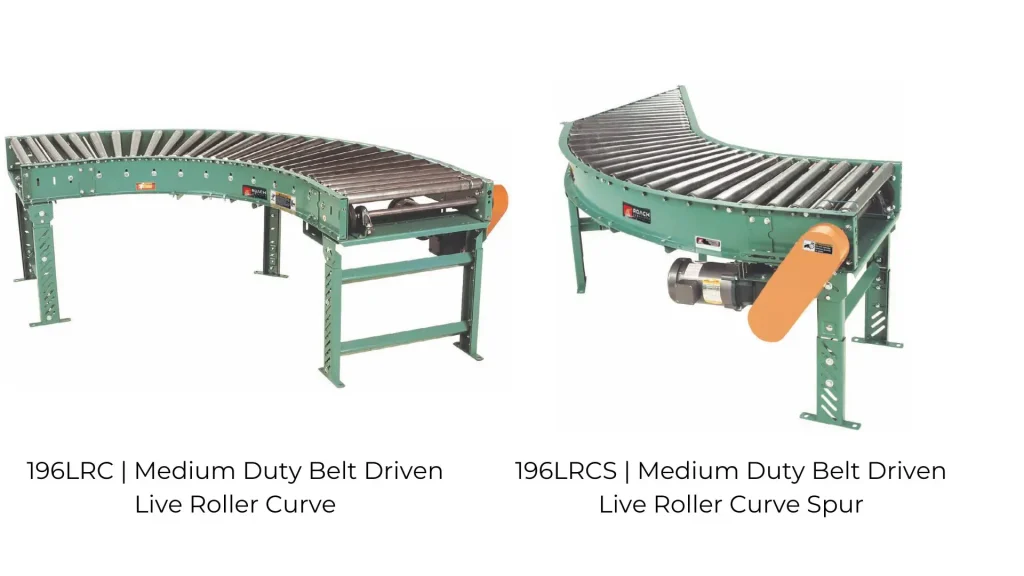
The one thing you should know about the model 196 LRC is that tangents are 1′-0″ both ends on 90 degrees; 1′-6″ both ends on 45 degrees; 1′-0″ both ends on 180 degrees. Tangent roller centers are provided on 3″ RC.
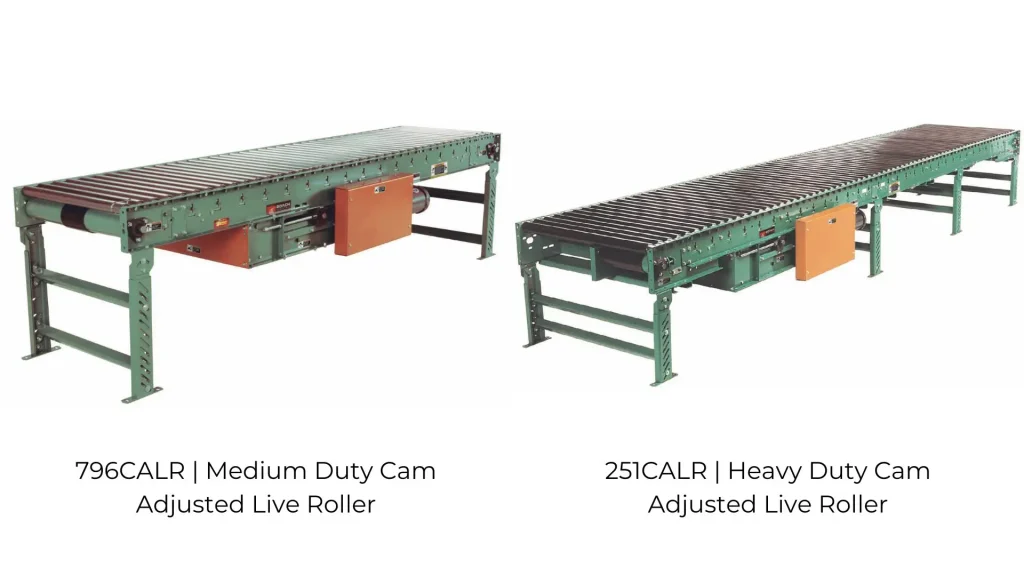
The first model, Roach 796CALR, is ideally suited for side loading, unloading, or temporary accumulation. Its unique cam allows tread roller drive pressure to be adjusted in only seconds.
Roach 251CALR is the choice to horizontally move heavier unit loads where transfers, side loading, or unloading are required. Its standard center drive allows for reversible operation.
The difference is the specifications. The Medium-duty model has a bed: 6″ x 1-1/2″ x 12 ga. channel frame slotted for tread rollers to pop out. Speed is 60 FPM, constant.
The Heavy-duty model has a bed: 7″ x 1-1/2″ x 10 ga. formed steel channel frame is slotted for tread rollers to pop out. When the unit is installed at 7′-0″ elevation or higher, rollers must be retained in the conveyor frame. The speed is 35 FPM, constant.
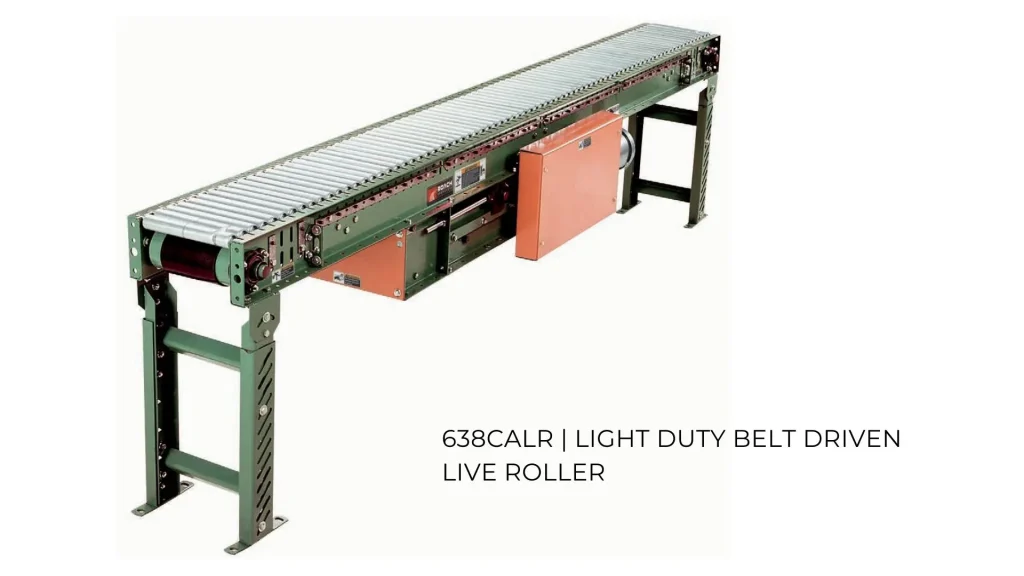
Whether you prefer to use a belt driven roller conveyor for increased efficiency, or reduced maintenance costs, or both, it can improve the overall productivity of your material handling operations. Speedrack West team provides it speedy for you. Quote us today!
Yes, we know there is a wide range of choices. The good news is that we’re here and ready to offer your business the right model because we know all about them. Call us and be sure.
Industries utilizing Belt Driven Live Roller Conveyors
-
Warehousing

-
Distribution

-
Parcel and package handling

-
Order fulfillment and e-commerce

-
Retail

-
Manufacturing

-
Airports

-
Food & Beverage

Want to Make Sure It Fits?

or
Industries utilizing Belt Driven Live Roller Conveyors
-
Warehousing
-
Distribution
-
Parcel and package handling
-
Order fulfillment and e-commerce
-
Retail
-
Manufacturing
-
Airports
-
Food & Beverage
Want to Make Sure It Fits?
or
Robert Baumgartner says: “Despite picking up this project in the middle of its lifecycle, the transition was flawless thanks to the team’s stellar communication. They exceeded our expectations by delivering the installation earlier than anticipated and hitting every technical requirement. From the sales team’s quick answers to their willingness to make adjustments, the experience was top-tier.”
Consolidated Supply says: “We’re very happy to be your regular client, and it’s always so easy to work with your team”
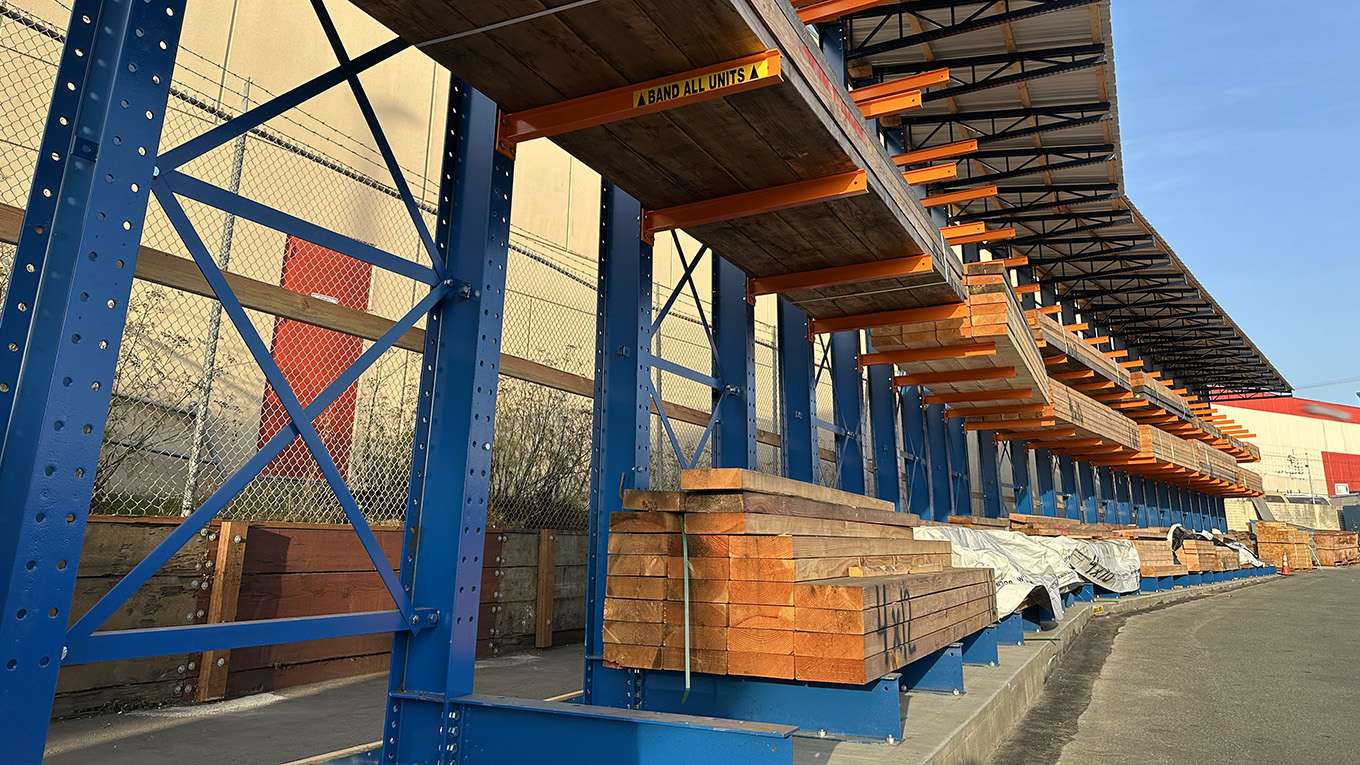
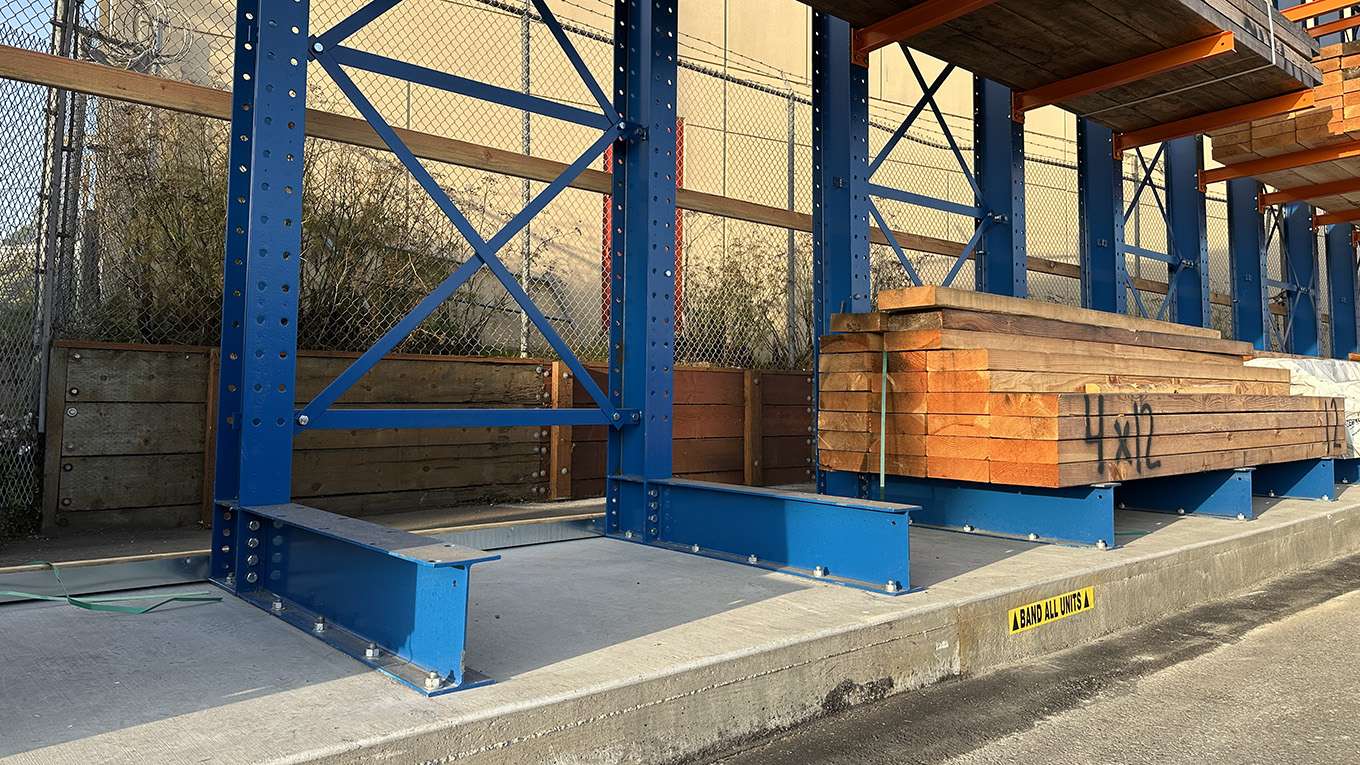
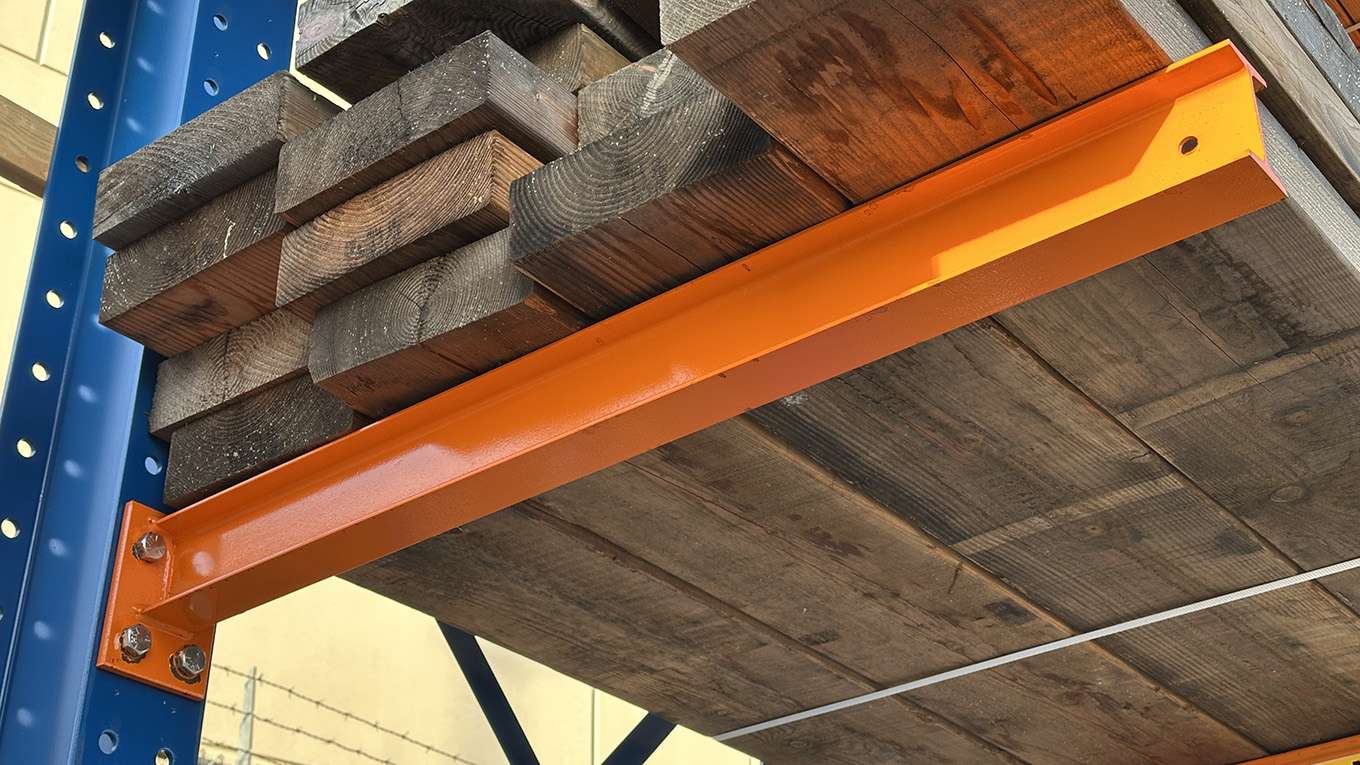
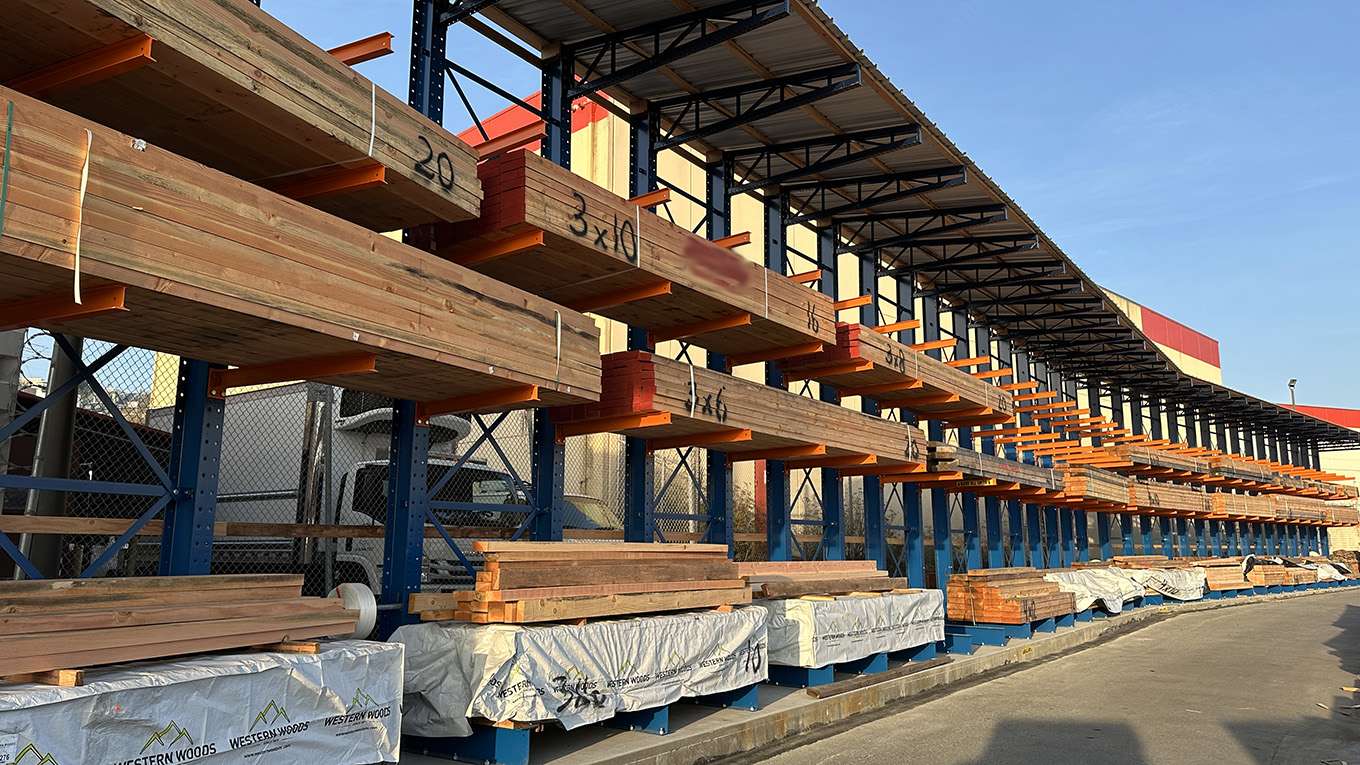
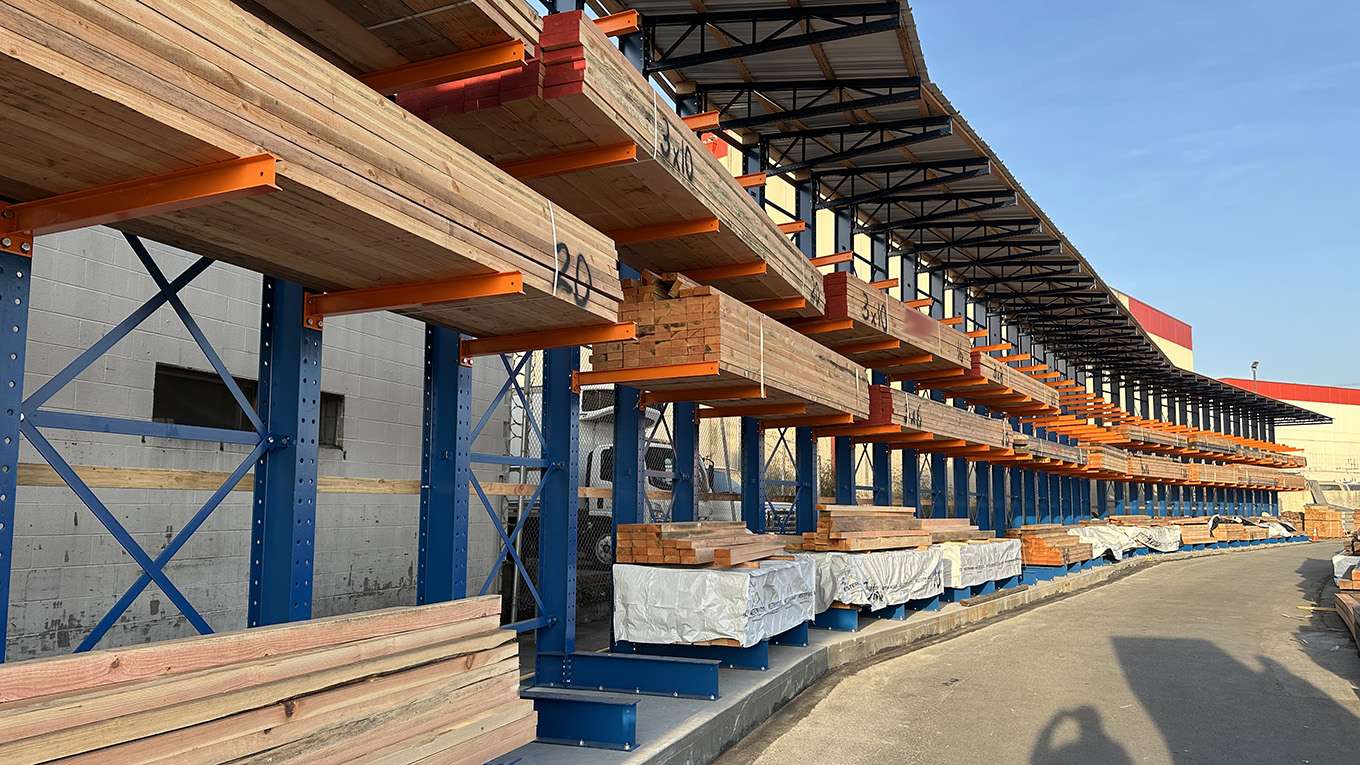
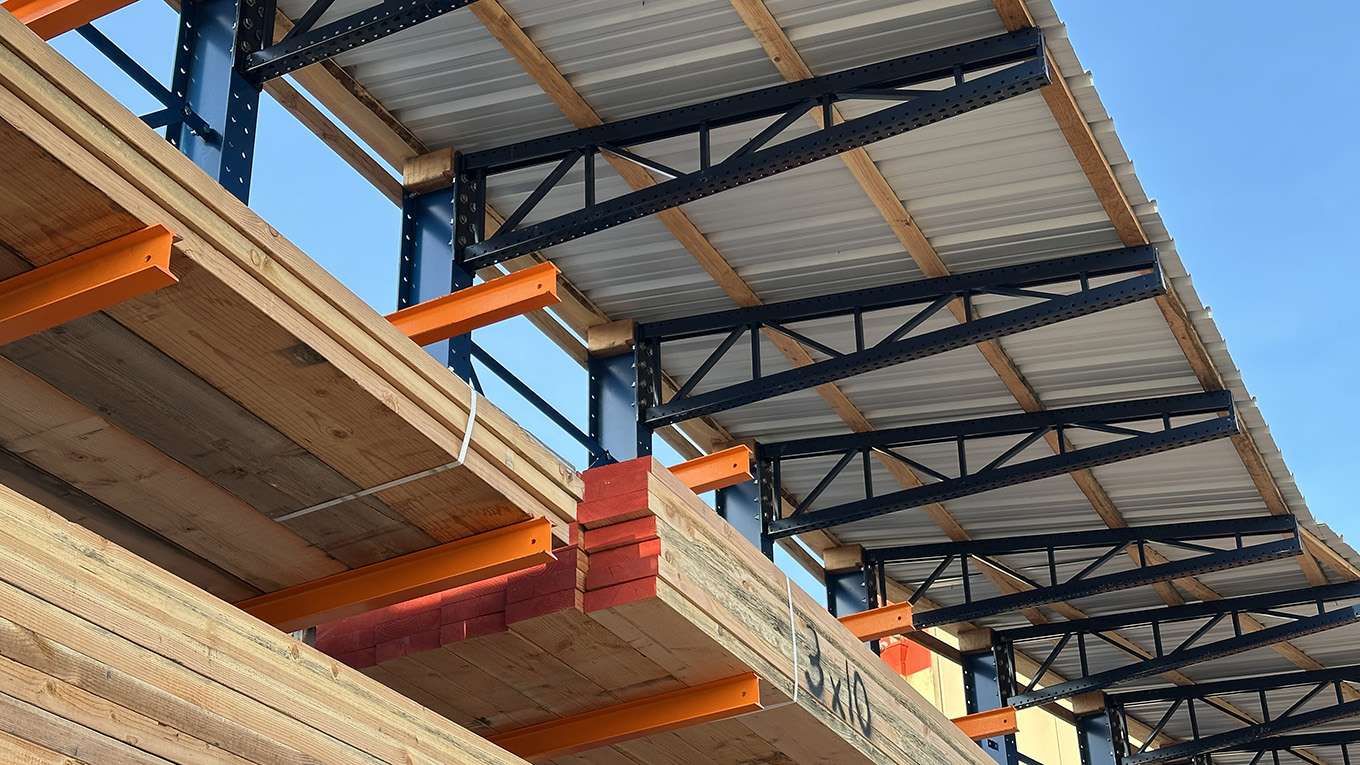
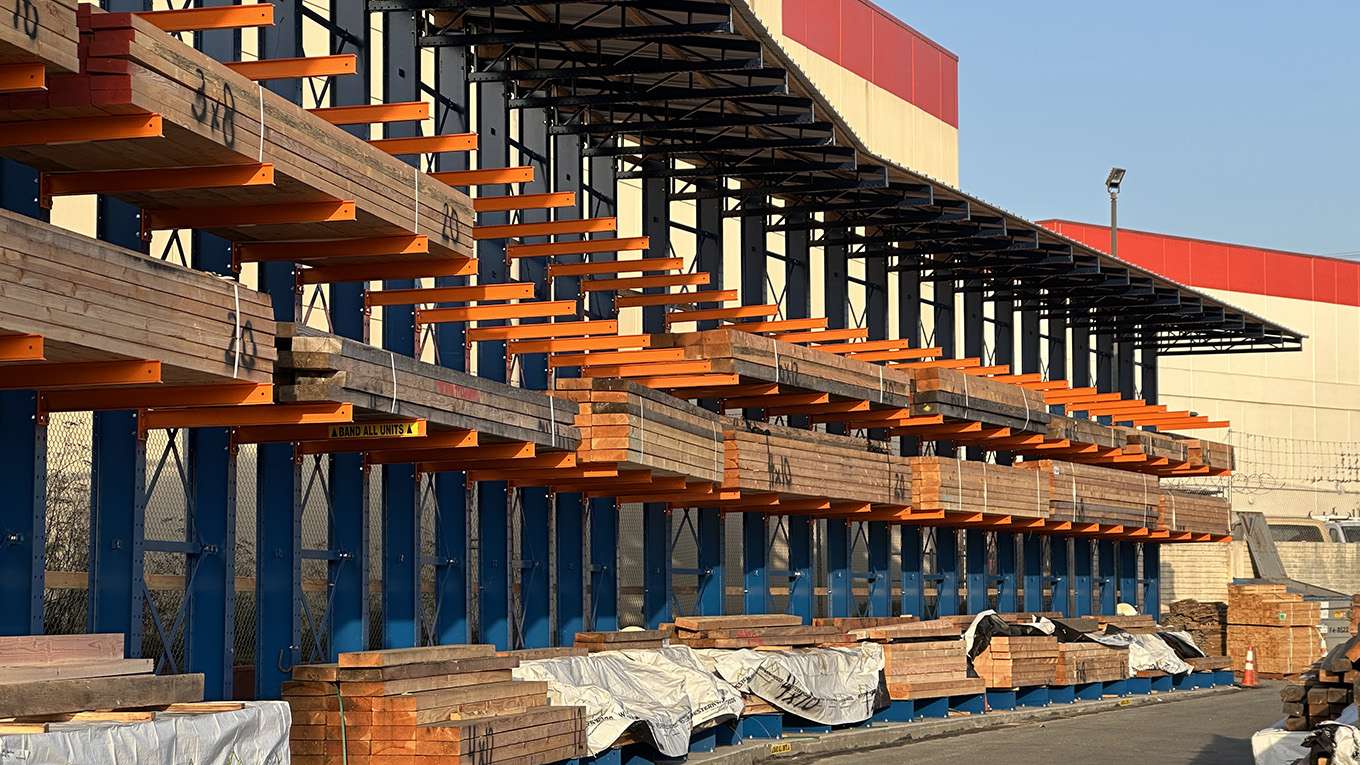
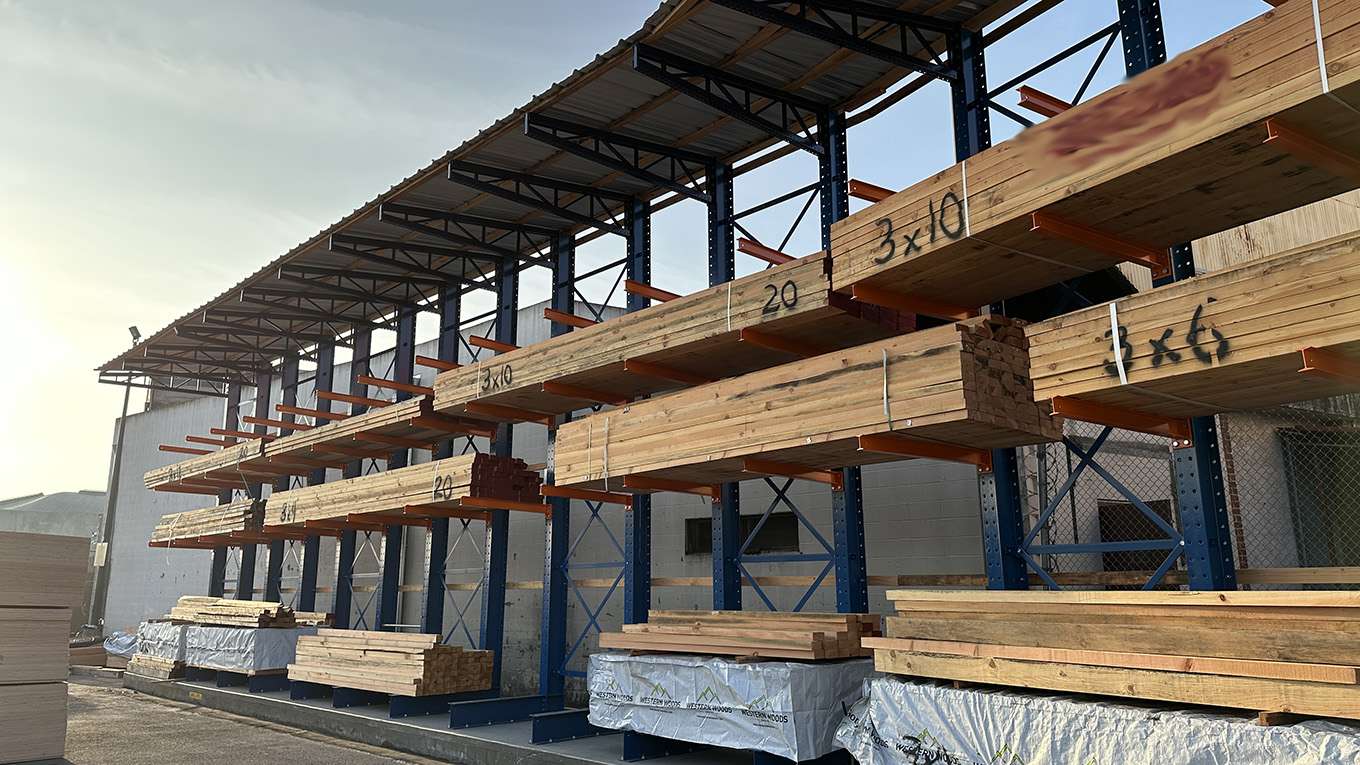
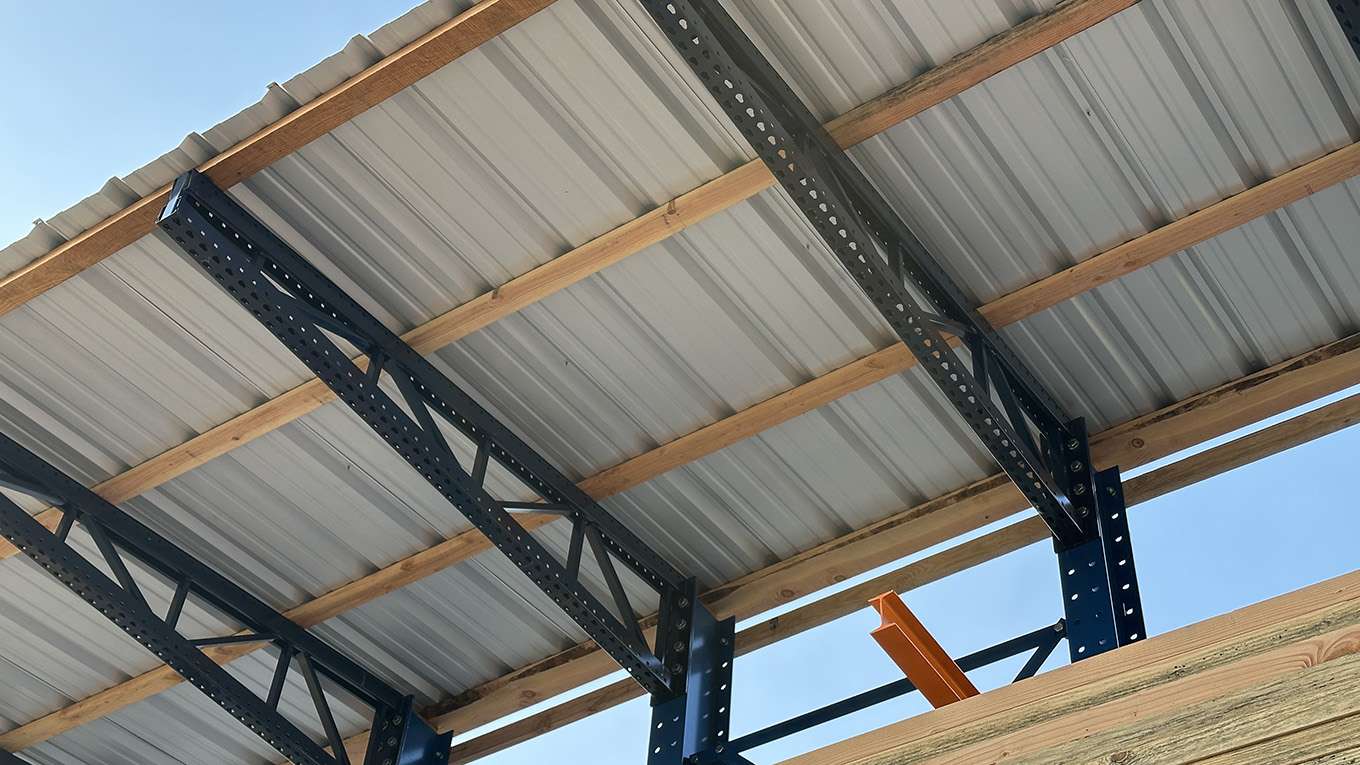
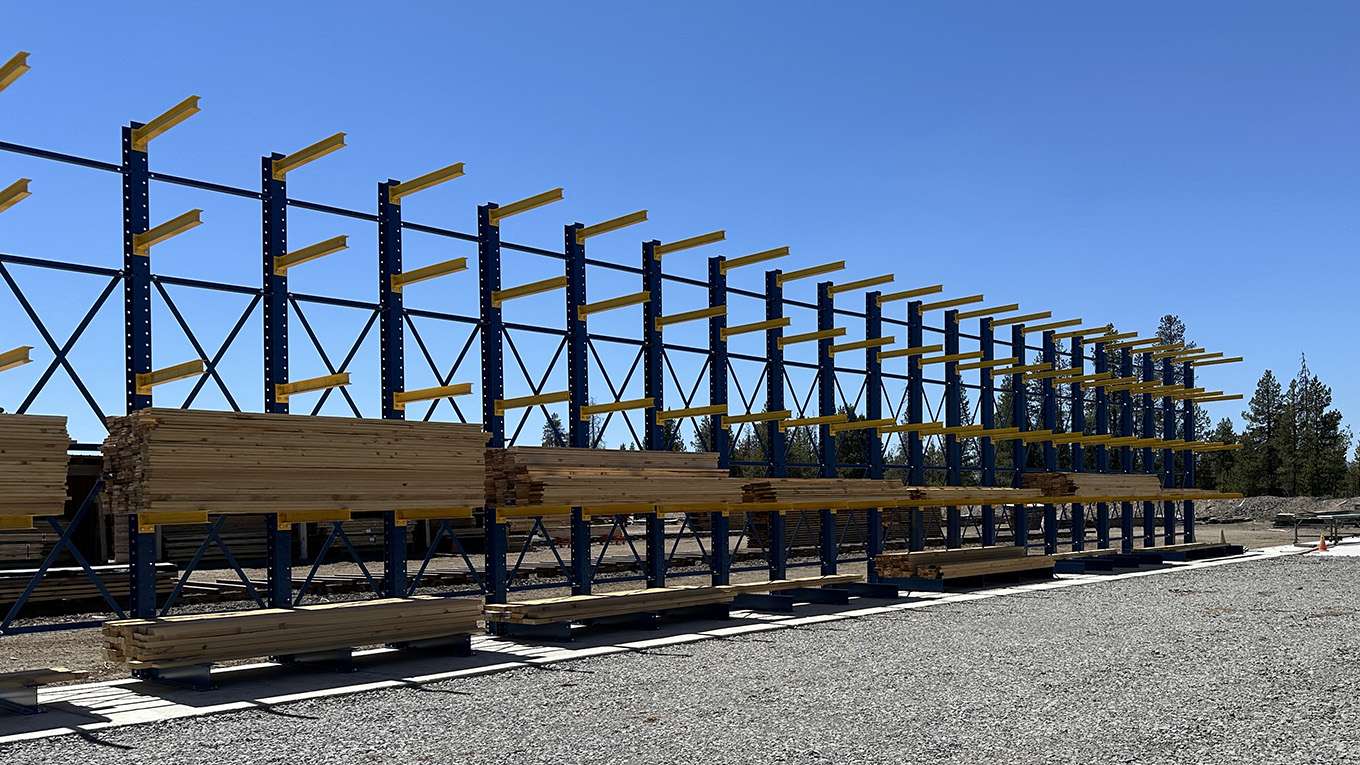
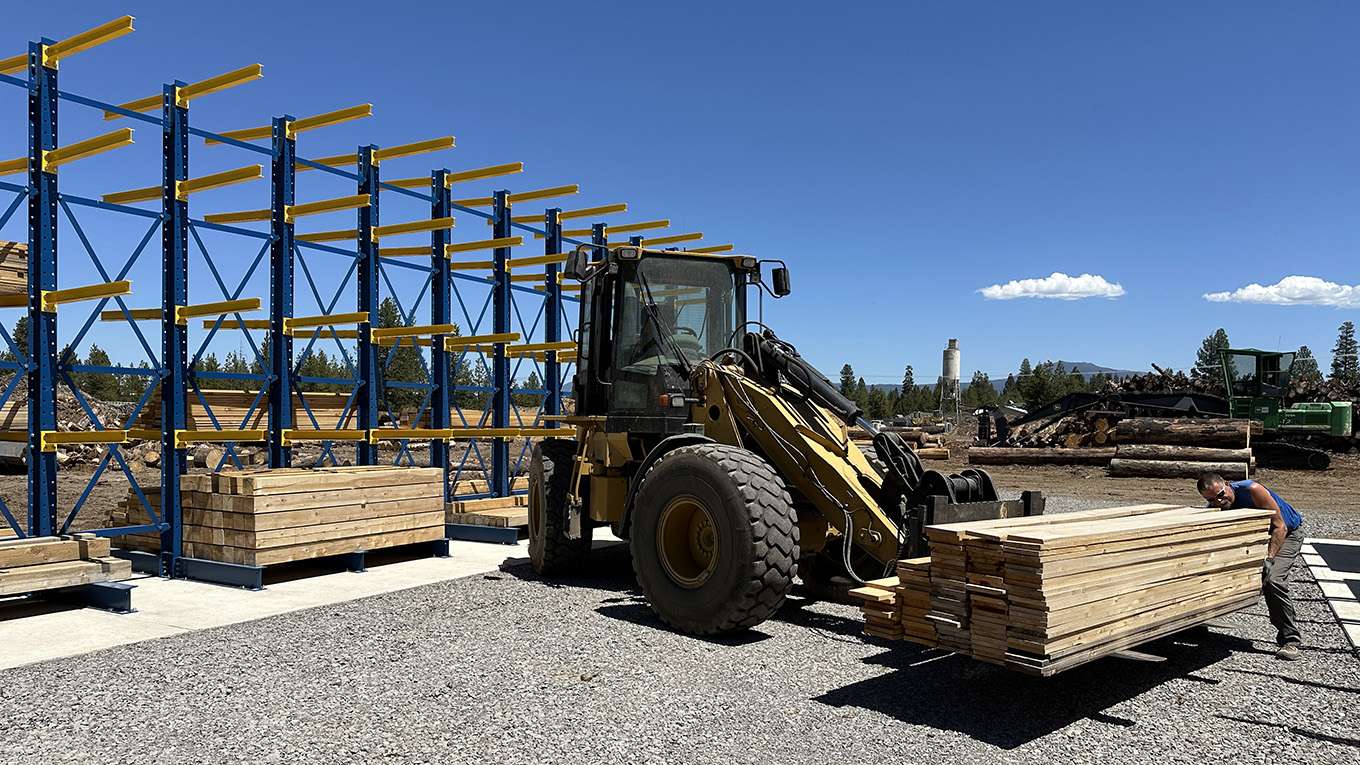
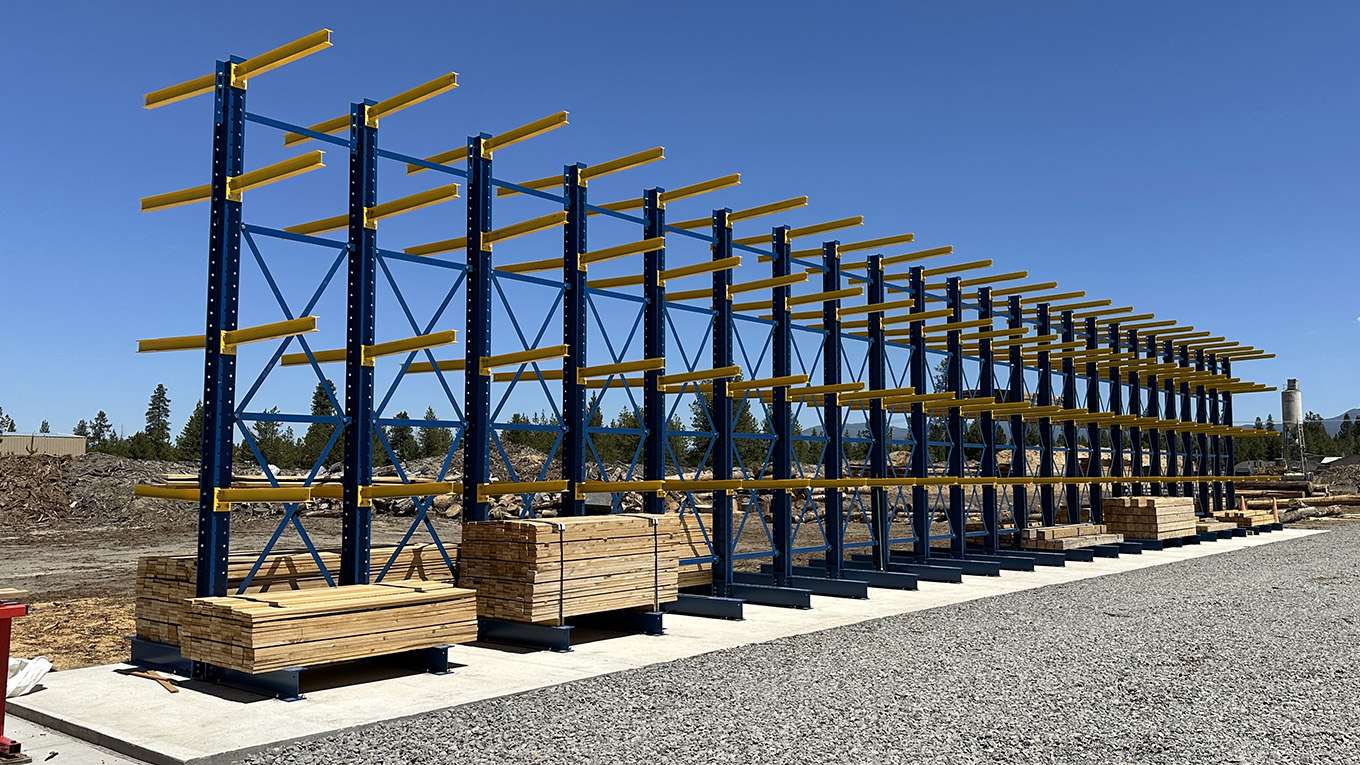
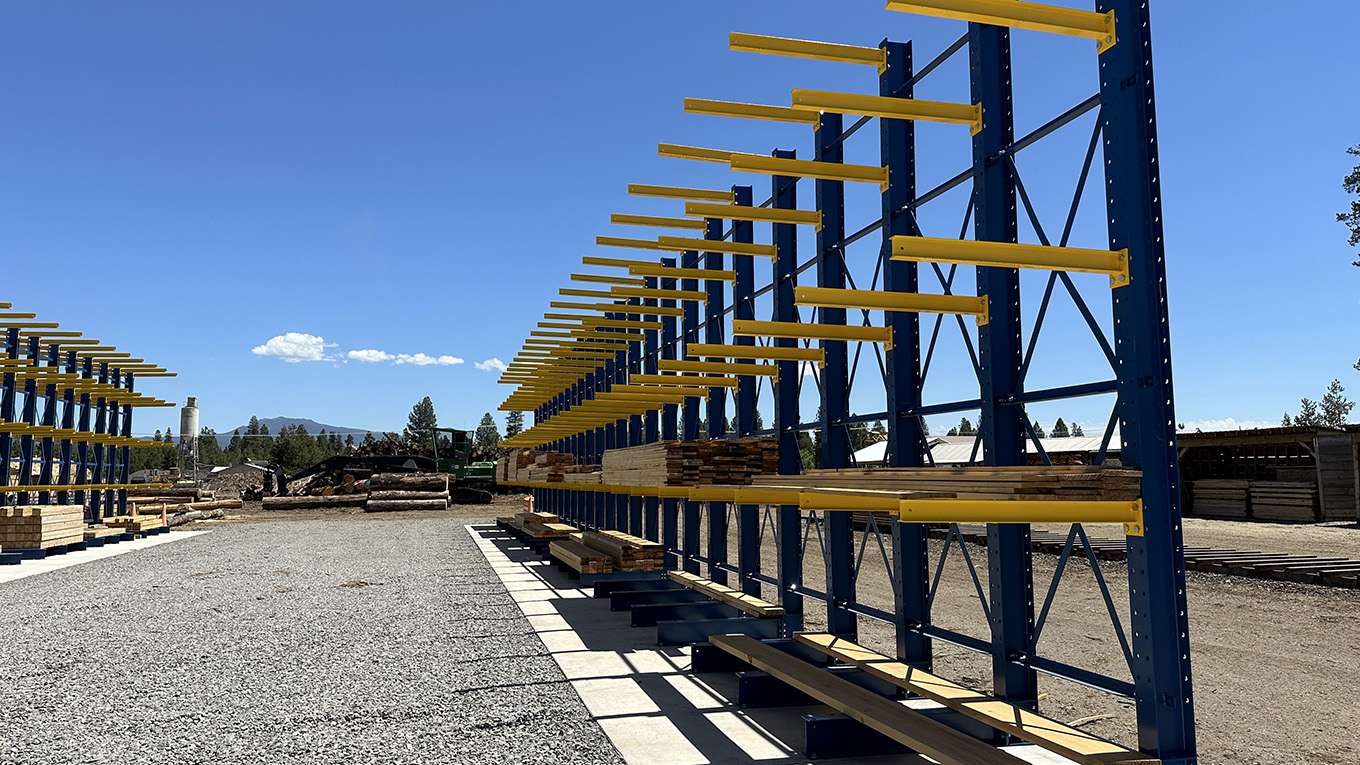
Lumber Company says: “Working with Speedrack West team has been a real pleasure. They made the whole process smooth and straightforward, and we’re 100% planning to come back again—which we actually just did recently.”
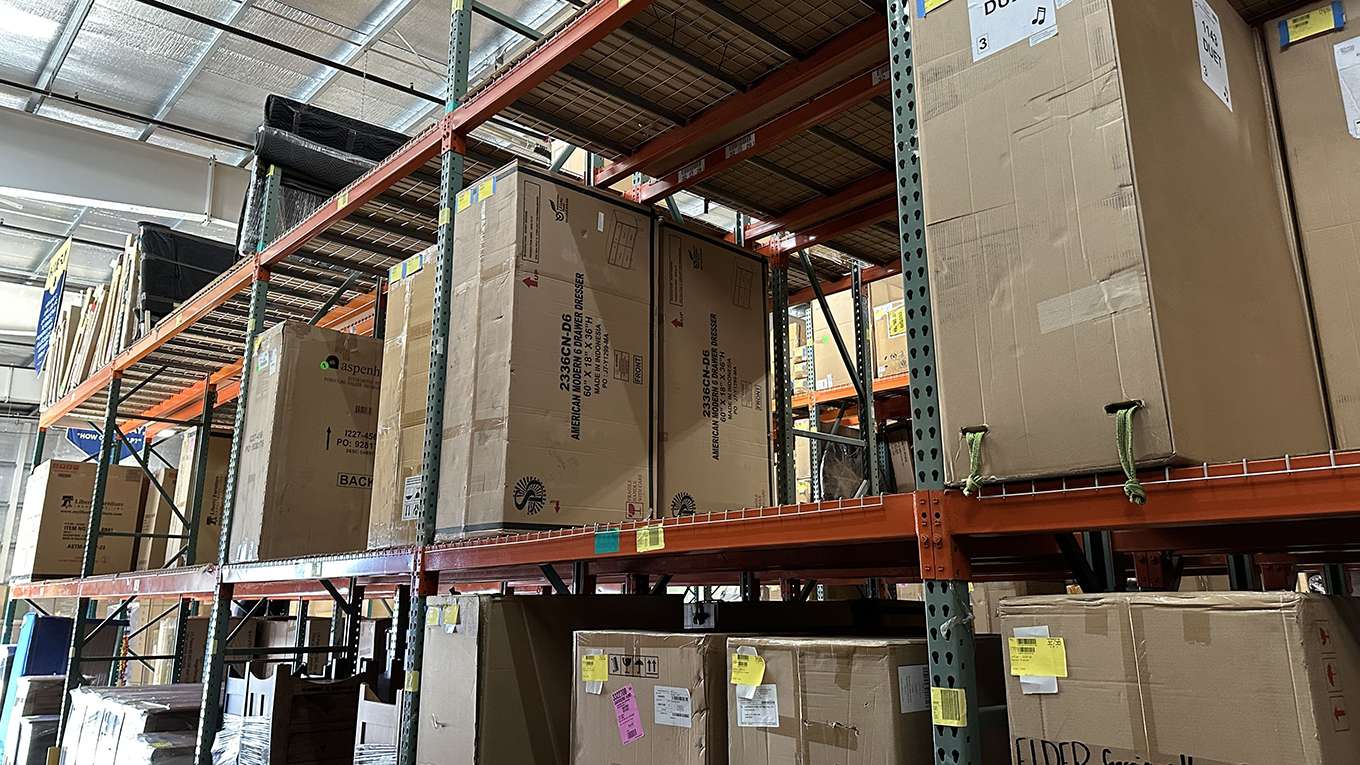
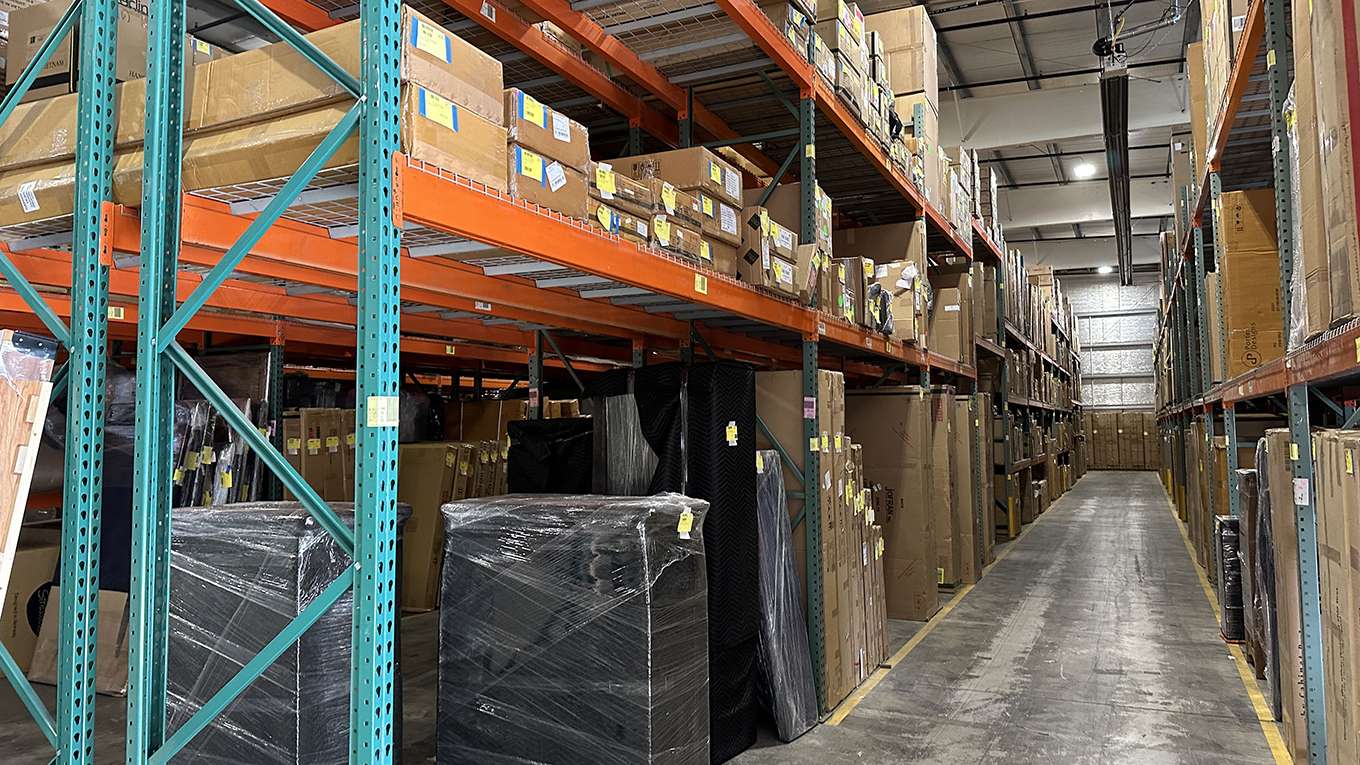
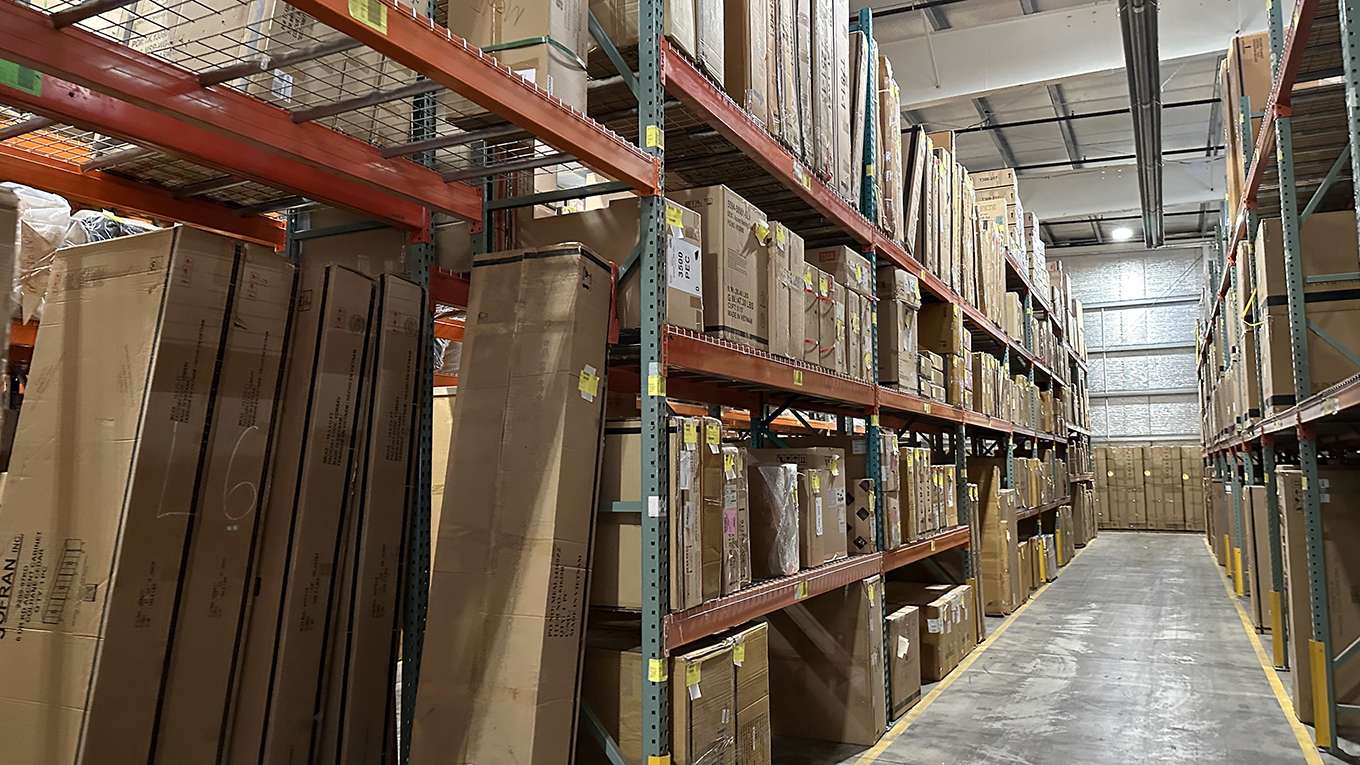
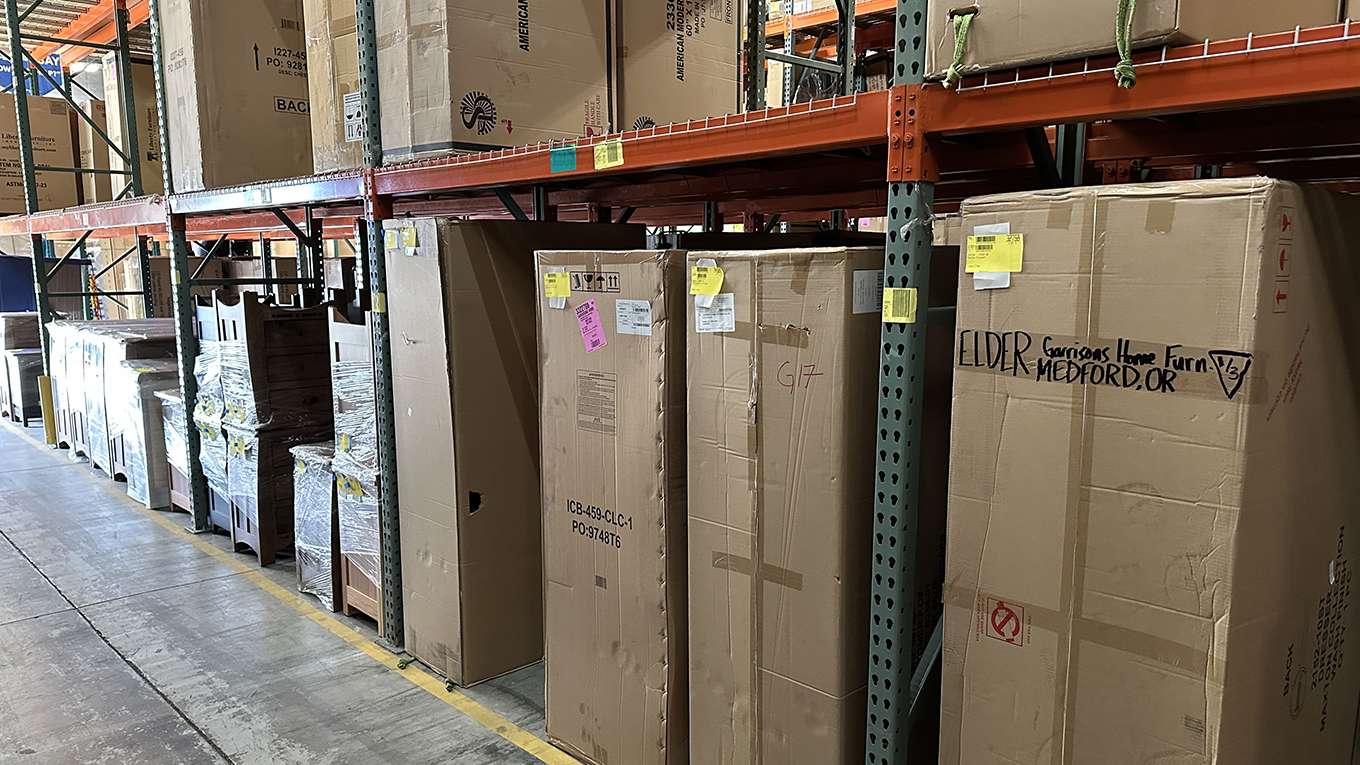
Derek Patterson says: “I would suggest that there should be no hesitation…from placing an order to getting everything delivered in such a timely manner. I had racking within 7 days compared to 4 to 6 weeks elsewhere. The customer service level is fabulous.”
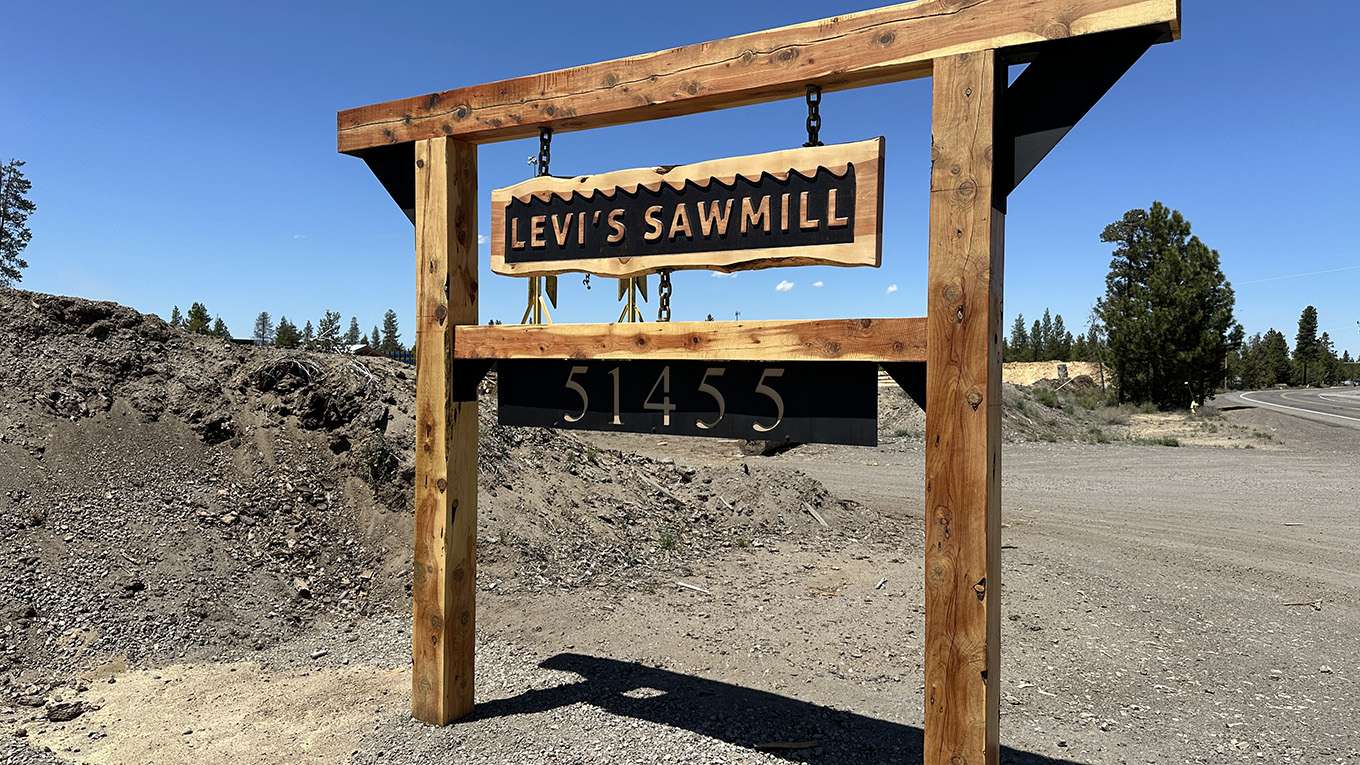
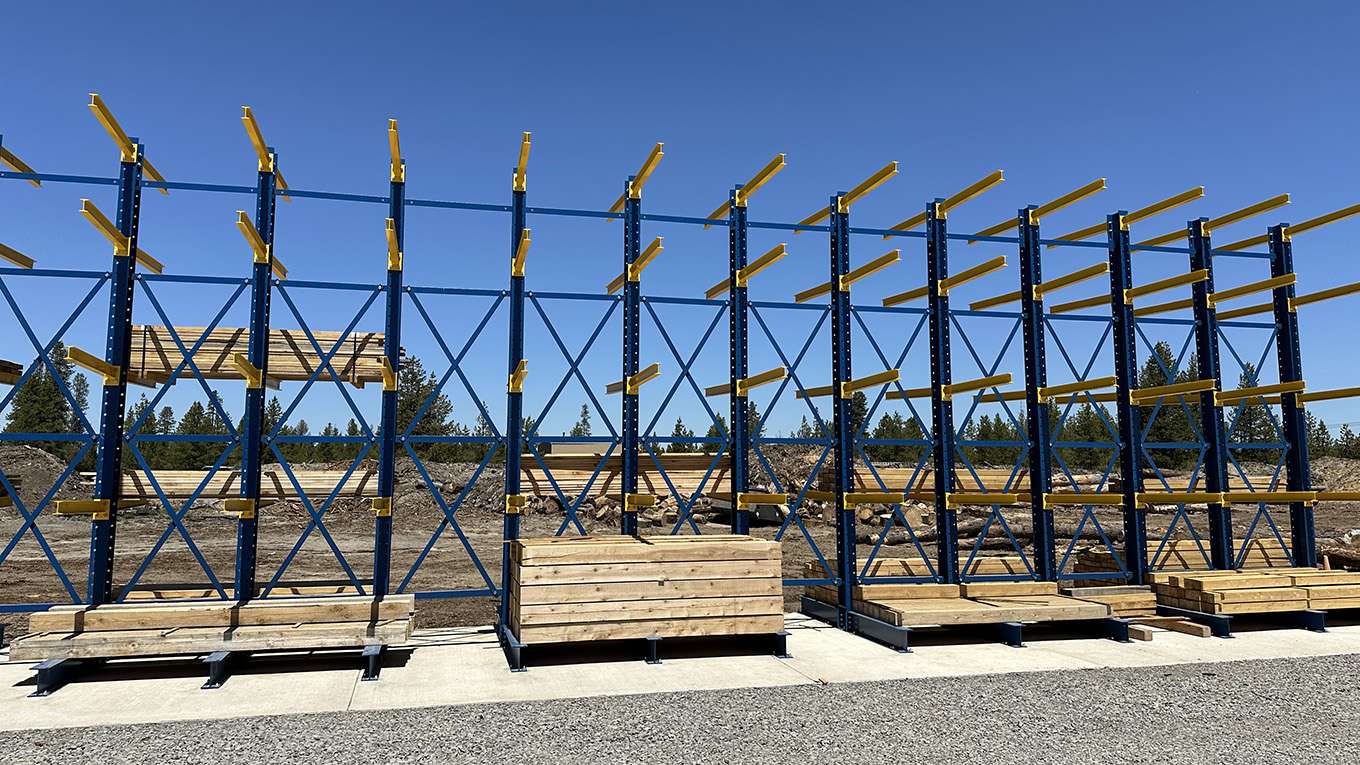
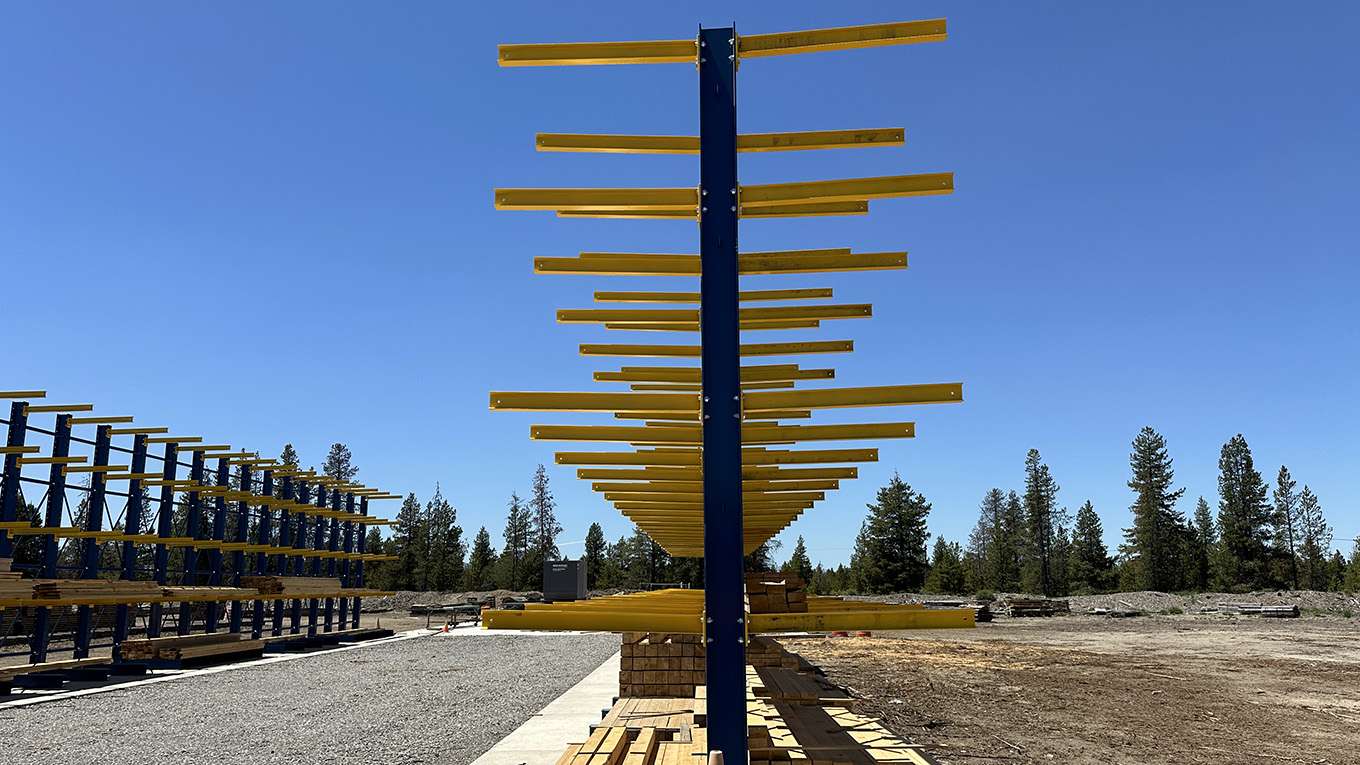
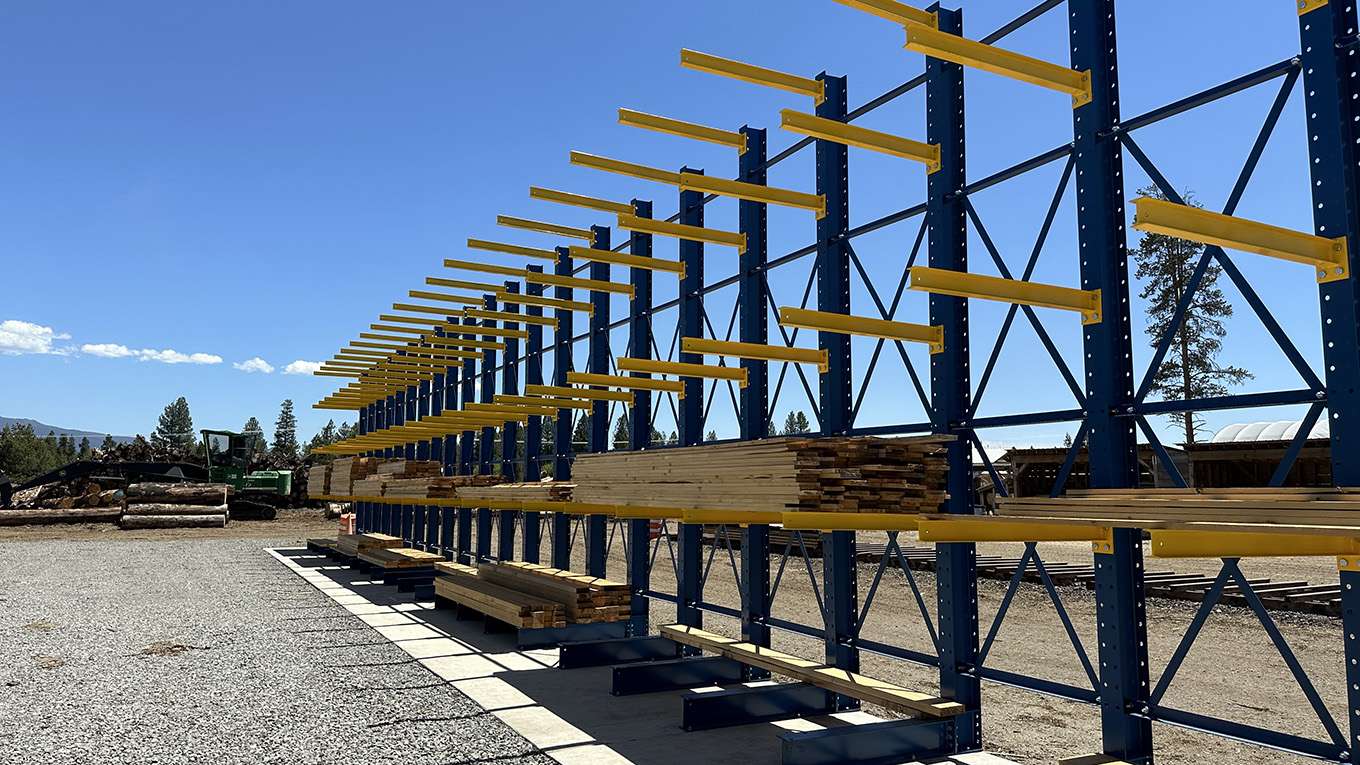
Levi Littrell says: “It’s a very expensive product no matter who you go with. Speedrack West will actually walk you through the steps and give you pricing options. Definitely, you do your research, but most likely you’re going to come back to Speedrack West.”
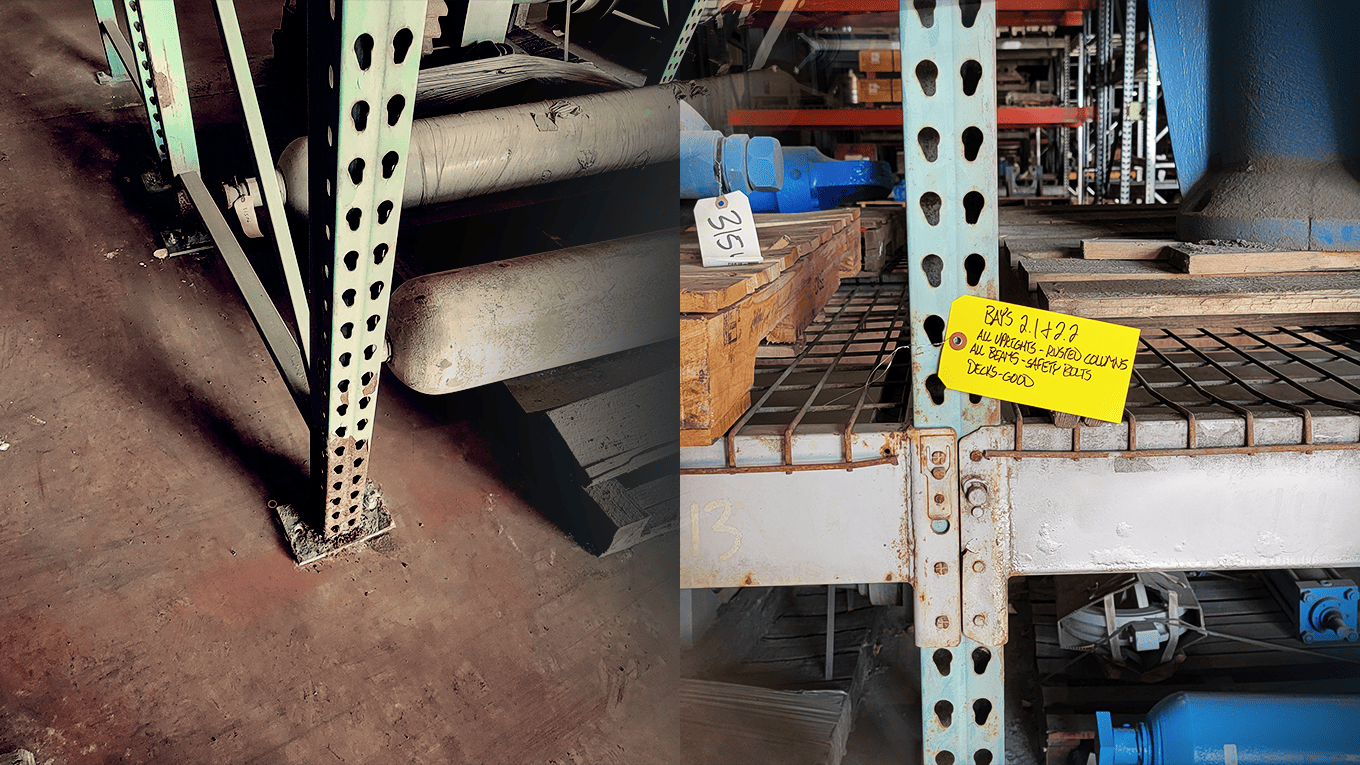
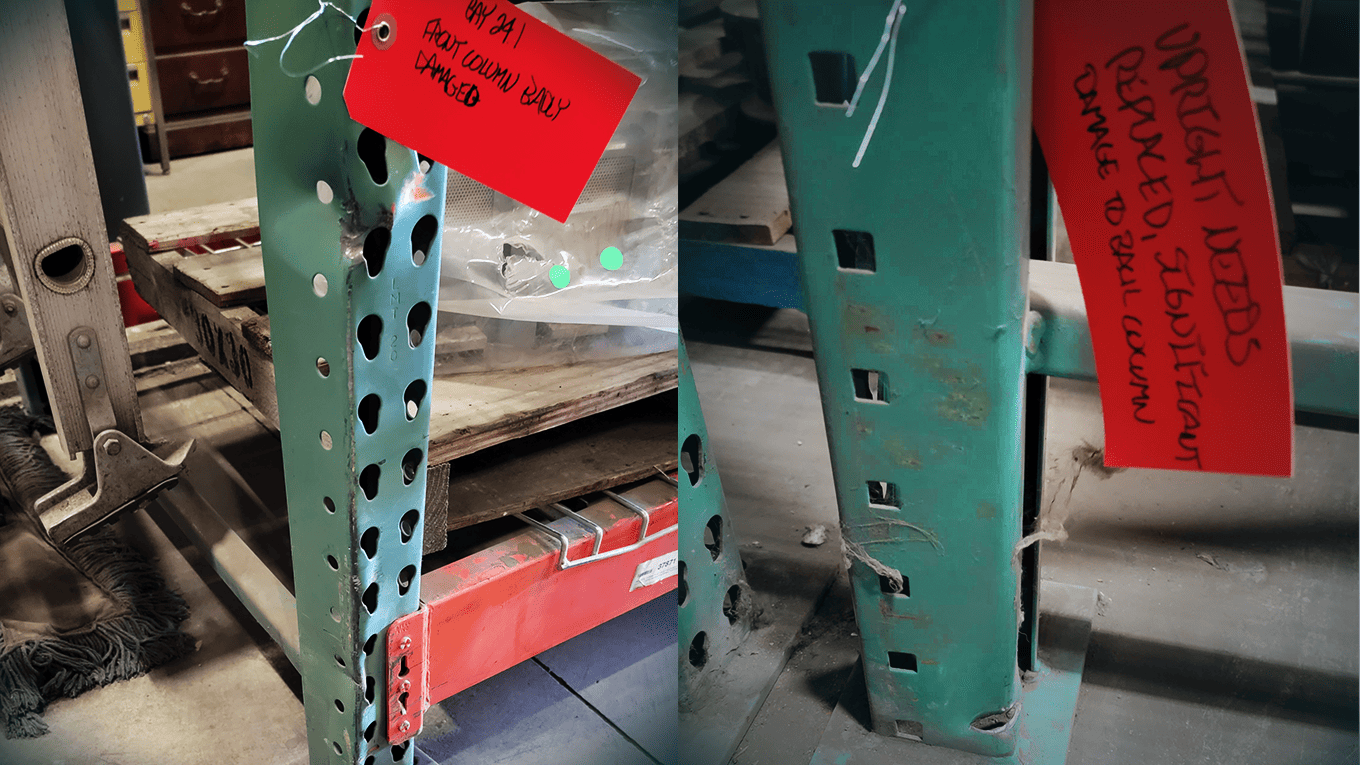
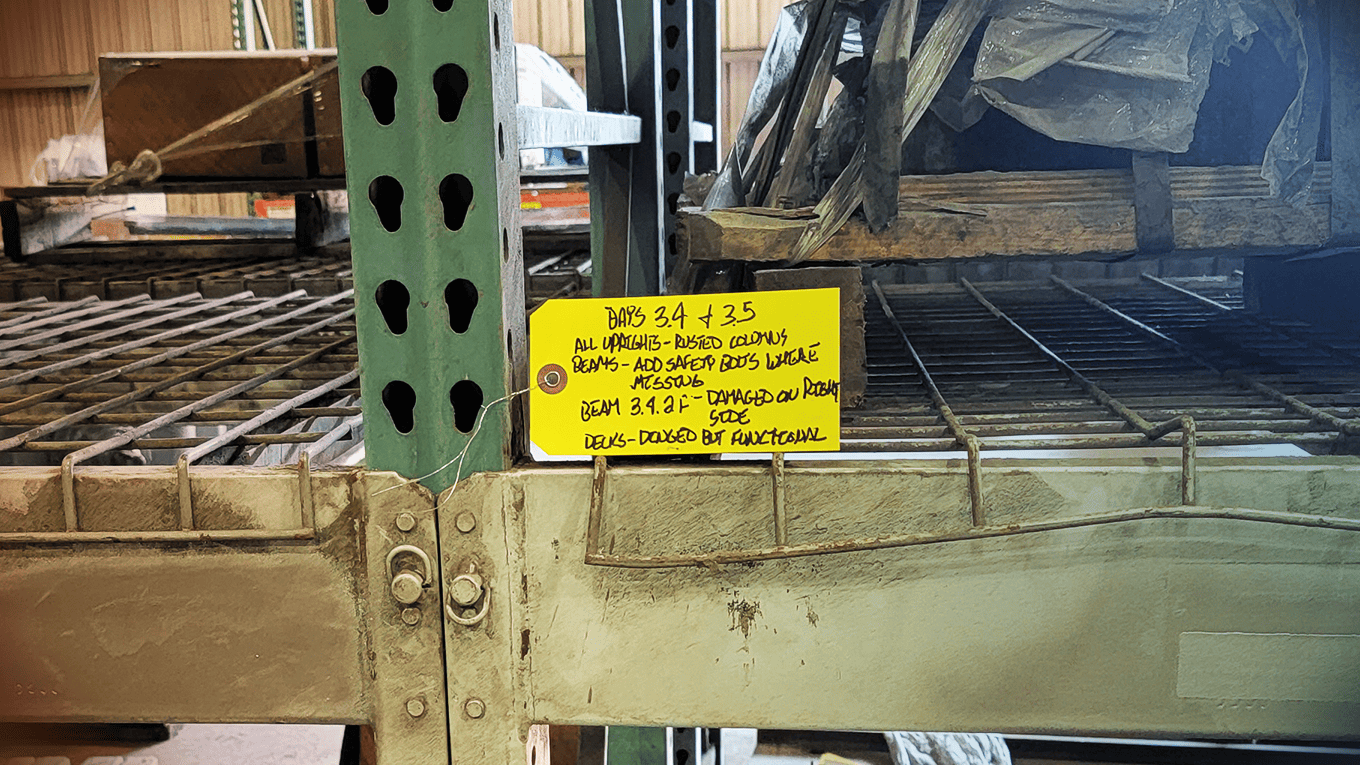
Gerald Allen says: “I do know that basically got called every day. How’s it going, is everything good? So the attention to detail and the concern for my happiness for lack of better terms was definitely a part of working with your company.”
James Roberts says: “It was vital for us to go with your company. With your guys’ company’s versatility to accommodate our needs from rack sizing to structural weight capacity.”
The Brands Behind the Racks










Related Products
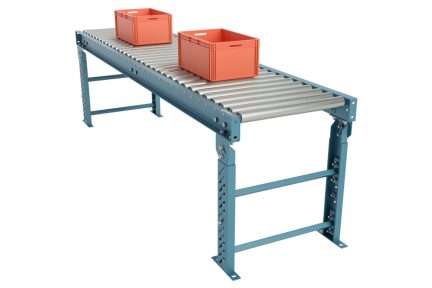
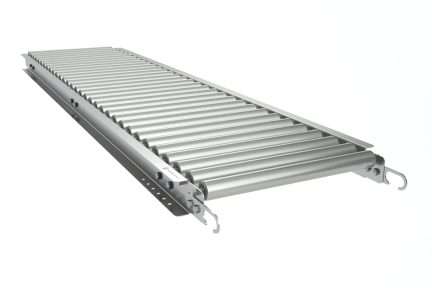
Straight Sections for Galvanized Gravity Roller Conveyor (Light Duty)
$157.42 - $442.63
Order
Robert Baumgartner says: “Despite picking up this project in the middle of its lifecycle, the transition was flawless thanks to the team’s stellar communication. They exceeded our expectations by delivering the installation earlier than anticipated and hitting every technical requirement. From the sales team’s quick answers to their willingness to make adjustments, the experience was top-tier.”
Consolidated Supply says: “We’re very happy to be your regular client, and it’s always so easy to work with your team”
Lumber Company says: “Working with Speedrack West team has been a real pleasure. They made the whole process smooth and straightforward, and we’re 100% planning to come back again—which we actually just did recently.”
Derek Patterson says: “I would suggest that there should be no hesitation…from placing an order to getting everything delivered in such a timely manner. I had racking within 7 days compared to 4 to 6 weeks elsewhere. The customer service level is fabulous.”
Levi Littrell says: “It’s a very expensive product no matter who you go with. Speedrack West will actually walk you through the steps and give you pricing options. Definitely, you do your research, but most likely you’re going to come back to Speedrack West.”
Gerald Allen says: “I do know that basically got called every day. How’s it going, is everything good? So the attention to detail and the concern for my happiness for lack of better terms was definitely a part of working with your company.”
James Roberts says: “It was vital for us to go with your company. With your guys’ company’s versatility to accommodate our needs from rack sizing to structural weight capacity.”
The Brands Behind the Racks
Installation &
Tear Down
Our in house installation crew do their job promptly and professionally. We can also help with moving or tearing down your old rack system.




Reviews
Leave a review!
Sign In